What if everything you think you know about the location of your own mind is wrong? Most of us grow up assuming the brain is the sole headquarters of thought, awareness, and experience. It’s a tidy idea. It fits in a skull-shaped box. It keeps neuroscience manageable.
The trouble is, a growing wave of researchers, philosophers, and cognitive scientists are tearing that tidy idea apart. From the tools you use every day, to the body you inhabit, to the social world you live inside – the frontier of consciousness studies is pushing the boundaries of mind far beyond grey matter. Let’s dive in.
The Classical View Is Cracking at the Seams
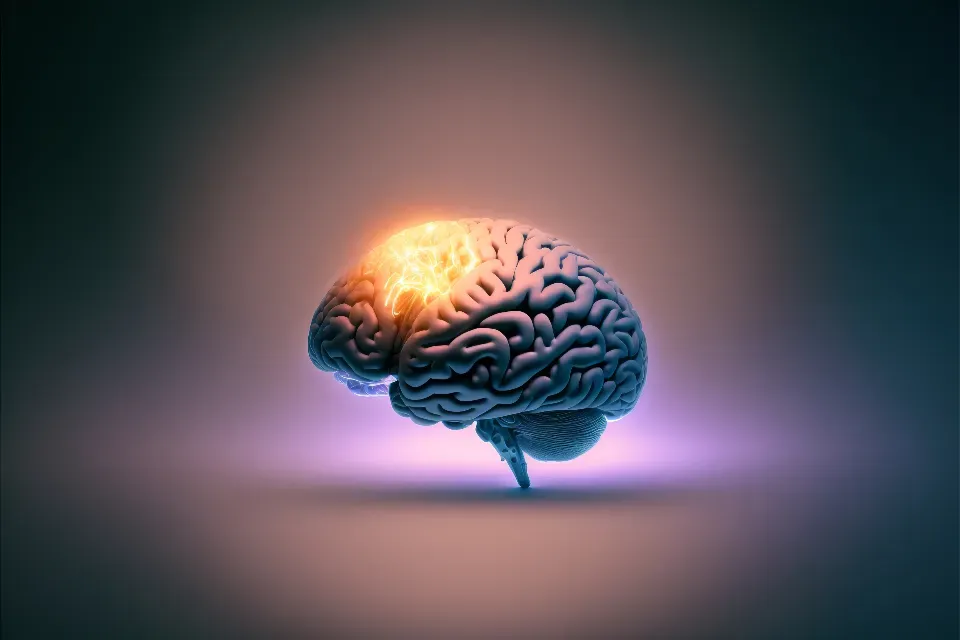
Even within a purely materialist worldview, where mental states are entirely the product of physical states and consciousness is entirely the output of the brain, there are literally dozens and dozens of theories, and they differ dramatically in terms of scale and core mechanisms. That diversity isn’t a sign of healthy scientific progress. Honestly, it’s a sign that no one has fully cracked it yet.
The nature of consciousness remains unclear, and academic discussions have usually ignored the scientific evidence about anomalous and spiritual experiences suggestive of the mind beyond the brain, mainly because of the lack of a scientific framework that makes sense of these experiences. That gap is finally starting to close. Thinkers across disciplines are now bold enough to ask what many once considered an unscientific question: what if your mind doesn’t stop at your skin?
The Extended Mind Thesis: Your Notebook Is Part of You

In philosophy of mind, the extended mind thesis says that the mind does not exclusively reside in the brain or even the body, but extends into the physical world. This idea, first formally proposed by Andy Clark and David Chalmers in 1998, sounds radical until you sit with it for a moment. Think about how you use your phone. Think about a shopping list. Think about GPS.
Consider the fictional characters Otto and Inga, both travelling to a museum. Otto has Alzheimer’s disease and has written all of his directions in a notebook, while Inga recalls them from her internal memory. The argument is that the only difference in these two cases is that Inga’s memory is internally processed by the brain, while Otto’s memory is served by the notebook. In other words, Otto’s mind has been extended to include the notebook as the source of his memory. It’s a simple story, but it carries enormous philosophical weight. If the function is the same, why should the location matter?
Your Body Is Not Just a Vehicle for Your Brain
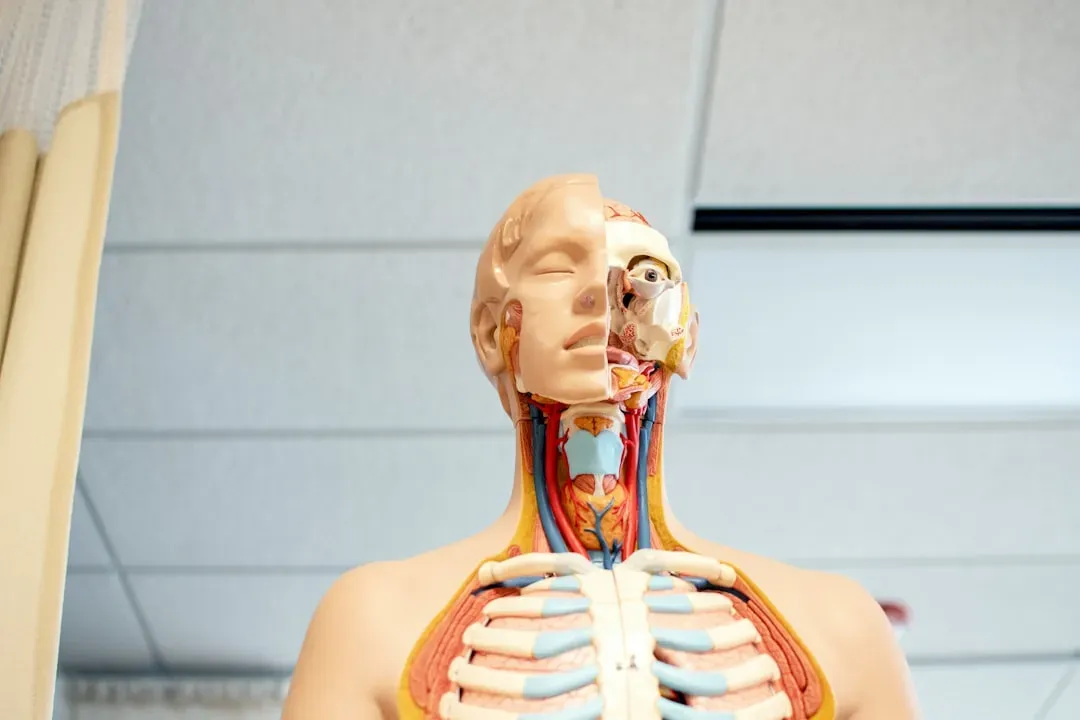
Embodied cognition rejects or reformulates the computational commitments of cognitive science, emphasizing the significance of an agent’s physical body in cognitive abilities. The unifying idea is that the body, or the body’s interactions with the environment, constitutes or contributes to cognition in ways that require a new framework. This is more than an abstract philosophical claim. It changes how you think about memory, emotion, and even language.
Research suggests that regions of the brain like the sensory-motor system and the insula, by means of embodied simulation, are involved in social cognition, action planning, action understanding, tool use, emotion recognition, mental imagery, language understanding, and even the experience of artworks. Let’s be real: if your body is doing that much cognitive heavy lifting, calling it merely a “vehicle” for the brain seems almost insulting. You think with your hands, your posture, your breath. The body isn’t peripheral to consciousness. It’s deeply woven into it.
Enactivism: The Mind Is Something You Do, Not Something You Have
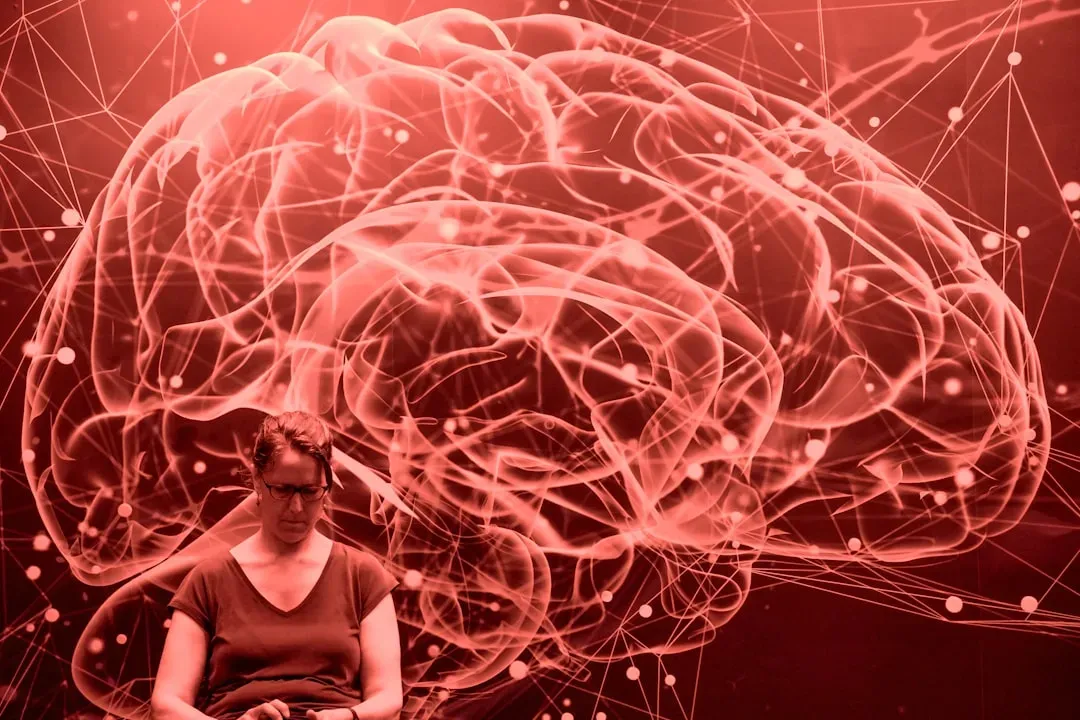
Enactivism is a position in cognitive science that argues that cognition arises through interaction between an acting organism and its environment. It claims that the environment of an organism is brought about, or enacted, by the active exercise of that organism’s sensorimotor processes. It’s a concept that flips the usual script completely.
Organisms do not passively receive information from their environments and then translate it into internal representations. Natural cognitive systems participate in the generation of meaning, engaging in transformational and not merely informational interactions – they enact a world. Think of it this way: you don’t see the world as a camera captures a photo. You actively build your experience of it through movement, touch, attention, and action. Consciousness is less like a screen and more like a dance.
4E Cognition: Four Letters That Reframe Everything
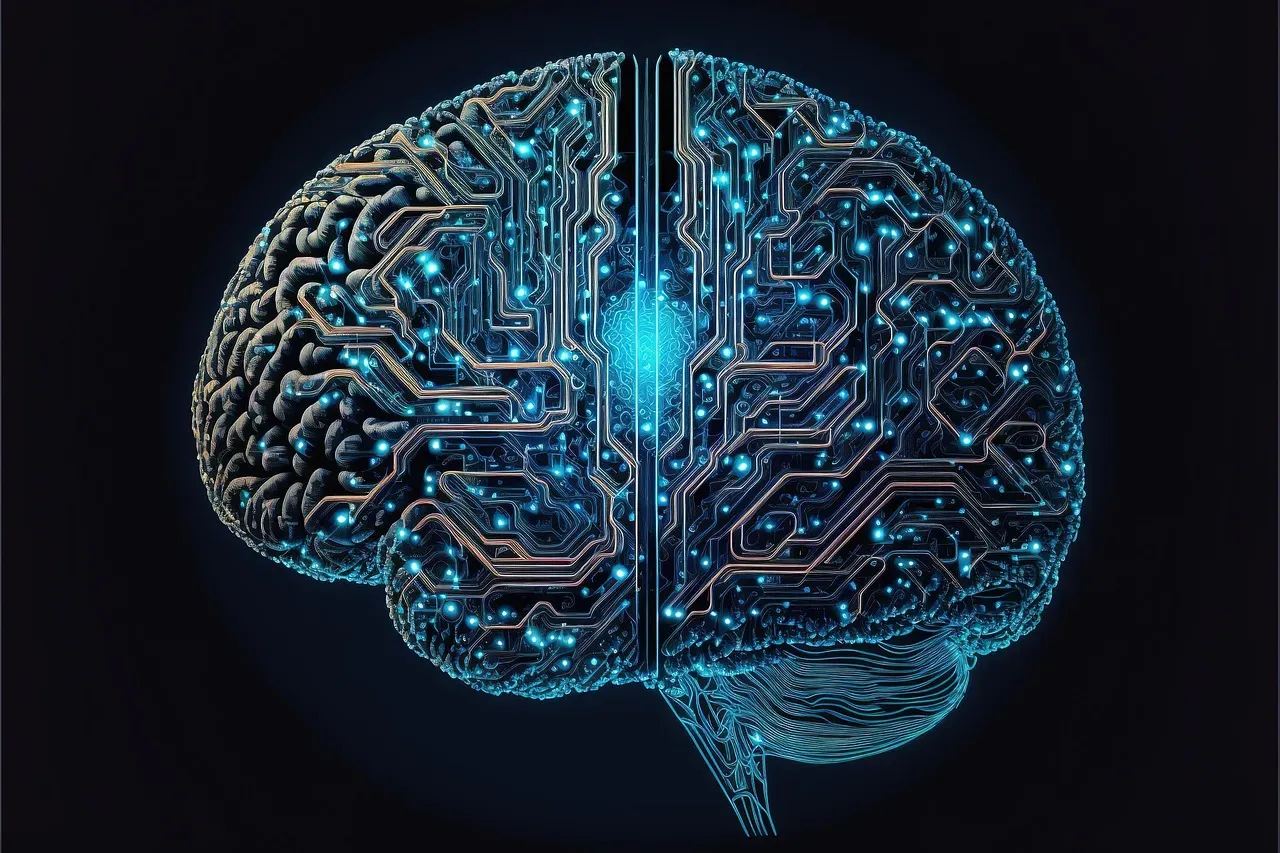
Mental processes can be understood as embodied, involving more than the brain, including bodily structures and processes; embedded, functioning only in a related external environment; enacted, involving not only neural processes but also things an organism does; and extended into the organism’s environment. This framework, known as 4E cognition, is one of the most exciting intellectual packages in contemporary cognitive science.
According to this thinking, cognition is not limited to the brain, or even to the body. Objects in the external world can be used in such a way that they become part of the mind itself. In a society ever more reliant upon computers and internet connectivity, this poses deeply relevant questions about human identity. Here’s the thing: if your smartphone serves as your memory, your calendar, your compass, and your social life, is it not already functioning as a cognitive organ? The 4E view says yes, at least in some meaningful sense, and that deserves serious reflection.
Panpsychism: What If Consciousness Goes All the Way Down?

In philosophy of mind, panpsychism is the view that the mind or consciousness is a fundamental and ubiquitous feature of reality. It is also described as a theory that the mind is a fundamental feature of the world which exists throughout the universe. I know it sounds crazy, but hear it out before dismissing it.
Recent interest in the hard problem of consciousness and developments in the fields of neuroscience, psychology, and quantum mechanics have revived interest in panpsychism in the 21st century, because it addresses the hard problem directly. For its proponents, panpsychism offers an attractive middle way between physicalism on the one hand and dualism on the other. The worry with dualism is that it leaves us with a radically disunified picture of nature and the deep difficulty of understanding how mind and brain interact, while physicalism arguably cannot give a satisfactory account of the emergence of human and animal consciousness. Panpsychism, strange as it may sound on first hearing, promises a satisfying account of the human mind within a unified conception of nature.
Mind Extension, Technology, and the Future of Human Identity
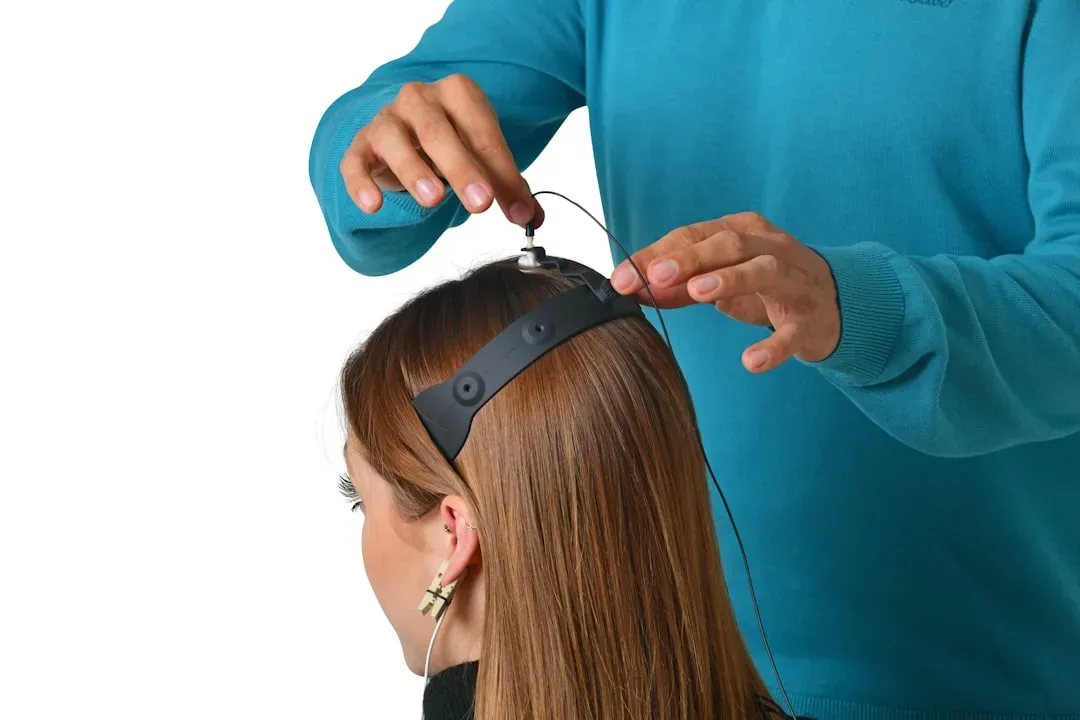
Cognitive processes can extend beyond the brain into the environment when external resources are appropriately integrated, such as smartphones. This is not a futuristic hypothesis anymore. It is already happening. You outsource memory to cloud storage, navigation to algorithms, and social awareness to curated feeds. The question isn’t whether minds are extending. It’s whether you’ve noticed.
The extended mind thesis states that the mind is not brain-bound but extends into the physical world. The philosophical debate has mostly focused on extension towards epistemic artefacts, but if the mind extends to artefacts in the pursuit of individual tasks, it extends to other humans in the pursuit of collective tasks. This corresponds essentially to a “we-mode” of cognition, the unique power of human minds to be jointly directed at goals, intentions, and values. That last point is extraordinary. Your mind may not just extend into tools and environments. It may literally reach into other people, forming shared cognitive systems that no single brain could build alone. It’s a humbling thought.
Conclusion: The Brain Is the Starting Point, Not the Whole Story
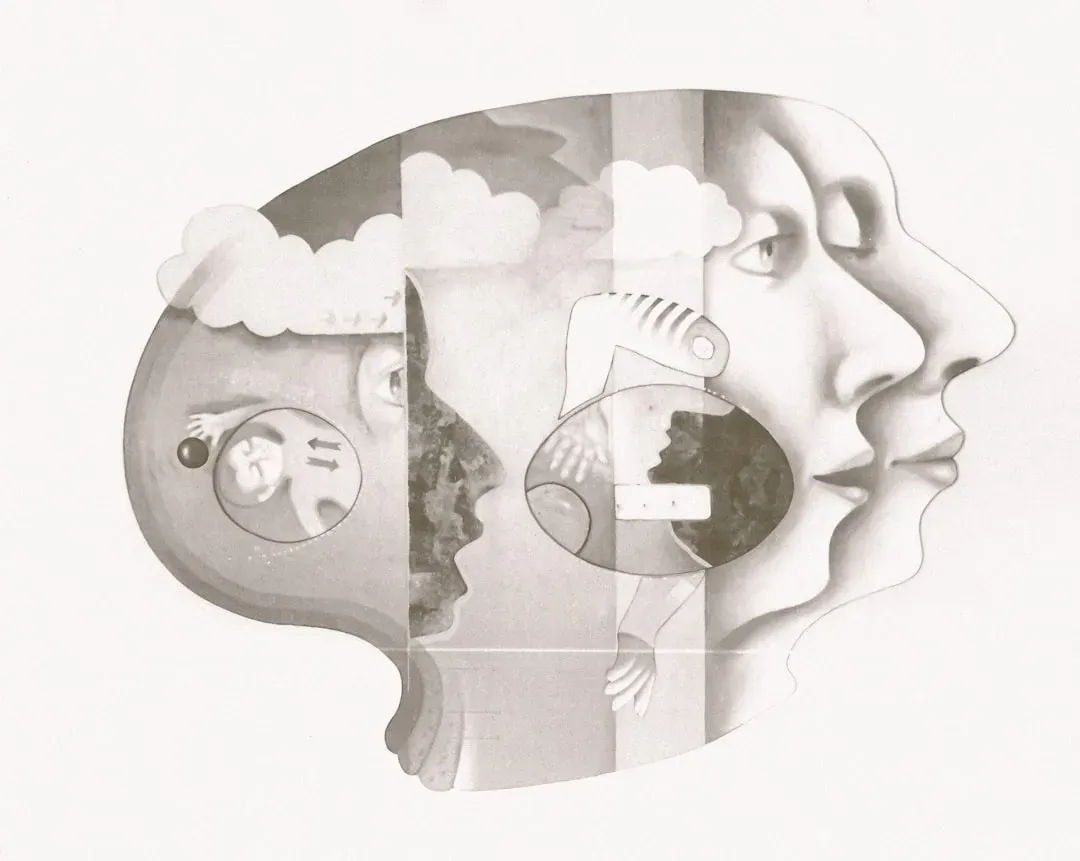
Consciousness research is undergoing something of a quiet revolution. The old model, in which the brain sits alone in a skull, processing everything in sovereign isolation, is giving way to richer, messier, and frankly more exciting models that involve bodies, environments, tools, and other minds. The full recognition that our conscious minds are not confined to our brains, or to what is currently measurable inside the brain or beyond, may eventually free contemporary neuroscience.
None of this means we have the answers. It’s hard to say for sure where exactly the mind ends and the world begins. That uncertainty is precisely what makes this one of the most thrilling intellectual frontiers of the 21st century. The extended mind hypothesis has enormous cultural resonance beyond academia. The hypothesis challenges our conceptions of what it is to think, the role of technology in our lives, and how we interact with our surroundings. So consider this: the next time you reach for your phone, flip through a notebook, or feel your emotions shift when a friend walks into the room – maybe that’s not just the world affecting your brain. Maybe that is your mind, doing what minds apparently do, reaching out.
What would change for you if you truly believed your mind extended beyond your skull? Tell us in the comments.