There is something deeply unsettling about the idea that an entire civilization, with its cities, its language, its people and its culture, can simply cease to exist. Not fade slowly like a dying ember, but vanish. Like someone switched off a light. You walk into the ruins and you can almost feel the silence where there was once noise, commerce, life. It gives you goosebumps, doesn’t it?
Across every corner of the globe, archaeologists have spent lifetimes sifting through rubble, bones, and crumbling pottery, trying to piece together what happened to some of history’s greatest civilizations. Sometimes they find answers. More often, they find more questions. Let’s dive into eight of the most haunting disappearances in human history, and honestly, brace yourself, because a few of these will genuinely surprise you.
1. The Maya: A Civilization That Just Walked Away

The Maya were arguably the most advanced pre-Columbian civilization of the New World, carving extraordinary stone cities into the jungles of southern Mexico and Central America. They were masters of hieroglyphic writing, calendar-making, mathematics, astronomy, and architecture, reaching the absolute peak of their power during what scholars call the Classic Period, roughly from 250 to 900 AD. Think about that for a moment: a civilization so sophisticated it mapped the stars while Europe was still figuring out basic governance.
Yet at the very end of that golden Classic Period, something extraordinary happened in one of history’s greatest enigmas: the populace suddenly deposed its kings, abandoned the cities, and completely ceased technological innovation. Dozens of theories have been put forward ever since to explain what happened. Some historians point to a major drought, worsened by deforestation and soil erosion, while others blame a disease epidemic, a peasant revolt against a corrupt ruling class, constant warfare among city-states, or a breakdown of trade routes. Honest truth? Science still can’t land on a single answer.
2. The Indus Valley Civilization: Five Million People, Gone
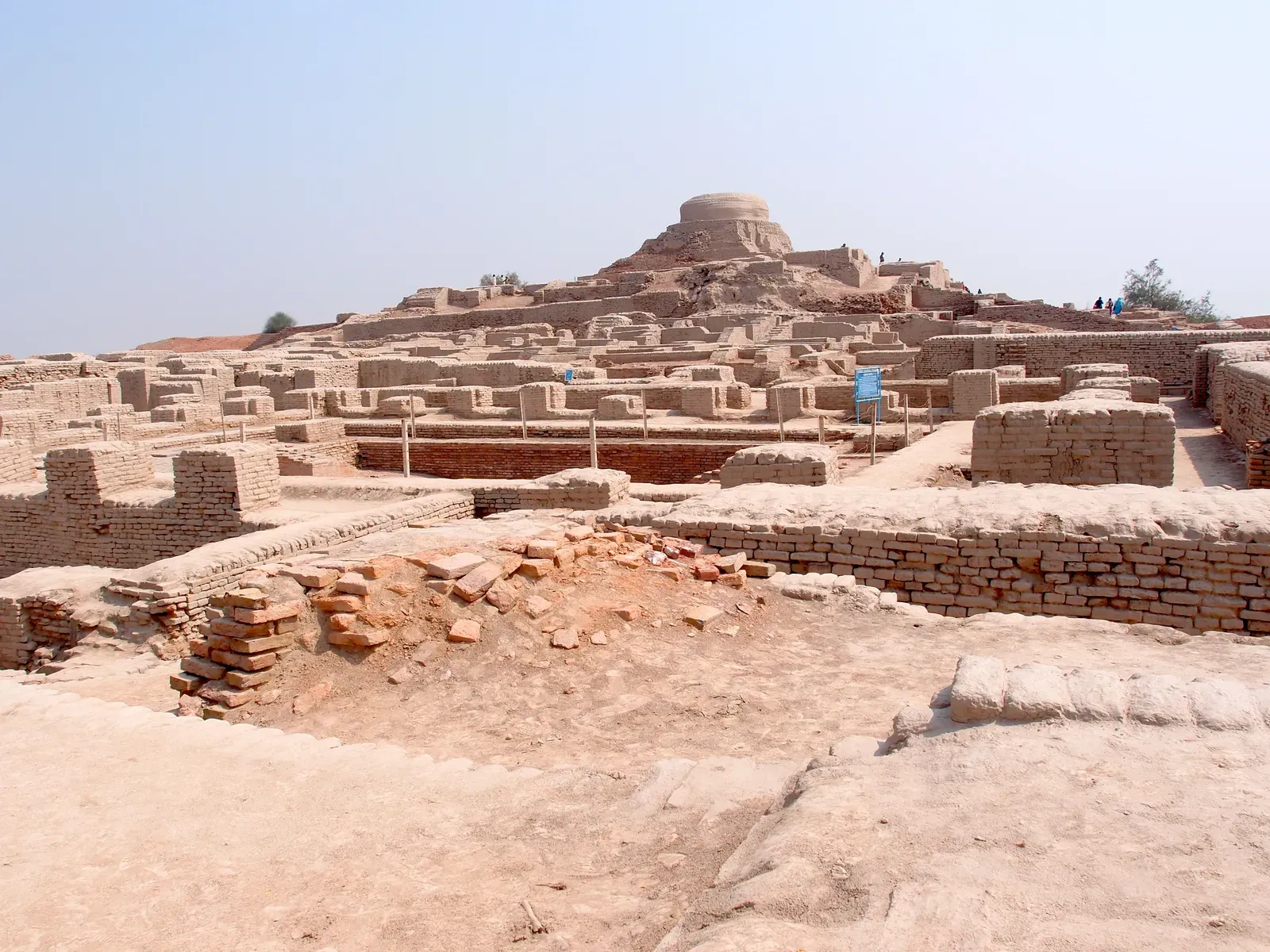
The Indus people began building settlements in present-day India and Pakistan as early as 8,000 years ago, making them one of the earliest civilizations on earth. By the third millennium BC, they occupied over 386,000 square miles of territory, far more than their better-known contemporaries in Egypt and Mesopotamia, and they accounted for roughly one tenth of the entire world’s population. They even developed a writing script still yet to be deciphered, and their cities contained sanitation systems that remained unequaled until Roman times.
Renowned for meticulous urban planning, the Harappans constructed sophisticated cities like Mohenjo-daro and Harappa, defined by advanced drainage systems, grid street layouts, and uniform brick sizes. Despite all these advancements, the Harappans mysteriously vanished around 1900 BC. Theories regarding their decline include climatic changes, specifically shifts in monsoon patterns or river drying, which disrupted agriculture. The Indus Valley people did develop their own written language, but it remains undeciphered to this day. If this language is ever fully understood, it may finally explain what happened to these people all those years ago. That alone should keep you up at night.
3. The Minoan Civilization: Europe’s First Great Empire Erased
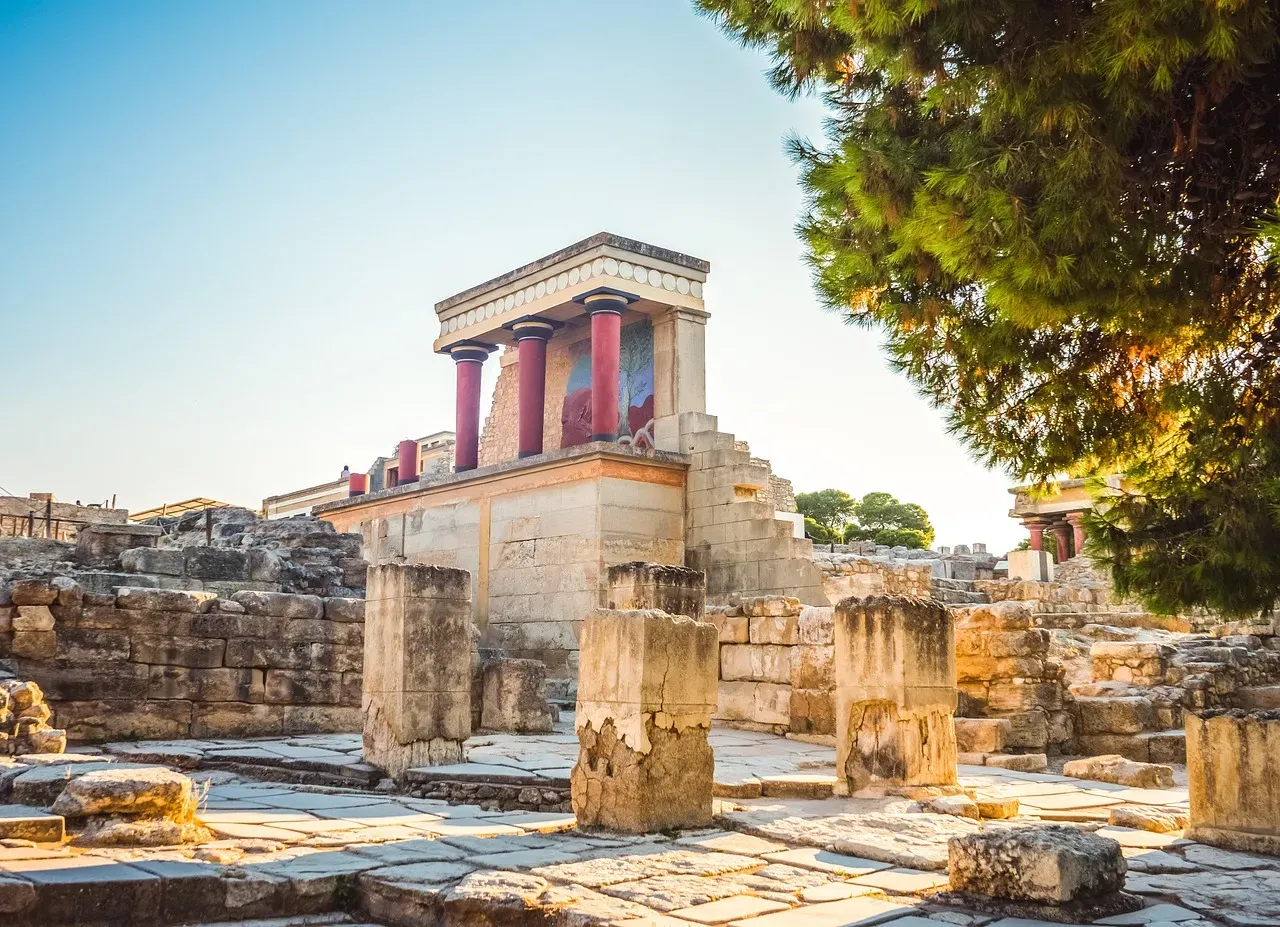
Named after the legendary King Minos, the Minoans were the first Europeans to use a written language, known as Linear A, and the first to construct paved roads. They were an advanced society of highly cultivated artisans and extremely skilled civic engineers. Their maritime empire was so vast it rivaled that of the ancient Egyptians. Here’s the thing though: their writing, Linear A, has never been fully decoded. We literally cannot read what they left behind.
One of the most popular explanations for their collapse is that the Minoans were wiped out by a massive volcanic eruption. Archaeological evidence confirms that a large volcanic eruption occurred on the island of Santorini around 1500 BCE, causing massive damage to the surrounding civilization and resulting in tsunamis that wiped out coastal settlements. Even so, the timeline is problematic. More recent dating evidence places the Minoan eruption in the 16th century BCE, which still leaves roughly 50 years between that catastrophic event and the apparent Mycenaean invasion of Crete. That gap is exactly where the mystery lives.
4. The Ancestral Puebloans (Anasazi): Sky Cities Left Empty Overnight

In the dry Four Corners region of the present-day United States, the Anasazi built spectacular stone dwellings into the sides of cliffs during the 12th and 13th centuries, some of which contained hundreds of rooms. No other American building would be taller until the construction of the first skyscrapers in the 1880s. Yet the cliff dwellings did not remain occupied for long, and the end apparently wasn’t pretty.
Evidence suggests that severe droughts plagued the Southwest during the Anasazi’s decline. Tree-ring data shows the region experienced a prolonged period of drought from 1276 to 1299, which would have had a significant impact on their agricultural practices. Without sufficient water, their crops would have failed and food supplies would have dwindled. This may have caused social upheaval, leading to conflict and migration. Researchers have also uncovered signs of massacres and cannibalism, as well as evidence of deforestation, water management problems, and a crippling long-term drought that many believe precipitated the slide into violence. The level of desperation implied by those findings is almost incomprehensible.
5. The Khmer Empire: A Million People Swallowed by Jungle
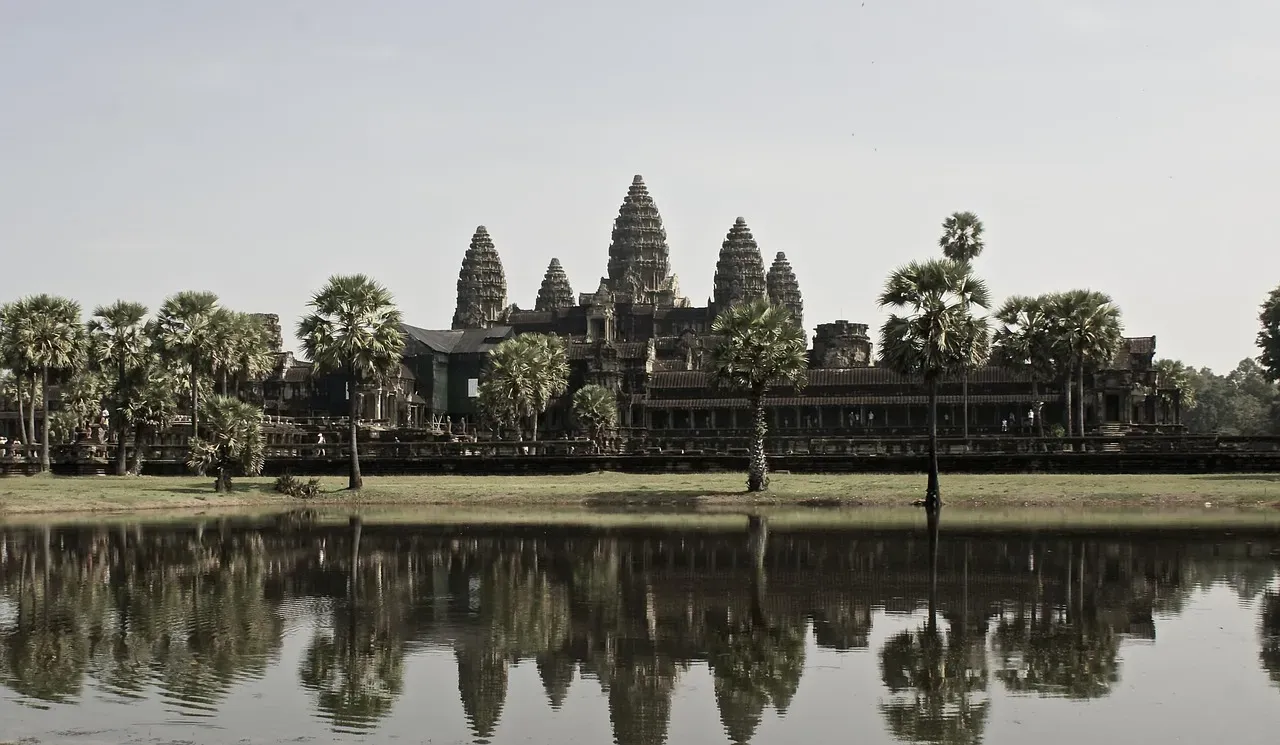
On the other side of the world, the Khmer Empire spread across modern-day Cambodia, with Angkor as one of its largest cities. It featured an extensive system of roads and canals and an estimated population of as many as one million people. One million. For context, that was bigger than almost any European city at the time. Angkor Wat, the spiritual heart of that empire, still stands today as the largest religious monument in the world, a jaw-dropping achievement carved from stone by human hands.
The Khmer Empire was at its height between 1000 and 1200 CE, and experts remain genuinely unsure what caused the civilization to disappear, leaving its cities at the mercy of the relentless jungle. Theories range from war to environmental catastrophe. It’s hard to say for sure which one it was, and that’s precisely the point. A civilization that built one of humanity’s most impressive structures simply surrendered its cities to overgrown vines and silence. No clear goodbye. No final chapter. Just absence.
6. The Olmecs: The Mother Civilization That Vanished Without a Trace
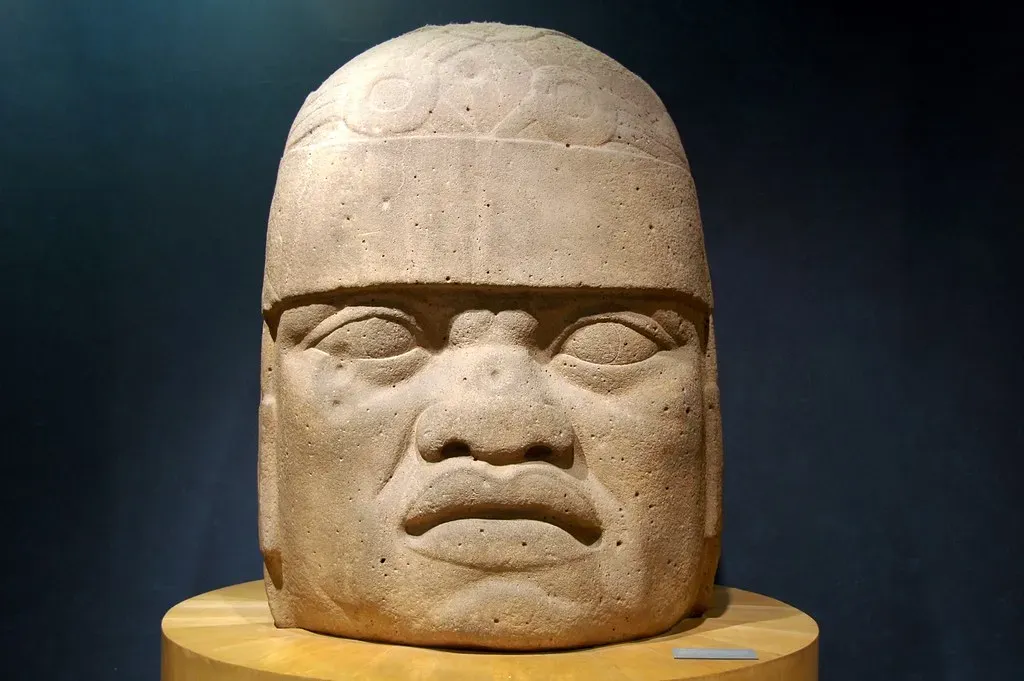
Archaeologists and historians discovered that the Olmecs were not just another Mesoamerican civilization, but the ones who actually laid the groundwork for the Maya and even the Aztecs to thrive. Like the Maya, they were capable of constructing impressive stone temples and cities. It is thought that the Olmecs controlled large swaths of territory in Central America between 1600 BC and 350 BC. Widely considered the “mother culture” of most Mesoamerican empires, their style of architecture, governance, and religion can be seen throughout the entire region.
The Olmecs are best known for their colossal head sculptures, some weighing up to 50 tons, which reflect remarkable artistry and extraordinary organizational skills. These sculptures, along with their contributions to writing, urban planning, and religious concepts, underscore their significant influence on subsequent Mesoamerican cultures. Despite their achievements, the Olmec civilization mysteriously declined around 400 BC. The reasons behind their disappearance remain speculative, with theories ranging from environmental changes such as river silting and volcanic activity, to internal strife and warfare. I think the most haunting part is that we don’t even know what they called themselves.
7. The Norse Vikings of Greenland: Warriors Who Simply Vanished

Sometime in the mid-1400s, the Norse colonies in Greenland went dark and their citizens disappeared. Records from the Middle Ages, filled with details on the beginnings of the colonies and stories from their middle years, were completely silent on the ending. If the Greenlanders all died in some apocalypse, such as plague or warfare, their cousins in Europe apparently failed to notice. If they all fled the enormous island, there is no mention of why or where they went.
What we know is that their world was growing darker, colder, and more chaotic. The Inuit were pressing in at the edges of the colonies. The Viking population was almost certainly in decline. Isolation, starvation, and possible conflicts with Indigenous people likely played a role. By the 1400s, all Viking settlements in Greenland were gone. Let’s be real: these were Vikings. The people who crossed the North Atlantic in longboats without GPS, who founded settlements in what is arguably one of the harshest environments on earth. The fact that even they couldn’t survive, and left no clear record of what happened, is genuinely sobering.
8. The Rapa Nui of Easter Island: Builders of Giants Who Fell Apart
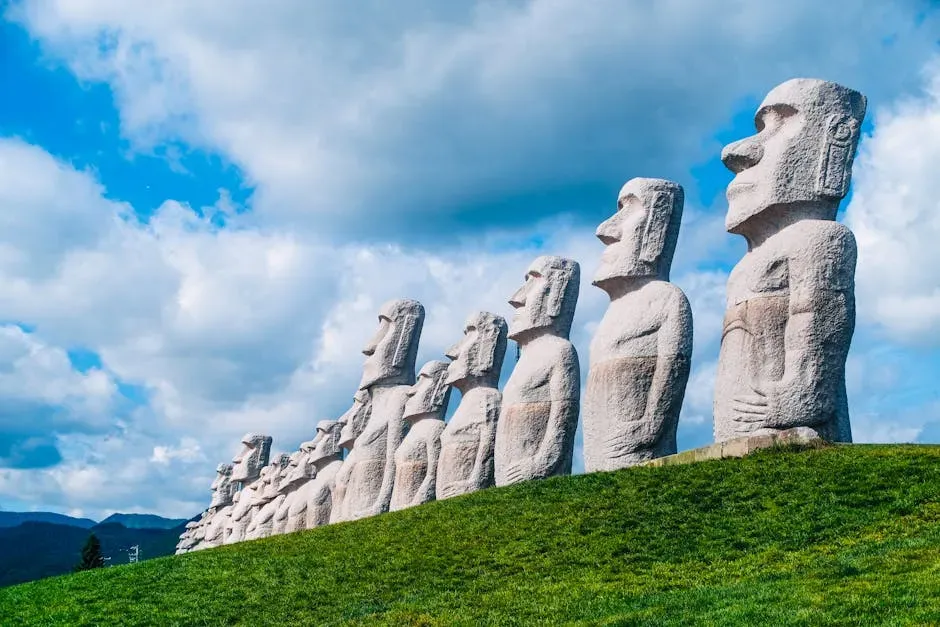
The remote island now known as Easter Island was once a thriving hub of commerce sitting along a heavily trafficked trade route through the Southern Pacific Ocean. Settled by a small group of Polynesian sailors sometime in the 9th century AD, the island known to its native inhabitants as Rapa Nui had a population that reached an estimated 15,000 people. The most famous remnants of this lost civilization are the iconic Easter Island Heads, which are actually connected to a much larger body buried underground when Europeans first arrived in the 18th century.
By analyzing charcoal fragments and pollen in sediment cores, scientists discovered that Easter Islanders cut down almost every last tree, and that rats ate the trees’ seeds before the forest could re-germinate. This ecological catastrophe eliminated the ability to make rope or seagoing canoes and reduced the population to burning grass for fuel, which may then have ushered in a period of mass starvation and civil war. The arrival of Europeans only added to the devastation, starting in 1722 when the first Europeans to set foot on Easter Island immediately shot and killed several islanders. By the 1870s, several waves of smallpox, along with a major Peruvian slave raid, had reduced the number of natives to roughly 100. From 15,000 to 100. That number is almost impossible to absorb.
The Silence They Left Behind

Here is what strikes me most about all eight of these civilizations: none of them were small or fragile. These were powerful, organized, often brilliant societies that built monuments still standing today, developed writing systems, mapped the heavens, and fed millions of people. They were not primitive. They were not weak. Yet something, or some combination of things, brought each of them to silence.
Explanations for the fall of civilizations range widely, from general extrinsic causes like drought and warfare, to general intrinsic causes such as intergroup competition, socioeconomic inequality, and the collapse of trade networks, along with countless combinations of these factors. Science continues to make progress, but the full picture for each of these civilizations remains frustratingly incomplete. The ruins speak, just not clearly enough.
Maybe that is the most important lesson these vanished worlds have to offer us. Complexity is not protection. Greatness is not permanent. Every city, every empire, every thriving society carries within it the quiet seeds of its own undoing. The question is whether we are paying attention to ours.
Which of these eight disappearances do you find most haunting? Share your thoughts in the comments below.