Some animals don’t just survive; they bend the rules of life itself. While humans worry about a few degrees of temperature change, there are creatures out there casually shrugging off volcanic heat, Arctic cold, and even the vacuum of space. The more scientists study them, the more it feels like nature has been running a secret training camp for superheroes.
I still remember the first time I read about an animal that could be frozen solid and then simply… walk it off. It felt almost unfair, like nature had slipped them a cheat code. These five animals have turned survival into an art form, each in their own strange and brilliant way. Once you meet them, your idea of what life can endure might never be the same.
Tardigrades: The Tiny Tanks That Laugh at Space
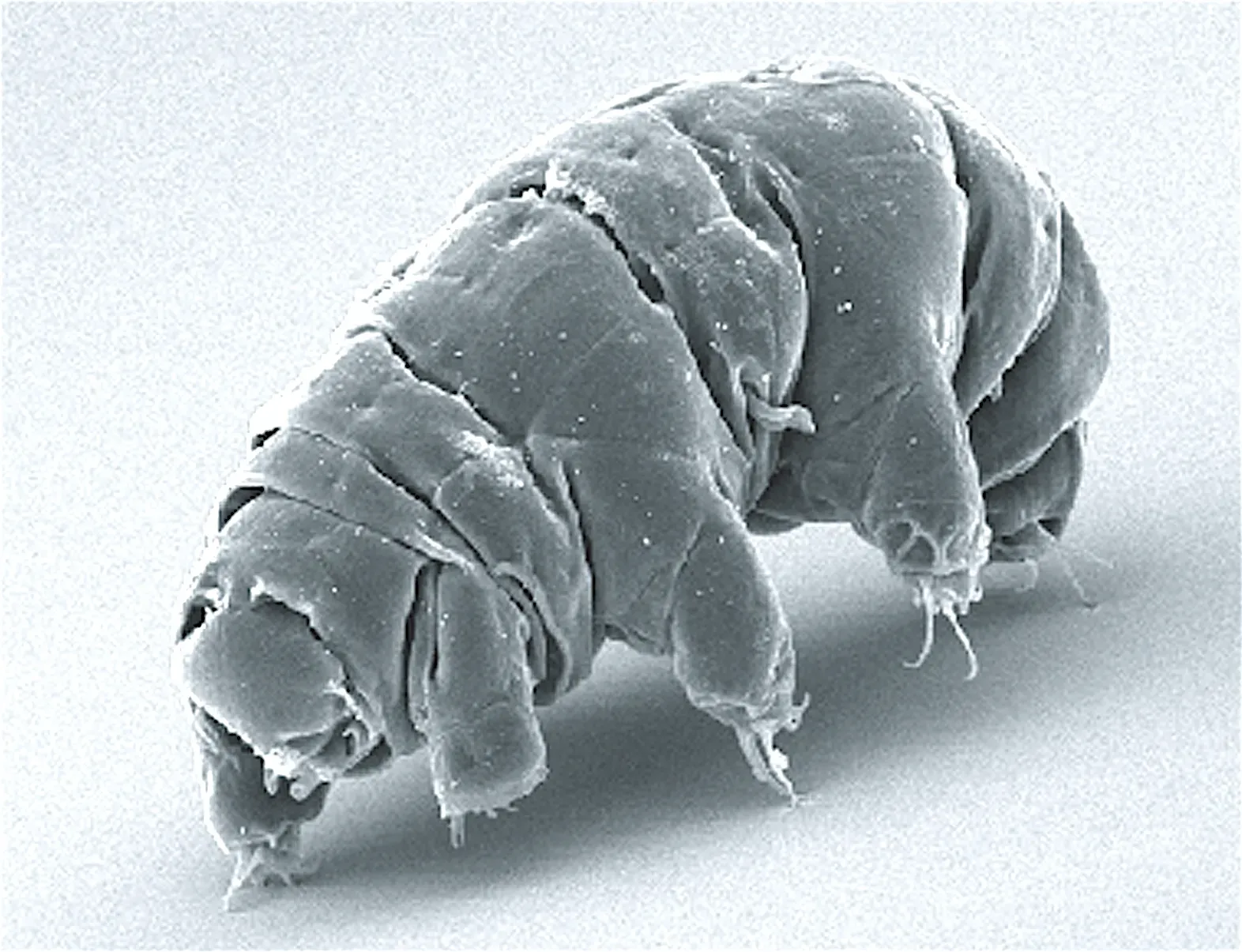
Tardigrades, often called water bears, look like squishy, eight-legged gummy bears under a microscope, but their cuteness hides one of the toughest survival toolkits on Earth. These tiny creatures, smaller than a grain of sand, can endure extremes that would destroy almost every other life form, from boiling heat to temperatures colder than deep space. Scientists have subjected them to crushing pressures, intense radiation, and even the vacuum of outer space, and a surprising number of them have calmly survived.
Their secret is a bizarre survival mode called cryptobiosis, where they dry out, curl into a ball called a tun, and nearly shut off their metabolism. In this state, they can hibernate for years, maybe even decades, waiting for water to return. It’s like hitting a pause button on life itself, then pressing play when conditions improve. When you realize an animal this small can shrug off the kinds of conditions we use to sterilize spacecraft, it suddenly makes our own limits feel very fragile.
Wood Frogs: The Little Amphibians That Freeze Themselves Solid
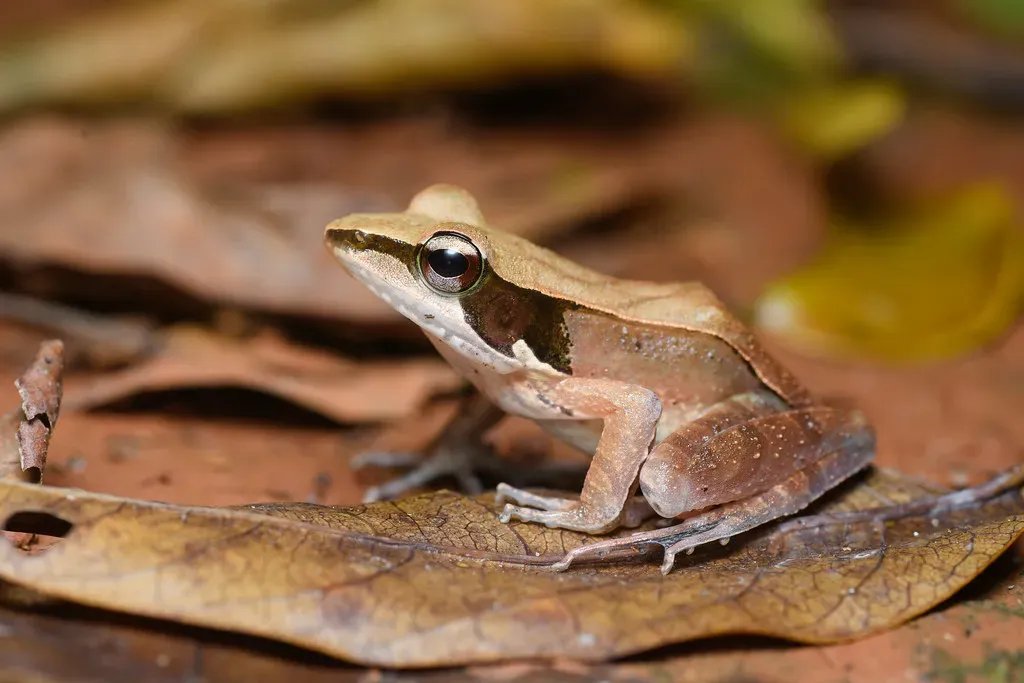
Wood frogs take winter survival to a level that sounds like science fiction: they actually let themselves freeze. When the temperature drops in the forests of North America, these frogs stop breathing, their hearts stop beating, and ice forms inside their bodies. For most animals, that would be instant death, but wood frogs have turned freezing into a seasonal routine. It’s not just surviving the cold; it’s using it.
The trick lies in how they manage their body chemistry. As the cold sets in, they flood their cells with natural antifreeze compounds like glucose and other sugars, which protect the inside of their cells from damage. Ice forms in the spaces between their cells, but the cells themselves stay intact, ready to restart when warmth returns. In spring, their hearts start beating again, they thaw out, and they hop off as if nothing happened. The idea that an animal can die by our medical standards and then just reboot months later is both unsettling and incredibly inspiring.
Camels: Desert Specialists That Turn Heat Into an Afterthought
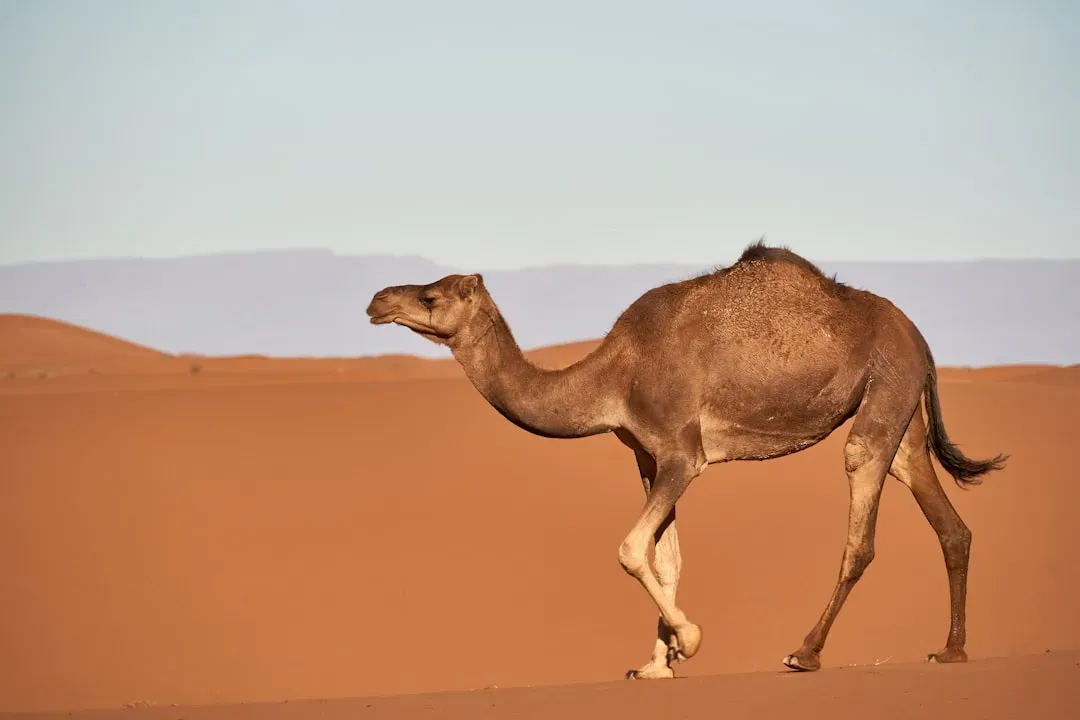
Camels are often reduced to jokes about their humps, but in reality they are some of the most brilliantly engineered survivors on land. They live in deserts where daytime heat can feel like an oven and water can disappear for weeks. Instead of fighting the environment, camels have evolved to work with it, allowing their body temperature to swing over several degrees so they sweat less and conserve water. It’s a calm, almost stubborn approach to survival: they simply refuse to panic.
Their humps store fat, not water, which they can break down for both energy and some internal water when resources are scarce. They can lose a huge percentage of their body weight in water and still keep going, while most mammals would collapse long before. Even their blood cells are uniquely shaped to flow smoothly when dehydrated and then swell safely when they do finally drink again. Watching how effortlessly camels cross landscapes that would kill humans in a day is like seeing a masterclass in slow, deliberate resilience.
Tardigrades of the Sea: The Astonishing Resilience of Pompeii Worms
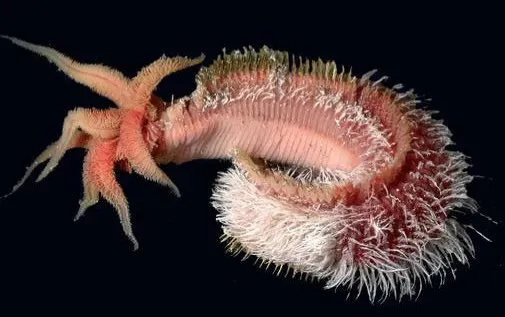
Pompeii worms live where no sane creature should: clinging to the sides of deep-sea hydrothermal vents, in waters that can reach temperatures hot enough to cook many animals. These worms endure a world of toxic chemicals, high pressure, and wild temperature swings between scalding vent water and near-freezing deep ocean. If you imagine standing with one side of your body in boiling water and the other in ice water, you start to understand just how extreme their home really is.
They manage this balancing act with the help of a dense layer of bacteria coating their backs, forming a sort of living shield. This bacterial layer is thought to help insulate them from the worst of the heat and maybe even process some of the nasty chemicals around them into something more manageable. Their survival is less about brute toughness and more about a strange partnership with microbes, a reminder that sometimes the smartest survival strategy is not going it alone. In a place that looks like a portal to the underworld, these worms quietly thrive.
Antarctic Icefish: Ghostly Creatures With Antifreeze Blood
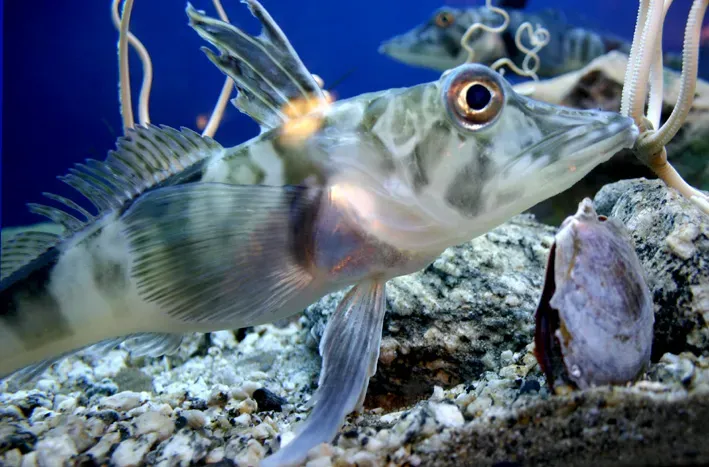
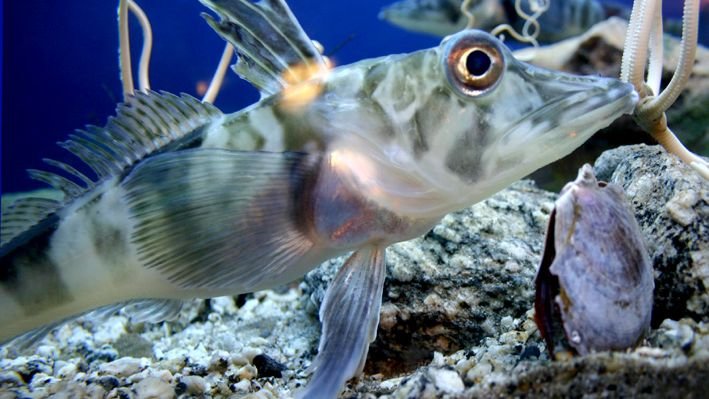
Antarctic icefish look almost supernatural, with pale, nearly transparent bodies and blood so clear it barely looks real. They live in waters that are below the normal freezing point of freshwater, but they don’t turn into blocks of ice thanks to special antifreeze proteins in their blood. These proteins grab onto forming ice crystals and stop them from growing, keeping the fish alive in conditions that would destroy the cells of most other animals.
Icefish have gone even further down the path of specialization: some species have completely lost red blood cells and the hemoglobin that most vertebrates rely on to transport oxygen. Instead, they make do with the extra oxygen dissolved in the cold water and pump large volumes of blood with big hearts to compensate. It’s an odd solution, but in their frozen world it works surprisingly well. There’s something eerie yet impressive about a creature that has traded in the standard blueprint of blood for a design that treats freezing as just another Tuesday.
From microscopic water bears that shrug off space travel to frogs that freeze like ice cubes and thaw back to life, these animals shatter our sense of what is biologically possible. Camels strolling through deadly heat, worms thriving beside underwater volcanoes, and icefish gliding through subzero seas all show that life is far more inventive and stubborn than we usually give it credit for. Each of these species has turned a brutal environment into an opportunity to specialize and excel.
What sticks with me most is how different their strategies are: pausing life, partnering with microbes, rewiring blood, bending body chemistry, or stretching physiology to wild extremes. They are a quiet reminder that survival is not about being the biggest or the smartest, but about being able to adapt in ways that seem unthinkable at first glance. When you look at these creatures, it’s hard not to wonder: if they can do all this, what other limits did we assume that simply aren’t real?