
Some of the world’s most astonishing civilizations were born in places that, on paper, should never have worked. High on freezing mountain ledges, deep in parched deserts, or on tiny strips of coast hammered by storms, people didn’t just survive – they built cities, roads, palaces, and belief systems that still shape us today. If you’ve ever looked around your own life and thought, “This isn’t the ideal setup,” these stories might make you see challenge in a very different light.
What fascinates me most is that almost none of these cultures picked the easy option. They chose cliffs instead of valleys, salt flats instead of river deltas, islands instead of continents. And yet, through stubbornness, creativity, and a little luck, they turned harsh landscapes into thriving heartlands. Let’s walk through eight remarkable civilizations that proved the “wrong place” can become the perfect stage for human ingenuity.
The Inca Empire: Masters of the Thin Air Andes
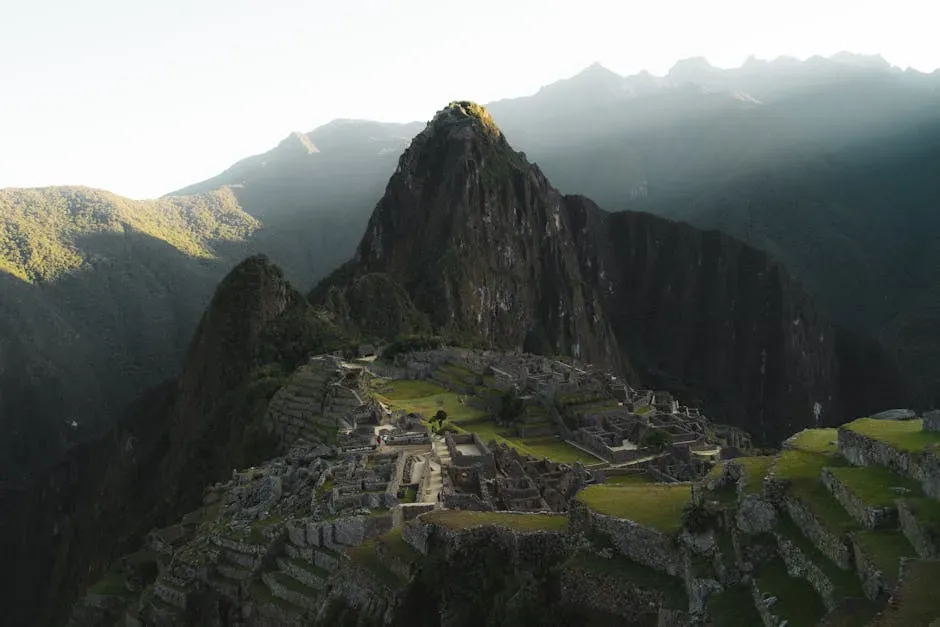
Imagine building an empire in a place where just climbing the stairs can leave you gasping for breath. The Inca did exactly that, turning the spine of South America – the Andes Mountains – into one of the largest pre-Columbian empires. Much of their heartland sat at altitudes where modern travelers sometimes need oxygen tanks, yet they carved terraces into steep slopes and anchored stone cities like Machu Picchu on razor-thin ridges. It sounds almost reckless, but those heights gave them a natural fortress that was nearly impossible to invade.
To make such an inhospitable world livable, the Inca engineered agricultural terraces that captured rainfall, prevented erosion, and created microclimates warm enough to grow crops like potatoes and maize. Their road network wound over mountains and across gorges, stitched together by rope suspension bridges that seem more like something from a fantasy novel than real history. They didn’t use the wheel for transport, yet they ran relay messengers over these paths to move news faster than many medieval European kingdoms could manage. It’s hard not to see the Andes themselves as a co‑ruler in Inca politics: dangerous, demanding, but incredibly protective.
The Nabataeans of Petra: City Carved into Desert Stone
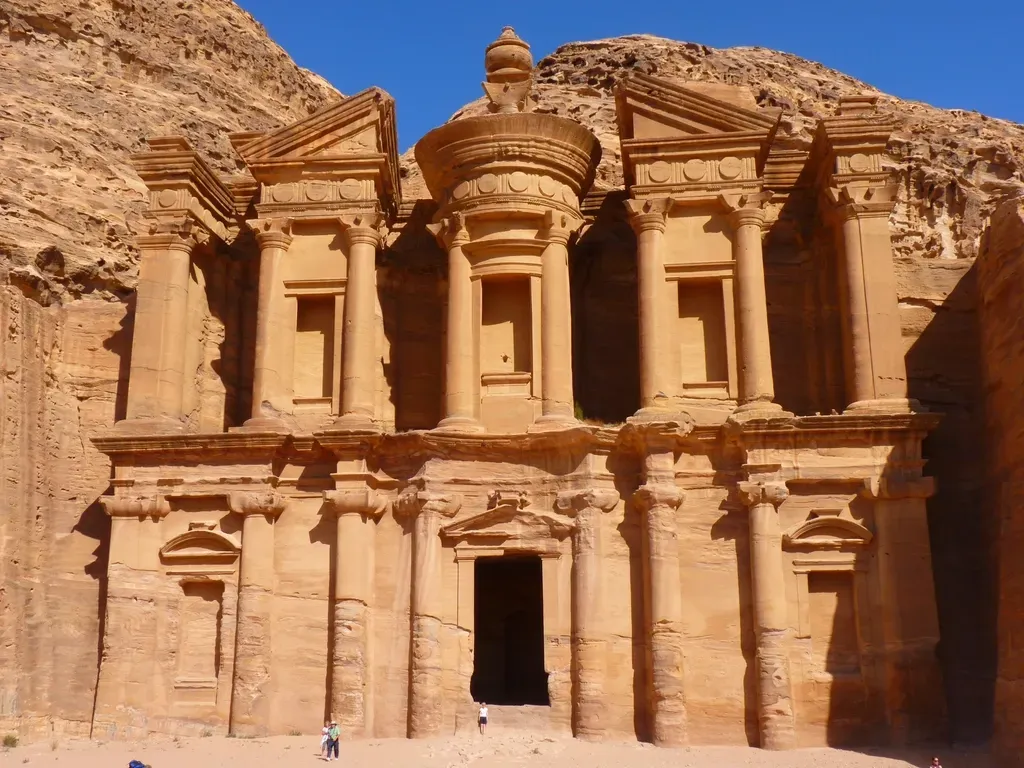
If you’ve ever seen a photo of a towering stone facade glowing pink at sunset, you’ve met the legacy of the Nabataeans – even if you didn’t know their name. Their capital, Petra, rose in the blistering deserts of what is now southern Jordan, wedged inside a maze of canyons where almost no one would think to build a city. On the surface, it looks like madness: there’s barely any rain, scorching heat, and little obvious farmland. Yet the Nabataeans turned this sandstone labyrinth into a powerful trading hub linking Arabia, the Mediterranean, and beyond.
Their secret weapon wasn’t just location, it was water. They mastered the art of catching rare desert rainfall with channels, cisterns, and carefully positioned dams, storing every precious drop inside the rock itself. Caravan routes carrying incense, spices, and textiles funneled through Petra, and the Nabataeans profited by taxing, protecting, and supplying these traders. Carving monumental tombs and temples directly into cliffs may look like pure drama, but it also meant durability in a place where wood and brick would just crumble away. Petra’s survival today, half-ruin and half-dream, shows what happens when a supposedly empty desert turns out to be the perfect crossroads.
Rapa Nui (Easter Island): A Civilization at the Edge of Nowhere
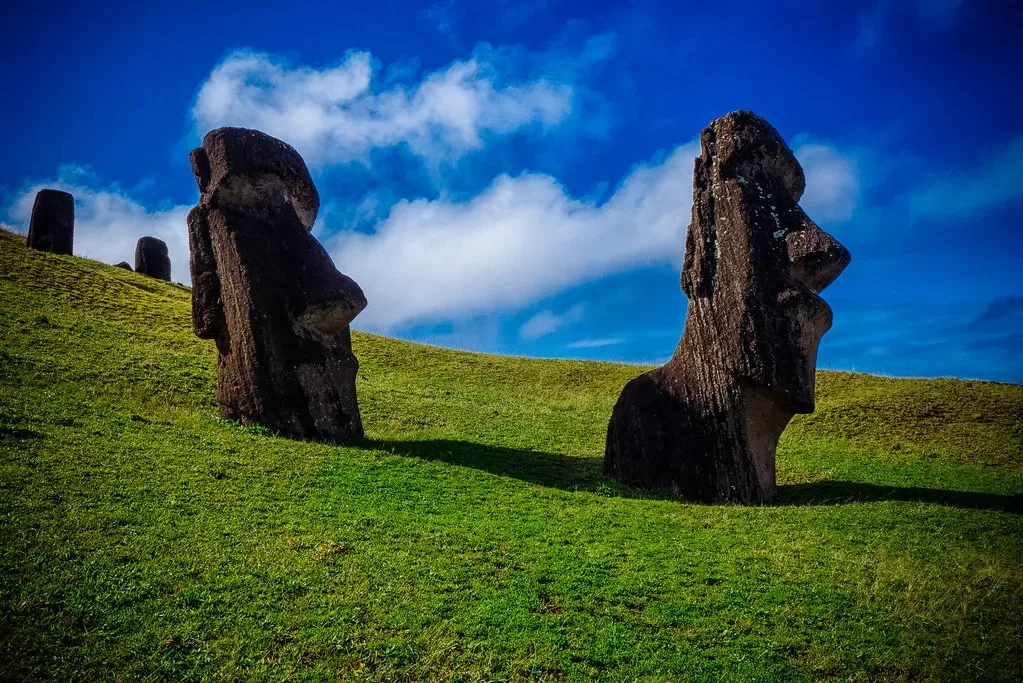
Picture a speck of land in the middle of the Pacific Ocean, so isolated that the nearest inhabited land is over a thousand miles away. That’s Rapa Nui, often called Easter Island, and against all common sense, a complex Polynesian society flourished there for centuries. Early settlers arrived by canoe, crossing miles of open water with only the stars and swells as guides, then built a culture famous for its massive stone figures, the moai. From a modern perspective, picking that tiny island as home feels like betting your entire future on a single roll of the dice.
Life on Rapa Nui meant dealing with limited resources, unpredictable weather, and no obvious escape route if things went wrong. Yet the islanders organized labor on a huge scale to quarry, carve, transport, and erect hundreds of moai along the coasts, turning the whole island into a kind of open‑air ceremonial landscape. There’s still debate about exactly how their society changed over time, but we know they adapted crops, managed soil, and developed deep ocean-fishing skills in order to hang on in such a remote setting. For me, the most striking thing is that what looks like utter isolation was, for them, a world rich with meaning, ancestors, and obligations, literally written in stone.
The Khmer Empire: Angkor’s City of Temples in a Flooded Forest
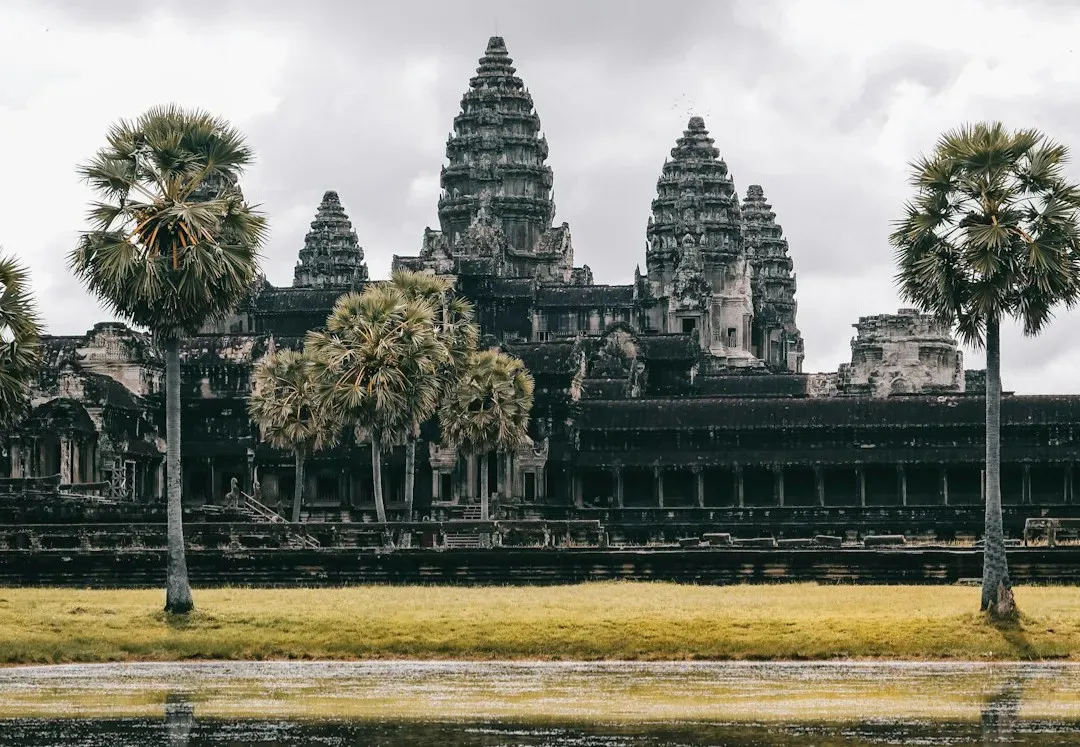
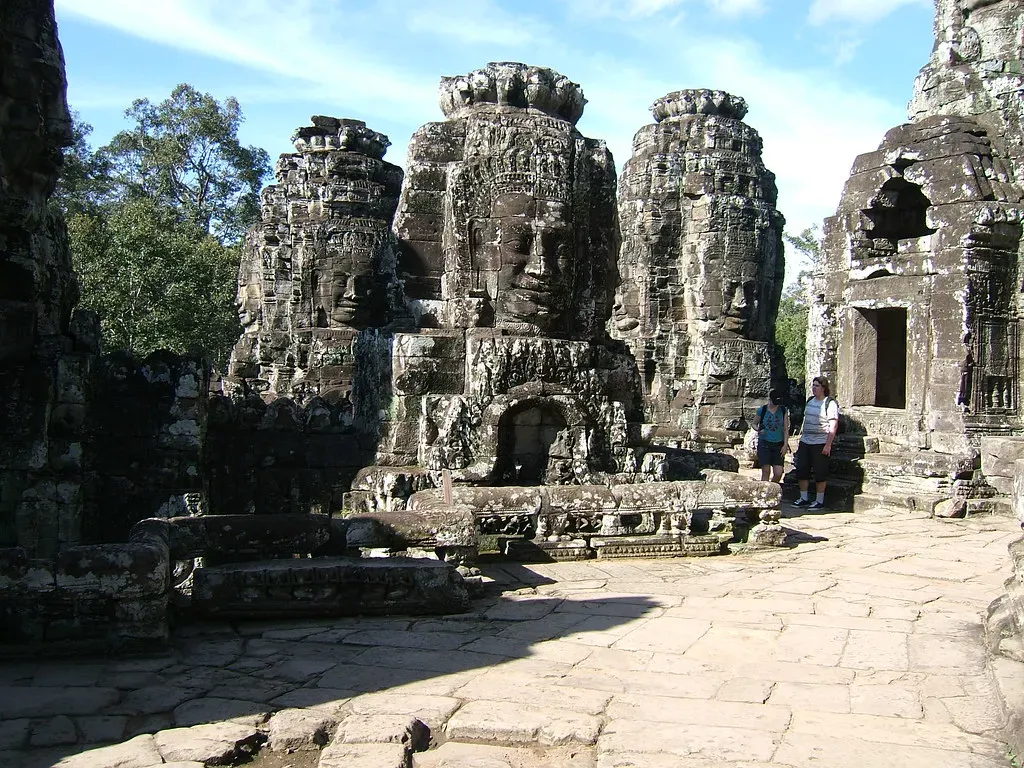
At first glance, the tropical lowlands of Cambodia, with their seasonal floods and dense forests, don’t seem like the ideal place for an enormous city. Yet the Khmer Empire built Angkor there, a sprawling urban complex that some researchers consider one of the largest preindustrial cities on Earth. Instead of fighting the monsoon, the Khmers leaned into it, turning water into their greatest ally. From the air, Angkor wasn’t just temples – it was a landscape engineered like a giant, living machine.
They dug immense reservoirs, called barays, and wove a grid of canals to capture and redirect monsoon waters, smoothing out the difference between rainy and dry seasons. This allowed intensive rice agriculture, feeding a population that could support massive stone temples such as Angkor Wat, which still stuns visitors with its size and intricate carvings. Living among swamps and forests demanded constant maintenance and adaptation, and eventually the system strained under climate swings and political changes. Still, it’s wild to realize that a place many now experience as overgrown ruins was once a carefully tuned hydraulic city, beating in rhythm with the monsoon.
Great Zimbabwe: A Stone City in the Savannah
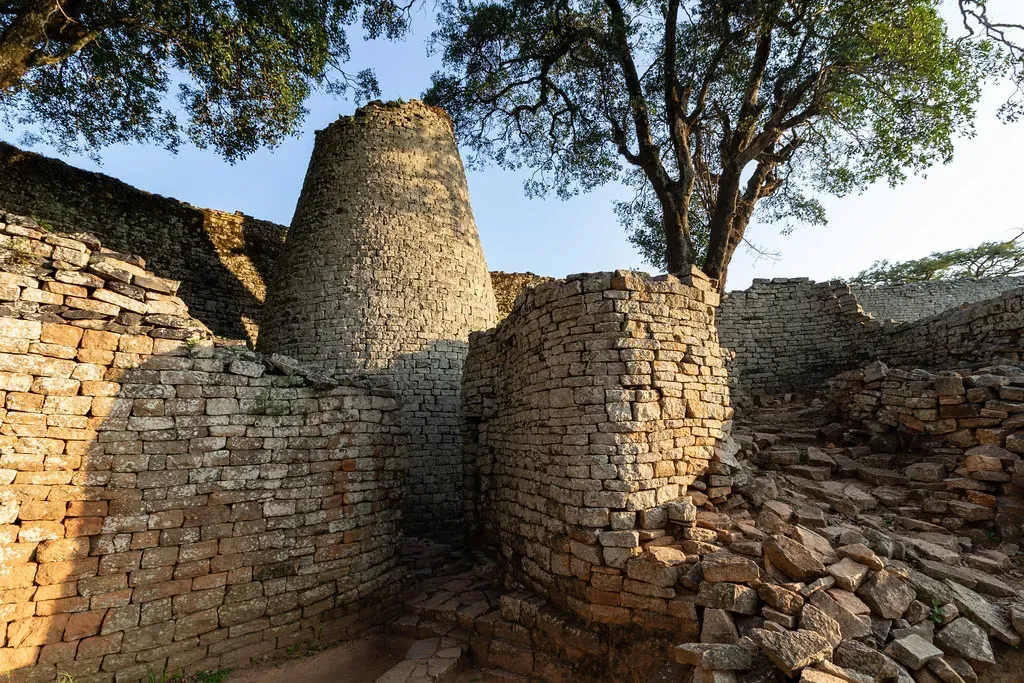
In the rolling savannahs of southeastern Africa, far from the familiar cradles of civilization taught in many schools, the people of Great Zimbabwe built something astonishing: a stone-built city without mortar, rising out of grasslands and granite hills. From roughly about the late first millennium into the second, this city became a center of power, trade, and craftsmanship. To outsiders at the time, central Africa might have seemed a backwater, but the stone enclosures and towering walls tell a completely different story.
Great Zimbabwe’s builders stacked granite blocks with such skill that the walls still stand, curving and flowing like they were poured rather than placed. The city sat near trade routes that carried gold and ivory to coastal ports on the Indian Ocean, linking them indirectly with merchants from Arabia and Asia. The savannah environment posed real challenges – variable rainfall, soil limits, and the need to balance herding with agriculture – but also offered control over cattle, a key marker of wealth and status. Walking through photos of the site, I’m reminded how often people underestimate Africa’s historic cities, just because they rose far from the so‑called “classic” centers in Egypt or Mesopotamia.
Teotihuacan: A Metropolis in a Volcanic Basin
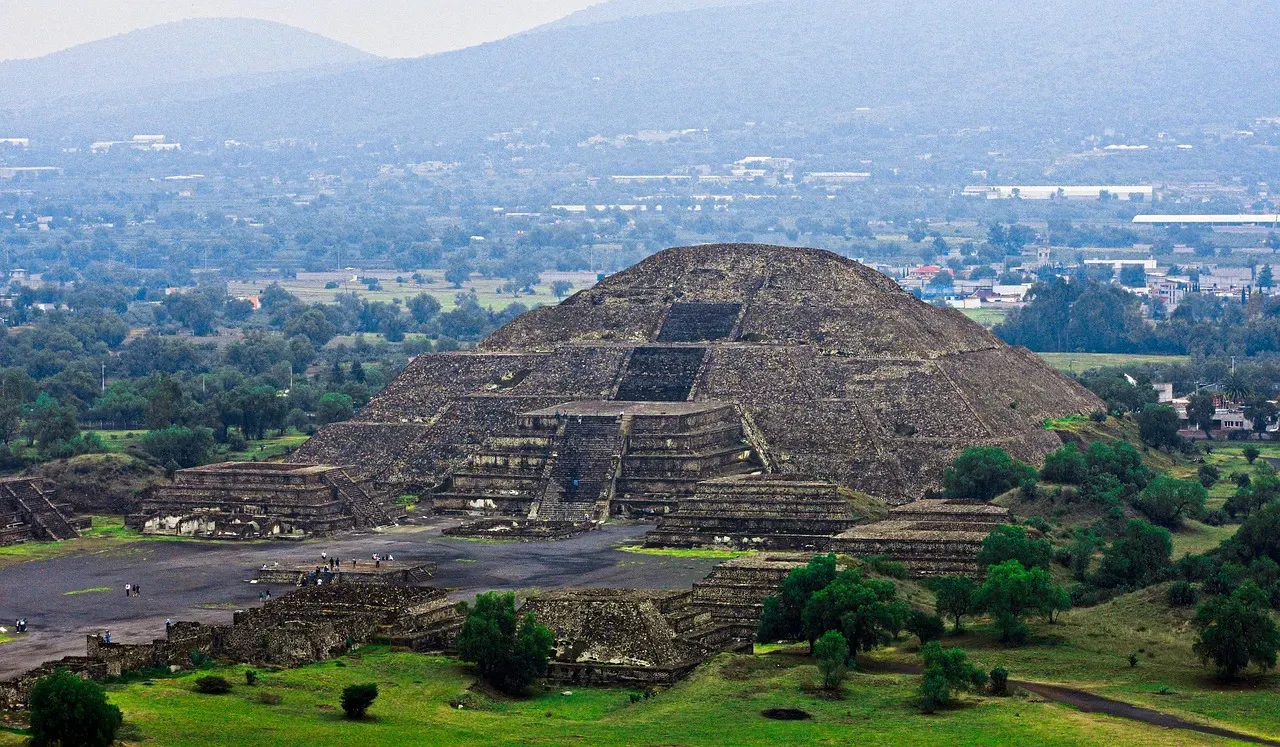
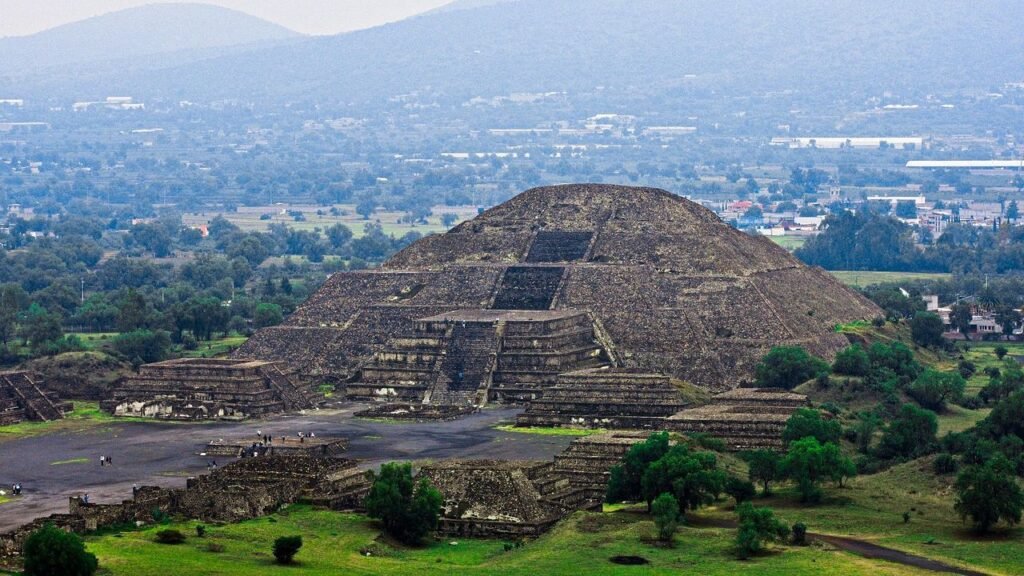
Northeast of modern Mexico City lies the basin that once cradled Teotihuacan, a planned metropolis that reached hundreds of thousands of inhabitants long before the Aztecs appeared. The setting was risky: a high-altitude plateau framed by volcanoes, with earthquake threats and chilly nights. Yet this very basin also offered fertile soils from volcanic ash, obsidian deposits for tools, and a location that connected multiple regions of Mesoamerica. Someone looked at that valley, with its hazards and potential, and decided it was worth the gamble.
Teotihuacan’s builders laid out the city along a grand “Avenue of the Dead,” flanked by apartment compounds, markets, and monumental pyramids like those of the Sun and the Moon. The climate demanded careful management of water and crops, while the dense urban life required coordination that many small-scale societies never attempted. Art and architecture from Teotihuacan show up in distant corners of Mesoamerica, suggesting influence that reached far beyond its volcanic cradle. When the city eventually declined, later peoples like the Aztecs saw it as a place made by gods rather than ordinary humans – a sign of just how out‑of‑place and overwhelming it must have felt even centuries later.
Cahokia: Monumental Earthworks in the Mississippi Floodplain
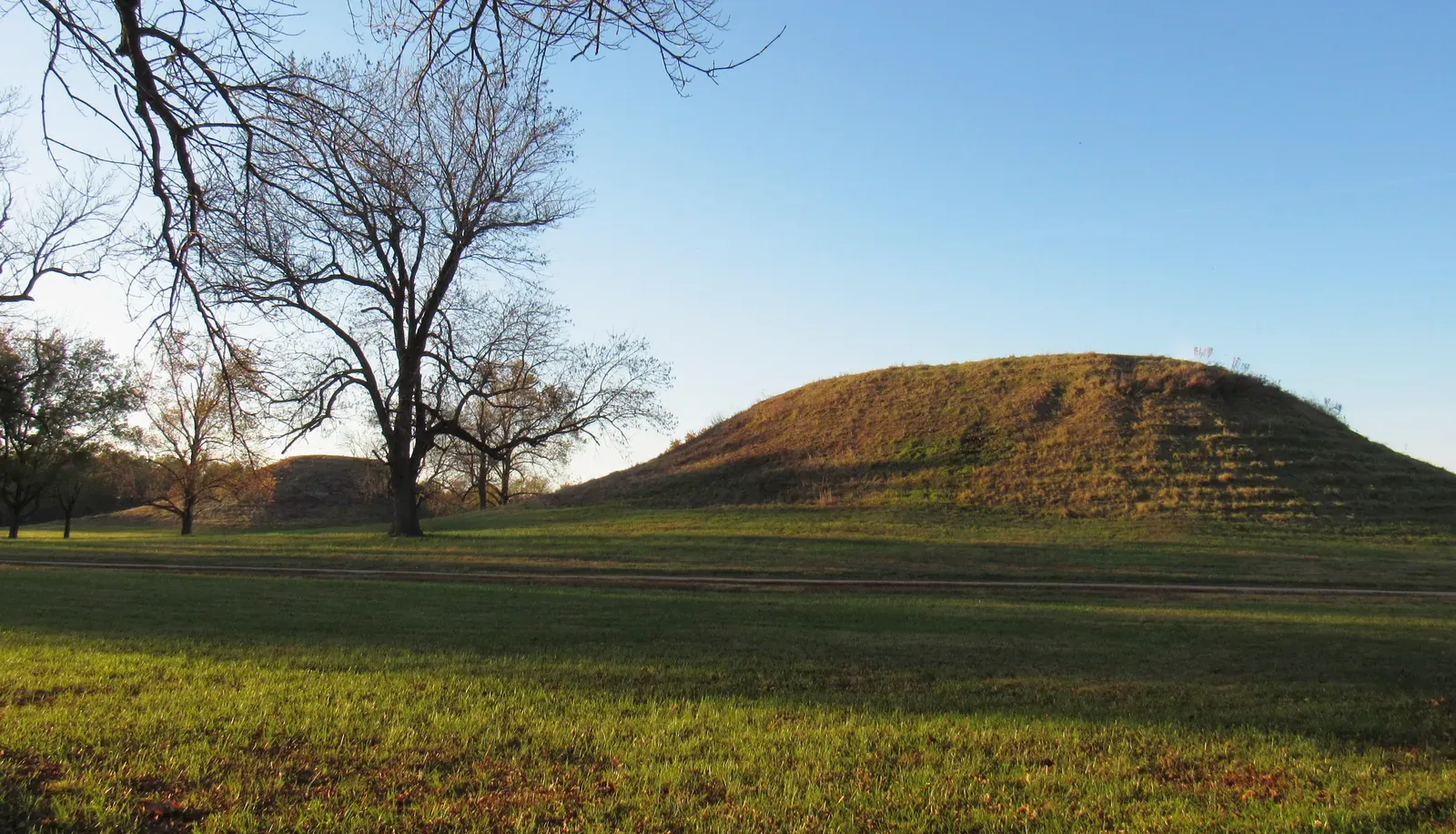
In the great river plains of what is now the central United States, the idea of building anything permanent might sound foolish. Floods reshape the land, channels shift, and summer humidity can be brutal. Yet near present-day St. Louis, a Mississippian culture created Cahokia, a city marked by huge earthen mounds, wooden palisades, and broad plazas. It rose in a landscape many modern people still think of as endless farmland, not as the stage for a sophisticated, mound‑building civilization.
Cahokia’s leaders organized thousands of workers to pile up soil into massive mounds, the largest of which, Monks Mound, rises higher than many European medieval castles. The floodplain gave them fertile ground for maize agriculture, but also forced them to constantly adapt to water levels and shifting channels. Archaeological evidence of trade goods – from shells to copper – hints that Cahokia stood at the center of broad networks stretching across North America. When I learned about it, I remember feeling almost annoyed that a city of that scale, in such an unexpected place, was barely mentioned in the history I got at school.
The Nazca Culture: Geoglyphs and Aqueducts in a Peruvian Desert
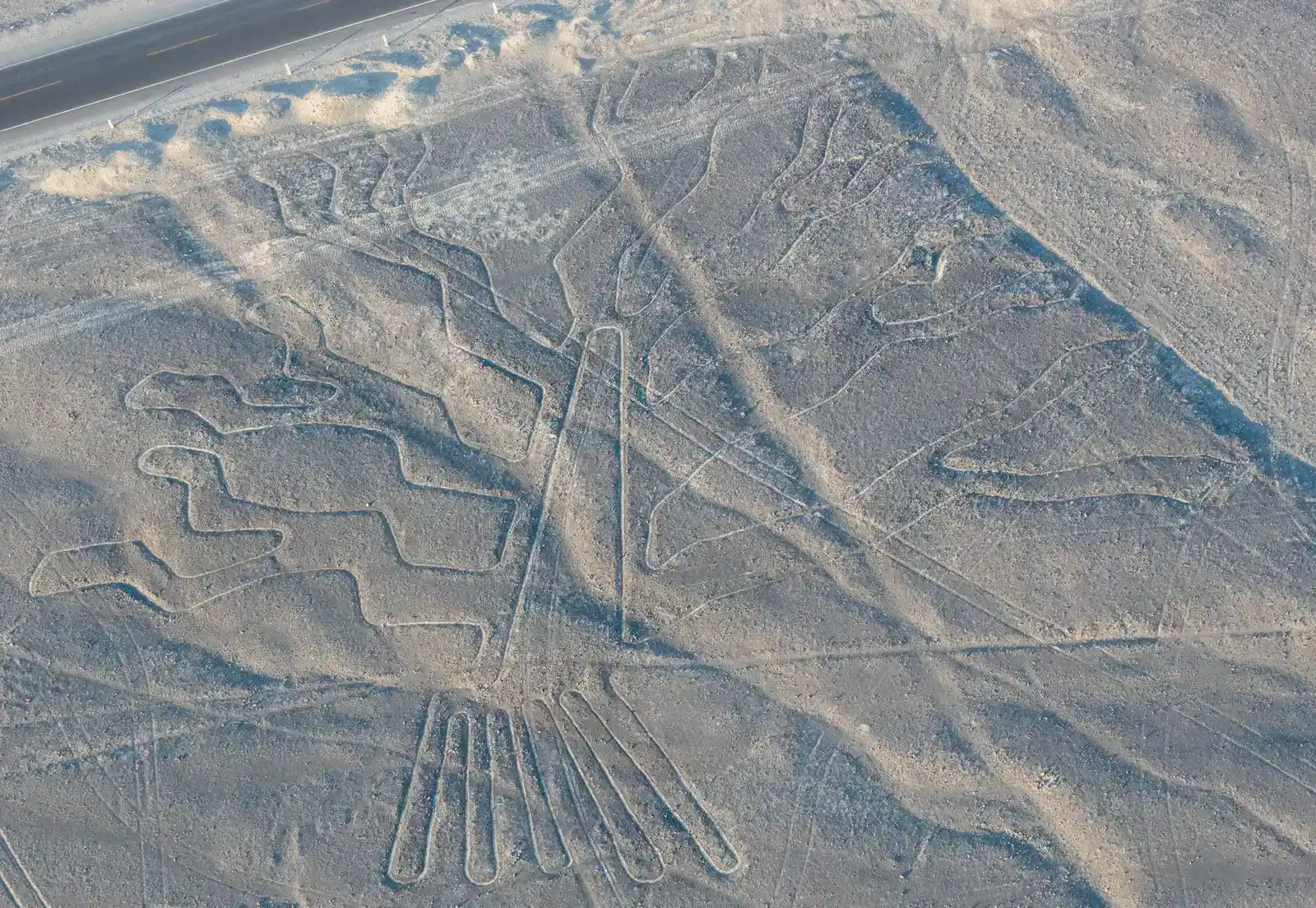
Southern Peru’s Nazca Desert looks, at first, like a place life forgot: dry, sun-blasted, and almost completely bare. The Nazca people not only lived there; they turned its emptiness into a canvas visible from the sky. Their enormous geoglyphs – shapes of animals, plants, and abstract lines etched into the desert floor – are famous around the world today. But what really makes their civilization incredible is that they also figured out how to coax water from this near‑lifeless landscape.
The Nazca engineered underground aqueduct systems, often called puquios, that tapped into groundwater and used spiral openings to access and maintain the channels. These systems let them irrigate fields for crops like maize and cotton in a region where rainfall is minimal. The same stable, dry conditions that made agriculture difficult also preserved their lines on the desert floor for centuries, turning practical ingenuity and symbolic expression into something nearly timeless. The idea that one of the driest places on Earth fostered such a mix of spiritual art and hydraulic engineering still feels almost unreal, like discovering a garden growing in the middle of a parking lot.
Harsh Landscapes, Bold Societies
From thin air to salt deserts, flooded forests to lonely islands, these eight civilizations show that “unlivable” is often just another word for “not yet understood.” Instead of waiting for perfect conditions, people carved steps into cliffs, tunneled for water, reshaped forests, and stacked stone where the land seemed to say no. The very hardships of their landscapes pushed them to innovate in farming, architecture, trade, and belief, leaving legacies we’re still trying to fully grasp.
There’s something quietly humbling in realizing how often greatness has come from places most of us would have written off at first sight. It makes modern complaints about minor inconveniences feel a bit small, and it raises an interesting possibility: maybe the next big leap in our own lives or societies is hiding in what we currently view as our worst circumstances. When you think about where you live, or the problems you’re stuck with, do they still seem like the wrong place – or just an unlikely one waiting to be reimagined?