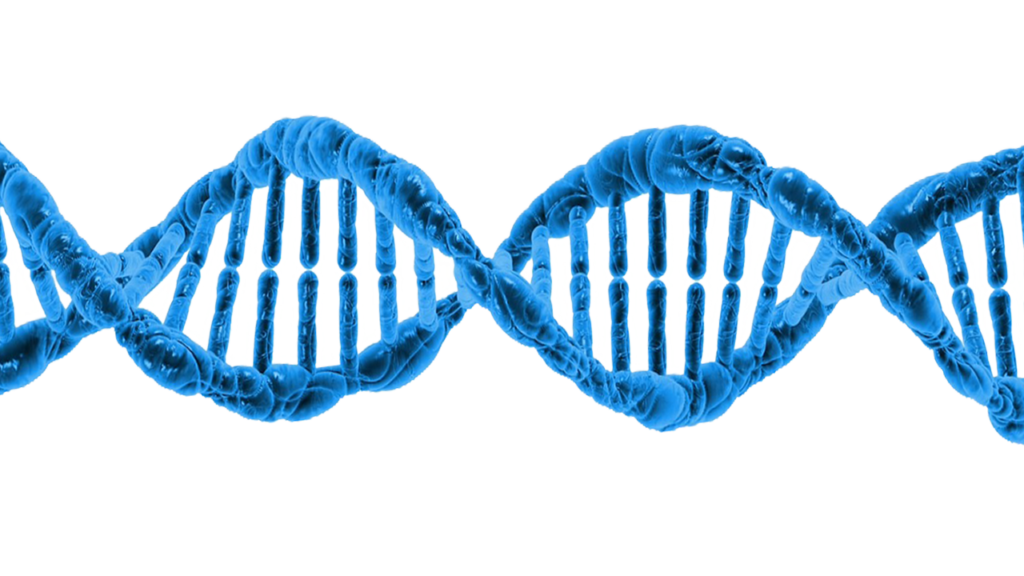

You are carrying something extraordinary inside you right now. Something so impossibly long, so intricately folded, and so densely packed with information that it almost defies belief. It’s not tucked away in your brain or stored in your bones. It lives inside virtually every single cell in your body, coiled up with the precision of a master origamist working at a scale too small for any human eye to see.
Think about this for a moment. Pluto, that icy little world at the edge of our solar system, sits billions of miles from Earth. Yet the total length of DNA inside your body could make the round trip there not once, not twice, but possibly many times over. That’s not a poetic exaggeration. That’s science. Let’s dive in.
The Mind-Bending Numbers Behind Your DNA’s Length
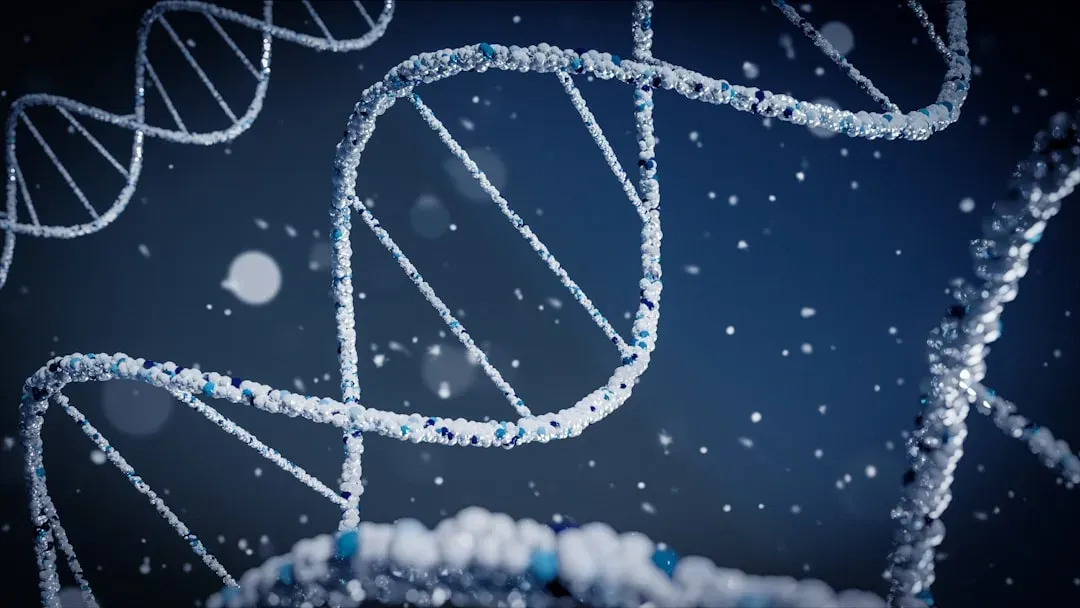
Here’s the thing – the sheer scale of what your body holds is almost impossible to wrap your head around. The DNA in a single human cell stretches approximately 2 meters (6.6 feet) when fully extended. That’s already remarkable on its own. A molecule thinner than any thread you’ve ever touched, yet as tall as a person when unraveled.
If you were to carefully extract and line up all the DNA from every cell in the human body, the total length would reach approximately 34 billion miles, or about 55 billion kilometers. Let that sink in. This distance is enough to travel from Earth to Pluto and back 17 times, since the average distance from Earth to Pluto is about 3.67 billion miles.
If you stretched the DNA in one cell all the way out, it would be about 2 meters long, and all the DNA in all your cells put together would be about twice the diameter of the Solar System. Honestly, I find that almost offensive to comprehend. The universe just casually stuffed all of that inside you.
How Many Cells Are Actually in Your Body?
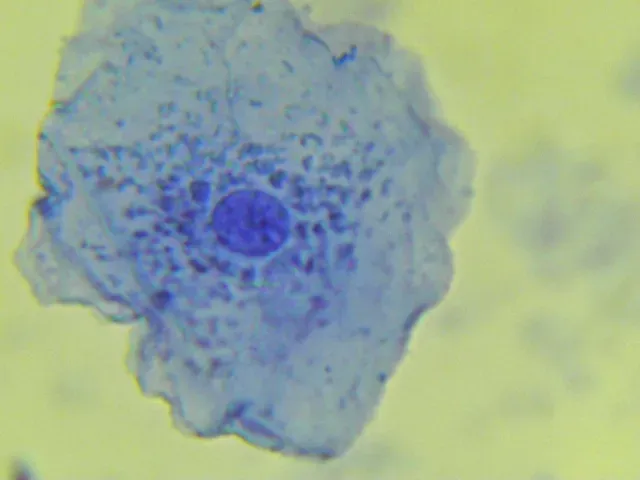
The human body contains an estimated 37 trillion cells, which means there are 37 billion kilometers of DNA tucked away within you. Thirty-seven trillion. That number is so large it becomes almost abstract – like trying to count every grain of sand on every beach on Earth.
The estimate specifically counts nucleated cells because red blood cells, which make up roughly the vast majority of all cells by number, lack nuclei and therefore contain no DNA. The remaining nucleated cells include white blood cells, skin cells, muscle cells, and other tissue cells that retain their genetic material. So even though we’re not counting every single cell, the number is still staggeringly enormous.
The Double Helix: Nature’s Most Elegant Design

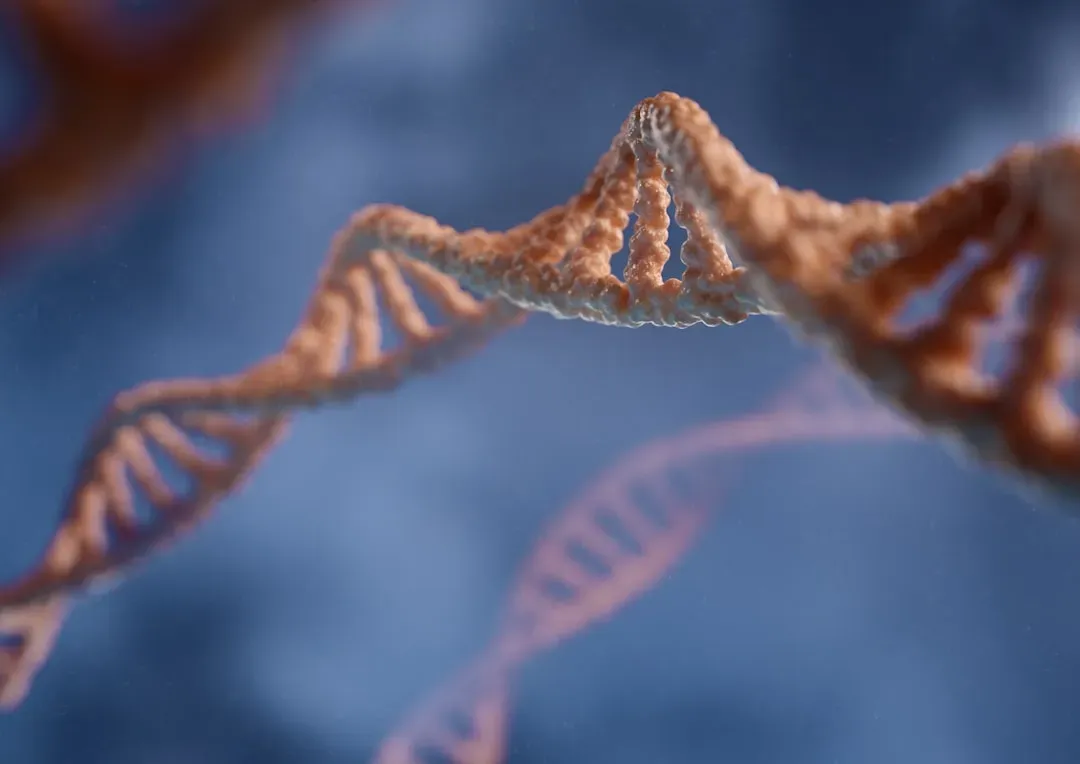
DNA is a winding, spiral shape called a double helix. This means it’s actually two corkscrew shapes connected in the middle, like a twisty zipper. In illustrations, it tends to look like a spiral staircase. Simple to visualize, maybe. But what’s inside that staircase is anything but simple.
The order, or sequence, of the four nitrogen bases determines what biological instructions are contained in a strand of DNA. For example, the sequence ATCGTT might instruct for blue eyes, while ATCGCT might instruct for brown. Just one or two letters changed in an almost incomprehensibly long sequence, and you end up with an entirely different trait. Think about how close we all really are to being someone else entirely.
The diameter of the DNA double helix is 2 nanometers, and it is uniform throughout due to the consistent pairing of a larger purine with a smaller pyrimidine. For comparison, a human hair is approximately 80,000 nanometers wide, which is 40,000 times thicker than a DNA molecule. That’s how this cosmic-length molecule fits inside something you can’t see with the naked eye.
Your Genome: The Instruction Book Written in Four Letters
The complete DNA instruction book, or genome, for a human contains about 3 billion bases and about 20,000 genes on 23 pairs of chromosomes. Twenty thousand genes. That’s it. Given everything the human body can do – think, heal, create, feel – it’s almost surprising the number isn’t far higher.
Although genes get most of the credit for what DNA does, they make up only about 1 percent of DNA in humans. Genes are separated from one another by sequences of nitrogenous bases that don’t provide instructions for RNA synthesis. These are called intergenic regions. Even within genes, there are regions of noncoding DNA called introns. The remaining roughly 99 percent was once dismissed as “junk DNA,” but scientists now know it plays critical supporting roles, like punctuation in an enormous book that would make no sense without it.
The Masterful Art of DNA Folding Inside Your Cells
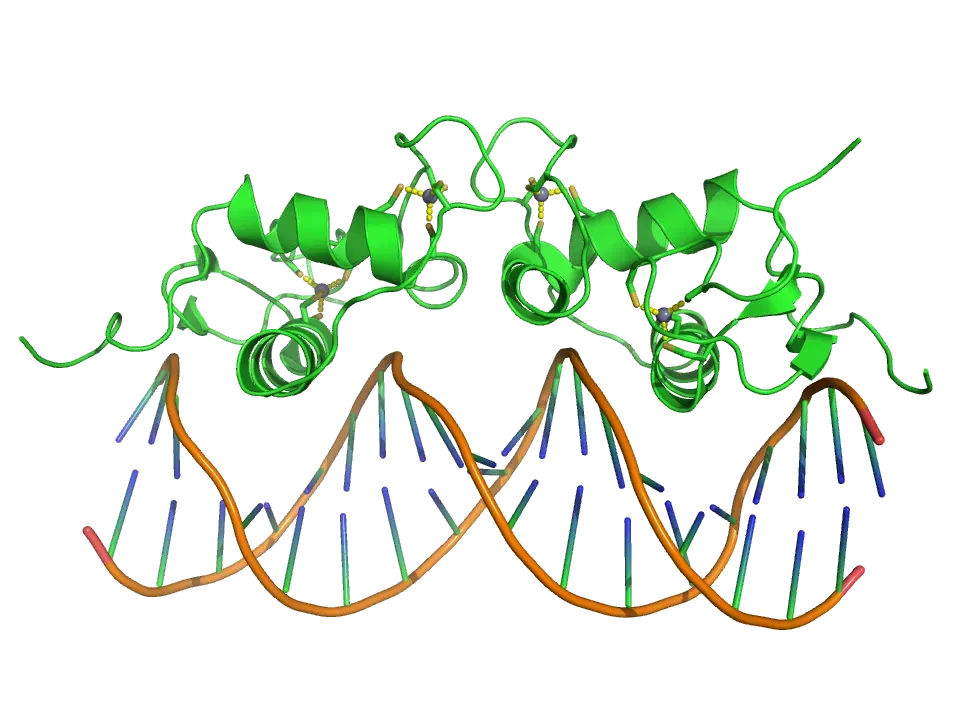
Let’s be real – the most jaw-dropping part of this whole story isn’t the length. It’s the packing. The fact that very long molecules of human DNA can be contained, following accurate and multiple rounds of folding, within the very limited space of the nucleus, has always attracted attention. Scientists have been marveling at this for decades, and for good reason.
Specific genes need to be accessible when needed, and the way DNA folds affects which genes get turned on or off. It’s as if your genetic code not only holds information but also knows exactly how to file itself for efficient use. Imagine a library where every book not only contains knowledge, but also knows precisely when to open itself for you. That’s what’s happening inside your cells at this very moment.
Even if two genes are thousands of letters apart on the DNA strand, they can be brought close together by folding, allowing them to interact. This is how your body knows when to make insulin, grow hair, heal wounds, or fight infections – all thanks to careful folding. The architecture of your DNA isn’t random. It’s a perfectly choreographed system, and disrupting it has serious consequences.
When DNA Goes Wrong: Damage, Mutations, and What That Means for You
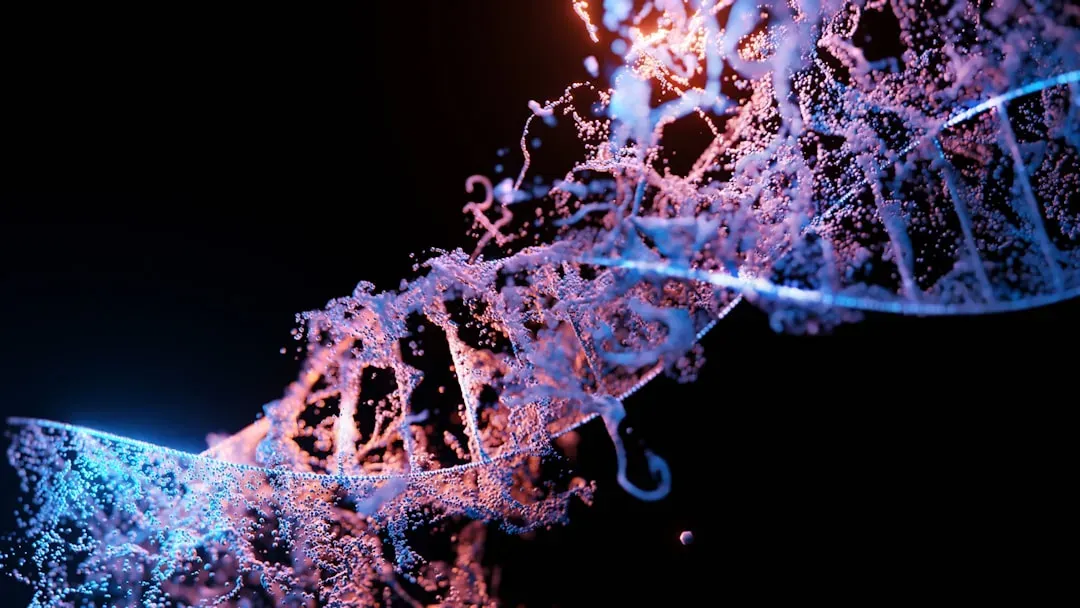
It has been estimated that an individual cell can suffer up to one million DNA changes per day. One million. Every single day. The fact that most of us walk around relatively healthy is a testament to how good our bodies are at managing constant molecular chaos.
DNA damage refers to changes in the DNA structure that can disrupt its coding properties and normal functioning. This damage can occur due to environmental factors such as ionizing radiation, UV light, and toxic heavy metals, as well as endogenous agents like free radicals, errors during replication, and metabolic processes. Your morning commute, a sunburn at the beach, even the simple act of breathing produces byproducts that challenge your DNA. It’s a constant battle you never have to consciously fight – your cells just handle it.
Your Body’s Repair Crew: The Unsung Heroes of Genetic Integrity
Several mechanisms can be activated to repair damaged DNA, including direct repair, base excision repair, nucleotide excision repair, mismatch repair, DNA strand break repair, non-homologous end joining, and homologous recombination. That’s a whole toolkit of molecular rescue teams, each specializing in a different type of damage. Think of it as having a team of expert contractors on call 24 hours a day, every day of your life.
During the cell cycle, checkpoint mechanisms ensure that a cell’s DNA is intact before permitting DNA replication and cell division to occur. Failures in these checkpoints can lead to an accumulation of damage, which in turn leads to mutations. When the repair crews fail, or when the checkpoints are bypassed, the results can be severe. DNA damage causes cancer development when erroneous DNA repair leads to mutations or chromosomal aberrations that activate oncogenes or inactivate tumor suppressor genes.
Humans born with inherited defects in DNA repair mechanisms, for example those with Li-Fraumeni syndrome, have a higher cancer risk. The lesson here is profound. Your DNA repair systems are not optional background features. They are, quite literally, keeping you alive.
DNA as Data Storage: The Future Hidden in Your Cells
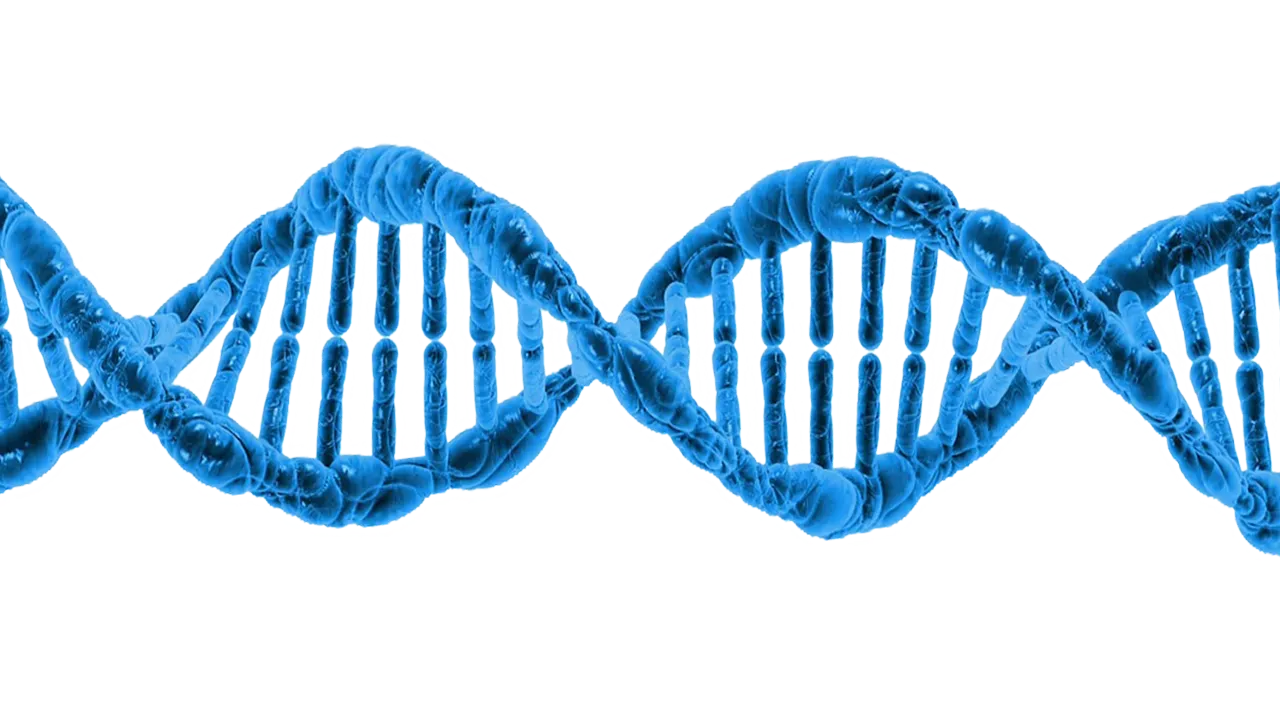
Despite its microscopic width, the total length of human DNA is extraordinary, and this paradox – tiny diameter, enormous length – is what makes DNA one of nature’s most elegant information storage systems. Scientists have taken note. The storage density of DNA is unlike anything humans have ever engineered, and the race to harness it is on.
DNA’s dense storage capacity has inspired technological innovations ranging from data storage solutions to biomaterials and quantum computing architectures. It’s hard to say for sure exactly when we’ll see commercial DNA-based data storage at scale, but the research is moving quickly. The idea that your body already carries a biological hard drive more efficient than anything in Silicon Valley is both humbling and electrifying.
Scientists now use 3D genome mapping, a cutting-edge approach that uses high-resolution imaging, sequencing data, and artificial intelligence to visualize how DNA folds and loops in real time. One leading technique is called Hi-C sequencing, which detects which parts of the genome are physically close together, regardless of their linear distance. We are, in 2026, just beginning to understand the full three-dimensional story of your genome. Every new discovery seems to reveal yet another layer of astonishing complexity.
Conclusion: You Are More Cosmic Than You Think
The next time you look up at the night sky and feel small, remember this. You contain billions of miles of genetic material, coiled with extraordinary precision into structures too tiny to see. Your body manages, repairs, reads, and replicates this staggering amount of molecular information every single day, without you ever thinking about it.
The distance to Pluto feels impossibly far. Yet your DNA could make that journey and come back again, and again, and again. That’s not just a cool science fact. It’s a reminder that the most breathtaking thing in the universe might not be out there among the stars. It might be right here, inside you, folded into something too small to see with the naked eye.
So the next time someone tells you that you’re made of stardust, you can confidently add: you’re also made of something that could reach Pluto seventeen times over. What would you have guessed before reading this? Drop your thoughts in the comments below.