
What if everything you thought you knew about the mind was only half the story? Most of us grow up believing that memory and consciousness are locked away somewhere in the brain, a neat and tidy headquarters calling all the shots. But science, as it often does, is making things a whole lot messier and more fascinating.
Researchers are now seriously proposing that the brain is not the sole keeper of your memories or your awareness. Your skin cells, your kidney cells, your immune cells – they may all be quietly holding onto experiences, learning from them, and perhaps even contributing to something we once reserved exclusively for neurons. Let’s dive in.
The Groundbreaking NYU Study That Changed Everything

Here’s the thing: for decades, memory was treated like a members-only club open only to brain cells. That belief got a serious shake-up in late 2024. While it is common knowledge that brain cells store memories, a team of scientists discovered that cells from other parts of the body also perform a memory function, opening new pathways for understanding how memory works.
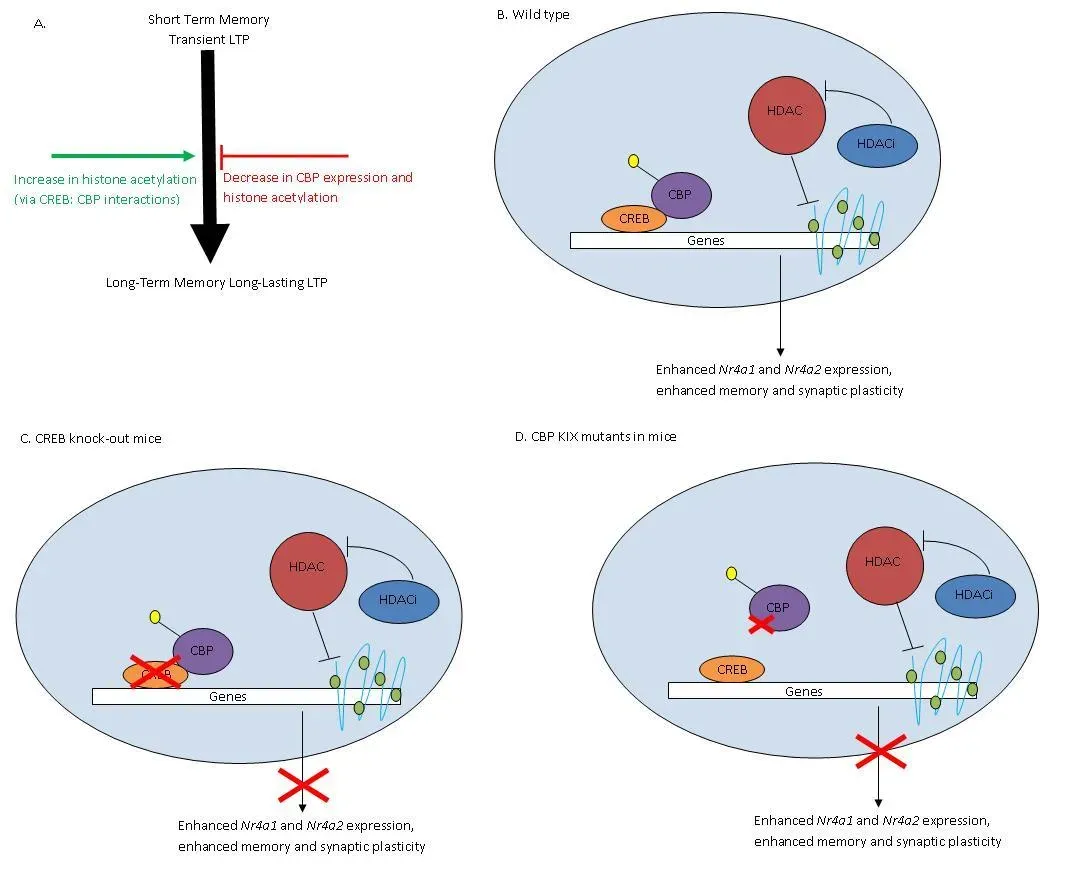
In the research, scientists studied two types of non-brain human cells in a laboratory – one from nerve tissue and one from kidney tissue – exposing them to different patterns of chemical signals, just like brain cells are exposed to patterns of neurotransmitters when we learn new information. In response, the non-brain cells turned on a “memory gene,” the same gene that brain cells turn on when they detect a pattern and restructure their connections to form memories.
The results showed that these cells could determine when the chemical pulses were repeated rather than simply prolonged, just as neurons can register when we learn with breaks rather than cramming. Specifically, when the pulses were delivered in spaced-out intervals, they turned on the “memory gene” more strongly, and for a longer time, than when the same treatment was delivered all at once. Honestly, that is stunning. The very principle that your professor lectured you about in high school biology – spaced repetition – appears to be baked into the design of every cell in your body.
What the “Memory Gene” Actually Means for You
The study focused on non-neural cells, such as kidney and skin cells, which are not part of the nervous system. Researchers demonstrated that these cells can exhibit memory-like behaviors when exposed to repeated stimuli. This suggests that memory processes might be a universal cellular property rather than exclusive to neurons.
This research broadens our understanding of how memories form, suggesting that the body’s cells may play an active role in remembering experiences. While the brain handles declarative memories, cellular memory may influence how the body reacts to past trauma, stress, and injury. Think of it like this: your brain keeps the diary, but your body keeps the scar. Both tell the same story, just in very different languages.
Cell-Based Consciousness: A Theory That Rewrites Biology

Conventional thinking about consciousness, called the standard model of consciousness, focuses on the brain, supposing only complex organisms like humans and animals have it. A new cell-based theory argues that consciousness started with the very first cells that emerged about 3.8 billion years ago, and that plants, bacteria, and even amoebas have it. I know that sounds radical. It is. Yet the scientific conversation around it is growing louder.
Humans and other animals with brains perhaps aren’t the only beings on the planet to experience consciousness. Consciousness instead underpins all life forms, from the smallest cells to the most complex organisms. Far from being limited to creatures like ourselves, the cell-based theory of consciousness frames the phenomenon as a fundamental part of life itself. The implications of this theory, based on two dozen research papers published in recent years, stretch way beyond consciousness. The cell-based theory could potentially reframe how we view life, intelligence, and even artificial intelligence.
Your Immune Cells Are Keeping Score Too

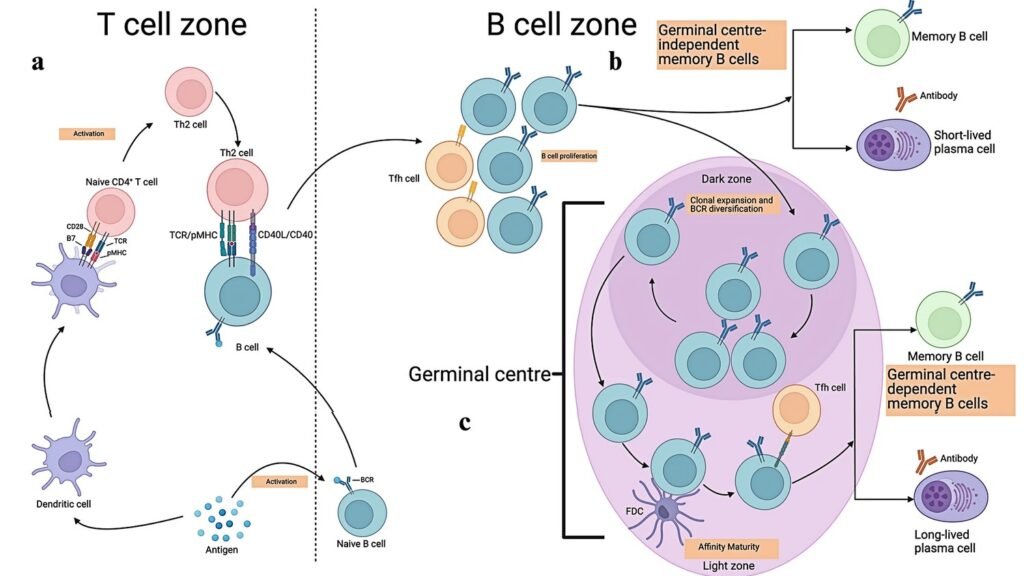
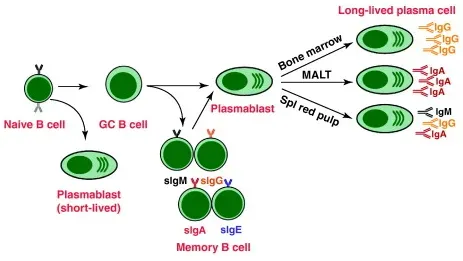
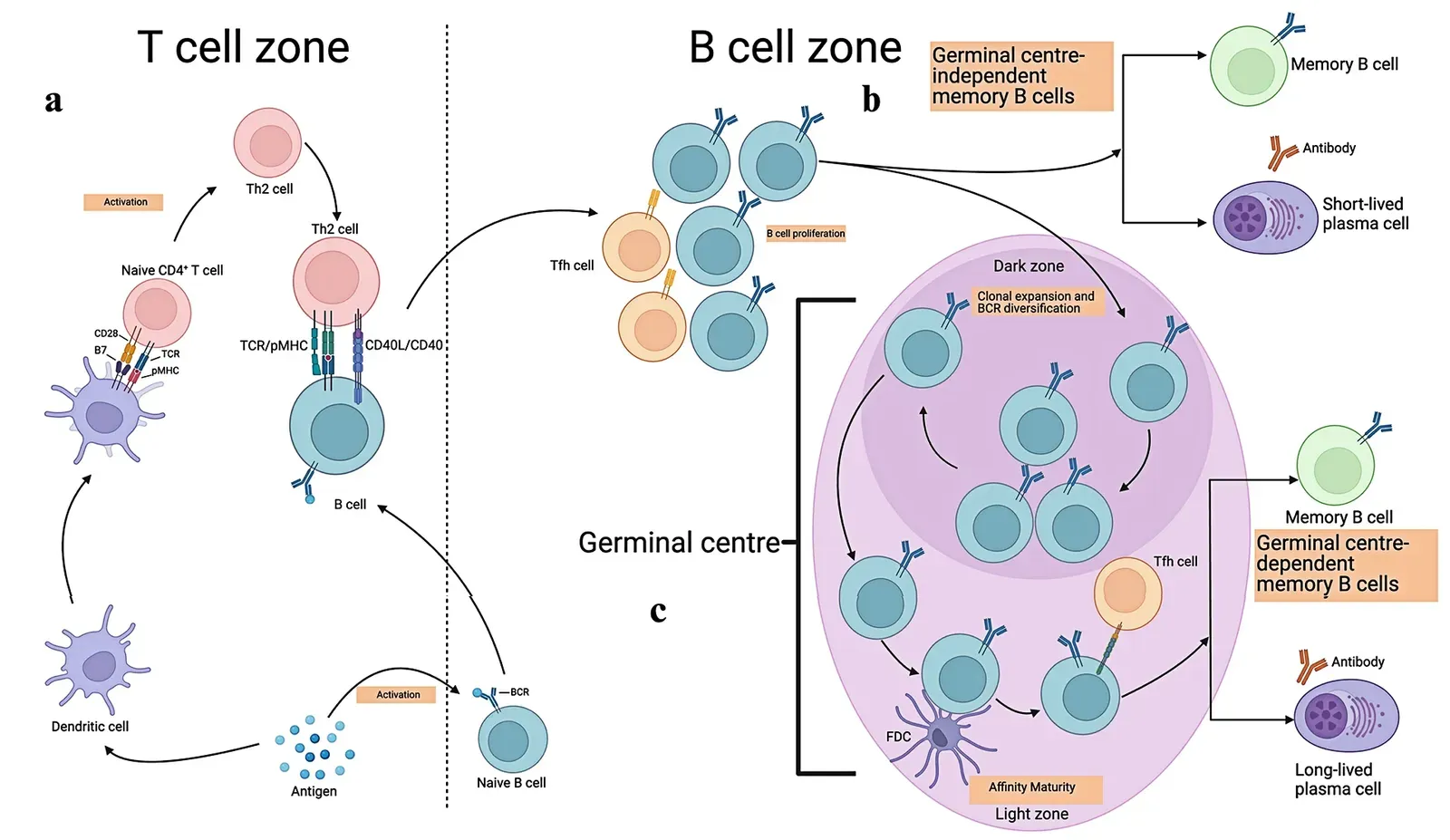
It’s not just kidney and skin cells making headlines. Your immune system has its own version of cellular memory, and it goes far deeper than anyone imagined. The innate immune system adapts its behavior based on previous insults, mounting an enhanced response upon re-exposure. Hematopoietic progenitors in the bone marrow and peripheral innate immune cells can undergo epigenetic and metabolic reprogramming, establishing an innate immune memory known as trained immunity.
Immune memory was long thought to be a hallmark of the adaptive immune system only. However, recent research reveals that innate immune cells also retain memory of prior pathogen exposure that prompts enhanced responses to subsequent infections. This phenomenon is termed “innate immune memory” or “trained immunity,” and remodeling of cellular metabolism is a prominent feature of it. Your immune cells are essentially keeping a running log of every threat they’ve ever encountered – without a single neuron involved.
Body Memory, Trauma, and Why Your Cells Might Hold Your Emotional History
When you experience trauma, your body encodes the experience through multiple pathways beyond the conscious mind. Research increasingly shows that traumatic experiences create what psychologists call “implicit memory” – unconscious recollections that shape behavior and emotional responses. This is not just poetic language. It is backed by cellular biology.
Trauma can also affect gene expression through epigenetic modifications, potentially passing these altered stress responses to subsequent generations. This suggests that cellular memory extends beyond the individual to potentially influence family systems. The science provides a biological basis for holistic health approaches that address how the body stores trauma. Chronic stress and trauma alter cellular functioning, leaving imprints that manifest as physical symptoms. Therapies focused on body awareness, such as mindfulness, somatic tracking, and trauma-informed care, align with these findings by targeting the body’s role in processing and healing memories.
Organ Transplants and the Unsettling Case for Cellular Memory Transfer
Multiple studies have demonstrated that memories can be encoded and stored in cells. Evidence suggests that these memories can then be transferred between individuals through organ transplantation. This is where the science begins to feel a bit like science fiction, except it’s completely real and completely documented.
Groundbreaking work with organ transplant recipients suggests cellular memory may extend throughout our bodies. This research has found multiple cases where heart transplant recipients reported new preferences, dreams, or emotional responses that mirrored those of their donors, suggesting that aspects of memory and personality might be encoded within the cells of organs beyond the brain. If memories can indeed be housed beyond the brain, this raises intriguing questions about identity and consciousness. Heart transplant patients who sometimes report memories or habits reminiscent of their donors illustrate this compelling intersection of memory and identity. This phenomenon implies that other biological and genetic factors, not just brain activity, could influence your sense of self.
What Scientists Are Still Debating – and Why It Matters to You
Let’s be real: not everyone in the scientific community is sold. All the standard theories of consciousness stipulate that it is limited to multicellular organisms possessing neurons and a brain of threshold complexity. On the other hand, some researchers assert that all the requirements for consciousness, including the capacity to have experiences, to feel pain, and to act intentionally, reside in individual cells. The debate is genuine, heated, and very much unresolved.
Despite substantial progress, critical gaps persist in our understanding of how cellular memory interfaces with neural memory systems and the precise pathways through which information is encoded, stored, retrieved, and transferred at the cellular level. There has been a noticeable lack of research focused on cellular memory, and more rigorous investigations are needed to uncover how cells participate in memory and the extent to which these processes influence human behavior and cognition. It’s hard to say for sure where all this leads, but one thing is increasingly difficult to deny: the old view of the brain as the lone commander of consciousness is looking shakier by the year. Your body is far more intelligent than you were ever told.
Conclusion: Your Body Knows More Than Your Brain Lets On
The science of cellular memory is young, contentious, and absolutely electrifying. What started as a tidy assumption – that memory lives only in the brain – is unraveling into something far more extraordinary. Modern research challenges the brain-centric view of how memories are stored by highlighting the roles of non-neural cells in identity and consciousness. The concept that memories might exist outside the confines of the brain challenges long-standing beliefs about how we encode and store our lived experiences.
Memory is not confined to the brain. The body is an active participant in processing, storing, and responding to experiences. These findings resonate with the bio-psycho-social model of care, emphasizing that mental health and healing must address the interplay of biology, emotions, and social environments. You are not just a brain driving a body around. You may be a body that thinks, remembers, and perhaps even feels, from the inside out, at every single cell.
The next time your stomach knots up before a stressful meeting, or your skin prickles at a familiar scent from your past, pause for a moment. Maybe your body isn’t just reacting. Maybe it’s remembering. What do you think – could your cells be smarter than your own mind? Tell us in the comments.