
You probably think you have a weird sleep routine. Maybe you fall asleep on the couch, wake up in a panic, and then stagger to bed. Or perhaps you need three pillows and total silence to drift off. Well, honestly, that’s nothing. The animal kingdom has taken the art of sleeping to places so strange, so wildly creative, that your midnight habits would barely raise an eyebrow.
From whales that snooze standing upright in the ocean to tiny penguins that take thousands of micro-naps a day, sleep in the wild is a masterclass in survival, adaptation, and pure biological ingenuity. You won’t believe some of what’s out there. Let’s dive in.
1. Sperm Whales: The Ocean’s Vertical Sleepers
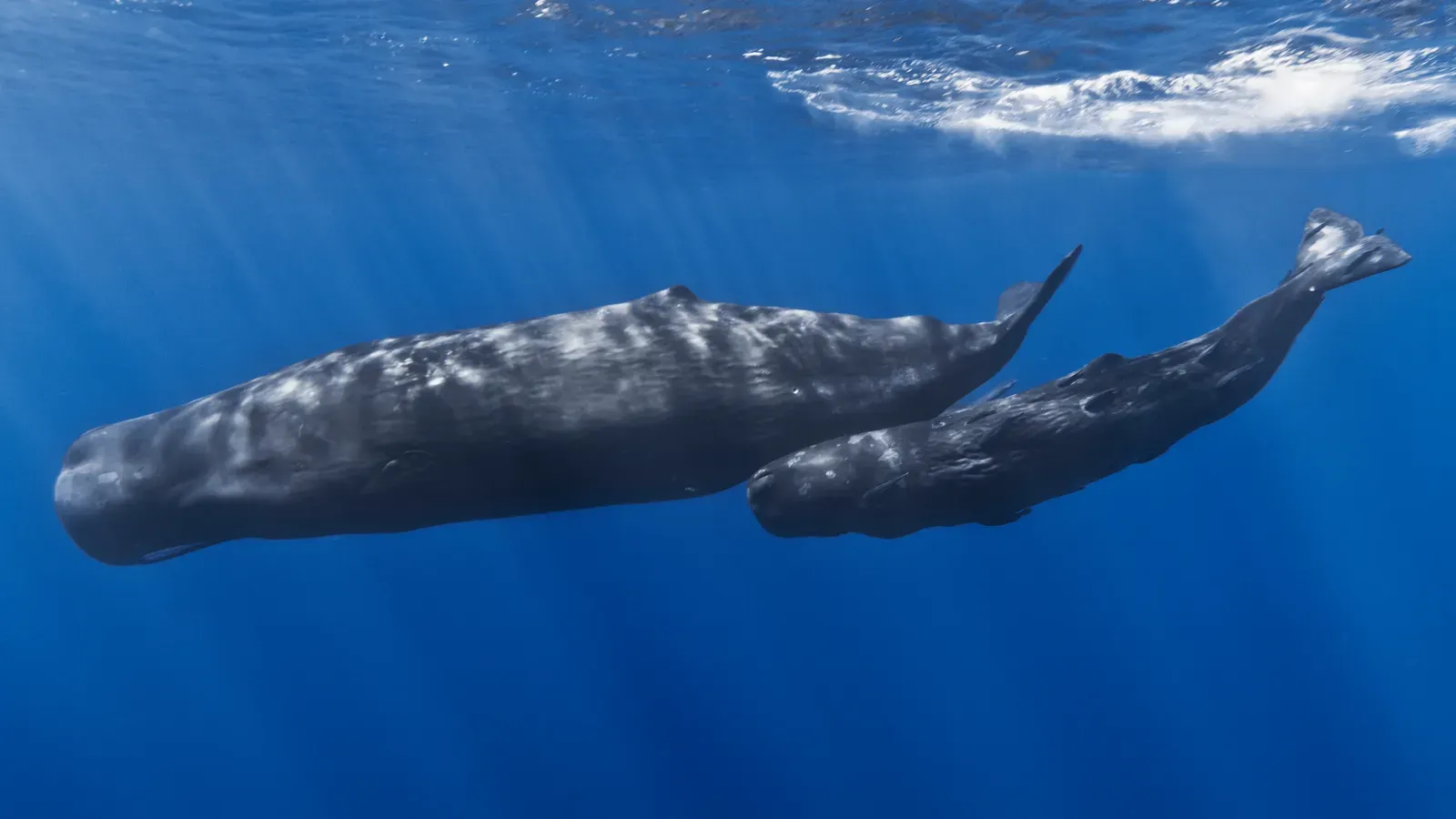
Imagine drifting off to sleep while standing completely upright. That’s essentially what sperm whales do, except they do it in the open ocean. Sperm whales exhibit a unique sleeping behavior called “vertical sleeping,” suspending themselves vertically in the water column, a posture believed to conserve energy while still allowing them to surface and breathe regularly. It looks, if you can picture it, like a group of massive sea creatures frozen mid-dance in the deep blue.
Researchers first documented this unusual behavior in 2008, finding that sperm whales dozed in this upright drifting posture for about 10 to 15 minutes at a time, during which the whales did not breathe or move at all. Sperm whales are among the least sleep-dependent mammals on earth, spending only about seven percent of their lives asleep. That’s a breathtakingly small fraction of a life, yet somehow they thrive on it.
2. Dolphins: The Half-Brain Nappers
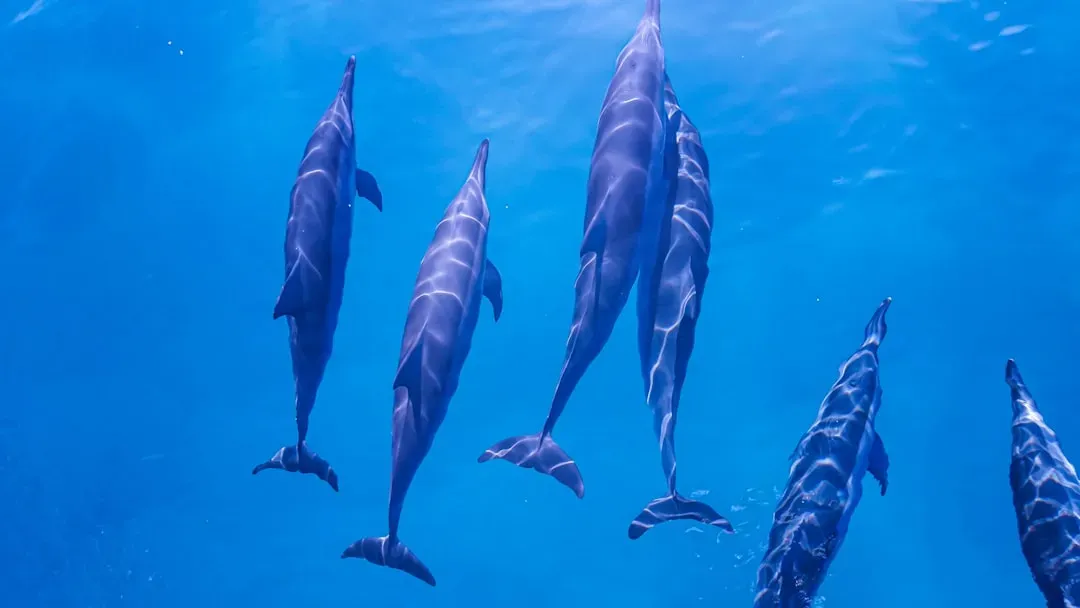
Dolphins evolved to be unihemispheric, meaning they function with one half of their brain while the other half rests. If both hemispheres shut down at the same time, the creature would stop breathing entirely. It’s a biological safety switch that’s both brilliant and a little terrifying when you think about it.
Dolphins rest through both deep sleep and lighter naps, with deep sleep known as “logging” because of the way they float like logs in the water, while naps are taken while a dolphin continues to swim. Baby dolphins don’t sleep at all in their first few months, which means mother dolphins must nap on the move, since calves don’t have enough body fat to float. Being a dolphin mom sounds exhausting, honestly.
3. Giraffes: The World’s Most Sleep-Deprived Giants

Here’s the thing – the tallest animal on the planet also happens to be one of the most sleep-deprived creatures in existence. These majestic creatures only sleep about 30 minutes a day, and they do it in five-minute intervals at a time. Think about that. Thirty minutes. Total. That’s less than a single episode of your favourite TV show.
The risky neighbourhoods giraffes live in are largely to blame, since having to worry about hungry carnivores like lions and leopards makes sleep problematic but still necessary, so they take short power naps sitting down with their heads resting on their backs, or standing up so they are always ready to run. Baby giraffes have a particularly inventive way of getting comfortable before a nap, curving their long necks to rest their heads on their backs. Cute? Absolutely. Practical? Even more so.
4. Sea Otters: The Kelp-Wrapped, Hand-Holding Drifters
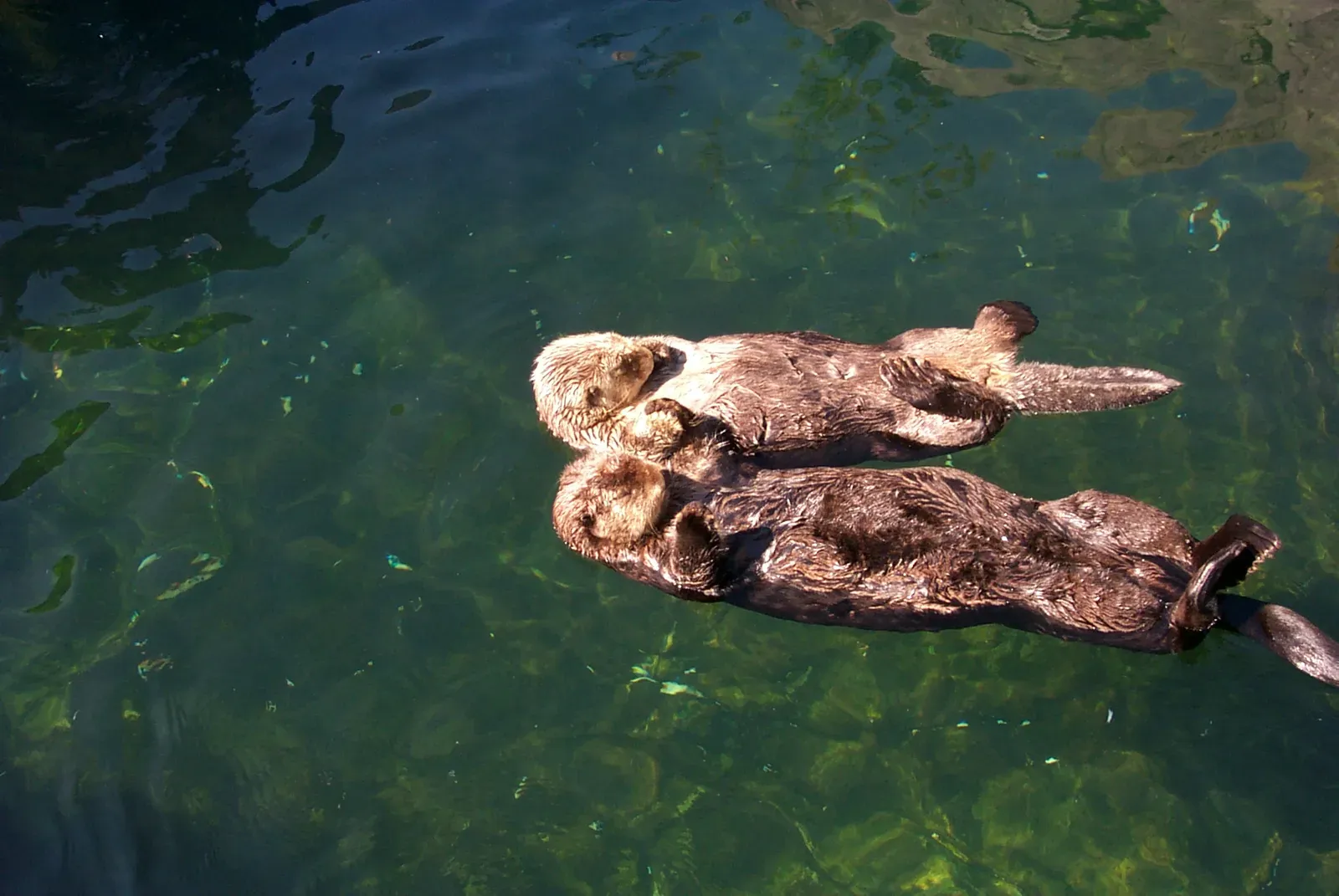
If you’ve ever seen a photo of two otters holding hands while floating on the ocean surface, you were not being tricked by internet cuteness. That’s actually a real sleep strategy. When sea otters sleep, they float on their backs, and to stay in place and keep from floating out to sea, they may wrap themselves up in kelp or hold hands with one another.
While sea otters don’t frequently hold each other’s paws when they sleep, wrapping their bodies in kelp is a must, as sea otters can remain in place and not float away even in a storm because they wrap themselves in kelp blades or fronds. Sea otters spend an average of 11 hours sleeping and resting each day. That’s a solid sleep schedule for an animal that doesn’t even have a bed.
5. Bats: The Upside-Down Escape Artists

Sleeping upside down sounds like a nightmare, but for bats it’s actually one of the most elegant survival tricks in the animal world. Bats hang from cave ceilings, tree branches, or other surfaces thanks to specialized tendons in their feet that allow them to grip tightly while still keeping their legs relaxed. No muscle effort required. They literally just hang there, totally chilled out.
Sleeping upside down helps bats defend against predators because, unlike birds, bats can’t just flap their wings to take flight and instead use gravity to do so, meaning hanging upside down is their pre-flight pose – if a predator attacks while they’re snoozing, they drop down and instinctively fly off before they’ve even fully woken up. Little brown bats are one of the sleepiest mammals in the world, sleeping an average of 19 hours every day. Honestly, that might be the most relatable thing on this entire list.
6. Chinstrap Penguins: Champions of the Micro-Nap

You think you’re tired after a bad night? The chinstrap penguin sleeps in four-second microbursts. Four. Seconds. That’s barely long enough to blink slowly. Yet somehow, these birds manage to function, breed, and thrive in one of the harshest environments on Earth using nothing but thousands of these tiny slivers of sleep.
These penguins nap roughly ten thousand times a day for just seconds at a time, and those countless micro-snoozes add up to provide more than 11 hours of actual shut-eye. It’s like nature’s version of defragmenting a hard drive in real time, constantly, all day long. I think it’s genuinely one of the most mind-bending sleep strategies in the entire animal kingdom – a reminder that evolution will always find a way.
7. Walruses: The Sleepers That Hang From Ice With Their Tusks
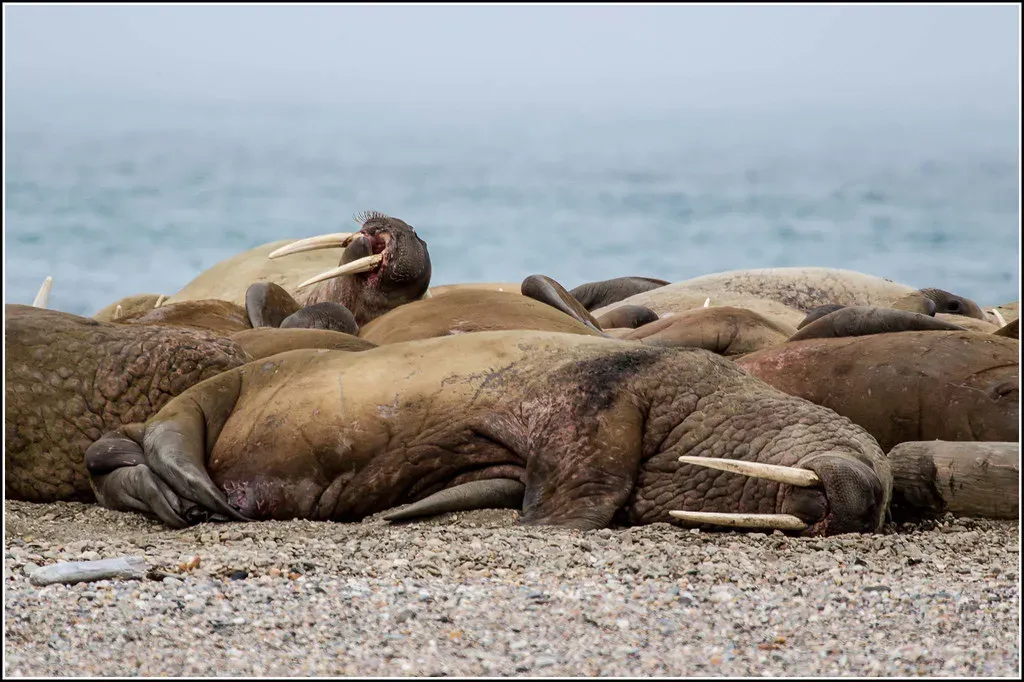
Walruses might just be the most versatile sleepers on the planet. They can sleep absolutely anywhere, in any position, at basically any time. Walruses can sleep at the bottom of an ocean floor or while bobbing on top of the water’s surface, and have even been observed sleeping while using their tusks to hang from a block of ice. Let that image settle in for a moment.
When on land, these creatures can settle in for a deep sleep that can last up to 19 hours, but they can also stay awake for extended stints when swimming, remaining alert for up to 84 straight hours. That’s an extreme contrast – sleeping for nearly an entire day, or staying awake for three and a half days straight. The walrus is basically the most dramatic sleeper in the animal world, and it’s hard not to respect that.
8. Elephants: The Two-Hour Wonders
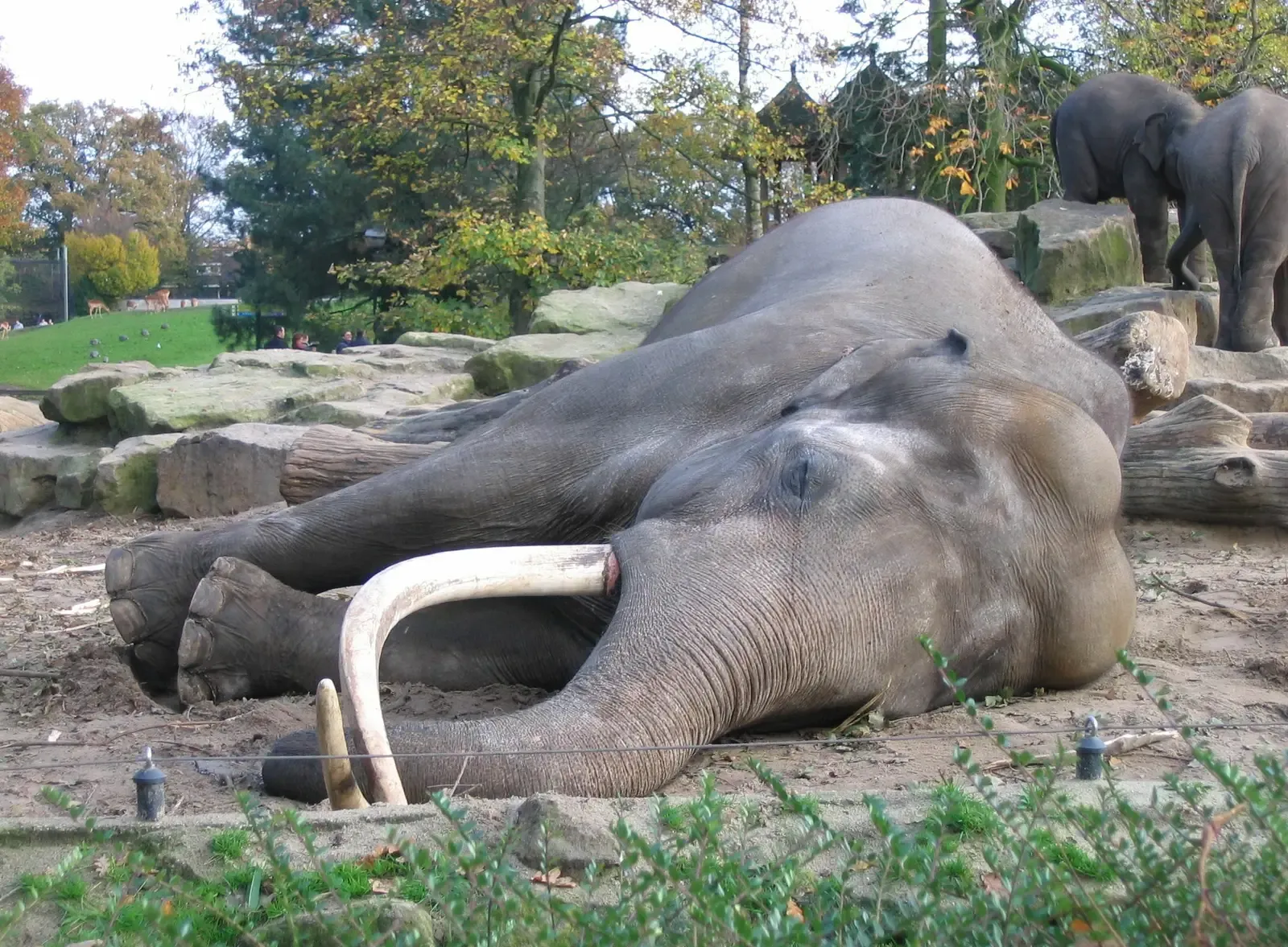
You’d expect an animal the size of a bus to need a serious amount of sleep. You would be very wrong. African elephants sleep for the least amount of time recorded of any land mammal, averaging about two hours per day in the wild, and can go up to 46 hours without any sleep at all. Two hours. That would send most humans into complete cognitive collapse.
Elephants can also sleep standing or lying down, and seem to only lay down every few days, likely as a way to stay safe from predators, poachers, or even aggressive bull elephants. When compared to their protected counterparts, captive elephants typically sleep up to seven hours. So it’s not that elephants don’t need sleep – it’s that survival in the wild simply doesn’t give them much of a chance to get it. A sobering thought, really.
9. Horses: Standing Sleepers With a Built-In Lock
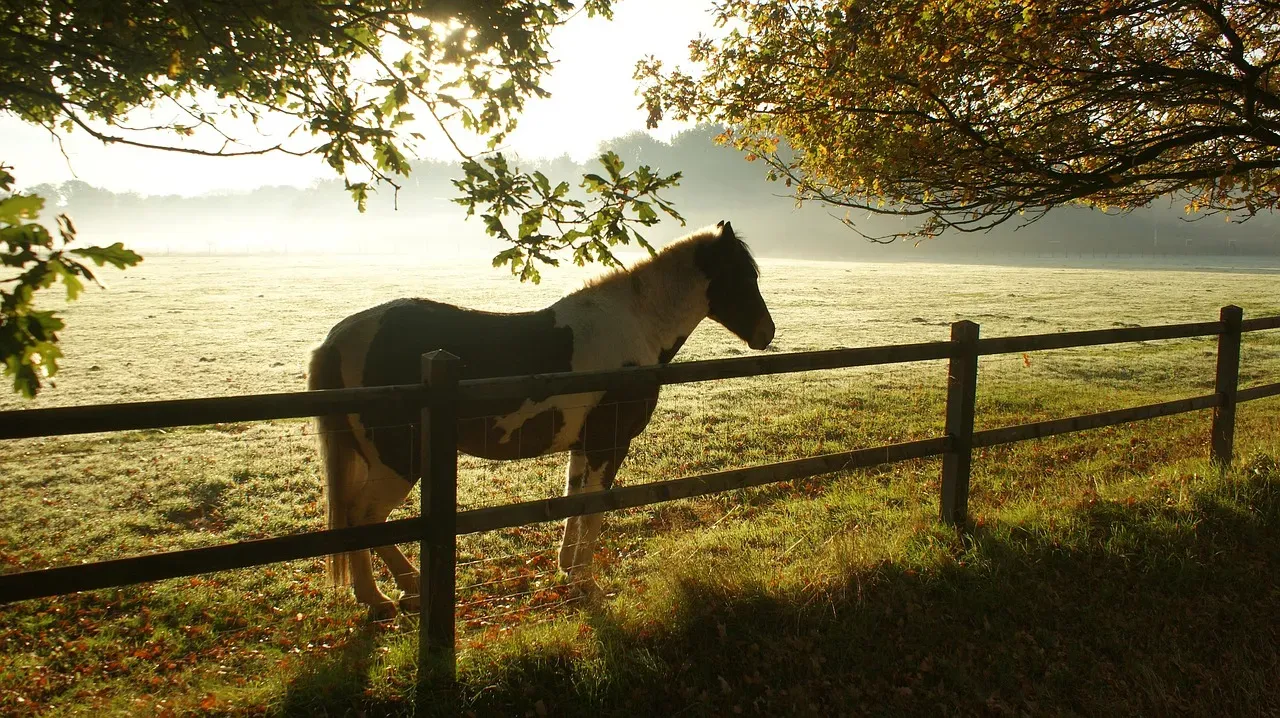
Horses don’t just choose to sleep standing up out of preference. They’ve actually evolved a remarkable physical mechanism to make it possible. Horses have evolved a system of ligaments and tendons called a stay apparatus, which locks into place so they can sleep standing upright without actively using their muscles. It’s essentially a built-in biological kickstand. Brilliant, when you think about it.
Horses do need to lie down from time to time, because they can’t achieve REM sleep while standing up. The domestic horse sleeps just under three hours on average each day, and the domestic pony sleeps about three hours and 20 minutes. So they get their deep, dreamy rest lying down, but they use that standing posture for lighter sleep when being a fast escape is more important than catching a dream.
10. Desert Snails: Sleeping for Years at a Time
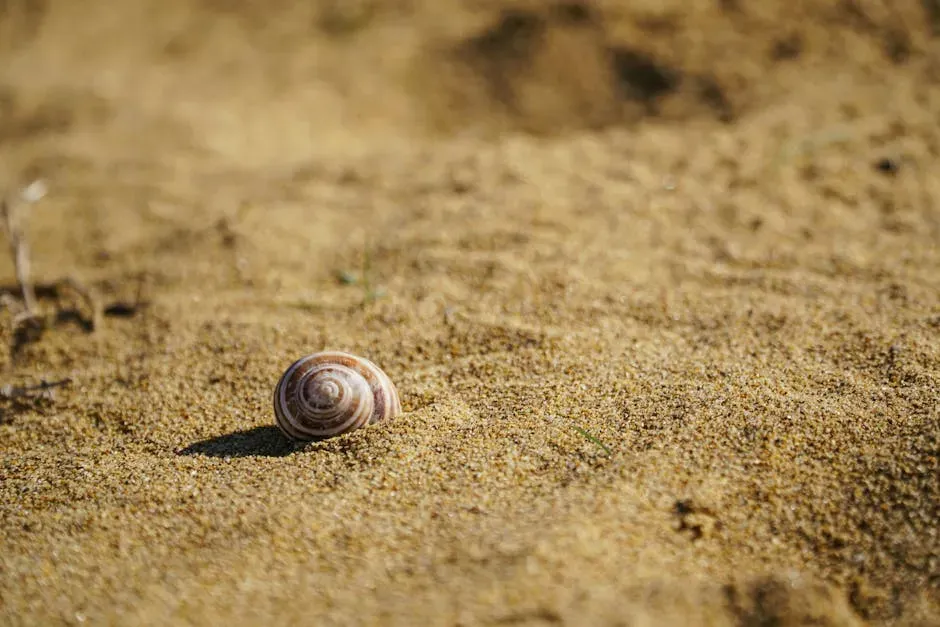
Everything covered so far might seem unusual, but nothing quite tops this one. Desert snails are capable of sleeping for not days, not weeks, but years. Some desert snails can sleep for years, and in one extraordinary case, an Egyptian desert snail was assumed dead and placed in a museum, only to wake up and slither away four years later. Museum staff must have had quite a morning.
Some land snails can sleep up to three years in hibernation during winter periods. This kind of extended dormancy is nature’s way of helping the animal survive impossible conditions – extreme heat, drought, or cold – by simply shutting everything down and waiting it out. These extended summer rests can be quite prolonged, and in one case in the 1840s, a museum worker attached what they believed was a dead Egyptian land snail to a museum identification card, only for staff to notice trails of slime on the card four years later – and when the card was immersed in water, the snail crawled right off. That’s not just bizarre sleeping behaviour. That’s practically a superpower.
Conclusion: Nature’s Most Creative Sleepers
Sleep, it turns out, is not the simple, passive activity we assume it to be. Across the animal kingdom, it’s a dynamic, sometimes death-defying, always fascinating survival strategy. Whether you’re a whale that sleeps vertically in the ocean for mere minutes, or a snail that shuts down for years at a time, every creature has found its own extraordinary way to rest, recover, and live another day.
The more you learn about animal sleep, the more remarkable the natural world becomes. Every weird habit, every strange posture, every half-lit brain reflects millions of years of evolution fine-tuning the art of the nap. So the next time you feel guilty about hitting snooze one too many times, remember – at least you don’t have to wrap yourself in seaweed or hang upside down from a cave ceiling to do it.
Which of these bizarre sleepers surprised you the most? Drop your thoughts in the comments – we’d love to know.