
Space has a way of making even the most brilliant scientists feel small. Just when we think we’ve figured out how the universe works, it throws us something so weird, so extreme, that the rules seem to bend or break. Some of these mysteries are so stubborn that entire careers are built around a single question, and still, the answer keeps slipping out of reach.
What makes this even more thrilling is that we’re not talking about tiny details at the edge of theory. These are big, headline-level puzzles: flashes of energy brighter than galaxies, invisible matter shaping everything, signals from deep time that don’t quite add up. Let’s dive into six of the strangest cosmic phenomena that are still keeping astrophysicists up at night.
1. Fast Radio Bursts: Millisecond Flashes That Outshine Galaxies
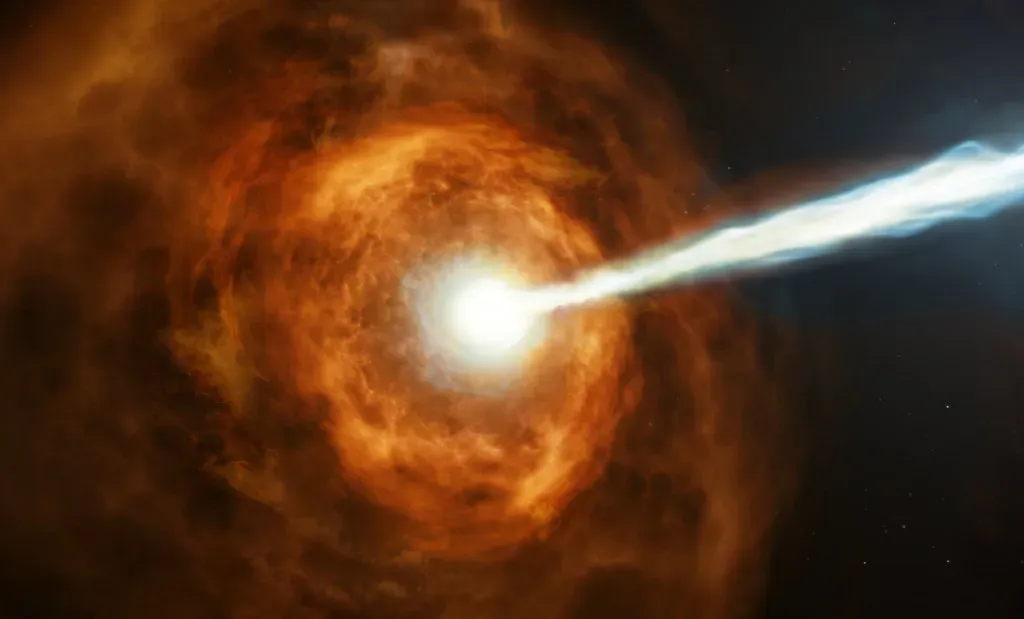
Imagine a signal from space so powerful that, for a fraction of a second, it releases more energy than our sun will emit over decades. That’s roughly what fast radio bursts, or FRBs, are doing. They’re ultra-short, intense pulses of radio waves coming from far beyond our galaxy, and we still don’t really know what’s causing them.
Some FRBs repeat, like a cosmic heartbeat, while others fire once and fall silent forever. The repeating ones tempted scientists to think of rotating neutron stars or magnetars; the one-off bursts hint at catastrophic events like stellar collisions. The truth may be that there are multiple kinds of FRBs, powered by different engines, which makes the mystery even messier. In a way, it’s like picking up random phone calls from deep space where the line crackles, cuts off, and never tells you who’s speaking.
2. Dark Matter: The Invisible Skeleton of the Universe
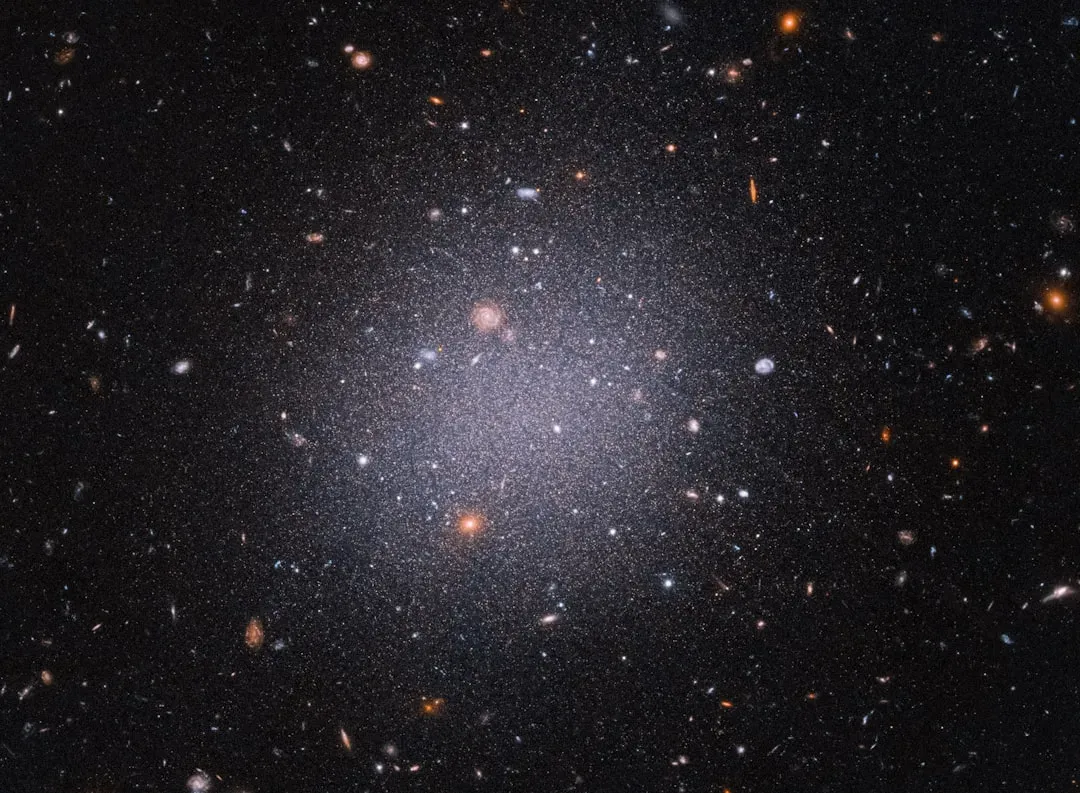
When astronomers measure how galaxies spin, something doesn’t add up. The stars are moving too fast to be held together by the gravity of the visible matter alone. To explain this, scientists propose dark matter: a hidden form of matter that doesn’t emit light, doesn’t reflect it, and so far refuses to show itself in any detector on Earth.
Observations of galaxy clusters, gravitational lensing, and the large-scale structure of the universe all point to this invisible stuff making up most of the matter out there. Yet despite decades of increasingly sensitive experiments, no one has directly detected a dark matter particle. It’s like knowing there’s an entire city out there because of the traffic patterns and shadows, but never seeing a single building, car, or person. That tension between clear evidence and zero direct detection is exactly what keeps dark matter at the center of modern astrophysics.
3. Dark Energy and the Runaway Expansion of the Universe
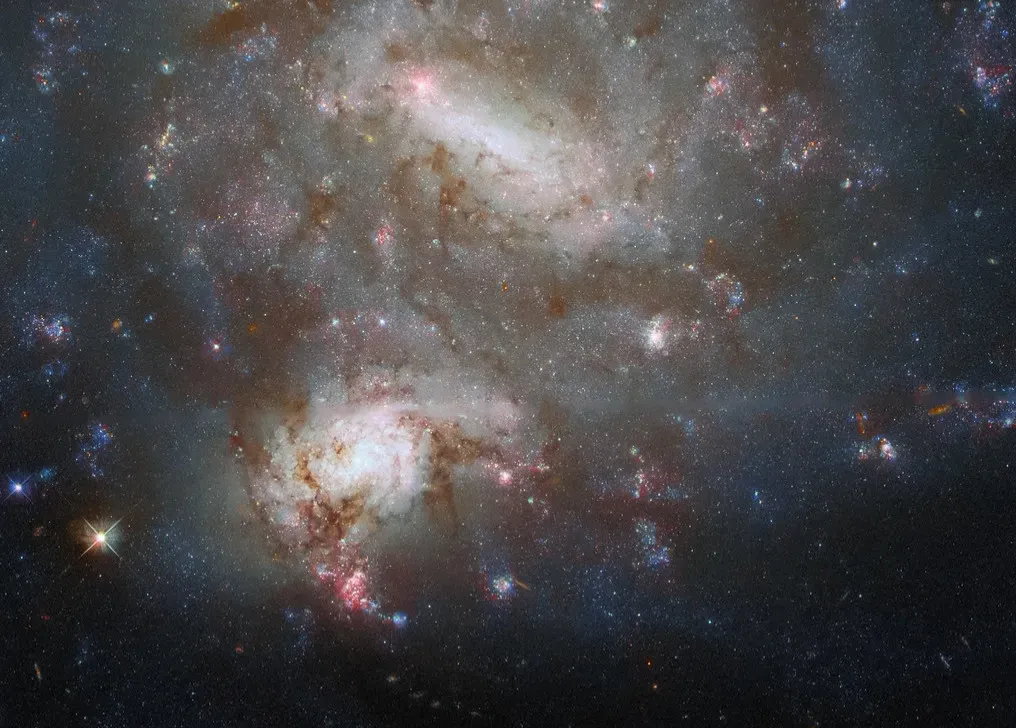
In the late twentieth century, astronomers expected to confirm that the universe’s expansion was slowing down under gravity. Instead, distant supernova observations showed the opposite: the expansion is speeding up. To account for this, they introduced dark energy, a mysterious form of energy that seems to be woven into the fabric of space itself, pushing everything apart.
Dark energy isn’t just an odd detail; it appears to dominate the energy budget of the entire cosmos. Yet we don’t know what it is, why it exists, or if it’s even constant over time. Some ideas point to a built‑in property of space, others to new fields or modifications of gravity itself. Trying to make sense of dark energy is a bit like finding out the ground beneath your feet is slowly accelerating sideways, while all your existing maps assume it’s perfectly still.
4. The Hubble Tension: Two Measurements, One Universe, No Agreement
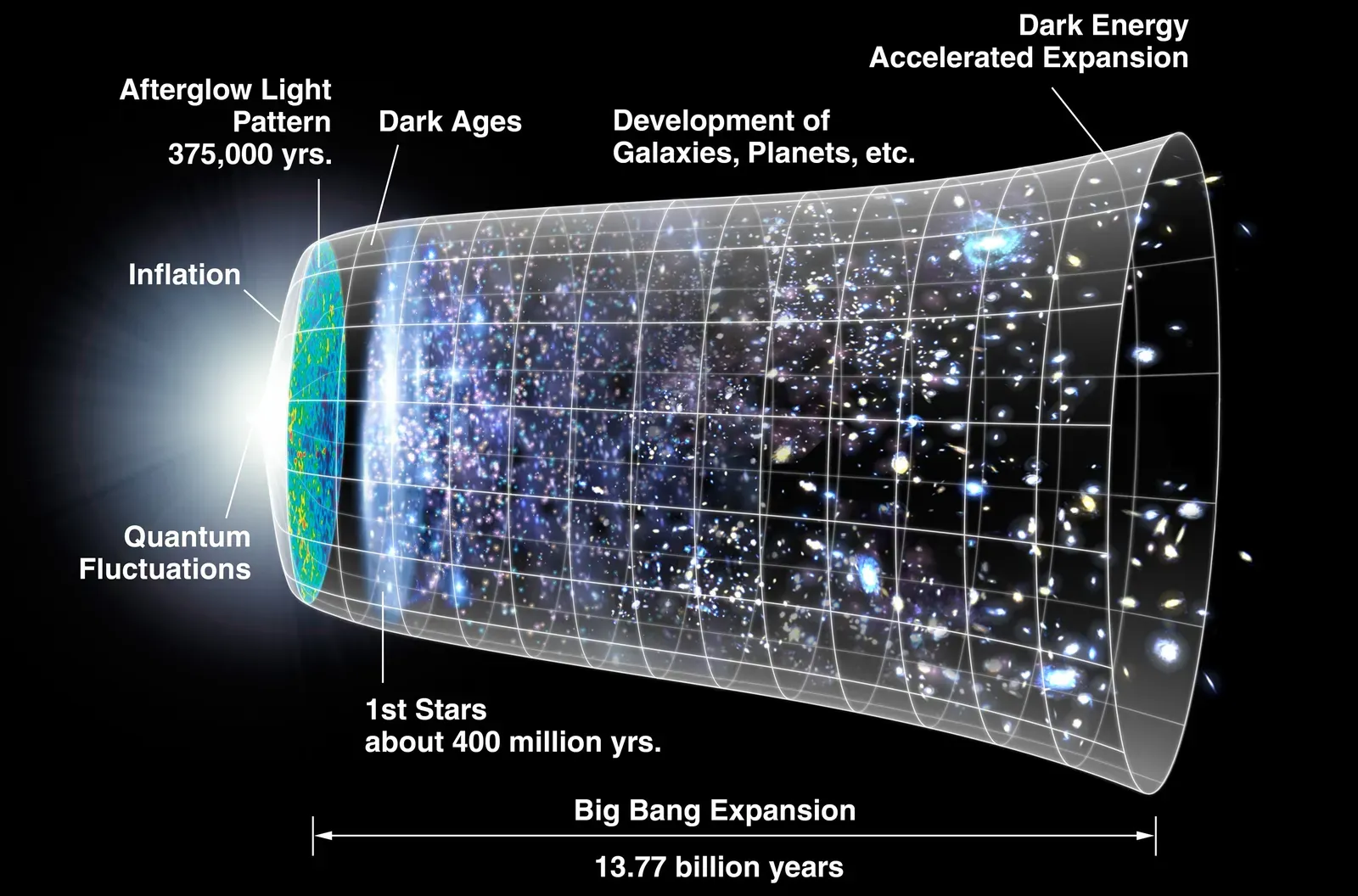
Measuring how fast the universe is expanding sounds like a straightforward job: pick a method, do the math, compare notes. But right now, two highly precise ways of measuring the Hubble constant, the current expansion rate, give answers that simply refuse to match. One uses the early universe, decoded from cosmic microwave background data; the other uses nearby supernovae and stars. Both are extremely careful, both have been checked and rechecked, and yet their results disagree by more than can be brushed off as bad luck.
This mismatch, known as the Hubble tension, could mean there’s new physics hiding in the gap between the early and late universe. Maybe dark energy behaves differently over time, or maybe our models of the infant cosmos need updating. On the other hand, it could still be some subtle, shared bias no one has spotted yet. Either way, it feels a bit like having two clocks that are both incredibly accurate on their own, but permanently several minutes apart whenever you compare them.
5. Ultra-High-Energy Cosmic Rays: Particles with Absurd Power
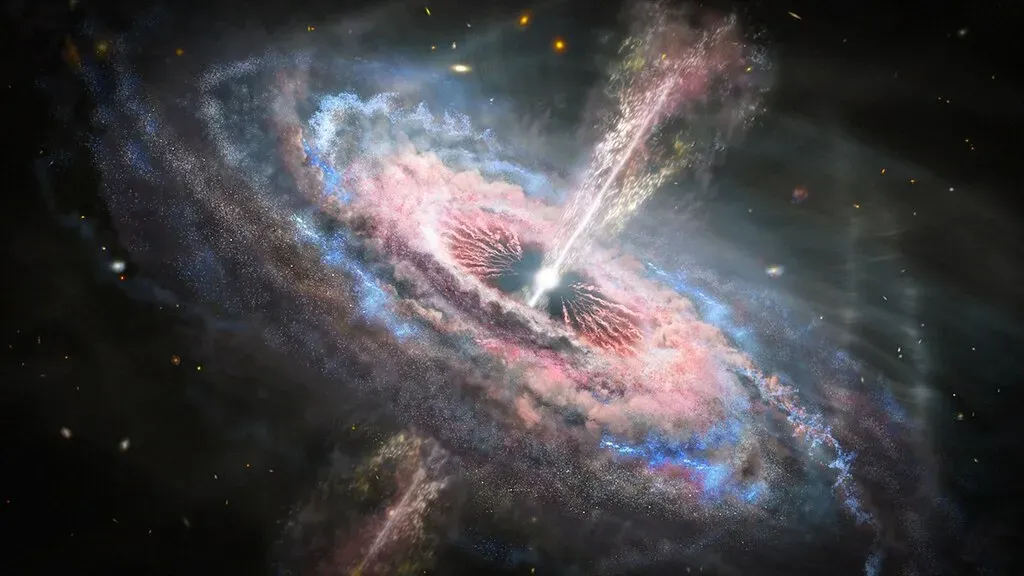
Every so often, Earth is hit by a particle from space carrying an almost ridiculous amount of energy, far beyond anything our most powerful accelerators can produce. These ultra-high-energy cosmic rays slam into the atmosphere and trigger massive particle showers, like invisible fireworks no one asked for. The puzzle is not just how energetic they are, but where and how they’re being accelerated to such extremes.
Astrophysicists suspect exotic environments like active galactic nuclei, powerful jets from supermassive black holes, or shock waves in huge cosmic structures. Yet when we trace the arrival directions, the patterns are muddy and don’t clearly point to obvious sources. On top of that, theory suggests that over long distances, interactions with background radiation should drain some of their energy, making the highest-energy events hard to explain. It’s a bit like finding a single bullet lodged in your wall that must have been fired from another continent, with no clear path it could have taken.
6. Supermassive Black Holes That Formed Too Fast
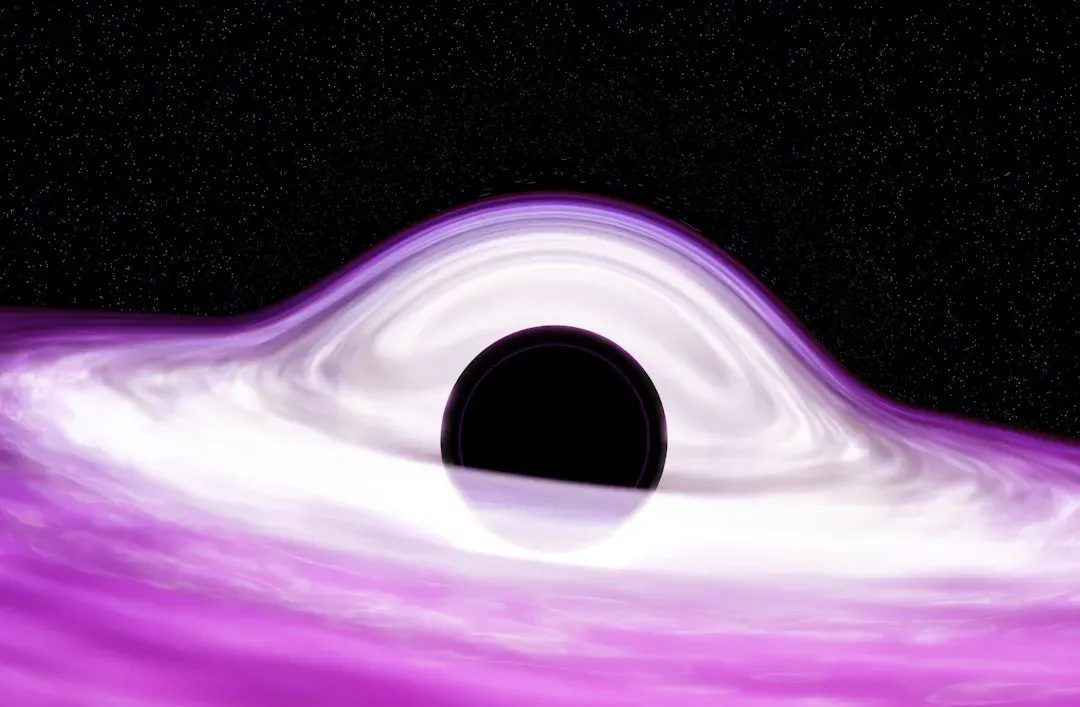
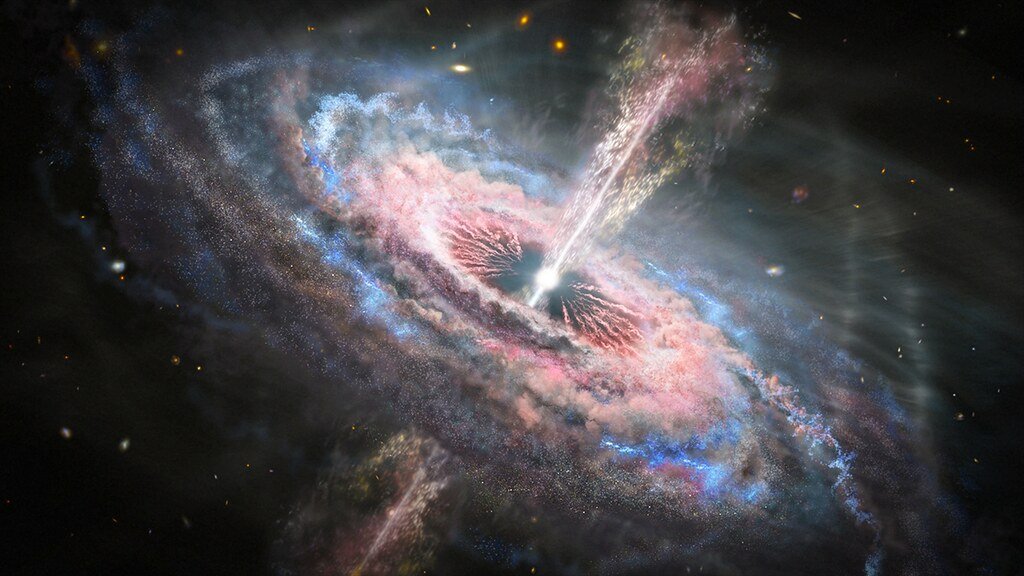
Not long after the Big Bang, when the universe was still in its cosmic infancy, we already see quasars powered by black holes containing hundreds of millions, or even billions, of solar masses. That’s shockingly fast growth in a very short amount of time. Under standard scenarios, black holes form from massive stars and then slowly gain weight by swallowing gas and stars around them, but the early monsters seem to have skipped a few steps.
To explain them, some scientists suggest direct collapse black holes, where huge clouds of gas collapse straight into massive black holes without forming normal stars first. Others explore the idea of exotic early conditions that allowed runaway growth. Observations with next‑generation telescopes are starting to fill in this early era, but the current picture still looks suspiciously like a jump cut in a movie. One moment the universe has baby structures, and almost immediately it’s hosting cosmic giants that seem to have grown faster than our best models allow.
Our best telescopes and detectors are finally sensitive enough to catch these strange signals and structures in exquisite detail, and yet the clearer the images get, the stranger the story becomes. Each of these phenomena pulls on a loose thread in our understanding of physics, hinting that the tapestry of the universe might be woven from patterns we haven’t fully recognized yet. Did you expect the universe to be this weird?