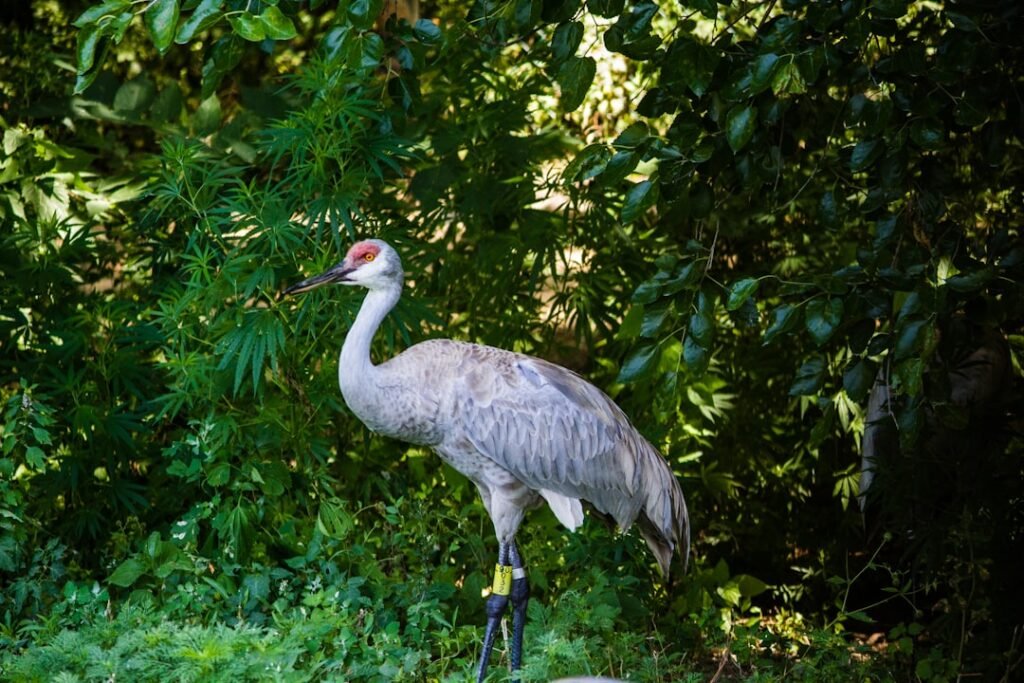
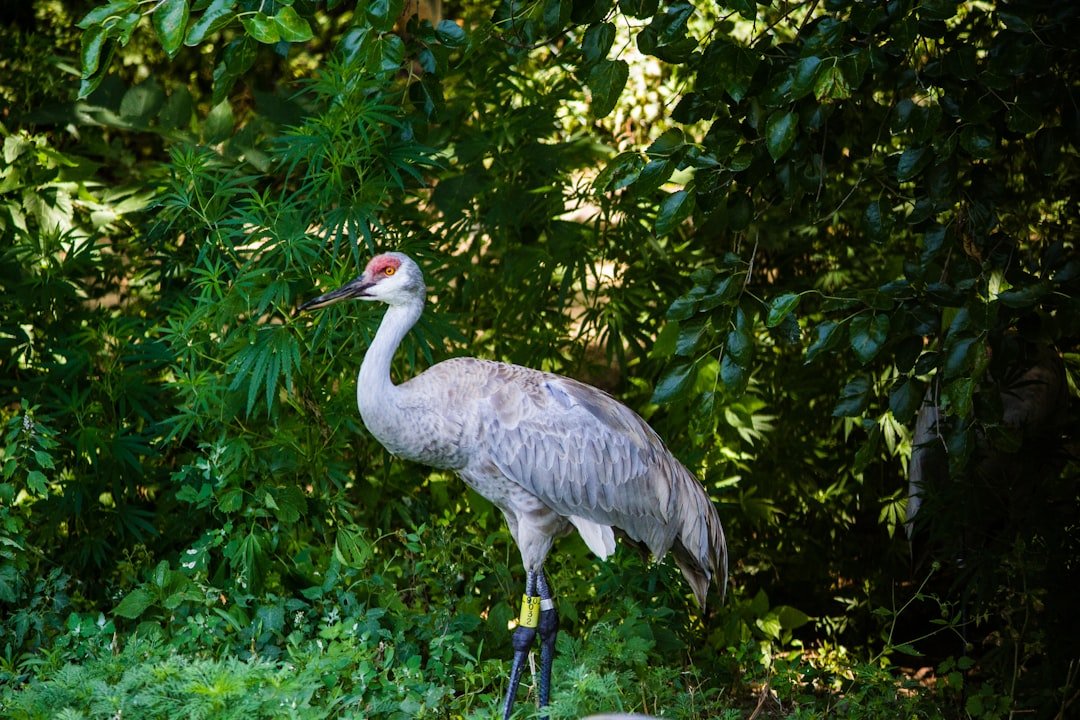
In 1941, Only 16 Remained (Image Credits: Unsplash)
Aransas National Wildlife Refuge, Texas – North America’s tallest bird has clawed its way back from the precipice of extinction, offering a powerful testament to dedicated conservation efforts.
In 1941, Only 16 Remained
The whooping crane population plummeted in the early 20th century due to relentless hunting and widespread habitat destruction from agricultural expansion. By 1941, observers counted just 14 to 16 birds in the wild, mostly along the Texas Gulf Coast during winter months.[1][2] This dire situation captured national attention and spurred initial protective measures.
Conservationists tracked the lone wild flock, which migrated between Canada’s Wood Buffalo National Park and Texas. Early efforts focused on halting shootings and preserving key stopover sites. These steps laid the groundwork for more comprehensive action in the decades ahead.
The Endangered Species Act Steps In
Congress passed the Endangered Species Act in 1973, and the whooping crane received formal endangered status under its predecessor laws as early as 1970. The legislation prohibited taking the birds and funded habitat safeguards, captive breeding, and reintroduction programs.[3] Federal agencies collaborated with Canadian partners to monitor and protect the species.
Over time, these protections enabled the establishment of additional populations. Reintroduced flocks now exist in experimental programs in Louisiana and along eastern migration routes. The Act’s framework proved essential in preventing total loss.
Record Counts Mark Steady Growth
The 2024-2025 winter survey recorded a historic high of 557 whooping cranes at Aransas and surrounding areas, surpassing 550 for the first time in the main Aransas-Wood Buffalo flock.[1] This milestone reflected a consistent 4.33 percent annual growth rate.
Biologists noted expanded habitat use, with 68 birds sighted outside traditional zones. At least 41 juveniles joined the count, signaling robust reproduction. Total global numbers approached 834, including captive individuals, across multiple flocks.[3]
Persistent Dangers Demand Vigilance
Despite progress, habitat pressures mounted on Texas wintering grounds. Development fragmented wetlands, raising risks of power line collisions and disease transmission at crowded feeding sites. Sea-level rise and reduced freshwater inflows altered salinity levels, threatening food sources like crabs and wolfberries.[2]
Avian flu emerged as a new killer, claiming several birds recently. Proposed changes to the Endangered Species Act raised alarms among experts, potentially weakening tools that secured the cranes’ recovery. Conservation groups pursued land easements and water rights lawsuits to counter these challenges.
- Urban sprawl and energy infrastructure encroach on coastal marshes.
- Climate-driven droughts divert essential river flows.
- Low genetic diversity heightens vulnerability to outbreaks.
- Illegal shootings and vehicle strikes persist along migration paths.
- Policy shifts could undermine federal protections.
Key Takeaways
- The Endangered Species Act rescued whooping cranes from fewer than 20 birds to over 550 in the wild flock.
- Habitat acquisition and partnerships drove recent records.
- Ongoing threats like development and disease require sustained action.
The whooping crane’s journey underscores how targeted laws and collaboration can reverse extinction’s tide, yet complacency invites reversal. As numbers climb, so do the stakes for their long-term survival. What steps should policymakers take next to safeguard this icon? Share your thoughts in the comments.