
Picture a civilization with no iron tools, no wheeled vehicles, and no written language. Now imagine that same civilization constructing cities on sheer mountain ridges, carving roads through glacial passes, and building walls so precisely fitted that even today you cannot slide a sheet of paper between the stones. Sounds impossible, right? Yet this was the everyday reality of the Inca Empire, an ancient world that existed high in the Andes and left behind engineering achievements that continue to leave modern scientists genuinely baffled.
You might think we’ve already figured out all of the Inca’s secrets. Honestly, we haven’t. The more researchers probe these structures, the deeper the mystery becomes. What you’re about to discover goes far beyond the tourist snapshots of Machu Picchu. Let’s dive into the true scale of what this mountain empire accomplished.
Mastery Without Modern Tools: The Raw Genius of Inca Stonework
Here’s the thing that stops most people cold when they learn it: by the fifteenth century, engineers across the empire had created long-lasting stonework, combined water systems, and an extensive road network, despite lacking iron tools, wheeled transport, or large draft animals. No cranes, no steel chisels, no mechanical advantage of any kind that we would recognize today. Just human ingenuity, patient labor, and an extraordinary understanding of stone.
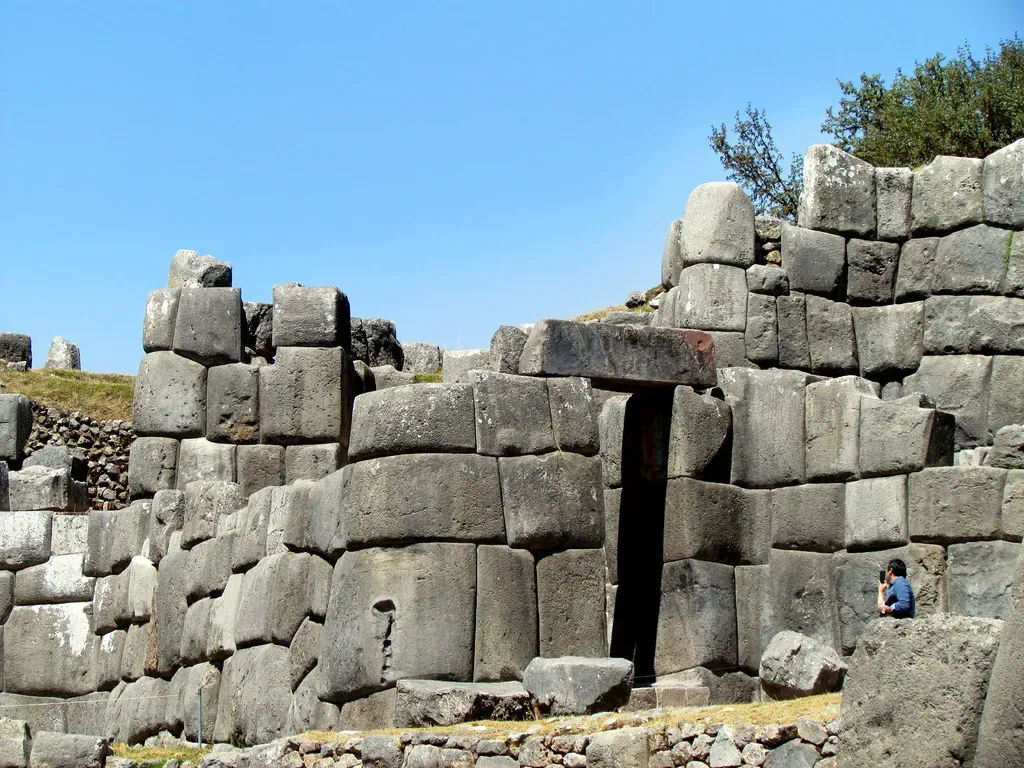
One technique, called Ashlar Masonry, consisted of cutting and shaping individual stones and making them fit together in seamless joints with astonishing precision and without using mortar. The joints are so tight that fitting a blade between them is impossible. Think about that for a moment. These weren’t small decorative tiles. These were massive boulders, shaped so perfectly they locked together like a three-dimensional puzzle lasting centuries.
To achieve this level of precision, the Incas used a technique called “rock pecking,” meticulously chiseling away at the stone surfaces until the desired shape and smoothness were achieved. It was slow, deliberate, and demanded extraordinary skill passed down through generations. One of the most remarkable aspects of Inca construction techniques is how seamlessly they integrated their buildings with the natural landscape. Rather than imposing artificial structures on the environment, Inca engineers worked with existing topography and geological features.
Sacsayhuamán: The Fortress That Defied Belief
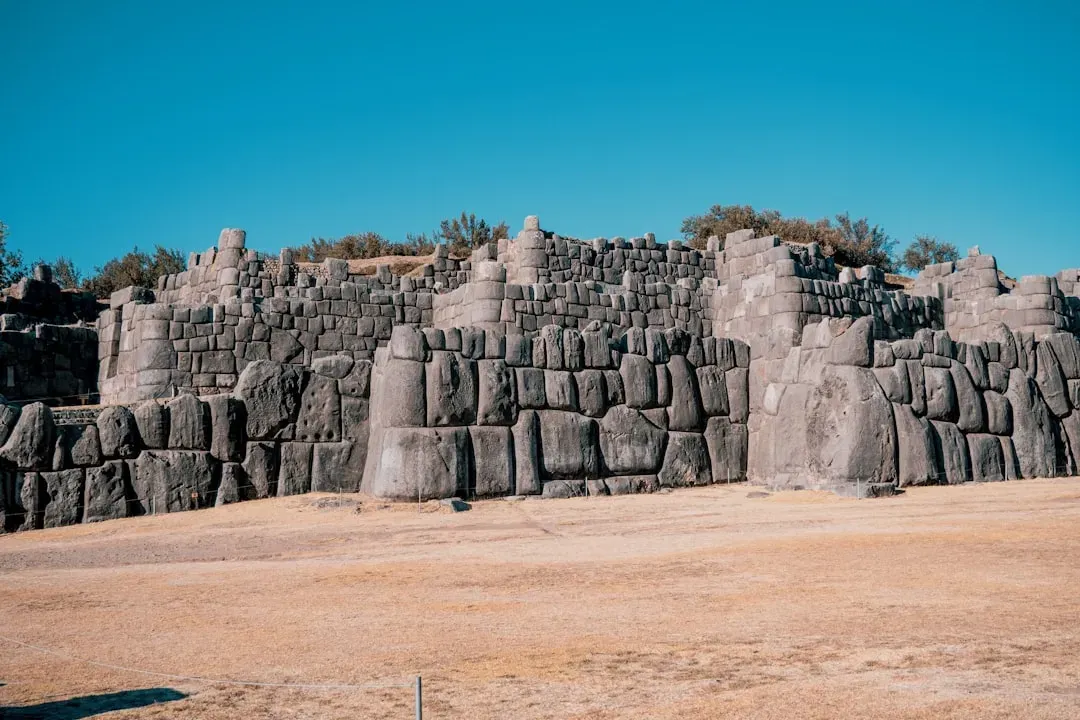
If you ever stood in front of Sacsayhuamán, you’d understand why early Spanish conquistadors refused to believe humans had built it. Composed of massive limestone blocks, some weighing over 100 tons, Sacsayhuamán stands as a testament to the engineering prowess of the Inca civilization. To give you a sense of scale, that’s heavier than a fully loaded Boeing 737. And the Inca moved them without wheels.
Sacsayhuamán was constructed over a period of approximately 100 years, with the labor of more than 20,000 people. Blocks were transported using ropes, tree trunks, poles, levers, and earthen ramps. The sheer coordination required for this kind of operation rivals anything a modern construction firm would attempt today.
The stones are so closely spaced that a single piece of paper will not fit between many of them. This precision, combined with the rounded corners of the blocks, the variety of their interlocking shapes, and the way the walls lean inward, is thought to have helped the ruins survive devastating earthquakes in Cuzco. In the construction of Sacsayhuamán, the stones were laid together without the use of mortar, and they seem to be immovable by nature. Although earthquakes have laid waste to many more modern buildings in the locality, the Inca site itself has remained unshaken by any of the tremors.
Machu Picchu: A City Built on a Cloud
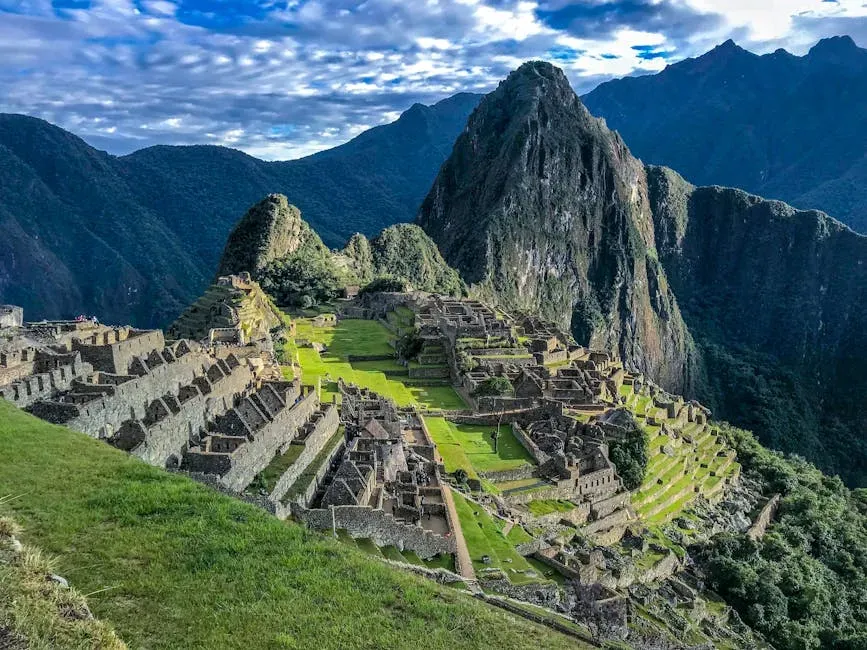
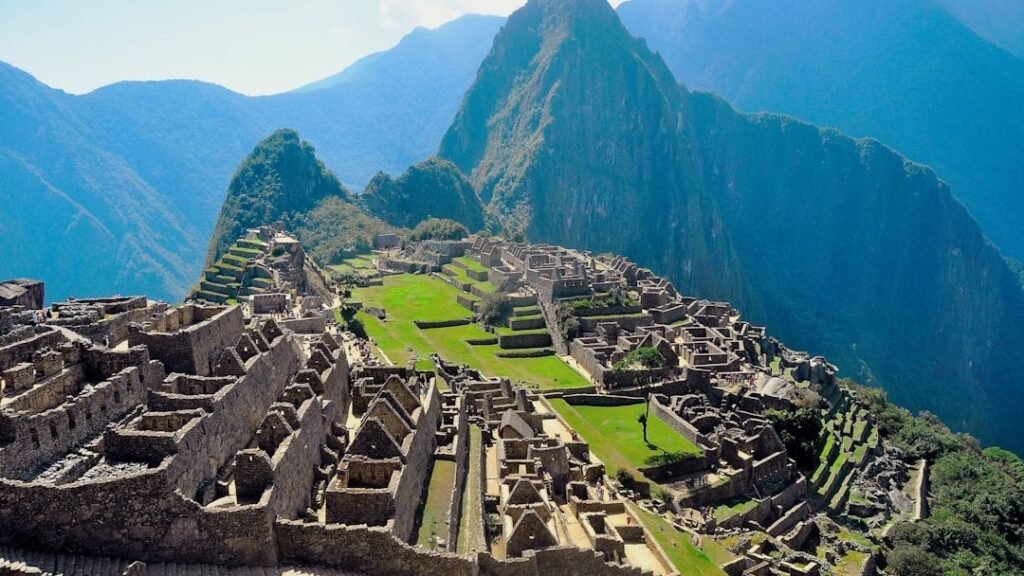
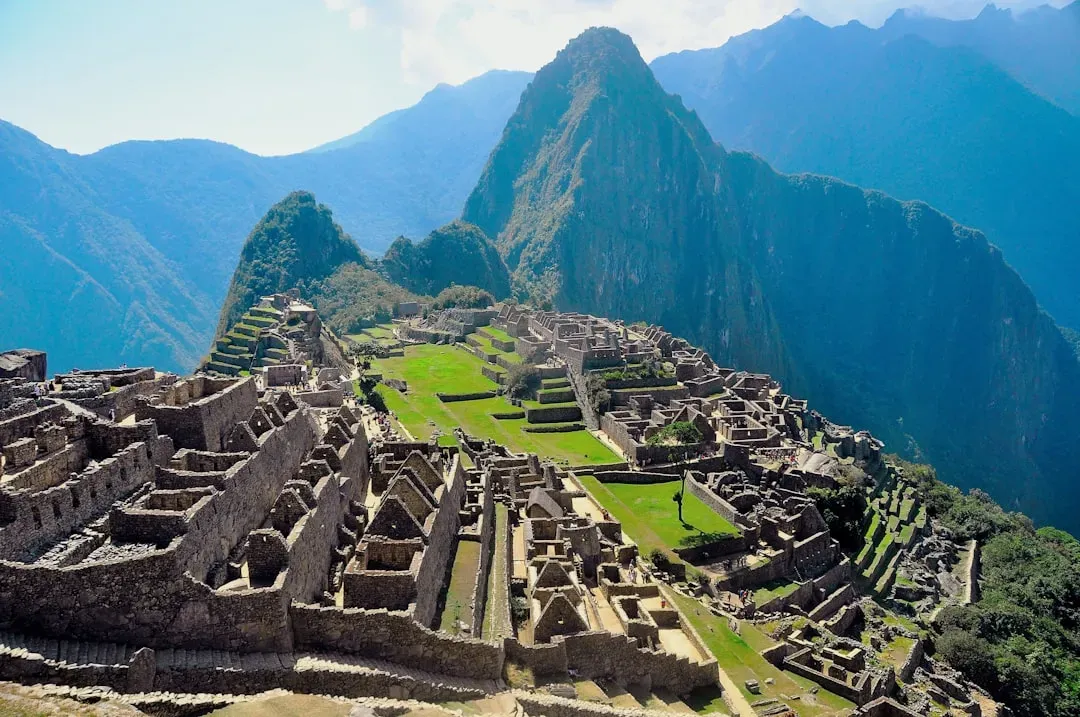
Few places on Earth generate the kind of breathless awe that Machu Picchu does. The site is situated on a 2,430-meter mountain ridge, in inhospitable terrain where one would never imagine a settlement to stand. It wasn’t just a lookout point or a small ceremonial platform. Commissioned by Pachacuti in the mid-fifteenth century, the city featured more than 200 buildings, including temples, residences, ritual platforms, and storage houses.
According to water engineer Ken Wright, who has studied these structures for decades, 60 percent of Inca construction effort was underground. This invisible foundation work, involving deep foundations, site preparation, and drainage systems, is what enabled their buildings to withstand the test of time and earthquakes. That’s a staggering figure. The most impressive part of Machu Picchu is literally what you can’t see.
The earthquake-resistant construction of Machu Picchu is another incredible feature. The Incas used ashlar masonry, a technique where stones were cut so precisely that they fit together without mortar. This made the buildings strong and flexible, allowing them to withstand earthquakes. When the ground shook, the stones moved slightly and then settled back into place. It’s almost like the buildings were designed to breathe. Genuinely remarkable engineering, centuries ahead of its time.
The Water Wizards: Inca Hydraulic Engineering
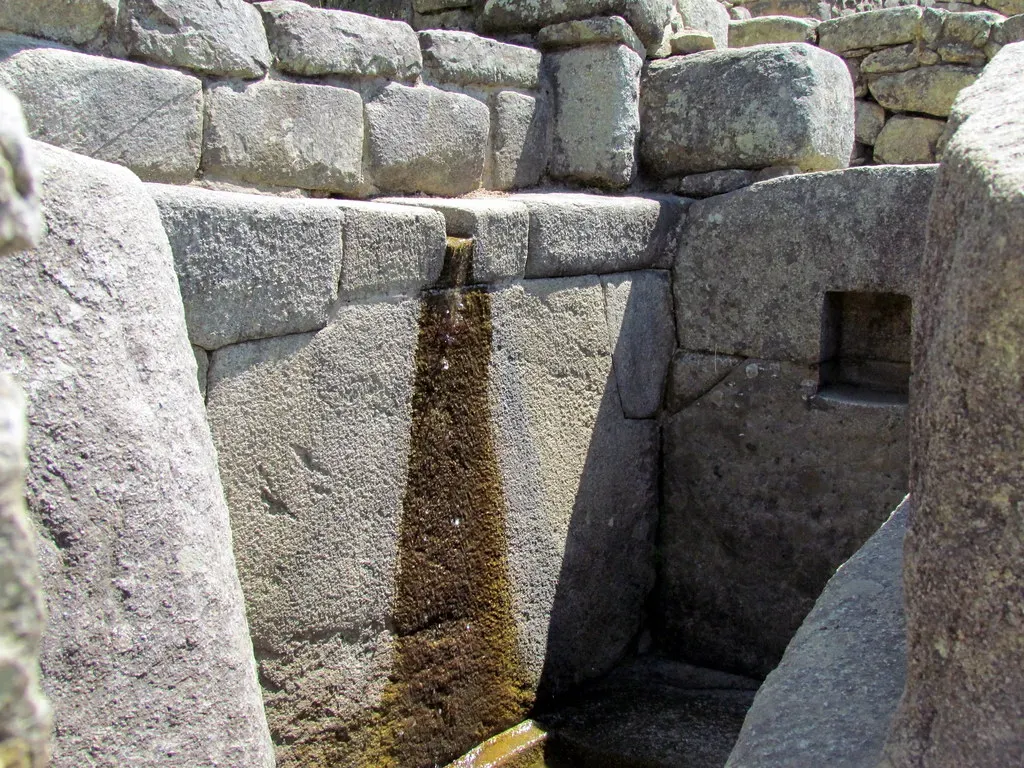
The Inca pantheon included Pariacaca, a god of water and rain, so it’s no surprise that fountains and canals take center stage at Machu Picchu. But these features were also a necessity. Perched high in the Andes, Machu Picchu receives heavy rainfall throughout the year, so the subsurface drainage system built by the Inca is one major reason the city is still standing today. Spirituality and practicality working together in perfect harmony.
The Incas designed intricate drainage systems to handle the heavy rainfall common in the Andes. At Machu Picchu alone, engineers have identified over 130 drainage holes that were planned during initial construction, not added as afterthoughts. These systems prevent water accumulation that could destabilize foundations or freeze and crack stones. Planning drainage before the walls even went up? That’s the kind of forward thinking that modern civil engineers still admire.
The Incas were concerned with maintaining pure water, as the water supply canal was built in such a way that it would be well isolated from drainage holes and potential pollution. As the Emperor was to be the first in the use of water, his residence was built near Fountain One. His was the only house with a sanitary drain, and it didn’t go to any place where it could possibly contaminate. Thus, they had a sense of hygiene and pure water long before Westerners did.
The Qhapaq Ñan: A Road Network That Rivaled Rome
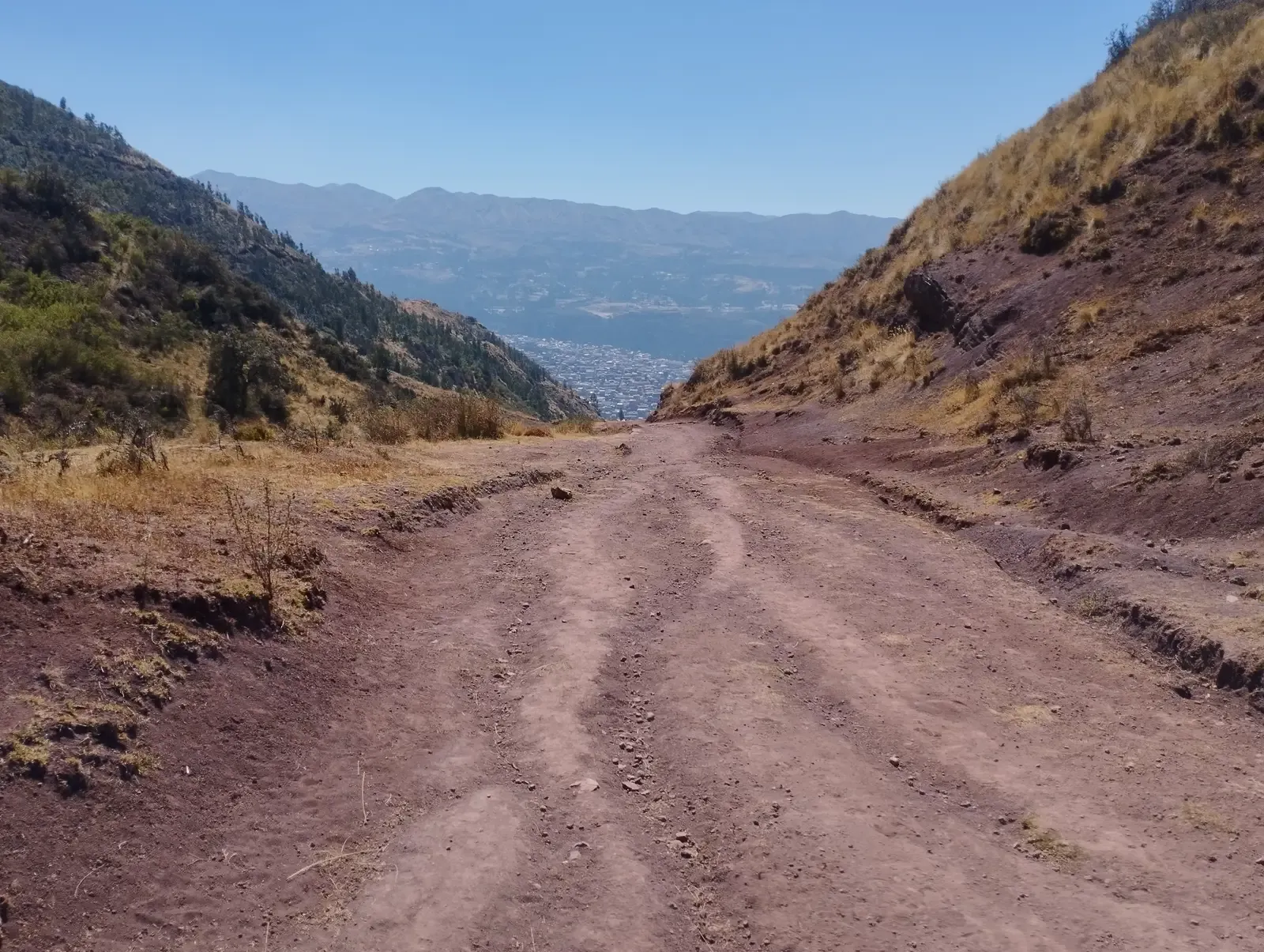
The Inca road system, known in Quechua as the Qhapaq Ñan meaning “royal road,” was the most extensive and advanced transportation system in pre-Columbian South America. It was about 40,000 kilometres long in total. To wrap your head around that distance, it’s roughly equivalent to traveling around the entire circumference of the Earth. Built without horses, without wheels, and without modern surveying equipment.
Engineers adapted each segment of road to suit the local environment: on flat land, they paved the roads with fitted stones, while in marshes, they raised causeways on earthen embankments. In mountainous regions, they carved steps and switchbacks directly into the rock. Inca engineers were also undaunted by geographical difficulties and built roads across ravines, rivers, deserts, and mountain passes up to 5,000 metres high. That’s higher than the base camp of Mount Everest, just to put it in perspective.
This intricate road system enabled centralized governance and facilitated communication, trade, and the movement of troops and food supplies to Cusco or those communities whose crops had produced poorly. On June 21, 2014, the Qhapaq Ñan was declared a UNESCO World Heritage Site, recognizing its value as one of the most impressive Inca road systems in pre-Hispanic history. Recognition that was a very long time coming.
Bridges Over the Abyss: Suspension Engineering Without Steel
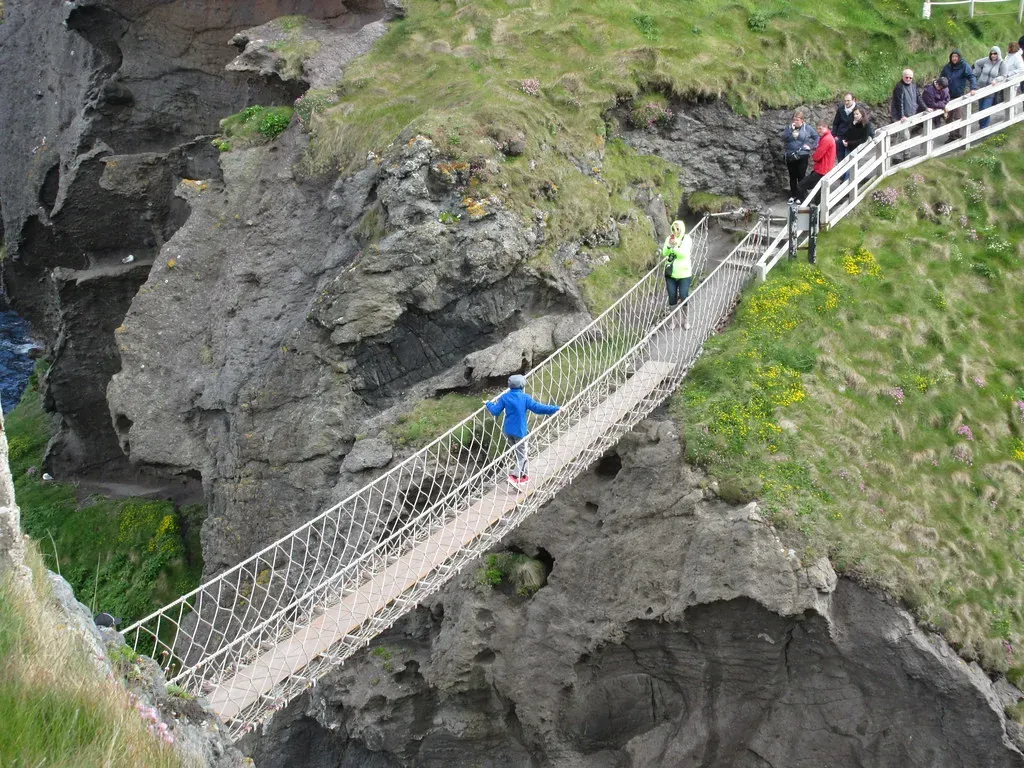
I think this is the most jaw-dropping engineering feat that gets overlooked in most discussions about the Inca. When roadways were impossible, they built suspension bridges of braided cables made of grass and reeds. These bridges could span as high as 45 meters. Grass. They crossed 150-foot gorges using bridges made from woven grass. Let that sink in for a moment.
Surely one of the most impressive sights and showcases for Inca engineering must have been the many rope suspension bridges which crossed perilous ravines. These were built using braids of reed or grass rope with wooden and fibre flooring. Going back at least 500 years, Quechua-speaking communities in Peru have rebuilt the Q’eswachaka rope suspension bridge over the Apurímac River, about 100 miles south of Cusco. The last surviving Inca bridge of its kind, it is reconstructed from rope cables handcrafted in the same way they were half a millennium ago, with twisted, woven grass.
Suspension bridges made from natural fibers like ichu grass and stone stairways carved into steep Andean mountainsides showcase the Incas’ remarkable adaptability to extreme terrain. To protect roads from erosion, the Incas integrated sophisticated drainage systems, including stone-lined channels and culverts that directed water away from pathways, an engineering solution still admired today. Everything connected, everything intentional. Nothing was left to chance.
The Andenes: Turning Mountains Into Farmland
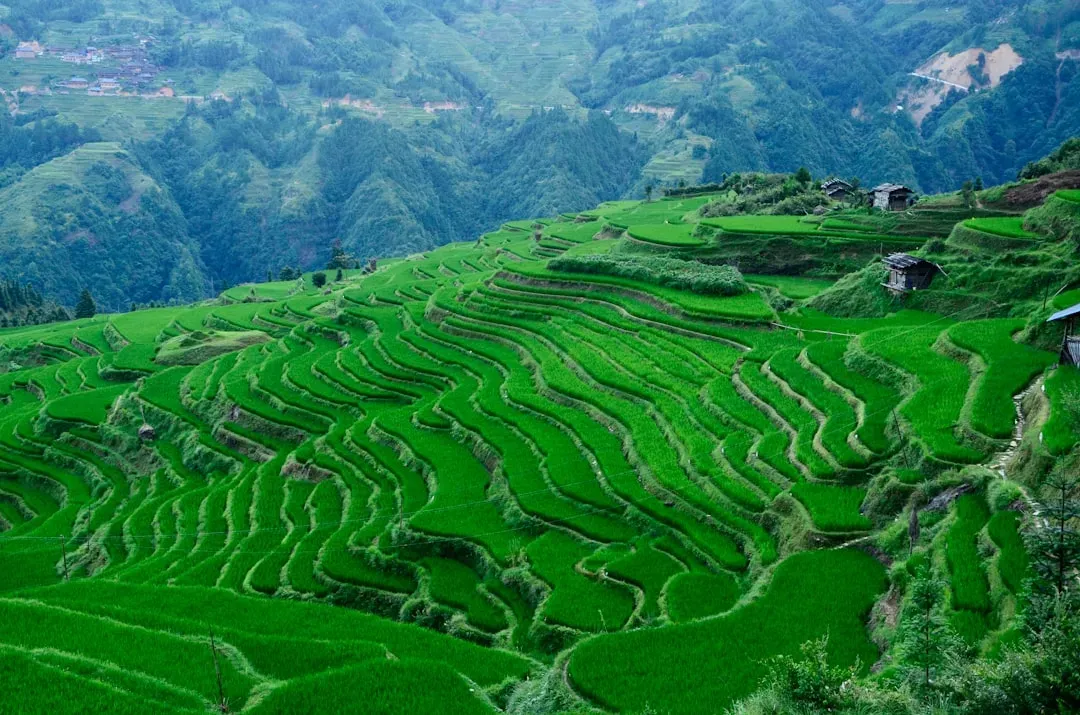
Farming on a mountain slope is a bit like trying to fill a bowl that keeps tipping sideways. The Inca’s solution was nothing short of brilliant. Inca terrace farming refers to the series of stepped platforms or andenes built into the mountainsides to create flat land for farming in the steep Andean highlands. Archaeologists estimate that andenes covered about 1,000,000 hectares of land and contributed substantially to feeding the approximately ten million people ruled by the Incas. One million hectares. Carved entirely by hand.
Beneath the top layer of arable soil, the Incas placed gravel and sand to promote drainage and retain moisture, thereby preventing flooding during intense rains while preserving water in drier seasons. This layered design was vital in maintaining soil integrity across the steep Andean slopes. It’s the kind of multi-layered engineering thinking that modern agricultural scientists are now revisiting as a climate adaptation strategy.
Each terrace also functioned as its own microclimate. Lower terraces, being slightly warmer, supported maize, beans, and other staples, while higher terraces were cooler and better suited to tubers such as potatoes. By cultivating various crops at different elevations, the Incas encouraged biodiversity and reduced the risk of widespread crop failure. Over 3,000 varieties of potato were cultivated, each tailored for different soils, climates, or uses. That’s not farming. That’s food science.
The Chasquis and the Communication System: Messages Faster Than You’d Expect
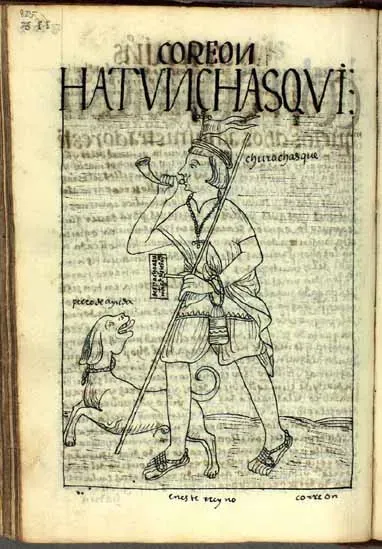
Inca runners, known as chasquis, part of a sophisticated communication system, relayed messages across the empire at remarkable speed. Think of them as human relay networks, each runner sprinting a short leg of the journey before passing a message or small package to the next. The system was so efficient it astonished the Spanish conquistadors who encountered it.
Use of the roads was reserved for the nobility, armies, imperial administrators, and the famous chasquis. The latter were specialized messengers who ran at high speed along sections of the road to transmit crucial information throughout the Inca Empire. The roads were also lined with waystations and storage depots, which provided food, water, and shelter for travelers. The infrastructure supporting these runners was as carefully planned as the messages themselves.
The road system also served to integrate the Tahuantinsuyo culturally, spreading the Quechua language, the state religion, and official festivities. So the roads weren’t just physical arteries. They were cultural ones too. Every message carried, every runner passing through a village, reinforced a shared identity across an empire that stretched thousands of miles. Honestly, it’s a governance model that still impresses political scientists today.
Conclusion: An Empire That Whispers to the Future
What the Inca built wasn’t just impressive for its time. It was impressive by any standard, any era, any metric you care to apply. The Inca were better urban drainage engineers than we are at the present time, because they planned ahead. Their reaction was one of admiration, because these people did not have a written language, they did not have iron or steel, they did not use the wheel, and yet they were developing drainage systems that were good. And we know they were good because Machu Picchu has lasted for some 500 years.
You can read about suspension bridges built from grass, cities carved from cliffside ridges, and terraces that fed ten million people, and still barely scratch the surface of what this civilization accomplished. Their engineering feats, such as the construction of Machu Picchu and an extensive road network, still amaze modern engineers. Their methods in architecture, such as precise stone cutting, have influenced both indigenous and global building techniques.
The Inca didn’t defy gravity. They understood it, respected it, and then worked alongside it in ways that left enduring monuments still standing today. Every stone wall, every terrace, every braided grass bridge is essentially a message sent forward through time. The real question is whether we’re paying close enough attention to receive it. What do you think? Drop your thoughts in the comments below.