Walk into any forest, dive into any reef, or stand on a windswept plain, and you’re stepping into a living system held together by a few surprisingly crucial players. These are the species that quietly keep everything running: they move nutrients, control populations, shape landscapes, and literally build the homes other creatures live in. When they start to disappear, whole ecosystems begin to wobble, and eventually, they can crash.
What’s both sobering and hopeful is that saving certain endangered species doesn’t just protect one animal; it can spark a chain reaction of recovery. Think of them like the main beams in a house – reinforce them, and the entire structure stabilizes. I still remember the first time I learned that one small amphibian could determine the health of an entire stream; it changed the way I see every “tiny” or “unimportant” creature. Here are ten endangered species whose survival carries outsized weight for the health of their ecosystems.
1. African Savanna Elephant – Architects of the Open Plains
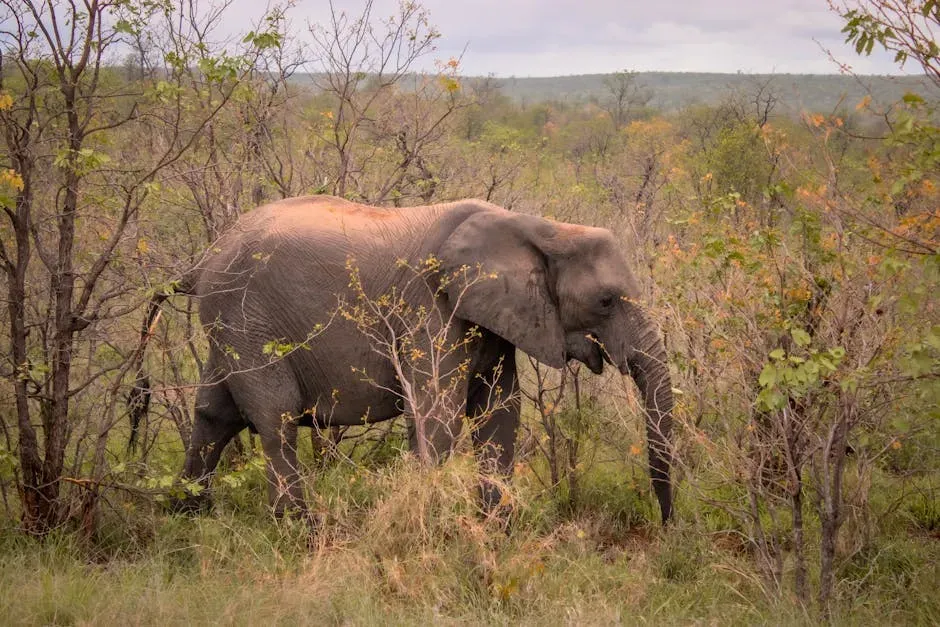
The African savanna elephant is often called a keystone species for a reason: it literally reshapes the land. As these giants move across grasslands and woodlands, they knock down trees, dig for water, and open up dense thickets, creating pathways and clearings that countless other animals use. Their feeding habits prevent certain trees from taking over, keeping landscapes as a mosaic of grass and woodland instead of closing into impenetrable forests.
By doing this, elephants help maintain grazing areas for antelope, zebras, and other herbivores, which in turn support large predators like lions and wild dogs. Their dung acts like a mobile fertilizer, moving seeds and nutrients across huge areas and feeding insects and fungi along the way. Poaching and habitat loss have slashed elephant numbers in many regions, and when they vanish, grassland ecosystems can shift dramatically, becoming less diverse and less productive. Protecting savanna elephants often means securing large, connected landscapes, which benefits entire communities of wildlife and even local people who rely on healthy rangelands.
2. Hawksbill Sea Turtle – Gardeners of Coral Reefs
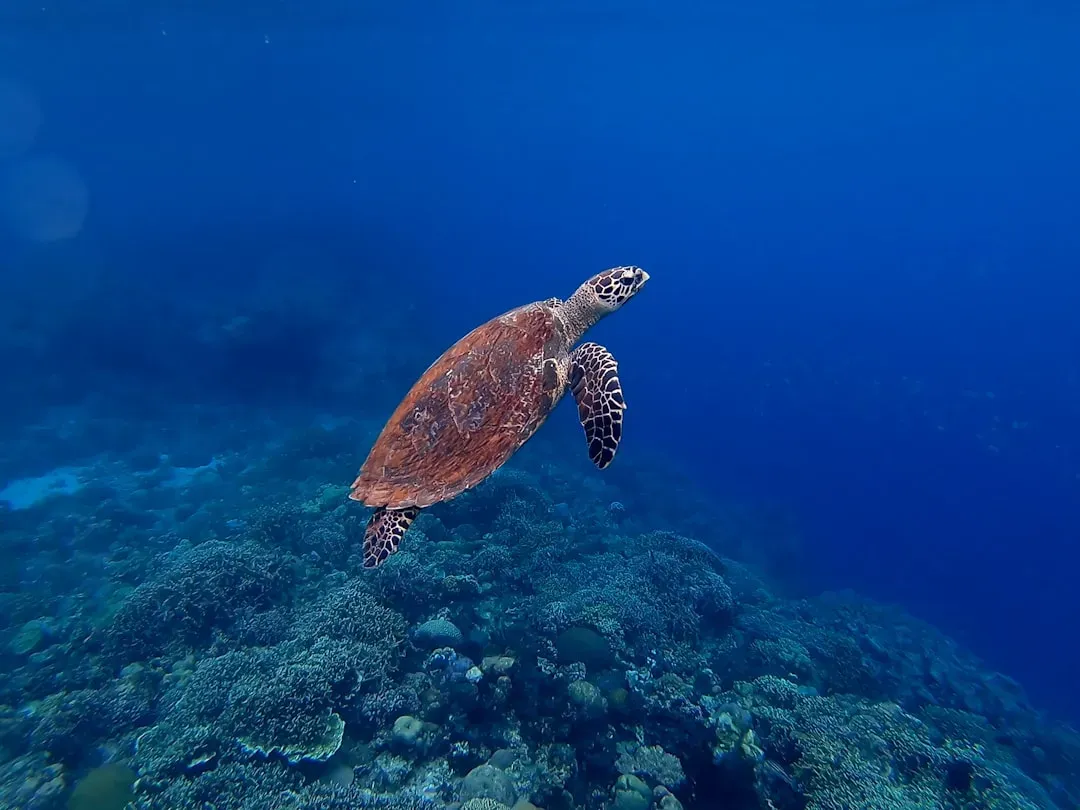
Hawksbill sea turtles might look delicate, but they play a surprisingly tough role: they are among the few creatures that regularly eat certain types of aggressive sponges on coral reefs. These sponges compete with corals for space and light, and without hawksbills grazing them down, they can overgrow and smother coral structures. In simple terms, hawksbills help keep the reef “garden” trimmed so corals, fish, and invertebrates can flourish.
Healthy reefs act as nurseries for countless fish species, natural breakwaters for coastlines, and vital food sources for millions of people. Yet hawksbills are critically endangered due to illegal shell trade, egg harvesting, accidental capture in fishing gear, and coral reef degradation driven by warming seas. When hawksbill populations shrink, reefs lose a key caretaker at the exact moment they’re being hammered by climate stress. Efforts to protect nesting beaches, reduce bycatch, and safeguard reef habitats have an outsized payoff because helping hawksbills bounce back supports entire reef communities and coastal economies tied to them.
3. Amur Tiger – Guardian of Temperate Forest Food Webs
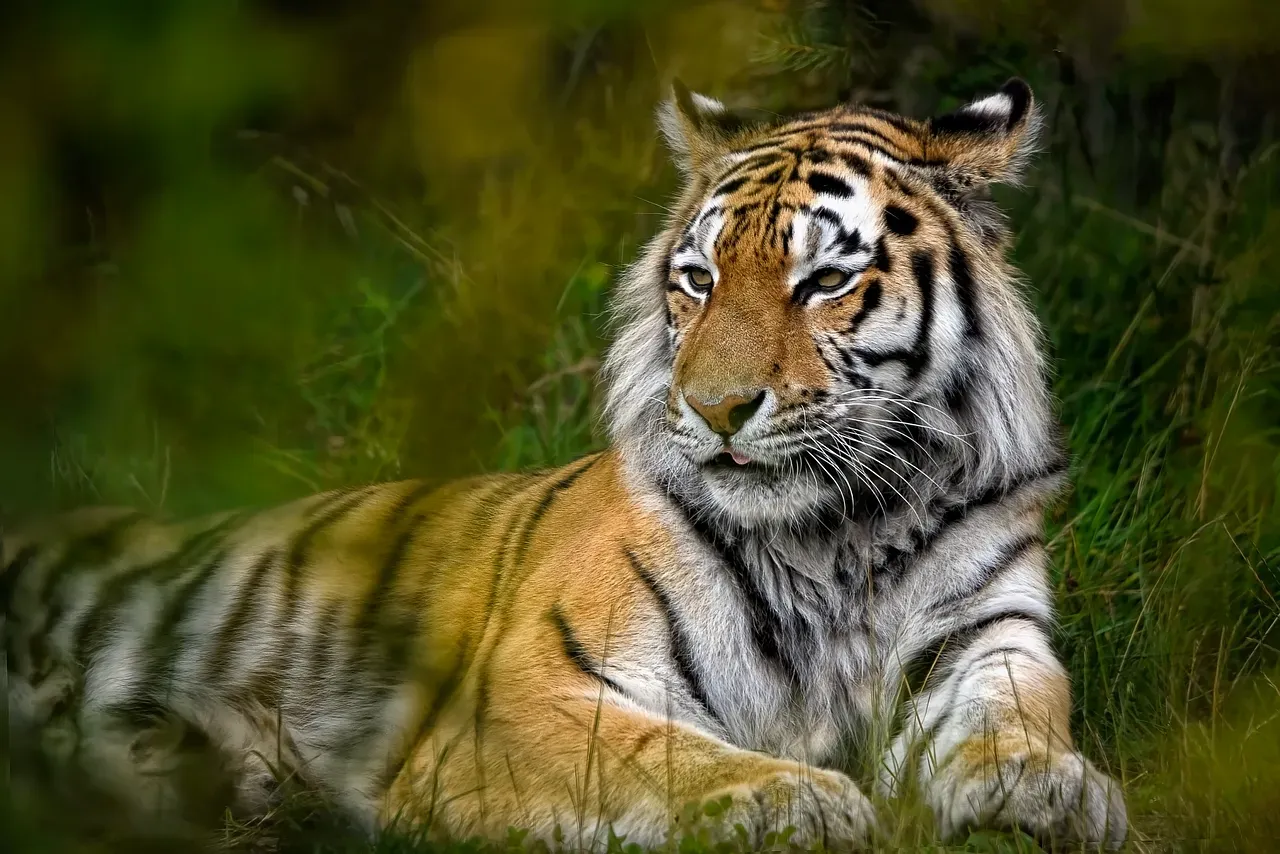
The Amur tiger, roaming the forests of the Russian Far East and parts of northeast China, is one of the most powerful symbols of wildness left on the planet. But beyond symbolism, it sits at the very top of its food web, helping to control populations of deer and wild boar. When those herbivores are kept in check, forests avoid being stripped of young saplings, and plant communities stay more balanced and resilient.
In places where big predators disappear, herbivore numbers often surge, leading to overgrazing, soil erosion, and reduced tree regeneration. This ripple effect can weaken entire forests that store huge amounts of carbon and support diverse life, from insects to birds to small mammals. Amur tigers are still endangered due to poaching and habitat fragmentation, but conservation work over the last two decades has shown that, given protected habitat and reduced human pressure, they can recover. Saving them means safeguarding vast tracts of mixed forest, which in turn supports everything living under that canopy, including local communities that rely on healthy, stable ecosystems.
4. Monarch Butterfly – Migrating Measure of Landscape Health
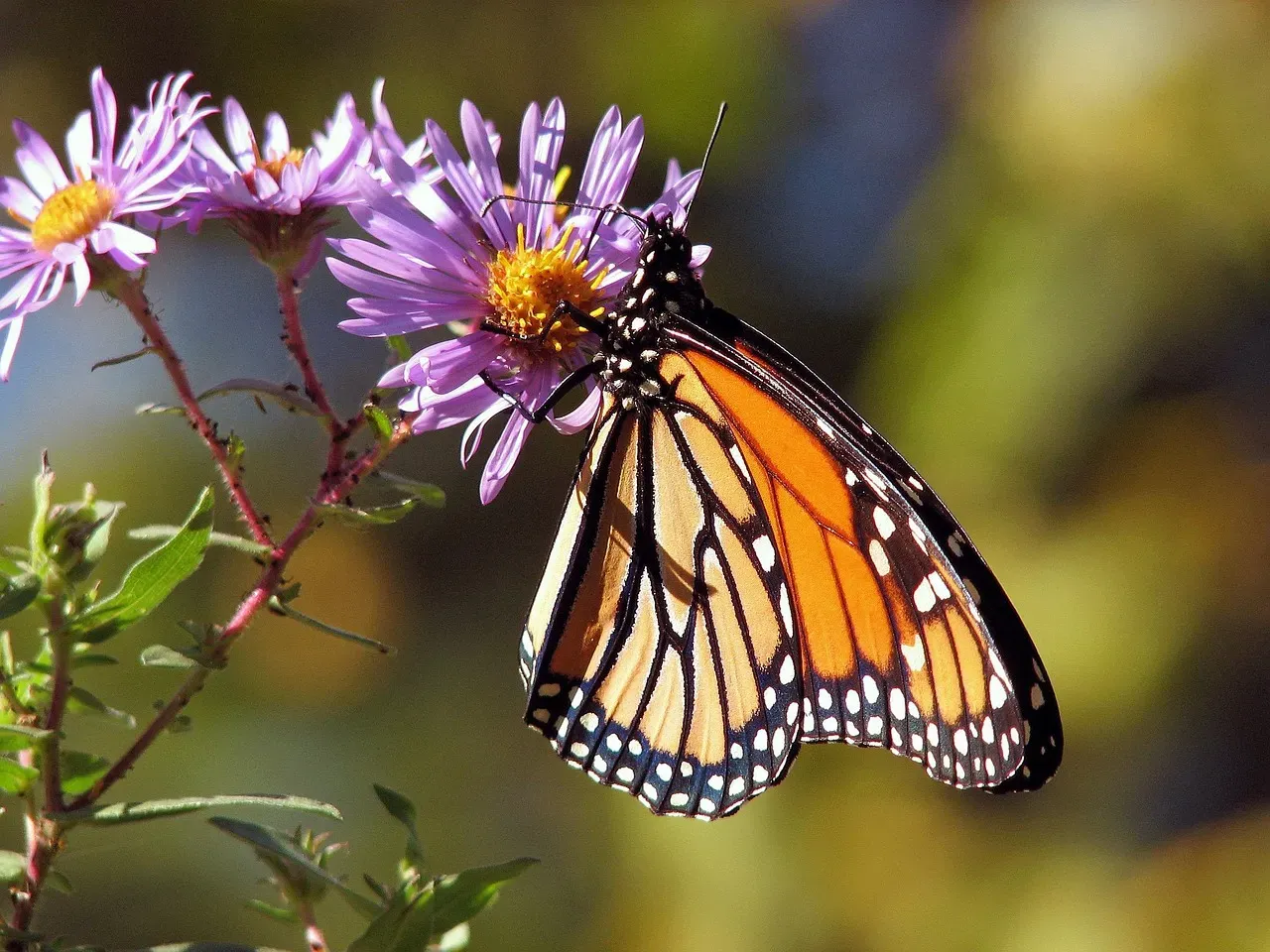
Monarch butterflies are tiny compared to elephants or tigers, but they may be one of the most visible indicators of ecosystem health across an entire continent. Every year, monarchs migrate across thousands of miles in North America, connecting breeding grounds in the United States and Canada with overwintering forests in central Mexico. Their lifecycle depends on milkweed plants for caterpillars and a network of nectar sources along their migration route, meaning they rely on a whole chain of healthy habitats.
When monarch numbers crash, it’s often a sign of bigger problems: widespread pesticide use, loss of native vegetation, and climate disruptions that alter blooming times and weather patterns. Their decline warns us that pollinator communities as a whole may be in trouble, with implications for wild plants and agriculture alike. Restoring monarch populations involves replanting milkweed and native flowers, reducing chemical use, and protecting the forests where they cluster by the millions in winter. Because monarch conservation is something individuals, schools, and communities can actively join, they’ve become a kind of gateway species for people realizing how intimately connected landscapes really are.
5. Javan Rhino – Quiet Engineer of Tropical Forests
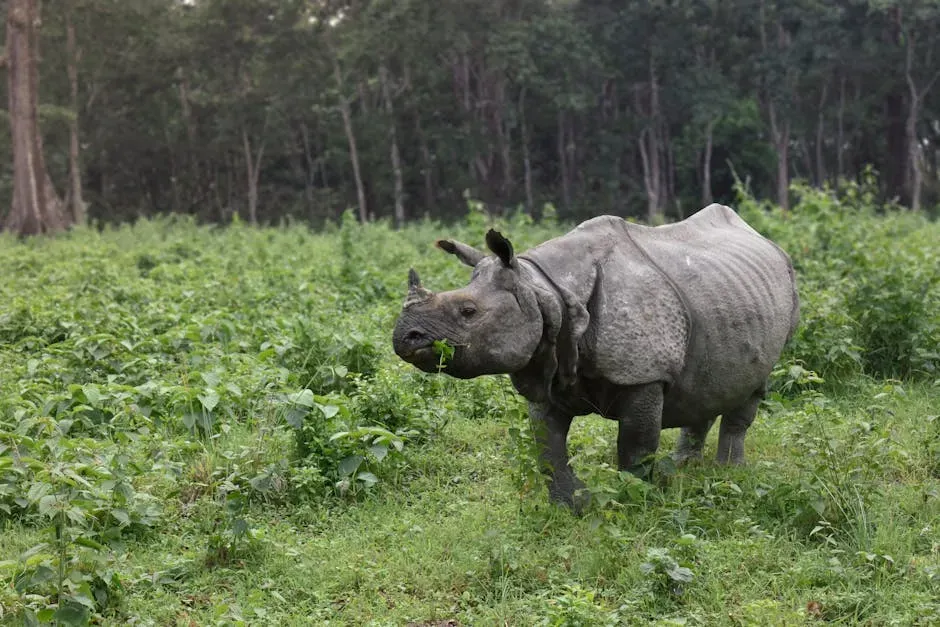
The Javan rhinoceros is one of the rarest large mammals on Earth, with only a small number surviving in a single national park in Indonesia. Despite living so quietly and rarely being seen, these rhinos have an important role as large herbivores in their forest ecosystems. By browsing on vegetation, trampling through dense undergrowth, and creating trails, they open up parts of the forest floor to light and new plant growth.
Their feeding and movement patterns can shape which plants dominate, influence nutrient cycling, and create small clearings used by other animals. Losing such a large browser means losing a natural “pruner” that keeps the forest structure varied and dynamic instead of uniform and overgrown. The fact that Javan rhinos survive only in one place makes their situation especially fragile: a single disease outbreak or severe storm could be catastrophic. Protecting them involves not just anti-poaching measures but also careful habitat management and ensuring the surrounding landscape stays connected and intact for future expansion of their range.
6. California Condor – Scavenger That Keeps the Wild Clean
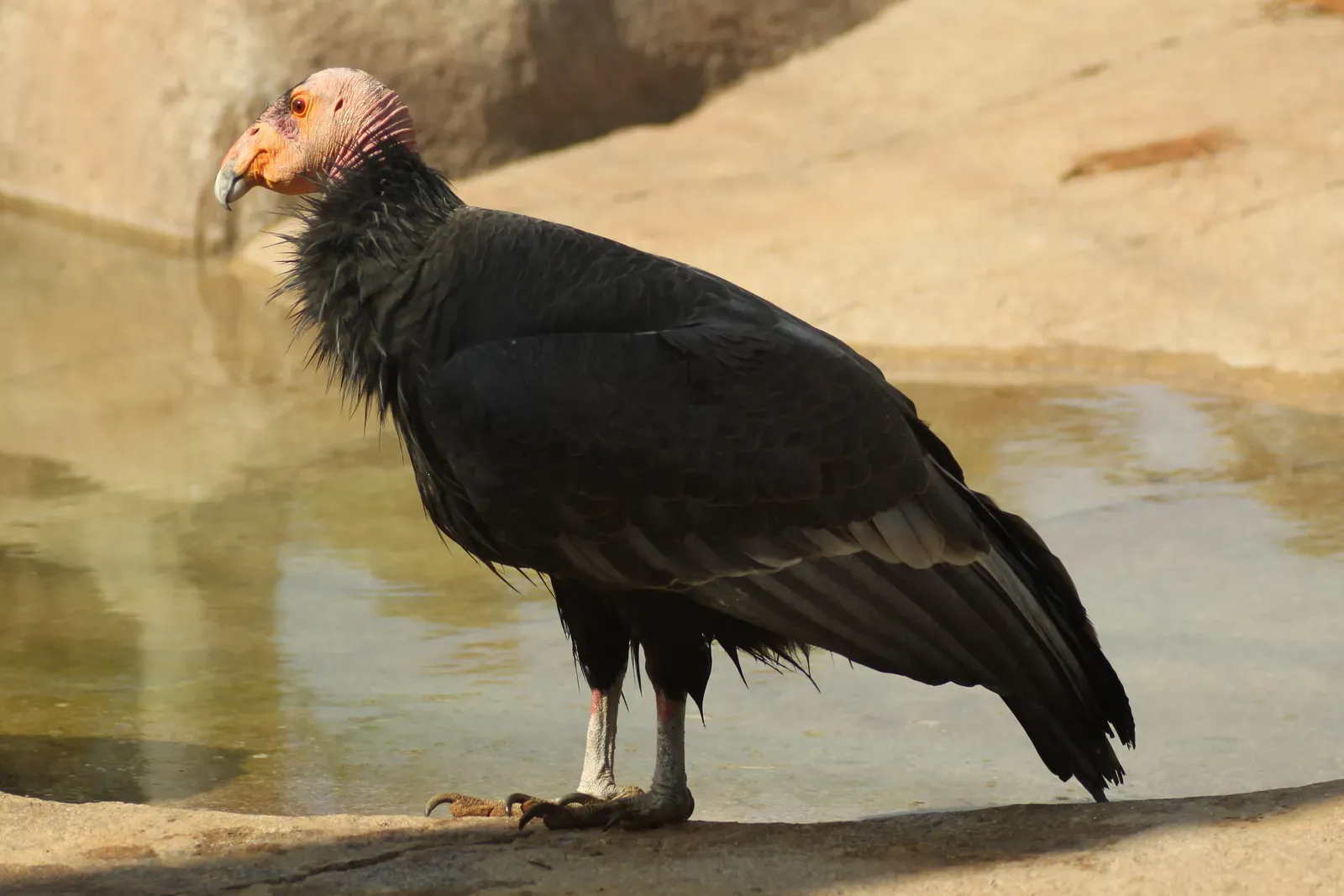
Uploaded by Snowmanradio, CC BY 2.0)
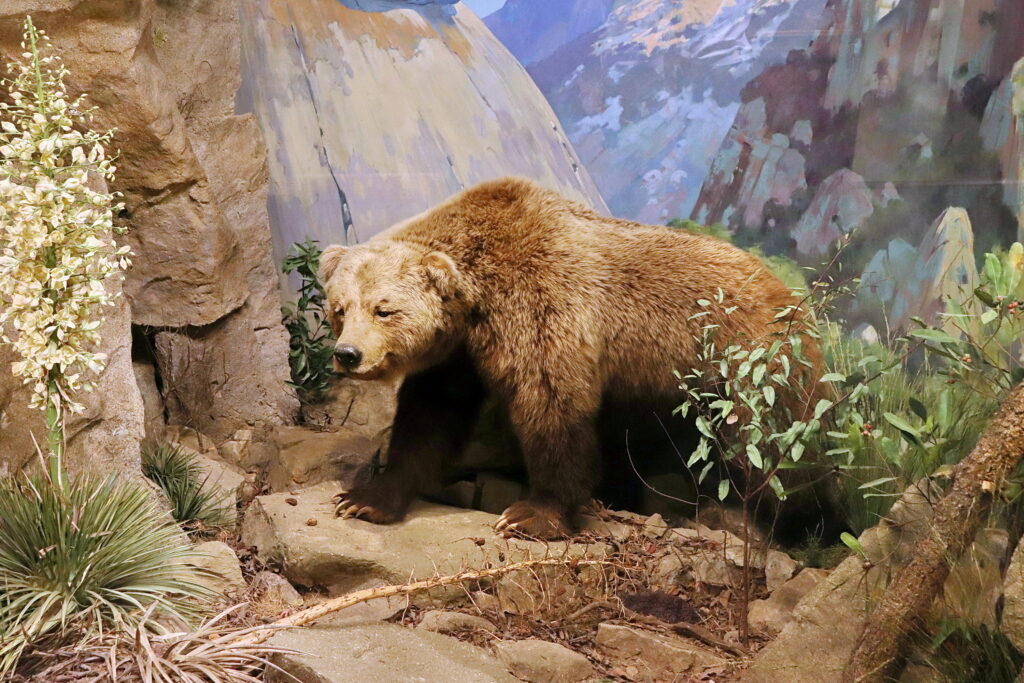
The California condor is North America’s largest land bird, and its story of near-extinction and slow recovery is one of the most dramatic in conservation history. As scavengers, condors feed on carcasses of large animals, helping remove decaying bodies that could otherwise spread disease among wildlife and, in some cases, domestic animals. They are part of nature’s sanitation system, recycling nutrients back into the ecosystem in a way that’s both efficient and essential.
When condors vanished from much of their range, other scavengers like coyotes and smaller birds stepped in, but the loss of such a large, wide-ranging cleaner left a gap. Their decline was driven largely by lead poisoning from spent ammunition in animal remains, combined with habitat loss and past persecution. Current efforts to reintroduce condors into the wild have shown how sensitive they are to human actions, but also how resilient ecosystems can be when top scavengers return. Each lead-free carcass left on the landscape and each protected nest gives condors a better chance, which in turn supports cleaner, healthier ecosystems across vast territories.
7. Vaquita – Warning Signal for Coastal Seas
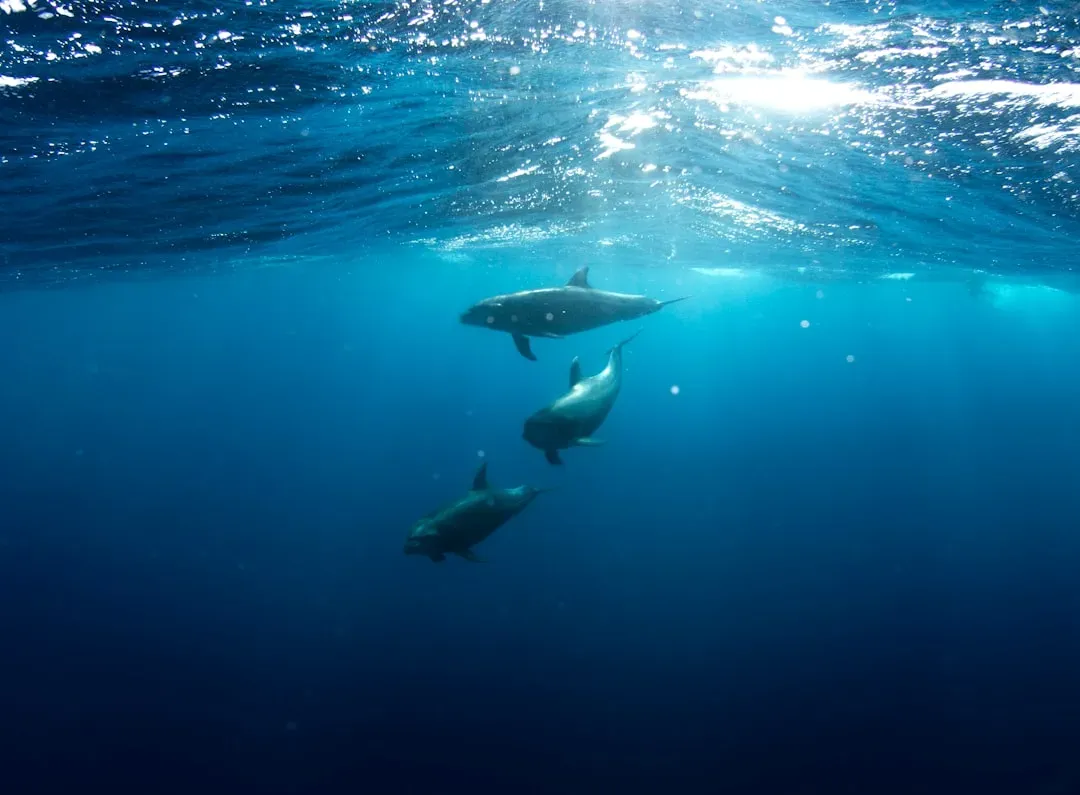
The vaquita, a tiny porpoise found only in the northern Gulf of California, is teetering on the edge of extinction. Its situation is heartbreaking: it’s not declining because people hunt it directly, but because it gets caught and drowned in illegal gillnets set for another endangered species, the totoaba fish. The vaquita’s plight is a grim indicator that the entire coastal marine system in that region is under intense, poorly regulated pressure.
When fisheries operate unsustainably and enforcement fails, it’s not just one species that disappears; the whole web of marine life starts to unravel. Vaquitas share their waters with dolphins, seabirds, sharks, and commercially important fish species that local communities rely on. Safeguarding this little porpoise requires tackling illegal fishing, restructuring local economies around sustainable practices, and rigorously protecting critical habitat. In that sense, the vaquita acts like a flashing red warning light, telling us that if we do not fix the way we manage coastal seas, we risk losing far more than one rare animal.
8. Red-Cockaded Woodpecker – Living Engineers of Pine Forests
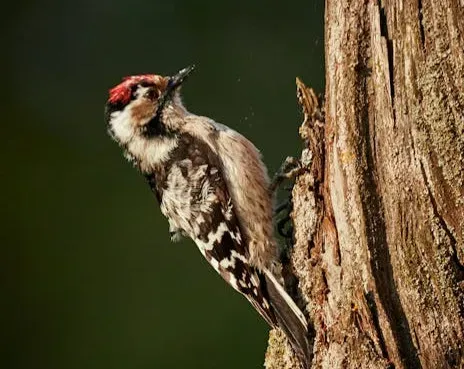
The red-cockaded woodpecker is a small bird with an outsized impact on the Southeastern United States’ longleaf pine ecosystems. These woodpeckers carve nesting cavities in living, often older pine trees, a rare behavior among woodpeckers. Over time, those cavities become crucial homes not only for the woodpeckers themselves but also for other birds, small mammals, and even reptiles that rely on ready-made tree hollows.
Historically, longleaf pine forests covered a vast area, maintained by frequent, low-intensity fires that kept understory vegetation in check. Logging, fire suppression, and development dramatically reduced those forests, taking the woodpecker’s habitat with them. When red-cockaded woodpeckers decline, the broader community of cavity-nesting species loses essential shelter, and the pine ecosystem’s structure shifts. Conserving this bird involves restoring natural fire regimes and old-growth pine characteristics, meaning that saving one little woodpecker nudges an entire ancient forest system back toward health.
9. Golden Poison Frog – Tiny Sentinel of Tropical Streams
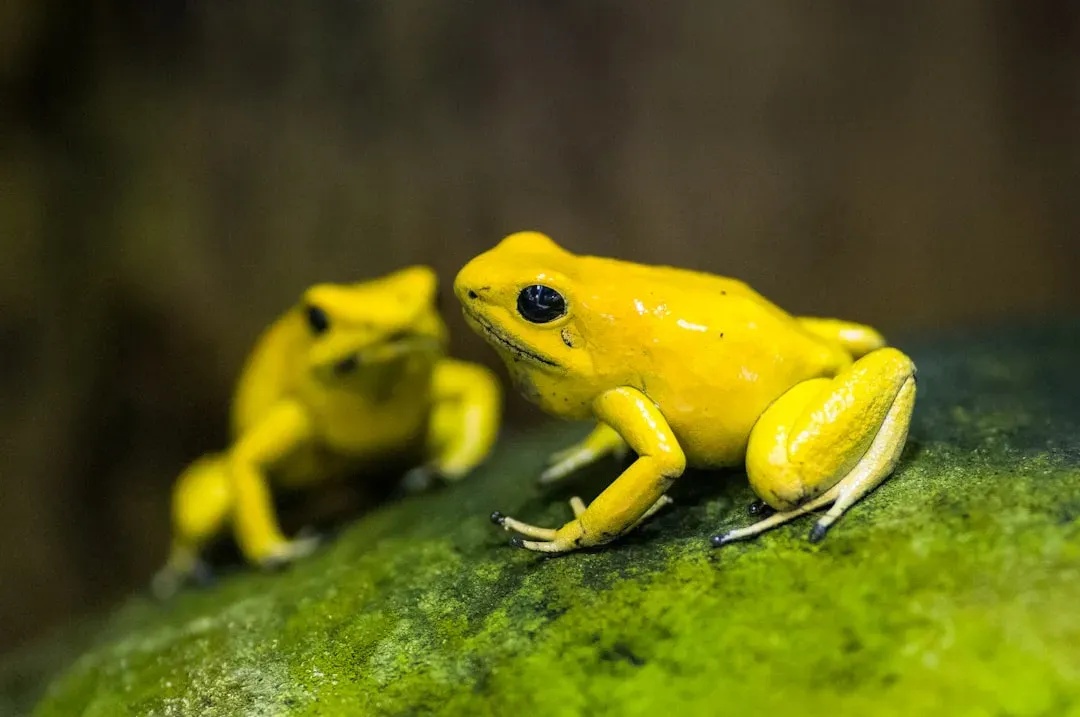
The golden poison frog, native to Colombia’s Pacific rainforests, is famous for its potent skin toxins, but its ecological role is just as compelling. Amphibians like this frog are incredibly sensitive to changes in water quality, temperature, and pollution, making them early warning sentinels for the health of streams and forest floor ecosystems. When amphibian populations decline, it’s often one of the first signals that something is seriously wrong with the environment.
Frogs help control insect populations, some of which can spread diseases or damage crops, and they serve as prey for birds, snakes, and mammals. Remove them, and insect numbers can rise while predators lose a key food source, weakening the entire food web. For golden poison frogs, threats include deforestation, climate shifts, and the spread of fungal diseases that have devastated amphibians globally. Protecting them means protecting clean water, intact forest cover, and the delicate balance of microhabitats that many other species quietly depend on.
10. Dugong – Gardener of Seagrass Meadows
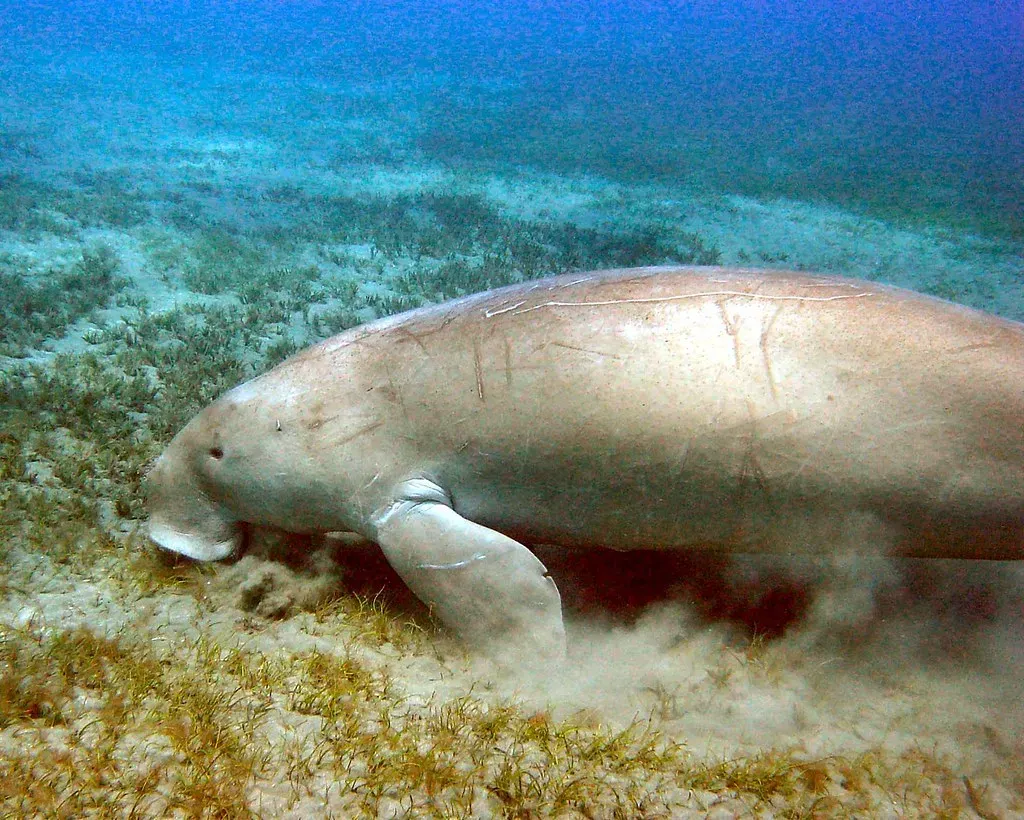
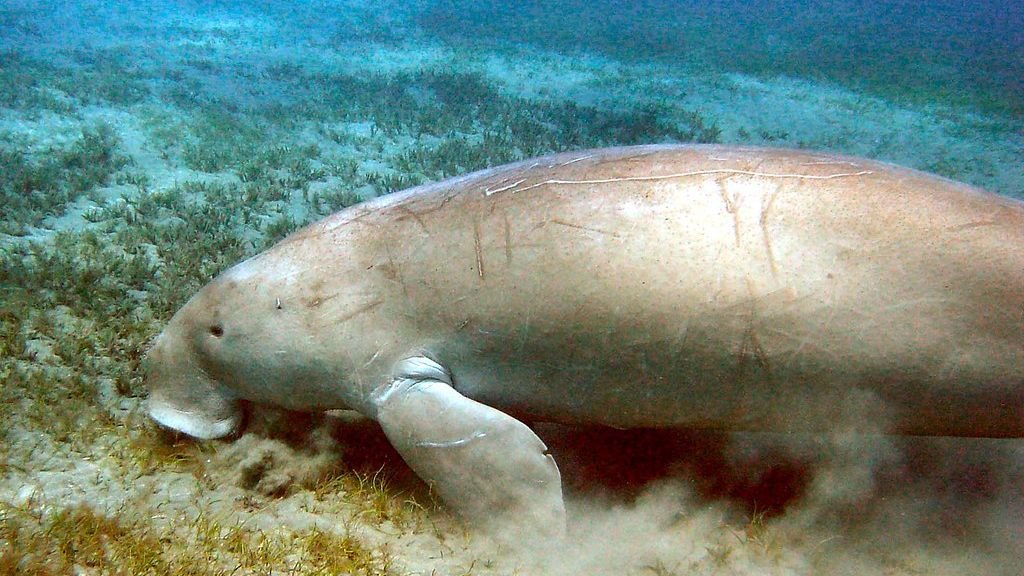
The dugong, a gentle marine mammal related to manatees, glides slowly through shallow coastal waters of the Indian and western Pacific Oceans, grazing on seagrass meadows. By feeding, they trim seagrass blades, stimulate new growth, and help keep these underwater fields healthy and diverse. Seagrass meadows are critical nurseries for countless fish, shellfish, and invertebrates, and they also store significant amounts of carbon in their roots and soils.
When dugongs disappear from an area due to boat strikes, habitat degradation, or hunting, seagrass can become overgrown, smothered by algae, or more vulnerable to disease. That, in turn, affects fisheries, water quality, and coastal protection, because seagrass beds help stabilize sediments and support the base of the marine food web. In many places, dugongs are also tied to local cultures and traditional knowledge, meaning losing them erodes human heritage as well as ecological function. Safeguarding dugongs often involves creating no-boat zones, reducing pollution, and working closely with coastal communities, which ends up protecting entire stretches of fragile shoreline.
Saving the Species That Save Their Worlds
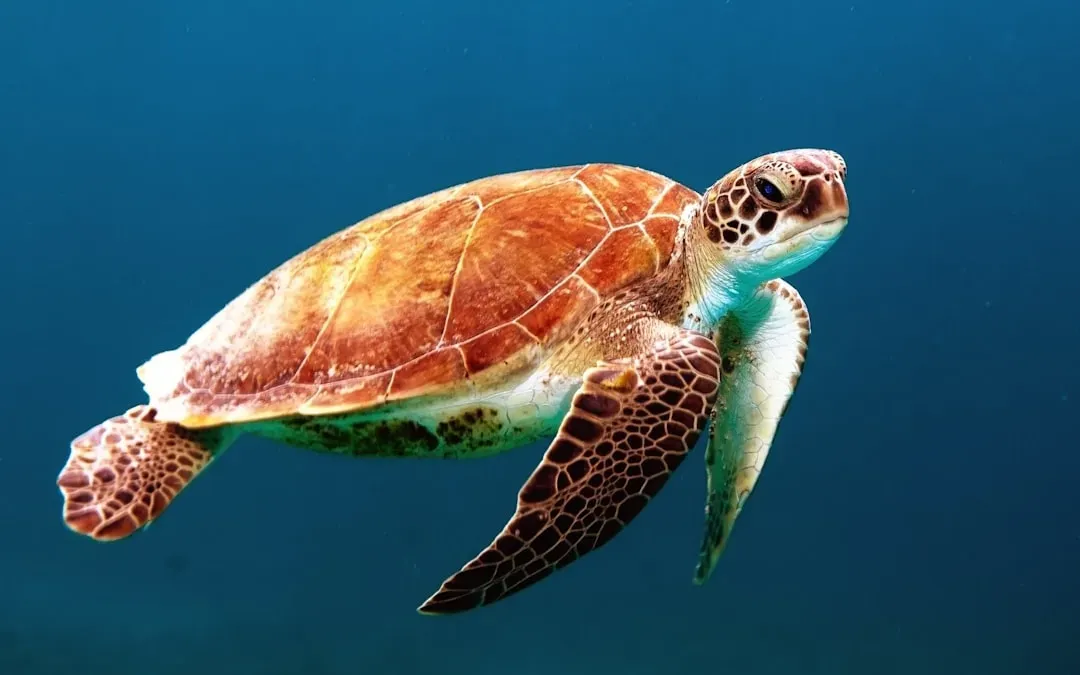
Looking across these ten species, a pattern jumps out: losing any one of them doesn’t just mean one less creature on Earth; it means loosening a key thread that holds an entire ecosystem together. Elephants shape grasslands, hawksbills guard coral reefs, tigers stabilize forest food webs, and tiny frogs and butterflies quietly report on the health of water and land. Each of these endangered animals is less like an ornament and more like a foundational beam tucked inside a complex living structure.
Their survival is really about our survival too, because the ecosystems they support clean our water, buffer storms, store carbon, support fisheries, and feed our sense of wonder in ways that are hard to measure but impossible to replace. The choice in front of us is whether to treat these species as expendable or as essential partners in keeping the planet livable. When you think about which future you’d rather live in, do you still see them as just “endangered animals,” or as allies we can’t afford to lose?