If you could peel back the jungle like a curtain, what forgotten cities would you suddenly see? Across Mexico, Guatemala, Belize, Honduras, and El Salvador, the remains of the Maya world have been hiding in plain sight for centuries, swallowed by roots, vines, and silence. For a long time, people thought of the Maya as a vanished mystery, a collapsed civilization that simply disappeared into the rainforest.
Now we know that story is far too simple. With lasers revealing hidden cities under the canopy and new decipherments of carved stones, the old picture of the Maya is being blown apart. What’s emerging instead is the history of a complex, inventive, sometimes brutal, sometimes breathtakingly sophisticated culture that pushed science, art, and urban planning further than most people ever learned in school.
Hidden Megacities Beneath the Jungle
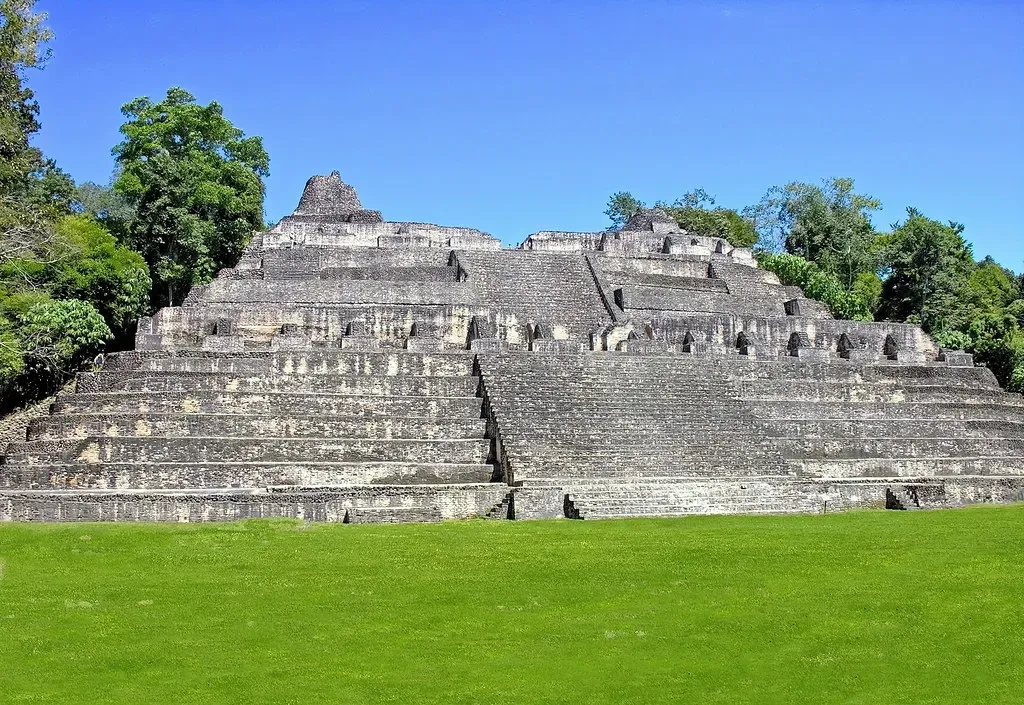
Imagine flying over thick, unbroken rainforest and learning that beneath you lies a city the size of a modern metropolis. That’s not a fantasy anymore; that’s what LiDAR (airborne laser scanning) has revealed across the Maya lowlands since the late 2010s. By stripping away the digital “trees” from the data, archaeologists suddenly saw networks of causeways, terraces, canals, and city blocks that no one had mapped before.
In some regions of Guatemala and Mexico, the scans showed evidence of population densities that rivaled or surpassed many early cities in the Old World. It turns out that what looked like empty jungle is more like a collapsed circuit board of human activity, every ridge and valley once intensely used. To me, the most shocking part isn’t that the cities existed, but that we walked right past them for decades, thinking the forest was “natural” when it was actually layered over human engineering.
Master Builders of Stone, Water, and Time
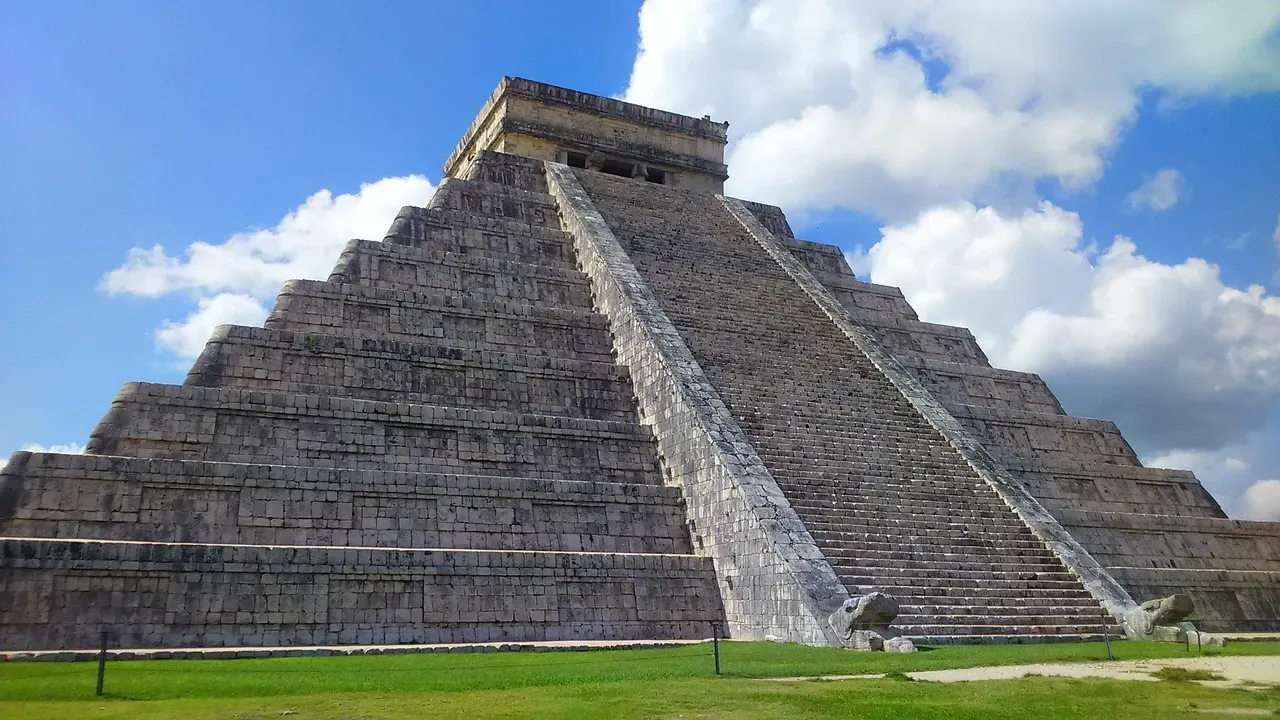
Maya cities were not just random piles of temples stuck in the jungle; they were carefully planned environments where stone, water, and sky formed a single design. Builders leveled hills, built artificial platforms, and oriented pyramids and plazas to mark solstices, equinoxes, and key positions of the sun and Venus. Standing at the top of a pyramid like the one at Uxmal or Tikal, you’re not just on a tall structure; you’re standing in a cosmic instrument calibrated to time itself.
Water management was another quiet but brilliant achievement. Many cities had no nearby rivers, yet they supported tens of thousands of people through reservoirs, canals, and systems to capture rainwater and channel it across long distances. They even shaped hillsides and fields into terraces to control erosion and boost crop production. It’s hard not to compare that to modern cities that still struggle with flooding after a heavy rain, while the Maya were solving similar problems centuries ago with almost no metal tools.
Writing the Stories of Kings, Wars, and Cosmos
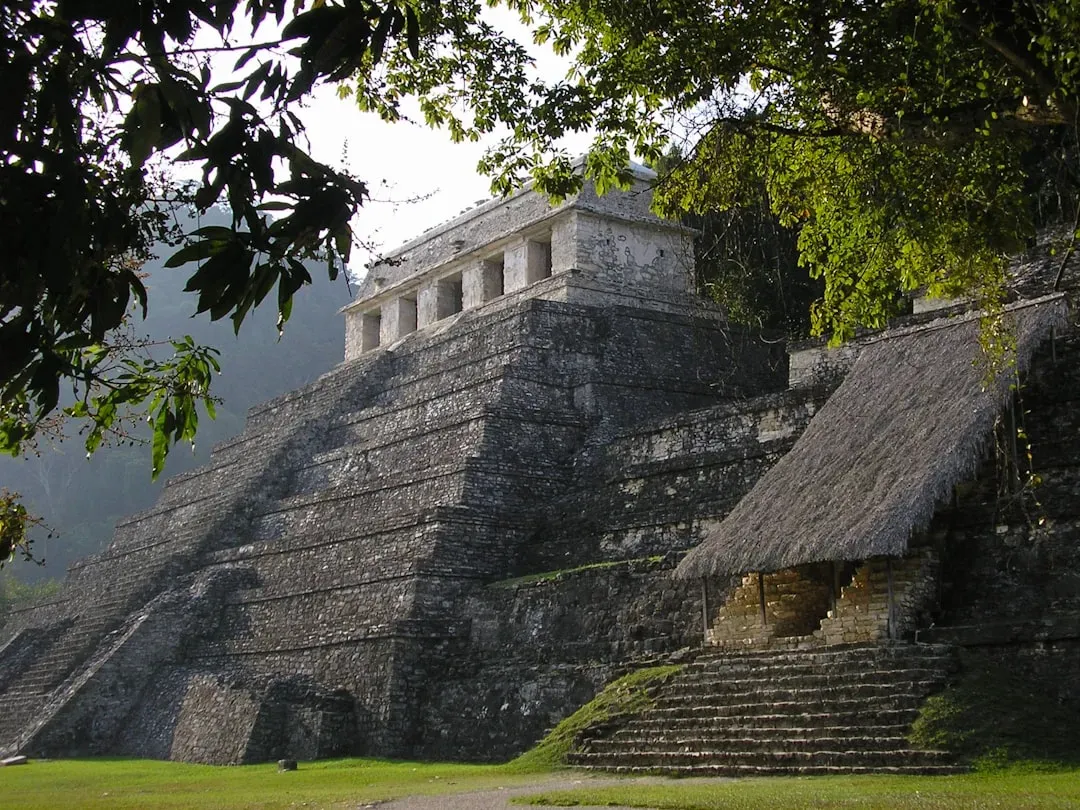
For years, people repeated the myth that the Maya were peaceful star-gazers, as if they spent most of their time meditating under the night sky. Then epigraphers began cracking their hieroglyphic writing system, and a much more dramatic picture appeared. Those carved glyphs on stelae and temple stairs turned out to record dynastic histories, alliances, betrayals, and wars that lasted generations.
The Maya script is one of the most sophisticated writing systems in the ancient world, able to record names, dates, places, and complex ideas. Scribes used it on stone monuments, in painted codices, and on ceramics that sometimes feel almost like personal messages passed down through time. When you see a glyph that literally pinpoints a date to a specific day more than a thousand years ago, it hits you that they were as obsessed with recording their own importance as any modern politician or influencer posting online.
Calendars, Astronomy, and the Myth of Doomsday
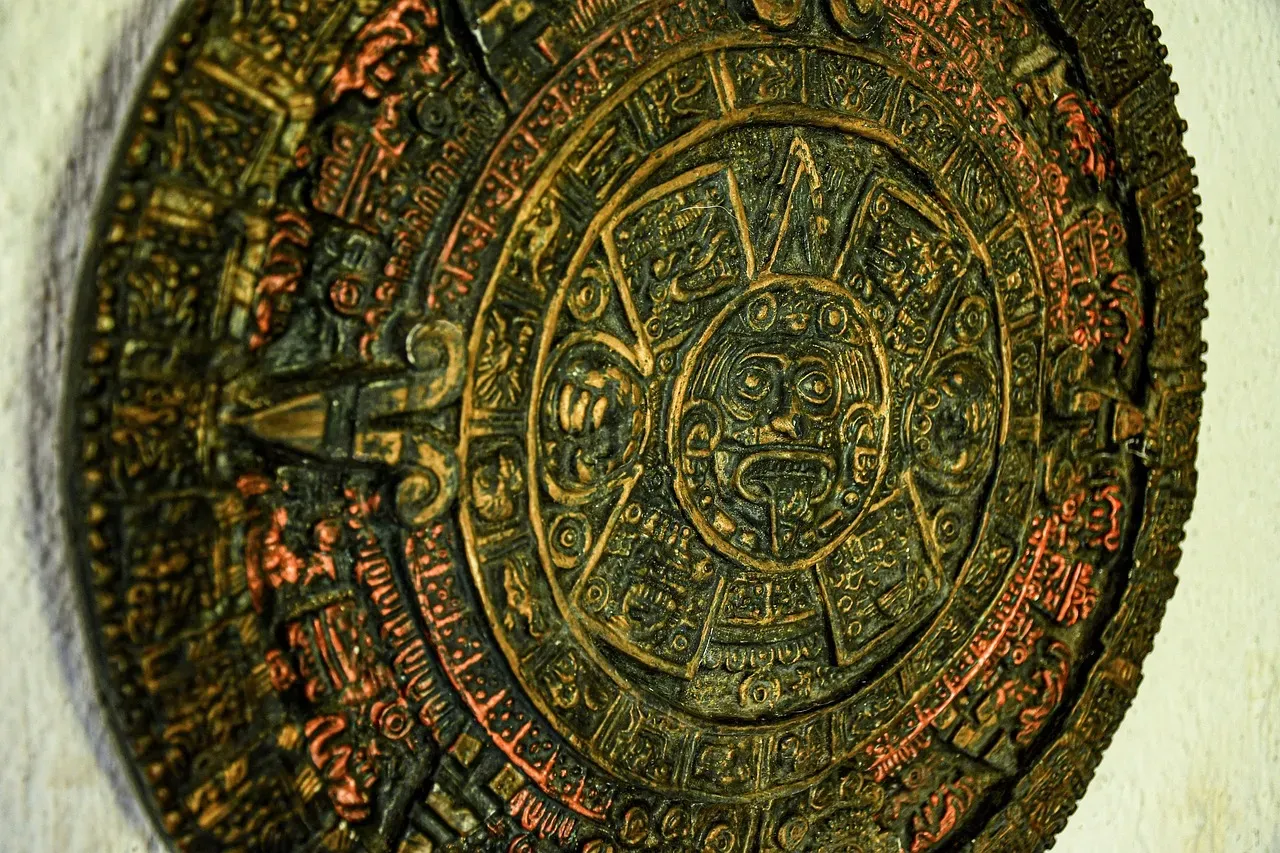
The Maya became infamous in popular culture when people decided the calendar “ended” in the year 2012 and started spinning wild apocalypse fantasies. In reality, their calendar system is better understood as overlapping cycles, not a ticking time bomb. Their Long Count can track enormous spans of time, while other calendars followed ritual cycles and the solar year with striking accuracy.
Maya astronomers carefully tracked the movements of the sun, moon, and planets, especially Venus, which they associated with war and omens. They could predict eclipses and key celestial events without telescopes, relying on centuries of careful observation and record-keeping. To me, it’s almost funny that a culture skilled enough to map cosmic cycles got reduced to a doomsday meme, when in truth they were celebrating the turning of a page, not the end of the book.
Everyday Life Beyond the Pyramids
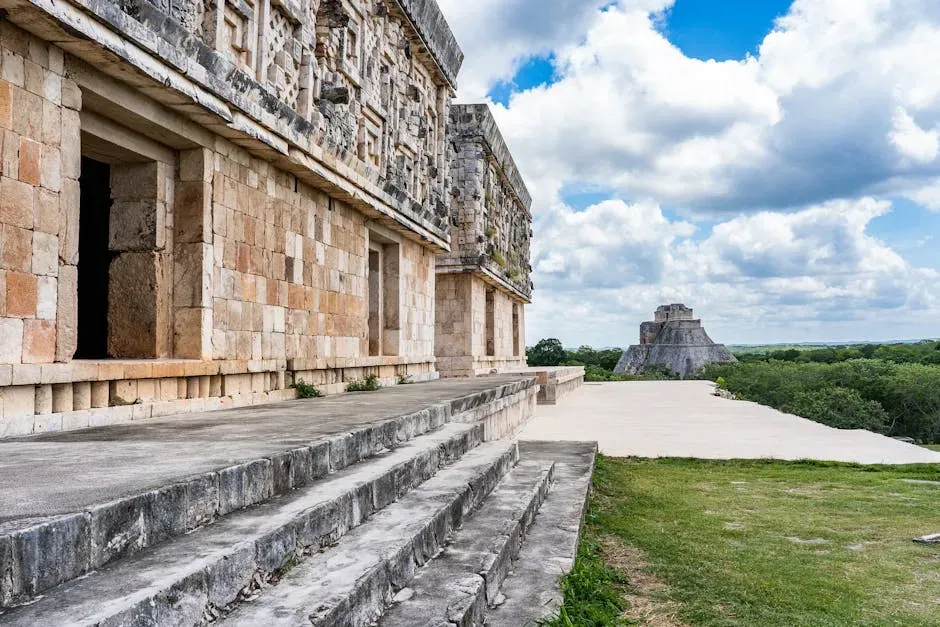
It’s easy to think of the Maya only in terms of grand temples and ruling elites, but most people lived in more modest houses made of perishable materials on low platforms of stone or earth. Archaeologists find grinding stones where corn was turned into masa, fragments of pottery used for cooking and storage, and tools for weaving and crafting. These small traces reveal a world of crowded neighborhoods, family gardens, market days, and daily routines that look surprisingly familiar in some ways.
Corn, beans, squash, and chili peppers formed the base of their diet, with cacao used in drinks that were more like bitter, spiced energy shots than sweet modern chocolate. Households were often grouped into extended family compounds, with shrines or altars that anchored them spiritually and socially. When you focus on that layer of Maya life, the civilization stops being an abstract “they” and starts feeling like regular people dealing with food, family, work, and belief, just under very different skies.
Collapse, Transformation, and Survival
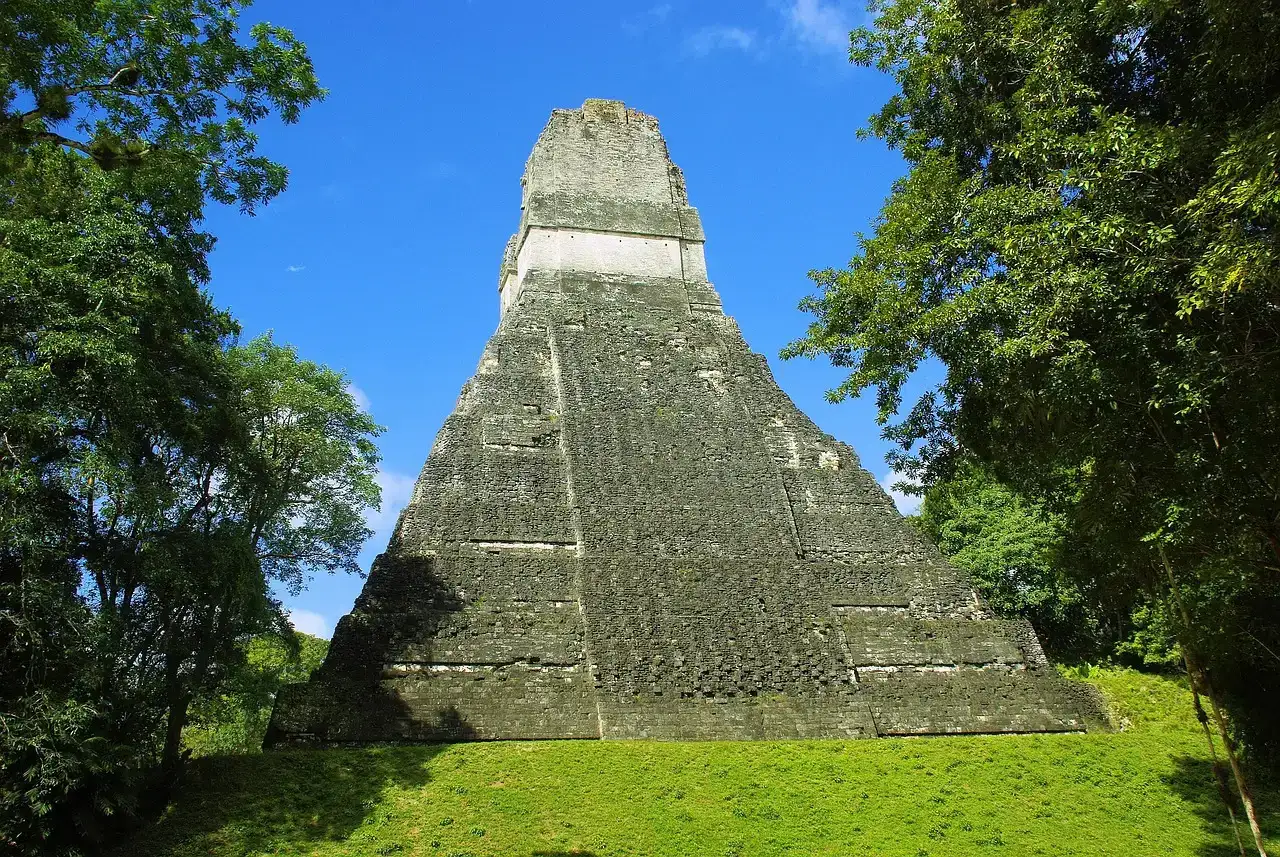
The idea that the Maya “mysteriously vanished” is one of the most persistent and misleading stories out there. In many lowland cities, there really was a major decline between roughly the eighth and tenth centuries, with people abandoning big ceremonial centers and long-standing dynasties falling apart. Environmental stress, political upheaval, warfare, and drought have all been tied into this complicated unraveling, and there’s still debate over which factors mattered most in different regions.
But the Maya themselves did not disappear. Their descendants still live across the region today, speaking dozens of Maya languages, maintaining community rituals, and fighting to preserve land and cultural rights. You can meet people whose ancestors carved those glyphs and built those pyramids, even if their modern lives are shaped by very different pressures. The real story is not a neat ending, but a series of transformations, survivals, and reinventions that stretch right into the present day.
New Technology, Old Questions, and the Road Ahead
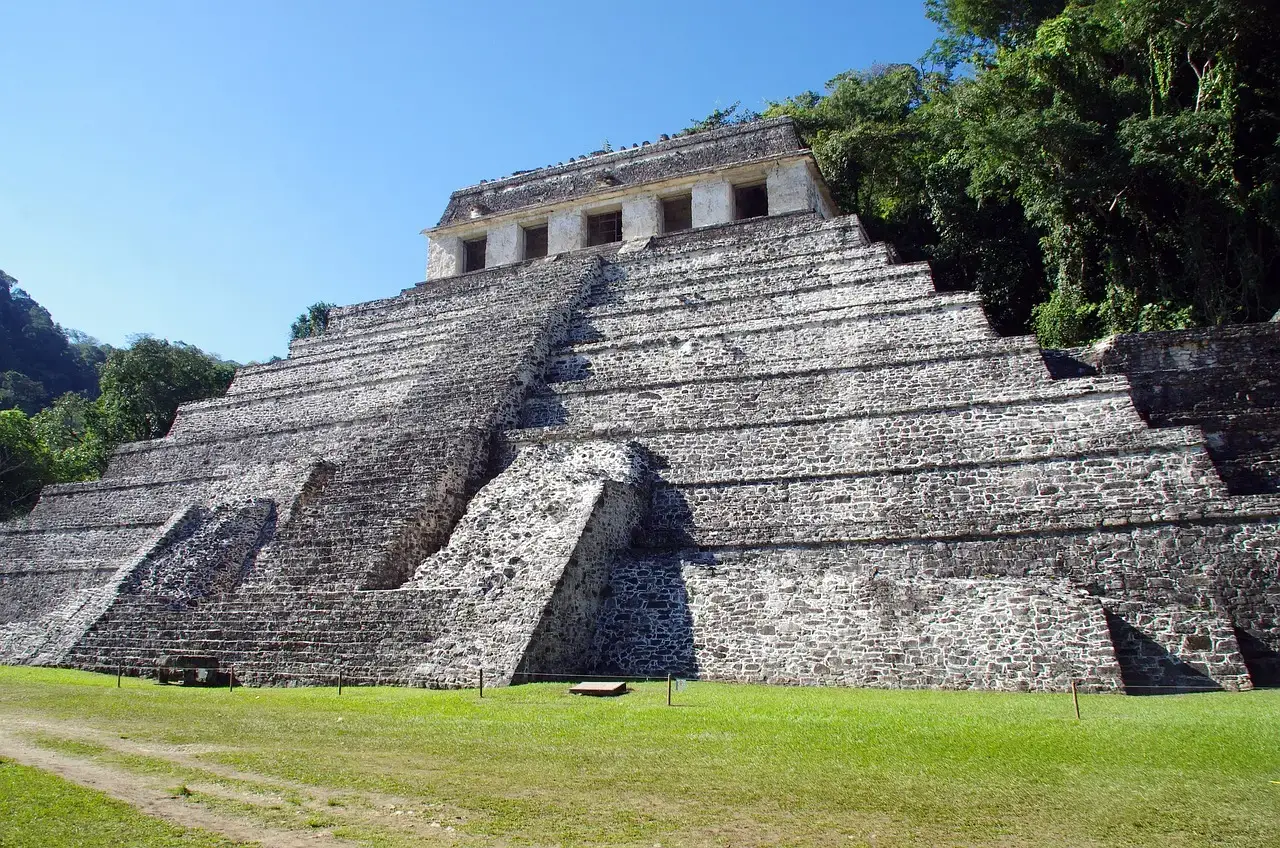
Each time new technology arrives, the Maya landscape shifts again in our understanding. LiDAR has already forced a rewrite of basic ideas about urban scale and population, and advances in dating methods, soil chemistry, and DNA analysis are adding more layers. In some cases, these tools confirm older hypotheses; in others, they overturn what looked like settled facts just a decade ago. That uncertainty can be frustrating, but it’s also a sign that the story is still alive.
At the same time, there are real tensions around how, where, and by whom excavations and tourism projects are carried out. Local communities often push for a say in how their heritage is used, while governments and developers see economic opportunity in every new “lost city” headline. The next phase of research may depend as much on ethics and collaboration as on lasers and labs. The jungle still hides countless structures, but some of the biggest questions now are about how we choose to uncover them, and what responsibility we carry once we do.
Listening to the Cities in the Trees
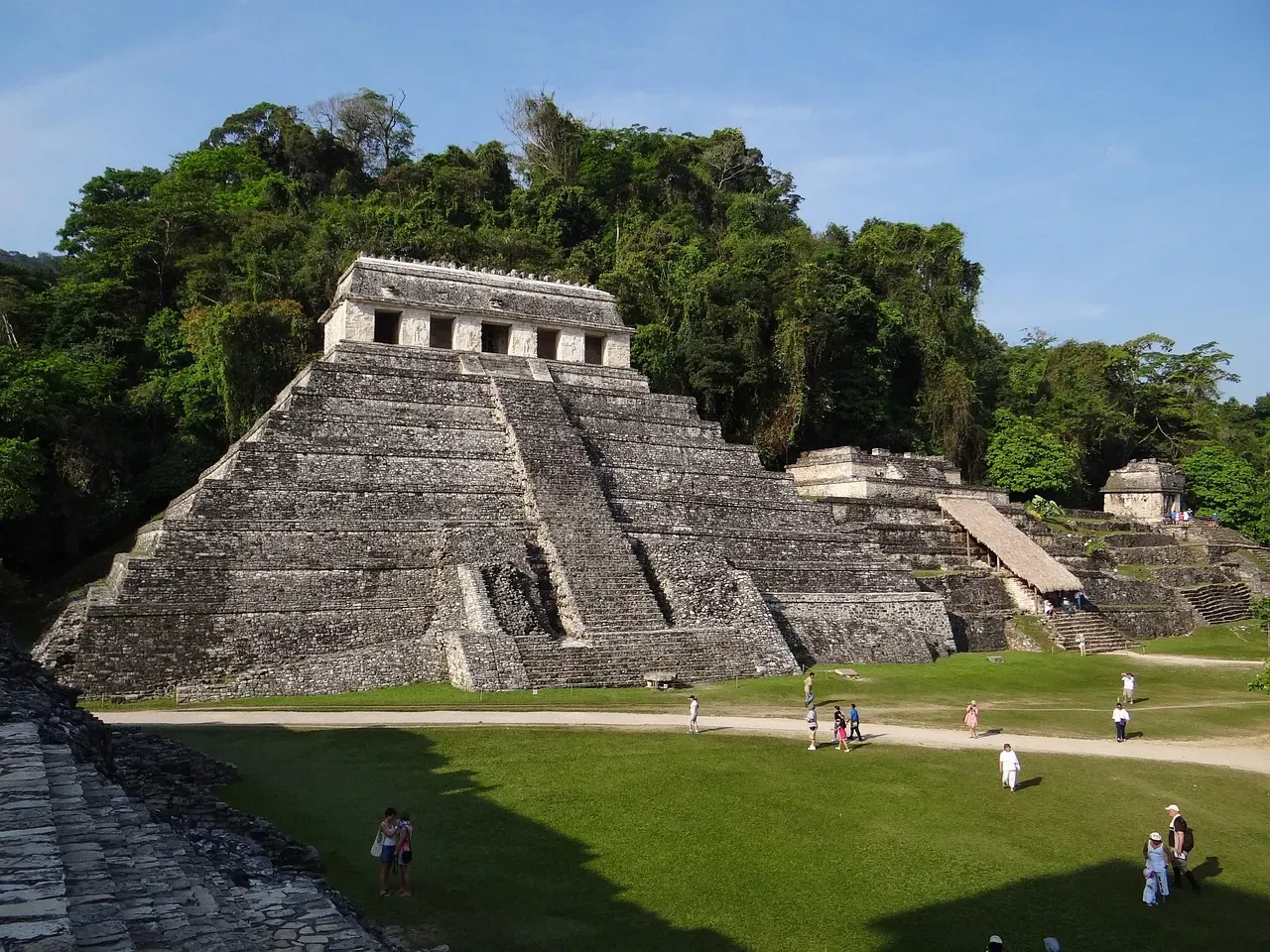
Walk through a Maya site at dawn, and you can feel the weight of layered time: toppled stones, howler monkeys roaring like distant drums, early light catching the edges of carvings that once shook with ceremony and politics. These were not ghostly, perfect utopias, but loud, crowded, ingenious cities that rose, changed, and sometimes fell apart under the strain of their own success. The more we uncover, the less they look like an alien mystery, and the more they resemble a mirror held up to our own complex, vulnerable societies.
In the end, the Maya’s lost cities are only “lost” from our perspective; the forest, the descendants, and the stones always knew they were still there. As we keep peeling back the canopy with lasers, shovels, and patient reading of glyphs, the question quietly shifts from “Who were they?” to “What do their choices say about us?” When you picture those buried streets and silent plazas beneath the trees, what kind of future for our own cities comes to mind?