Walk up to a massive stone circle at dawn – Stonehenge, say – and it’s hard not to feel that someone knew exactly what they were doing. Those blocks are not just big; they are precise, aligned, and strangely deliberate, as if the landscape itself was being programmed with stone. That eerie sense of intention is what drives the question: did ancient builders possess some kind of advanced knowledge that we’ve forgotten, or are we just underestimating how clever humans have always been?
Archaeologists tend to lean toward the second option, while popular imagination often explodes with everything from lost civilizations to visitors from the stars. The truth, as usual, is messier and more interesting. When you look closely at megalithic sites across the world, a pattern emerges: patient observation, smart engineering, deep ritual meaning, and a level of persistence that’s almost impossible to imagine today. The big mystery might not be how they did it, but why they wanted it so badly.
The Global Web of Stones: Why Megaliths Appear Everywhere
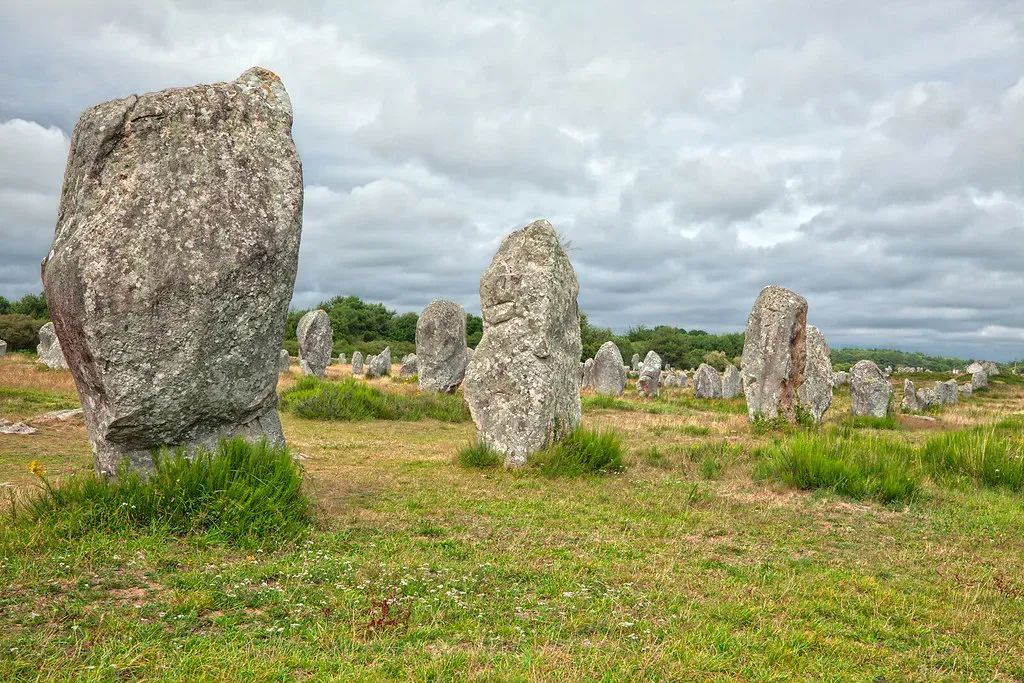
One of the most surprising facts about megalithic sites is how widespread they are. From Stonehenge in England to Göbekli Tepe in Turkey, from the Carnac stones in France to the megalithic tombs in Ireland and the stone terraces of Peru, giant stones pop up in cultures that never had contact with one another. It’s tempting to see this as proof of a single ancient master culture, silently guiding the world like a hidden architect.
But there’s another way to look at it. Humans in different places faced similar problems: how to bury important people, mark sacred spaces, track seasons, or unite communities around shared rituals. Stone is durable, impressive, and, with enough hands and time, movable. So it makes sense that people everywhere would independently come up with the idea of using huge rocks as markers and monuments. The global web of megaliths might not prove a lost civilization; it might simply prove that human creativity keeps arriving at similar solutions when faced with similar needs.
Stonehenge and the Sky: Astronomy or Overinterpretation?
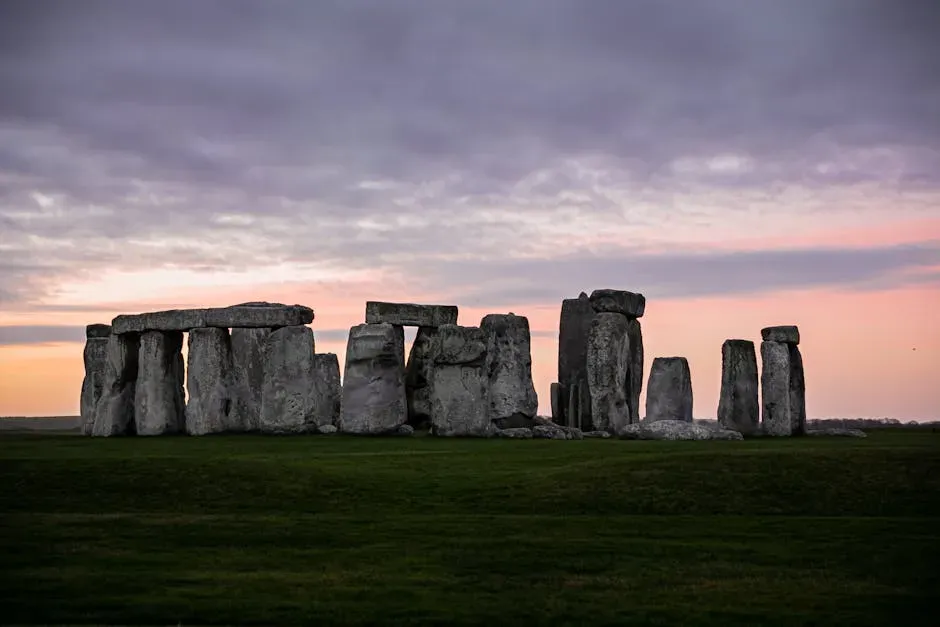
Stand in the center of Stonehenge during midsummer sunrise and the sun appears to rise in alignment with the Heel Stone just beyond the main circle. That’s not an accident. There’s strong evidence the monument is oriented toward key solar events, especially the solstices. The stones are arranged in a way that suggests people were paying close attention to the sky and building that knowledge into the landscape.
Does that mean Stonehenge was some kind of high-tech observatory? Not in the modern sense. Ancient farmers didn’t need to calculate orbits with decimal precision; they needed to know when seasons shifted, when to plant, when to expect floods or frosts. Aligning stones to sunrises or sunsets on landmark days is something you can figure out with simple tools and years of observation. So yes, Stonehenge shows careful astronomical awareness. But that awareness looks less like secret advanced science and more like patient people watching the sky, year after year, and then carving their observations into stone.
Göbekli Tepe: A Temple Older Than Cities
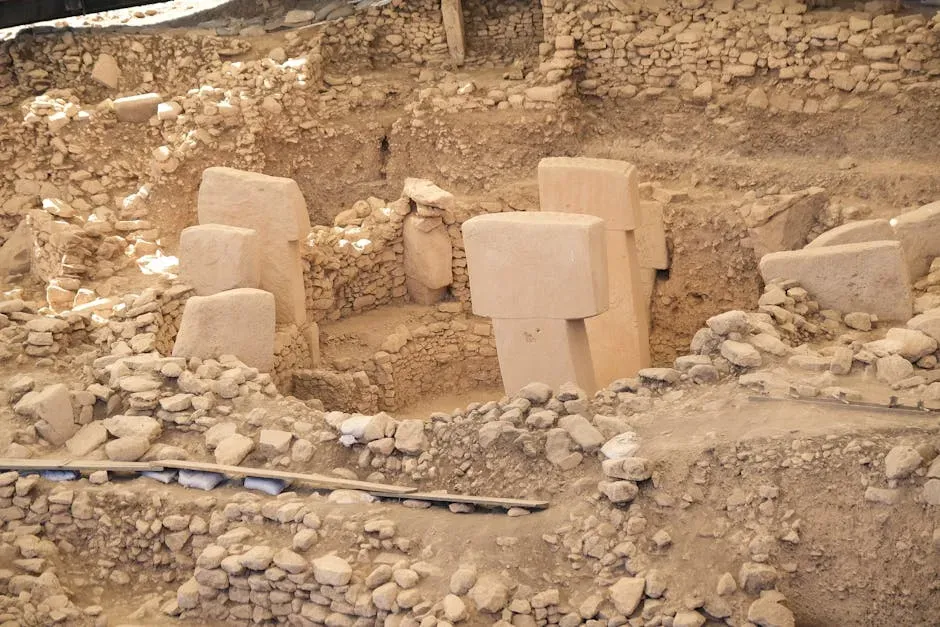
Göbekli Tepe in southeastern Turkey shook up archaeology because it’s so old. Built roughly twelve thousand years ago, it predates agriculture in many regions and appears to be a massive ritual complex made by hunter-gatherers. Tall T-shaped pillars, some over five meters high, are arranged in circles and decorated with animals. When I first read about it, it felt as if human history had quietly flipped its script behind our backs.
The site suggests that large-scale religious or symbolic structures might have come before organized farming and permanent villages, not after. That’s a huge deal. It hints that shared belief and ritual gatherings could have driven people to settle down and coordinate huge building efforts. Some researchers see possible astronomical alignments in the site’s layout, but the evidence is still debated and not as clear-cut as in later monuments. What’s undeniable, though, is this: people without metal tools, writing, or cities still managed complex stone architecture, guided by social coordination, imagination, and a strong sense of the sacred.
Pyramids and Precision: Did Egypt Possess Lost Technology?
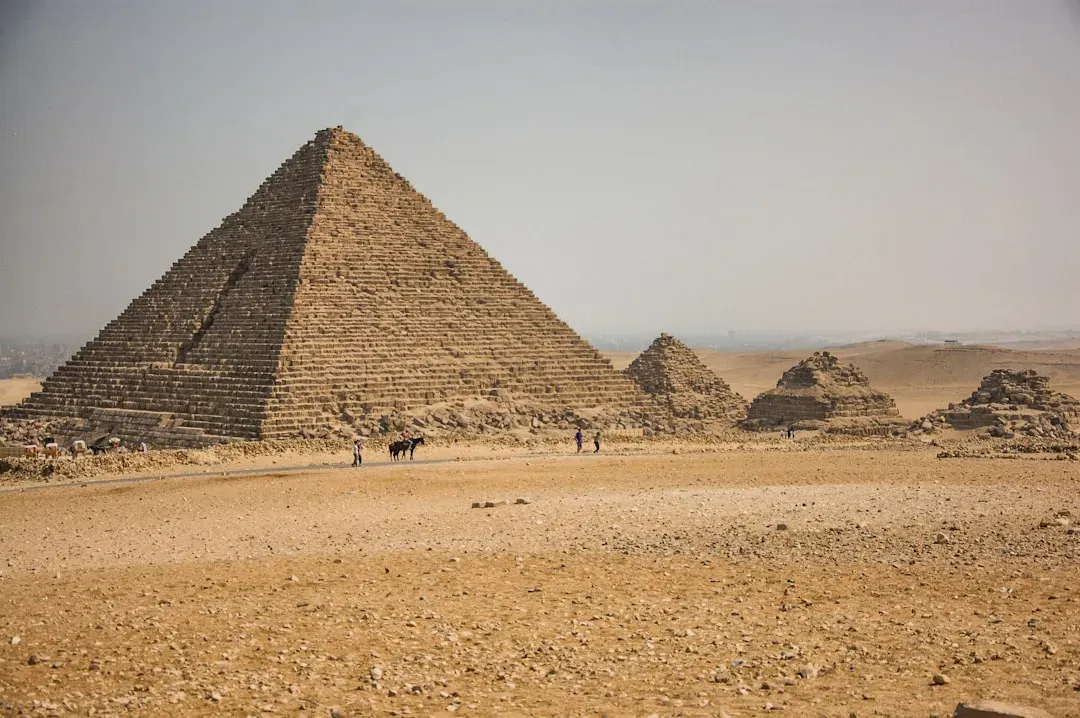
The Great Pyramid of Giza is the poster child for theories about lost advanced knowledge. It’s incredibly accurate in its orientation, with its sides pointing closely toward the cardinal directions, and its base is remarkably level. For many people, that level of precision looks impossible without modern surveying tools or some hidden high-tech method we’ve yet to rediscover. The mind jumps to exotic explanations when faced with millions of carefully placed blocks.
Yet experiments and engineering analyses show that skilled workers with simple tools and a lot of organizational power could, in principle, achieve that accuracy. They could use shadow sticks, sight lines, water-filled trenches, and repetitive measurement to align and level over time. The real “advanced technology” may have been something far less flashy but just as powerful: bureaucracy, record-keeping, and the ability to organize tens of thousands of laborers, specialists, and supply chains. The pyramids might not prove alien help, but they absolutely prove that social complexity can be as mighty as any machine.
Engineering Without Machines: Moving Stones That Shouldn’t Move
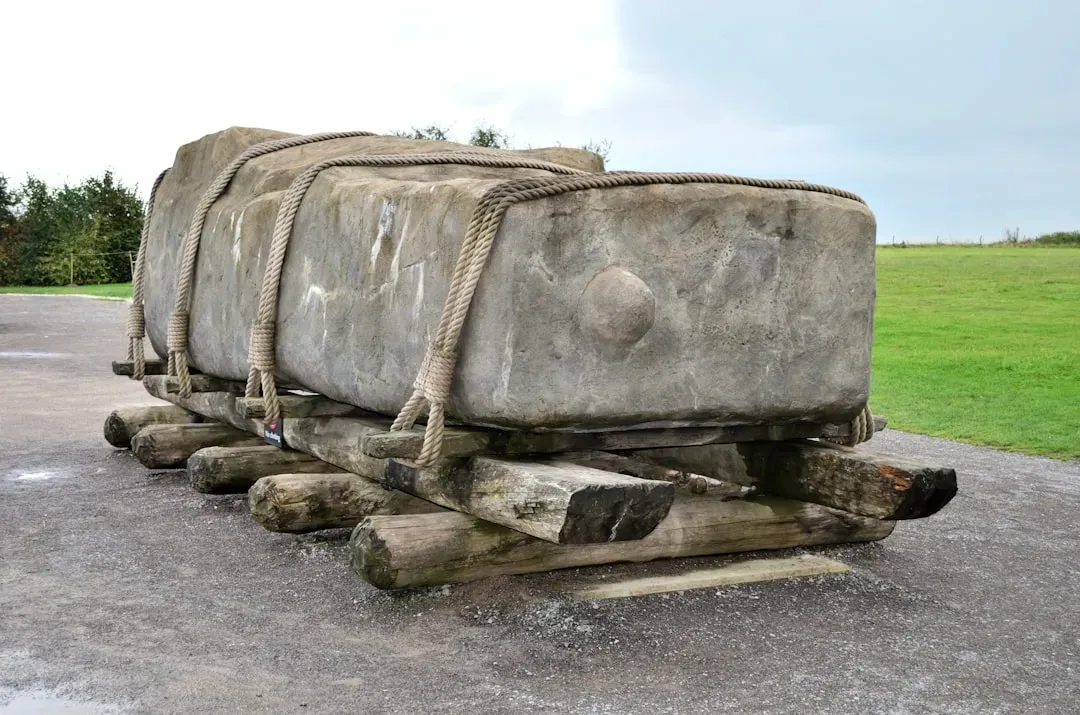
Every megalithic site eventually runs into the same skeptical question: how did they move that? Some stones at Baalbek in Lebanon weigh hundreds of tons; some blocks at Giza and in other ancient quarries are similarly massive. Without cranes, trucks, or modern engines, the whole project looks absurd. It’s no wonder people reach for the most dramatic explanations they can think of when they see those stones up close.
But we actually have a fair amount of evidence for low-tech but high-ingenuity methods: sledges sliding over wet sand, wooden rollers, earthen ramps, levers, and teams of workers coordinating with ropes and rhythm. Modern experiments have shown that small groups can move surprisingly huge stones with basic tools and clever setups, as long as they’re patient and organized. The real shock might be less that the stones moved and more that people were willing to pour so much collective effort into doing it, year after year, for goals that were spiritual and social as much as practical.
Alignments, Numbers, and the Temptation of Cosmic Patterns
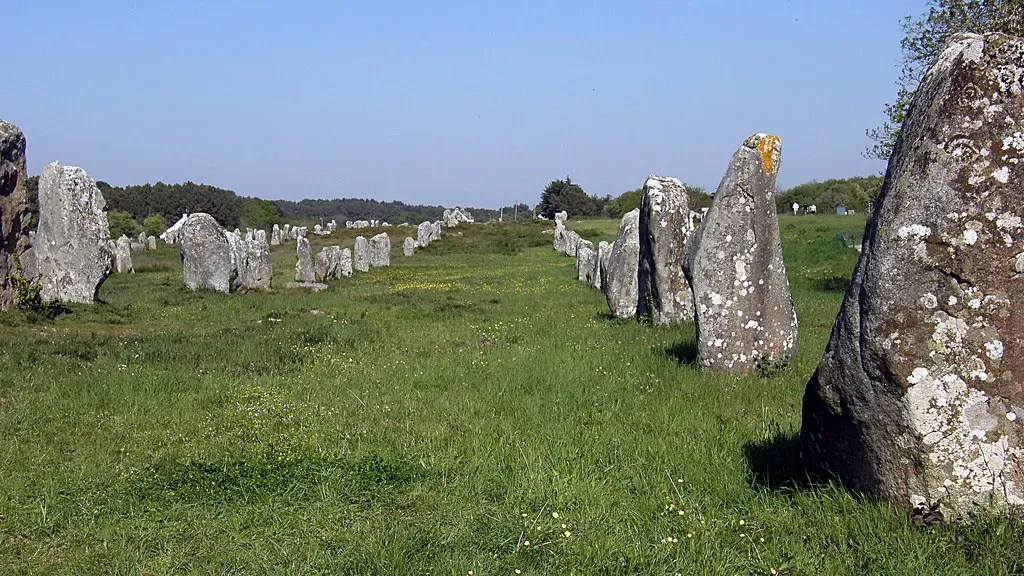
Once you start looking for patterns in megalithic sites, you can’t unsee them: alignments with stars, recurring ratios, apparent grids stretched across continents. It can feel like standing in a hall of mirrors where every reflection hints at some underlying code. Some enthusiasts argue these patterns prove an ancient, shared, advanced science of geometry and astronomy that was encoded in stone long before history was written down.
There’s a catch, though. Human brains are excellent at spotting patterns, even where none were intended. Some alignments are well supported and make sense in context, especially those connected to solstices or major stars, but many others are cherry-picked or rely on flexible measurements and selective memory. That doesn’t mean ancient builders were clueless; far from it. It just means that not every neat coincidence in stone is evidence of a hidden global blueprint. Sometimes, the most respectful way to treat the past is to avoid turning every rock into a conspiracy and instead ask what mattered to the people who actually put it there.
What “Advanced Knowledge” Really Meant in the Ancient World
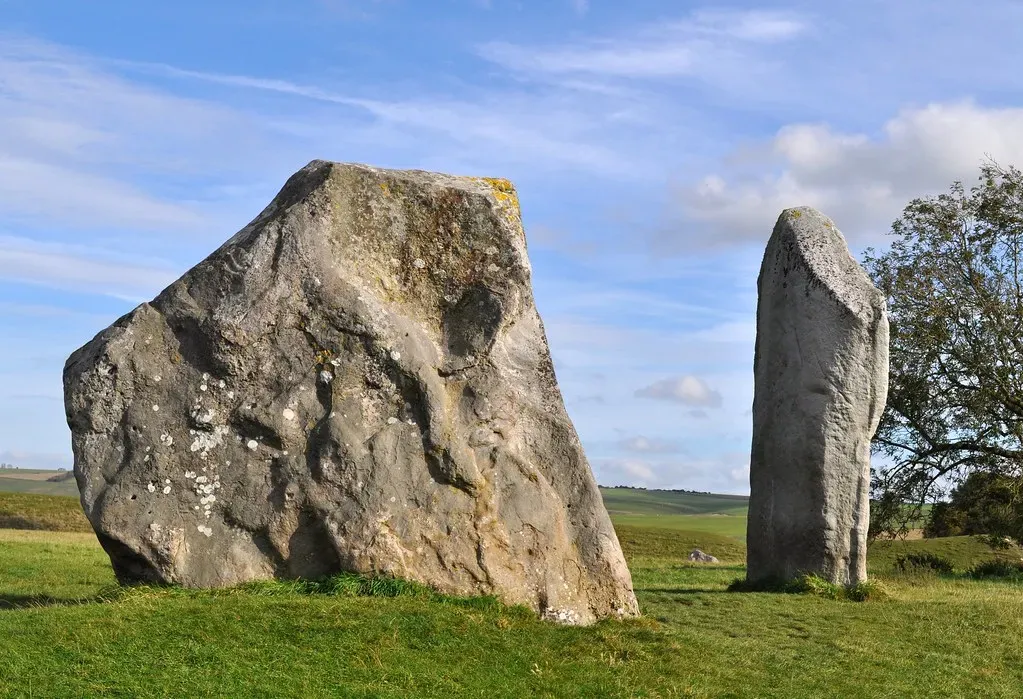
When we hear the phrase “advanced knowledge,” we usually imagine something like modern science: formulas, measurements, equations, and technologies that can be tested and replicated. But ancient builders likely had a different kind of knowledge, deeply practical, local, and embodied. They learned by doing, failing, and trying again, passing techniques from master to apprentice, parent to child, story to story. It was advanced in the sense that it was refined, specialized, and effective, even if nobody wrote it down in a textbook.
To me, the most impressive thing is not some hypothetical secret lost technology, but the combination of patience, imagination, and shared purpose it took to carry out these projects. Imagine living in a world where your grandparents and your grandchildren are all part of the same building effort, slowly coaxing a stone circle or pyramid into existence. That kind of long-term commitment is its own form of genius. The stones still stand, not just as puzzles to solve, but as reminders of how far human determination can go when people decide that something – a ritual, a story, a sense of connection to the cosmos – is worth the effort.
Rethinking the “Ancient Mystery”
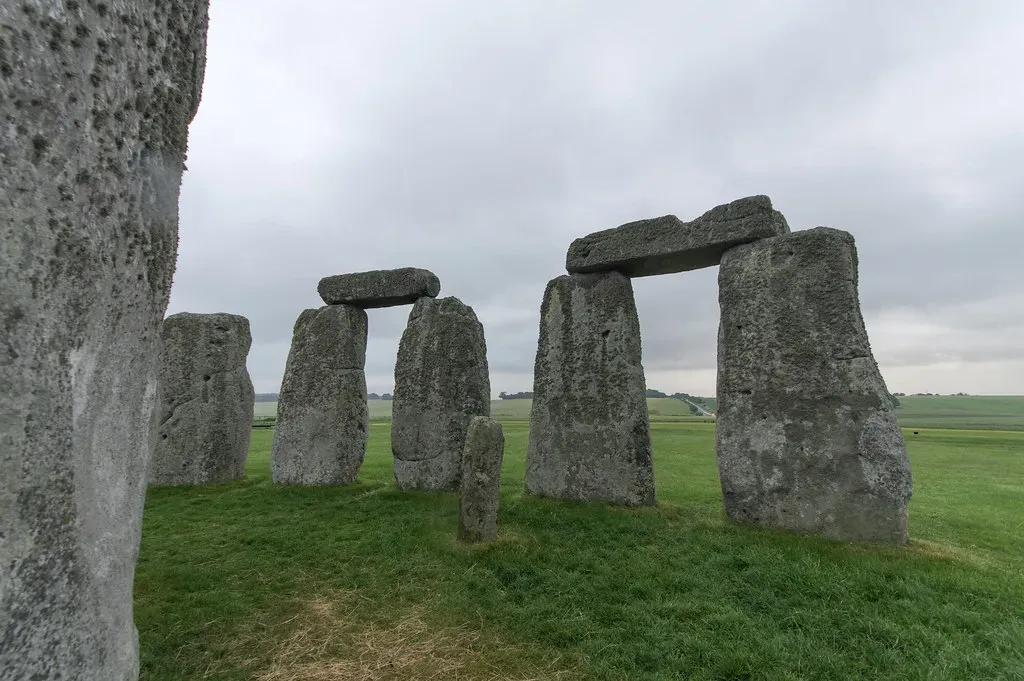
So Yes, if we’re willing to broaden our idea of what “advanced” looks like. The builders of Stonehenge, Göbekli Tepe, the pyramids, and countless other sites understood their materials, their landscapes, and their skies in ways that came from long observation and hard-earned experience. They were not fumbling in the dark; they were applying generations of learning to shape stone into meaning.
What remains most mysterious may not be the mechanics but the mindset: the belief that aligning stones with the sun, stacking blocks into mountains, or carving pillars into animal-filled rings was worth decades or centuries of effort. Those projects say as much about values as they do about technique. In the end, the “advanced knowledge” of ancient civilizations might not be a missing piece of technology but a way of seeing time, community, and the cosmos that feels distant from our own. Which part surprises you more: what they knew, or how determined they were to carve it into the bones of the Earth?