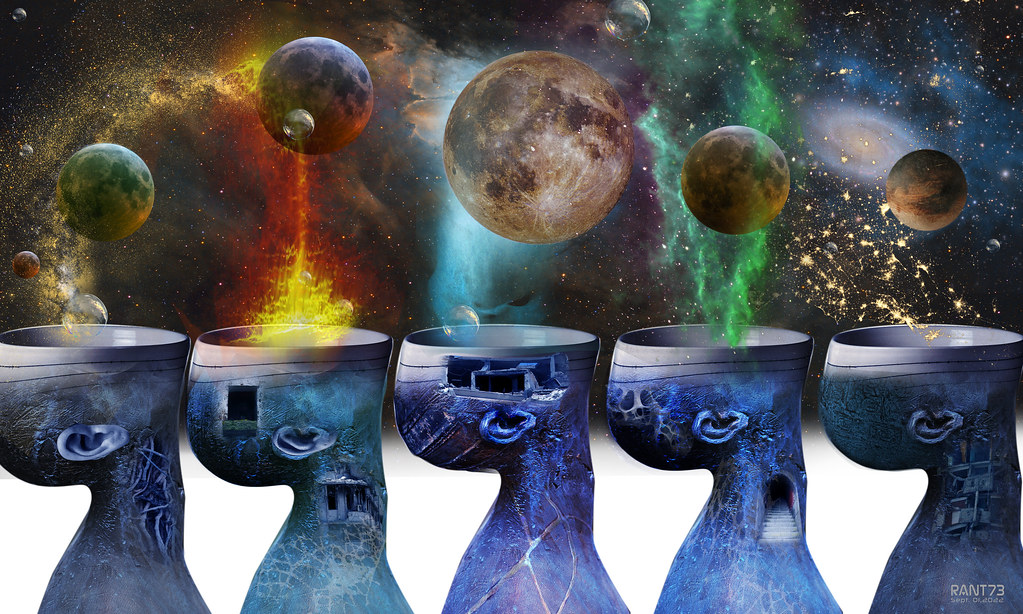

Sometimes a dream feels more real than the day you wake up into. You open your eyes still carrying the taste of a conversation that never happened, the warmth of a person who doesn’t exist, or the terror of running from something you can’t name. That strange feeling, when your heart is racing over something that “wasn’t real,” is exactly why dreams fascinate scientists, philosophers, and pretty much everyone who’s ever tried to go back to sleep just to re-enter a beautiful dream.
Dreams are not just random night-time noise; they are deeply personal, yet oddly universal. While we still don’t fully understand why we dream, research from neuroscience, psychology, and sleep medicine over the last few decades has revealed surprising clues. When you close your eyes at night, your brain doesn’t shut down at all – it builds a whole universe, tailored from your memories, fears, hopes, and the stories you tell yourself about who you are. In a way, every dream is a private documentary, directed and edited by your own mind.
The Brain on Dreams: What Happens When We Sleep

Here’s a slightly shocking truth: during certain stages of sleep, your brain can be nearly as active as it is when you’re awake. In rapid eye movement (REM) sleep, which is when most vivid dreams occur, brain scans show intense activity in regions involved in emotion, memory, and visual imagery. Meanwhile, areas linked to rational thinking and self-control tend to quiet down, which helps explain why dreams can be wild, illogical, and yet feel perfectly normal while they’re happening.
Sleep cycles move through different stages – light sleep, deep sleep, and REM – roughly in repeating patterns across the night. REM periods get longer toward morning, which is why your strangest, most detailed dreams often show up just before you wake up. Scientists studying brain waves have found that REM sleep seems to help with emotional processing and learning, almost like the brain is reorganizing the day’s experiences into a more manageable form. Instead of being meaningless noise, dreams may be the by-product of this overnight mental housekeeping.
Why We Dream: Theories from Survival to Storytelling

No one has a single, final answer for why we dream, but several strong theories compete and even overlap. One idea suggests that dreams help us rehearse threats in a safe space, like a mental training ground: being chased, getting lost, or feeling unprepared are common dream themes and also real-life survival challenges. Another theory says dreams help integrate memories, emotions, and new information, weaving them together into a more stable sense of self and understanding of the world.
There’s also the view that dreams are a kind of mental simulation engine, letting us practice social situations, test out different identities, or process things that are too intense to deal with while awake. Some researchers think dreams might be the brain’s way of creatively reshuffling ideas, which could explain why people sometimes wake up with solutions to problems or new artistic insights. Even if dreams don’t have a single “purpose,” they may serve several overlapping functions: emotional regulation, memory consolidation, and imaginative exploration.
Dreams as a Mirror: What They Reveal About Our Inner World

Dreams can feel random, but if you look closely at your own, patterns often show up. Recurring dreams about being late, unprepared, or abandoned, for example, tend to reflect deeper anxieties about control, self-worth, or relationships. You might never consciously say, “I’m afraid people will see I’m not good enough,” but your dreams might stage that fear with startling clarity – like stepping on a stage and forgetting all your lines. The story is invented, but the emotional truth is painfully real.
In therapy, people sometimes use dreams as a starting point, not because each symbol has a fixed meaning, but because dreams reveal how your mind is connecting things beneath the surface. A broken elevator might represent feeling stuck, a locked door might echo frustration, or an endless maze might capture confusion or indecision. What matters most is not some universal dictionary of symbols, but your personal associations: what that place, object, or person means to you. In that way, dreams are a mirror that shows you in a language that’s emotional, visual, and often brutally honest.
Common Dream Themes: Flying, Falling, and Being Chased

It’s oddly comforting to realize that people all over the world, across cultures and ages, report strikingly similar dream themes. Many describe the surge of flying, the stomach-drop of falling, or the panic of being chased, even if their daily lives are nothing alike. Flying dreams often come with a feeling of power or freedom, while falling dreams are more often tied to loss of control or instability. Being chased can reflect avoiding something – an emotion, a responsibility, a truth – you don’t want to face head-on.
Teeth falling out, being naked in public, or discovering hidden rooms in a house also show up again and again in dream reports. While pop culture loves simple interpretations, reality is more nuanced. A dream about teeth might touch on aging, appearance, or fear of losing power, depending on the person. The “hidden room” dream, on the other hand, can feel like discovering a secret part of yourself, a talent or desire you hadn’t acknowledged. These recurring themes hint that our minds share deep, common concerns, even if each story is deeply personal.
Nightmares and Trauma: When the Mind Won’t Let Go

Nightmares aren’t just “bad dreams”; they’re often intense emotional storms that wake you up with your heart pounding, sometimes leaving you shaken long after. Research shows that people dealing with high stress, anxiety, or trauma are more likely to experience frequent nightmares. In post-traumatic stress, distressing events can replay in sleep, either as direct flashbacks or in disguised, symbolic forms that still carry the same terror. It’s as if the mind keeps circling back to a wound it hasn’t figured out how to heal.
There are, however, ways to work with nightmares rather than just endure them. Techniques such as imagery rehearsal – where you deliberately rewrite the ending of a recurring nightmare while awake – have been shown to reduce nightmare frequency in many people. Some medications and therapies can also help, especially when nightmares are part of a broader mental health condition. It’s a reminder that even in their most frightening form, dreams are not just random punishments; they are signals from a nervous system struggling to process overwhelming experience.
Lucid Dreaming: Waking Up Inside the Dream

Lucid dreaming is the strange experience of realizing, while still in the dream, that you’re dreaming. For some people, that moment of clarity allows them to influence what happens next – flying at will, changing the setting, or facing fears on purpose. Studies using brain imaging and clever signaling methods have shown that lucid dreamers really can become self-aware during REM sleep, and certain frontal brain regions linked to self-reflection become more active than in regular dreaming. It’s like a partial return of your waking consciousness into the dream world.
Some people practice reality checks during the day – like looking at their hands or reading text twice – to increase their chances of noticing when they’re dreaming at night. Others keep dream journals to sharpen recall and recognize patterns. While the idea of total control is exaggerated, lucid dreaming can sometimes help reduce nightmares or explore creative ideas in a vividly immersive environment. It blurs the line between sleeping and waking, showing that consciousness isn’t a simple on-off switch but a spectrum with surprising middle states.
Culture, Meaning, and the Future of Dream Science

Different cultures treat dreams very differently: some see them as messages, others as nonsense, and many as something in between. In some traditions, dreams are shared in the morning and interpreted as guidance or warnings; in others, they are private and almost embarrassing, like emotional leaks from the unconscious. Modern science doesn’t support the idea that dreams predict the future, but it does support the idea that dreams can reveal what matters to you right now – your worries, your desires, your unfinished emotional business.
As brain imaging and sleep research keep evolving, scientists are beginning to decode rough outlines of dream content, like whether someone is seeing faces, places, or movements during sleep. There are early experiments attempting to gently communicate with people while they dream, asking simple questions and getting pre-arranged eye-movement responses. We’re still far from “reading” dreams in detail, and there are huge ethical questions about privacy, but the direction is clear: the gap between brain activity and subjective experience is slowly narrowing. The more we learn, the more dreams look less like random static and more like a rich, complex language our minds use when the world goes quiet.
The Universe Within
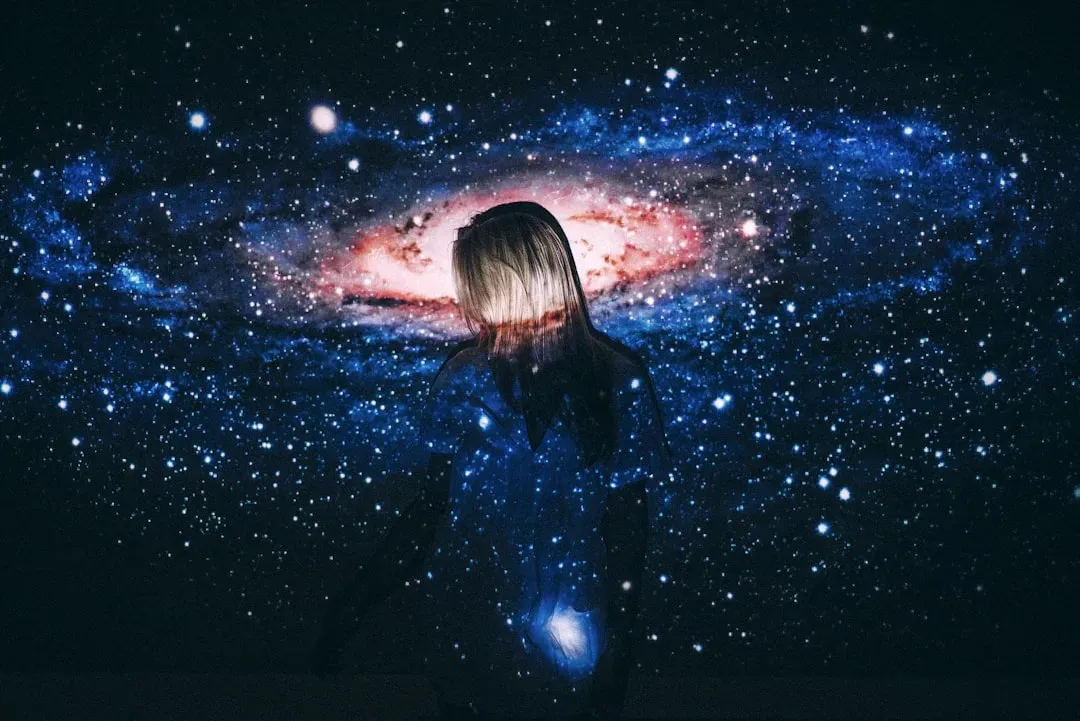
Dreams sit at a strange crossroads between biology and meaning. They’re built from electrical signals, neurotransmitters, and sleep cycles, but they also carry the weight of our memories, fears, and hopes. Every night, whether you remember them or not, your brain spins a universe out of your own experiences, reshaping them into stories that sometimes comfort, sometimes disturb, and sometimes inspire. In those few hours, you’re both the audience and the author, watching yourself from the inside.
Paying attention to your dreams doesn’t mean obsessing over every symbol, but it can mean listening to what your mind is trying to sort out when you’re not busy scrolling, worrying, or performing. A notebook by the bed, a few minutes of reflection in the morning, and a bit of curiosity are often enough to notice patterns that were always there. Over time, you may start to see that your dream world is not separate from your waking life at all – it is another angle on the same person, the same questions, the same longings. If your mind is a universe, then dreams are the night sky: you might not understand every constellation, but you can still learn a lot by looking up and wondering what’s really going on out there.