

For all our satellites, supercomputers, and deep-ocean robots, Earth still keeps some of its most intriguing secrets just out of reach. We can stream videos from space and model entire climates, yet there are basic questions about our own planet that scientists still cannot answer with full confidence. That gap between what we know and what we feel we should know can be both frustrating and strangely comforting.
Some of these mysteries are hidden deep underground or far below the ocean’s surface; others unfold right above our heads in flashes of strange light or invisible waves. They sit in this gray zone where we understand the rough outlines, but not the full story. And that’s where things get really interesting, because the unknowns aren’t just trivia – they touch on earthquakes, climate, magnetic storms, and even the survival of modern technology.
The Flickering Mystery of Ball Lightning
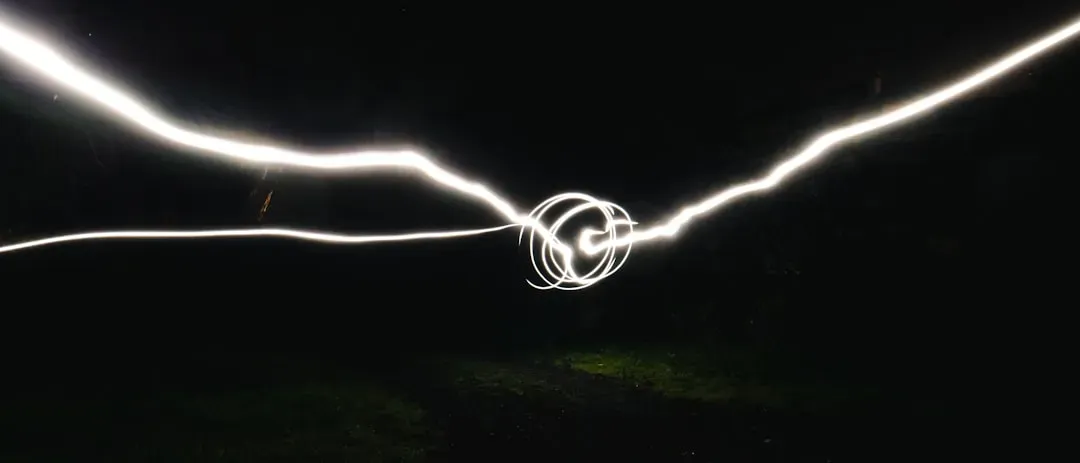
Imagine sitting in your living room during a thunderstorm, and instead of a simple flash outside, a glowing orb of light drifts silently across the room, hovers for a few seconds, then vanishes with a hiss. That scene sounds like a special effect, but many people over the past few centuries have reported something very much like it. This is ball lightning: bright, floating spheres of light, often described as about the size of a grapefruit or larger, appearing during or after thunderstorms.
Scientists have tried to pin this down for decades, but ball lightning refuses to behave like a respectable physical phenomenon. It’s rare, unpredictable, short-lived, and almost impossible to study in a lab. Researchers have suggested everything from vaporized silicon in the soil, to plasma bubbles, to electromagnetic standing waves, but no single explanation fits all the reports. The few videos and instrument readings we do have are intriguing but not decisive, so ball lightning still lives in the uncomfortable space between “probably real” and “not fully understood.”
Earth’s Unsteady Magnetic Field and Its Wandering Poles
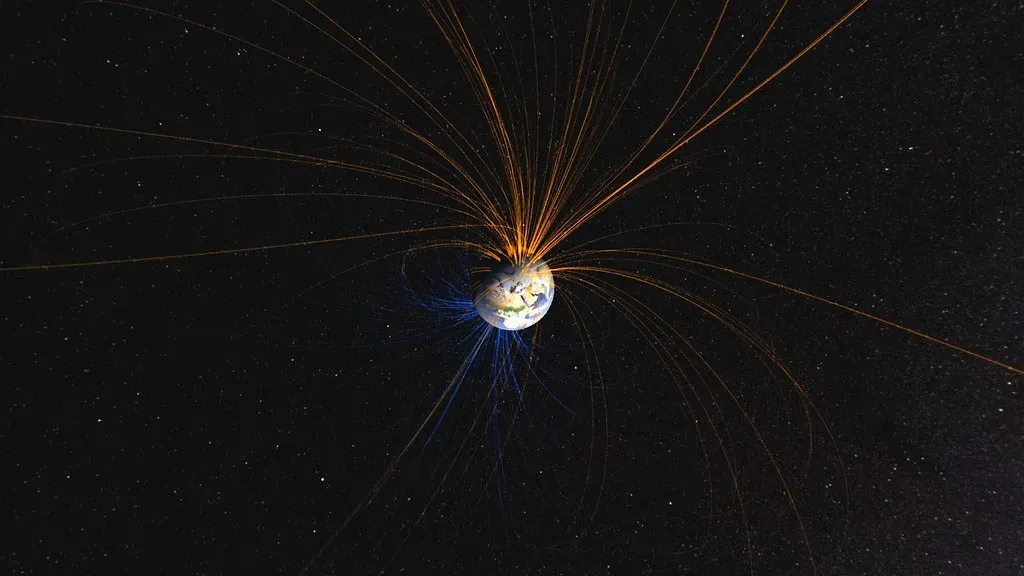
Most of us think of north as something solid and fixed, like the top of a map, but Earth’s magnetic north is more like a restless traveler. Over the past century, the magnetic north pole has been racing from Canada toward Siberia at a surprising pace, forcing regular updates to navigation systems and maps. On deeper timescales, the planet’s magnetic field has even flipped completely, with north and south trading places again and again over millions of years.
We know that the magnetic field is generated by swirling, molten iron in Earth’s outer core, acting like a gigantic dynamo. What we don’t really understand is why the field sometimes weakens, why the poles wander so quickly at certain times, or what exactly triggers full magnetic reversals. Powerful computer simulations try to mimic the core’s turbulent flow, but they’re only rough imitations of what’s happening thousands of kilometers below our feet. The stakes are real: a weaker or more chaotic magnetic field can mean more radiation reaching satellites, power grids, and even the upper atmosphere, yet we still can’t confidently predict when the next big shift will happen.
The Puzzling Rhythm of Earthquakes and Slow Slips
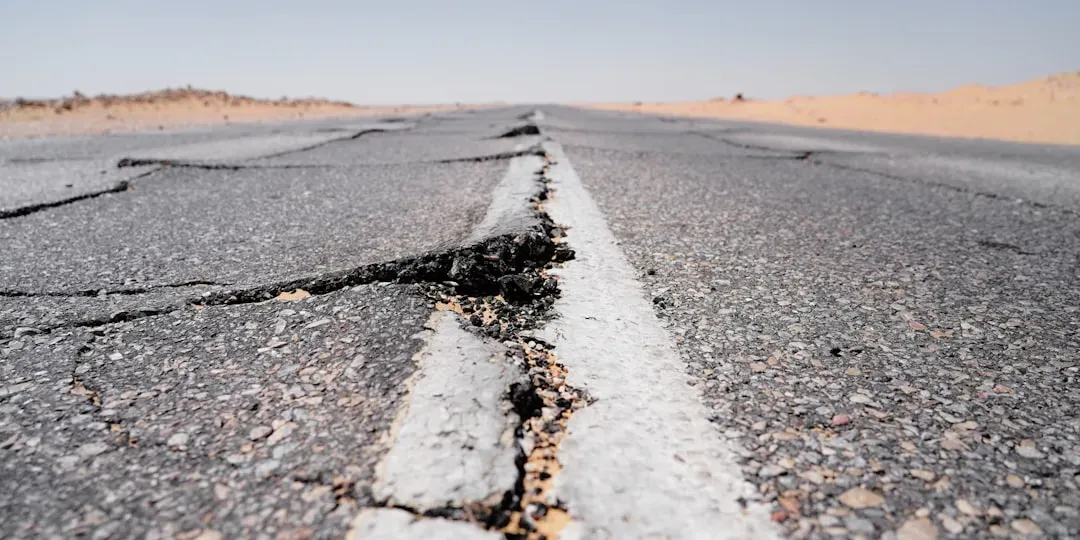
Earthquakes are one of the oldest and most feared natural disasters, yet even after decades of research, we still cannot say exactly when or where a major quake will strike. We know that tectonic plates grind past each other, building up stress until it’s released in a sudden jolt, but reality is messier than that textbook sentence. Some faults break violently, others creep silently, and some go through strange “slow slip” events that unfold over days or weeks rather than seconds.
These slow slips can release as much energy as a large earthquake, but spread out over time, almost like an earthquake in slow motion. In some regions, they seem to cluster with regular cycles, hinting at hidden patterns in how stress builds and drains along a fault. Yet those patterns don’t always translate into reliable warning signs for catastrophic quakes. Despite denser sensor networks and improved models, precise short-term earthquake prediction remains out of reach, leaving us stuck between broad, long-term forecasts and the stubborn unpredictability of the next big rupture.
The Abyssal Enigma of Deep Ocean Currents

We’ve mapped the surface of Mars more completely than the detailed flow of water in Earth’s deepest oceans. Beneath the familiar surface currents that carry warm water across the globe, there’s a shadowy system of deep currents called the global overturning circulation. This vast conveyor moves cold, dense water along the seafloor and brings nutrient-rich water back up, quietly driving climate patterns and supporting marine life.
Scientists broadly understand what powers these currents – differences in temperature and saltiness, plus the shape of the seafloor – but the fine details are stubbornly murky. Measuring water thousands of meters down in rough conditions is expensive, slow, and patchy, so we are still piecing together how fast these currents are changing as the climate warms. There are hints that parts of the system may be weakening, but exactly how quickly, and what that means for regional weather, sea level, and fisheries, remains an active and unsettled debate. In a way, it’s like trying to understand a giant machine while only seeing a few gears through tiny windows.
The Strange Signals of Earth’s Hum and Microquakes
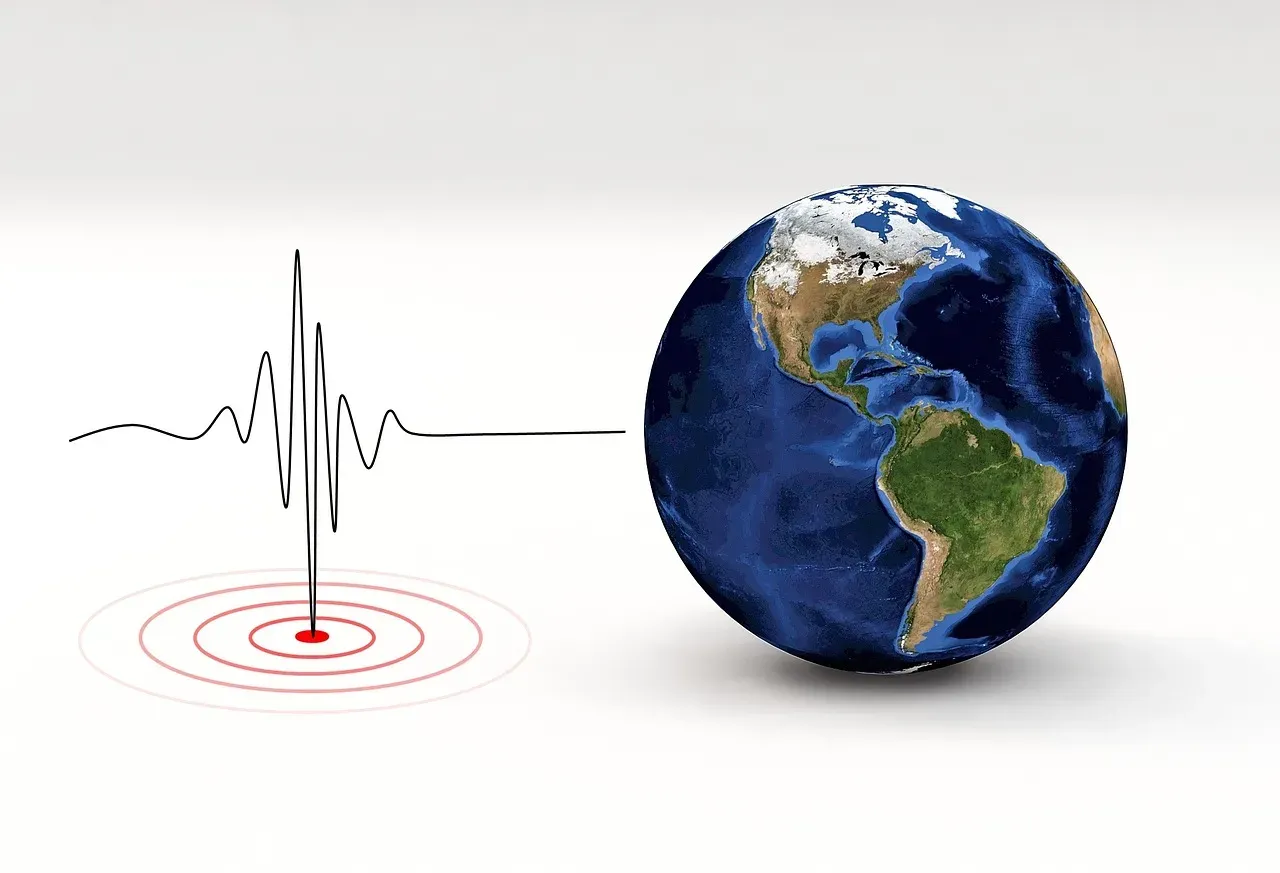
Even when there are no obvious earthquakes, Earth is never truly quiet. Sensitive instruments detect a constant low-level vibration often called the Earth’s hum, a faint, continuous shaking that humans usually can’t feel. On top of that, there are countless tiny “microquakes” that ripple through the crust, too weak to be noticed without specialized equipment. Together, these signals form a kind of background music that scientists are still learning to interpret.
Some of this hum seems to come from ocean waves interacting with the seafloor, while some microquakes might be linked to shifts in fluids, tiny cracks in rocks, or even human activities like mining and reservoir filling. The tricky part is that these small signals sometimes appear to change before larger events, hinting at the possibility of subtle warning patterns buried in the noise. But separating meaningful patterns from random fluctuations is incredibly difficult, and there’s no consensus yet on how to reliably use this information. For now, the constant murmur beneath our feet is both a tantalizing clue and a reminder of how much remains hidden in the data we already collect.
In a sense, these puzzles are less about gaps in data and more about the limits of our current imagination and tools. As sensors improve, models grow more sophisticated, and datasets lengthen over decades, some of these mysteries will almost certainly sharpen into clearer explanations – while new questions emerge from the details. It’s a reminder that living on Earth is a bit like living in an old house: you think you know every creak and corner, until some hidden feature surprises you all over again. Which of these mysteries did you find most surprising?