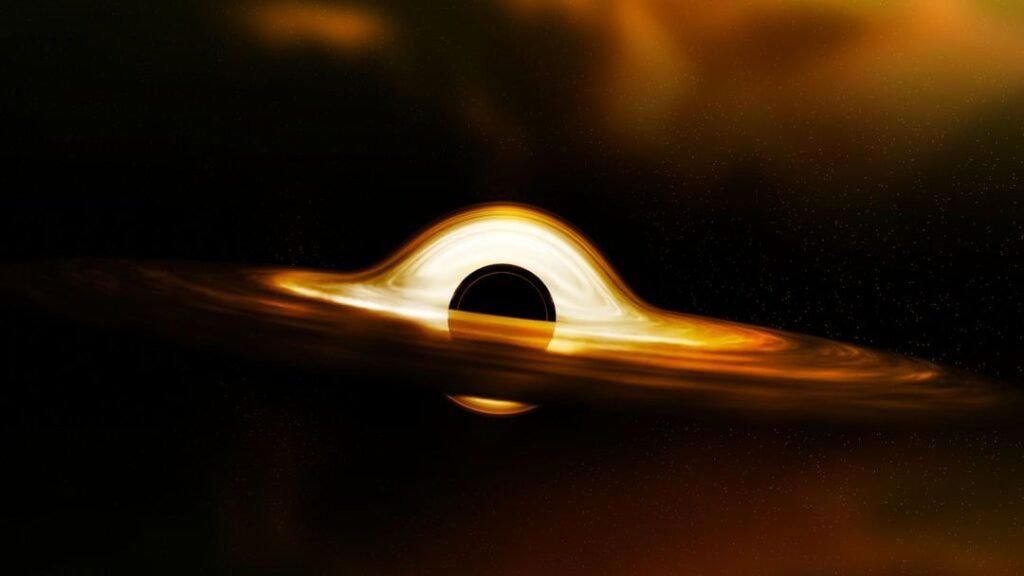

Imagine looking up at the night sky and realizing that every black hole you see might be more than just a cosmic drain. It might be the seed of an entirely new universe, with its own space, time, and maybe even its own stars and galaxies. That idea sounds like pure science fiction, but it is actually a serious scientific hypothesis that some physicists have been exploring for decades.
We usually think of black holes as the ultimate dead ends of the universe, places where matter and information disappear forever. But what if we’ve got that backwards? What if black holes are less like tombstones and more like cosmic wombs, quietly giving birth to new realities beyond our own? Once you let that possibility sink in, the universe suddenly feels a lot stranger, and honestly, a lot more exciting.
The Wild Idea: Black Holes as Gateways, Not Graves
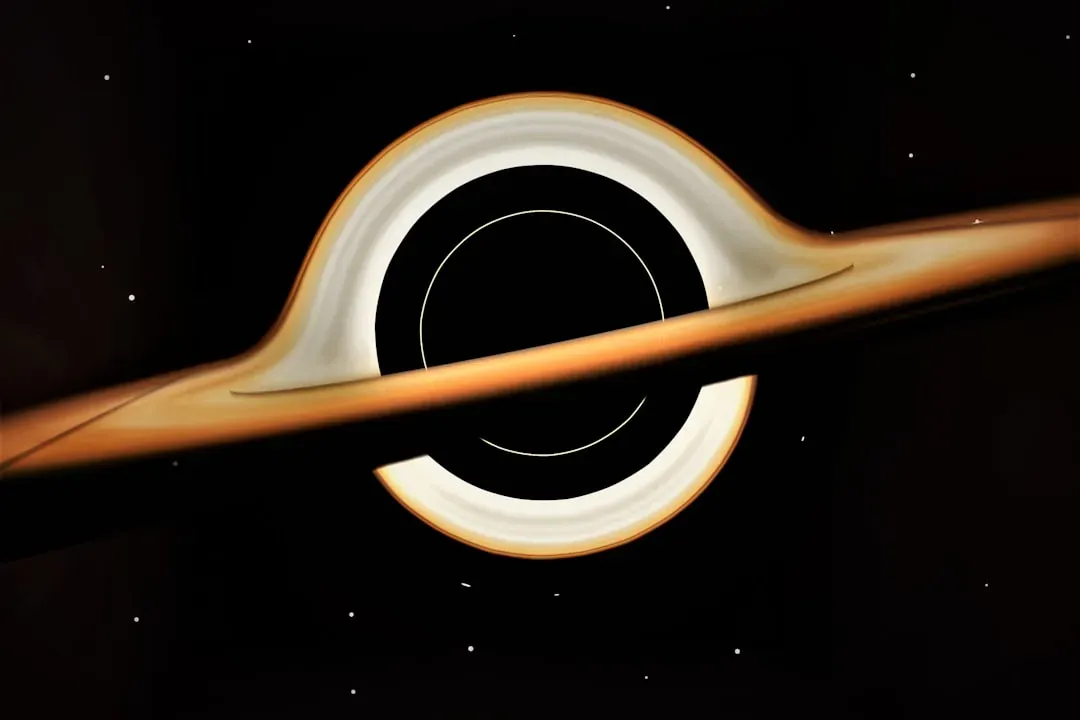
The common image of a black hole is simple: a star collapses under its own gravity, space-time gets crushed, and everything that falls in is gone for good. In that story, the black hole is the end of the road, the last page of the book, the cosmic equivalent of a shredder. But some theoretical physicists have suggested a very different narrative in which that “end” is really a hidden beginning.
In these models, the center of a black hole may not be a literal point of infinite density, but a kind of bridge where space-time pinches off and continues somewhere else. On the outside, we see matter falling in and light never coming back out; on the inside, there could be a new region of expanding space that looks, from its own perspective, like a fresh Big Bang. It’s like watching water disappear into a drain without realizing it might be feeding a new hidden river system below your floor.
From Collapse to Creation: The Basic Physics Behind the Hypothesis
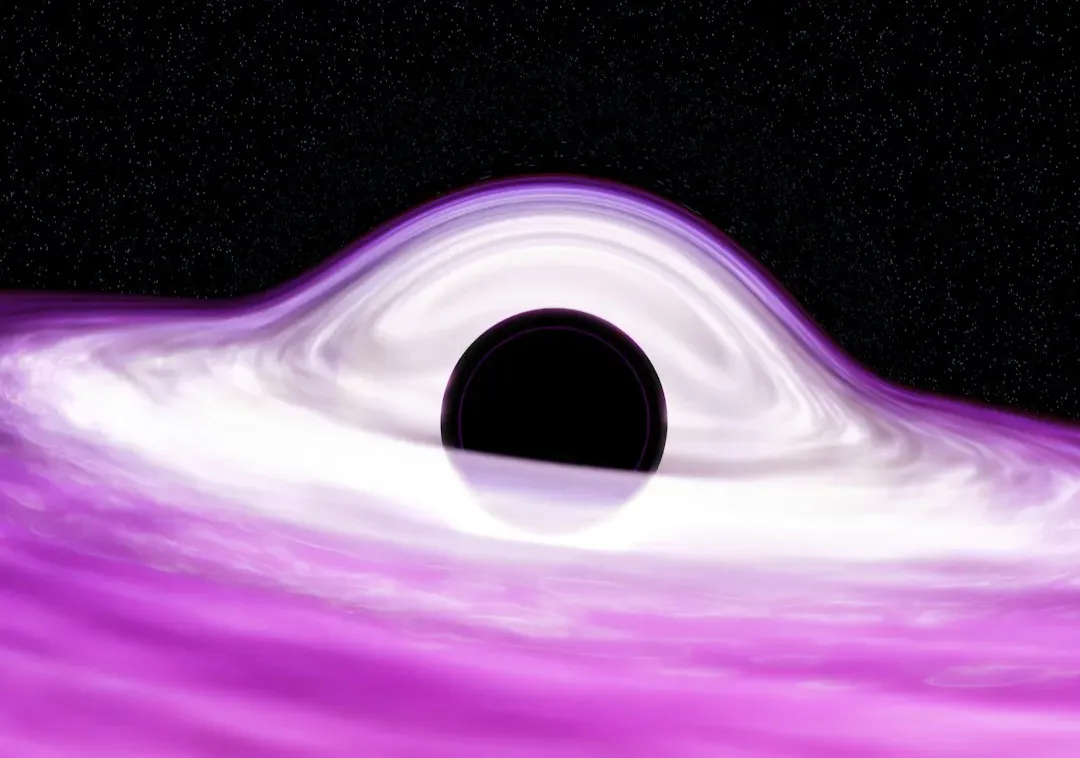
To picture how this could work, start with what we already know: black holes form when massive stars run out of fuel and their cores collapse under gravity. According to Einstein’s general relativity, that collapse can lead to a singularity, a point where the known laws of physics simply stop making sense. That’s always been a red flag, a sign that our equations are being pushed beyond their useful limits.
Some modern approaches to quantum gravity suggest that before gravity can squeeze matter into a true singularity, quantum effects might kick in and create a kind of rebound or transition. Instead of an infinite crush, you might get a “bounce,” where the collapsing core triggers a new expanding region of space-time. To an observer inside that new region, it would feel like the universe is exploding outward in all directions, not unlike what we think happened in our own Big Bang.
Cosmic Natural Selection: Universes That Evolve Through Black Holes
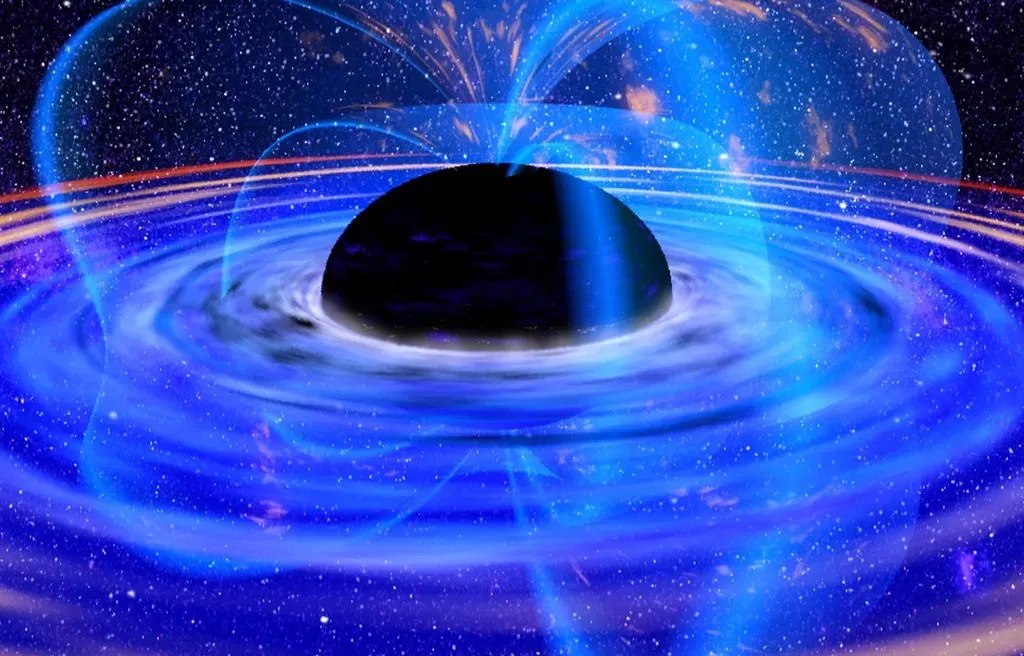
One of the most intriguing ideas that spins out of this is sometimes called cosmological natural selection. The thought goes like this: every black hole could spawn a baby universe with slightly different physical constants from its parent universe. Over unimaginable timescales, the universes that are best at producing lots of black holes would naturally end up having more “offspring” and become more common in the multiverse.
That sounds wild, but it offers a possible reason why our own universe’s fundamental numbers seem so oddly well-tuned for stars, galaxies, and complex chemistry. If physical laws shift just a little in each new universe, then a kind of evolutionary process might favor universes where black hole formation is efficient. In that scenario, we live in a universe that “won” a very long and strange cosmic lottery by being especially good at making black holes, and therefore, at making more universes.
Could Our Own Big Bang Have Come From a Black Hole?
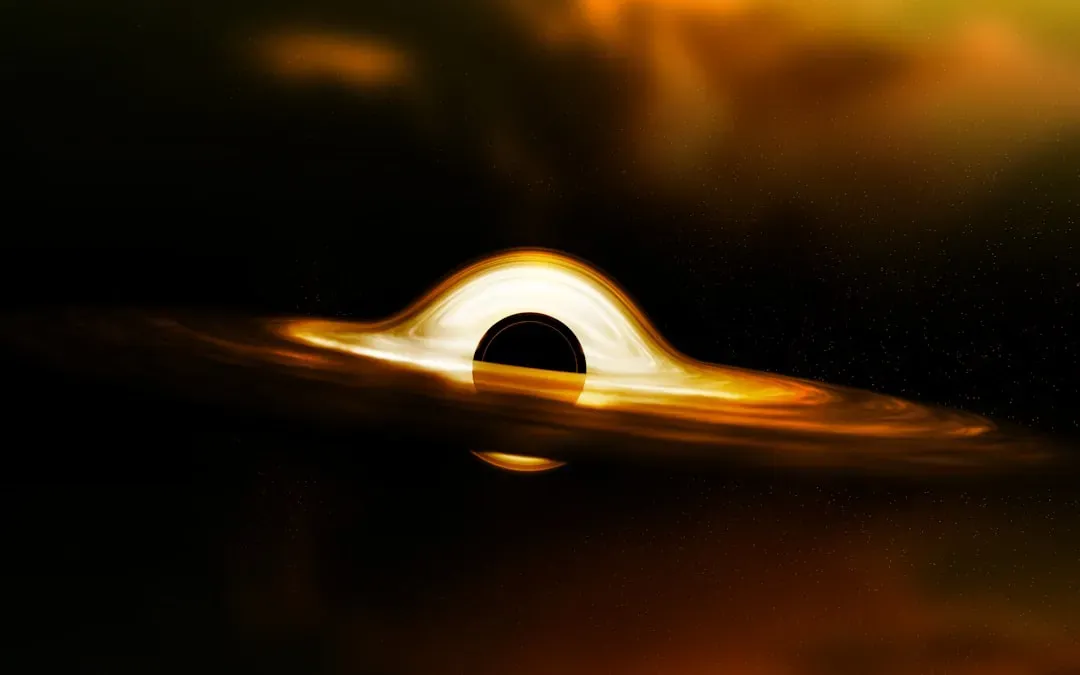
Here’s where it gets personal: if black holes can create new universes, then our own universe might have started as the interior of a black hole in some other, older universe. What we call the Big Bang could be the “other side” of a collapse that happened somewhere we can never see. Our entire cosmic history, from the first fraction of a second to you reading this right now, might be the inside story of someone else’s black hole.
Some models even try to match the idea of a black hole interior to the rapid expansion we infer from the early universe, like cosmic inflation. From our viewpoint, we see an expanding universe with no obvious center; from an external viewpoint that we can only imagine, all of this could be tucked behind the event horizon of a gigantic black hole. It’s an unsettling thought: our whole reality might be a kind of nested Russian doll, one layer deep in an endless stack of universes.
Where Theory Meets Trouble: The Challenges and Open Questions
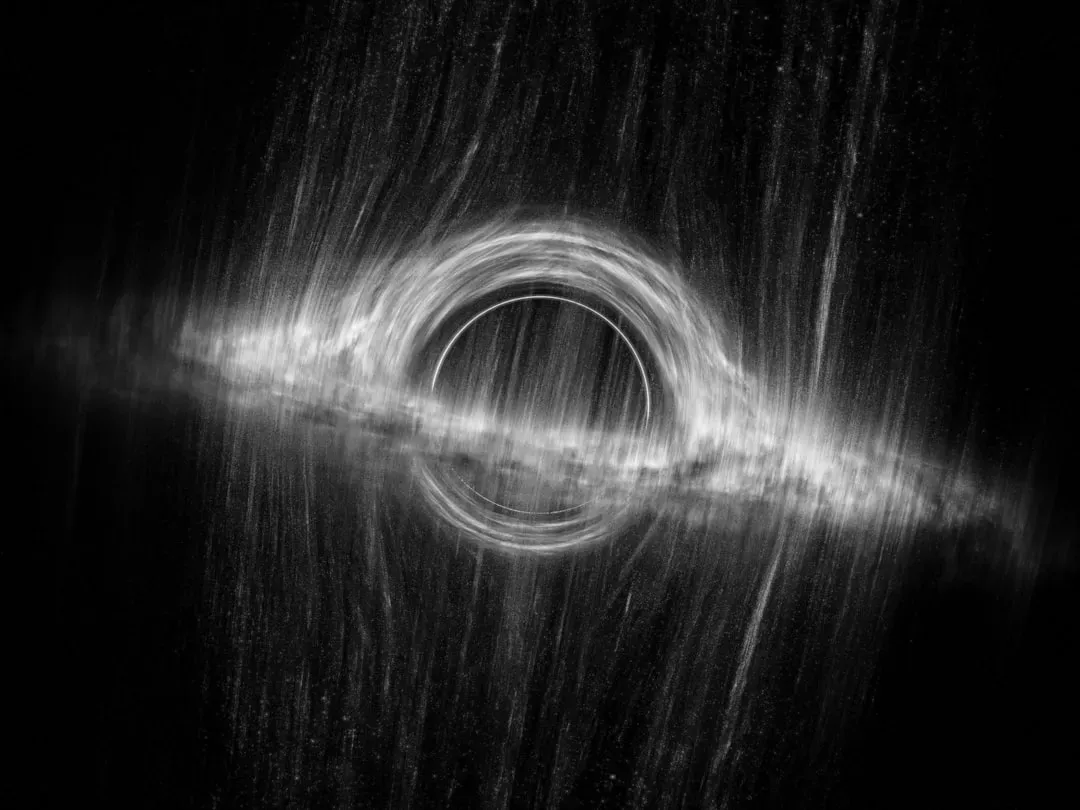
As beautiful as this idea sounds, it’s still highly speculative and faces some serious challenges. For one thing, we currently have no way to look beyond an event horizon, so we can’t directly observe whether a black hole interior really becomes a new expanding space. The math can be made to work in certain models, but nature is under no obligation to follow our most elegant equations.
There are also big unresolved issues like the black hole information problem: if a black hole creates a new universe, what happens to all the information about the matter that fell in? Does it get encoded somehow in the baby universe, or is it preserved in subtle quantum features of the black hole’s horizon, or both? Until we have a solid, experimentally tested theory that blends quantum mechanics with gravity, a lot of this will remain somewhere between informed speculation and educated guesswork.
What Current Science Can and Cannot Tell Us Yet
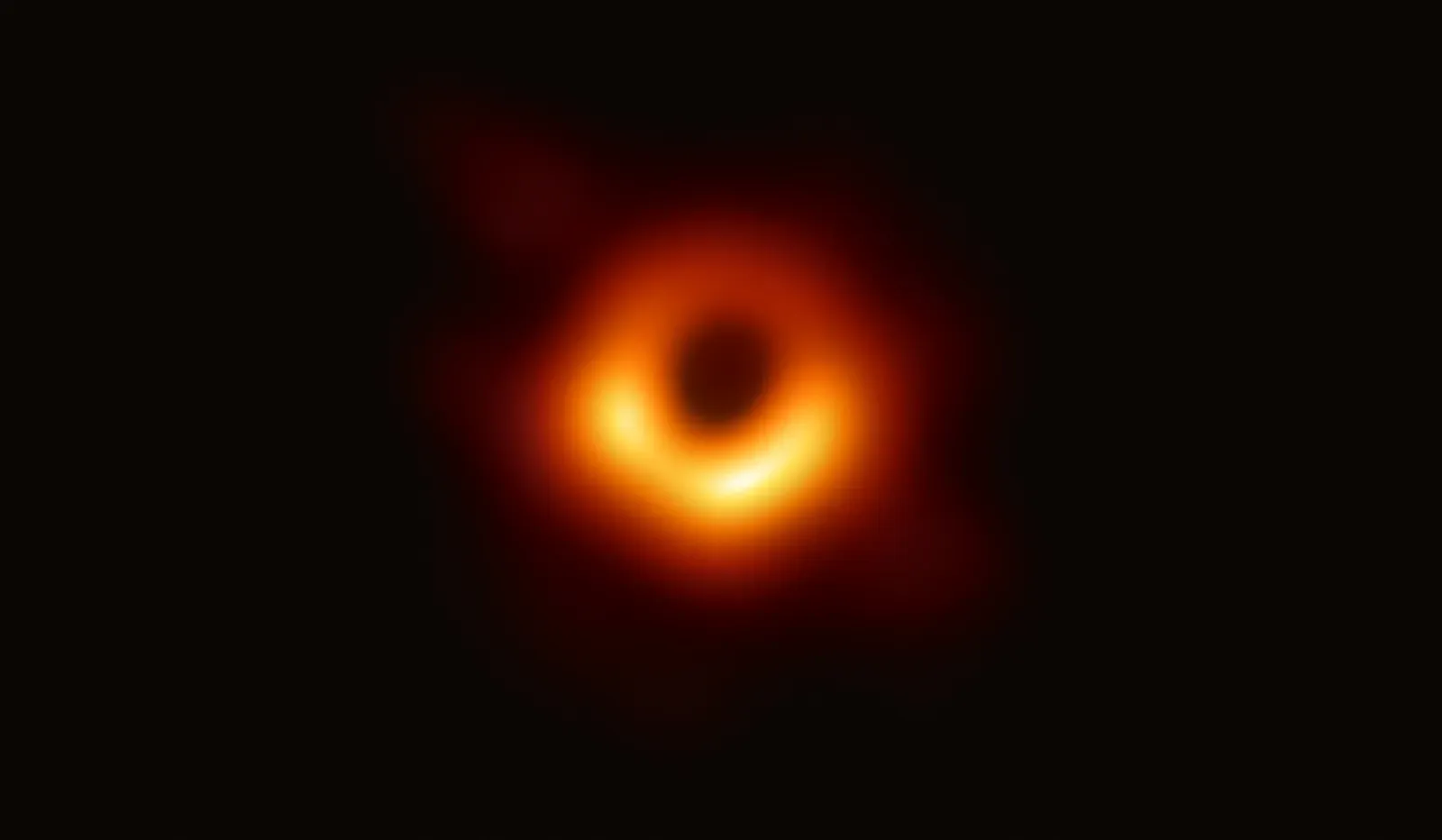
Right now, observations of black holes mostly come from things like gravitational waves, X-ray emissions from hot gas, and the shadowy images captured by the Event Horizon Telescope. These measurements confirm that black holes exist and behave in line with general relativity around their edges. They do not, however, tell us what truly happens deep inside, where gravity becomes extreme and quantum effects cannot be ignored.
On the theoretical side, researchers play with ideas using tools from quantum field theory, loop quantum gravity, string theory, and other frameworks. They test whether these models can reproduce known features of our universe, like its expansion history and the distribution of galaxies, while also allowing black holes to spawn new universes. So far, no single approach has emerged as the clear winner, and there is still no smoking-gun prediction that would let us say, with confidence, that our universe definitely came from a black hole.
Why This Vision of Black Holes Matters for How We See Ourselves
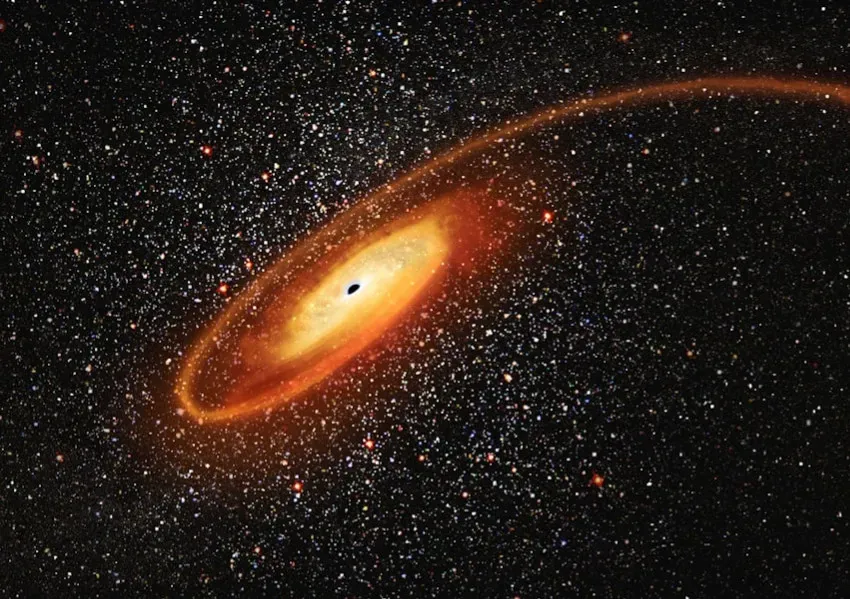
Even if the details are unproven, this picture changes how we emotionally relate to black holes. Instead of seeing them only as cosmic monsters that devour everything, we can also imagine them as engines of renewal, turning collapse into creation. There’s something strangely comforting in the thought that even the darkest regions of space might be nurturing places where new universes are born.
On a more personal level, the idea that our universe could be one link in an endless chain makes our existence feel both tiny and deeply connected to a much larger story. We’re not just floating in a random void; we might be living inside the aftermath of some earlier cosmic drama, and the black holes in our own sky could be quietly starting the next chapters. It’s humbling, a bit dizzying, and, for many people, oddly inspiring.
Living in a Universe That Might Not Be the First
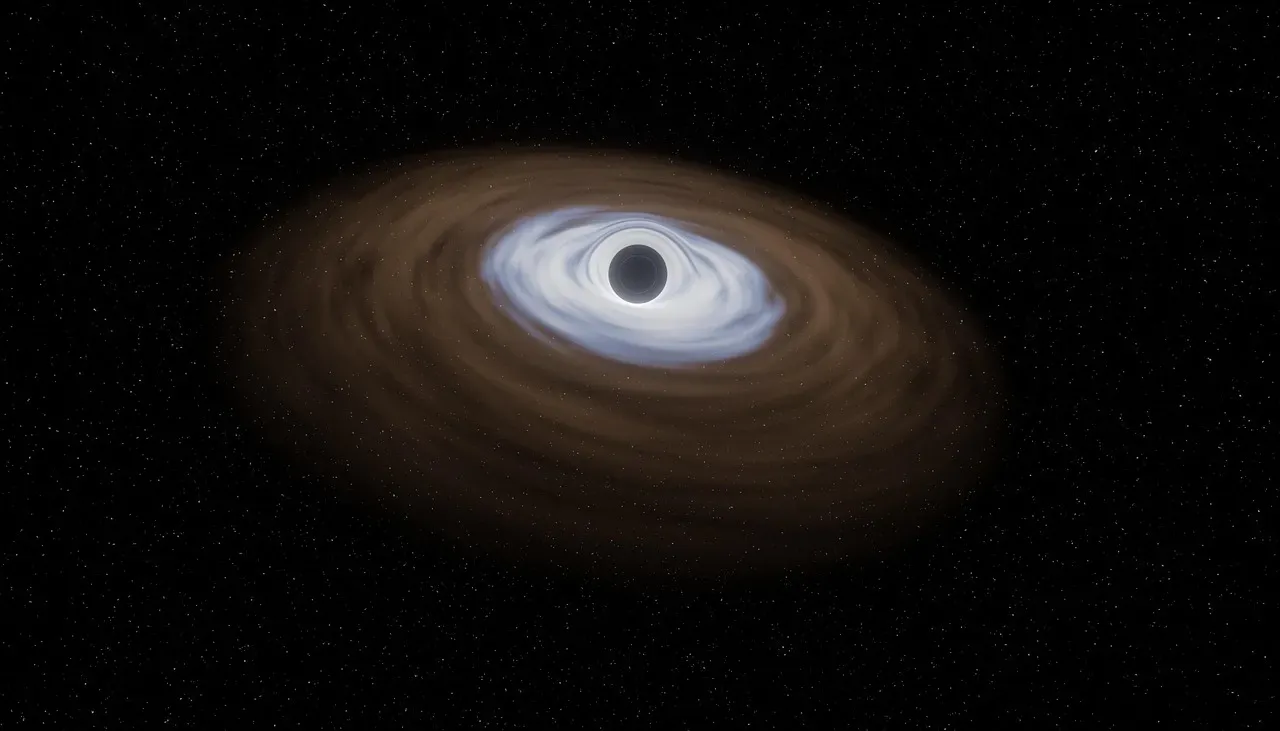
The notion that flips our usual picture of the cosmos on its head. Instead of a simple universe that begins, expands, and eventually grows cold and dark, we get a vast, branching family tree of universes connected by the most extreme objects in existence. In that story, death and birth are tangled together in the heart of every black hole.
We do not yet know whether this grand idea is how reality truly works, and it may be a long time before we can test it in any decisive way. But the fact that serious physics even allows for the possibility is a reminder of how far our curiosity can reach, from collapsing stars to hypothetical baby universes. When you next see an image of a black hole’s shadow, will you still see only an ending, or will you also wonder what might be beginning on the other side?