
Every living thing on Earth, from the first bacteria to you reading this now, exists because the universe refused to leave our planet alone. Space has been hurling energy, rocks, and radiation at Earth for billions of years, and strangely, that cosmic chaos is exactly what made complex life possible. If the universe had been perfectly calm, we probably wouldn’t be here.
What’s wild is how often disaster has secretly acted like a creative force. Mass extinctions cleared ecological “hard drives,” solar changes rewrote climate scripts, and invisible waves from deep space may have quietly shifted the planet’s chemistry. Let’s walk through seven cosmic events that didn’t just scar Earth – they sculpted the story of life in ways no one could have predicted.
The Giant Impact That Created the Moon
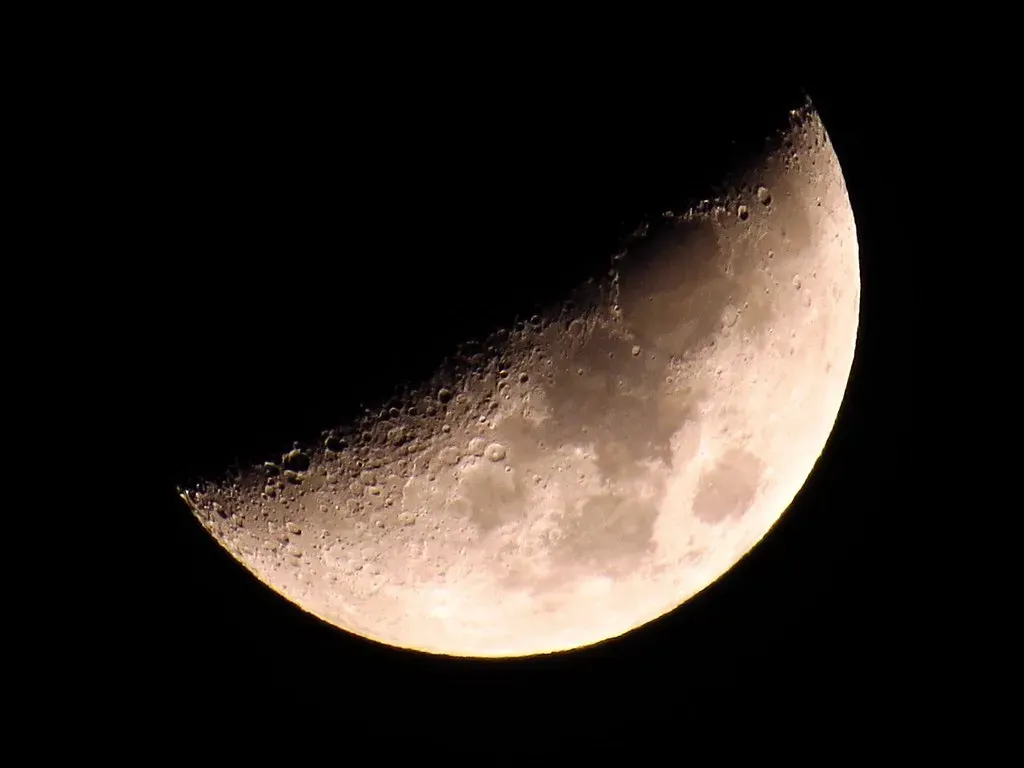
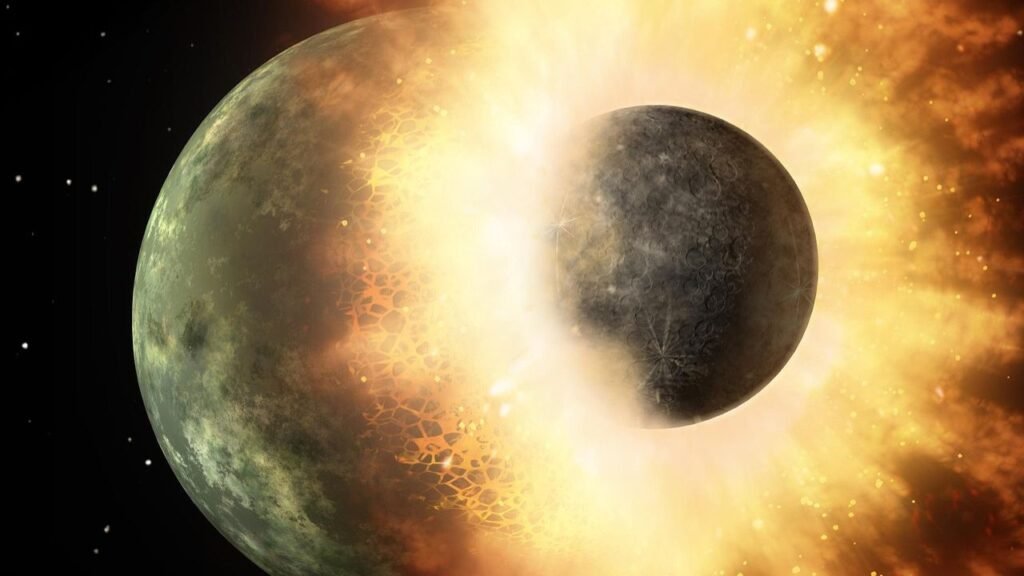
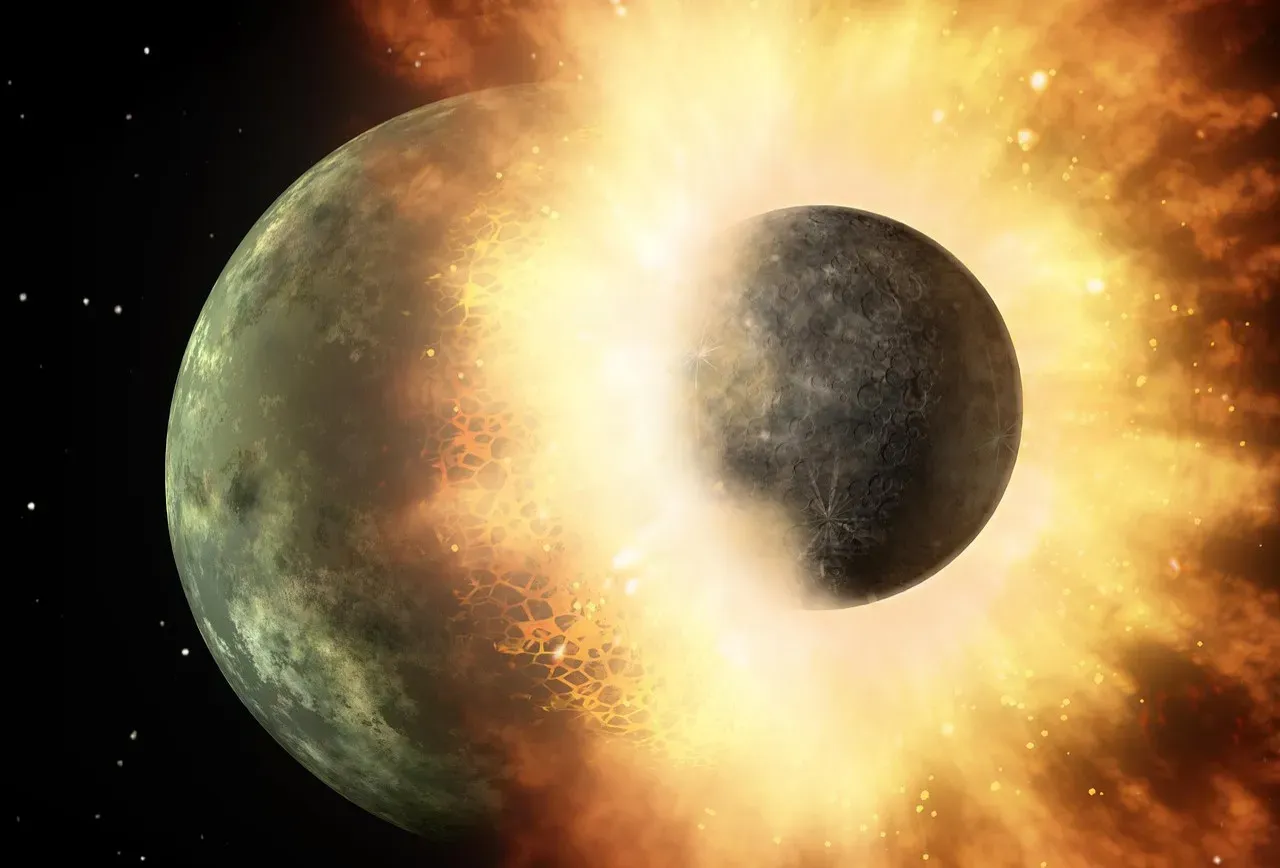
Picture early Earth: still forming, still molten, and slammed by a Mars‑sized body scientists call Theia. That titanic collision, roughly about four and a half billion years ago, hurled debris into orbit that eventually clumped together to form the Moon. It was a violent, almost unimaginable event, but without it, Earth would be a very different – and probably much less habitable – world.
The new Moon acted like a cosmic stabilizer bar, dramatically steadying Earth’s tilt. Without that stabilizing pull, our planet’s axis could wobble wildly over time, swinging climates from extreme heat to harsh ice in geologically short bursts. The Moon also generated stronger tides in Earth’s early history, sloshing ocean water back and forth over shorelines and tidal pools. Many scientists think those tidal zones, constantly mixing chemicals and concentrating organic molecules, were key playgrounds for early life to form and experiment.
Asteroid Impacts and the Dinosaur-Killing Chicxulub Event
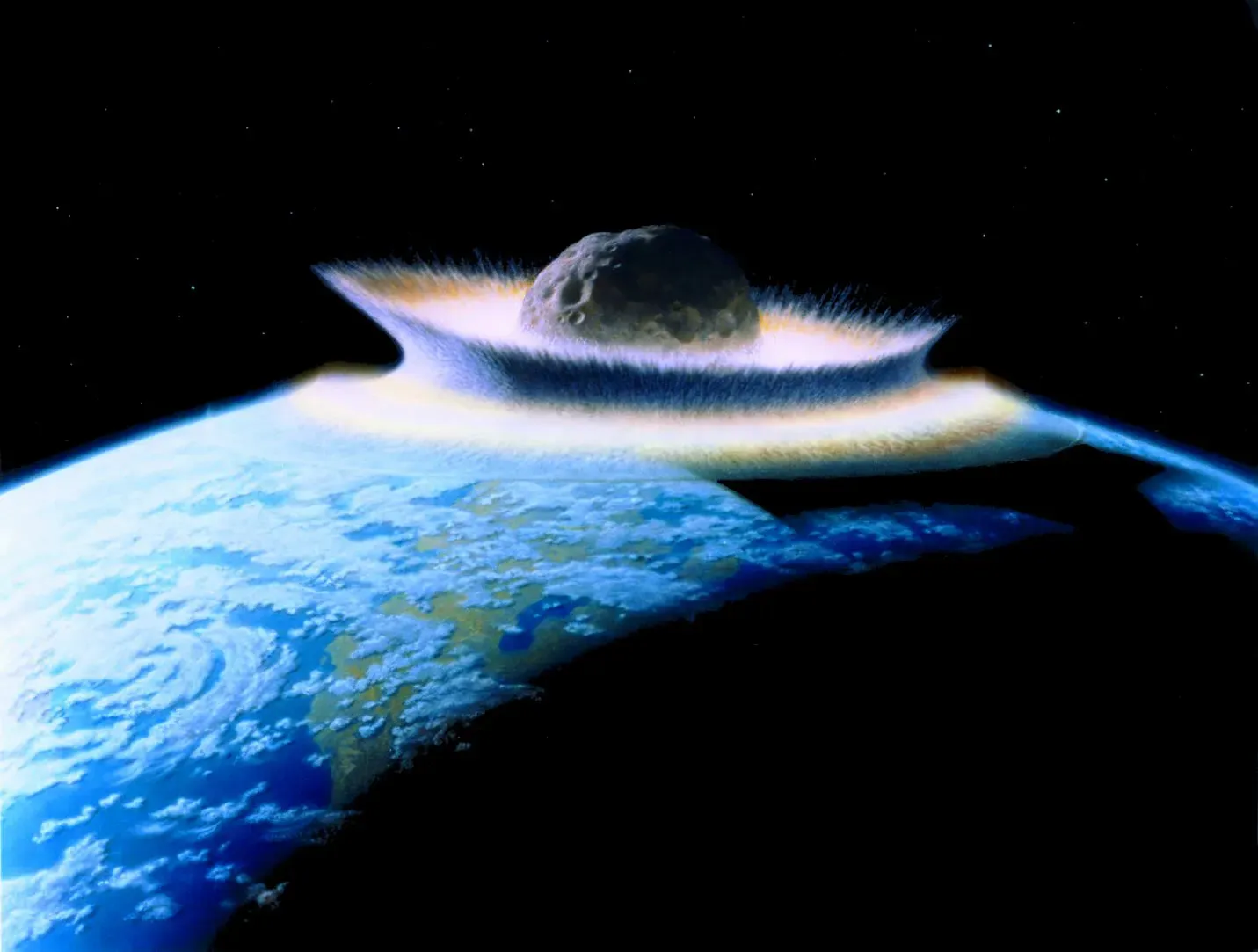
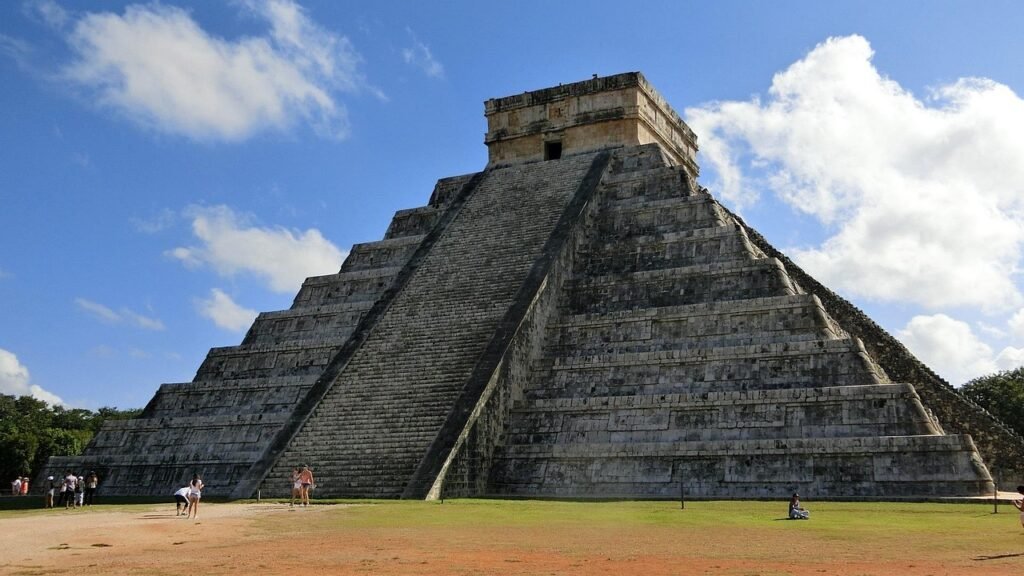
About sixty-six million years ago, a city‑sized asteroid slammed into what’s now the Yucatán Peninsula, carving out the Chicxulub crater and ending the age of non-avian dinosaurs almost overnight. That impact kicked up massive amounts of dust, sulfur, and debris into the atmosphere, blocking sunlight and triggering a dramatic global cooling sometimes called an “impact winter.” Ecosystems collapsed – forests burned, food chains snapped, and roughly about three quarters of all species vanished.
Yet that catastrophe also cleared the stage for mammals, which until then had mostly lived in the ecological shadows. With giant reptiles gone, new niches opened: in the trees, underground, in the oceans, and ultimately in the space for big, intelligent, social animals. Our own lineage, those small mammal ancestors, suddenly had evolutionary room to grow and diversify. It’s uncomfortable but honest to say that without one deadly rock from space, humans probably never would have appeared to ask what killed the dinosaurs in the first place.
Solar Flares, Space Weather, and Earth’s Protective Magnetic Shield
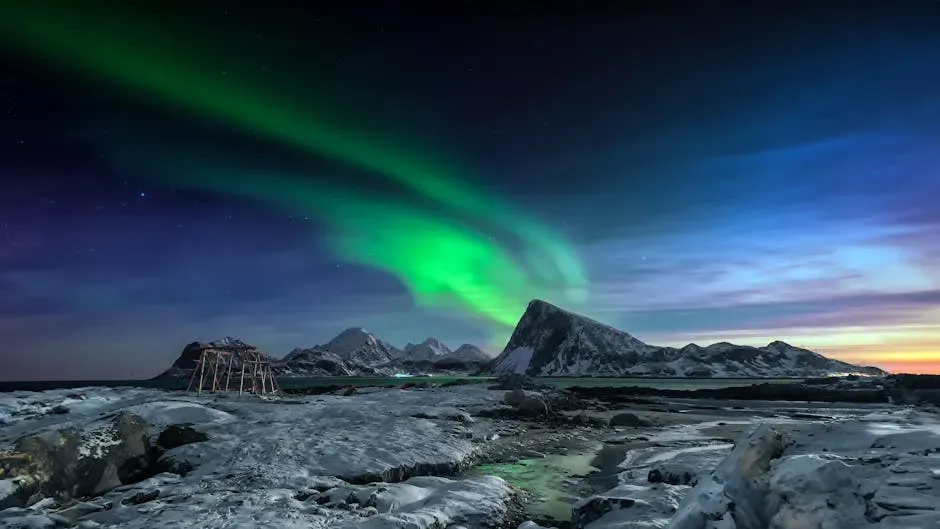
The Sun doesn’t just gently shine; it flares, spits, and storms. Solar flares and coronal mass ejections hurl charged particles toward Earth, and our planet’s magnetic field usually deflects them like a giant invisible shield. When those particles crash into the upper atmosphere near the poles, we get auroras – gorgeous, shimmering curtains of light that are really just space weather painting the sky. But the same process could be deadly for life without protection.
If Earth had a weak or nonexistent magnetic field, solar eruptions could strip our atmosphere over time, blasting away the gases that keep our planet warm and breathable. Mars is a sobering example: its lost global magnetic field is thought to have left its atmosphere exposed and slowly eroded. For life on Earth, that shield meant stability – oceans that didn’t boil away, air that didn’t vanish, and a surface where fragile molecules could survive. In a strange twist, the Sun both threatens us and, through Earth’s magnetic defense, helped shape an environment where life could safely grow more complex.
Supernovae and Cosmic Rays Tweaking Earth’s Atmosphere
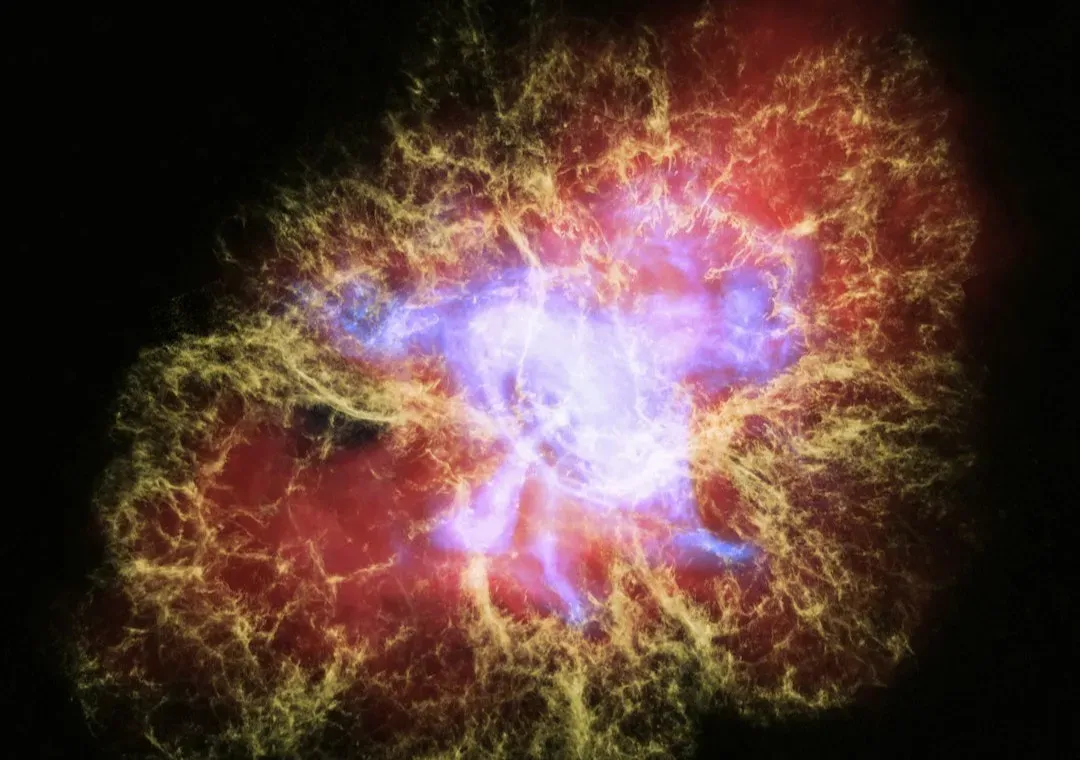
Far beyond our solar system, massive stars live fast and die violently as supernovae, blasting out cosmic rays – high‑energy particles that can drift through the galaxy and occasionally smack into Earth’s atmosphere. There’s evidence that, at various times in our planet’s history, relatively nearby supernovae increased the amount of cosmic radiation reaching us. Those particles can trigger chemical reactions in the upper atmosphere, such as breaking apart nitrogen and oxygen molecules.
Some researchers think that spikes in cosmic rays may have subtly influenced cloud formation and climate over long timescales, or even contributed to ozone layer thinning during specific events. Changes in ozone affect how much ultraviolet radiation reaches Earth’s surface, which can stress ecosystems or drive evolutionary change by increasing mutation rates. While the details are still being studied and debated, it’s plausible that distant exploding stars nudged Earth’s environment just enough, at key moments, to shift evolutionary paths in ways we’re only now starting to notice.
Milankovitch Cycles and the Rhythm of Ice Ages

Earth’s orbit isn’t a perfectly stable track; it gently stretches, tilts, and wobbles over tens of thousands of years. These slow changes, known as Milankovitch cycles, alter how sunlight is distributed across the planet’s surface and seasons. Sometimes the Northern Hemisphere gets slightly warmer summers; at other times, summers are milder and winters harsher. Over long stretches of time, these subtle shifts can tip the balance between growing ice sheets and melting them.
Those orbital rhythms are closely tied to the coming and going of ice ages during the past couple million years. Expanding ice sheets reshaped landscapes, carved valleys, and forced plants and animals to migrate, adapt, or die out. For early humans and our relatives, ice age cycles were both brutal challenge and evolutionary accelerator. Changing environments pushed our ancestors to develop new tools, flexible diets, and social cooperation. In a real sense, the geometry of Earth’s path around the Sun helped sculpt human resilience and creativity.
Gamma-Ray Bursts and the Shadow of Rare Cosmic Catastrophes
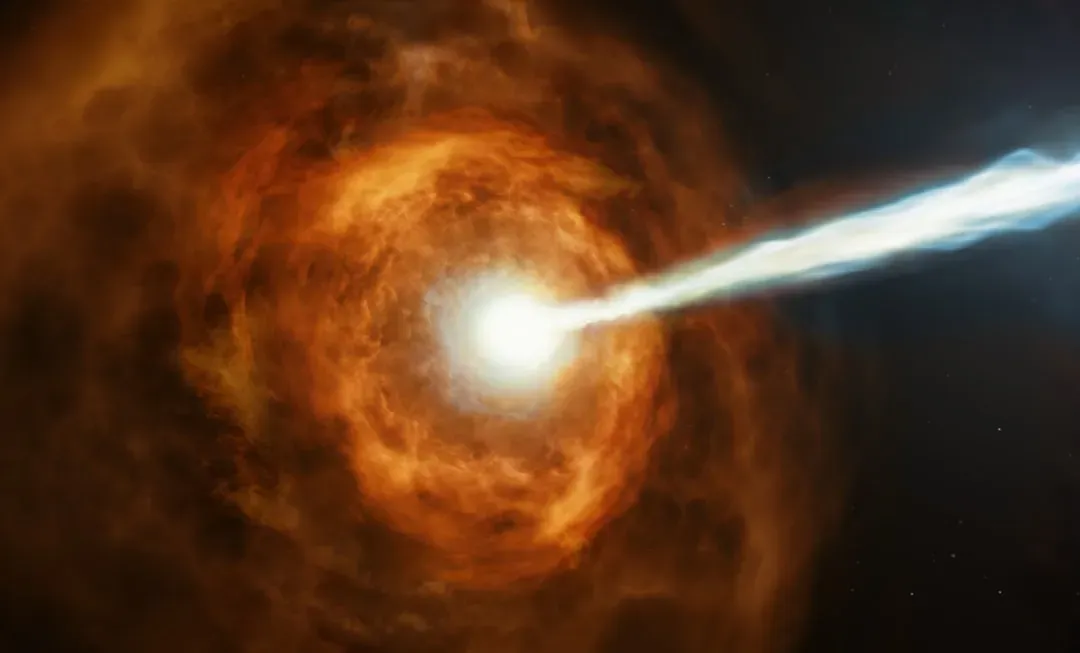
Gamma‑ray bursts are among the most powerful known explosions in the universe, releasing in seconds more energy than many stars emit in their entire lifetimes. Most thankfully happen in distant galaxies, far from our neighborhood. But theoretical work has suggested that if a gamma‑ray burst happened close enough and aimed its beam at Earth, it could strip away large portions of the ozone layer and flood the surface with harmful ultraviolet radiation. That kind of event could trigger severe ecological damage and mass extinctions.
There are hypotheses that past extinction events on Earth might have been influenced or worsened by intense bursts of cosmic radiation, though the evidence is still incomplete and under active research. Even if no such burst has significantly hit us, the possibility itself highlights how fragile life can be against certain kinds of cosmic violence. At the same time, the apparent rarity of these nearby events is almost like a cosmic stroke of luck. Life on Earth got the space and time to become complex partly because the worst kinds of universal disasters seem to have missed us – at least so far.
The Faint Young Sun and the Surprising Stability of Early Life
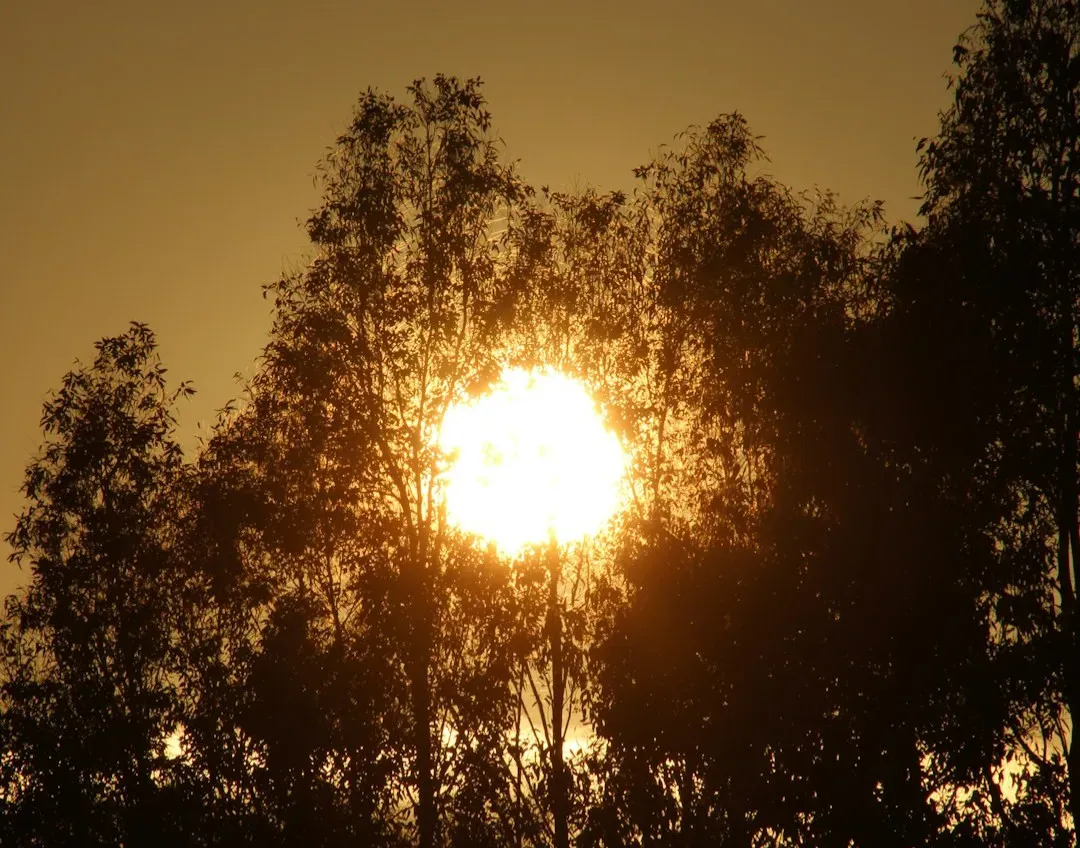
When Earth was young, the Sun was significantly dimmer – by some estimates, roughly about one third less luminous than it is today. Simple physics suggests that should have left our planet frozen solid, yet geological evidence shows liquid water and early life thriving billions of years ago. This puzzle, sometimes called the faint young Sun paradox, points to a crucial role for atmospheric greenhouse gases like carbon dioxide and methane in keeping the planet warm enough for life.
Volcanoes, chemical reactions in the oceans, and perhaps even early microbes themselves helped maintain a thick, heat‑trapping atmosphere that compensated for the weaker sunlight. As the Sun slowly brightened over time, Earth’s climate system – rock weathering, carbon cycling, evolving life – adjusted to avoid runaway heating or permanent freezing. It’s as if the planet and its star were locked in a long, risky dance, with life surviving only because the steps kept matching up just closely enough. That finely tuned balance between a changing Sun and a responsive Earth set the stage for everything from ancient stromatolites to modern forests.
A Fragile Story Written in Starlight
Looking back across billions of years, it’s hard not to see life on Earth as the outcome of a long series of cosmic close calls. A giant impact that could have destroyed the planet instead gave us the Moon and stable tides. Asteroids wiped out dominant species but opened doors for others, including us. Subtle orbital wobbles, distant stellar explosions, and a slowly brightening Sun all nudged climate and chemistry in ways that forced life to adapt or vanish.
What stands out is how often disaster and creation are tangled together. The universe never promised Earth safety; it offered constant change, and somehow life turned that instability into opportunity. Realizing how much our existence depends on magnetic fields, orbital quirks, and random rocks from space can feel unsettling, but it’s also strangely grounding. If our story is written in starlight, maybe the real question is this: knowing how precarious our luck has been so far, what do we choose to do with the time it’s given us?