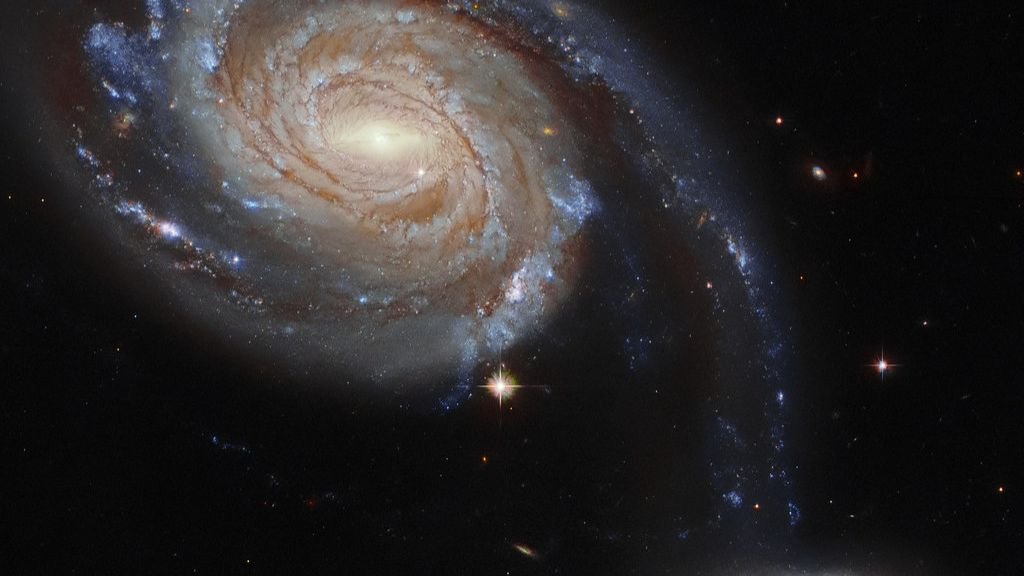

Imagine waking up one day and discovering that the universe isn’t just expanding, it’s actually speeding up as it stretches. That’s not science fiction or some wild late-night thought experiment – that’s our reality. The cosmos is literally being pushed apart faster and faster by something we can’t see, can’t touch, and don’t fully understand.
We call this something dark energy, and it’s one of the most unsettling ideas modern physics has ever stumbled into. It quietly dominates the universe, shaping its destiny, yet we only noticed it a few decades ago. The more scientists study it, the stranger it gets. Let’s unpack what we really know, what we only suspect, and why dark energy might be the biggest cosmic mystery of our time.
The Shocking Discovery That the Universe Is Speeding Up
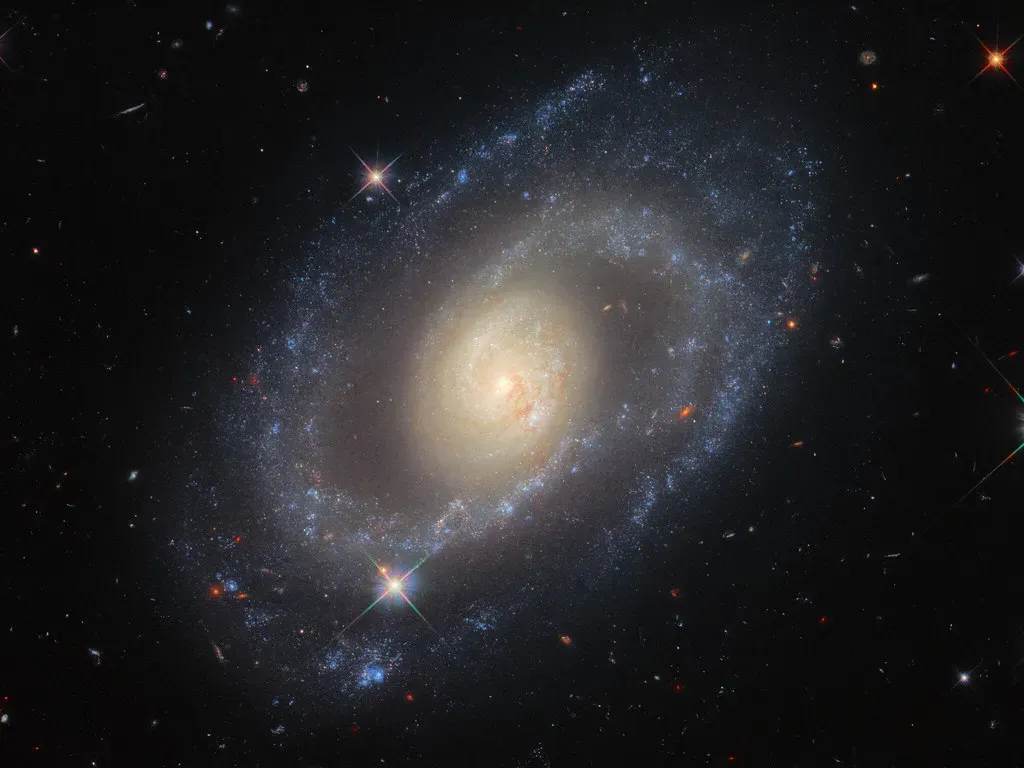
It’s hard to overstate how shocking the discovery of dark energy really was. For most of the twentieth century, researchers expected the universe’s expansion to be slowing down, tugged back by gravity from all the matter it contains. In the late 1990s, two teams studying distant exploding stars – type Ia supernovae – set out to measure how much that slowdown was happening.
Instead, they found the opposite: the expansion of the universe is accelerating. Those supernovae were fainter than expected, meaning they were farther away than earlier models predicted. The only way to make sense of that was to accept that, on the largest scales, some kind of repulsive effect is overpowering gravity. That invisible, anti-gravity-like influence got a name that sounds like something out of a sci-fi show: dark energy.
What Dark Energy Actually Is – And What It Is Not
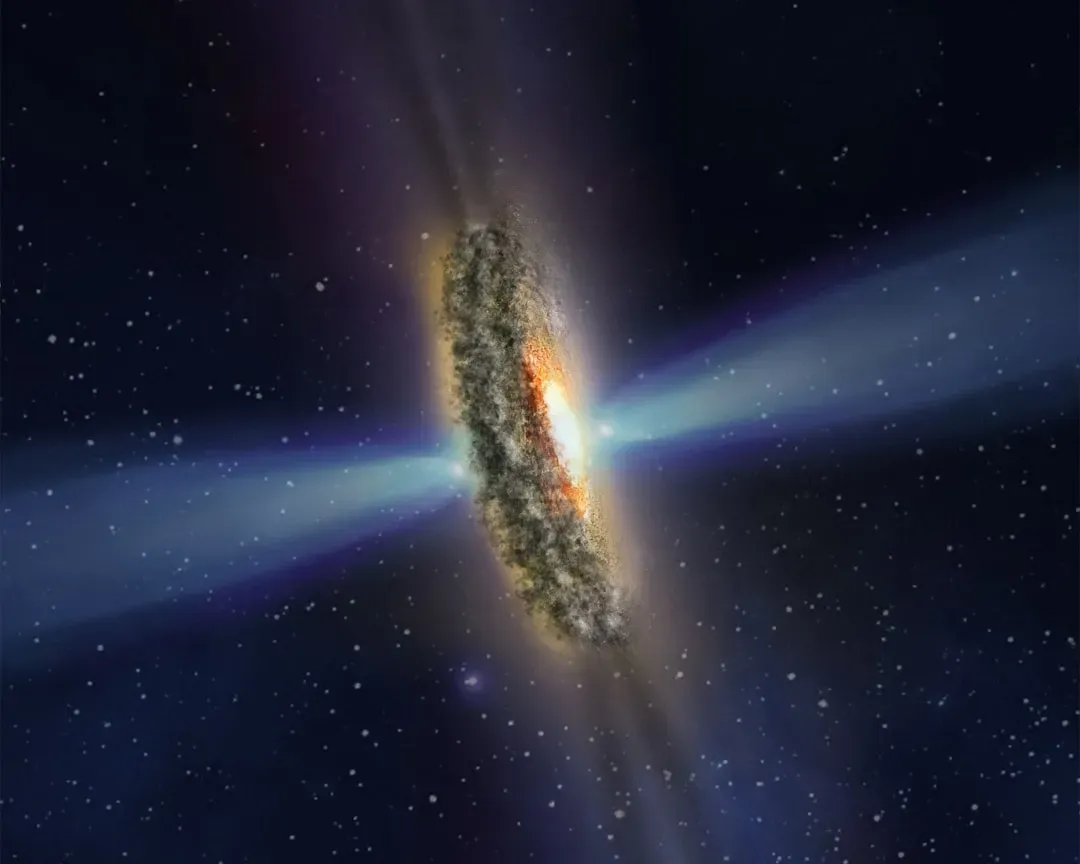
Despite the dramatic name, dark energy isn’t a mysterious fluid sloshing around in space, and it’s not the same as dark matter. Dark matter pulls things together with gravity; dark energy does the opposite, pushing space itself apart. The “dark” just means we don’t see it directly with telescopes, not that it’s evil or ominous.
Right now, the leading idea is that dark energy might be a property of space itself – a kind of built-in energy of the vacuum that doesn’t go away as the universe grows. In technical language, this is tied to what’s called the cosmological constant, an extra term in Einstein’s equations that behaves like a uniform pressure. But here’s the weird twist: when physicists try to calculate how big that energy should be from quantum theory, they get a result that’s wildly, absurdly too large compared with what we actually observe.
How Much of the Universe Is Dark Energy?
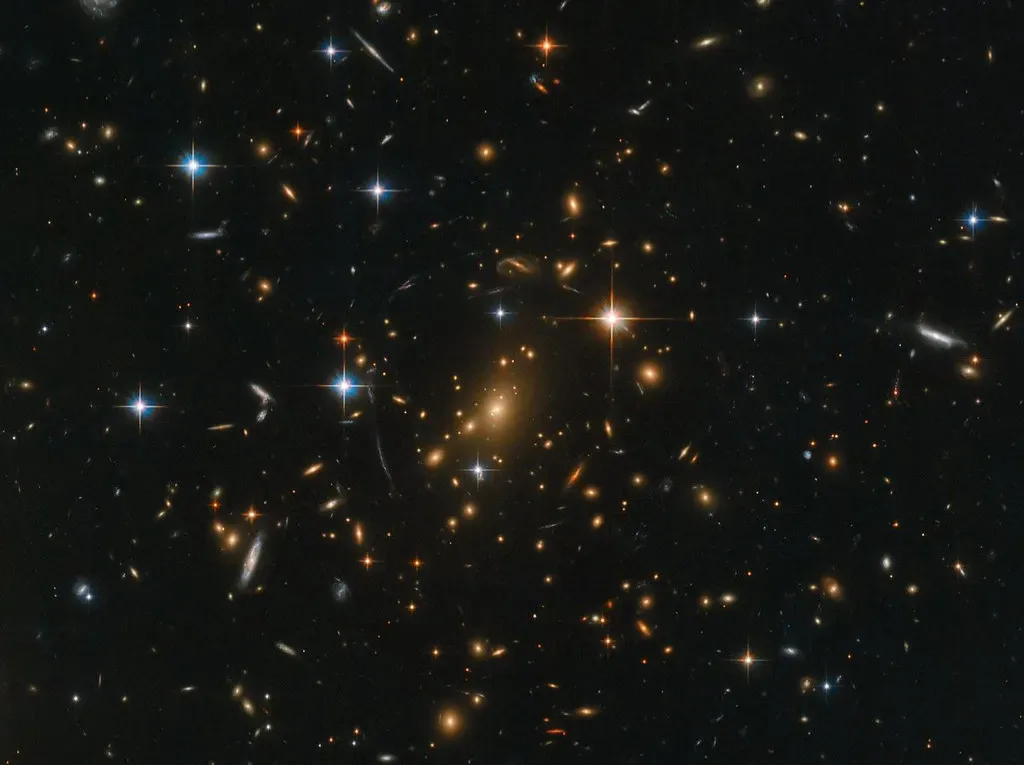
If you look around your room, everything you can see – your phone, your hands, the air, the stars you know are out there – feels like it should be most of reality. Cosmology says otherwise. Observations from projects like the Planck satellite and large galaxy surveys suggest that ordinary matter, the stuff made of atoms, is only a tiny fraction of the total energy content of the universe.
Dark matter makes up several times more than ordinary matter, but dark energy is the heavyweight champion by far. The best current estimates show that dark energy accounts for roughly about two thirds of everything in the cosmos. That means most of what determines the fate and structure of the universe is something we’ve never touched, never produced in a lab, and only infer from its large-scale effects on how space expands.
The Cosmological Constant: Einstein’s “Blunder” That Wasn’t
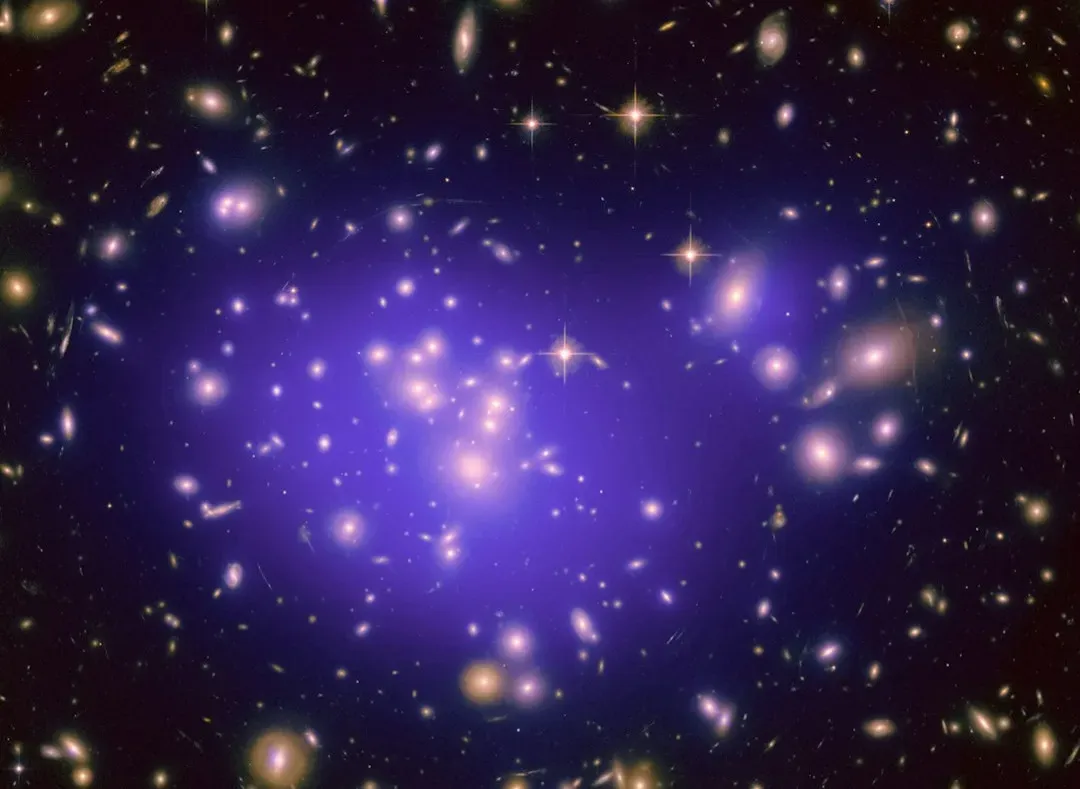
Long before anyone talked about dark energy, Einstein added an extra term to his equations of general relativity to allow for a static universe, since that was the common belief at the time. He introduced the cosmological constant as a kind of built-in push that could balance gravity’s pull. When evidence for an expanding universe appeared in the early twentieth century, that extra term looked unnecessary, and Einstein reportedly regretted it.
Decades later, that once-abandoned cosmological constant came roaring back as a natural way to describe dark energy. In modern cosmology, a simple, constant dark energy term fits observational data remarkably well. The strange part is that particle physics suggests vacuum energy should be enormous, yet the observed cosmological constant is tiny but not zero. This huge mismatch is one of the biggest unsolved problems in theoretical physics and makes the whole thing feel like a cosmic joke with the punchline missing.
Could Dark Energy Change Over Time?
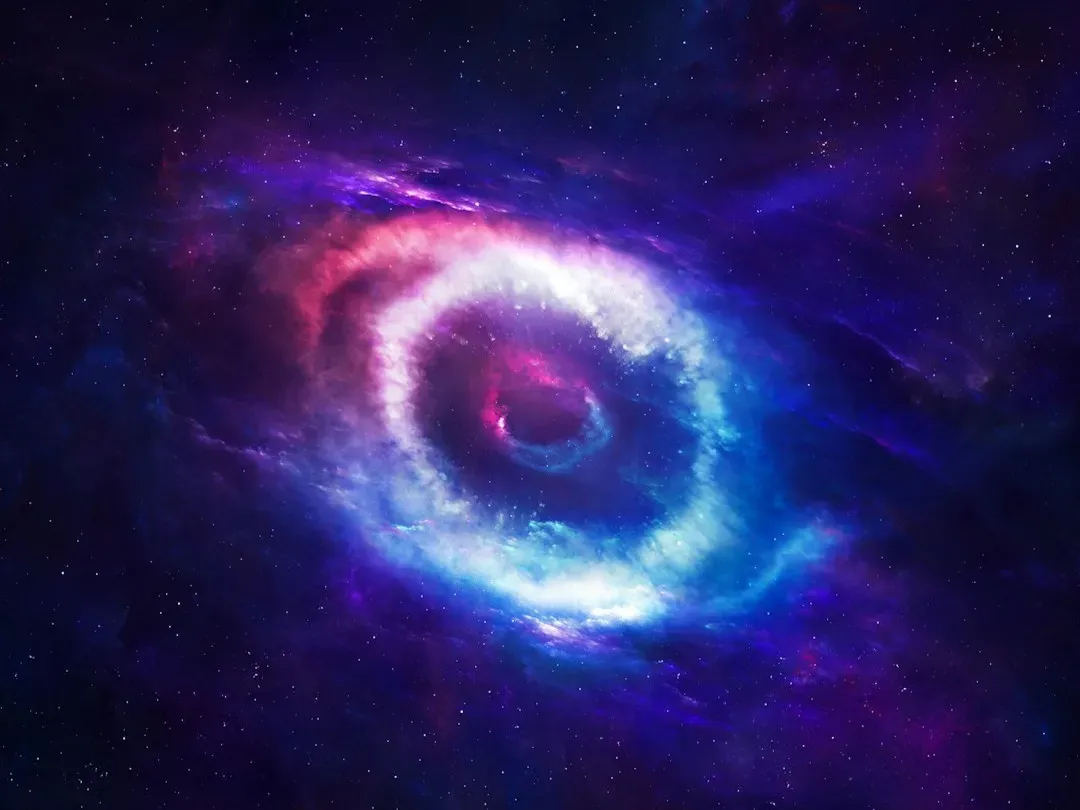
Not everyone is convinced that dark energy is perfectly constant. Some ideas propose that it might slowly evolve as the universe ages, acting more like a field that changes its intensity over cosmic time. These models, often grouped under the label “dynamic dark energy,” try to explain the acceleration without relying solely on a fixed vacuum energy.
If dark energy is changing, that could subtly alter how galaxies clump together, how structures grow, and how fast the expansion has proceeded at different eras. Researchers are now probing this by comparing detailed maps of galaxy positions, the cosmic microwave background, and gravitational lensing signals. So far, the simplest constant explanation still works extremely well, but the door isn’t fully closed on more exotic, time-varying possibilities.
How We Study Something We Can’t See
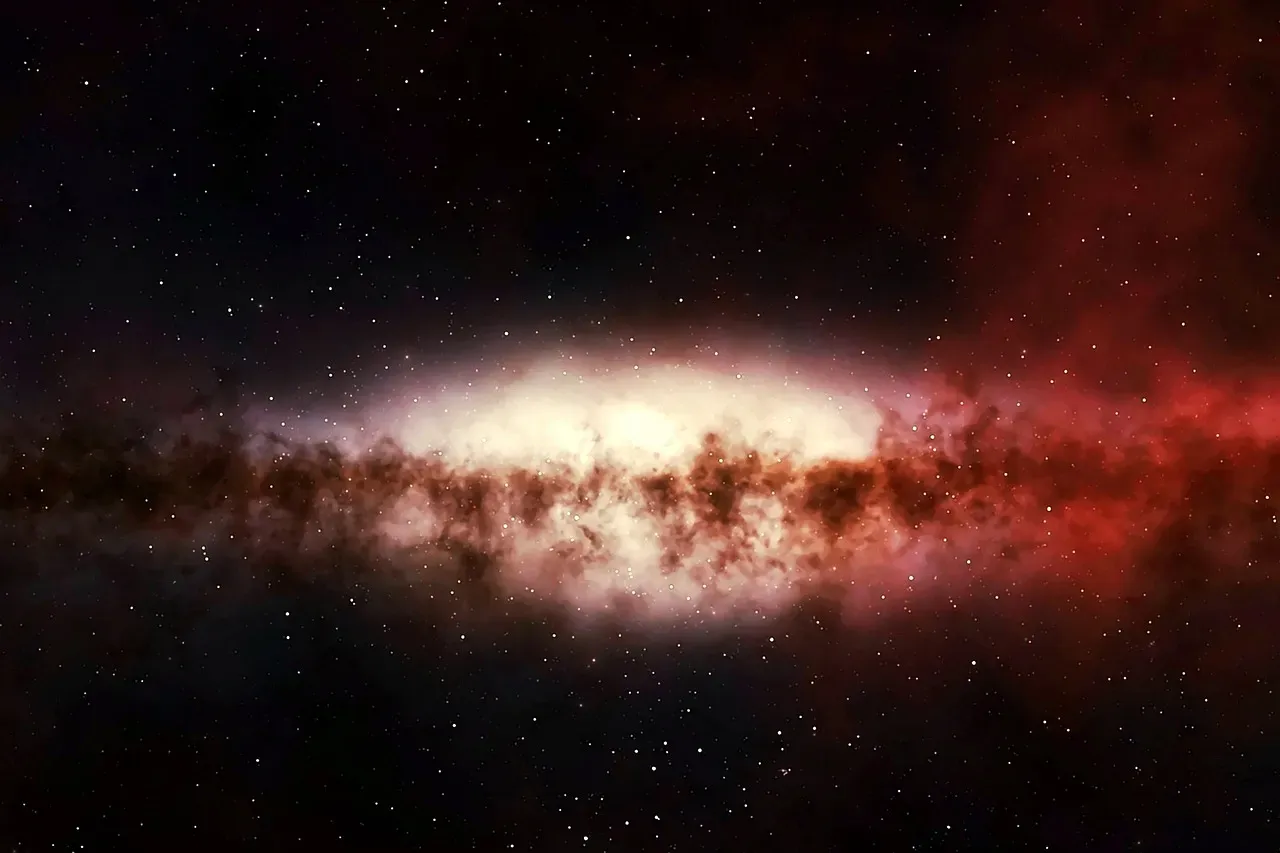
Studying dark energy is a bit like trying to understand wind by only watching waves on the ocean. You never see the wind directly, but you see what it does. Astronomers look at how quickly galaxies move apart, how clusters of galaxies grow, and how light gets bent by mass along its path. All these effects carry a kind of fingerprint of how dark energy behaves.
Massive surveys such as the Dark Energy Survey, the Euclid mission from Europe, and NASA’s Nancy Grace Roman Space Telescope are designed to collect huge amounts of data on galaxies, supernovae, and the large-scale structure of the universe. By comparing different methods – like supernova distances, baryon acoustic oscillations, and weak gravitational lensing – scientists cross-check whether our picture hangs together. The hope is that tiny inconsistencies might hint at new physics hiding underneath the smooth surface of current models.
Is Dark Energy a Sign That Gravity Is Incomplete?
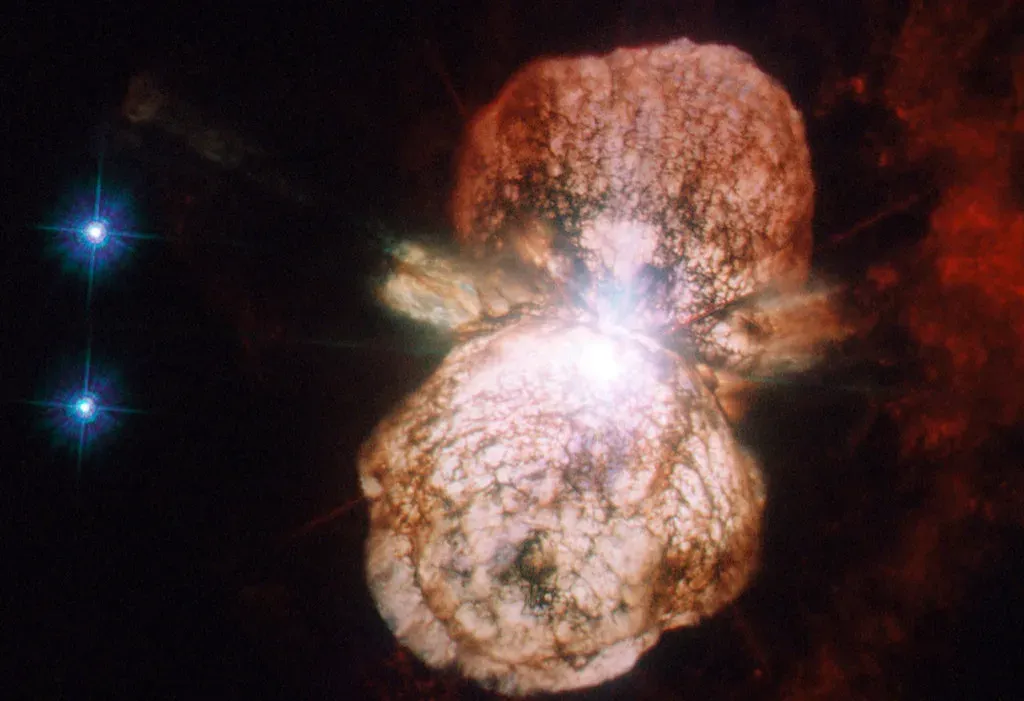
There’s a more radical possibility lurking in the background: maybe dark energy isn’t a new substance at all, but a sign that our theory of gravity breaks down on cosmic scales. General relativity has passed every test in the solar system and around black holes, but those are small arenas compared with the entire observable universe. Some researchers suspect that the equations we use might need to be tweaked when we zoom out far enough.
These “modified gravity” ideas try to explain accelerating expansion without invoking a mysterious energy filling all of space. They adjust how gravity works over large distances, sometimes by adding extra fields or extra dimensions. The challenge is to build a theory that both reproduces general relativity where it has already been tested and also accounts for the cosmic acceleration. So far, none of these alternatives has clearly beaten the dark energy explanation, but they keep the debate very much alive.
The Future of the Universe Under Dark Energy
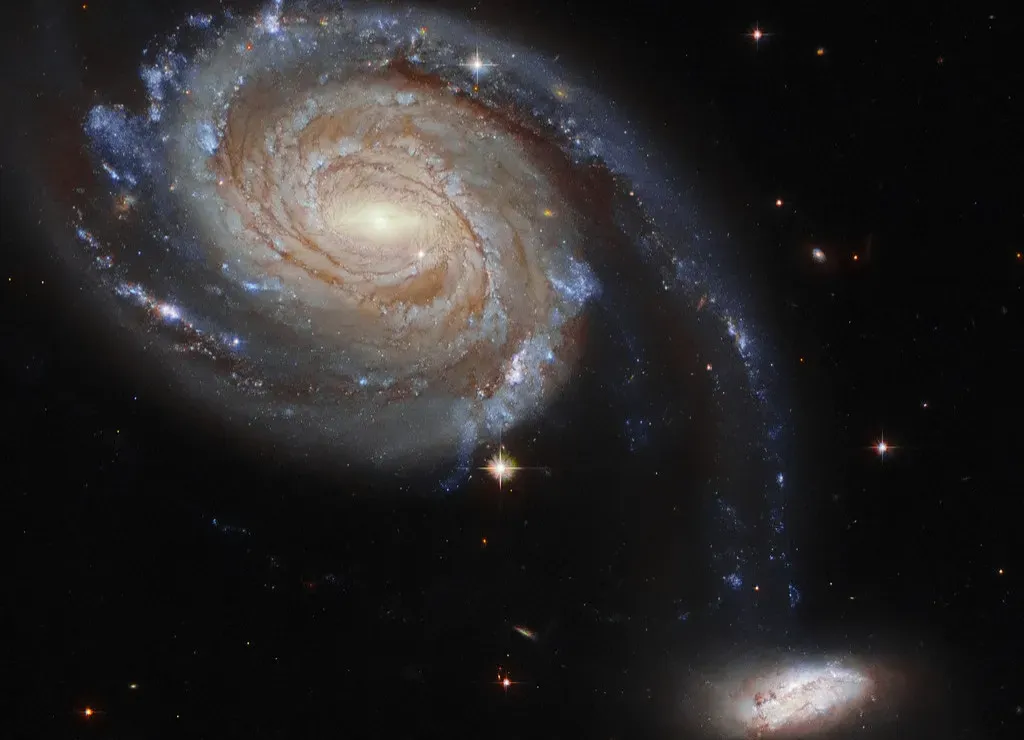
If dark energy stays roughly as it is now, it will quietly shape the ultimate fate of everything. As the universe expands faster, distant galaxies will slip beyond our observable horizon, fading from view forever. In the far future, the night sky would grow emptier as the local group of galaxies becomes increasingly isolated in a cold, dark cosmic sea.
Some extreme theories predict even wilder endings, like a “Big Rip” where the acceleration increases so much that it eventually tears apart galaxies, stars, and even atoms. Current data doesn’t strongly support that dramatic scenario, but it also doesn’t absolutely rule it out. Either way, dark energy has already taken control of the universe’s long-term story. The strange force we barely understand is quietly writing the last chapters of cosmic history.