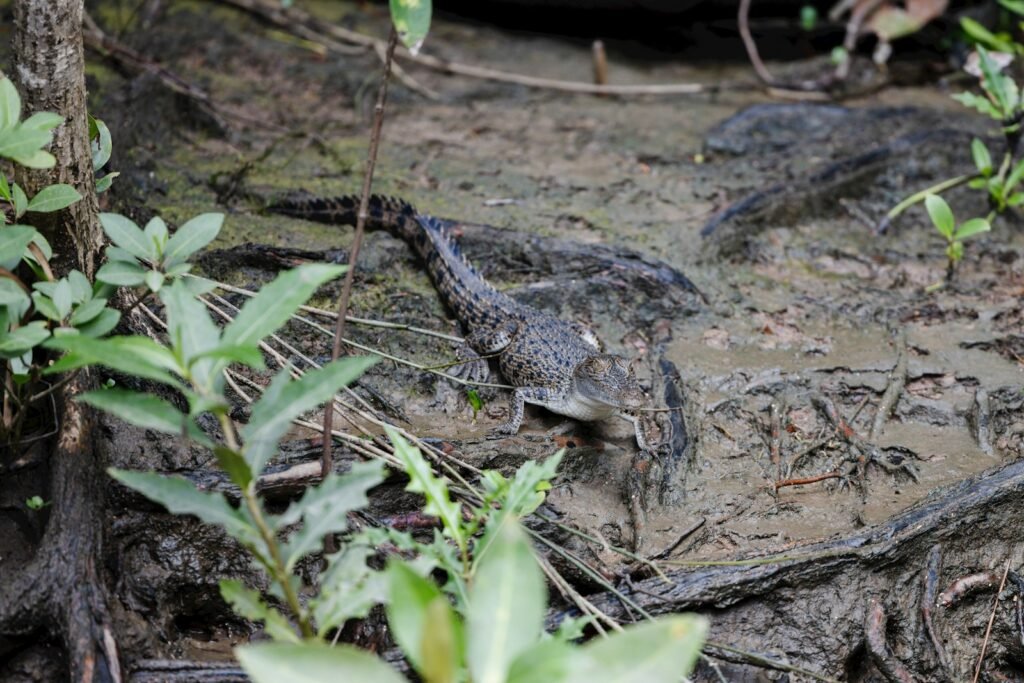
You probably think of yourself as pretty well equipped to navigate the world. You have five senses, a smartphone, and GPS. Yet somewhere on the African savanna, an elephant is picking up a message from a herd twenty miles away – through its feet. No app required.
The natural world is genuinely humbling when you look closely enough. While we rely on sight, smell, taste, touch, and hearing, many creatures have an extra sense that allows them to detect things we can’t even perceive – and scientists call this ability a “sixth sense,” noting that it helps animals navigate, find food, sense danger, and even predict natural disasters. The fascinating part? Even after decades of research, many of these abilities still aren’t fully understood. So let’s dive in.
1. Sharks: The Electric Predators of the Deep
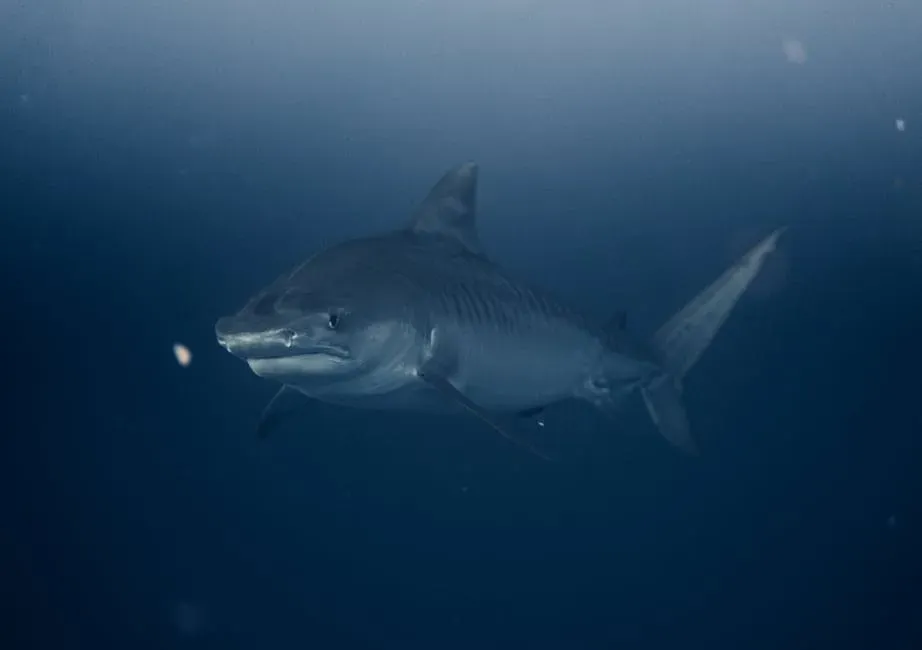
Here’s something that should change the way you think about the ocean. Sharks are finely tuned predators with one of the most sophisticated sensory systems in the animal kingdom – they possess tiny, gel-filled organs called the ampullae of Lorenzini, which allow them to detect the faint electrical signals given off by living creatures, meaning a shark can sense the heartbeat of a fish hiding beneath the sand long before it ever sees or smells it. That’s not a superpower from a comic book. That’s real life.
All plants and animals generate a small electrical field due to the movement of charged particles throughout all cells, and sharks take full advantage of this by using the ampullae of Lorenzini – a special organ that appears as jelly-filled pores all over its head, with the jelly composed of keratan sulfate, the most conductive biological compound, containing numerous nerve fibers. Scientists have observed sharks detecting electrical fields as weak as one-billionth of a volt per centimeter, and understanding how sharks sense electric fields has already led to the development of shark deterrent devices. Still, the precise neurological processing behind this ability continues to baffle researchers.
2. Sea Turtles: Ancient Navigators with a Built-In GPS

Imagine being dropped in the middle of the Pacific Ocean with no tools, no map, no stars visible – and somehow knowing exactly where home is. That is the daily reality of a loggerhead sea turtle. A study from researchers at the University of North Carolina at Chapel Hill provides the first empirical evidence that loggerhead sea turtles can learn and remember the unique magnetic signatures of different geographic regions, offering new insights into how turtles navigate vast distances, with findings also suggesting that sea turtles possess two distinct magnetic senses that function differently to detect Earth’s magnetic field.
Despite their small size, young turtles are not wandering aimlessly – they hatch with the ability to sense magnetic information that acts like an internal compass for direction and a magnetic map that lets them know where they are as they travel. Although some migratory animals can derive directional and positional information from Earth’s magnetic field, the underlying mechanisms of magnetic sensing have remained enigmatic, with one hypothesis proposing that crystals of the mineral magnetite function in magnetoreception. After fifty years of research, scientists still can’t say with certainty exactly how the system works at a molecular level – and that is astonishing.
3. Elephants: Listening to the Earth Through Their Feet
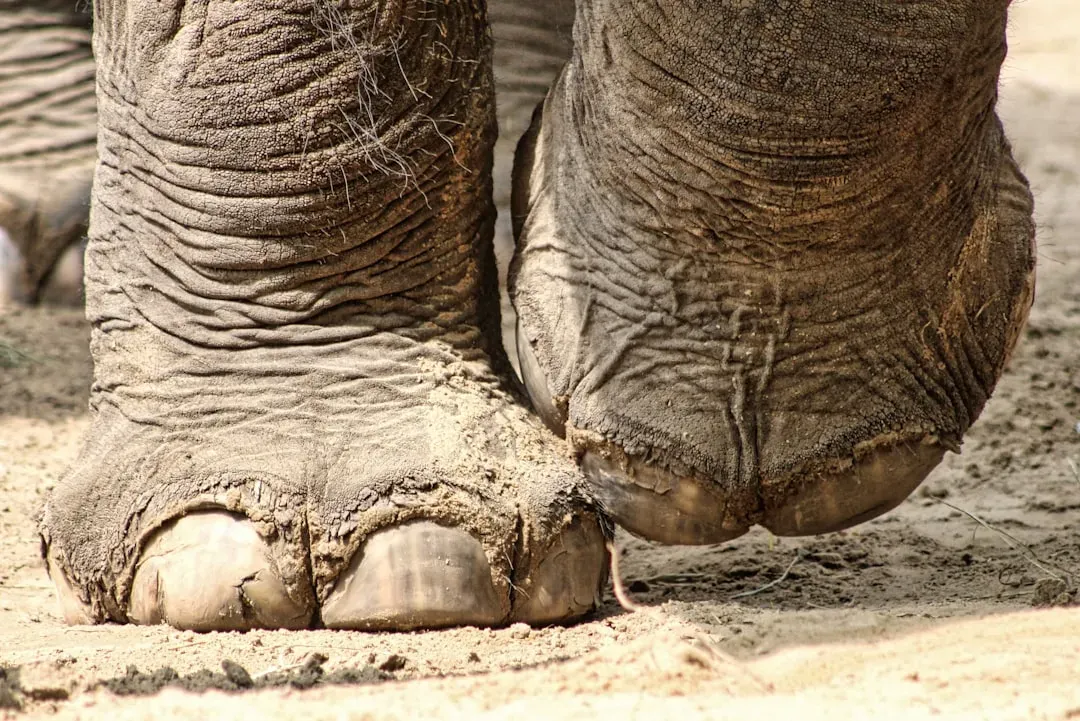
Think about the last time you felt the bass at a loud concert, vibrating through the floor and up into your chest. Now imagine that feeling being a conversation. Research pioneered back in 1997 has shown that African elephants exchange information by emitting low-frequency sounds that travel dozens of miles under the ground on the savanna, with distant elephants “hearing” the signals with their highly sensitive feet. It is the original underground communication network, and it predates the internet by millions of years.
Elephants’ heavy footsteps and low-frequency calls are so powerful that they create seismic waves that travel through the ground and along its surface, meaning elephants have evolved sensitivity to these ground-traversing sound waves partly to communicate with one another across thousands of metres – using an inner ear as well as pressure-sensitive nerve endings in their feet called Pacinian corpuscles. While the full implications of this ability remain mysterious, scientists believe it aids elephants in detecting other herds and valuable resources such as water, and reports even suggest that elephants can sense earthquakes and tsunamis before they occur. Honestly, if that doesn’t leave you speechless, I’m not sure what will.
4. Pit Vipers: Seeing Heat in Complete Darkness
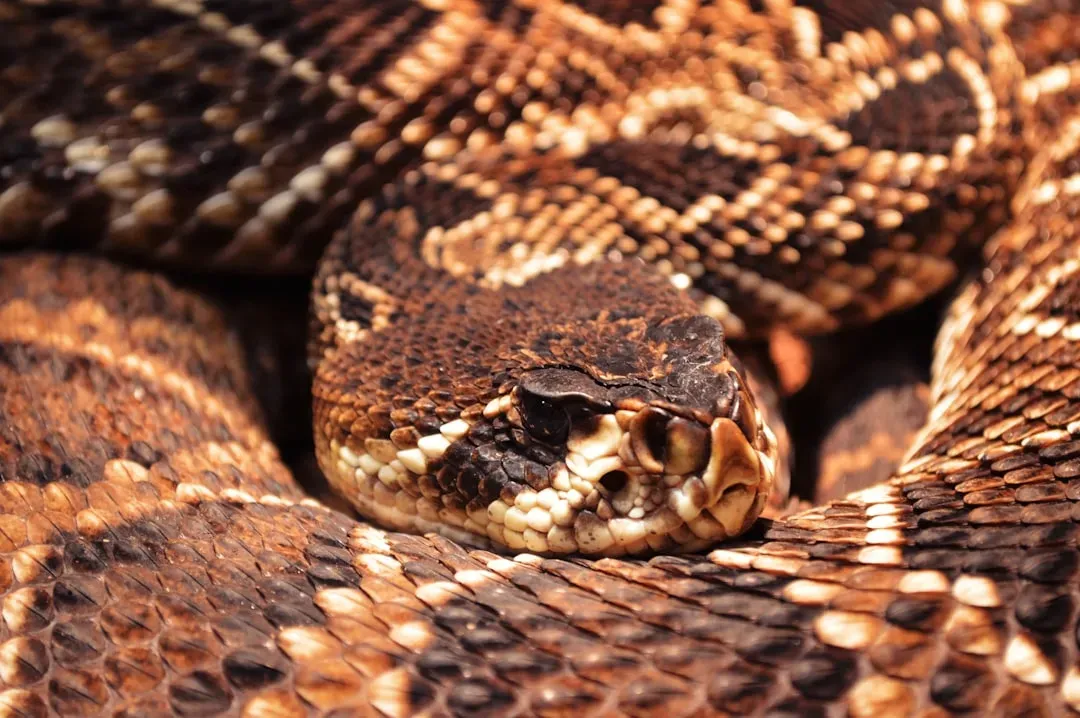
You already know snakes are creepy. But did you know some of them can essentially see your body heat? Pit vipers, like rattlesnakes, have heat-sensing pits between their eyes and nostrils – organs that detect infrared radiation and allow them to see the body heat of warm-blooded prey even in pitch black, giving them a heat map of their surroundings and making their strikes both precise and terrifyingly accurate. It’s like wearing thermal goggles, except the goggles are a part of their skull.
Certain species of snake have holes below their eyes called pit organs that house receptors detecting heat emitted up to a metre away, with this heat mapped over the snake’s visual representation of its surroundings to create a multi-dimensional image allowing it to pinpoint prey at all light levels. The viper uses a sense of touch called thermoception to register the infrared aura radiating from warm-blooded prey, and scientists have recently found that the heat-sensing molecules in the snake’s pit organs are much like ones present in our own skin – though those of the snake are so sensitive they detect the heat of a mouse up to one metre away. What remains puzzling is just how perfectly this thermal map integrates with the snake’s regular vision to create a seamless hunting experience.
5. Mantis Shrimp: The Creature That Sees Colors You Cannot Imagine
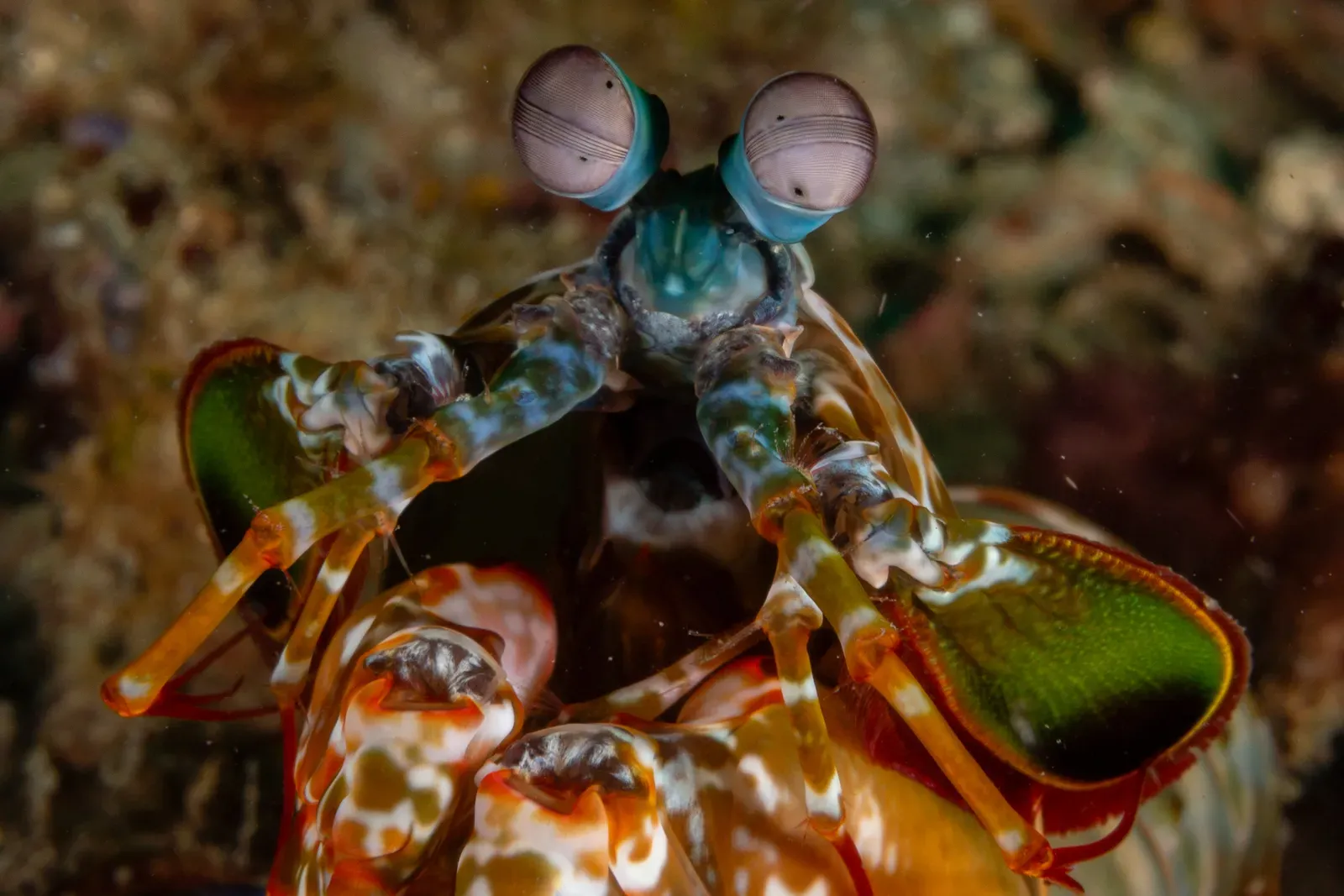
Here’s a fun thought experiment. You have three types of color-detecting cells in your eyes. You think that gives you a pretty good picture of the world. Now consider the mantis shrimp. Your measly three cone cell types are trumped by a tiny creature sporting an incredible fifteen different types of cone cell: the humble shrimp. Fifteen. That’s like going from a standard TV to something that doesn’t even have a name yet.
Mantis shrimp have the most complex eyes in the animal kingdom – they can detect polarized light and a vast range of colors including ultraviolet, and each eye can move independently and process depth with one eye alone. Their vision system is so advanced that scientists still don’t fully understand how it works. This is the part that gets me every time. It’s not just that we can’t see what the mantis shrimp sees – it’s that we can barely even model what its brain does with all that information. It’s hard to say for sure, but some researchers think the mantis shrimp may process color in a fundamentally different way from all other animals, essentially solving a problem that evolution hasn’t tackled the same way twice.
6. The Gecko: A Hidden Sixth Sense That Rewrote Science
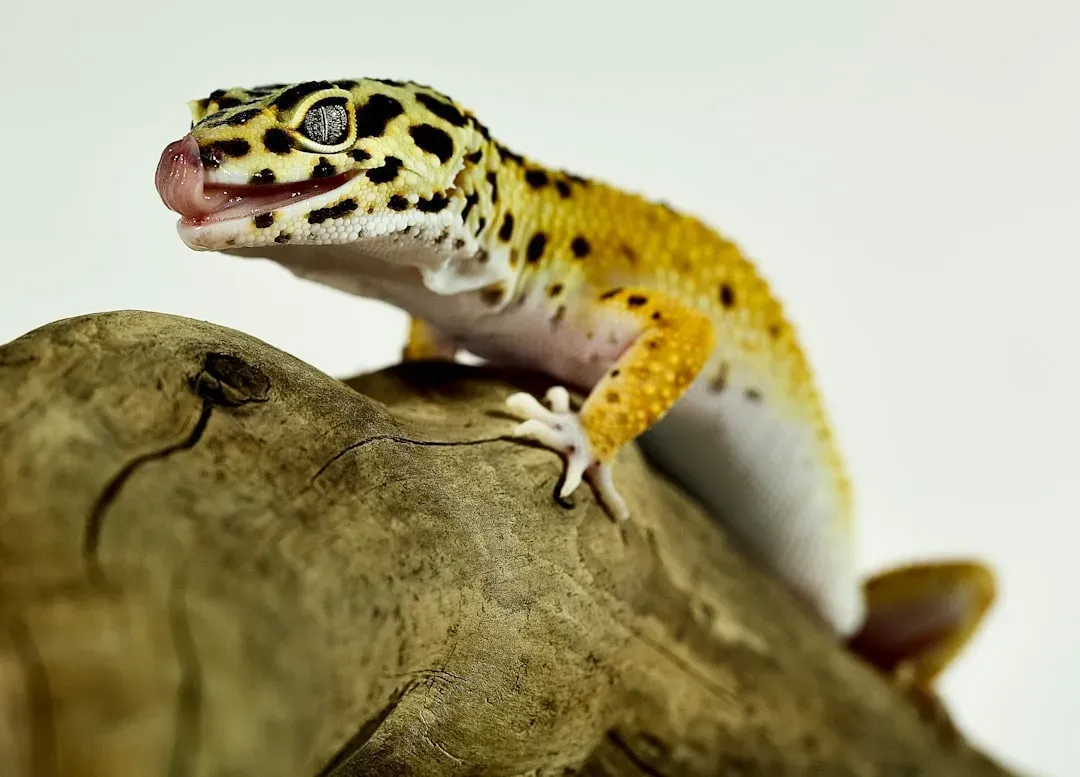
You might not think of geckos as particularly mysterious creatures – they’re small, they climb walls, they have those googly eyes. But a 2025 discovery flipped what scientists thought they knew about reptilian senses completely on its head. University of Maryland biologists discovered that geckos use a part of their inner ear called the saccule to detect low-frequency vibrations, offering a new understanding of reptilian hearing – a finding that may extend to other reptiles and changes how scientists view animal communication, while also hinting at possible connections between hearing and balance in humans.
Two centuries ago, naturalists thought they had reptile hearing figured out, believing that lizards and snakes relied mostly on their senses of sight and smell while their inner ears handled balance and little else – but that tidy picture just got a shake-up, with fresh research finding that a gecko’s balance organ also acts as a sensitive microphone for ground-borne vibrations, giving the animal a stealthy extra sense. That discovery matters because it rewrites part of the evolutionary story of hearing, hinting that an ancient vibration pathway never vanished when vertebrates crawled onto land but merely slipped below the scientific radar. Think about that. A sense that existed for hundreds of millions of years, right under our noses, and we only just found it.
Conclusion: Nature Knows More Than We Do

There’s something quietly humbling about all of this. We live on a planet full of creatures running on sensory software we’ve only just begun to decode. There’s more to the world than meets the eye, nose, skin, ears, and tongue – scientists have discovered a variety of unexpected ways that animals and even people sense the world around them. The more tools we develop to study these abilities, the stranger and more wonderful the picture becomes.
What’s genuinely exciting is that these aren’t just curiosities. Understanding how turtles detect and interpret magnetic fields could help conservationists mitigate disruptions caused by human-made structures, and insights from this research may contribute to the development of novel navigation technologies inspired by nature. From better hearing aids to smarter GPS systems, the animal kingdom may well be pointing the way to technologies we haven’t even dreamed of yet.
We spend so much time assuming our own senses are the standard. These six animals are a loud reminder that we are not. The next time you spot a shark fin, hear elephants calling, or watch a gecko scale a wall, remember – you’re only seeing a fraction of the story. Which of these creatures surprised you the most? Drop your thoughts in the comments.