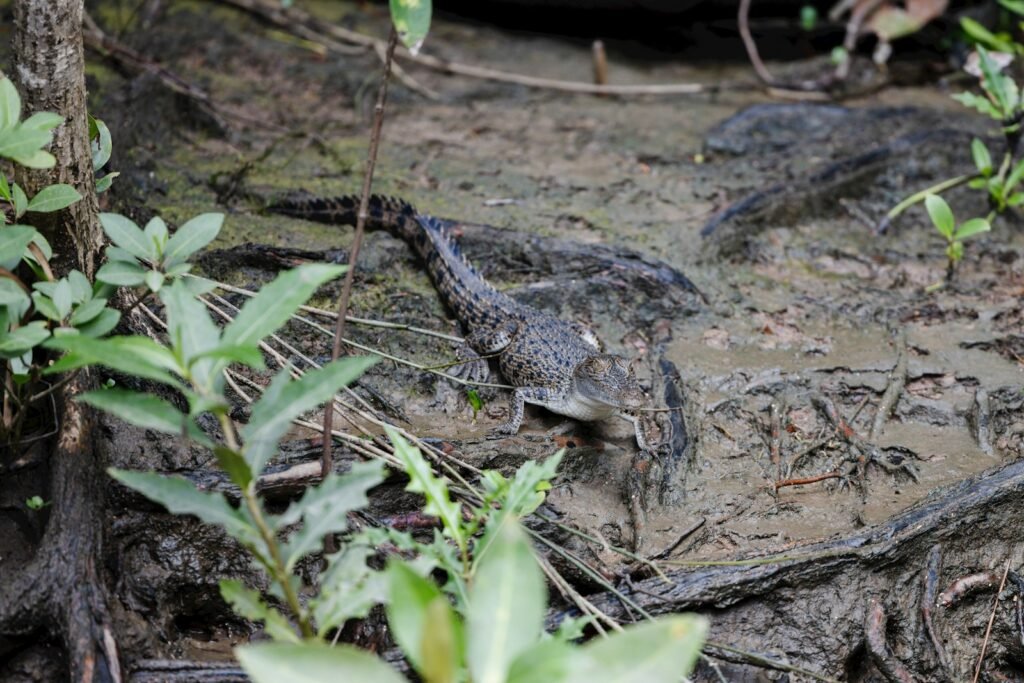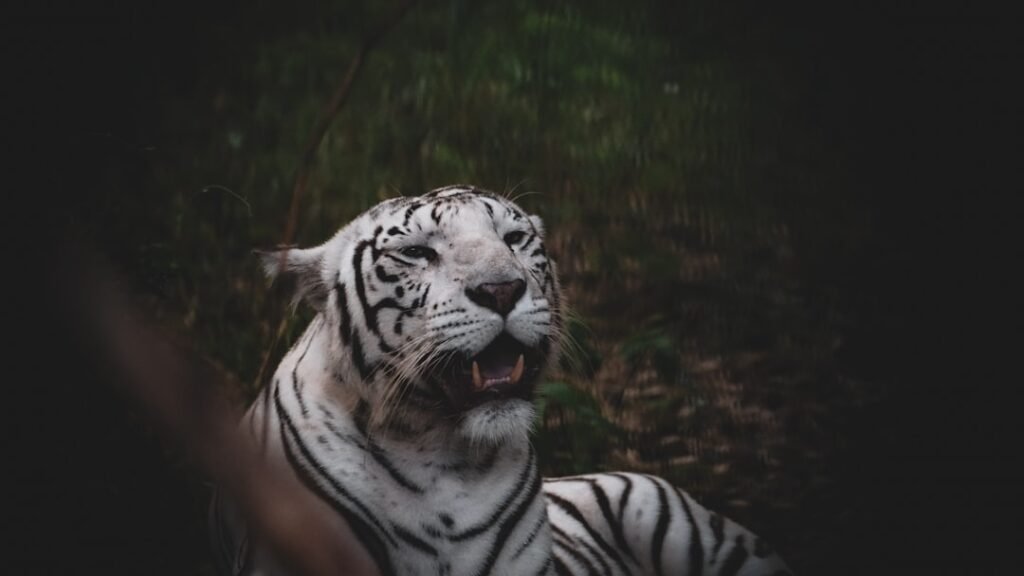
For centuries, humans have placed themselves on a proud, elevated pedestal. We told ourselves that grief, empathy, culture, self-awareness, and planning for the future were ours alone. Uniquely ours. Almost sacred in their exclusivity.
Scientists long argued that only humans have culture, that only humans think symbolically, and that our species alone is self-aware, capable of planning for the future and experiencing emotions such as joy, fear, love, and grief. Turns out, we were wrong. Spectacularly, beautifully wrong.
Humans often think of themselves as unique, with abilities and behaviors far more complex than their distant animal cousins. But in fact, many creatures, from tiny insects to our closest living relatives, exhibit a surprising repertoire of behaviors that can seem eerily human. So let’s dive into seven animals that are quietly dismantling everything we assumed made us special.
1. Elephants: Grief, Rituals, and Memory That Breaks Your Heart
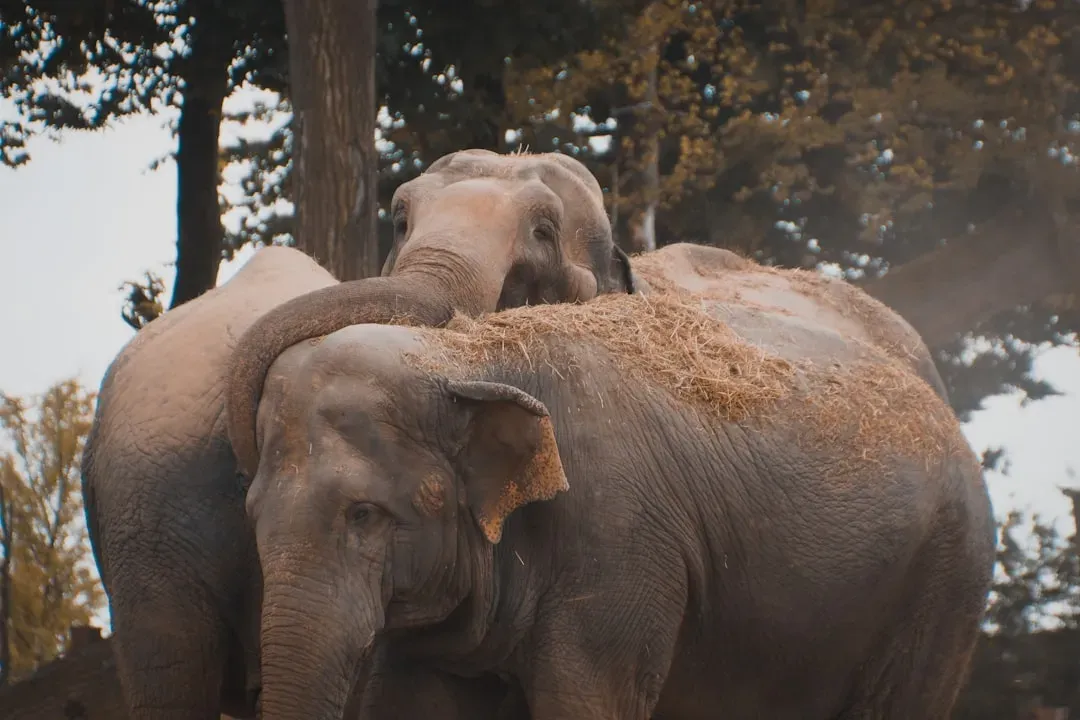
You might think mourning is something only humans do, sitting at a graveside, remembering, crying, returning to visit a tomb years later. Honestly, elephants do something so strikingly similar it can stop you in your tracks. Elephants are one of the most well-known examples of animals that grieve. They will react to the remains of a dead elephant, but they never have any reaction to the remains of other animals. They also sometimes “bury” their dead, covering them with soil and plant matter.
Neurological studies have also revealed that elephants possess specialized spindle neurons in their brains that in humans are associated with empathy, self-awareness, and social understanding, further supporting the notion that their grieving behaviors represent genuine emotional responses. Think about what that means. Their brains are actually wired for empathy in the same way yours is. Elephants display comforting gestures, such as consoling a distressed herd member with gentle trunk touches and soft rumbles, and their mourning rituals for deceased relatives are poignant and mirror our own rituals of grieving and remembrance. It’s hard to say for sure where instinct ends and genuine emotion begins, but science is increasingly pointing toward the latter.
2. Chimpanzees: Personality Traits, Funerals, and Social Intelligence
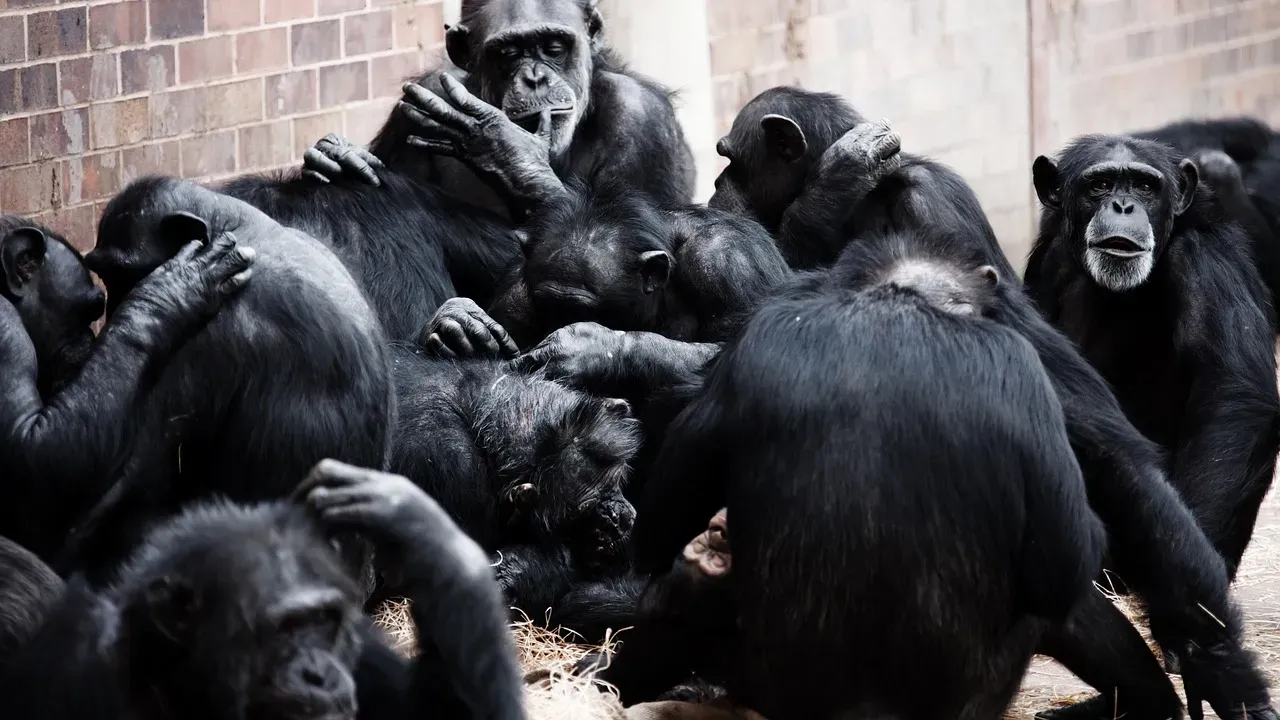
Here’s the thing about chimpanzees. They are not just “smart for animals.” They are genuinely complex, with personalities, social strategies, and emotional lives that would surprise most people. A 2018 study found that chimpanzees not only share the same five major personality traits with humans, including conscientiousness, openness, agreeableness, extraversion, and neuroticism, but that these traits could be linked to lifespan. Scientists found that more agreeable male chimpanzees formed stronger social bonds and tended to live longer.
Chimpanzees have been observed carrying their dead infants for weeks or months, a behavior documented by primatologist Jane Goodall and subsequently recorded in numerous field studies. In 2010, researchers witnessed a group of chimpanzees in Zambia performing what appeared to be a “funeral” for an elderly female. The group gathered around her body in silence, with some individuals grooming her while others stood watch. If you saw that in a film, you’d probably cry. The fact that it happens in the wild, entirely unprompted, is nothing short of remarkable.
3. Dolphins: Names, Self-Awareness, and Long-Term Memory
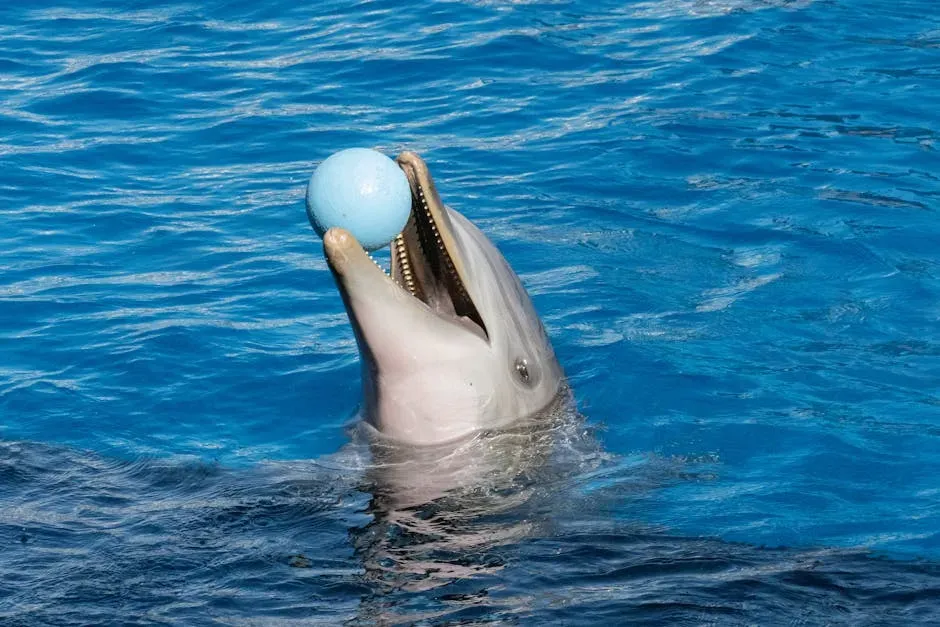
Dolphins are perhaps the animal most people suspect of being “almost human,” and honestly, the science backs that feeling. In laboratory experiments, dolphins have demonstrated the ability to understand symbolic language, recognize themselves in mirrors, a key test of self-awareness, and follow complex instructions involving abstract concepts. That mirror test is a big deal. Very few species on the planet can pass it.
A study found that dolphins can remember the whistles of old tank-mates even after 20 years apart. That’s the longest social memory ever recorded in a non-human species. That is longer than most humans keep in touch with their college friends. Bottlenose dolphins utilize signature whistles to recognize individuals, much like the use of names in human beings. These cetaceans also possess problem-solving abilities, self-recognition, and cultural transmission of behavior. The concept of dolphins having something analogous to names genuinely changes how you see them.
4. Ravens: Future Planning, Deception, and Social Strategy
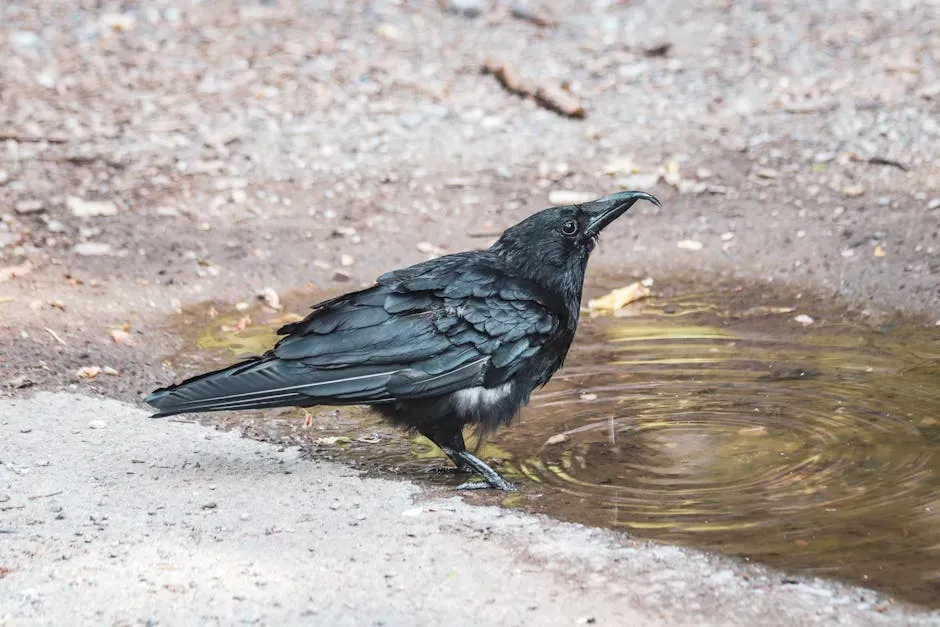
Ravens look like they are plotting something. And, as it turns out, they often are. Ravens excel in social intelligence. They can plan for the future, hide food from competitors, and even engage in playful behaviors like sliding down snowy roofs. Their communication is complex, with calls that convey not only danger but also specific information about the source of threats. Planning for the future was supposed to be our thing. Ravens did not get that memo.
A study published in 2017 in the Science Journal revealed that ravens even pre-plan tasks, a behavior long believed to be unique to humans and their relatives. In a simple experiment, scientists taught the birds how a tool can help them access a piece of food. When offered a selection of objects almost 24 hours later, the ravens selected that specific tool again and performed the task to get their treat. Research also suggests that four-month-old ravens could be as intelligent as some adult apes. Let that one sink in for a moment.
5. Capuchin Monkeys: A Sense of Fairness and Moral Outrage
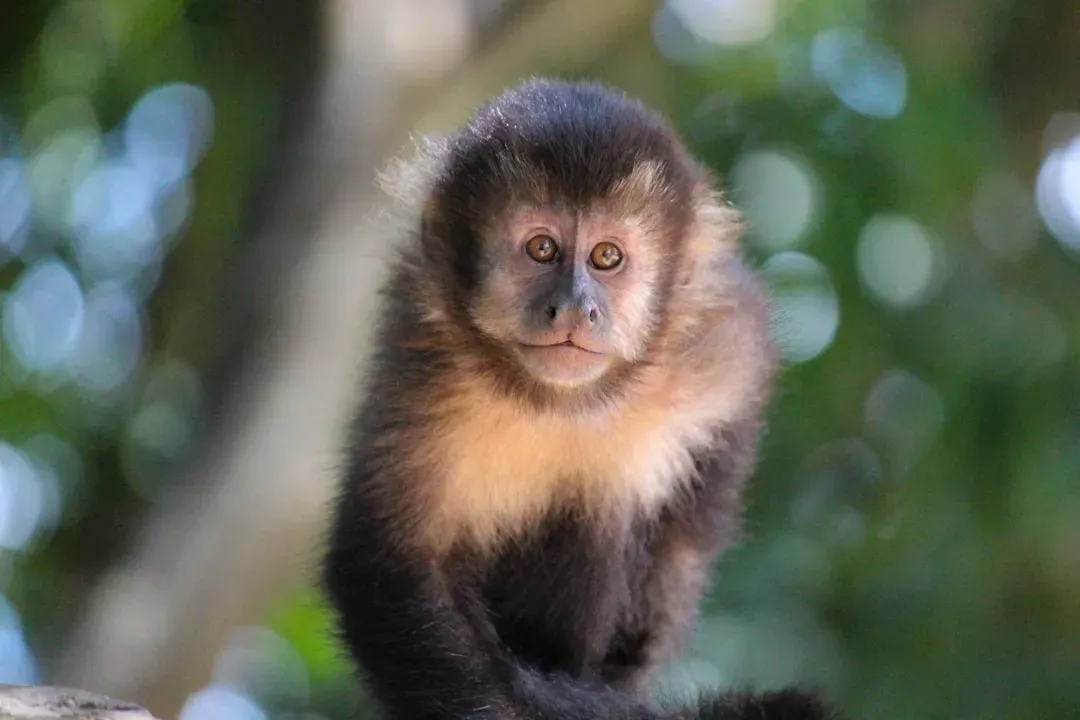
Let’s be real: the idea that a monkey can feel moral outrage sounds almost absurd. Yet here we are. Humans were long thought to be the only moral animals, uniquely equipped with a sense of right and wrong. But we now know that is not the case. The late primatologist Frans de Waal and Sarah F. Brosnan found in laboratory experiments that brown capuchin monkeys would decline a reward of a slice of cucumber if they observed another monkey receiving a better treat for the same task. The monkeys’ rejection of unequal payment for equivalent work demonstrated that they have a sense of fairness and experience moral outrage when they get a raw deal.
Think about how deeply human that is. It’s not just about hunger. It’s about justice. It’s about comparison, fairness, and the sting of being treated as lesser. Research has shown that animals exhibit a broad range of moral behaviors, including fairness, empathy, trust, and reciprocity. Some researchers have drawn the astonishing conclusion that there is no moral gap between humans and other species, and that morality is an evolved trait shared with other social mammals. Unsettling? Maybe. Fascinating? Absolutely.
6. Orcas: Culture, Grief, and Generational Knowledge
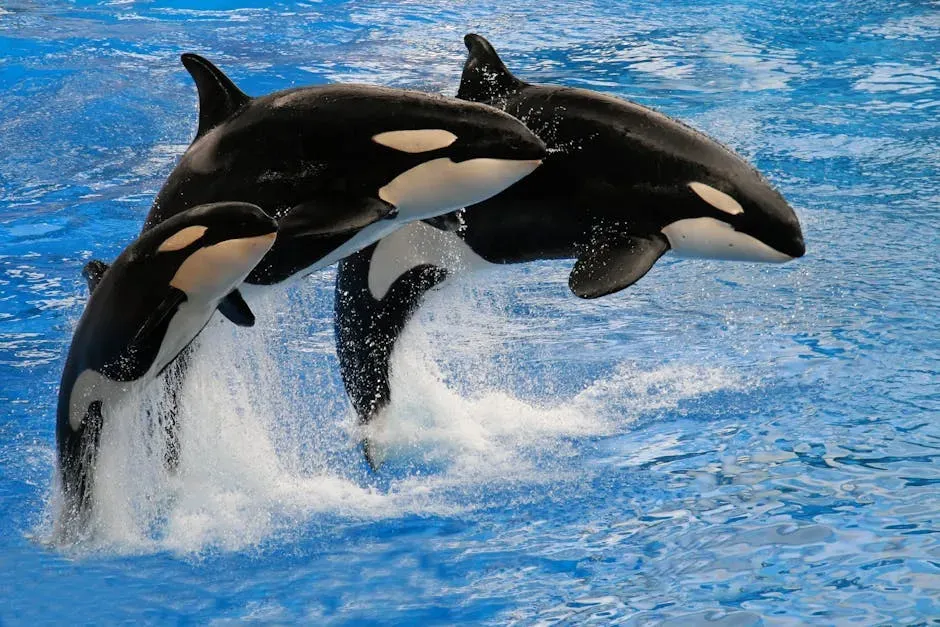
Orcas are not just intelligent ocean predators with impressive tricks. They carry culture. Killer whales are one example of animals demonstrating differences in cultural behaviors within the same species, as evidenced by the sharing of knowledge from parent to offspring and distinct vocal dialects among groups. Different pods speak differently, hunt differently, and pass those traditions down through generations, just like human communities preserving their own customs and languages.
The emotional side of orcas is equally profound. In 2018, an orca known as Tahlequah made headlines around the world when she carried her dead calf with her for 17 days while she swam 1,000 miles across the Salish Sea. In 2024, Tahlequah lost another calf. This time she held on to its corpse for at least 11 days before releasing it. Researchers characterized the mother orca’s reaction to these losses as grief. In some species, such as elephants and orcas, the elders share knowledge gained from experience with the younger ones. Wisdom passed down by elders. Sound familiar?
7. Octopuses: Problem-Solving, Personality, and Alien-Like Intelligence
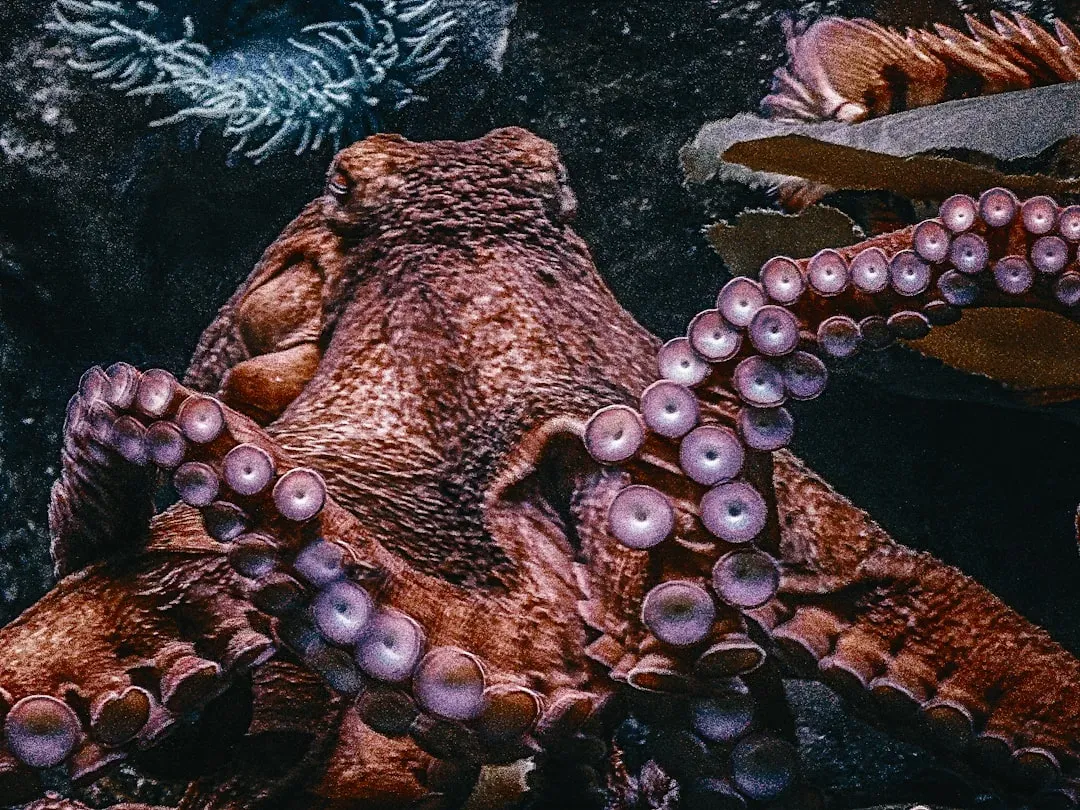
If intelligence evolved from scratch in a different lineage, what would it look like? Octopuses provide the answer. With eight arms, three hearts, and a nervous system unlike any vertebrate, octopuses are among the most enigmatic geniuses of the animal world. Their intelligence did not evolve from a common ancestor shared with us. It emerged entirely separately, which makes it all the more extraordinary. It’s like finding out someone in another country independently invented the same piece of music.
Octopuses unscrew jars to escape enclosures, carry coconut shells as mobile armor, and edit RNA to enhance neural adaptability, demonstrating problem-solving and flexibility in behavior. Octopuses are the eight-armed Houdinis of the animal kingdom, with a remarkable ability to escape human confinement. There are even stories of octopuses figuring out how to break out of tanks and squirt water at overhead lights to turn them off. To turn the lights off. That’s not survival instinct. That’s a personality move.
Conclusion: The Line Between “Human” and “Animal” Is Blurrier Than You Think
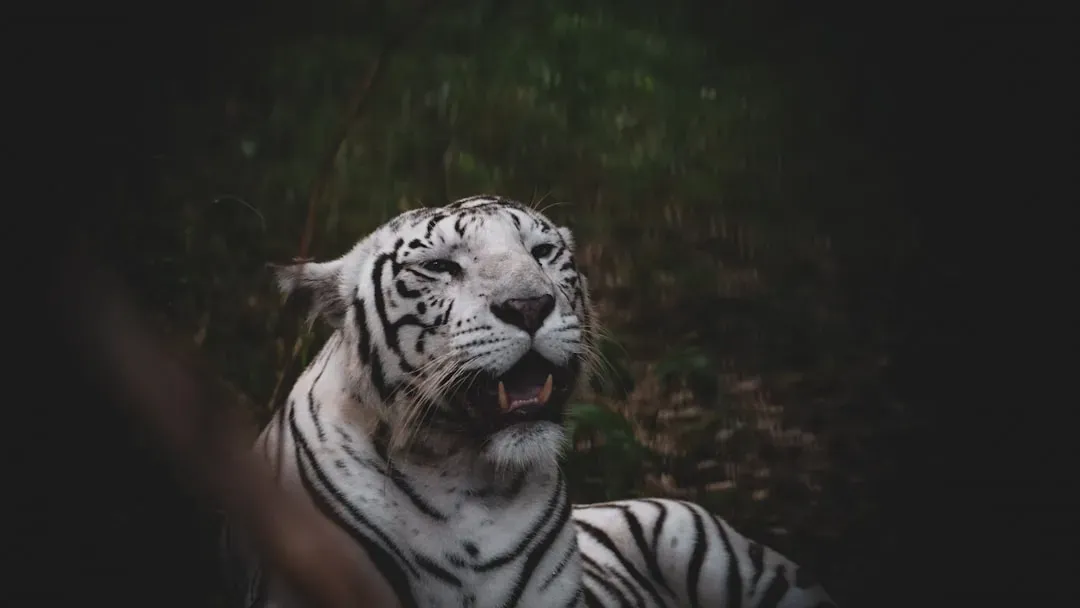
The line between animal characteristics and human behaviors is thin. From body language, parenting, tool usage, emotional depth, and even some physical elements, the traits of animals echo deeply within us. Animals and humans share more than just a planet; we share a complex way of experiencing life. Every discovery in animal cognition nudges us a little further from our throne at the top of the natural order.
What science is discovering suggests that mourning is not uniquely human. It is a fundamental response to loss shared across species, each expressing sorrow in ways shaped by millions of years of evolution. The same could be said for empathy, culture, planning, and fairness. These are not exclusively our gifts. They are shared inheritances from a world far richer and more emotionally alive than most of us ever imagined.
Maybe the most important takeaway is this: the more we learn about other species, the more we learn about ourselves. Every grieving elephant, every name-calling dolphin, and every justice-seeking monkey holds a mirror up to humanity. What you see reflected might just change how you treat the world around you.
Which of these seven animals surprised you the most? Drop your thoughts in the comments below.