
Stand on opposite sides of the planet, open two dusty old story collections, and you’ll often find almost the same tale staring back at you: a great flood wiping out humanity, a trickster who bends the rules, a world hatched from an egg, a hero who journeys into the land of the dead. How did cultures that never met, separated by oceans and centuries, end up telling stories that feel like distant cousins? It’s one of those questions that makes you stop and wonder whether we’re all plugged into some deeper shared script.
Myths are not just old stories people told by firelight; they’re maps of what it feels like to be human. They try to explain terror and beauty, injustice and hope, in worlds where science didn’t yet have a voice. When we look closely at the similarities in ancient myths – from the Americas to Asia, from Africa to Europe – we’re really looking at how the human mind keeps solving the same emotional and existential puzzles in surprisingly similar ways.
Shared Human Fears, Hopes, and Questions
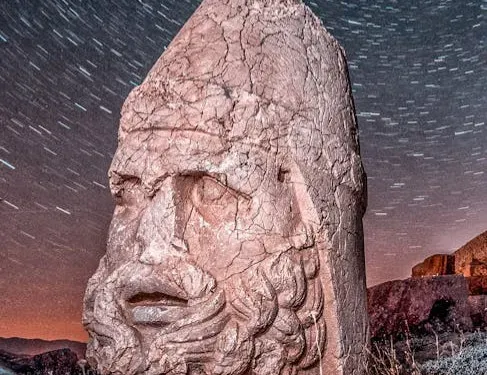
Imagine living thousands of years ago, under a sky you don’t understand, with storms that can kill you and diseases no one can name. Whether you’re in ancient Mesopotamia or pre-Columbian Mesoamerica, you’re staring at the same night sky and asking the same questions: Where did we come from? Why do we suffer? What happens after we die? It’s no surprise that many cultures crafted myths that revolve around creation, destruction, death, and rebirth, because those are the biggest, scariest questions everyone faces.
Our brains are wired to look for patterns and meaning, especially when we’re afraid or confused. That’s why myths across the globe often use similar story shapes: a fall from paradise, a world-destroying catastrophe, a heroic struggle against chaos. Different cultures give these stories different names, gods, and settings, but the emotional core is strikingly familiar. In that sense, similar myths are less about copying and more about humans answering the same questions with the same limited toolkit of imagination, fear, and hope.
Universal Patterns in the Human Mind
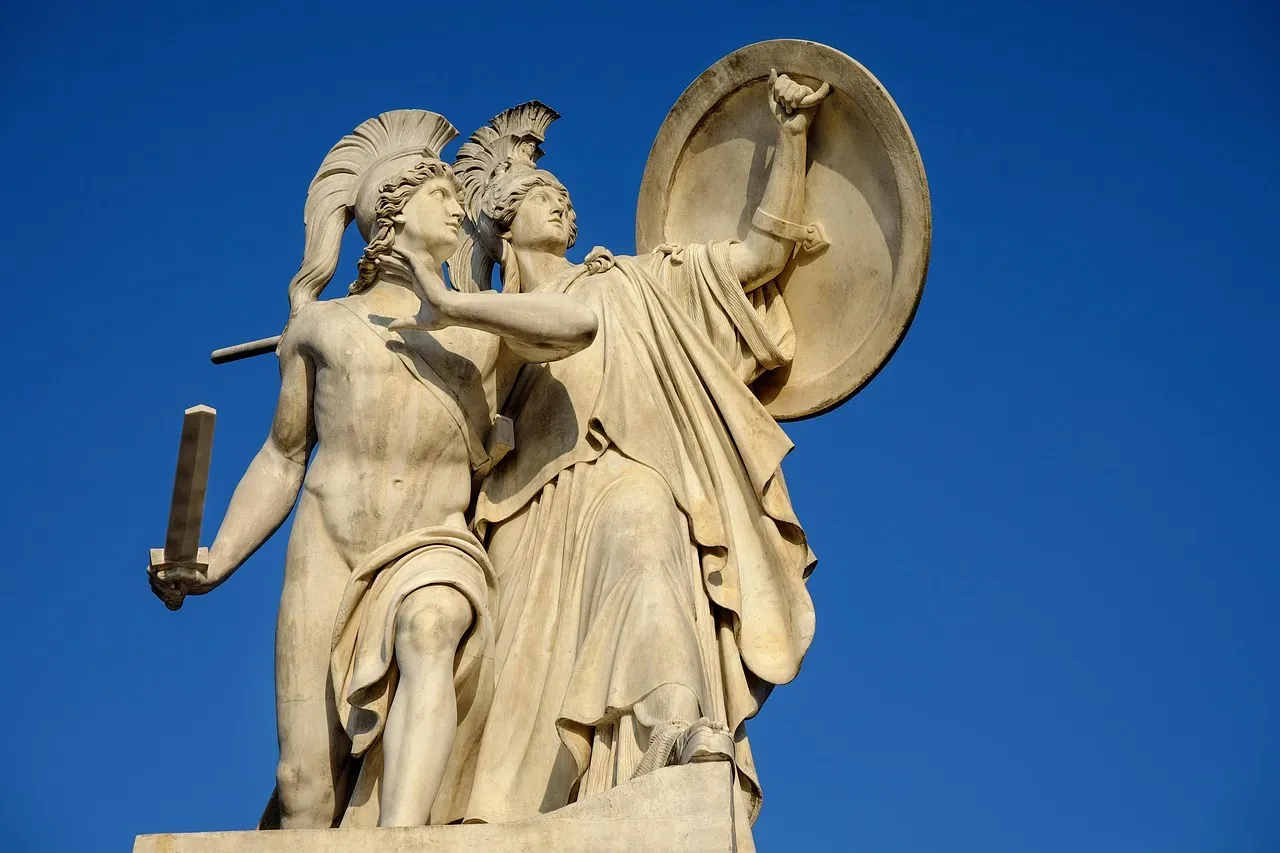
Psychologists have long noticed that people all over the world report similar dreams and archetypal images: wise elders, nurturing mothers, terrifying monsters, tricksters who break the rules, and shadowy doubles of ourselves. These recurring figures also show up in myth after myth, whether you’re reading about ancient Greece, classical India, or Indigenous Australia. It’s as if the human mind has a small internal cast of characters that keep reappearing on different cultural stages.
Those recurring story roles – the hero, the mentor, the villain, the shapeshifter – aren’t random. They speak to psychological stages we all go through: dependence, rebellion, loss, self-discovery. Myths often compress these life stages into dramatic adventures, like a hero leaving home, facing trials, receiving help, nearly dying, and returning transformed. Different cultures decorate these patterns with local symbols, but underneath the details, the skeleton of the story is often the same because the architecture of the human mind is similar everywhere.
Real Natural Disasters That Echo Across Myths
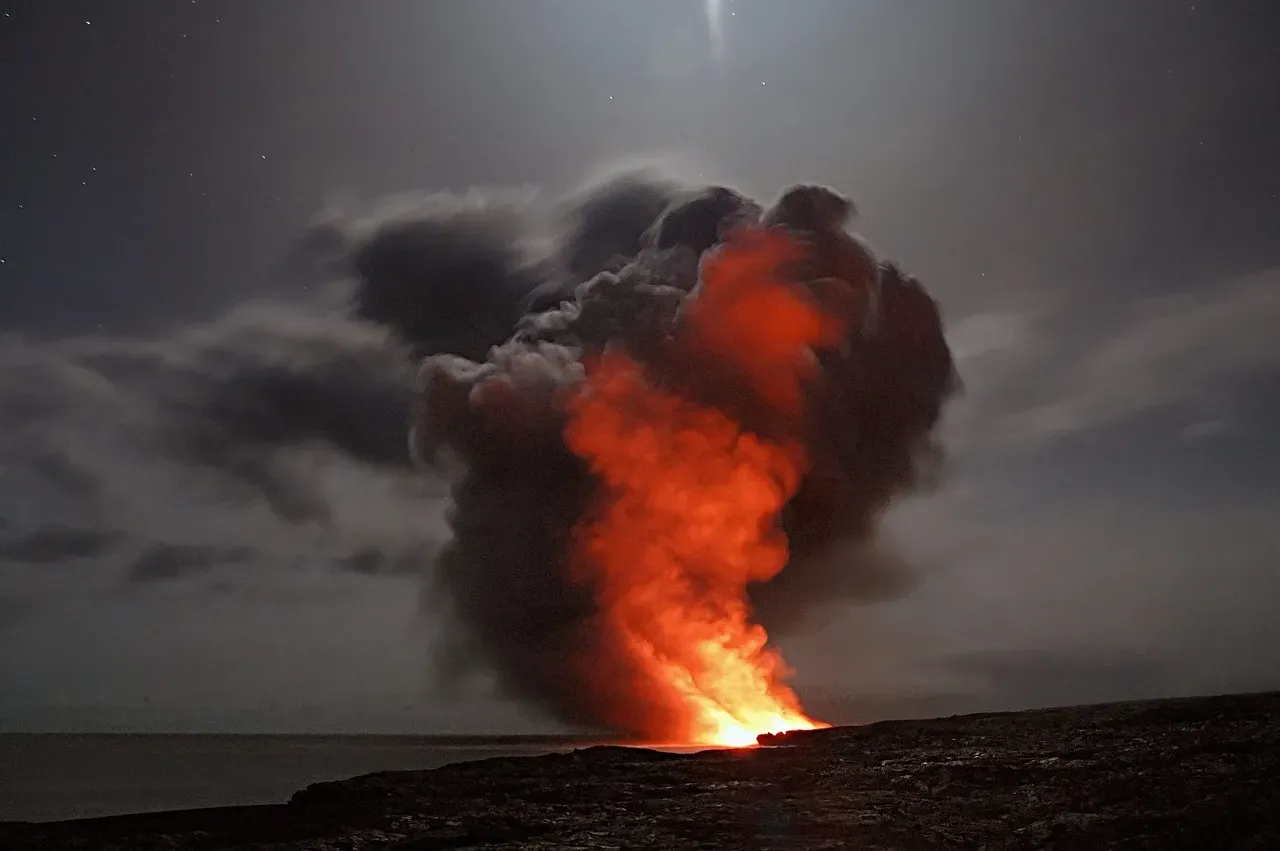
Many of the most familiar myth similarities come from something brutally simple: the Earth has always been dangerous. Massive floods, volcanic eruptions, tsunamis, and meteor impacts have shaken human communities across continents. When a coastal society is nearly wiped out by a storm surge, people don’t write a scientific report; they tell a story about angry gods, moral failure, or a world-cleansing deluge. That story gets passed down, embellished, and eventually becomes sacred myth.
What’s wild is how often major natural disasters leave fingerprints in both geology and folklore. Researchers have linked oral traditions among Indigenous groups in Australia and the Pacific Northwest to real ancient sea-level rises and volcanic events. At that point, it’s less surprising that flood or fire myths pop up all over the place. People in different regions experienced similar disasters and tried to explain them with the tools they had: imagination, morality, and fear wrapped into gripping stories.
Migration, Trade Routes, and the Quiet Spread of Stories
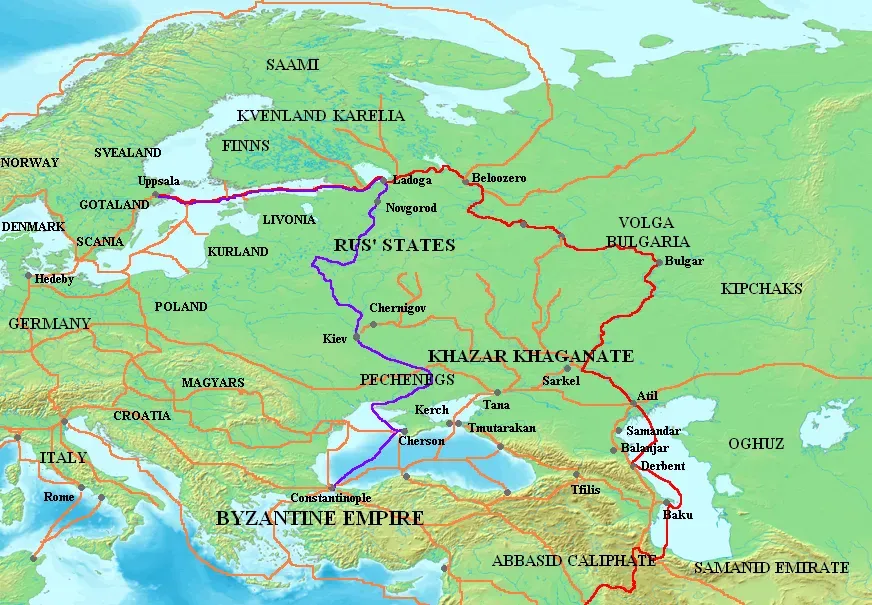
The following source corroborates the Volga route between the Gulf of Finland and Atil, although it gives a different Western route, over Smolensk:
Barraclough, Geoffrey, ed. (in Dutch) (1981) Spectrum-Times Atlas van de Wereldgeschiedenis, pp. 114–115, CC BY-SA 3.0)
For a long time, people assumed that many ancient cultures were totally isolated from each other, like separate islands of myth. But archaeology, genetics, and historical research have painted a different picture. People have been moving, trading, raiding, and intermarrying across continents for an incredibly long time, far earlier and more widely than many of us learned in school. And when people move, they don’t just carry pottery and metals; they carry stories.
Merchants on long-distance trade routes didn’t only swap spices and metals – they swapped tales to pass the time and build trust. Priests, sailors, captives, and wandering storytellers brought their local myths with them and picked up new ones on the road. Over generations, stories would be retold, translated, merged, and adapted, blurring the line between local invention and imported influence. When you see a mythic pattern appearing along old trade routes, it often hints at quieter, older networks of cultural exchange humming in the background.
Similar Landscapes, Similar Stories

Culture doesn’t float in empty space; it grows out of land and climate. A people living on vast grasslands will picture gods and spirits differently from a people living in dense jungle or among high mountains. Yet sometimes very different groups inhabit surprisingly similar environments: coastal fishing societies, river valley farmers, desert nomads. Those shared ecological challenges often lead to parallel myth themes, because everyone is trying to make sense of the same landscape.
Flood myths tend to thrive in river civilizations; storm and sea deities loom large in island and coastal cultures; sky and sun gods dominate in open plains and desert cultures. The stories are not identical, but the emotional logic overlaps. If your crops live or die by a single river, that river becomes a divine personality in your myths. When another society halfway around the world also depends on a big, unpredictable river, they’re likely to dream up a similarly moody, powerful river spirit, even if they never heard of each other.
Power, Morality, and the Need to Keep People in Line

Myths are not just about explaining nature or existence; they’re also about telling people how to behave. Leaders, priests, and elders have always understood that a gripping story about a punished wrongdoer or a rewarded hero can be more persuasive than any dry rulebook. So across cultures, you see myths that warn against arrogance, theft, betrayal, and cruelty, often with eerily similar plot twists: the cheater gets outsmarted, the cruel king falls, the faithful suffer but are ultimately vindicated.
These moral myths often revolve around cosmic balance – ideas of justice, reciprocity, and harmony. Even in societies with totally different religious systems, you often find the belief that the universe somehow “remembers” your actions. That might look like karma in one place, divine judgment in another, or ancestral disapproval somewhere else. When the basic problem is the same – how do you keep a community from tearing itself apart? – it’s not shocking that cultures invent parallel stories where virtue and vice get clear, satisfying payoffs.
Storytelling as a Basic Human Survival Skill
There’s another angle that doesn’t get enough attention: storytelling helps people survive. A myth about a monstrous sea serpent near a treacherous reef might sound fantastical, but it also functions as a warning label for future generations: don’t sail there, or you’ll die. Tales of cursed forests, sacred mountains, or taboo behaviors often encode hard-earned lessons about real dangers. Over time, these warnings get wrapped in symbolism and drama until they feel like pure myth – but underneath, they often protect people from repeating deadly mistakes.
Because of that, similar survival pressures can produce similar warning stories. If multiple communities live near dangerous cliffs, unpredictable seas, or venomous animals, they’ll all be tempted to dramatize those hazards into vivid, unforgettable tales. The details will differ, but the pattern holds: the foolish wanderer who ignores advice, the sacred boundary that must not be crossed, the hubris of thinking you’re immune to nature’s rules. In a way, myth is an early form of risk management, disguised as entertainment and sacred tradition.
The Deep Comfort of Recognizing Ourselves in Each Other’s Myths
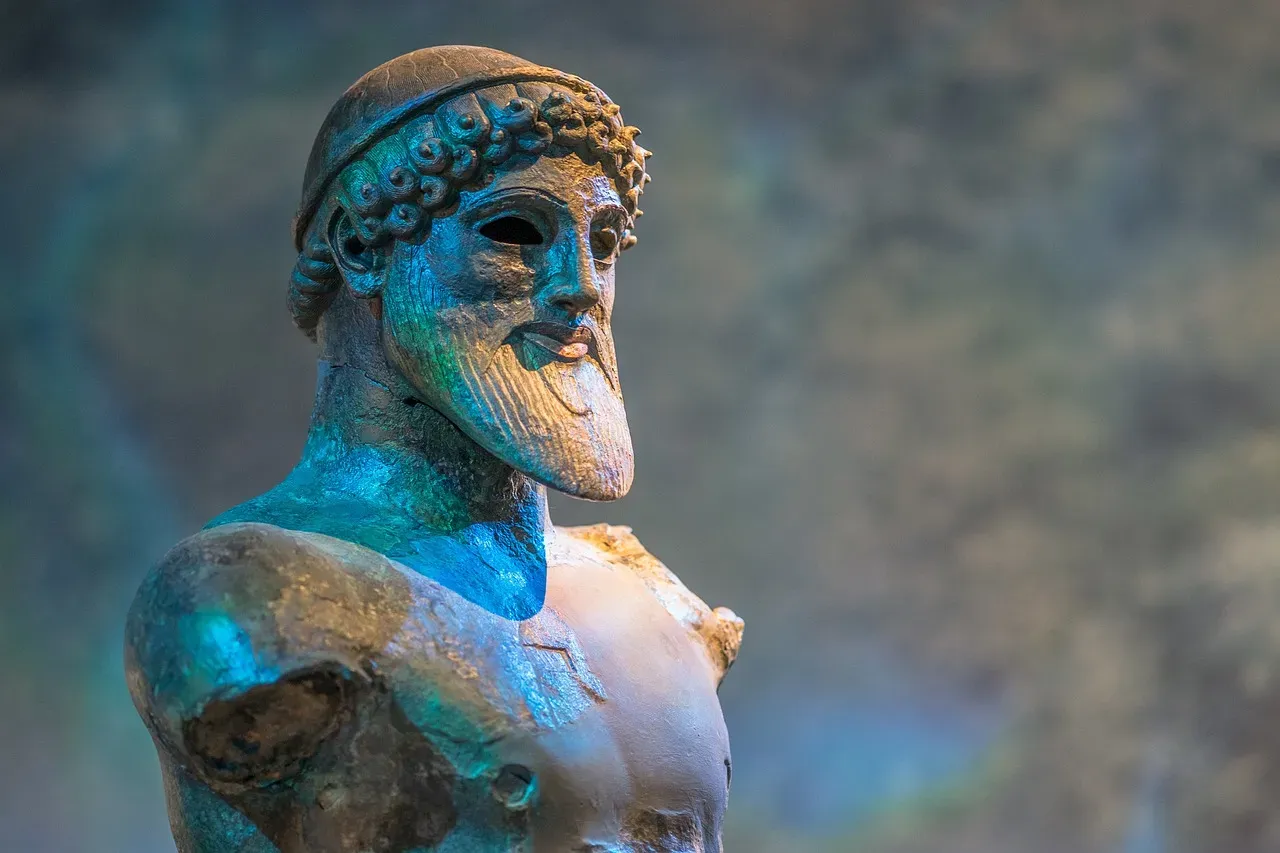
When you first realize how much old stories rhyme across cultures, it can feel uncanny, almost spooky. But sit with it for a bit, and it becomes strangely comforting. It means that people in distant lands and remote centuries were wrestling with the same fears and dreams you have now: loss, love, failure, unfairness, the terror of not knowing what comes after death. The costumes and gods change, but the emotional script stays recognizable.
I still remember the first time I read a myth from a culture I thought I had nothing in common with and suddenly found a scene that felt like it had been lifted right out of a childhood story I’d grown up with. It’s humbling and grounding at the same time. Beneath all the differences in language, religion, and history, we keep telling ourselves the same few stories, over and over, adjusting the details but not the core questions. Maybe that’s the clearest sign of all that, despite distance and time, we’ve always been a lot more alike than we imagined.