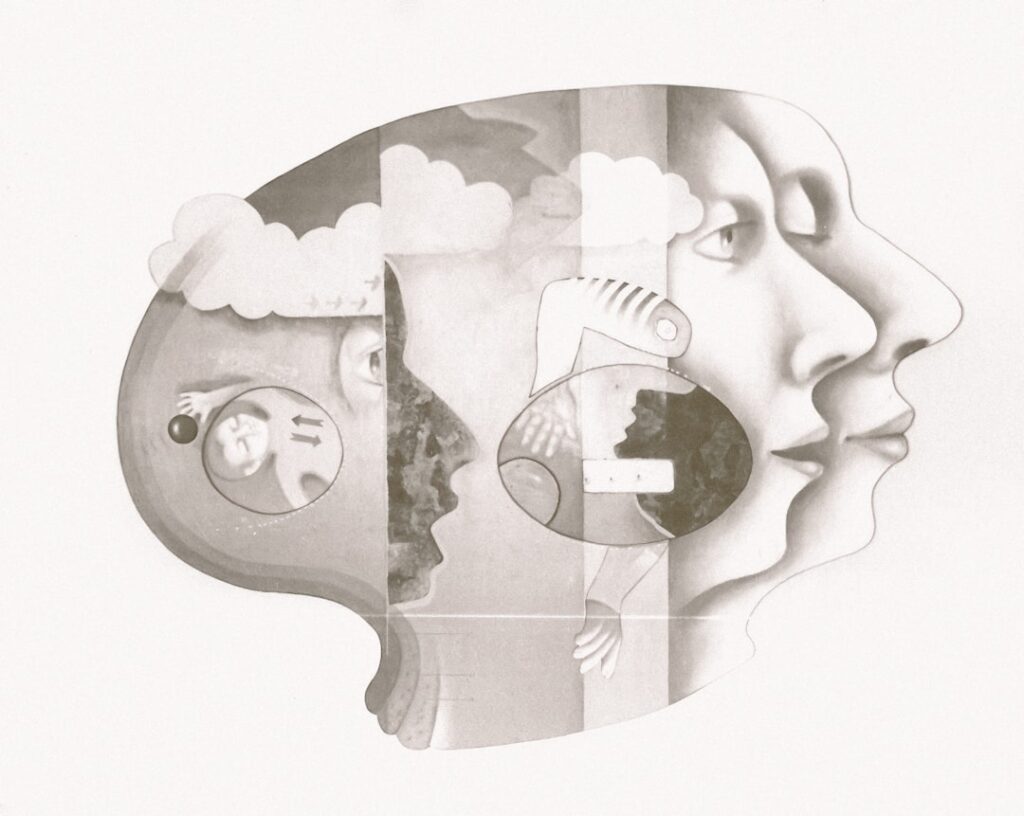

Imagine waking up one day and realizing that almost everything you took for granted about reality was slightly, but crucially, wrong. Not in a sci‑fi, lasers-and-aliens way, but in the quiet, unsettling sense that your senses, your memories, even your emotions have been editing the world for you all along. That possibility isn’t just a late‑night dorm theory; it’s exactly where modern neuroscience, physics, and psychology keep pointing.
When I first dug into this topic years ago, I thought I’d find a few fun optical illusions and be done. Instead, it felt more like pulling a thread that never ended. The deeper I went, the stranger everyday life looked: colors became tricks, time felt negotiable, and the idea of an objective “now” started to wobble. Let’s walk through some of the most surprising ways reality might not be what we think it is – and why that’s both terrifying and oddly comforting.
The Brain Doesn’t See Reality, It Predicts It
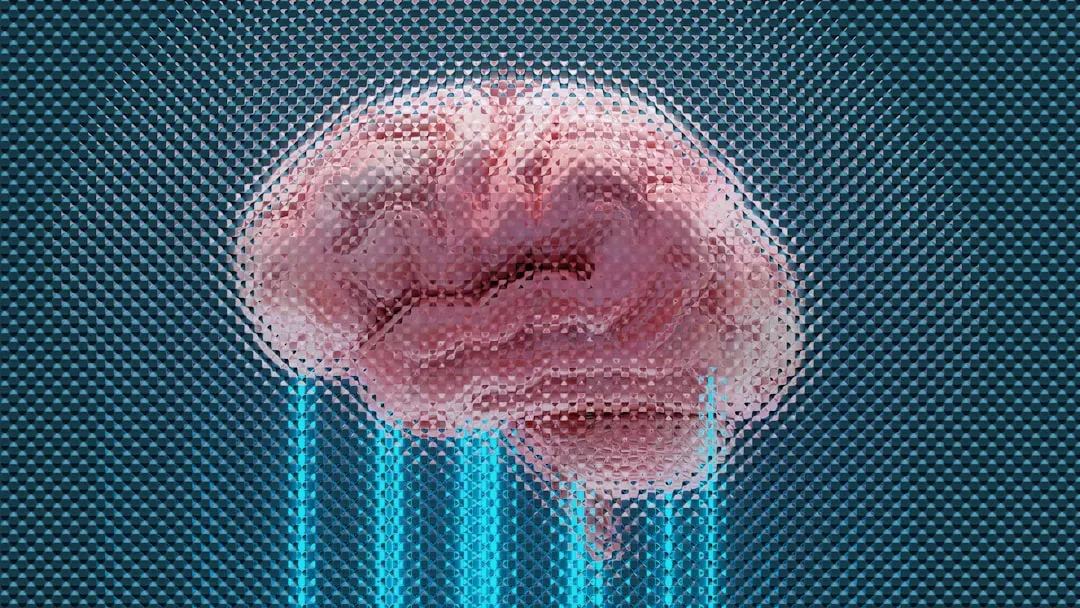
The most unsettling idea in modern neuroscience is that you don’t actually see the world – you predict it. Your brain isn’t a camera passively recording what’s out there; it’s more like a hardcore guesser, constantly making forecasts about what it expects to see, hear, and feel, and then adjusting those guesses when they’re wrong. What you experience as “reality” is that rolling, self-correcting prediction, polished just enough to feel solid and reliable.
This is called predictive processing, and it explains a lot of weird experiences: why you sometimes mishear song lyrics, why you can swear you saw someone you know in a crowd, or why you’ll jump at a shadow that looks briefly like a person. Your brain’s prior expectations are so powerful that in extreme cases – like hallucinations in certain mental illnesses – they can overwhelm sensory input almost entirely. That means perception isn’t just about what’s really there; it’s just as much about what your brain stubbornly believes should be there.
Your Senses Filter Reality, Not Reveal It
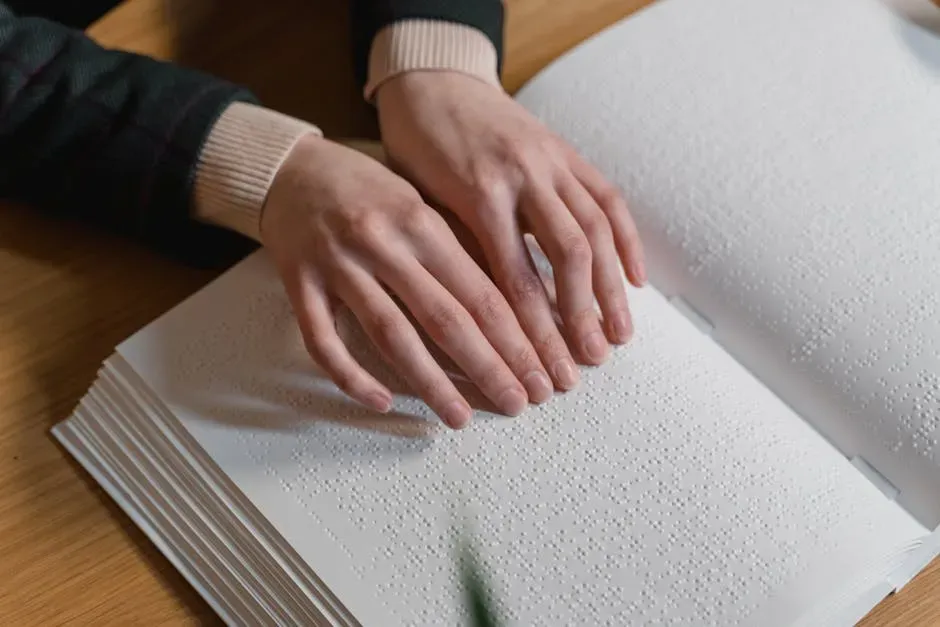
We like to think our senses are windows onto the world, but they’re more like heavily tinted, narrow little peepholes. Take vision: humans see only a tiny sliver of the electromagnetic spectrum, while other animals can see ultraviolet or infrared that are completely invisible to us. Our hearing range cuts out vast portions of possible sound frequencies, but bats and whales pick up information that, to us, might as well not exist.
Even within that narrow range, our brains aggressively compress, smooth, and ignore data. Your eyes have a literal blind spot where the optic nerve exits, but you never notice because your brain just fills it in. Your senses constantly throw away information that seems unimportant – like the feeling of your clothes on your skin – so you can focus on what might matter. Reality, as you experience it, is already massively edited before you’re even aware of it, like a movie that’s been cut down from a ten-hour director’s version to a fast, watchable ninety minutes.
Time Might Be Less Linear Than It Feels
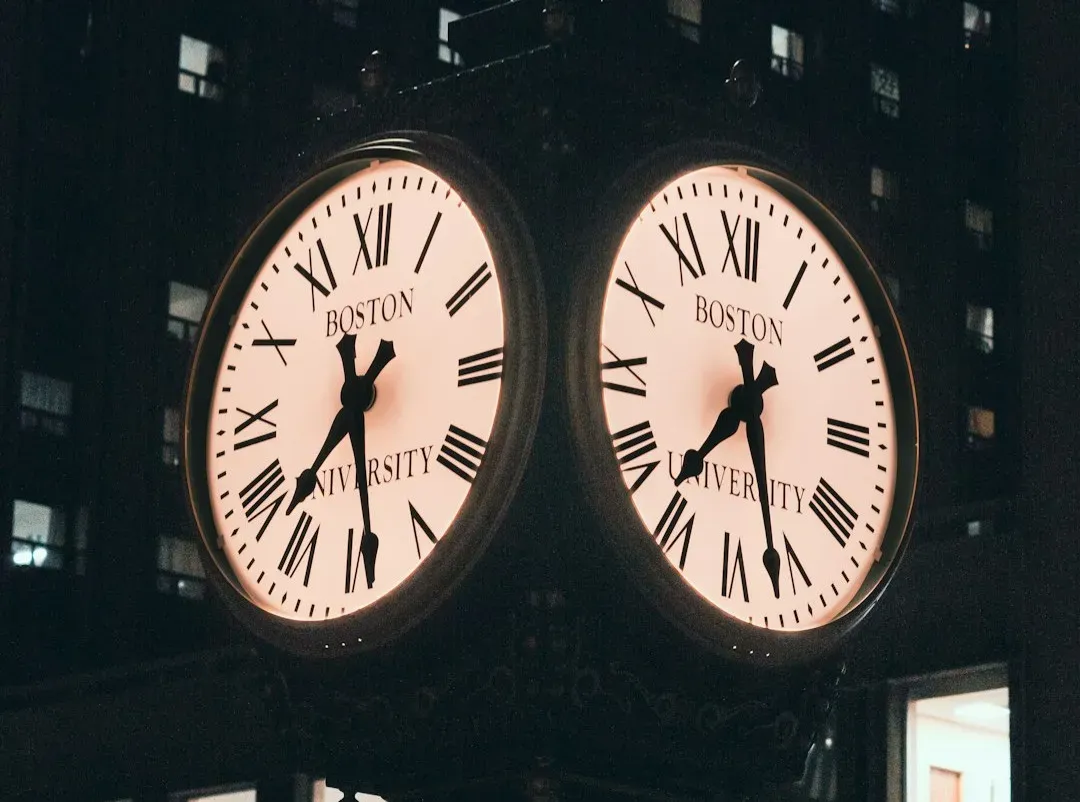
If there’s one thing we feel sure about, it’s that time flows in one direction: past, present, future. But physics keeps poking holes in that intuition. In certain interpretations of modern physics, the universe is more like a “block” where past, present, and future all coexist, and what we call the “present moment” is more of a psychological spotlight than a universal truth. Your sense that time is flowing could be more about how your brain strings events together than anything baked into the universe itself.
On a smaller scale, experiments show that the brain doesn’t even register events as truly “now” one by one. It bundles them into short windows – tiny chunks of time that get stitched into a narrative. That’s why sometimes an experience like a car crash or a near miss can feel like slow motion; your attention and memory encoding spike, and your brain packs in more detail, making it feel stretched. The feeling of time dragging or racing isn’t just emotional – it’s a hint that what we call “time” is at least partly constructed in our heads.
Color, Sound, and Even Pain Are Constructions
We talk about colors as if they’re properties of the world, but they’re really just your brain’s way of labeling different wavelengths of light. There’s nothing inherently “red” about a red apple; it reflects certain wavelengths that your visual system interprets as red. People with different types of color vision literally live in slightly different visual worlds. The same goes for sound: what you hear as a note or a voice is your brain’s interpretation of vibrating air, turned into something rich and meaningful.
Pain is an even more radical example. It feels like a direct signal from your body, but modern pain science shows that pain is less about tissue damage and more about the brain’s assessment of threat. There are cases where people with major injuries feel no pain at all in the moment, and others where pain persists long after the body has healed. In that sense, pain is not a simple reflection of reality; it’s a protective story your brain tells, and sometimes that story can be wildly out of sync with what’s actually going on.
Memories Are Rewritten Every Time You Recall Them

We lean on memory to tell us what really happened, as if it’s a hard drive storing accurate files from the past. But research over the last few decades has shown that memory is deeply reconstructive. Each time you recall an event, your brain rebuilds that memory, often blending in new details, emotions, or assumptions, and then saves the edited version. Over years, a memory you absolutely trust can drift far from the original event without you ever noticing.
This doesn’t just happen with small stuff like what you had for dinner last month – it also affects big life moments. Two people can walk away from the same argument with radically different versions of what was said, and both will sincerely believe their memory is accurate. If your recollection of the past is constantly being updated and tweaked, then your personal reality – who you think you are, what you’ve been through – is more fluid, and less objective, than it feels from the inside.
Consciousness May Be a Smaller Slice Than We Think
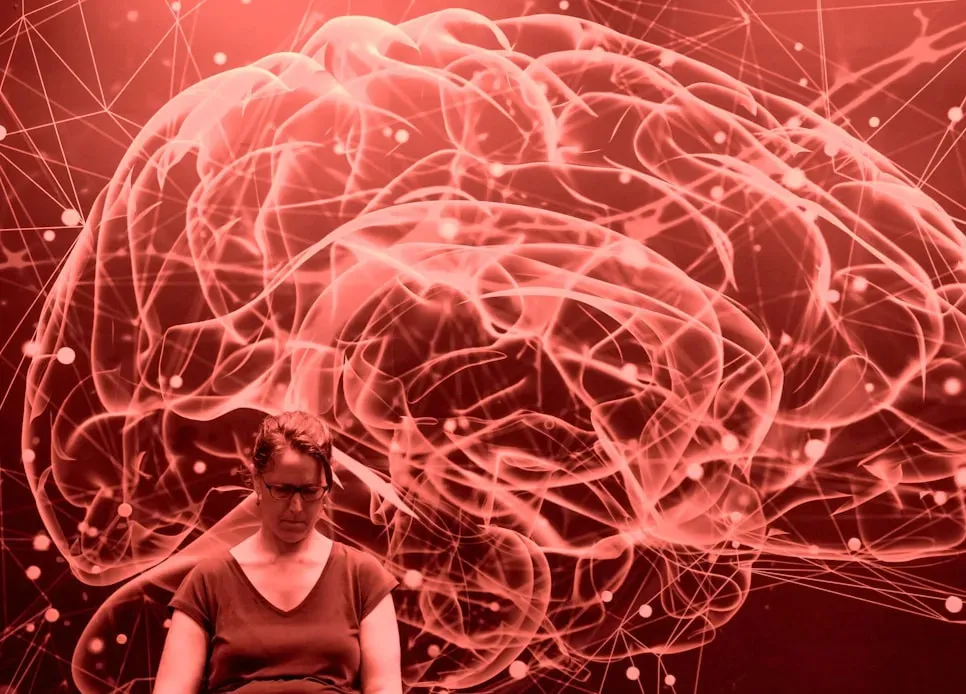
We like to imagine that what we’re consciously thinking and feeling is most of what’s going on in our minds, but it’s far more likely that consciousness is just the tip of the iceberg. Modern cognitive science suggests that the vast majority of processing – decisions, interpretations, pattern spotting – happens below conscious awareness. Your brain is constantly making micro‑judgments and choices, then handing you the final result as if you made it fully, deliberately.
Simple experiments, where people explain choices that were secretly manipulated, show just how good we are at confidently justifying decisions we didn’t really make in the way we think we did. That means your sense of being a unified “self,” steering the ship at all times, could be more of a useful story than a literal description. Reality, from the inside, feels like a single, coherent stream of awareness, but under the hood it’s more like a chaotic, parallel processing system with consciousness acting as the narrator that comes in after the fact.
Technology Is Now Bending Reality Even Further
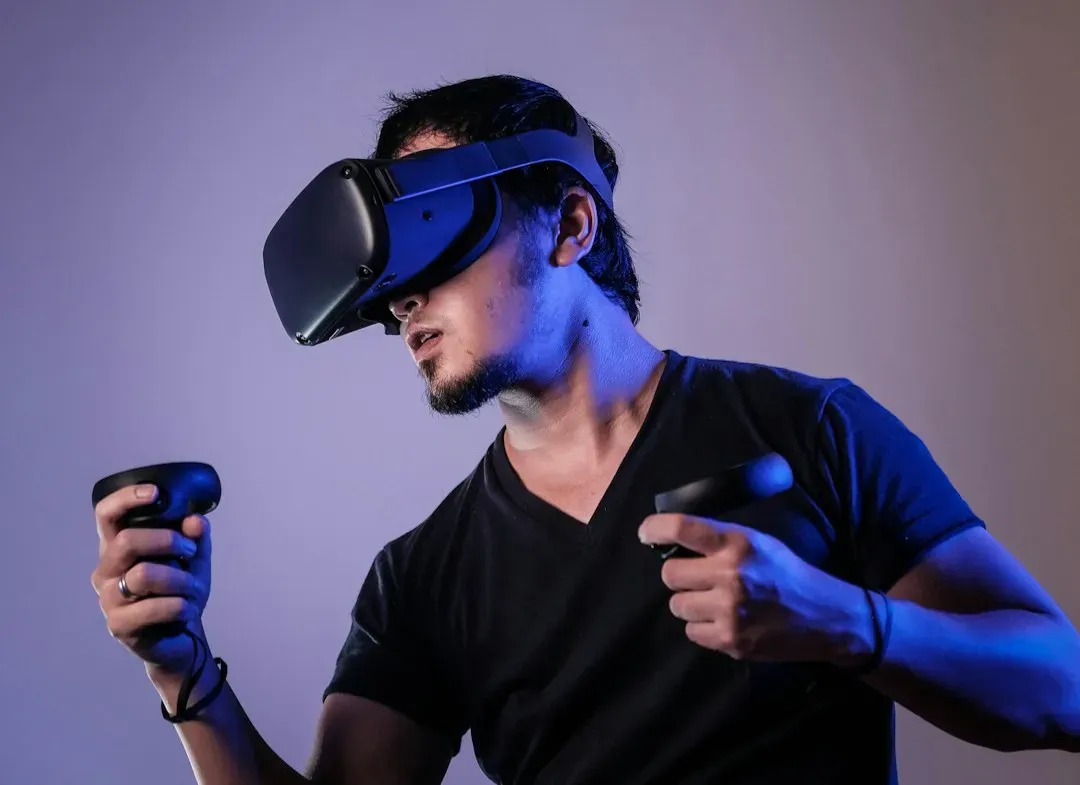
Even if our biology was already making reality slippery, recent technology has twisted the knife. Augmented reality and virtual reality can completely override or remix your sensory inputs, making virtual spaces feel physically present, convincing your body to react to things that don’t exist in the room at all. When your heart races in a VR game as you step off a virtual ledge, that’s your brain trusting sensory patterns over what you logically know is true. It shows how easily perception of reality can be hijacked when the inputs look convincing enough.
On the digital side, deepfakes and AI‑generated media are quietly attacking another anchor of reality: trust in what we see and hear from the world. If images, voices, and even live‑looking video can be fabricated with high realism, then “I saw it with my own eyes” stops being a safe standard. We’re moving into a world where we have to treat our sensory impressions with even more skepticism than our brains already deserve, layering conscious doubt on top of subconscious construction.
Living Wisely in a World We Only Partly See
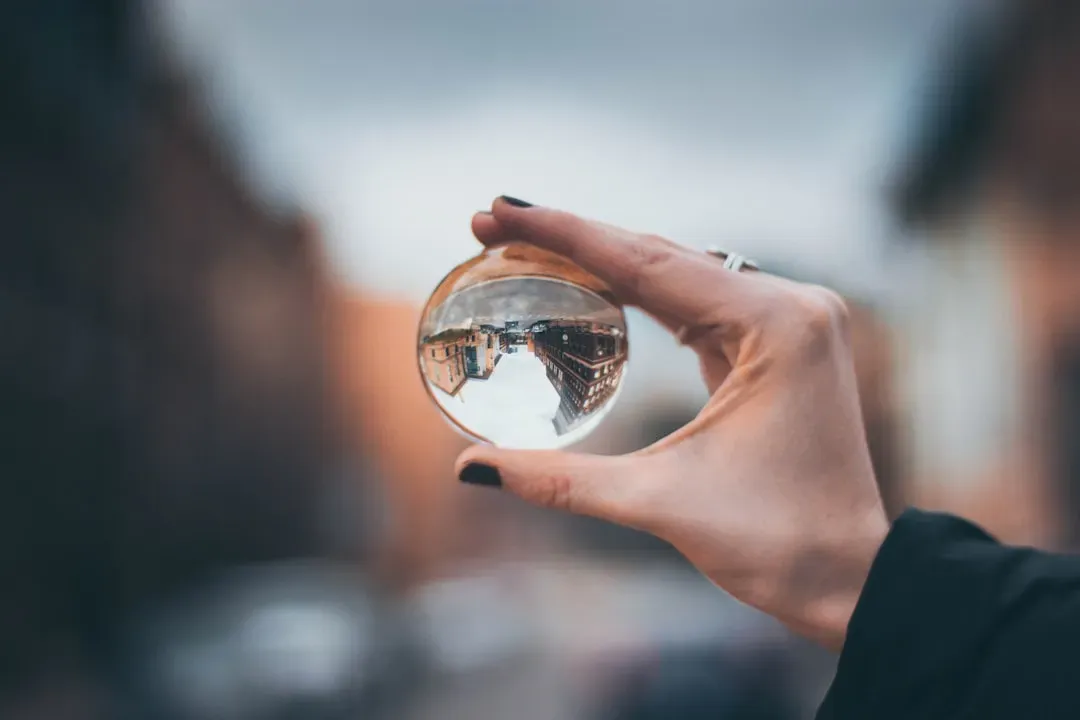
If our perception of reality is so filtered, constructed, and malleable, it’s easy to slide into nihilism and think nothing is real. But that’s not quite right. There is still a world out there pushing back – gravity still pulls, fire still burns, skipping sleep still ruins your day. The trick is accepting that we never access that world directly; we navigate it through a constantly updated model our brains generate. Once you see it that way, humility stops being a virtue and starts being basic survival gear.
For me, the biggest shift was practical: I started treating my perceptions and memories as strong hypotheses, not absolute facts. That makes it easier to admit I might be wrong in an argument, to double‑check what I’m so sure I “remember,” and to question why I react so strongly to certain things. If reality, as we experience it, is partly a story we’re telling ourselves, then we have at least some power to edit that story – toward more curiosity, less certainty, and a bit more kindness for ourselves and others who are, after all, trapped in their own partial versions of the same strange world.