
Some of the most astonishing life stories on Earth don’t happen in lush forests or calm coral reefs. They unfold in boiling vents, frozen deserts, crushing ocean depths, and toxic pools where it seems nothing sane would choose to live. Yet right there, in places that feel almost hostile to the idea of life, evolution has quietly engineered some of the most mind‑bending adaptations on the planet.
When you really look at these creatures, it starts to feel like the word “impossible” just doesn’t belong in biology. Animals that never drink water. Microbes that shrug at radiation strong enough to shatter human DNA. Fish that make their own antifreeze. The more scientists push into extreme environments, the more they keep finding this same humbling lesson: life is tougher, stranger, and far more inventive than we gave it credit for.
1. Tardigrades: The Tiny Survivors That Press Pause on Life
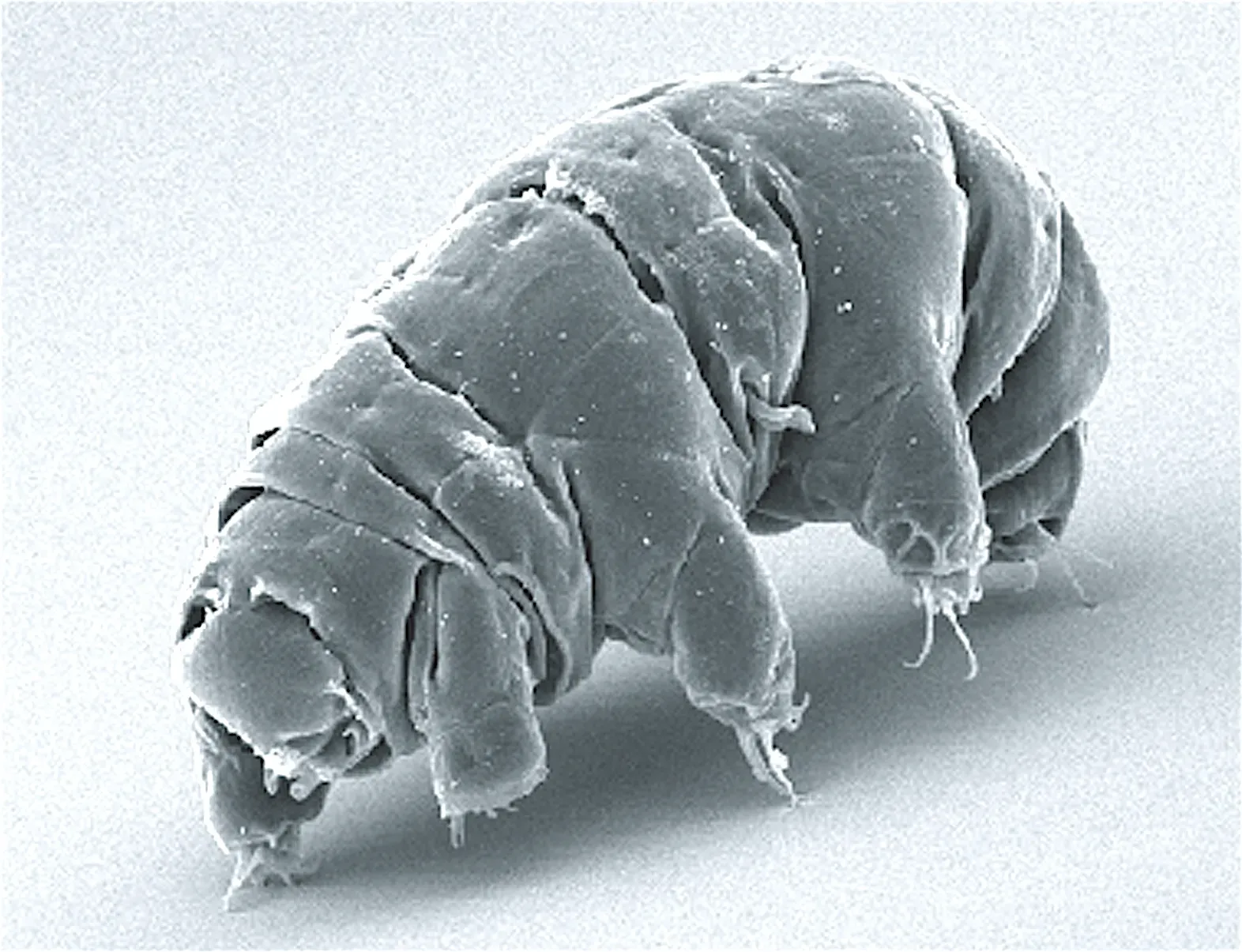
Imagine an animal the size of a grain of dust that can outlast pretty much everything you throw at it: space vacuum, extreme heat, brutal cold, and crushing pressure. That’s the tardigrade, often called a water bear, and it survives in part by entering a state called cryptobiosis, where it basically presses a pause button on its own life. In this form, it curls up into a dry little ball called a tun, slows its metabolism to almost nothing, and waits out the disaster like someone hiding in a bunker during a storm.
Inside this tun state, tardigrades protect their cells with special molecules that act a bit like molecular bubble wrap, replacing water and stabilizing fragile structures like DNA and proteins. When the environment becomes friendly again, they simply rehydrate, unfold, and carry on as if nothing happened. I remember the first time I saw microscope footage of a tardigrade coming back from dry dust to a waddling little creature; it honestly felt like watching something resurrect itself. For an animal that looks like a cartoon gummy bear, its survival game is almost terrifyingly impressive.
2. Antarctic Icefish: Blood Without Red Blood Cells
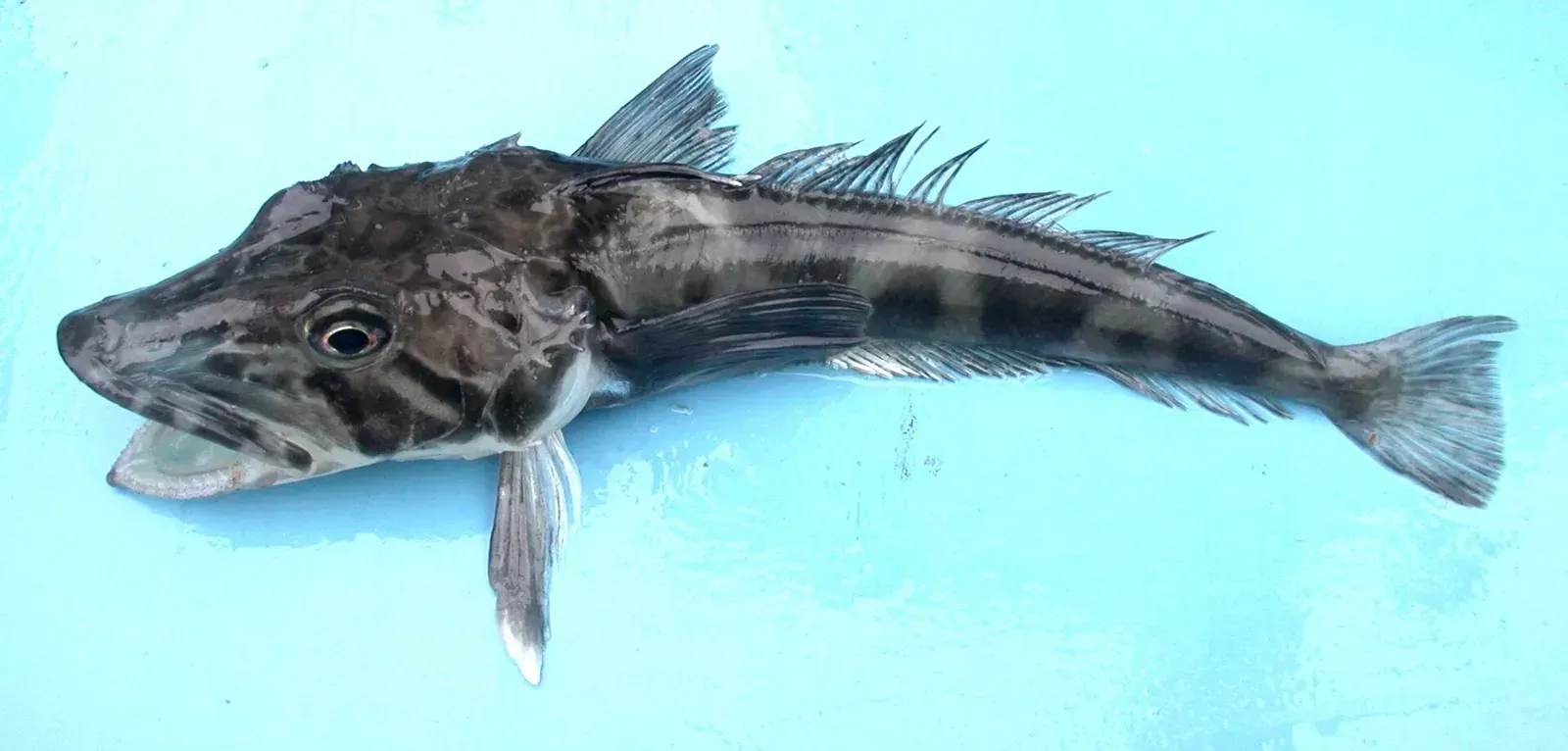
In the pitch‑cold Southern Ocean, where seawater hovers just above its freezing point, Antarctic icefish have taken a radical approach to staying alive: they don’t bother with red blood cells, and they don’t have hemoglobin, the molecule that normally carries oxygen. Their blood is so clear it looks like water, a strange sight in a world where most vertebrates rely on red‑tinted oxygen carriers. This sounds like a terrible idea, but in their super‑oxygenated, near‑freezing waters, it actually works.
To make this wild strategy possible, icefish have oversized hearts, big blood vessels, and very thin skin that lets oxygen seep directly into their bodies. On top of that, many polar fish, including icefish, produce natural antifreeze proteins that stop ice crystals from growing in their blood and tissues. It’s like having a built‑in car warmup system and frost protection, but at a cellular level. Instead of fighting the cold with warmth, they redesigned the rules of circulation to match a world where everything is slow, dense, and icy.
3. Desert Kangaroo Rats: Mammals That Never Need to Drink
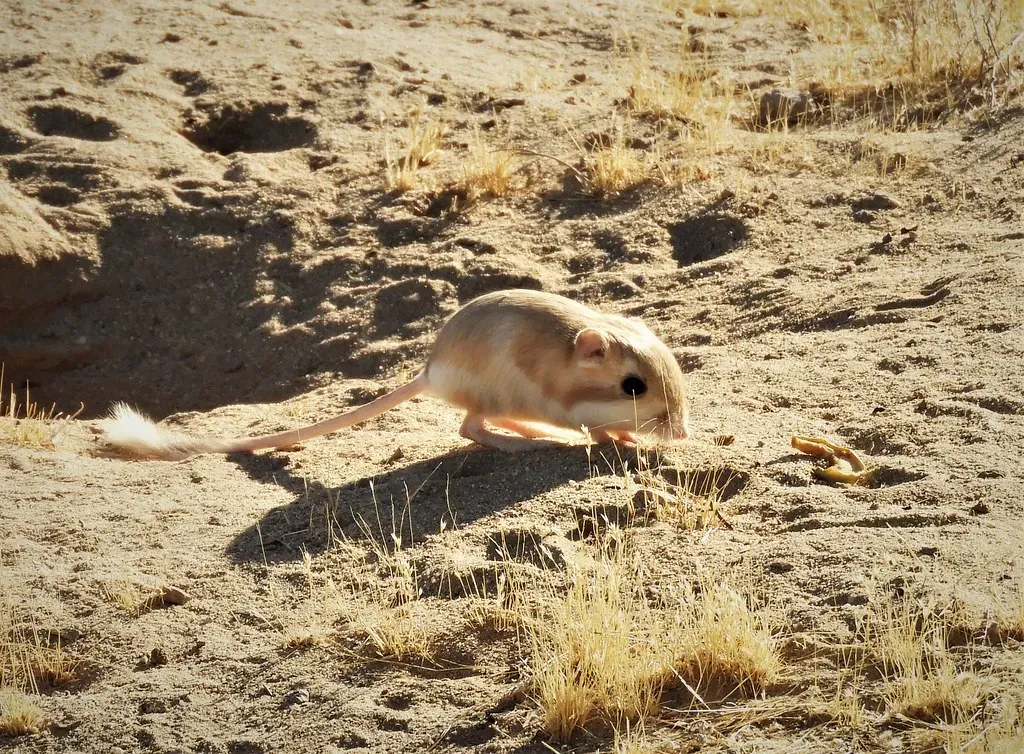
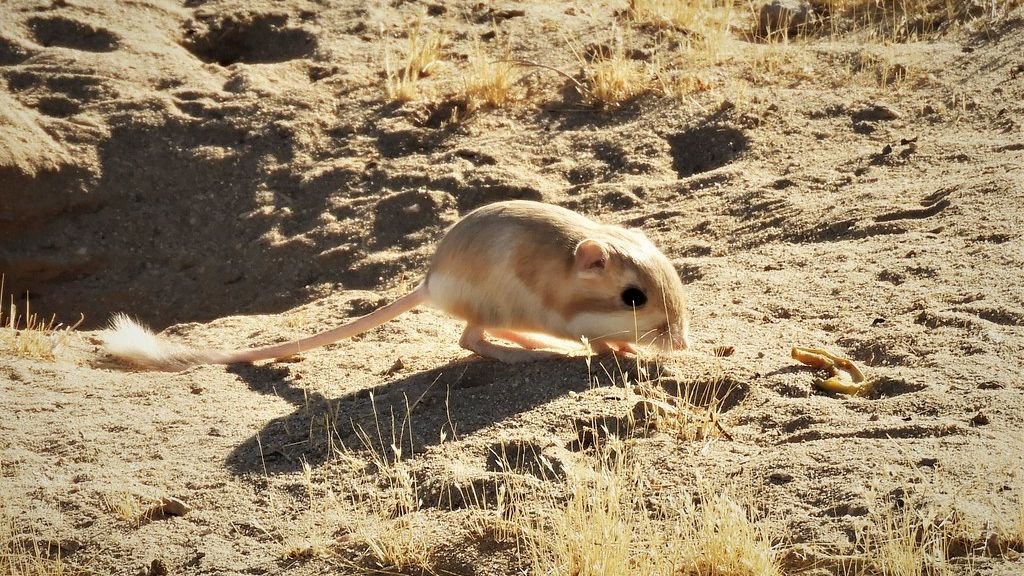
In some of the driest deserts in North America, kangaroo rats manage something that sounds like magic: they can go their entire lives without ever taking a sip of liquid water. They survive by pulling every last drop of moisture out of the seeds they eat and by running their internal chemistry so efficiently that they actually manufacture water inside their bodies as they metabolize food. It’s like turning every meal into a mini water factory.
Their kidneys are extreme specialists in water conservation, concentrating urine so much that practically nothing is wasted, and they lose very little water through breathing thanks to cool, moist nasal passages that reclaim vapor from each exhale. On top of that, they’re mostly nocturnal and spend their days in underground burrows, avoiding the brutal daytime heat that would bake the moisture out of their bodies. The result is an animal that treats water like a luxury item and never lets a single droplet go without a fight.
4. Deep-Sea Anglerfish: Living in Eternal Darkness with a Built-In Lantern
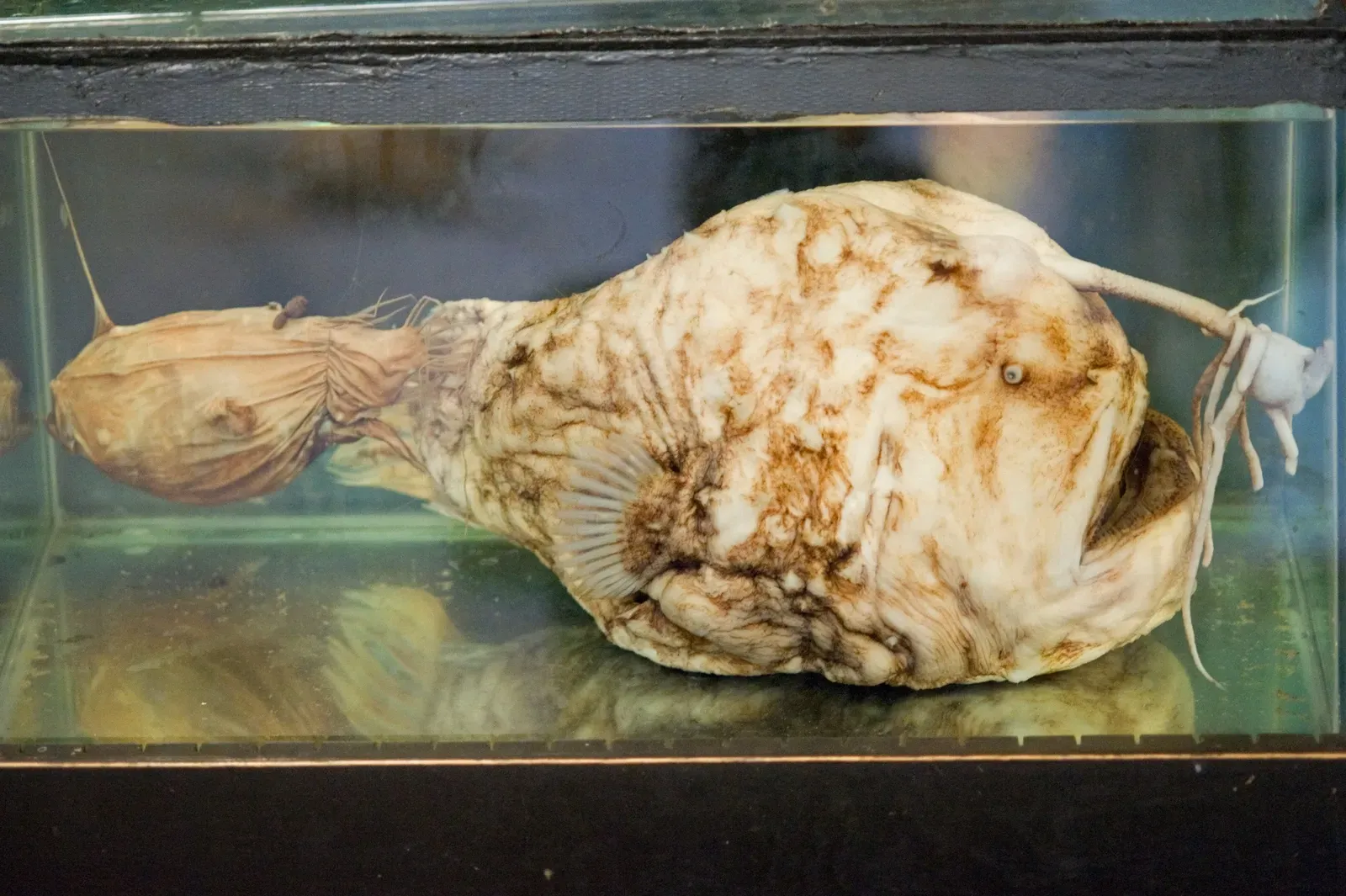
Thousands of meters below the surface, sunlight is nothing more than a memory, and pressure would crush most familiar creatures. Yet deep‑sea anglerfish not only survive there, they hunt with a strategy that feels straight out of a horror story: they use a glowing lure attached to their heads. This lure shines because of bioluminescent bacteria living in a fleshy extension like a fishing rod, drawing curious prey in close enough for a lightning‑fast bite.
Their adaptations go beyond the flashlight. Anglerfish have huge mouths, flexible jaws, and expandable stomachs that let them swallow prey nearly as big as they are, a crucial advantage in a world where meals are rare and unpredictable. In some species, tiny males permanently fuse their bodies to much larger females, essentially becoming living sperm donors that share blood and nutrients. It’s not exactly a romantic partnership, but in the deep sea’s endless black, it’s an extreme solution to the problem of finding a mate in a nearly empty universe.
5. Pompeii Worms: Thriving at the Edge of Boiling Point
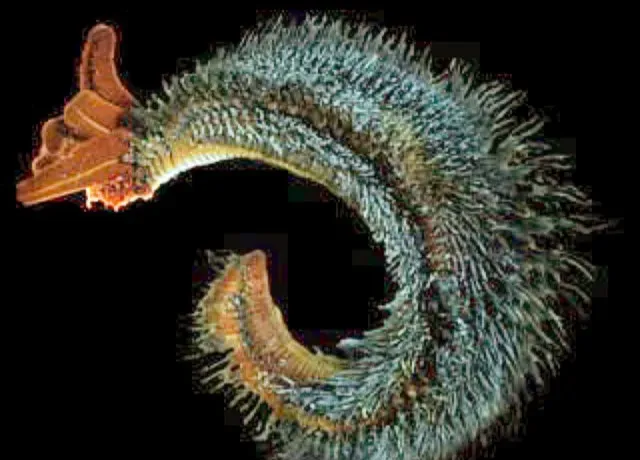
Along hydrothermal vents on the ocean floor, where superheated water bursts out of cracks in the Earth’s crust, Pompeii worms live in temperatures that would cook most animals in seconds. Parts of their bodies can withstand heat near the boiling point of water, while other parts rest in much cooler water, creating a bizarre life on the razor’s edge between scalding and survivable. They manage this balancing act by building tube homes right at vent openings and positioning themselves carefully inside.
Their backs are coated with dense colonies of specialized bacteria, which form a fuzzy layer that likely acts as a kind of living heat shield and may even help detoxify chemicals spewing out from the vent. In return, the worms provide the bacteria with a safe place and a steady flow of nutrients. This partnership makes the worms feel less like solitary animals and more like mobile ecosystems, turning one of Earth’s most hostile places into a tiny, thriving neighborhood of life built on chemical energy rather than sunlight.
6. Thermophilic Microbes: Micro Life That Loves Extreme Heat
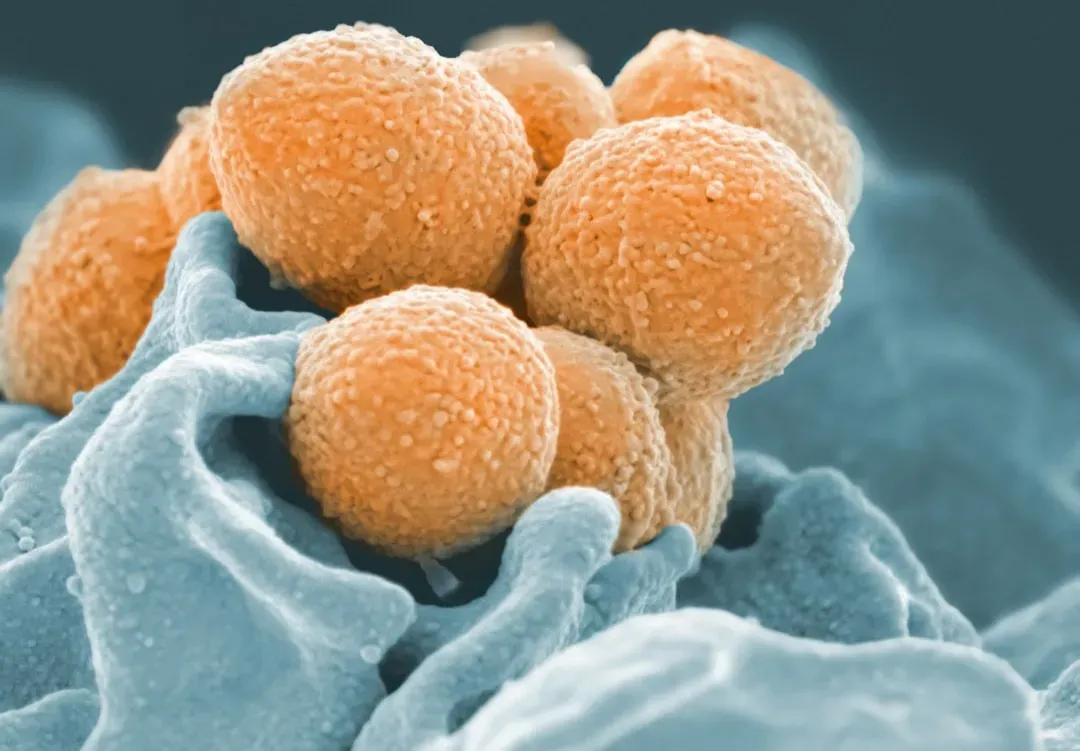
When most of us think of boiling water, we think of sterilizing, cleaning, destroying germs. Yet thermophilic microbes flip that idea on its head by treating extreme heat as home sweet home. Found in hot springs, volcanic soils, and industrial reactors, some can grow in water so hot it would scald human skin instantly. Their secret lies in the tiny details: heat‑stable proteins and enzymes that keep their shape despite the thermal chaos around them.
Their cell membranes are packed with lipids that stay solid and intact at high temperatures, like a carefully engineered heat‑resistant jacket around their contents. Some of the enzymes originally discovered in these microbes have become stars in genetic research and industry because they keep working at temperatures that break most other proteins. It’s a quiet reminder that what looks like destruction to us can be opportunity to something else, if evolution has enough time and raw material to work with.
7. Polar Bears: Masters of Insulation and Energy Storage
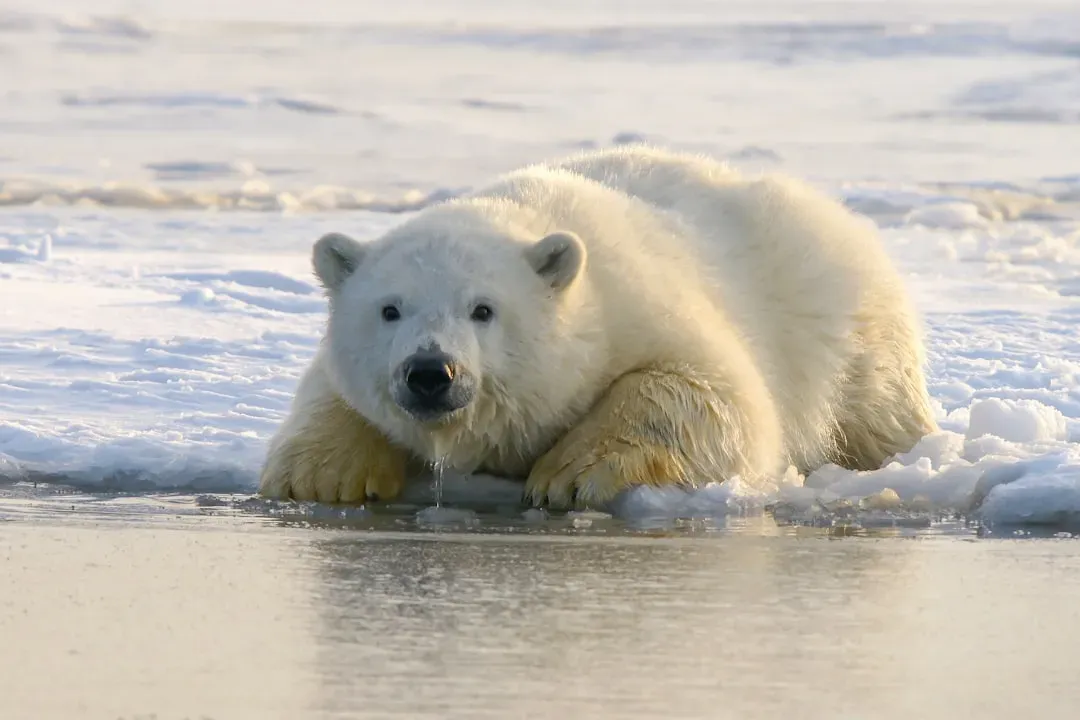
On drifting sea ice in the Arctic, polar bears navigate a world made of cold, wind, and long periods without food. Their white fur is only part of the story; beneath it lies a thick layer of fat that works like an ultra‑efficient wetsuit, insulating them from icy waters and helping them float while they swim long distances. Their skin is actually dark, absorbing what little sunlight there is, turning their entire body into a quiet solar collector in a low‑light world.
They also have a metabolism tuned to feast‑and‑famine cycles, building massive fat reserves when seals are plentiful so they can endure lean seasons when hunting is nearly impossible. Their paws are wide and covered in fur, acting like snowshoes that distribute weight and give traction on ice. Seeing footage of a bear crossing a seemingly endless frozen plain, it almost feels like you’re watching something engineered specifically for that landscape, even though it’s just an animal that evolution patiently sculpted over countless generations.
8. Scorpions: Slow-Motion Survivors of the Desert Night
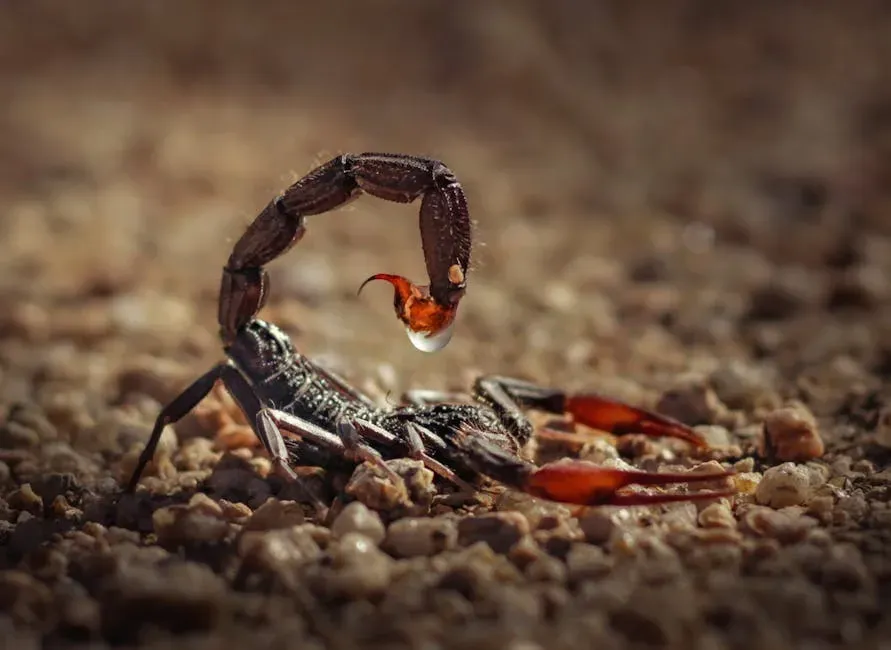
Scorpions often get framed as scary villains, but from an adaptation point of view, they’re more like patient strategists. In deserts and arid regions, they survive on surprisingly little food by slowing their metabolism down to a crawl, sometimes going for months without a proper meal. When conditions are truly awful, some species can bunk down and ride out harsh periods almost like they’ve put their whole physiology into low‑power mode.
Their thick exoskeletons help reduce water loss, and being nocturnal keeps them out of the worst daytime heat. Their sensory hairs and tiny slit‑like organs on their legs allow them to detect the slightest vibrations in sand, like a biological motion detector tuned to the heartbeat of the ground. In ultraviolet light, many scorpions glow in an eerie blue‑green, thanks to chemicals in their exoskeleton, a detail that feels almost like a sci‑fi trick added just for dramatic effect in an already extreme lifestyle.
9. Wood Frogs: Freezing Solid Without Dying
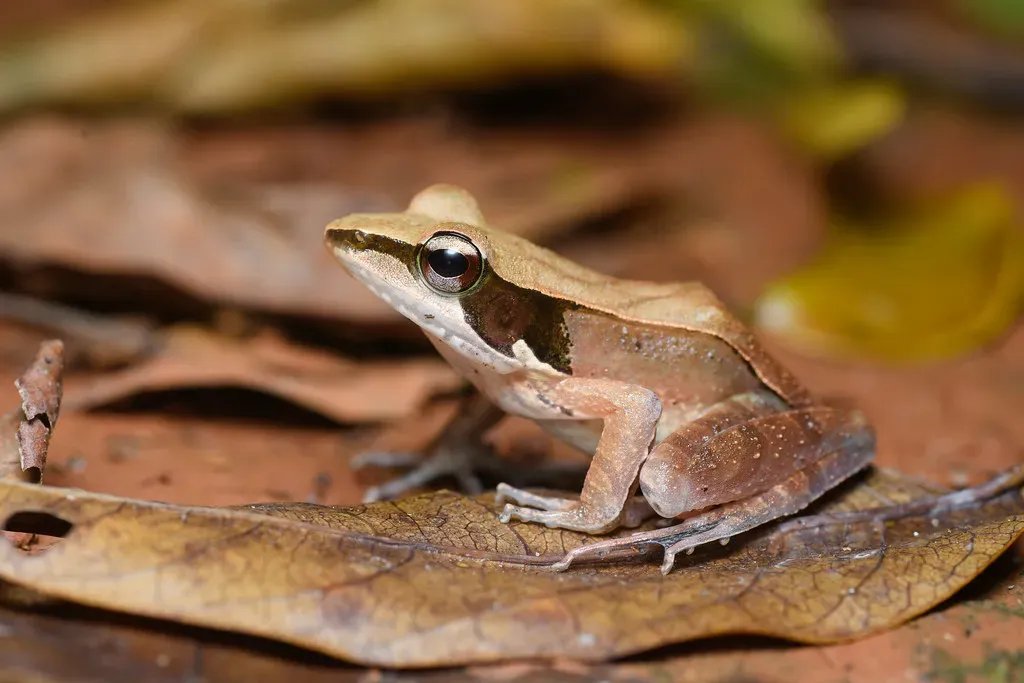
In northern forests, wood frogs have pulled off one of the boldest survival stunts in the animal kingdom: they let their bodies freeze in winter. Their hearts stop, their blood flow ceases, and ice forms in their body cavities and under their skin. Instead of that being the end, they protect their vital cells by flooding them with sugars like glucose, which work a bit like natural antifreeze inside the cells, preventing lethal ice crystals from tearing everything apart.
Come spring, as temperatures warm, these frogs thaw out, hearts start beating again, and they hop away as if that whole frozen‑solid thing was just a nap. It feels almost mythic, like a story someone passed down around a campfire, except it’s been documented and measured in lab studies. The wood frog shows that survival is not always about staying warm or avoiding danger, but sometimes about letting the danger in and carefully managing its impact from the inside out.
10. Deinococcus Radiodurans: Bacteria That Laugh at Radiation
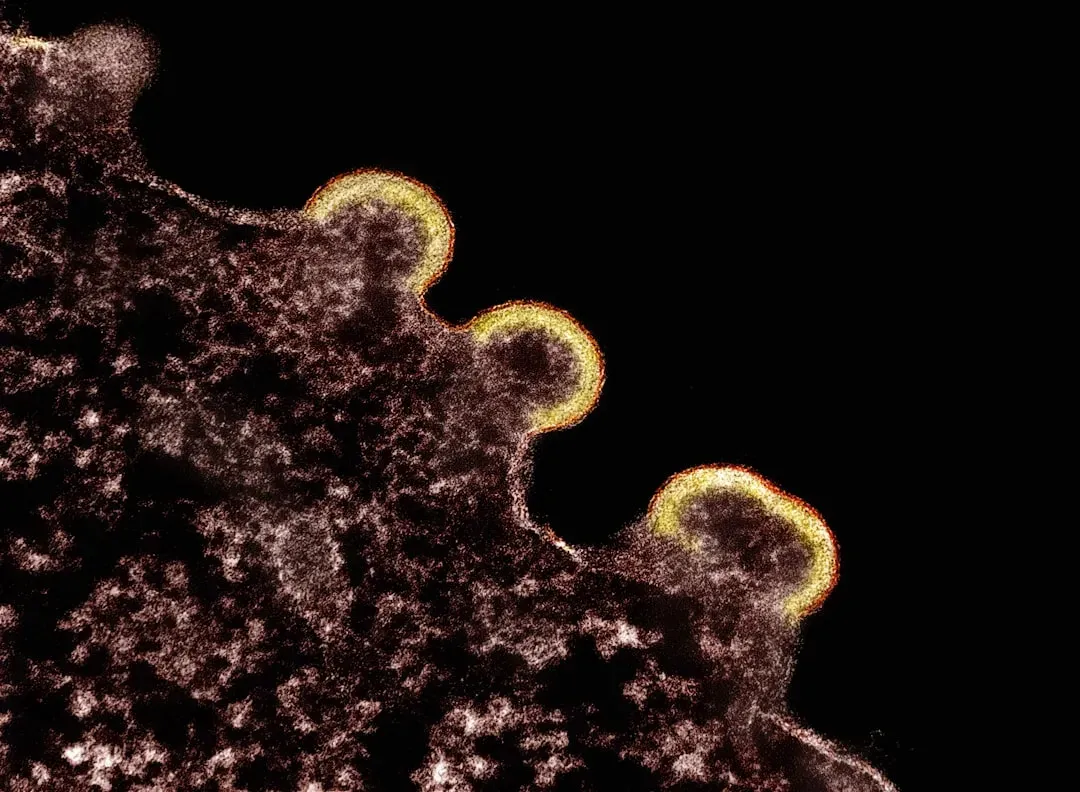
There is a bacterium nicknamed “the tough one” because radiation doses that would shred human DNA into useless fragments barely slow it down. Deinococcus radiodurans survives by having multiple copies of its genome packed into tight loops and by running some of the most advanced DNA repair systems known in biology. When its DNA is smashed apart, it can stitch the pieces back together with remarkable accuracy, like a master mechanic rebuilding an engine from a bucket of bolts.
It also has powerful antioxidant defenses that protect its proteins from damage, which turns out to be crucial, because even perfect DNA is useless if the molecular tools that read and repair it are wrecked. This bacterium has been found in places like irradiated reactors and dry, harsh environments where desiccation and radiation both cause similar types of cellular damage. Its existence quietly pushes against our intuitions about how fragile life is, reminding us that some organisms don’t just endure extremes; they make them part of their normal Tuesday.
What sticks with me most is how these stories reshape what we think is “habitable” at all, not just on Earth but on other worlds with crushing pressure, biting cold, or toxic chemistry. If worms can flourish at volcanic vents and microbes can shrug off radiation, then maybe our old, narrow idea of a comfortable planet was just that: narrow. The harshest environments on Earth turn out not to be dead zones, but laboratories where evolution runs bold experiments – so what other impossible survival tricks are still waiting to be found?