If you think hiding just means standing really still behind a tree, nature is about to blow your mind. All around us, there are animals so good at disappearing that scientists have stared right at them and still missed them. Some literally change color, some reshape their bodies, and a few turn invisibility into a kind of living magic trick.
Camouflage isn’t just about looking cool. It decides who eats, who gets eaten, and who gets to pass on their genes. As you read through these ten masters of disguise, you might catch yourself glancing twice at a mossy rock or a leaf on the sidewalk, wondering if something is quietly watching you back.
The Cuttlefish: The Shape‑Shifting Illusionist of the Sea
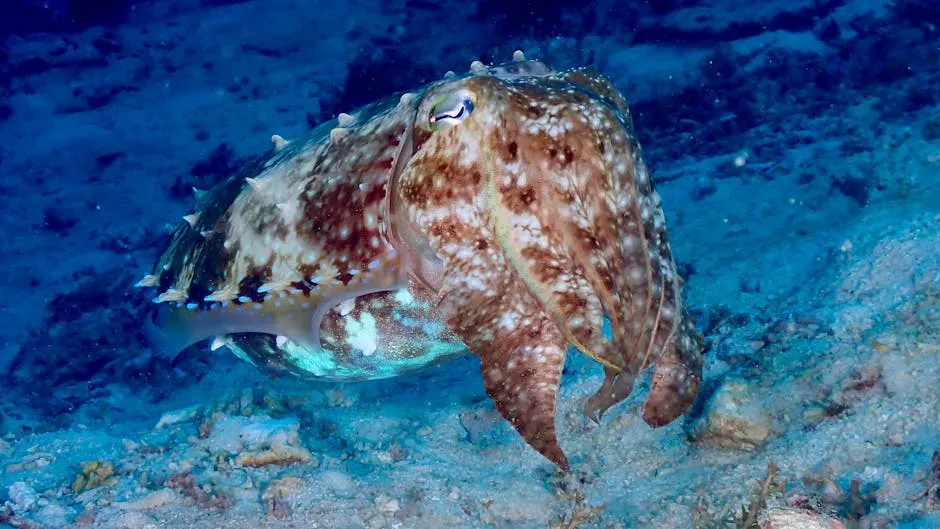
Cuttlefish are often called the chameleons of the ocean, but honestly, that undersells them. They don’t just change color; they also shift patterns, brightness, and even skin texture in a fraction of a second. Under their skin are pigment sacs and tiny mirror-like structures that bend light, allowing them to blend into rocks, sand, coral, or even mimic the shifting sparkles of sunlight through water.
What’s truly wild is that cuttlefish can do all this even though they probably see the world mostly in shades of gray. Their nervous system is wired directly into their skin, turning their whole body into a living, thinking screen. I remember staring at a video of one “vanishing” against a coral wall and replaying it five times because my brain simply refused to accept that an animal could rewrite its own appearance so completely.
The Leaf-Tailed Gecko: Living Dead Leaves on the Forest Floor
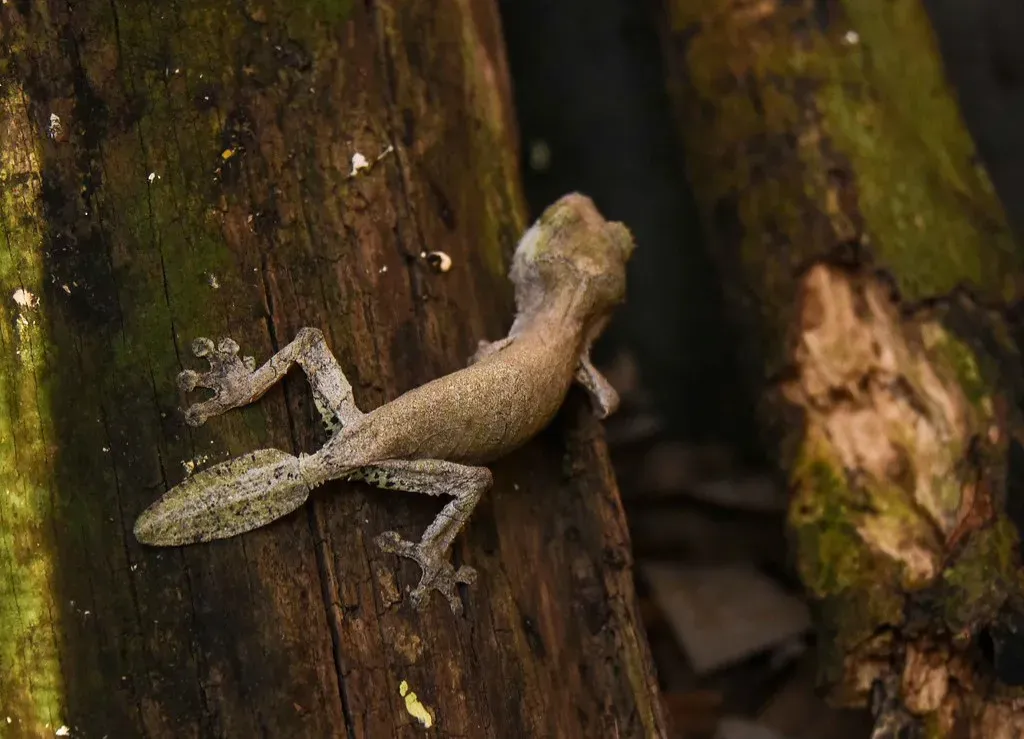
The leaf-tailed gecko looks like someone gave nature a photo of a dead leaf and said, “Copy this exactly.” Its body is flat, its tail jagged, and its skin painted in mottled browns, grays, and mossy greens that match lichen-covered bark or leaf litter. Some individuals even have tiny “bite marks” along the edge of their tails that look like insect damage on a real leaf.
These geckos don’t rely on motionless hiding alone; they flatten themselves against bark to erase shadows and line up with tiny cracks in the tree’s surface. At night, they come to life, hunting insects that never realized a “leaf” was looking back at them. If you’ve ever tried to spot one in a photograph before someone circled it in red, you know the slightly unsettling feeling of realizing an animal has been staring out at you the whole time.
The Cuttlefish’s Cousin: The Octopus, Master of Mind‑Bending Mimicry
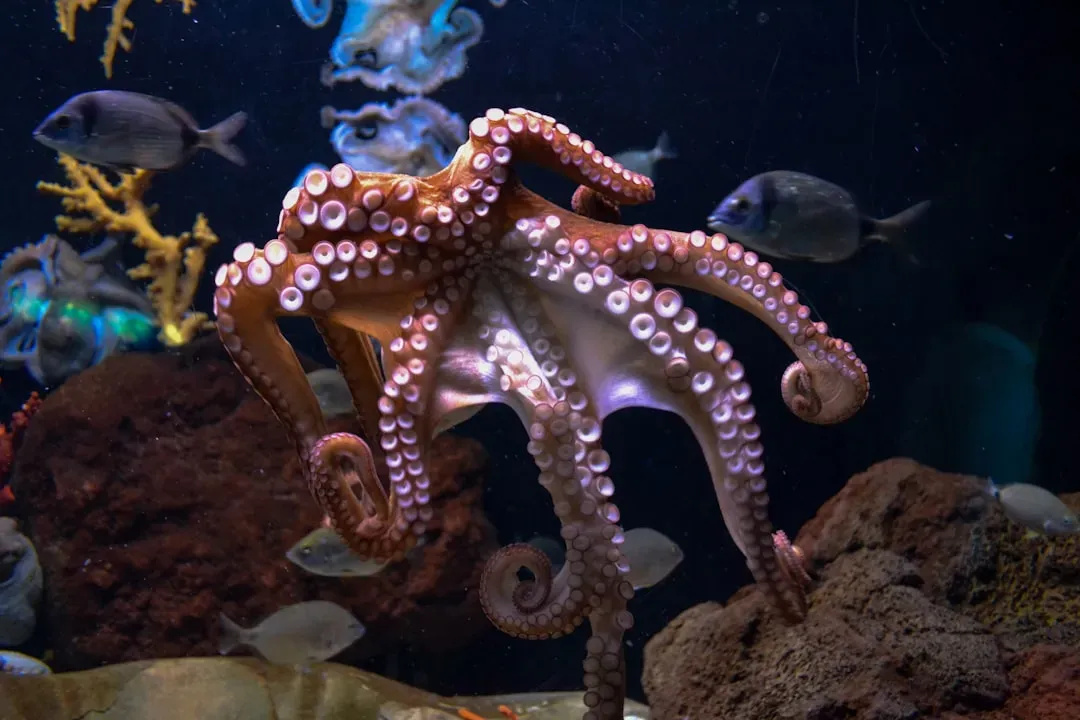
Octopuses take camouflage and add a twist: they’re not only trying to vanish, they sometimes pretend to be something completely different. Many species can change color and skin texture, sprouting bumps or smoothing out to copy rocks, coral, algae, or sand. They do it so smoothly that a bare patch of ocean floor can suddenly rise up, unfold, and jet away in a cloud of ink.
Some octopuses have gone even further into full-on impersonation. The so-called mimic octopus can rearrange its arms and patterns to resemble venomous sea snakes, toxic flatfish, or stinging lionfish, depending on which predator it wants to fool. It’s like watching a quick-change artist on stage, except the stakes are life or death, and the audience is made of hungry fish.
The Walking Leaf Insect: A Leaf With Legs and an Attitude
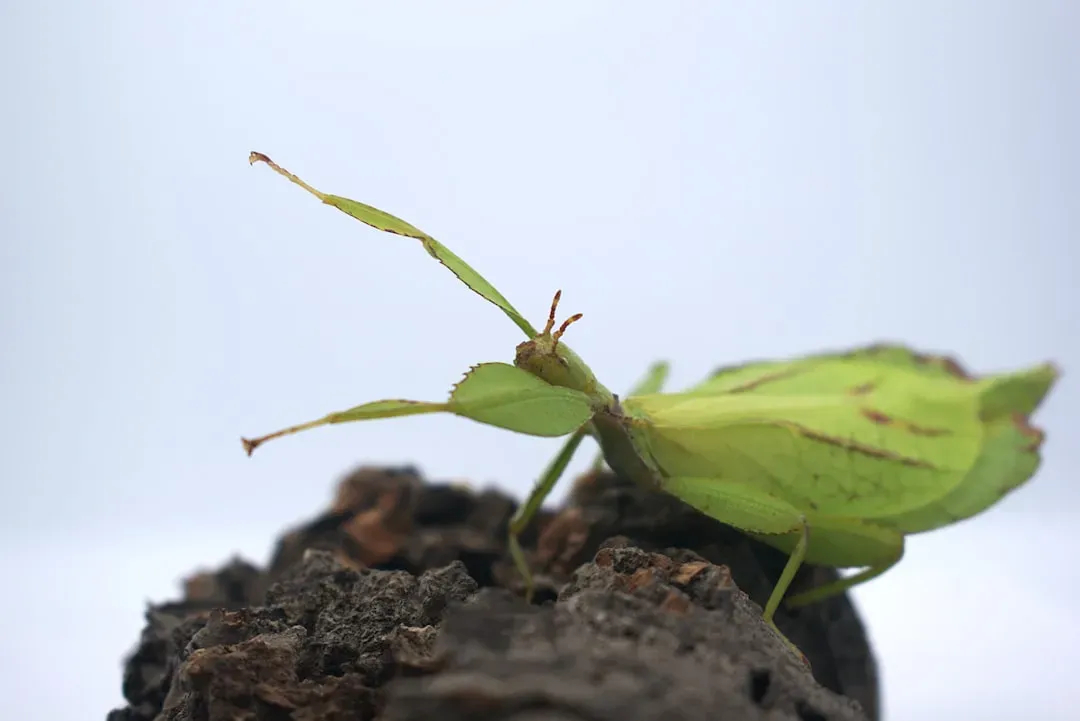
At first glance, a walking leaf insect just looks like a leaf that somehow forgot to fall off the tree. Their bodies are flat, broad, and veined like real foliage, complete with spots that resemble fungal patches or insect bites. Even their legs are shaped like small leaf fragments, turning every movement into the gentle sway of leaves in a breeze.
What really sells the illusion is how they move. Instead of walking in a straight, purposeful line, they rock side to side, as if being nudged by invisible wind. Predators scanning for bugs see only leaves rustling and pass them by. It’s a reminder that camouflage isn’t just paint; it’s choreography, timing, and the art of not drawing attention to yourself in a world full of hungry eyes.
The Snow Leopard: Ghost of the High Mountains
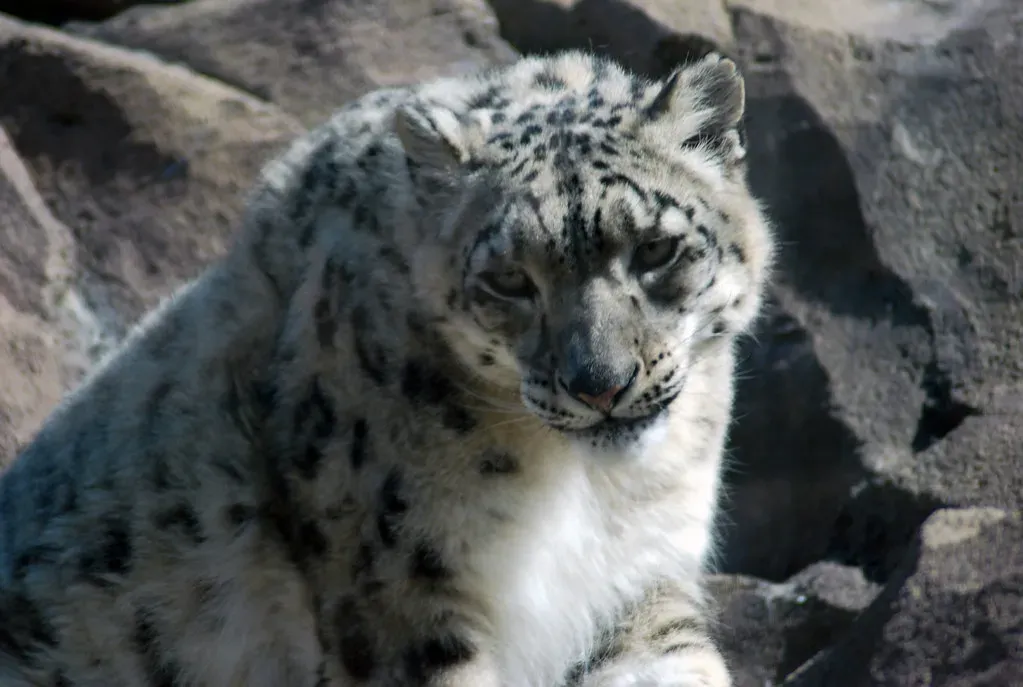
Snow leopards don’t flash or flicker or change colors in seconds. Their genius is subtle, built into every hair of their thick, pale, patterned fur. In their rocky, snowy home ranges of Central and South Asia, their coats blend perfectly with broken stone, shadowed cliffs, and patches of snow. From a distance, they look less like animals and more like shifting shadows.
Their camouflage lets them creep close to wild sheep and goats that can spot danger from far away on open slopes. Hikers and researchers often walk right past areas where a snow leopard is lying low on a ledge, watching in silence. There’s something almost eerie about a big cat whose survival depends on being seen as nothing more than another rock in a field of rocks.
The Leafy Sea Dragon: A Floating Seaweed Phantom
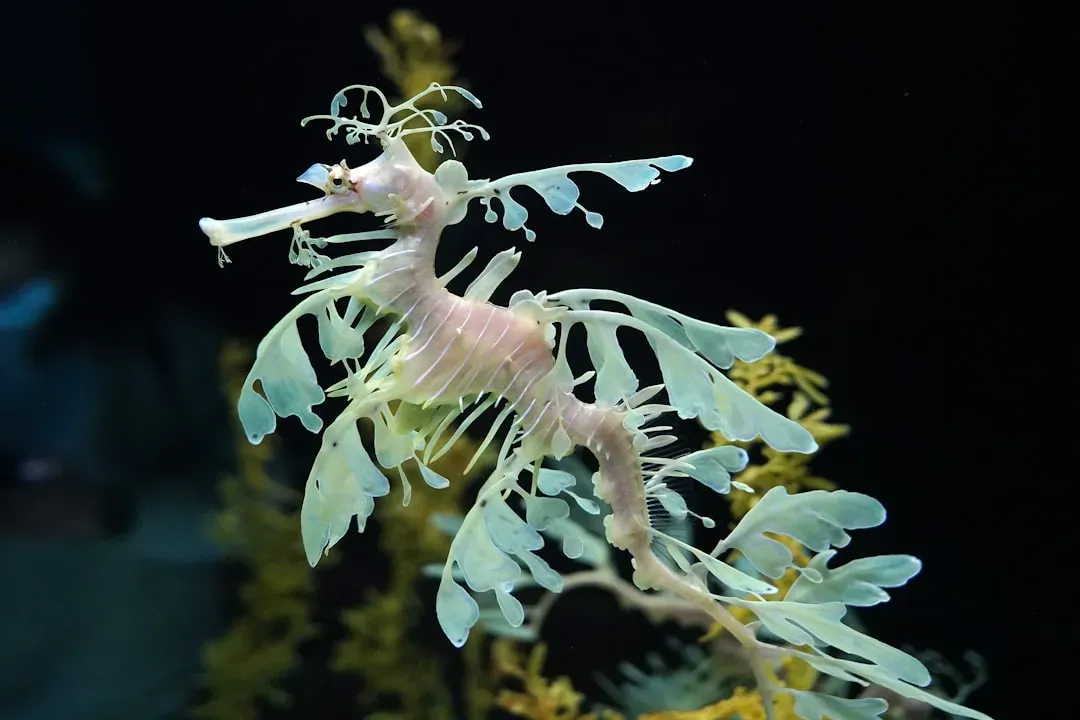
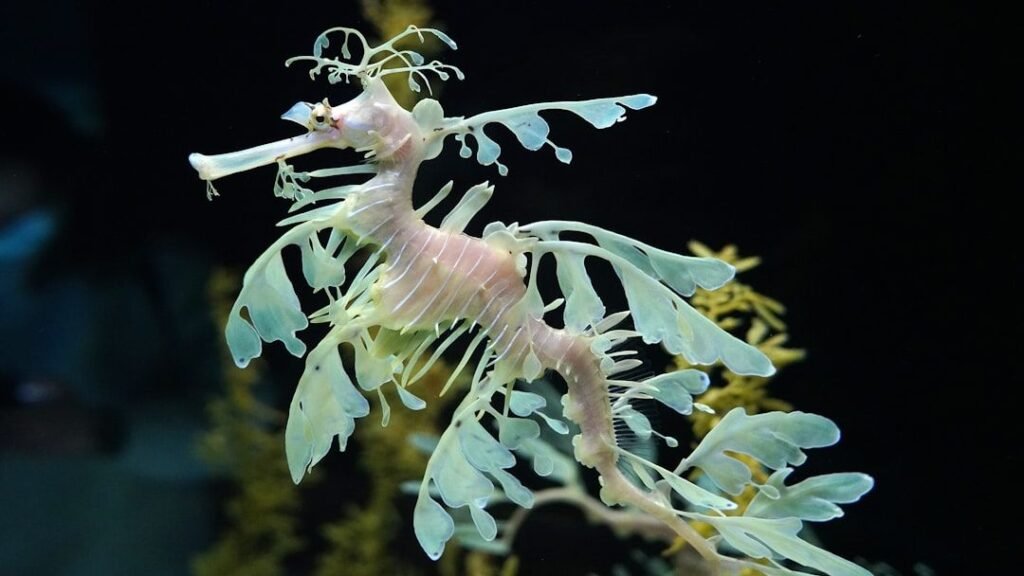
The leafy sea dragon looks like an artist tried to design seaweed and a dragon at the same time and refused to pick just one. Its body is covered in long, delicate leaf-like appendages that trail behind it and flutter in the currents. Rather than racing away from danger, it drifts slowly, matching the motion of surrounding algae and kelp so well that predators overlook it entirely.
Unlike some of its flashy underwater cousins, the leafy sea dragon doesn’t change color instantly, but it doesn’t have to. Its yellows, greens, and browns are perfectly tuned to the cool, kelp-filled waters where it lives off southern Australia. When you finally manage to pick one out from the background, it feels like finding a hidden illustration in one of those visual puzzle books from childhood, only this one is alive and breathing.
The Pygmy Seahorse: The Tiny Coral Doppelgänger
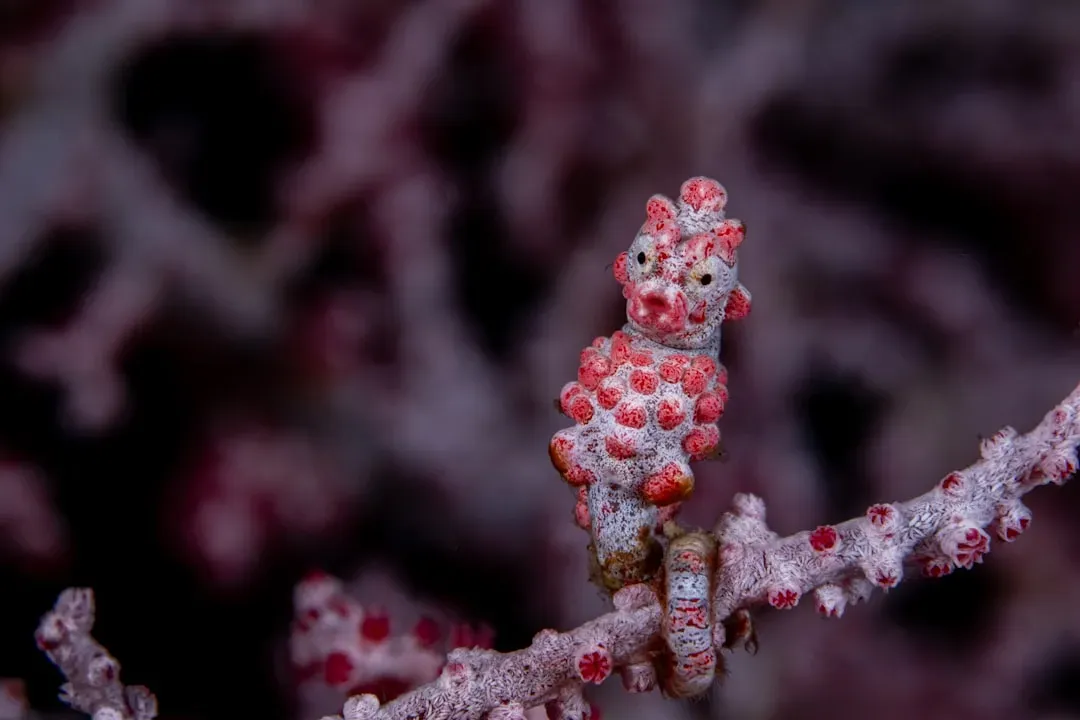
Pygmy seahorses are so tiny and so well camouflaged that scientists only discovered them after collecting coral and noticing that some of the “bumps” started moving. They live on specific types of soft corals known as sea fans and match their color and texture with almost impossible accuracy. Their bodies sport the same knobby lumps, delicate patterns, and shades of pink, red, or yellow as the coral itself.
What makes them especially fascinating is how specialized they are. A pygmy seahorse on one coral species can look completely different from one on another, each tuned to its home like a custom paint job. Fish that cruise by searching for snacks see only coral, not the tiny seahorses wrapped around the branches with their tails, quietly minding their own business.
The Common Potoo: A “Broken Branch” That Blinks
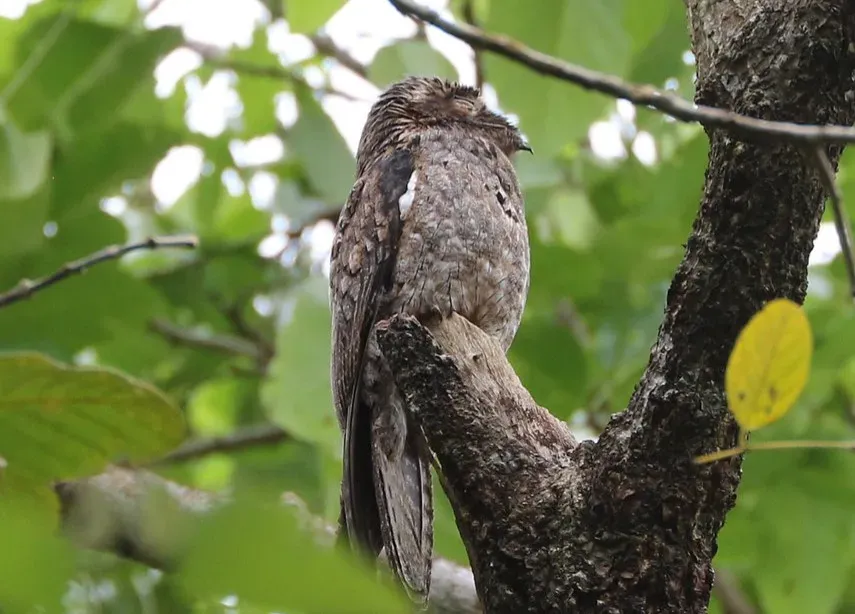
The common potoo is a bird that has turned doing nothing into a survival strategy. During the day, it perches upright on a dead tree stump or branch, points its beak toward the sky, closes its mouth, and freezes. Its mottled gray and brown feathers match the color, texture, and even the cracks of the wood so well that it looks like part of the tree rather than a living animal.
The detail is almost ridiculous: the line of its closed beak blends into the “grain” pattern of its plumage, and its eyes can stay mostly closed with only tiny slits for watching. People can walk right past one and never know it. At night, though, this motionless “stick” suddenly becomes an agile aerial hunter, flying out to snatch insects against the dark sky and then returning to its post before sunrise.
The Orchid Mantis: A Flower That Fights Back
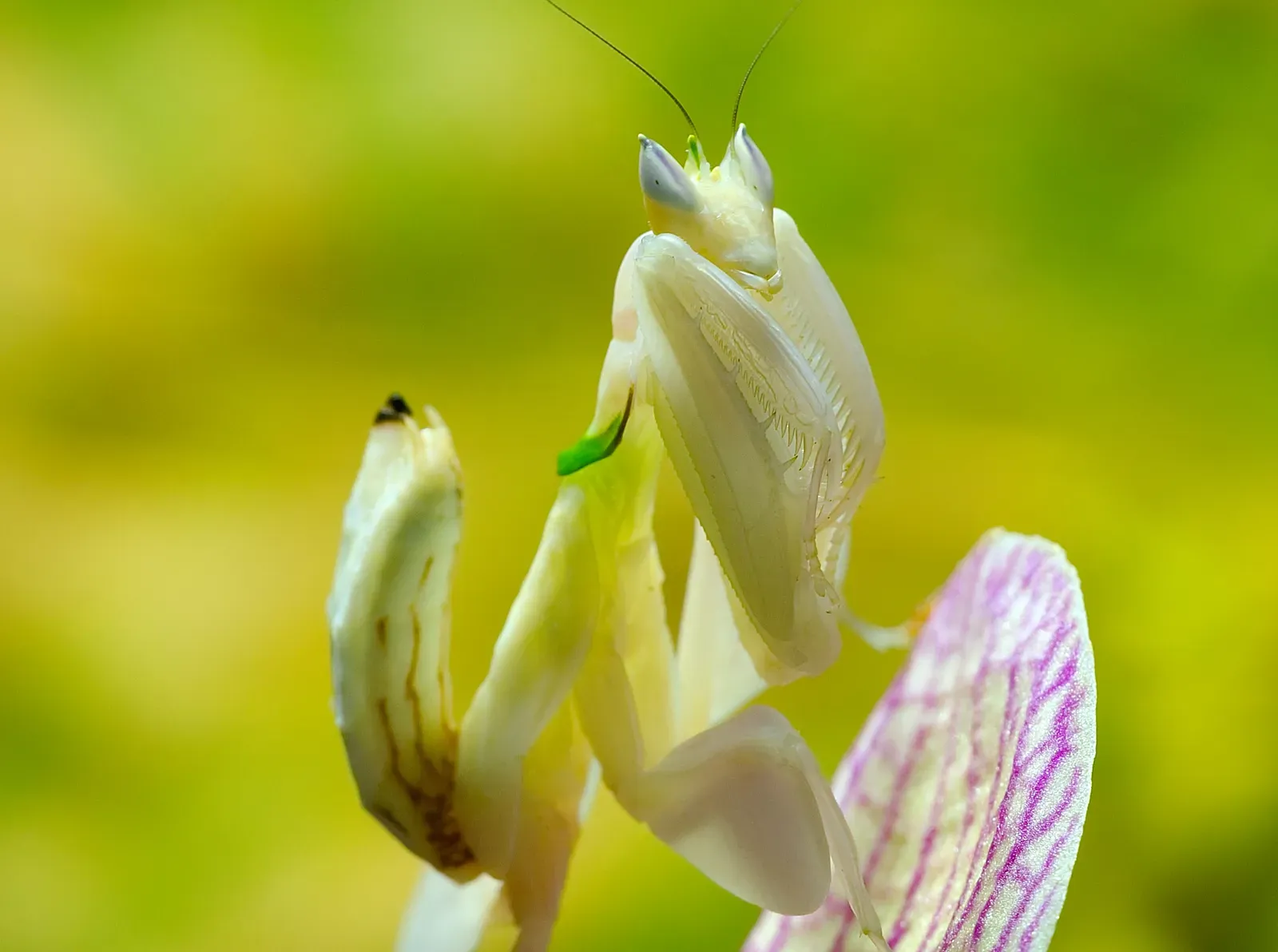
The orchid mantis doesn’t hide by pretending to be nothing; it hides by pretending to be something irresistible. Its legs and body are shaped and colored like delicate orchid petals, with soft whites and pinks that look shockingly similar to real flowers. Instead of fleeing from hungry animals, it waits for hungry insects that come in search of nectar and pollen.
When an unsuspecting butterfly or bee lands nearby, drawn in by what looks like a perfect bloom, the mantis strikes with lightning speed. Its ruse is so convincing that even humans sometimes overlook it while admiring the plant it’s sitting on. There’s a twisted beauty in this strategy: the camouflage is inviting, not invisible, and the trap is hidden inside something that appears safe and attractive.
The Flounder: The Ocean Floor’s Living Wallpaper
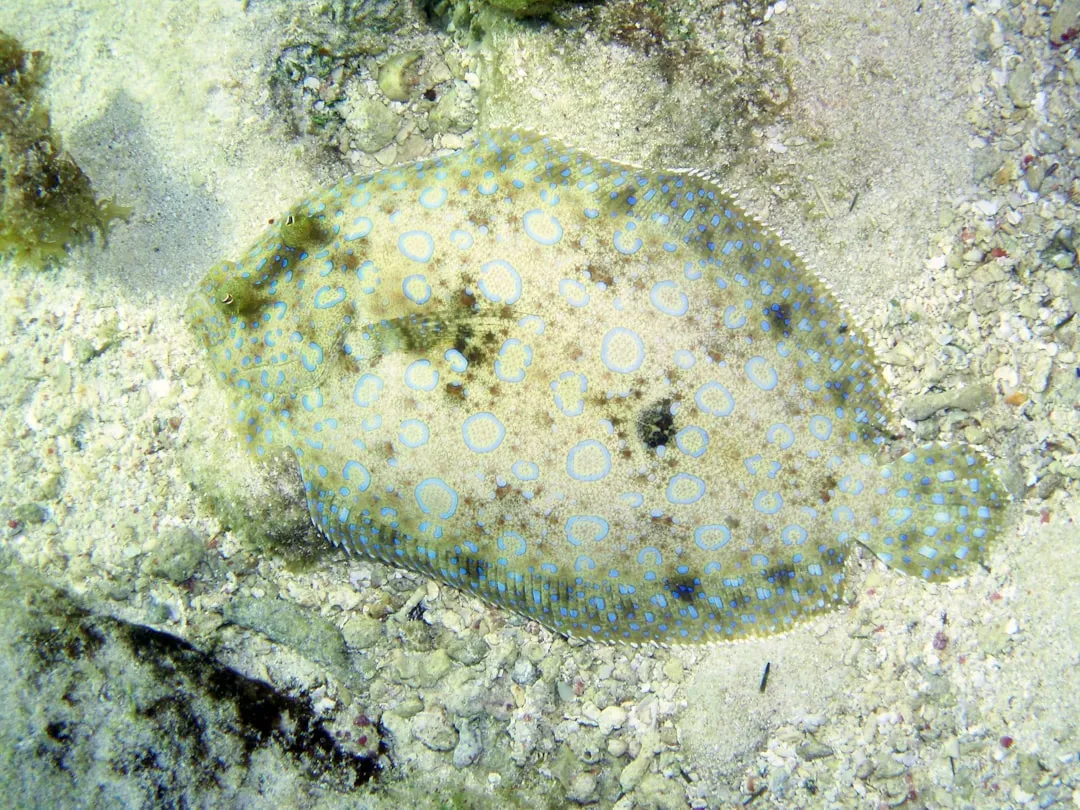
Flounders begin life looking like normal, upright fish, but as they grow, one eye migrates to join the other on the same side of the head. They then spend their adult lives lying flat on the seafloor, half-buried in sand or gravel. Their skin can shift patterns and colors to copy the exact mix of pebbles, shell fragments, and sediment beneath them.
What’s especially impressive is that flounders adjust their camouflage based on what they see, using feedback from their eyes to fine-tune the match. They’re good enough at it that even predators equipped with sharp vision struggle to tell where fish ends and ocean floor begins. The next time you look at a patch of rippled sand in shallow water, it’s worth wondering how many “empty” spots are secretly occupied.
Nature’s Greatest Magic Trick Is Disappearing
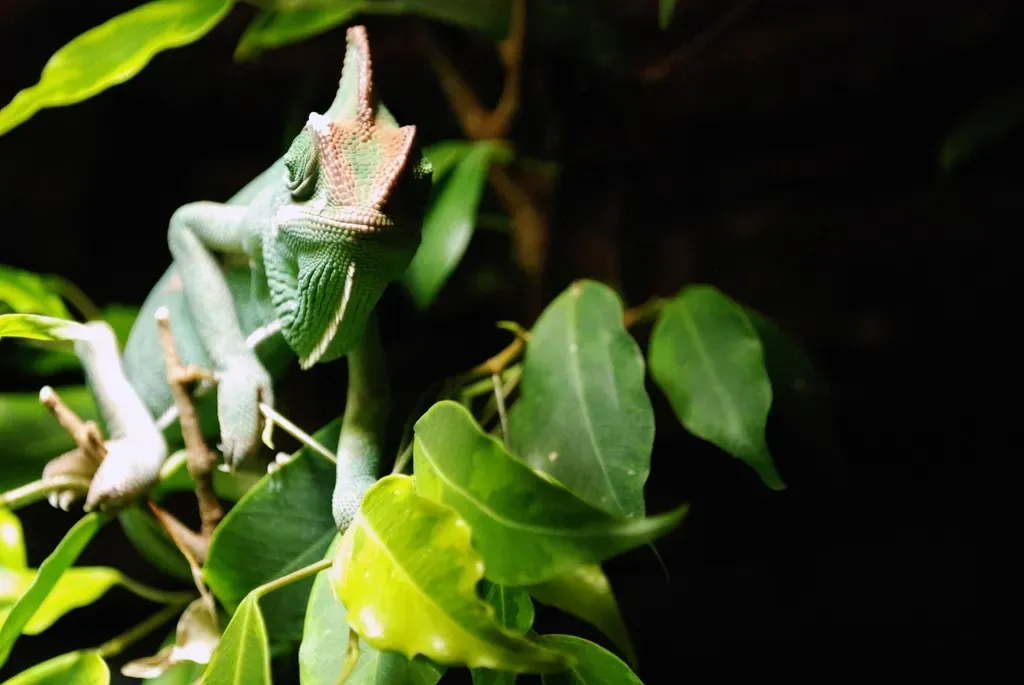
From color-changing cuttlefish to motionless potoos, these animals prove that survival isn’t just about strength or speed; it’s about outsmarting the eyes that are looking for you. Camouflage shows up in soft coral branches, cold mountain cliffs, and even among dead leaves on the forest floor, turning entire habitats into stages for invisible performances. The more we look, the more we realize how often we’ve walked past something alive without ever knowing it.
What stays with me is how creative evolution can be when the goal is simply not to be noticed. Texture, color, posture, and behavior all get woven together into illusions that would impress any magician. It makes you wonder: the next time you stare at a rock, a branch, or a patch of weeds, how sure are you that nothing is staring quietly back at you?