
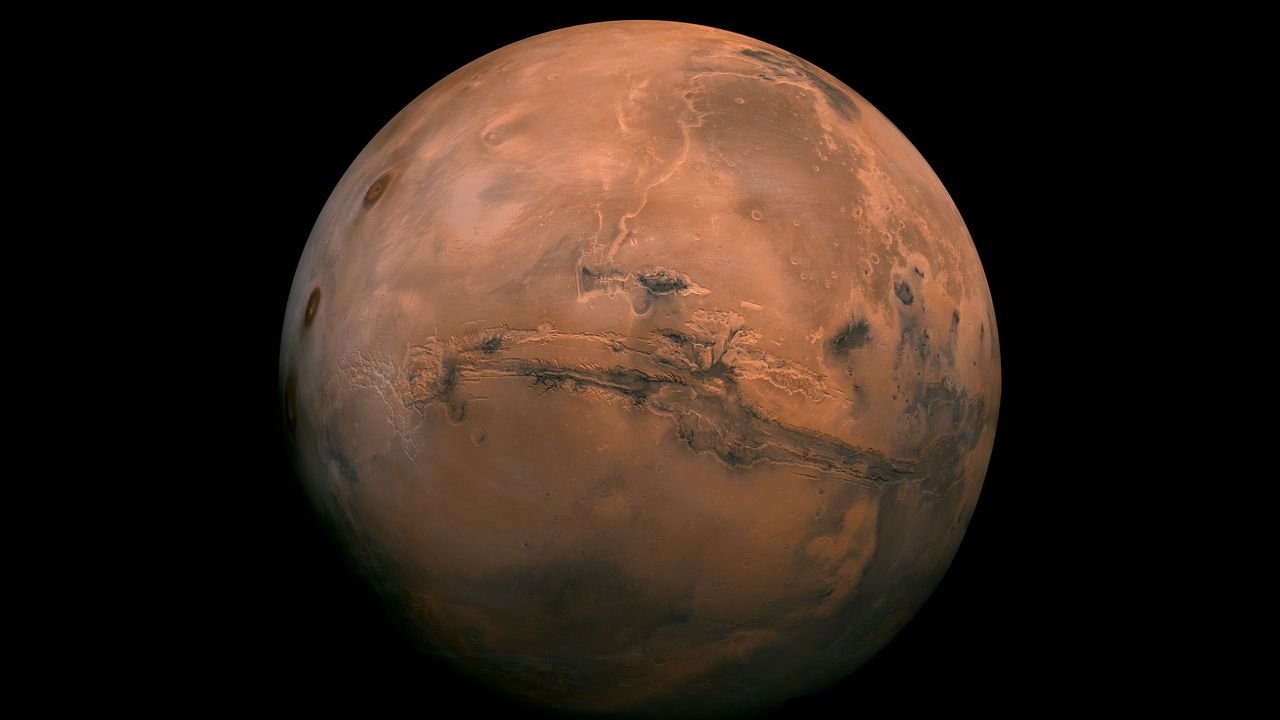
Defying Extreme Pressures (Image Credits: Cdn.mos.cms.futurecdn.net)
A recent experiment demonstrates that certain resilient microbes might endure the violent forces of an asteroid impact on Mars, potentially carrying life across the solar system.[1][2]
Defying Extreme Pressures
Researchers at Johns Hopkins University targeted Deinococcus radiodurans, an extremophile bacterium often called “Conan the Bacterium” for its toughness against radiation, cold, and dehydration.[1] This desert dweller from Chile’s arid highlands showed remarkable resilience in simulated impact conditions. The team fired projectiles at steel plates sandwiching the microbes, replicating pressures up to 3 gigapascals – over 30,000 times Earth’s atmospheric pressure.[3]
Nearly all bacteria survived exposures at 1.4 gigapascals, while 60 percent endured 2.4 gigapascals despite some cell membrane damage.[2] Lead author Lily Zhao noted the surprise: “We expected it to be dead at that first pressure. We kept trying to kill it, but it was really hard to kill.”[1] Genetic analysis revealed the survivors prioritized DNA repair and cellular recovery. In fact, the testing equipment often failed before the microbes did.
Recreating Mars Impact Scenarios
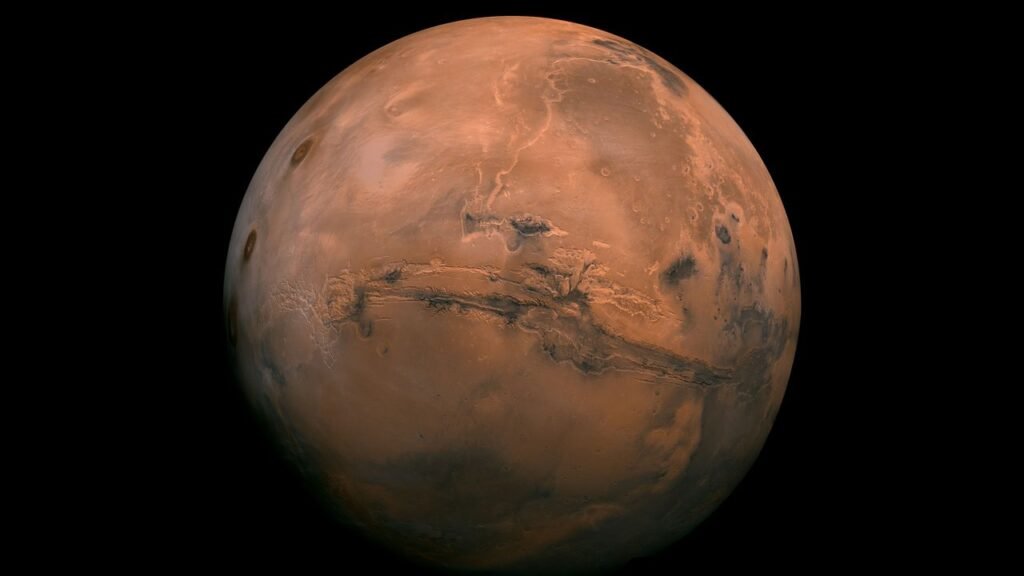
The study addressed a key hurdle in lithopanspermia, the theory that life spreads via rock fragments ejected by asteroid strikes. Martian meteorites have reached Earth, confirming material transfer occurs. However, ejection pressures – estimated near 5 gigapascals for escape velocity – had remained a question mark.[3]
Experiments used a gas gun to generate split-second shocks at speeds up to 300 miles per hour. Senior author K.T. Ramesh explained, “Life might actually survive being ejected from one planet and moving to another.”[1] While previous tests on other microbes yielded low survival rates, Deinococcus thrived under conditions mimicking Mars’ cratered surface. The findings appeared in PNAS Nexus on March 3, 2026.[2]
Overcoming Panspermia Barriers
Panspermia faces multiple challenges, but this research clears the launch phase. Here are the main obstacles and how Deinococcus fares:
- Radiation exposure: The bacterium repairs DNA efficiently during space travel.
- Extreme cold and vacuum: It withstands desiccation and low temperatures.
- Impact ejection: Now proven survivable at relevant pressures.[1]
- Atmospheric re-entry: Prior studies show protection inside rocks.
- Landing and adaptation: Possible on habitable worlds like early Earth.
Mars, once wetter and warmer, hosted impacts that scarred its surface. Ejected debris could have carried microbes here billions of years ago. Zhao speculated, “What that means is that life can potentially move between planets. Maybe we’re Martians!”[1]
Ramifications for Space Missions
The results prompt reevaluation of planetary protection protocols. NASA’s guidelines restrict contamination during Mars missions, but ejecta from Mars’ moons like Phobos – close enough to collect surface material – may warrant stricter handling.[2] Ramesh warned, “We might need to be very careful about which planets we visit.”[1]
Future work could test repeated impacts or other organisms like fungi. Supported by NASA’s Planetary Protection program, the study underscores life’s tenacity.
Key Takeaways
- Deinococcus radiodurans survived up to 60% at 2.4 GPa, simulating Mars ejection.
- Strengthens lithopanspermia, suggesting Mars-to-Earth life transfer.
- Urges updated policies for sample returns from Mars’ vicinity.
This breakthrough reframes life’s potential mobility, challenging notions of isolated origins. As craters attest, impacts have reshaped our solar system for eons – what cosmic journeys might future discoveries reveal? What do you think about the possibility of Martian microbes seeding Earth? Tell us in the comments.