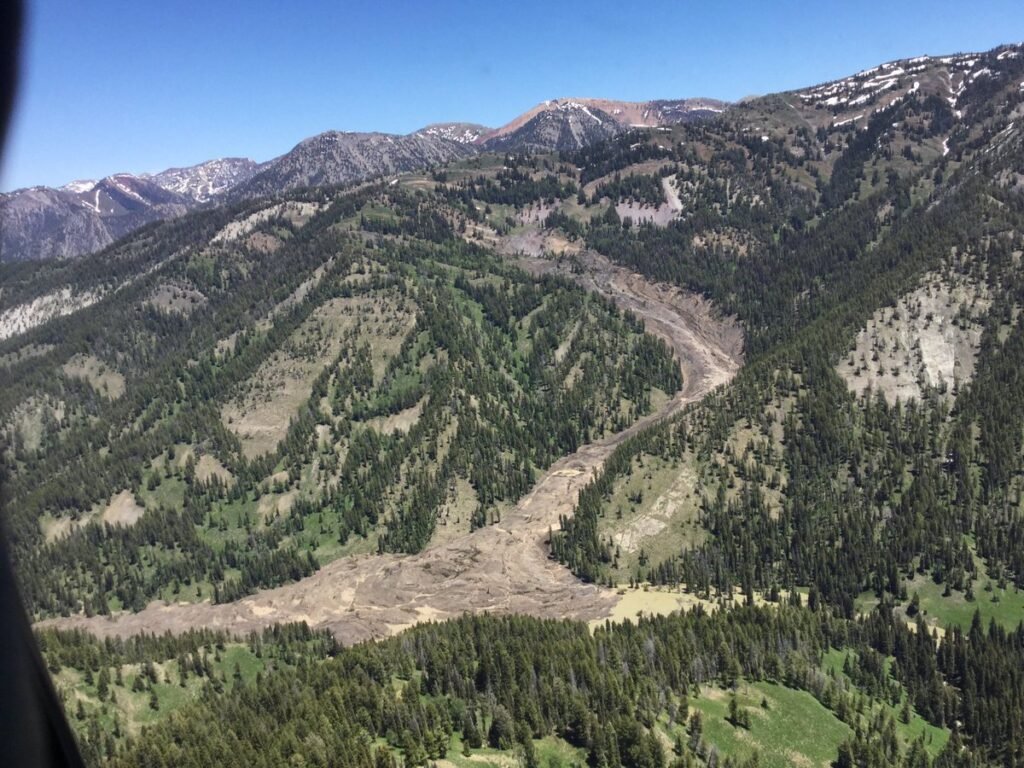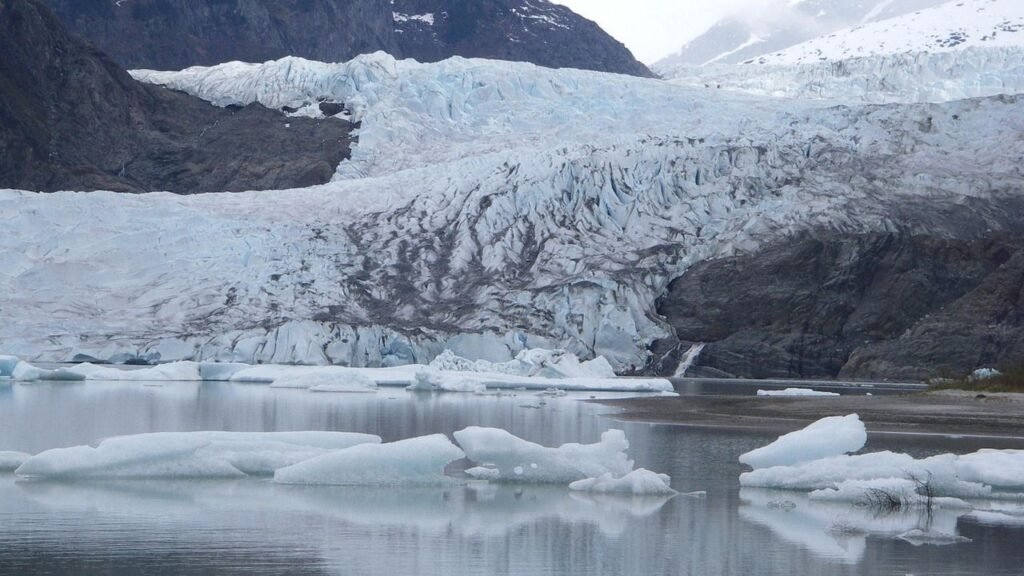
Imagine peeling back the world’s largest freezer lid, one that has been sealed for thousands of years, and finding a world of alien life thriving in the darkness below. That is, in essence, what is happening at the top of our planet right now. The Arctic ice, once considered a permanent and impenetrable frozen wilderness, is retreating at a pace that is stunning even the most seasoned scientists.
What you are witnessing in real time is not just a climate story. It is a story of discovery, of biology rewriting its own rulebook, and of ecosystems that evolved in complete isolation from anything humanity has ever studied. Some of these discoveries are inspiring. Others are deeply unsettling. Let’s dive in.
A World Hidden Beneath the Ice: The Basics of What Is Being Found
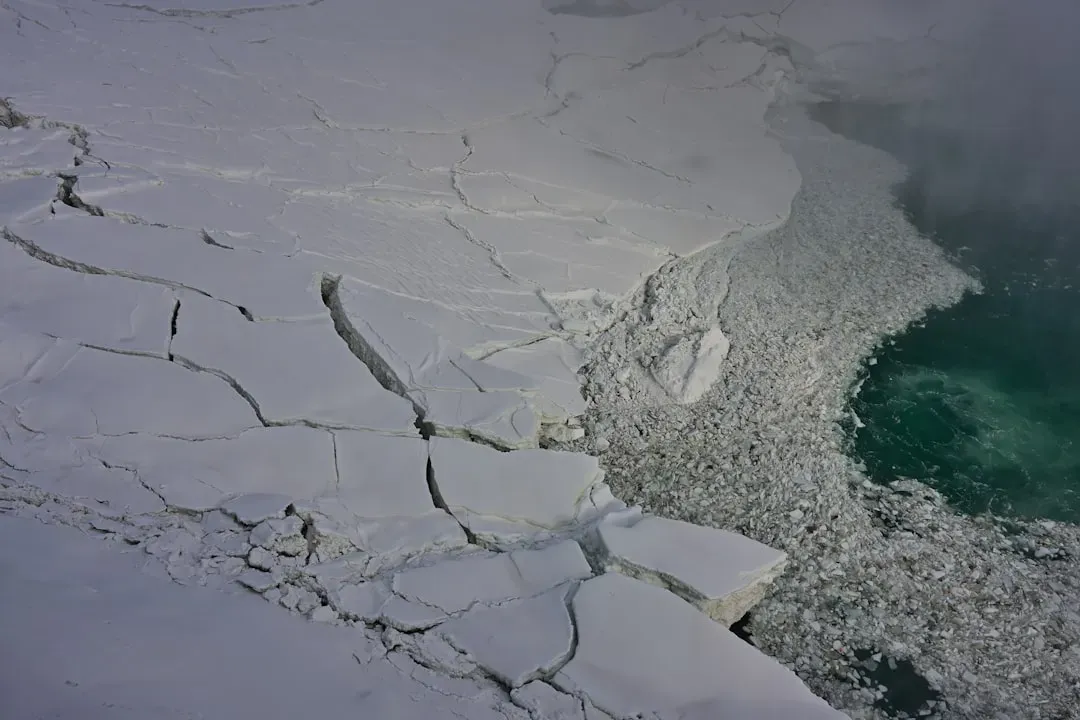
You might assume that beneath thick sheets of polar ice, life simply cannot exist. No sunlight, crushing cold, zero nutrients from the surface. It sounds like a description of a lifeless void. Yet scientists are learning that this picture was wrong in the most spectacular way.
Melting Arctic ice is revealing a hidden world of nitrogen-fixing bacteria beneath the surface, and these microbes enrich the ocean with nitrogen, fueling algae growth that supports the entire marine food chain. These are not the bacteria you would expect to find, either. For the first time, scientists have identified nitrogen fixation occurring beneath the Arctic’s sea ice, even in its most central regions. This process involves certain bacteria that transform nitrogen gas dissolved in seawater into ammonium. Unlike most other oceans where cyanobacteria dominate this process, in the Central Arctic Ocean it is a completely different type of bacteria doing the work.
Unlike surface lakes, subglacial lakes are isolated from Earth’s atmosphere and receive no sunlight. Their waters are thought to contain very low concentrations of nutrients necessary for life. Despite the cold temperatures, low nutrients, high pressure, and total darkness, these ecosystems have been found to harbor thousands of different microbial species and some signs of higher life. Honestly, it is hard not to feel a sense of awe at that. Life, finding a way, in the absolute worst conditions imaginable.
Tiny Skaters on Ice: The Diatoms Rewriting the Rules of Biology
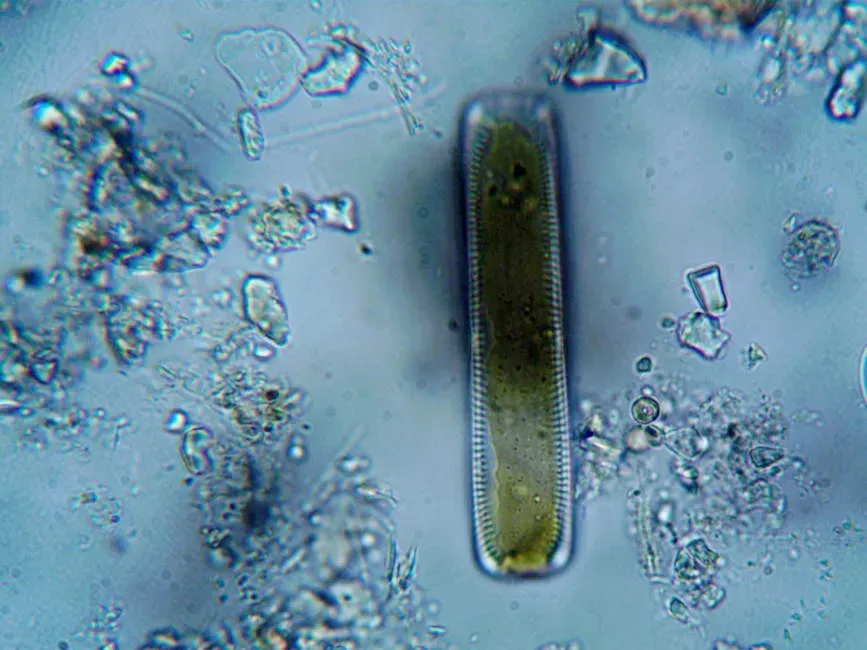
Here is something that will genuinely stop you in your tracks. Picture microscopic glass-walled organisms, gliding through frozen channels inside sea ice, alive and actively moving at temperatures that should, by every reasonable expectation, kill them. That is exactly what researchers at Stanford University discovered.
Hidden within Arctic ice, diatoms are proving to be anything but dormant. New Stanford research shows these glass-walled algae glide through frozen channels at record-breaking subzero temperatures, powered by mucus-like ropes and molecular motors. These single-celled organisms were long assumed to just be frozen in place. Their astonishing resilience raises questions about how life adapts in extreme conditions and highlights the urgency of studying polar ecosystems before they vanish.
Think of it like discovering that the frozen passengers on a crashed airplane were actually still awake and having conversations the whole time. The implications for understanding the minimum conditions required for life are enormous. And the urgency is real. Many colleagues are stating that in the next 25 to 30 years, there will be no Arctic, and when ecosystems are lost, we lose knowledge about entire branches in our tree of life.
The Chicago-Sized Iceberg That Changed Everything
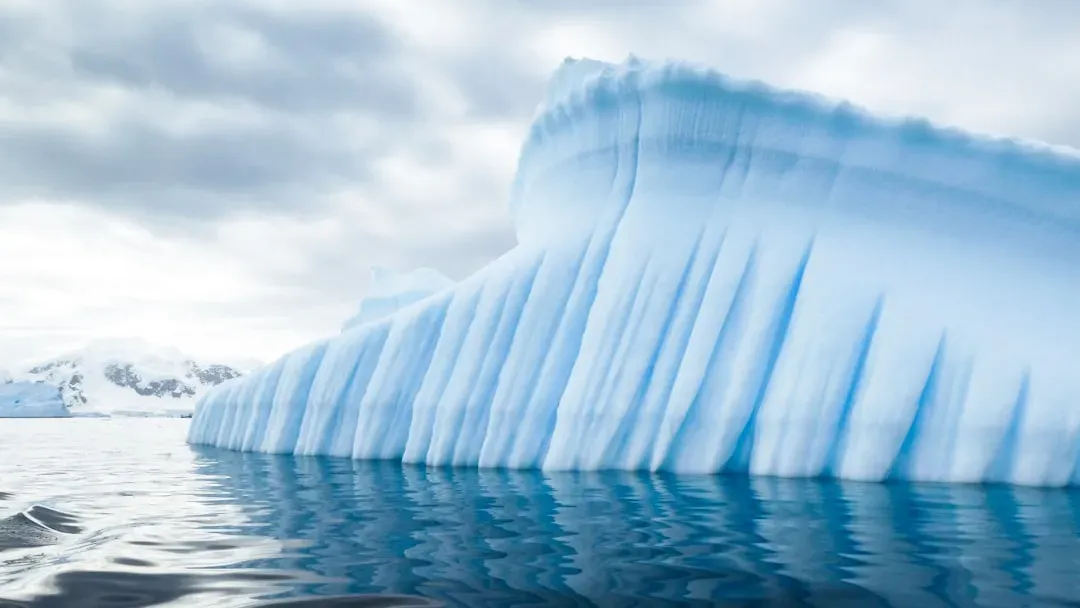
In January 2025, a piece of ice roughly the size of Chicago broke away from the George VI Ice Shelf in Antarctica. Most people read a headline like that and feel dread. A team of scientists felt something else entirely: opportunity. They changed course immediately and sailed straight for the newly exposed seafloor.
A lucky group of scientists were able to explore a never-before-seen part of the Antarctic after an ice shelf broke, revealing newly exposed seafloor and a previously inaccessible ecosystem hundreds of meters beneath the surface. The team from the Schmidt Ocean Institute was aboard their research vessel in January 2025 when that piece of ice the size of Chicago broke off from the George VI Ice Shelf, a floating glacier 57 miles away. What they found down there defied all expectations. The team was surprised by the significant biomass and biodiversity of the ecosystems and suspects they have discovered several new species.
Corals and sponges played host to a variety of marine life, including icefish, huge sea spiders, octopuses, and even a giant phantom jelly, a species of jellyfish that can grow up to a metre wide while its four ribbon-like oral arms can measure more than 10 metres in length. Let that image sink in for a moment. A metre-wide jellyfish, thriving in pitch darkness, under hundreds of metres of ice, with arms stretching the length of a school bus. Sponges in the ecosystem grow very slowly, sometimes less than two centimeters a year, and to reach their observed size, the community must have been thriving for a long time, possibly even centuries.
The Mystery of Nutrients: How Does Life Eat in the Dark?
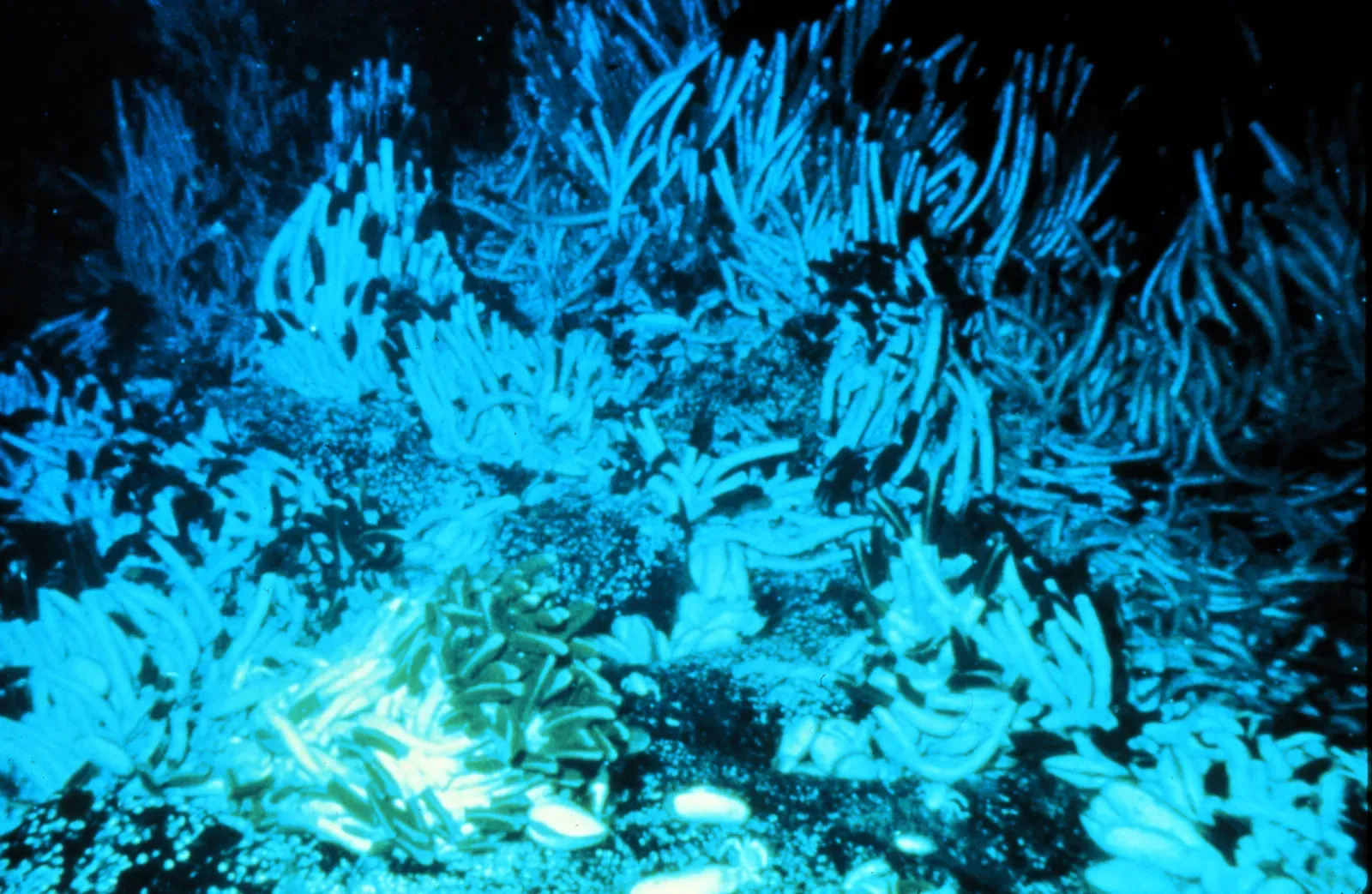
The discovery of these rich, thriving ecosystems raised an immediately obvious question. Where is the food coming from? Deep-sea communities typically rely on organic matter drifting down from sunlit surface waters. Beneath a thick permanent ice shelf, no such surface nutrients could have existed for centuries. So what were these creatures eating?
The discovery of such a biodiverse ecosystem presents new mysteries as to how these creatures survive in a place completely cut off from sunlight and the usual food sources. Deep-sea communities typically depend on organic material sinking from surface waters, yet this region had been entombed beneath 150-metre-thick ice for centuries. The team hypothesises that ocean currents could be transporting essential nutrients, sustaining life in this hidden world.
In most surface ecosystems, photosynthetic plants and microbes are the main primary producers that form the base of the food web. Photosynthesis is impossible in the permanent darkness of subglacial lakes, so these food webs are instead driven by chemosynthesis. Chemosynthesis, where organisms derive energy from chemical reactions rather than sunlight, is the engine powering some of the most alien ecosystems on Earth. It is a reminder that life does not need the sun. It just needs chemistry and a little stubbornness.
Subglacial Lakes: Secret Worlds Buried Under Half a Mile of Ice
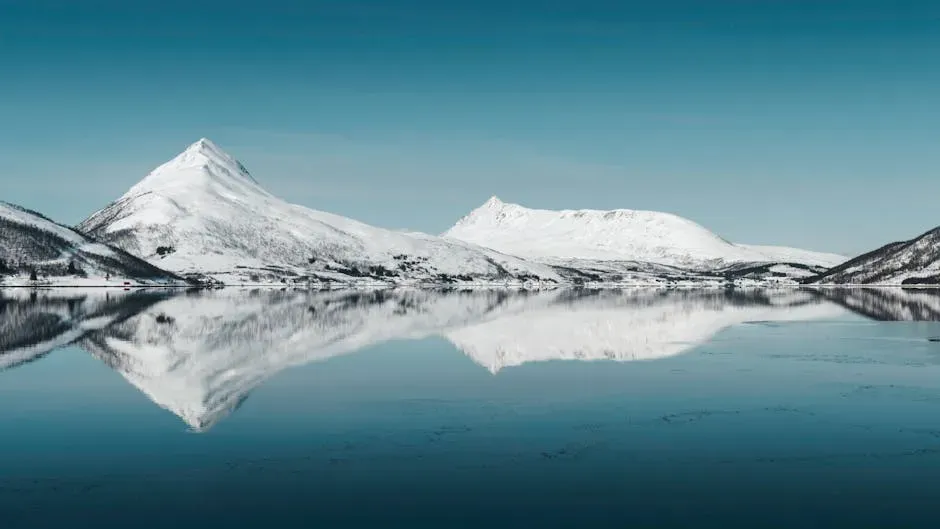
You might not realize this, but beneath the ice of the Canadian Arctic, there are lakes. Not ponds. Full lakes, buried under nearly half a mile of ice. Scientists have discovered two lakes below nearly half a mile of ice in the Canadian Arctic. While hundreds of freshwater lakes have been found under ice in other parts of the world, this is the first time researchers have documented subglacial lakes of water even saltier than the sea.
If there is microbial life in these lakes, it has been under ice for at least 12,000 years. These newly discovered lakes are also potential habitats for microbial life and may assist scientists in the search for life beyond Earth. Though all subglacial lakes are good analogues for life beyond Earth, the hypersaline nature of the Devon lakes makes them particularly tantalizing analogues for an icy moon of Jupiter. That parallel is not a small thing. It means that what you are seeing in the Arctic could be a preview of what we might one day find in the frozen oceans of Europa or Enceladus.
Genomes from subglacial ecosystems reveal a diversity of microorganisms in these hidden lakes, with comparative analyses showing that most genomes correspond to new species and taxonomic groups, with phylogenomic evidence supporting their genetic isolation from marine and surface biomes. These organisms did not just survive in isolation. They evolved into something entirely new.
Atlantification: The Ocean Is Rearranging Itself
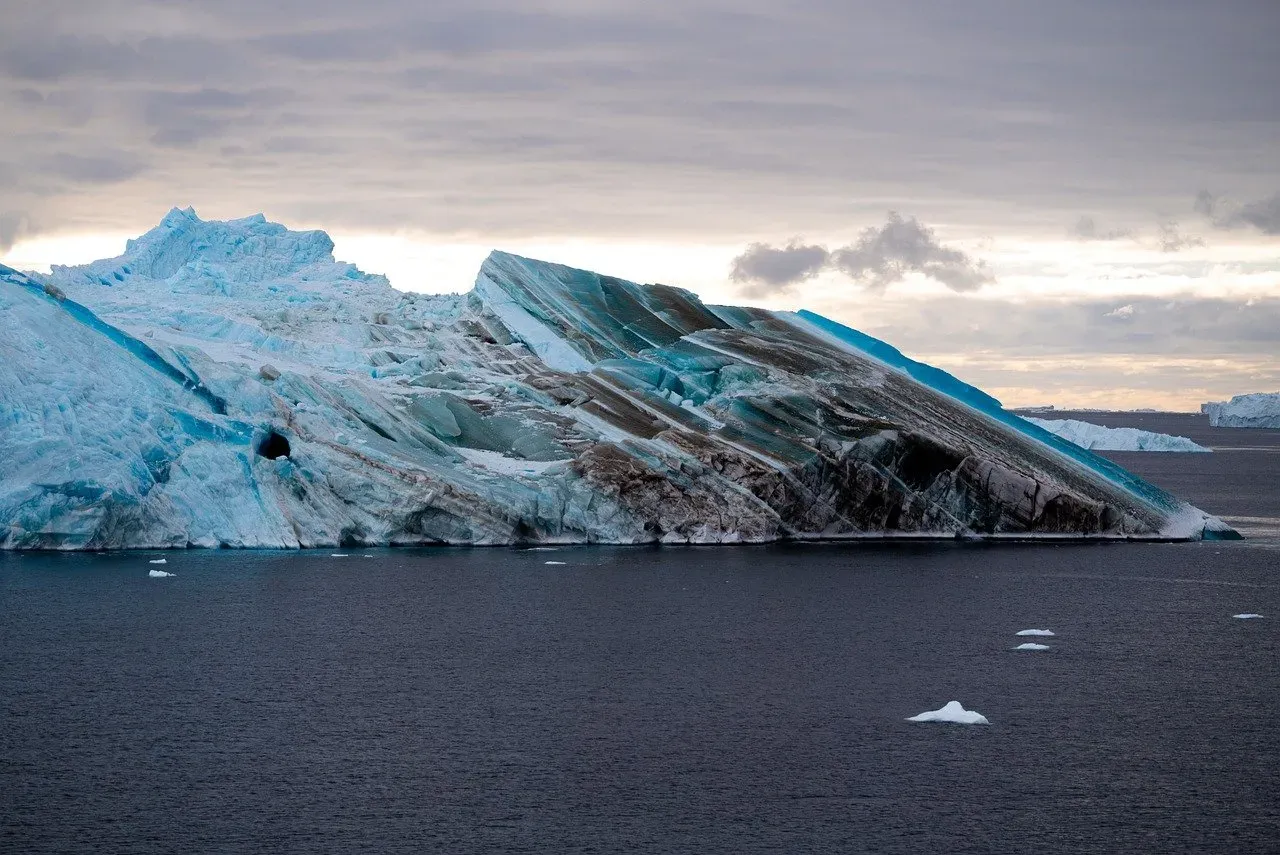
Here is a concept that sounds like science fiction but is absolutely real and happening right now. Warm, salty water from the Atlantic Ocean is flowing northward, deep into the Arctic Ocean, hundreds of miles past where it has any business being. Scientists call this process Atlantification, and it is reshaping the Arctic in ways that will take decades to fully understand.
Atlantification, an influx of water properties from lower latitudes, has reached the central Arctic Ocean, hundreds of miles from the former edge of the Atlantic Ocean. Atlantification weakens the Arctic Ocean’s layering of waters of different densities, therefore enhancing heat transfer, melting sea ice, and threatening ocean circulation patterns that exert a long-term influence on the weather. Think of it like someone quietly turning up the heat inside a previously sealed vault. Continued atlantification has transformed large areas of the Eurasian Basin, weakening the stratification that has historically insulated sea ice from underlying warm water. These changes are not confined to the Arctic’s Atlantic sector and atlantification has already been detected at the North Pole, advancing toward Alaska.
Warming seas and declining sea ice are enabling southern, or boreal, marine species to move northward. In the northern Bering and Chukchi seas, Arctic species have declined sharply, by roughly two thirds and one half respectively, while the populations of boreal species expand. This is not just ecological reshuffling. It is a fundamental redesign of who lives where, and what eats what, across one of Earth’s most critical ocean systems.
An Explosion of Algae: When Melting Ice Feeds Life
![An Explosion of Algae: When Melting Ice Feeds Life (Phytoplankton Bloom in the Barents Sea [Detail], CC BY 2.0)](https://nvmwebsites-budwg5g9avh3epea.z03.azurefd.net/dws/d7b0ab743941e05a652b6fc28bd80bf4.webp)
Here is the part of this story that genuinely surprised me. You would expect the loss of Arctic sea ice to be an unbroken chain of bad news for ecosystems. In many ways, it is. Yet the picture is more complicated than that, and in at least one respect, the melting has triggered something unexpected: a massive bloom of ocean life.
From 2003 to 2025, phytoplankton productivity spiked by roughly four fifths in the Eurasian Arctic, about a third in the Barents Sea, and more than a quarter in Hudson Bay. Plankton productivity in 2025 was higher than the 2003-22 average in eight of nine regions assessed across the Arctic. This surge in microscopic plant life is being driven in part by the very bacteria researchers discovered under the ice. Unlike most other oceans where cyanobacteria dominate nitrogen fixation, the Arctic Ocean relies on an entirely different group of bacteria known as non-cyanobacteria. The researchers found the highest nitrogen fixation rates along the ice edge, where melting is most intense. While these bacteria can operate beneath the ice, they flourish along the melting boundary. As climate change accelerates ice retreat, this expanding melt zone could allow more nitrogen to enter the ecosystem.
Algae play a double role in the ecosystem: they are both the starting point of the marine food chain and natural absorbers of CO2. As they grow, they pull carbon dioxide from the air, which can later sink to the ocean floor as part of their biomass. The irony is almost poetic. The very process that is destroying the ice may, in the short term, be feeding new life. It is a deeply complicated equation, and anyone claiming to have simple answers about what Arctic melting means for the planet is probably not telling you the full story.
Rivers Turning Orange: Permafrost Thaw and the Rusting Waterways
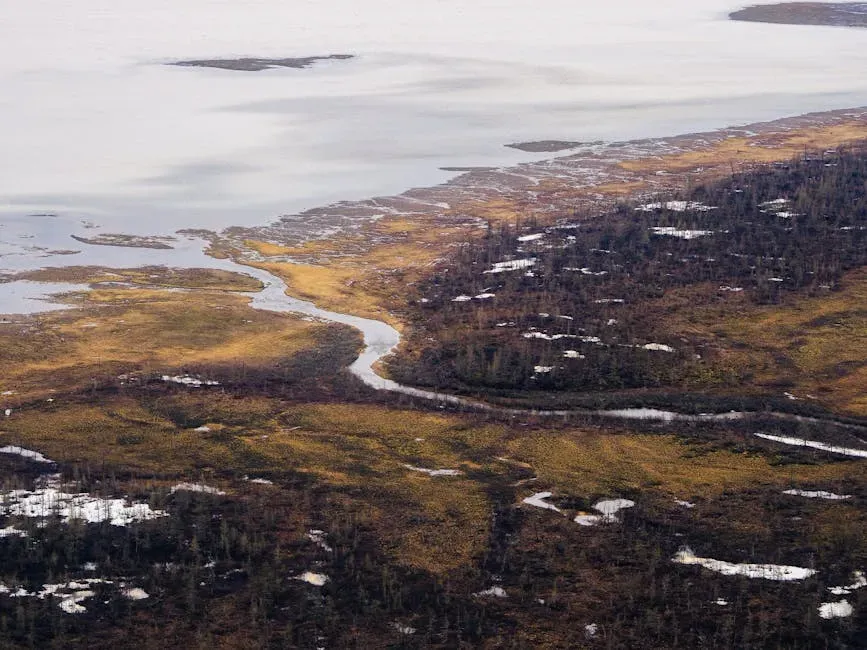
Away from the ocean, on the land, the thawing Arctic is producing some deeply alarming transformations. If you were standing on the banks of certain rivers in Alaska right now, you would see something that looks like rust. Not metaphorically. The water itself has turned orange.
In over 200 Arctic Alaska watersheds, iron and other elements released by thawing permafrost have turned pristine rivers and streams orange over the past decade. In these rusting rivers, increased acidity and elevated levels of toxic metals degrade water quality, compromising aquatic habitat and eroding biodiversity. Scientists are studying the causes and the impacts to rural drinking water supplies and subsistence fisheries. This is not a distant or theoretical risk. Indigenous communities in these regions depend on these waterways for drinking water and food. The permafrost thaw is, in effect, poisoning the tap.
Permafrost is an essential carbon reservoir. When it thaws, it exposes organic matter that has been frozen in the soil for centuries, which then degrades and releases carbon dioxide and methane, potent greenhouse gases that significantly accelerate global warming. Methane’s potential to cause warming is much greater than that of carbon dioxide over the same time period, making its release particularly concerning. Permafrost holds approximately 1.4 trillion metric tons of carbon, nearly twice the amount currently in the atmosphere. That number deserves a long pause before you keep reading.
The Greening Arctic and the Race Against Time
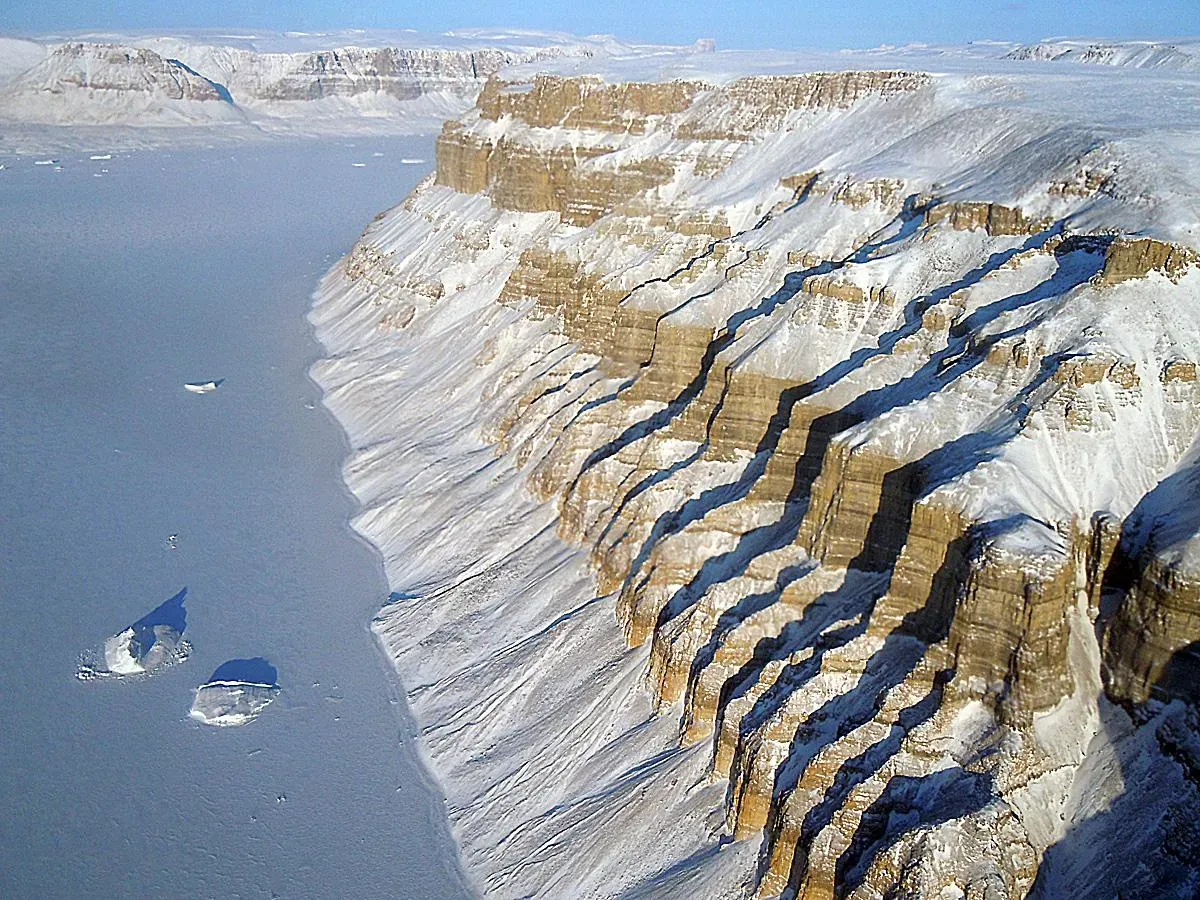
There is one more transformation happening across the Arctic that you should know about, and it looks, on the surface, almost pleasant. Vast stretches of tundra are turning green. Shrubs are spreading. Forests are creeping northward. The Arctic is becoming, in some places, almost unrecognizable compared to photographs taken just a few decades ago.
Borealization is happening on land as large swaths of Arctic tundra become more like the boreal forest due to warming temperatures. Tundra greening refers to the long-term increase in tundra vegetation productivity and abundance that began to be observed in the 1990s. In 2025, circumpolar mean maximum tundra greenness was the third highest in the 26-year modern satellite record, with the five highest values all reported in the last six years.
Warming and thawing are also creating new pathways for disease emergence. Scientists warn that melting ice and thawing permafrost are exposing long-dormant microbes and creating conditions for zoonotic diseases, those that jump from animals to humans, to spread. The greening landscape is not just a scenic change. It is a restructuring of the entire biological community, with consequences that ripple from soil microbes all the way up to human health. Taken together, the findings of NOAA’s Arctic Report Card 2025 underscore that components of the Arctic system are both rapidly changing and closely connected, with permafrost thaw influencing river chemistry, northward ocean heat transport reshaping Arctic marine ecosystems, and widespread warming leading to borealization of Arctic waters and landscapes.
Conclusion: A Planet-Sized Discovery in a Race Against Its Own Disappearance
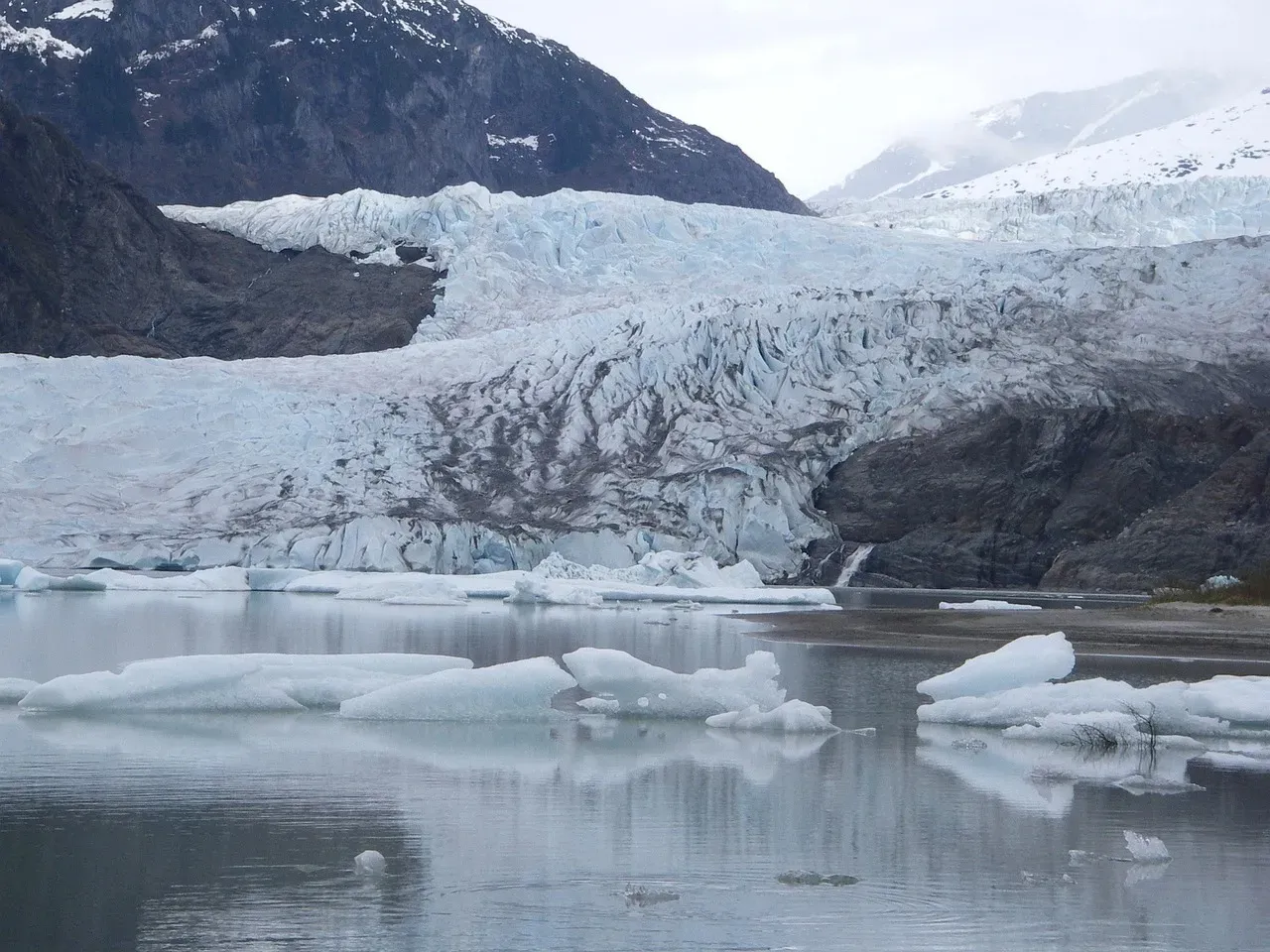
What is happening in the Arctic is one of the most complex, multilayered stories in all of science right now. You have ecosystems that survived for thousands of years in complete darkness, now being exposed to human observation for the first time. You have bacteria rewriting our understanding of how nitrogen cycles through polar oceans. You have ancient microbial communities, genetically isolated from the rest of life on Earth, finally offering themselves up for study.
The tragedy, and it is a real one, is that the very event making these discoveries possible is also the clock counting down to their disappearance. The water year from October 2024 through September 2025 brought the highest Arctic air temperatures since records began 125 years ago, and overall, the Arctic is warming more than twice as fast as the Earth as a whole. Every expedition, every ice core, every subglacial sample is happening in a narrowing window of time.
The Arctic is not just a distant wilderness. It is a mirror, and a warning, and right now it is showing us things we have never seen before. The question worth sitting with is this: are we paying enough attention before that mirror cracks entirely?