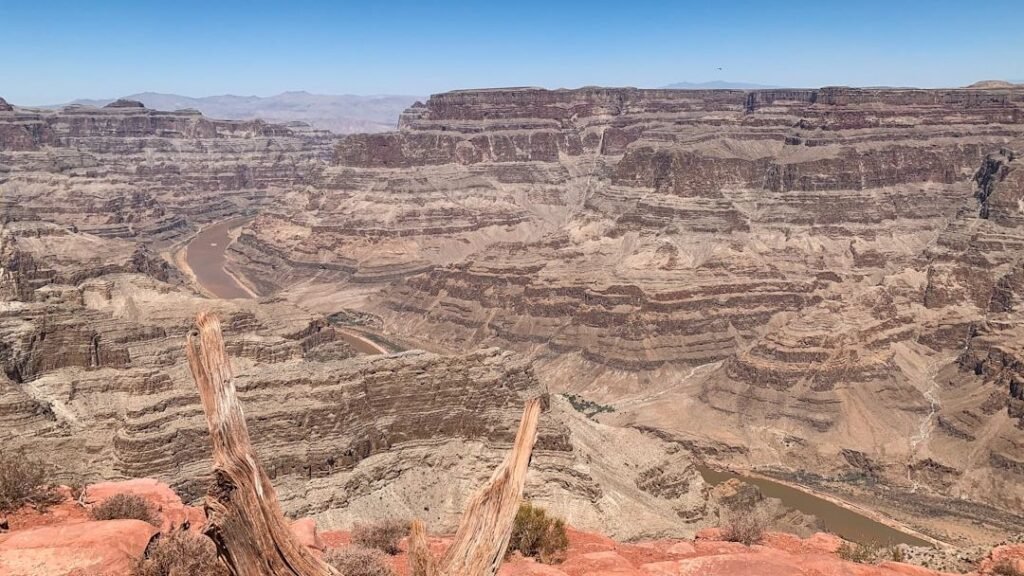

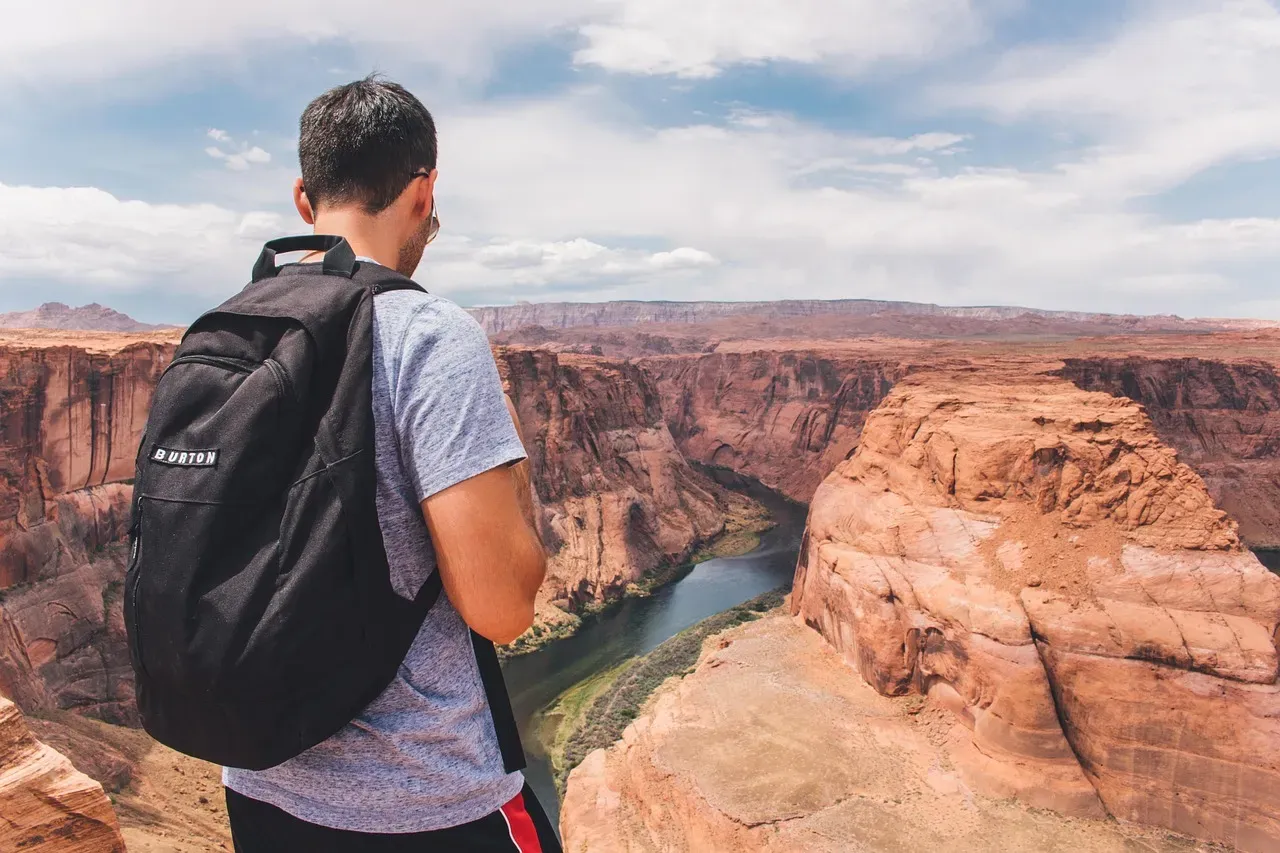
There’s something almost overwhelming about standing at the rim of the Grand Canyon for the first time. The scale of it defies comprehension. You stare down into layer upon layer of ancient rock, knowing intellectually that you’re looking at billions of years of Earth’s story, and yet something deeper pulls at you. A quiet, persistent feeling that there’s more here than just geology.
That feeling is absolutely right. Beneath the canyon’s spectacular geological theatre lies a human story stretching back thousands of years, far more layered and complex than most visitors ever realize. Civilizations rose and fell within these walls long before any European set eyes on the American Southwest. And here’s the thing: we are barely scratching the surface of what’s buried down there. Let’s dive in.
A Staggering Depth of Human History Beneath Your Feet
Most tourists who peer over the rim have no idea that the land beneath them has been occupied by human beings for an almost incomprehensible length of time. Archaeologists have discovered the remains of a number of ancient cultures in and around the Grand Canyon, going back at least 12,000 years. Think about that for a moment. Twelve thousand years ago, people were navigating this extreme terrain, making shelter, hunting, surviving and even thriving.
Excavations have revealed artifacts from the Clovis, the Archaic culture, the Basketmaker culture, and the Ancestral Puebloan, as well as more recent findings from extant Indigenous groups like the Navajo, Hopi, and Southern Paiute. That’s not one ancient culture. That’s a layered, unbroken chain of human presence, one civilization succeeding another across thousands of years, all within this single, dramatic geological scar in the Earth.
The First Footprints: Paleo-Indians Who Called the Canyon Home
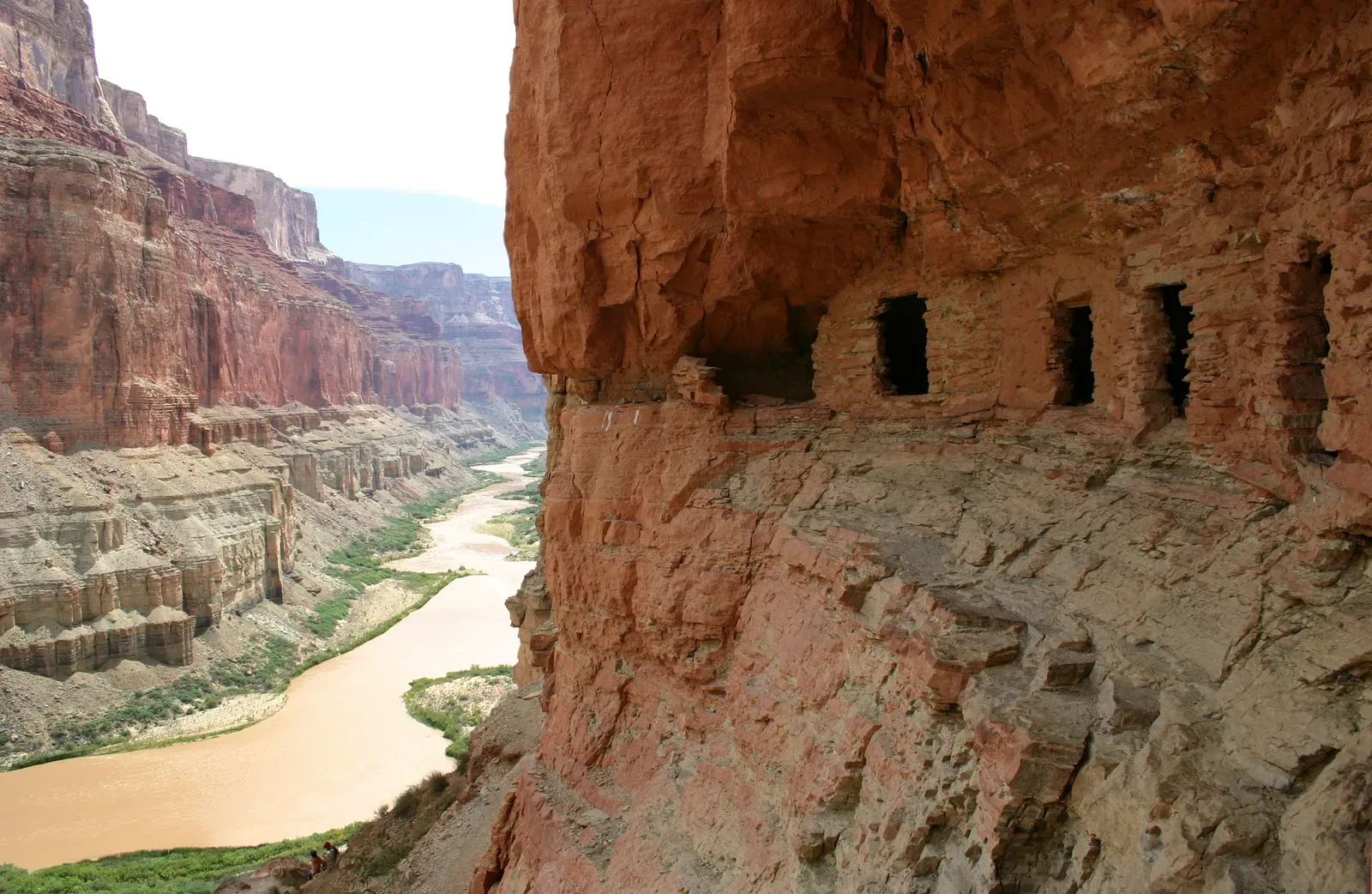
Nearly 12,000 years ago, the Grand Canyon was inhabited by nomadic hunters and the early stages of ancient communities. The oldest human artifacts found in the region date back to the Paleo-Indian Period, during which the Americas’ earliest inhabitants arrived following the last Ice Age. These were tough, resourceful people following herds of megafauna across a dramatically different landscape than what you see today.
Among these ancient artifacts are stone tools, charred hearths, and rock shelters, all of which reveal how the Grand Canyon’s first inhabitants adapted to the extreme terrain and desert climate. They followed migratory game animals, moved with the seasons, and told stories on stone in the form of pictographs and petroglyphs. Honestly, the image of ancient hunters carving images into canyon walls at sunrise is one of the most quietly moving things to contemplate about this place.
The Oldest Known Artifacts: Spear Points That Traveled Hundreds of Miles
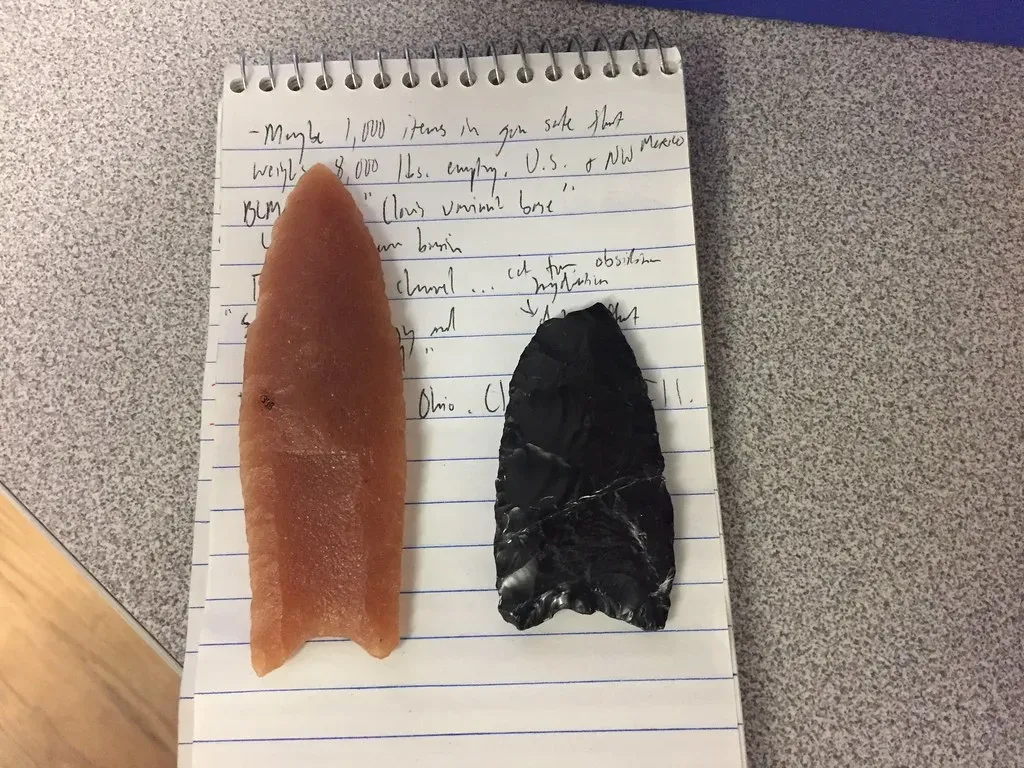
Two spear points, really just fragments, are the oldest surviving artifacts that archaeologists have found so far in the Grand Canyon. The Clovis point is a little older, dating somewhere between 9200 B.C.E. to 8900 B.C.E., while the Folsom fragment dates somewhere from 8900 B.C.E. to 8200 B.C.E. The Clovis point is made from Paleo pink stone, a type of silica, and is a little more fragmented than the Folsom spear point, which appears mostly complete.
What makes this even more remarkable is the journey that stone took. While found in the Grand Canyon, the Clovis fragment wasn’t from here, but originated in the Chuska Mountains. “It traveled a long way to get to the Grand Canyon,” says Ellen Brennan, an archaeologist with Grand Canyon National Park. This tells us something profound: these ancient people were far more mobile, connected, and resourceful than we often give them credit for. Trade and travel were woven into their lives from the very beginning.
The Ancestral Puebloans: Architects of the Cliff Sides
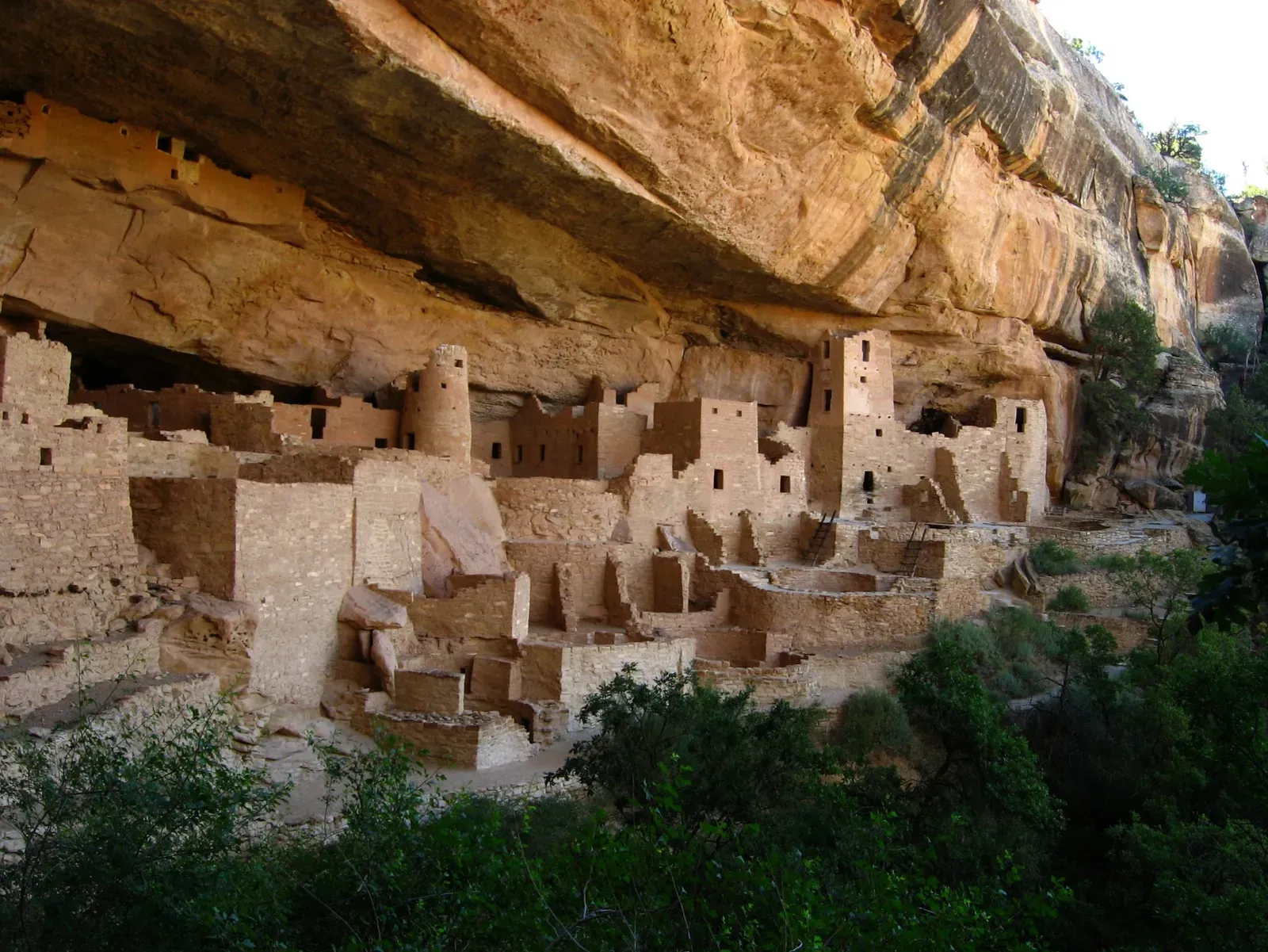
Uploaded by Jacopo Werther, CC BY-SA 2.0)
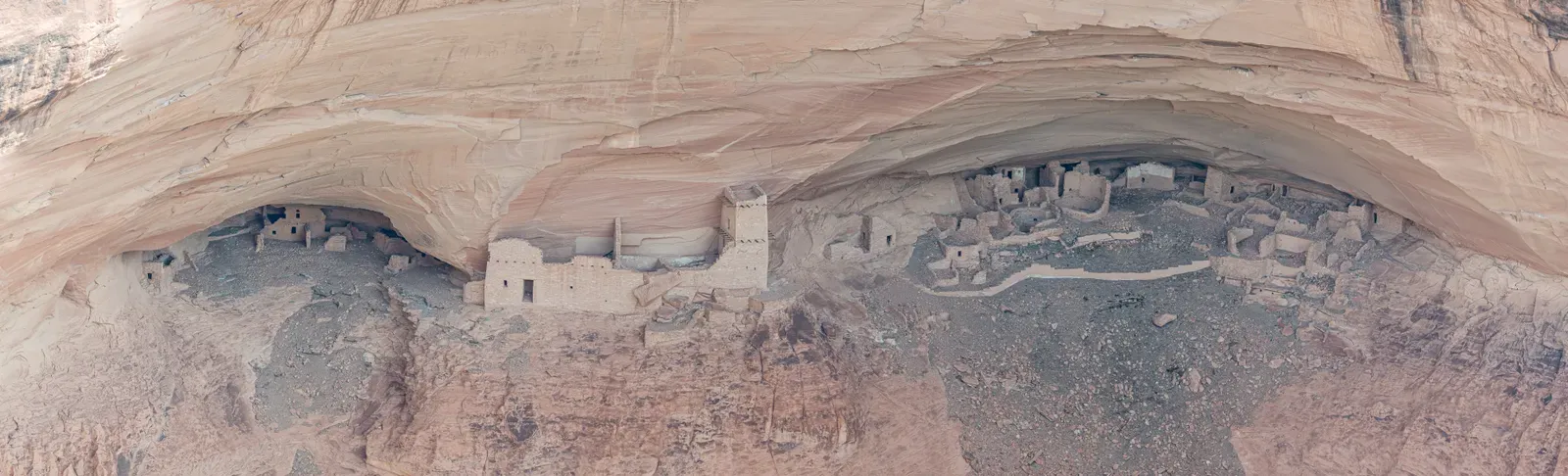
If you’re looking for the moment when ancient canyon life became truly astonishing, look no further than the Ancestral Puebloans. Between approximately 800 and 1200 CE, the Ancestral Puebloans lived in multistory dwellings that they constructed into the cliff sides of the Grand Canyon. They left behind painted pottery, arrowheads, petroglyphs, and ceremonial kivas, reflecting a culture rich in ritual and trade.
The sheer ambition of building into vertical cliff faces, hundreds of feet above the canyon floor, is hard to wrap your mind around. Many of these sites are located in extremely remote areas, yet they demonstrate how people managed to thrive, not just survive, in the Grand Canyon. The number of archaeological sites in the Grand Canyon is stunning. Researchers say there are 4,300 documented locations in the Grand Canyon where prehistoric clues have been located, and there are still sites to discover. These sites include evidence like granaries, kivas, pottery shards, and rock art.
The Split-Twig Figurines: Sacred Objects Hidden in the Deepest Caves
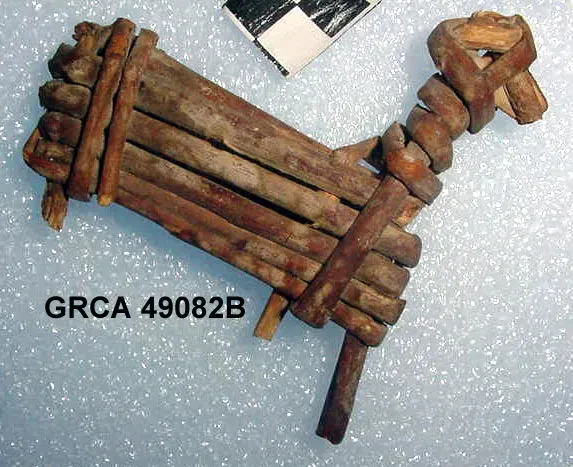
Here is one of the most strangely beautiful archaeological stories in all of North America. Some of the most marvelous artifacts ever discovered in the Grand Canyon were made by whittling small sticks into the shapes of animals like deer and bighorn sheep. These palm-sized artifacts date to about 4,000 years ago in the Late Archaic period. Archaeologists have discovered these figurines in other areas, but hundreds of these split and shaved twigs have been found in the Grand Canyon, indicating they were likely produced there. Some of these animal figures had small spears piercing through their bodies, indicating they may have been used as talismans.
I find this detail haunting in the most wonderful way. Imagine a hunter 4,000 years ago, carefully piercing a tiny deer figurine with a miniature spear before venturing into the canyon. All of the Grand Canyon figurines have been discovered in deep caves in the Redwall Limestone stratum, by far the most difficult geologic layer in the canyon to climb through, because its sheer precipices lack handholds and footholds. That the caves sometimes required very dangerous climbing to enter only magnified the magic. These weren’t accidental deposits. These were deliberate acts of faith, placed in the most unreachable sanctuaries imaginable.
The Living Sacred: Native Tribes and Their Unbroken Connection
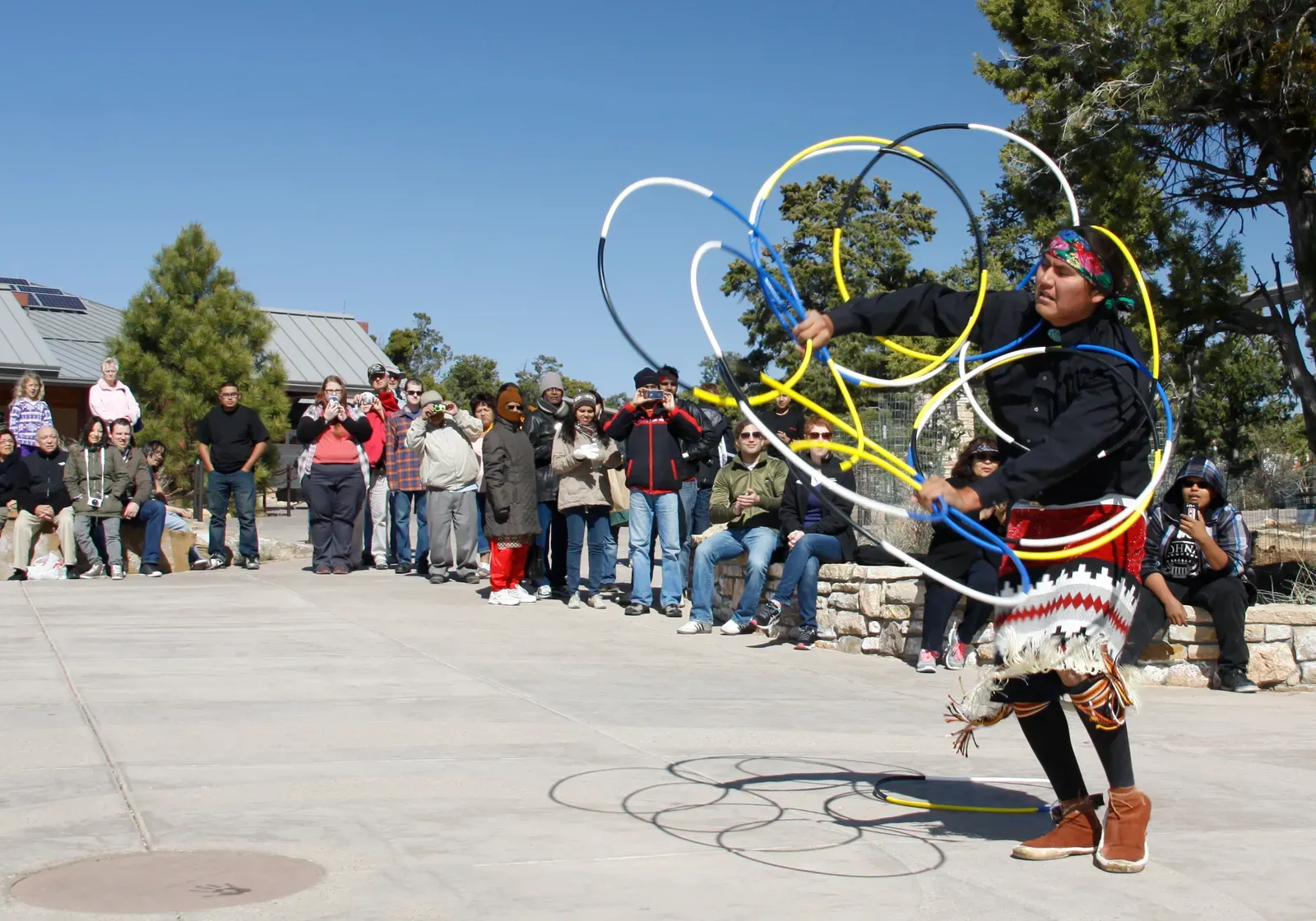
It’s easy to fall into the trap of thinking of the canyon’s human history as purely ancient, as something long past. That would be a serious mistake. To many Native American tribes, the Grand Canyon is more than ancient history – it is actually a living entity. Eleven federally recognized tribes maintain ancestral and spiritual ties to the Grand Canyon today, including the Havasupai, Hopi, Hualapai, Navajo, Zuni, and Paiute.
According to Hopi cosmology, the Grand Canyon is the place of Sipapuni, the spiritual emergence point where their ancestors rose from the third world into the present fourth world. This sacred spot, located at the confluence of the Little Colorado and Colorado Rivers within the Grand Canyon, remains central to Hopi beliefs and ceremonies. The Havasupai, whose name means “people of the blue-green waters,” have lived in the Grand Canyon for approximately 800 years, primarily around Havasu Creek. This is living history, not a museum display.
The Kincaid Mystery: An Underground City and a Century of Questions
Let’s be real – no article about the Grand Canyon’s hidden secrets would be complete without tackling the most persistent and controversial story of them all. In March and April 1909, the Phoenix Gazette published two stories about the discovery of a great underground citadel hidden in a cave in the Grand Canyon. The first article in March only mentions explorer G.E. Kincaid and his explorations down the Colorado River. The paper also notes that he made some interesting archaeological discoveries, but no details were listed. The second story reports in more depth on Kincaid’s trip down the Colorado River, where he discovered an ancient, hidden city in hand-carved, not natural, caves.
The hard-carved tunnels and caves and the city were said to contain mummies, a shrine with a figure sitting cross-legged holding a lotus flower or lily in each hand, hieroglyphic writings, and war weapons and copper instruments with sharpened edges as hard as steel. It sounds absolutely extraordinary. Yet no archaeological evidence has ever been uncovered to support the story. The Smithsonian has repeatedly denied involvement, and historians largely dismiss the article as a hoax, likely written to increase newspaper sales during a time when such myths captured the public’s imagination. It’s hard to say for sure, but the real mystery may be less about Egyptian artifacts and more about how desperately we want to believe the canyon holds something even bigger than what we already know.
How Much Is Actually Left to Discover?
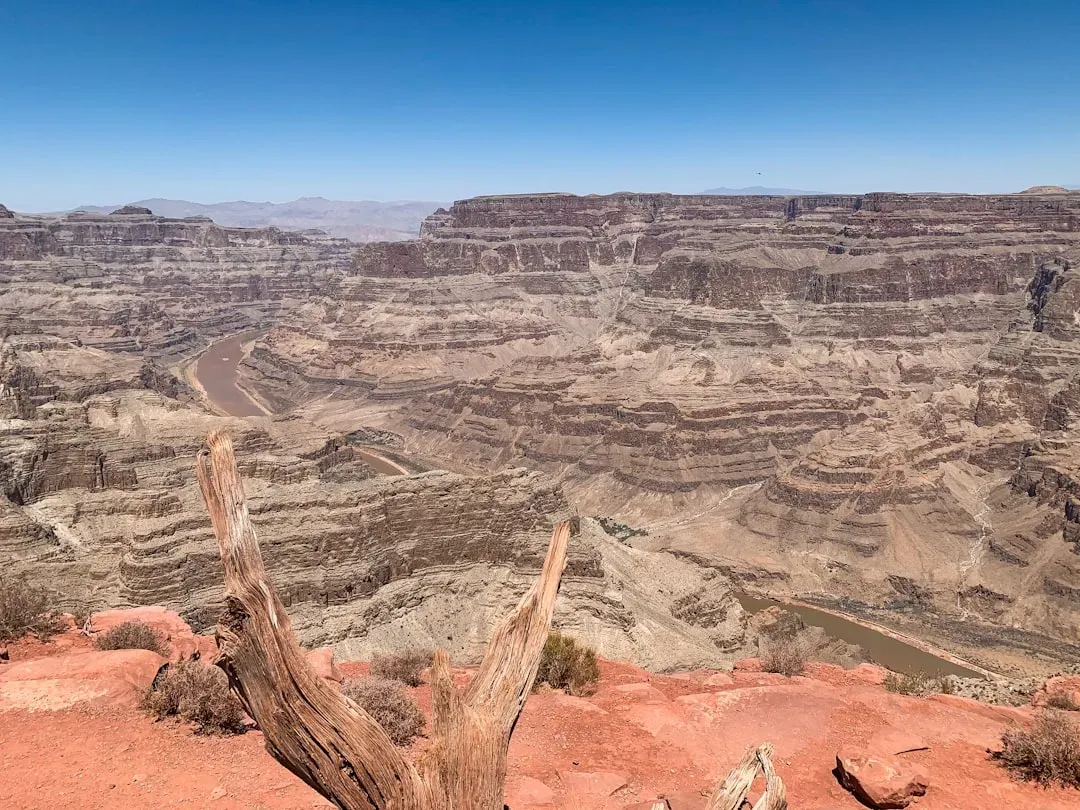
Here’s the part that genuinely keeps archaeologists up at night. Despite more than a century of exploration, the canyon still holds the vast majority of its secrets. Only 3.3 percent of the Grand Canyon has been surveyed, let alone excavated. Only in the past 50 years have archaeologists focused significant attention on the Grand Canyon – sometimes digging in places so remote they had to have helicopter support. You’re reading that correctly. Over ninety-six percent of the canyon has barely been looked at.
Some researchers believe there are still undiscovered caves within the canyon, possibly containing fossils, ancient artifacts, or even species unknown to science. Climate changes and erosion constantly reshape the canyon, revealing new rock formations and altering the landscape over time. Additionally, ongoing archaeological studies suggest that new insights into early Native American civilizations may still be waiting to be found deep within the canyon’s vast and rugged terrain. Modern-day archaeology continues to uncover signs of human civilization within the walls of the Grand Canyon. Between 2007 and 2009 alone, more than 400 previously unrecorded archaeological sites were documented along the Colorado River. If that’s what two years of focused work revealed, imagine what the other ninety-six percent still hides.
Conclusion: The Canyon Is Still Telling Its Story
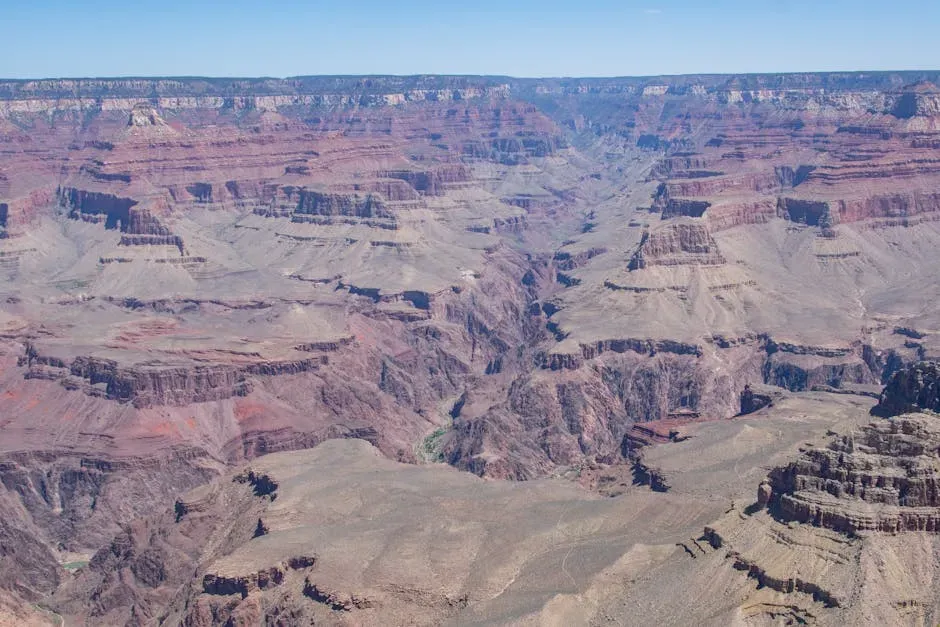
The Grand Canyon is often described as a geological wonder, and rightly so. Its layers of ancient rock read like pages of Earth’s autobiography. Yet its human story is every bit as staggering, every bit as layered, and far less fully told. From Paleo-Indian hunters leaving behind spear points that crossed mountains, to Archaic artists placing tiny sacred figurines in near-inaccessible limestone caves, to the living spiritual traditions of eleven Indigenous nations who still call it home today, the canyon is not a relic. It breathes.
What we have uncovered so far is genuinely awe-inspiring. Yet when you consider that archaeologists have formally surveyed only a small fraction of the canyon’s total area, you begin to realize that everything discovered to this point may be just the opening chapter of a much larger story. The walls still hold their secrets. The caves are still sealed. The stone is still waiting to be read.
The Grand Canyon has been silently watching over human civilization for millennia. Now, finally, we are beginning to listen. What do you think is still waiting down there? Tell us in the comments.