
There is an entire civilization living inside you right now. Trillions of bacteria, fungi, viruses, and microscopic organisms are quietly going about their business in your gut, and what they decide to do – or not do – has a staggering impact on nearly every aspect of your wellbeing. Most people go their whole lives without giving this hidden world a second thought. That, honestly, is a missed opportunity.
The science coming out of research labs in 2025 and 2026 is nothing short of mind-bending. Your gut microbiome is not just a passive bystander in your body’s story. It is, in many ways, a co-author. From your mood to your metabolism, from your immune defense to your risk of chronic disease, the microscopic world within you is pulling strings you never even knew existed. Let’s dive in.
Your Inner Universe: What the Gut Microbiome Actually Is
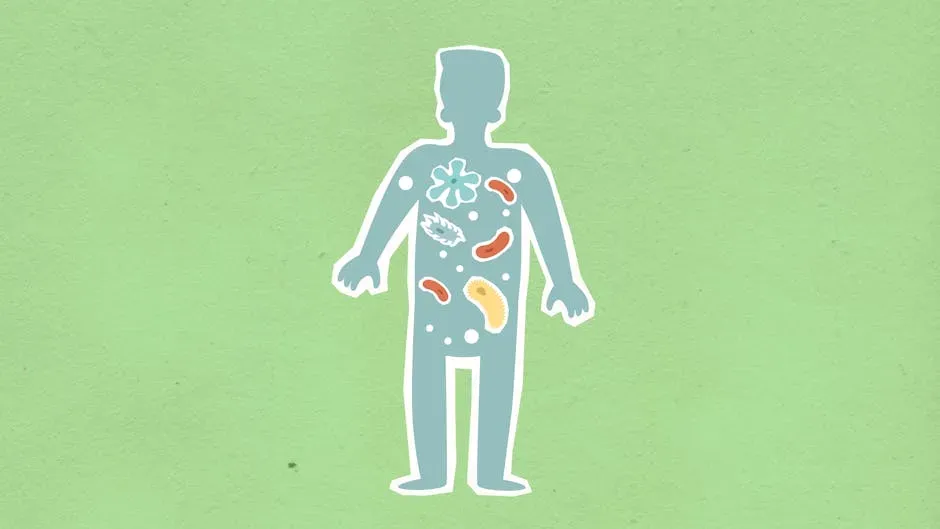
Think of your gut as a densely populated city with its own rules, politics, and infrastructure. The gut microbiome, also called the gut flora, plays a vital role in human health, and this enormous, constantly changing community of microorganisms is shaped by countless chemical exchanges, both among the microbes themselves and between microbes and the human body. It is not a static thing at all. It shifts and adapts daily based on what you eat, how you sleep, and even how stressed you are.
These bacteria comprise roughly 1,000 to 7,000 distinct species, predominantly consisting of anaerobic, facultative anaerobic, and aerobic types, and the gene repertoire encoded by the intestinal microbiota exceeds that of the human genome by more than 100-fold. Let that sink in for a moment. You are carrying more microbial genetic information inside you than your own human DNA contains. It is a humbling thought – and a fascinating one.
Your gut microbiome is made up of trillions of bacteria and other microbes living in your intestines, and these help your body break down food, assist your immune system, send chemical signals to your brain, and potentially serve many other functions that researchers are still working to understand. Scientists keep uncovering new roles for these tiny organisms, and with each discovery, the picture of human health becomes considerably more complex.
The Gut-Brain Axis: How Your Belly Talks to Your Brain
![The Gut-Brain Axis: How Your Belly Talks to Your Brain ([1] doi:10.3389/fendo.2019.00009, CC BY-SA 4.0)](https://nvmwebsites-budwg5g9avh3epea.z03.azurefd.net/dws/278bbddb9321eb9b3ced7e8d5a197fa0.webp)
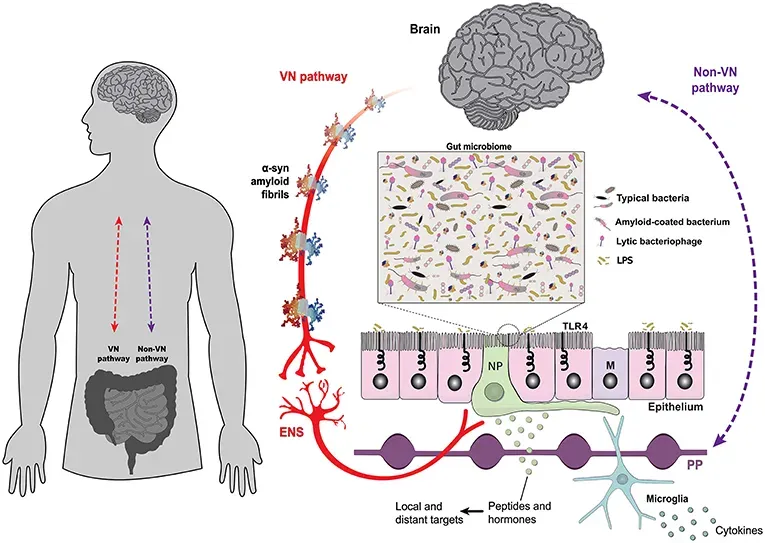
Here is the thing that surprises most people: your gut and your brain are in constant conversation. The human gut microbiome has emerged as a pivotal modulator of brain function and mental health, acting through intricate bidirectional communication along the gut-brain axis, with microbial communities influencing neurodevelopment, neurotransmission, and behavior via pathways involving the vagus nerve, immune signaling, and microbiota-derived metabolites such as short-chain fatty acids and neurotransmitter precursors. This is not metaphor. It is actual biochemistry happening in real time.
The gut microbiome plays a fundamental role in mental health, influencing mood, cognition, and emotional regulation through the gut-brain axis, and this bidirectional communication system connects the gastrointestinal and central nervous systems, facilitated by microbial metabolites, neurotransmitters, and immune interactions. What is particularly striking is the direction of influence. Your bacteria can essentially nudge your feelings and thoughts, which makes phrases like “gut feeling” a whole lot more literal.
A study has uncovered a critical brain-gut connection that links psychological states to changes in the gut microbiome, with profound implications for immune function and stress-related health conditions, and it offers an explanation for the well-documented link between mental health disorders such as anxiety and depression and gastrointestinal and immune conditions. I think the most remarkable takeaway here is that this road runs both ways. Your stress reshapes your microbiome, and your microbiome shapes your stress response.
Gut Bacteria and Mental Health: A Connection You Cannot Ignore
Recent research highlights the association between gut dysbiosis and psychiatric disorders, including anxiety, depression, and stress-related conditions, with key findings indicating that altered microbial diversity, decreased short-chain fatty acid production, and increased neuroinflammation contribute to mental health disturbances. This is no longer a fringe idea. It is solidly supported by peer-reviewed science, and it is changing how clinicians think about mental illness.
Through mechanisms such as chronic low-grade inflammation characterized by sustained elevation of proinflammatory cytokines, disruption of neurotransmitter pathways, and immune system dysregulation, dysbiosis has been linked to conditions such as depression, anxiety, schizophrenia, autism spectrum disorder, and bipolar disorder. These are serious, life-altering conditions – and the idea that the balance of your gut bacteria may be contributing to them is both sobering and empowering at the same time.
A reduction in serotonin-producing microbes can negatively impact mood regulation, potentially contributing to the onset of depressive and anxious symptoms. Serotonin, the so-called “happiness molecule,” is produced largely in the gut. So when your microbial population takes a hit, your mood may take one too. The gut is not just digesting your lunch – it is helping regulate your emotional landscape.
The Microbiome’s Role in Obesity and Metabolic Health
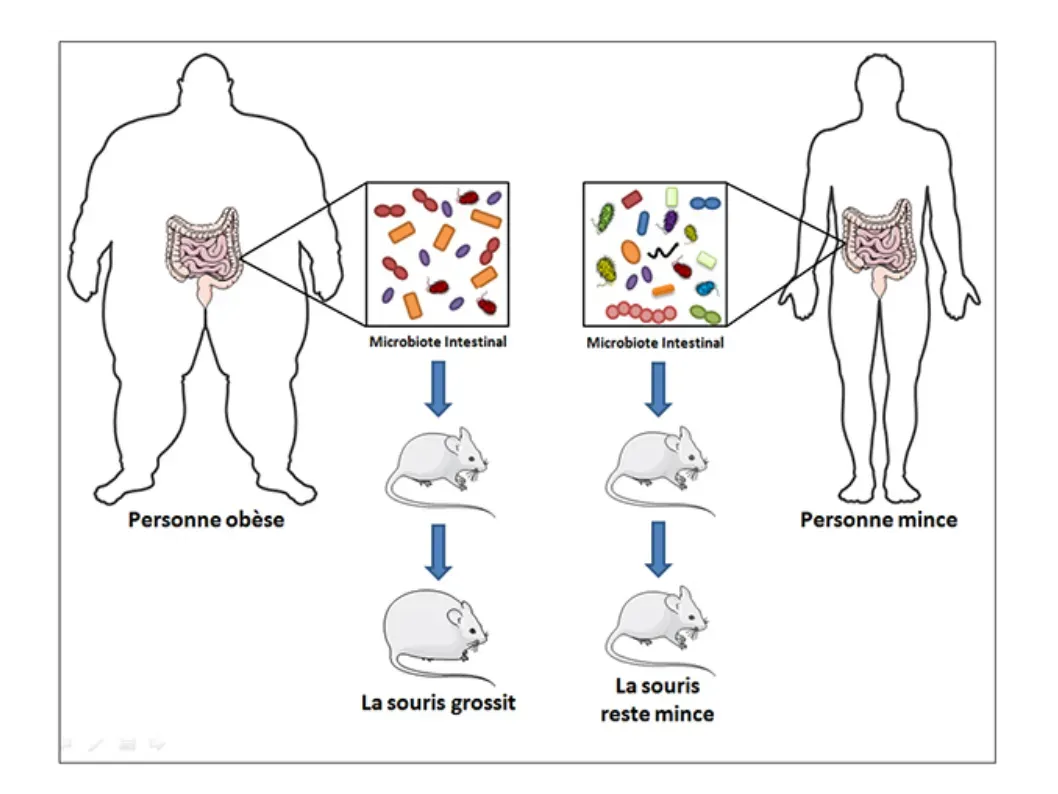
Let’s be real – the global weight crisis is one of the most pressing public health challenges of our time. An estimated 2.6 billion individuals are currently living with overweight or obesity, and this number is projected to exceed 4 billion by 2035. What is increasingly clear is that gut bacteria are deeply intertwined with why some people gain weight easily while others seem to burn through calories effortlessly.
The gut microbiota, dominated by bacteria from the Firmicutes, Bacteroidetes, Proteobacteria, and Actinobacteria phyla, plays an essential role in fermenting indigestible carbohydrates, regulating metabolism, synthesizing vitamins, and maintaining immune functions and intestinal barrier integrity, and dysbiosis is associated with obesity development, with shifts in the ratio of Firmicutes to Bacteroidetes – particularly an increase in Firmicutes – promoting enhanced energy storage, appetite dysregulation, and increased inflammatory processes linked to insulin resistance and other metabolic disorders.
Research at the University of Utah has identified a specific type of gut bacteria called Turicibacter that improves metabolic health and reduces weight gain in mice on a high-fat diet, and people with obesity tend to have less Turicibacter, suggesting that the microbe may promote healthy weight in humans as well. It sounds almost too convenient, but discoveries like this are pushing us toward a future where we might fine-tune our microbiomes to manage weight in genuinely targeted ways.
How Your Gut Bacteria Guard Your Immune System
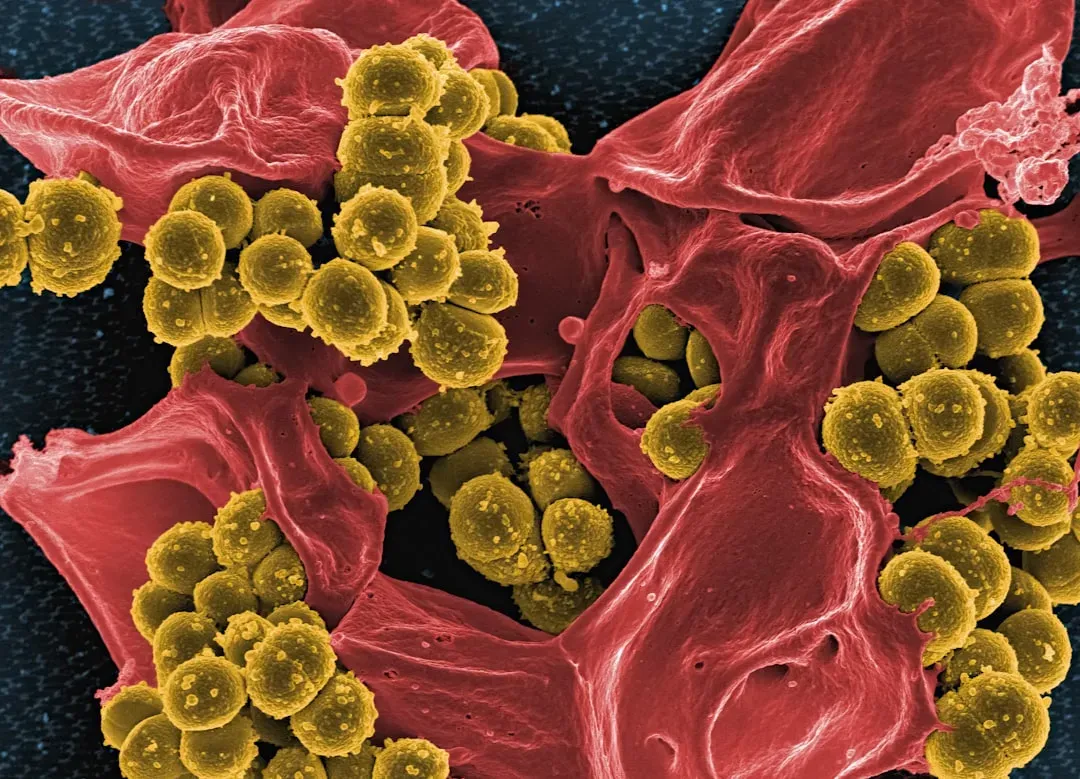
Your immune system is arguably your body’s most critical defense network, and your gut bacteria are essentially its training ground. The gut microbiota plays a significant role in regulating host immunological homeostasis through immunomodulatory pathways, and dysbiosis leads to increased intestinal permeability, allowing endotoxins such as lipopolysaccharide to enter the circulatory system and induce chronic low-grade inflammation. Think of it like a leaky border wall – when the gut lining is compromised, unwanted visitors get through.
Certain good bacteria in the stomach, such as Bifidobacterium and Lactobacillus, can enhance regulatory T cell production and maintain Th17/Treg cell balance to inhibit inflammation-driven cellular senescence. These bacteria are, in effect, instructing your immune cells on how to behave. A well-populated, diverse microbiome trains your immune system to respond appropriately, while a depleted one can lead to overreactions – which is where autoimmune conditions enter the picture.
Not all microbes are villains – many are vital to keeping us healthy, and researchers have created a world-first database that tracks beneficial bacteria and natural compounds linked to immune strength, stress reduction, and resilience. This is a genuinely exciting development. We are finally moving beyond the old “all germs are bad” narrative, and scientists are cataloguing the specific microbial actors that actively support your health.
Diet, Lifestyle, and the Microbiome: What You Do Every Day Matters

Your microbiome is not fixed. It is astonishingly responsive to how you live. High-fiber dietary patterns consistently promote the abundance of beneficial, short-chain fatty acid-producing bacteria, though with notable inter-individual variation, while circadian rhythm disruption is associated with reduced microbial diversity and expansion of pro-inflammatory bacterial taxa, paralleling increases in systemic inflammation markers. In other words, what you eat and when you sleep both send powerful signals to your internal microbial community.
Lifestyle choices such as smoking, alcohol consumption, stress, sleep, and exercise heavily influence the gut microbiome. It is hard to say for sure which of these factors has the most impact on any individual, since everyone’s microbiome composition is somewhat unique. What is clear, though, is that consistently poor lifestyle habits create an environment where harmful microbes can thrive and beneficial ones decline.
Alterations in gut microbiota composition, which are influenced by dietary factors, play a very important role in the development of obesity and its associated ailments. A shift toward a diverse, plant-rich diet can meaningfully change your microbial landscape in a matter of weeks. You do not need to overhaul your entire life to start seeing a difference – even incremental shifts in eating habits can nudge things in a better direction.
The Future of Gut Health: Targeted Therapies and What Is Coming Next
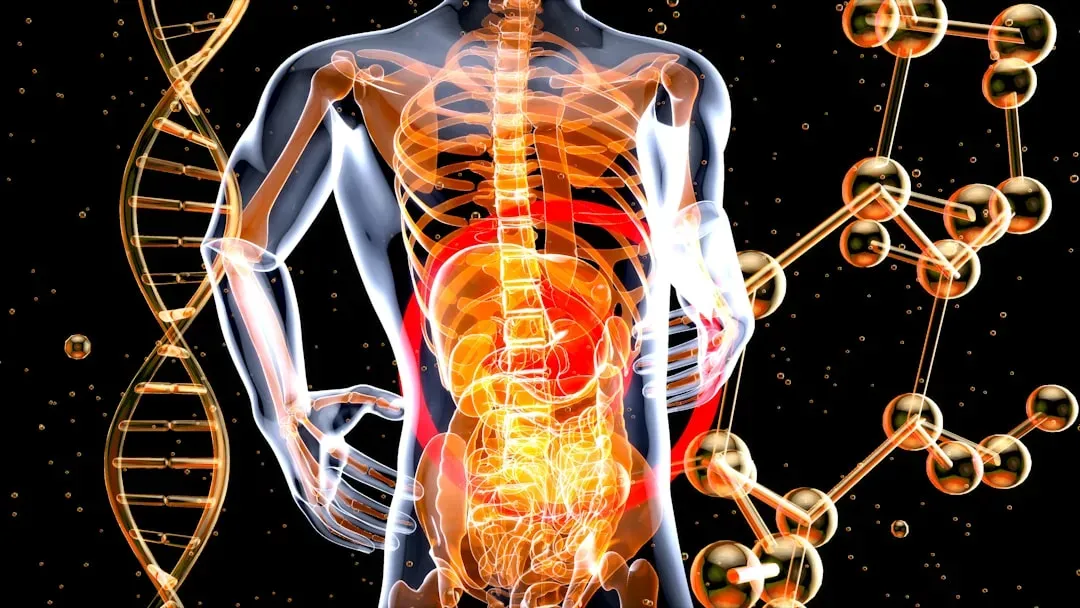
Scientists have identified a hidden group of gut bacteria that appears to be strongly linked to good health worldwide, and the discovery could help define what a healthy microbiome looks like and lead to more targeted probiotics in the future. This is a landmark kind of finding. Rather than the generic probiotic supplements that line pharmacy shelves, the next generation of gut health interventions may be precision-engineered to address specific microbial deficiencies in your body.
Research provides a framework for predicting how a person’s microbial community might change with a given drug, and could help scientists find ways to prevent these changes or more easily restore a healthy gut microbiome in the future, with the goal of pushing a shift from thinking of drugs as acting on a single microbe to thinking of them as acting on an ecosystem. This ecosystem-level thinking is genuinely revolutionary and could reshape pharmaceutical medicine as we know it.
Innovators in the gut health market have demonstrated how understanding of the microbiome has evolved from simple biotics supplementation to revealing the complex metabolic networks through which diverse microbial communities influence human health, and this evolution in scientific understanding is spawning a new generation of targeted interventions that work with rather than simply in the gut ecosystem. The shift from “take a probiotic and hope for the best” to “map your microbiome and build a personalized protocol” is already underway.
Conclusion: The Small World With the Biggest Say
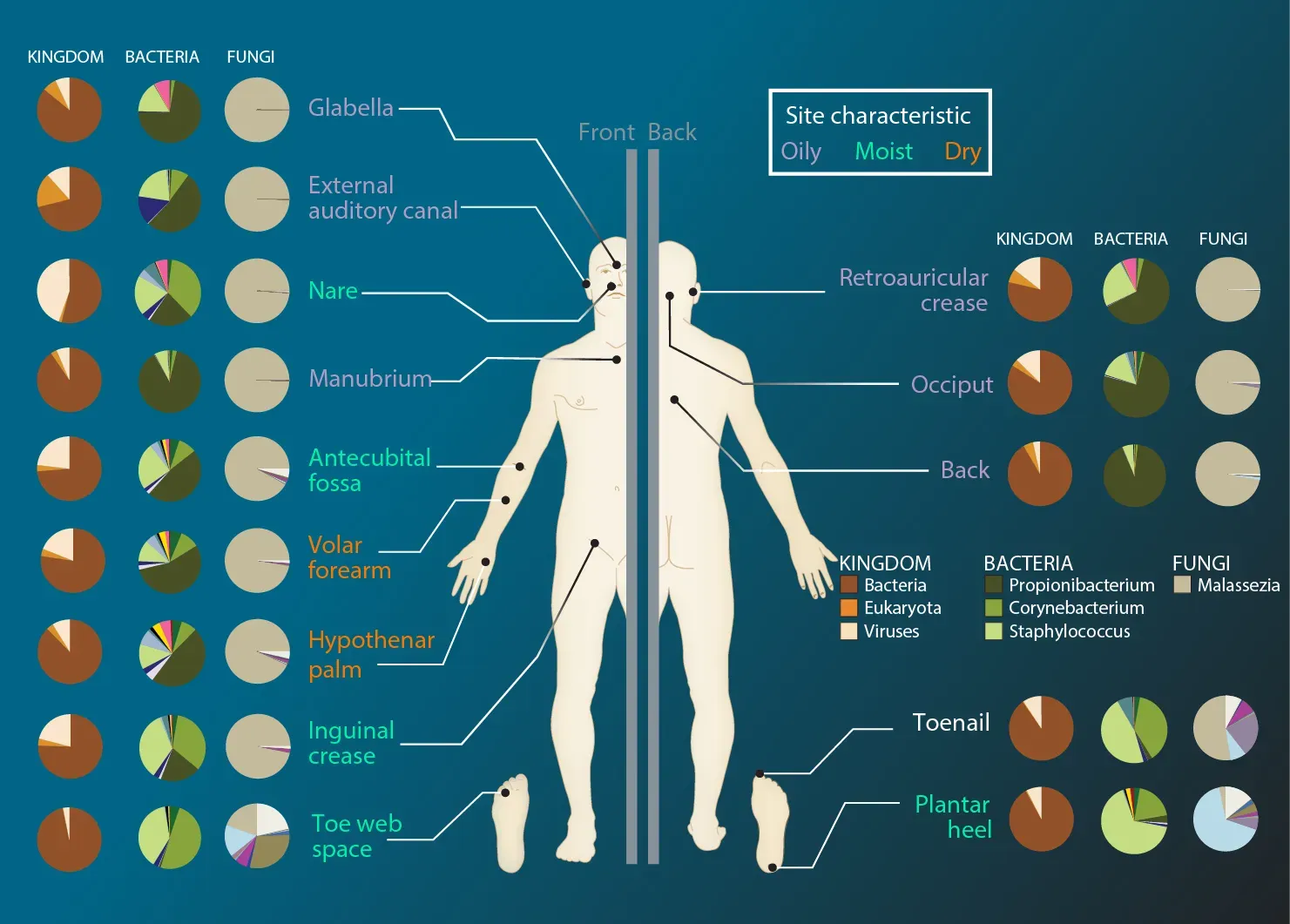
It is almost staggering to think that the organisms responsible for so much of your health are invisible to the naked eye. Your gut microbiome influences your mental health, your weight, your immune function, your disease risk, and your response to medication. It is not just a side character in your health story. In many chapters, it is the main one.
The emerging science of the microbiome is a reminder that health is rarely simple, and rarely the result of a single variable. Your body is an ecosystem, and like any ecosystem, it thrives on balance, diversity, and the right conditions. Start thinking of your daily choices, what you eat, how you sleep, how you manage stress, not just as personal habits, but as messages you are sending to trillions of organisms that are, in return, quietly shaping who you are.
The good news? You have more influence over this world than you might think. The question is, now that you know it exists, what are you going to do with that knowledge?