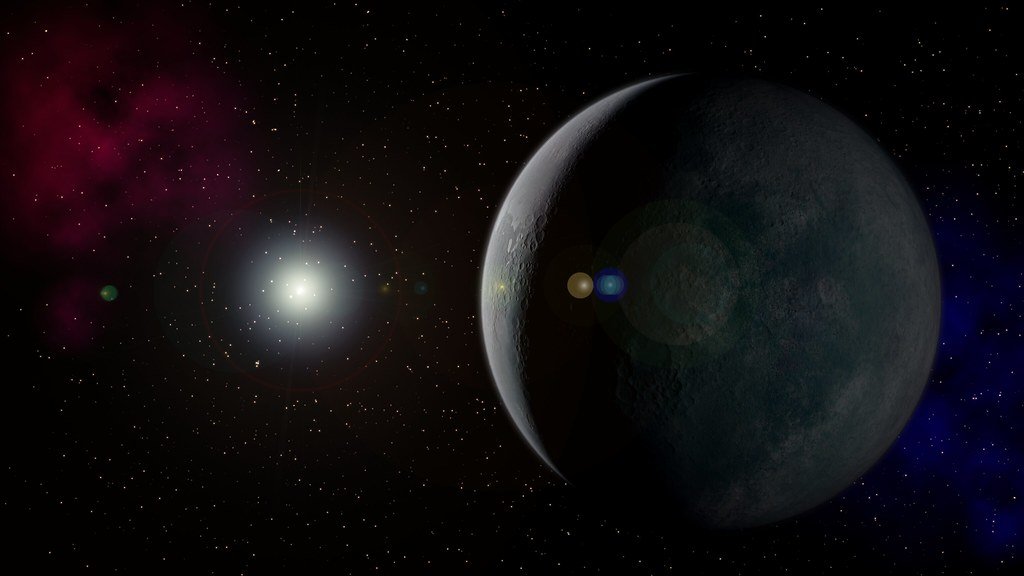

Imagine standing in a field on a clear night, staring up at billions of stars, and realizing that even our own cosmic backyard might still be holding a massive secret. Our solar system, which we’ve mapped, studied, and sent spacecraft through for decades, could be hiding a world bigger than Earth lurking in the pitch-black darkness far beyond Neptune. It sounds like science fiction. Honestly, it isn’t.
The idea of a ninth planet has captivated astronomers for years, generating heated debate, thrilling discoveries, and more than a few surprising plot twists. As we move further into 2026, the story is far from over. If anything, it’s getting more interesting. Let’s dive in.
The Mystery That Started It All: Weird Orbits at the Edge of Space
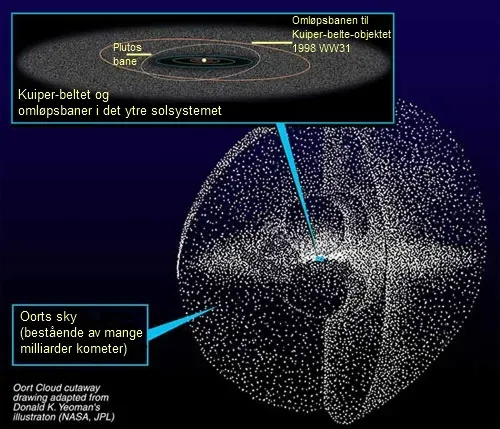
If you’ve ever wondered what makes astronomers lose sleep, here’s your answer. Scientists noticed that small icy bodies called Kuiper Belt Objects, which orbit far beyond Neptune, seem to be clustered together in unusual ways. Their orbits are aligned in patterns that shouldn’t exist by chance alone. That’s not just curious. That’s cosmically suspicious.
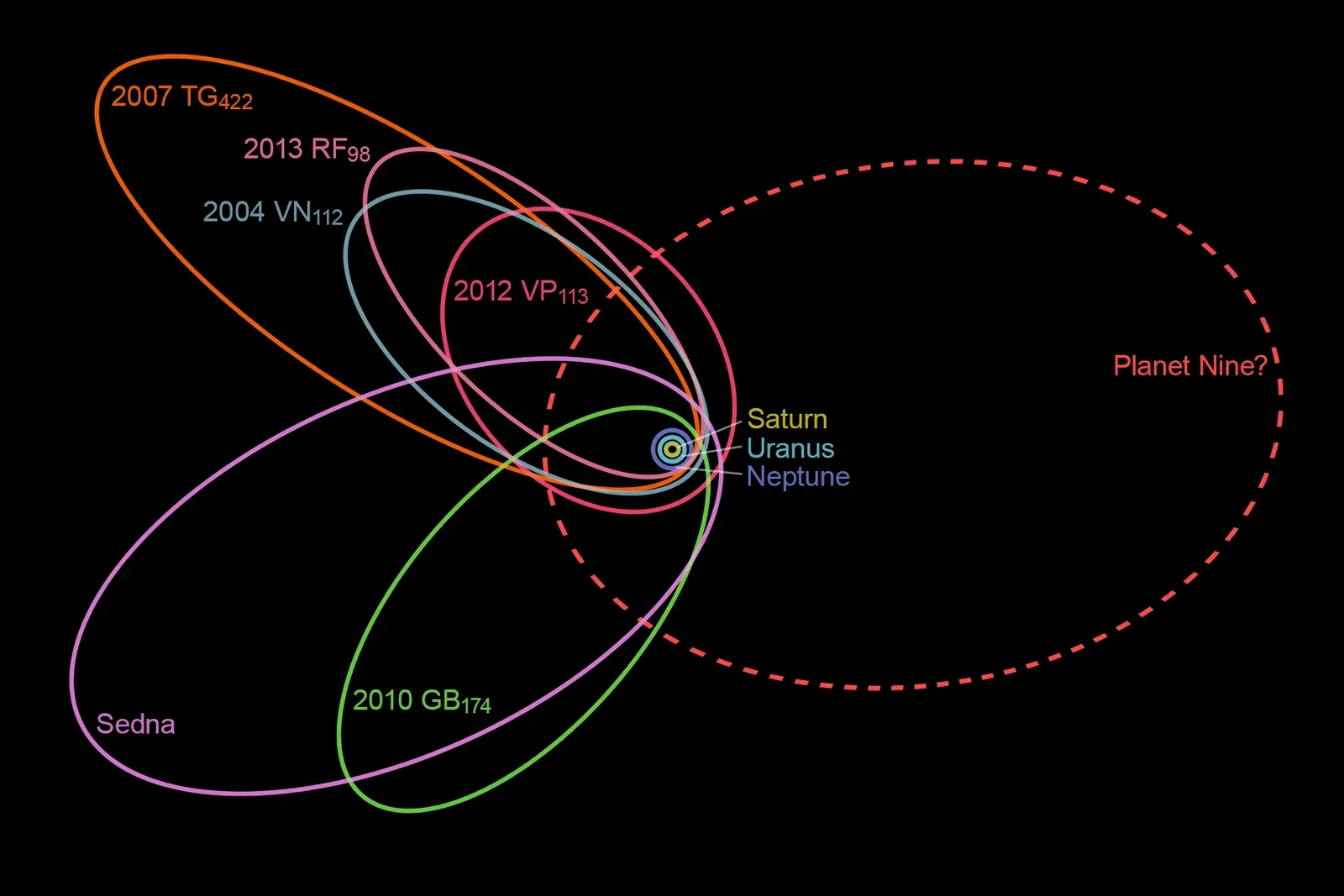
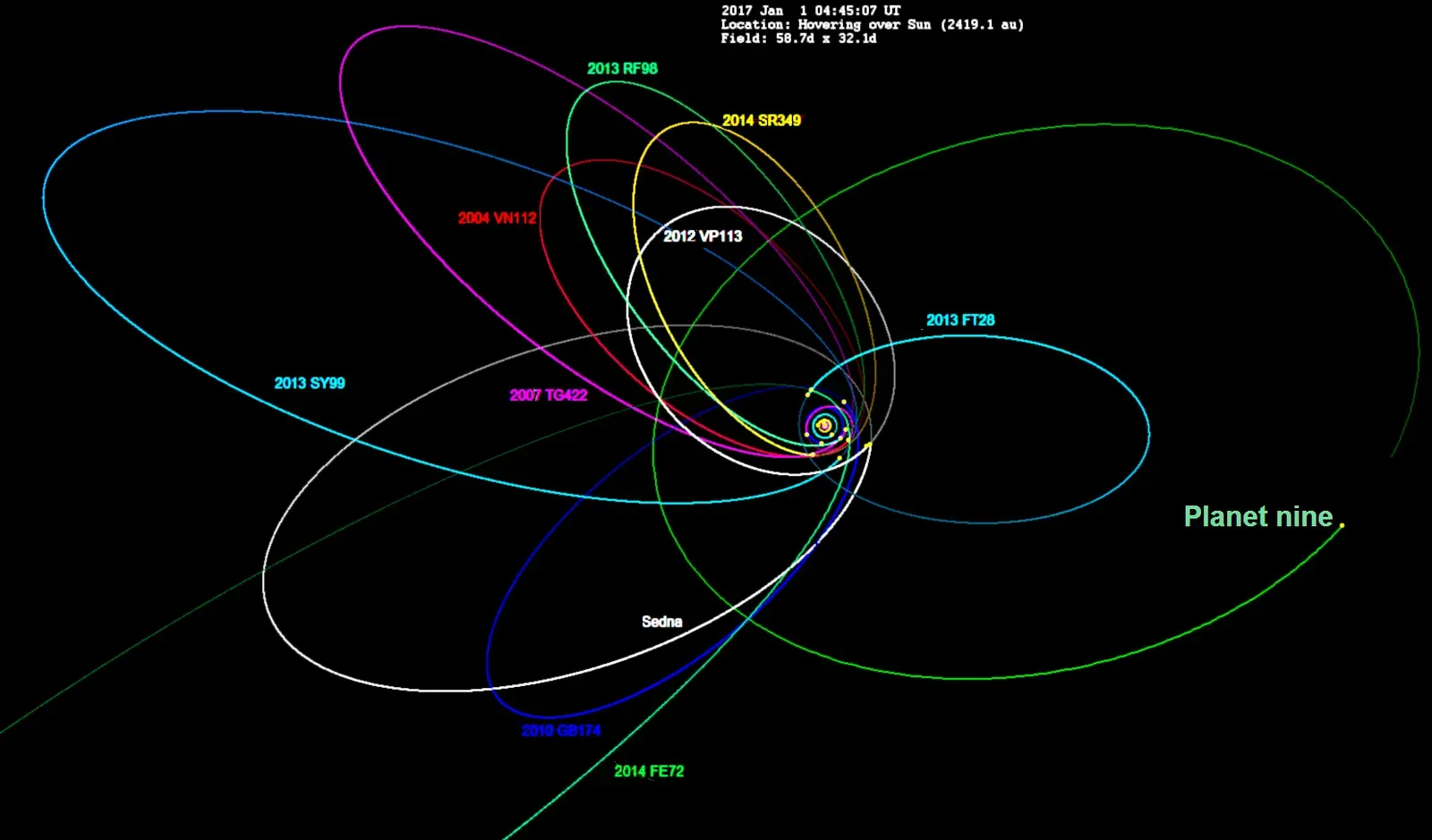
These objects tend to make their closest approaches to the Sun in one sector, and their orbits are similarly tilted. These alignments suggest that an undiscovered planet may be shepherding the orbits of the most distant known solar system objects. Think of it like watching leaves swirl in a river – you know there’s a rock somewhere causing the pattern, even if you can’t see it yet.
How Planet Nine Was First Proposed
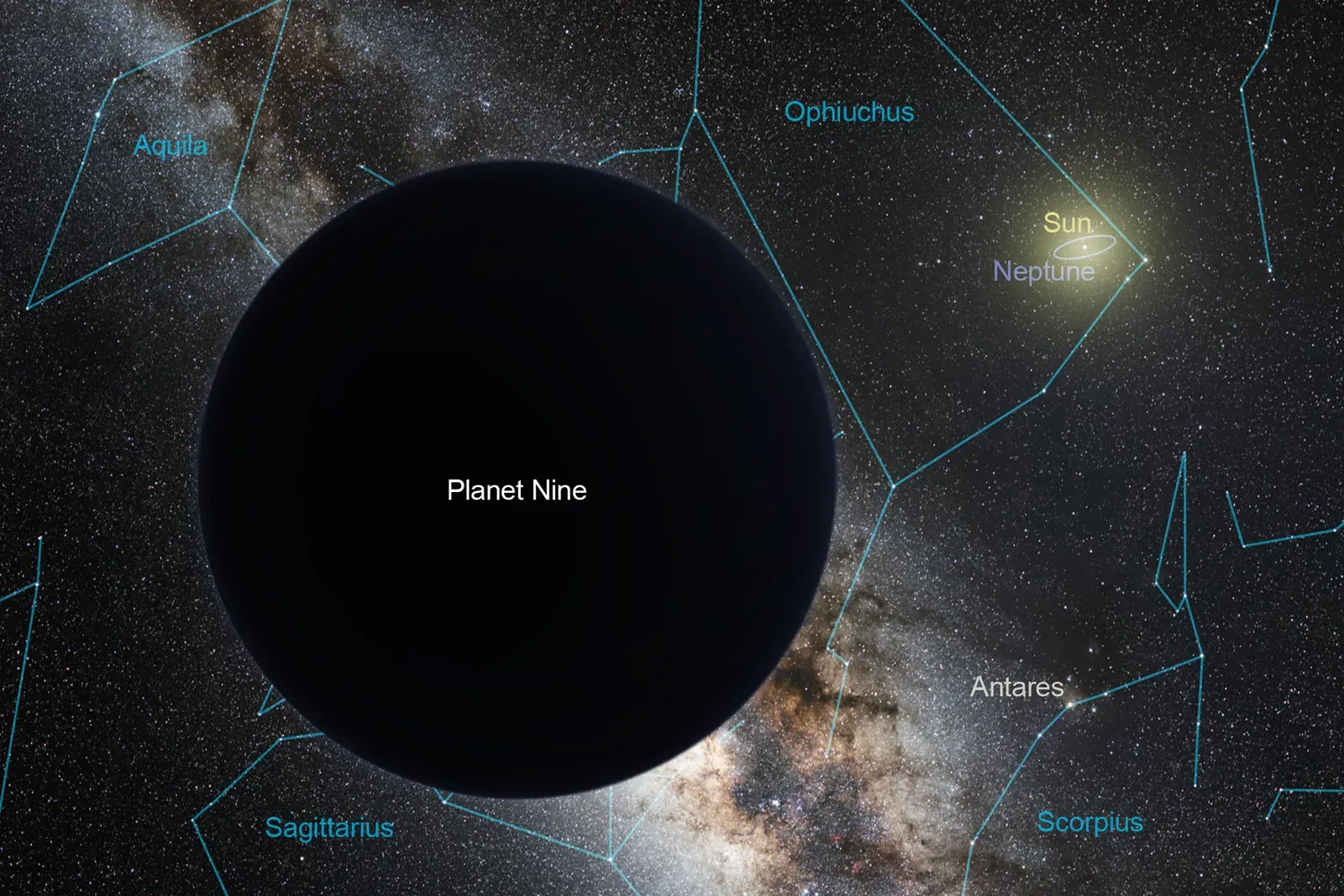
Planet Nine was put forward in 2016 by Michael Brown and Konstantin Batygin of the California Institute of Technology to explain an unusual bunching of orbits of some objects in the Kuiper Belt, such as Sedna. Brown is, funnily enough, the same scientist famously responsible for stripping Pluto of its planetary status. So he both took away a planet and may have found one.
Caltech researchers found evidence of a giant planet tracing a bizarre, highly elongated orbit in the outer solar system. The object, which the researchers have nicknamed Planet Nine, has a mass about ten times that of Earth and orbits about twenty times farther from the sun on average than does Neptune. In fact, it would take this new planet between ten thousand and twenty thousand years to make just one full orbit around the sun. That puts things in perspective rather dramatically.
What Scientists Think Planet Nine Actually Looks Like
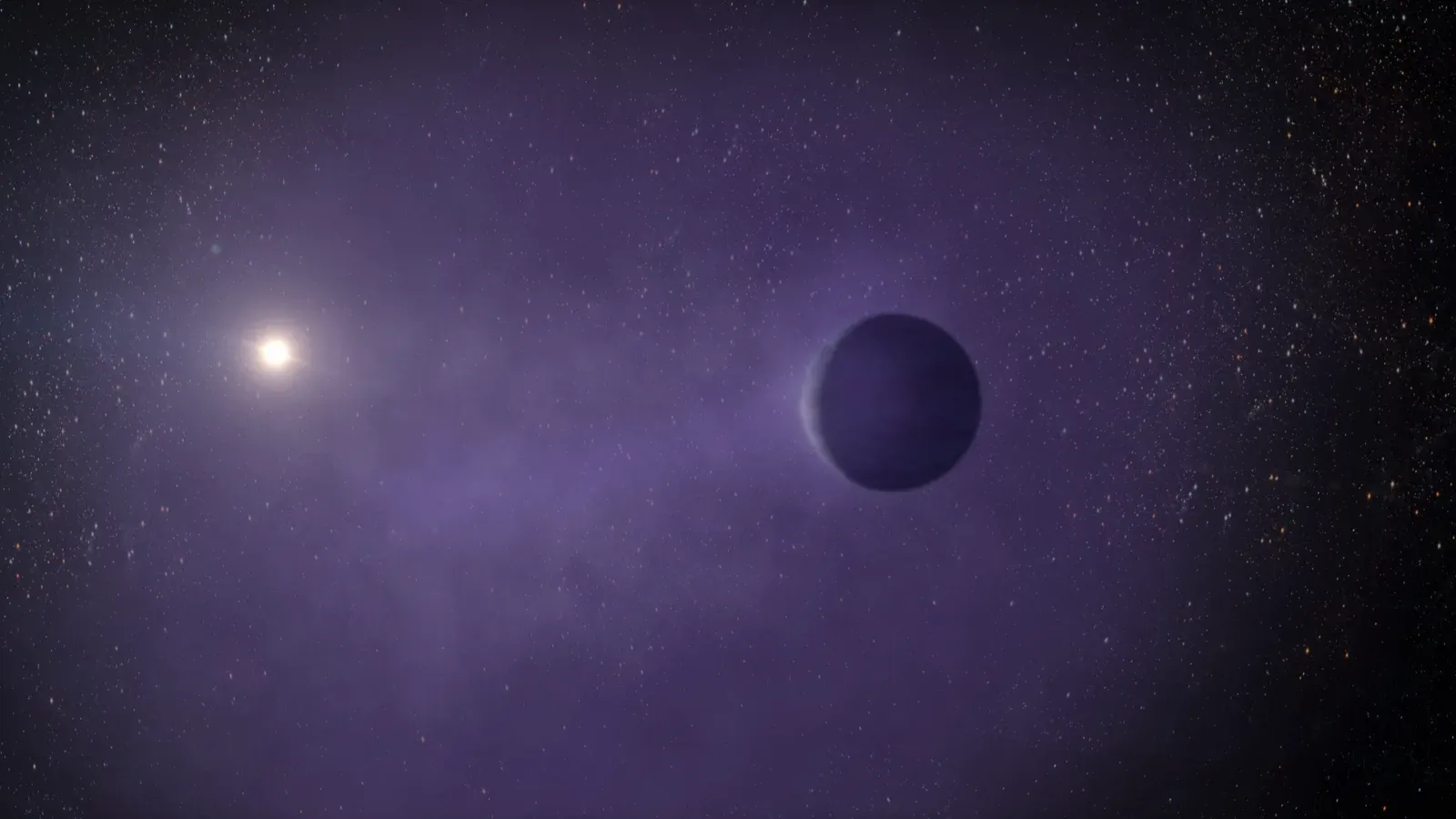
Based on earlier considerations, this hypothetical super-Earth – mini-Neptune sized planet would have had a predicted mass of five to ten times that of the Earth, and an elongated orbit of four hundred to eight hundred astronomical units. To put that into human terms: one astronomical unit is the distance from Earth to the Sun. So you’re talking about something absurdly, incomprehensibly far away.
The potential ninth planet’s inferred mass and composition resemble Uranus and Neptune, the solar system’s known ice giants. These planets have dense atmospheres composed of hydrogen, helium, and methane, and contain icy cores likely formed under colder, more remote conditions than those of Jupiter or Saturn. Interestingly, a 2025 study suggests that Planet Nine’s mass and orbital characteristics would render its composition closer to that of a rocky planet like Earth.
The Infrared Clues Hidden in Old Sky Surveys
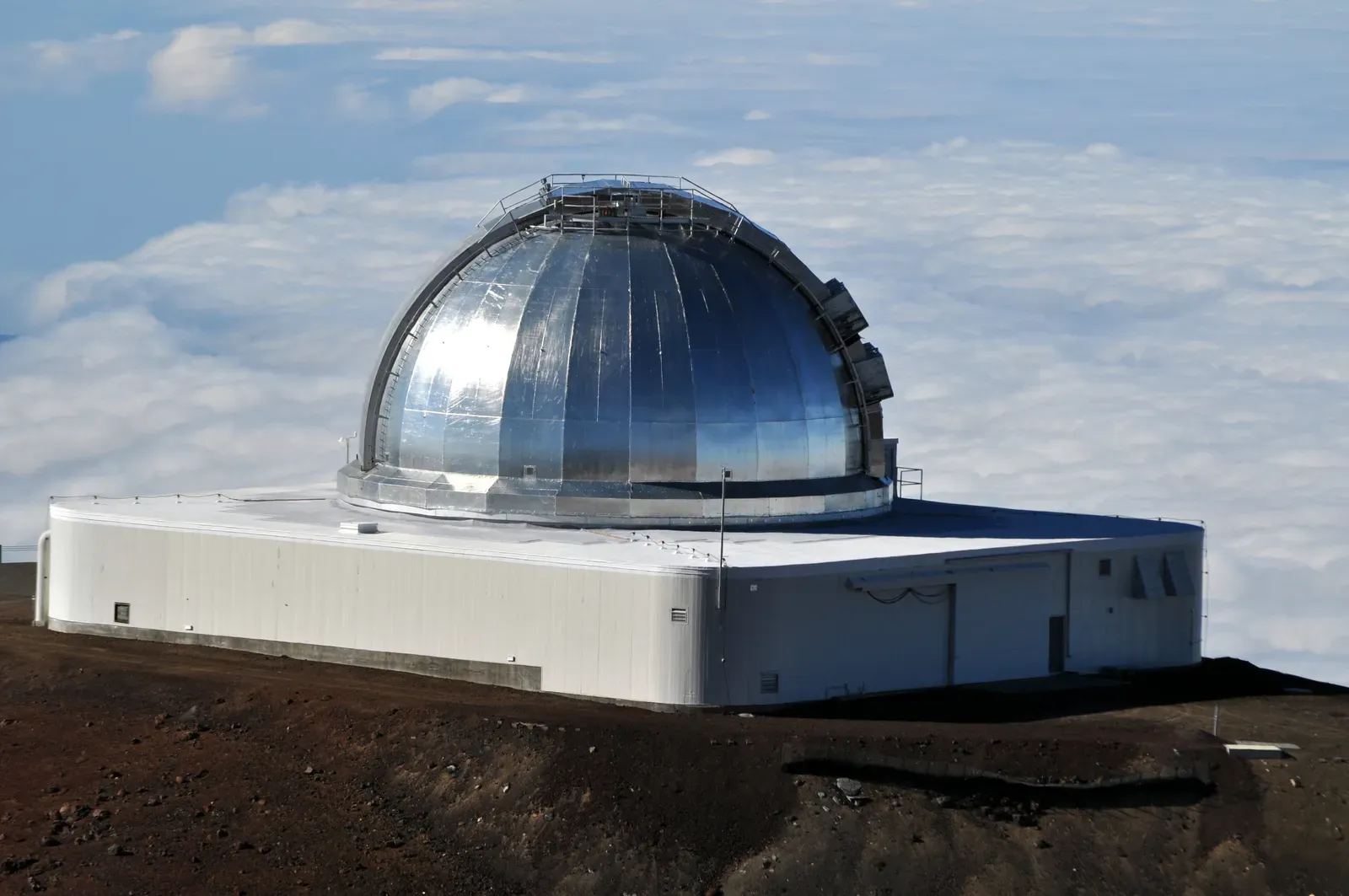
Here’s where things get genuinely exciting. A team of researchers took a completely different approach to this cosmic detective story – instead of looking for reflected sunlight, they’re hunting for the planet’s own heat signature. Because at such enormous distances from the Sun, reflected light is practically useless. You’d need to pick up the planet’s own faint thermal glow.
Phan and Goto used sky surveys from two infrared space telescopes launched twenty-three years apart: the Infrared Astronomy Satellite launched in 1983, and AKARI, a Japanese satellite launched in 2006. Because of Planet Nine’s long orbit, the researchers hypothesized that the time gap between the two data sets would be enough to see the potential planet move incrementally across the night sky. From an initial catalog of about two million objects within the two data sets, the researchers whittled down to pairs of dots of light whose spacing could be explained by a moving planet with a Planet Nine-like mass and distance.
Two Promising Candidates Have Been Spotted
After this meticulous analysis, the researchers identified two candidates. Both objects appear in the predicted location and emit the amount of infrared light that theory suggests Planet Nine should produce. While this doesn’t constitute definitive proof, it represents the most promising lead in the search for our solar system’s hidden giant. I know it sounds crazy, but those two faint dots could change everything we think we know about our own cosmic neighborhood.
The candidates require follow-up observations with more powerful telescopes to confirm whether they’re truly moving in ways consistent with Planet Nine, or whether they’re imposters, perhaps background galaxies or other astronomical objects. Knowing just two positions isn’t enough to pin down the exact orbit of this object. Follow-up observations are required, potentially using the widefield, very sensitive DECam on the Victor M. Blanco Telescope in Chile.
The Skeptics Have a Point Too
Let’s be real – not everyone is convinced. Science would be boring if they were. Some astronomers question this conclusion and instead assert that the clustering of the ETNOs’ orbits is due to observational biases stemming from the difficulty of discovering and tracking these objects during much of the year. In other words, what looks like a cosmic pattern might just be a gap in our observation coverage.
The possibility that new dwarf planet discoveries could pose a problem for the Planet Nine theory has been raised, though researchers emphasize more data is needed. Some scientists have suggested that the original argument for Planet Nine is getting weaker and weaker. Still, the debate is far from settled. The existence of Planet Nine – or any other undiscovered ninth planet in our solar system – will likely remain a contentious subject for now.
The Enter of Planet Y: A New Contender
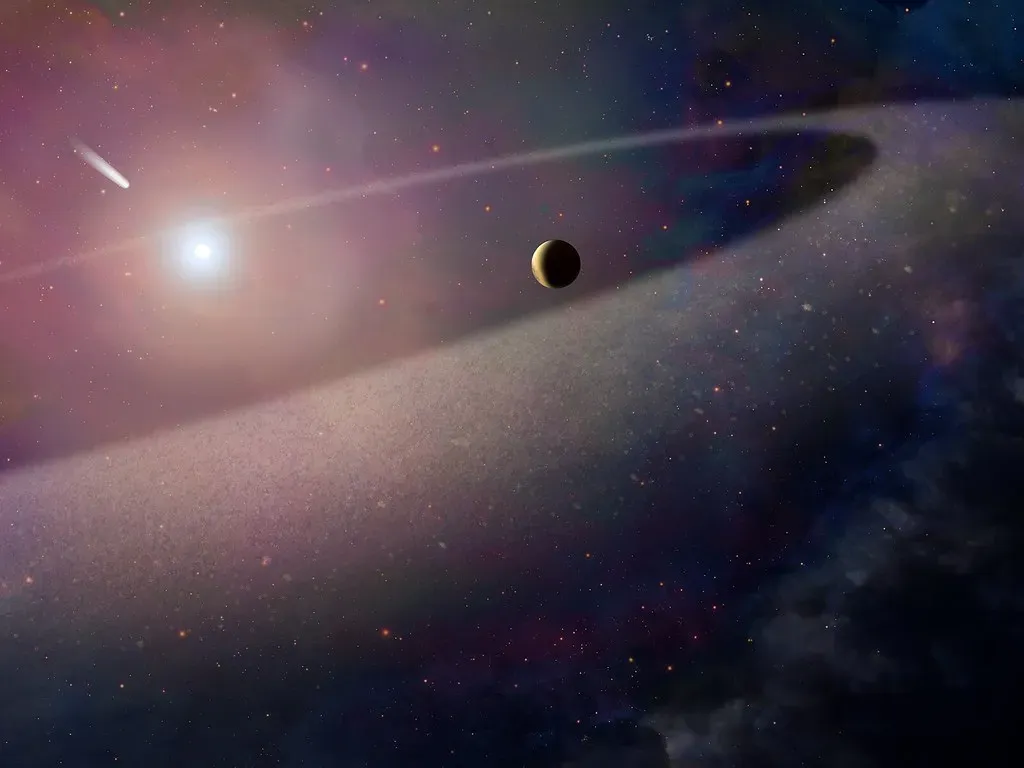
Just when you thought the plot couldn’t get any thicker, another candidate entered the scene. New research suggests the possibility of Planet Y, which would be smaller and orbiting closer to the sun than Planet Nine. The planet has not been detected but merely inferred by the tilted orbits of some distant objects in the Kuiper Belt – a large ring of icy bodies beyond Neptune’s orbit. Something, the researchers said, must be disturbing these orbits and tilting them.
Here’s the thing – this isn’t necessarily a competing theory. It might mean there’s more than one hidden world out there. Scientists have hypothesized about hidden planets of different dimensions over the years, ranging from a Mars-size body to a “super Pluto.” In 2025, astronomers reported a Sedna-like trans-Neptunian object whose findings show that, if a distant planet exists, it favors a more remote orbit of around five hundred astronomical units than closer configurations.
The Vera C. Rubin Observatory: The Game-Changer on the Horizon
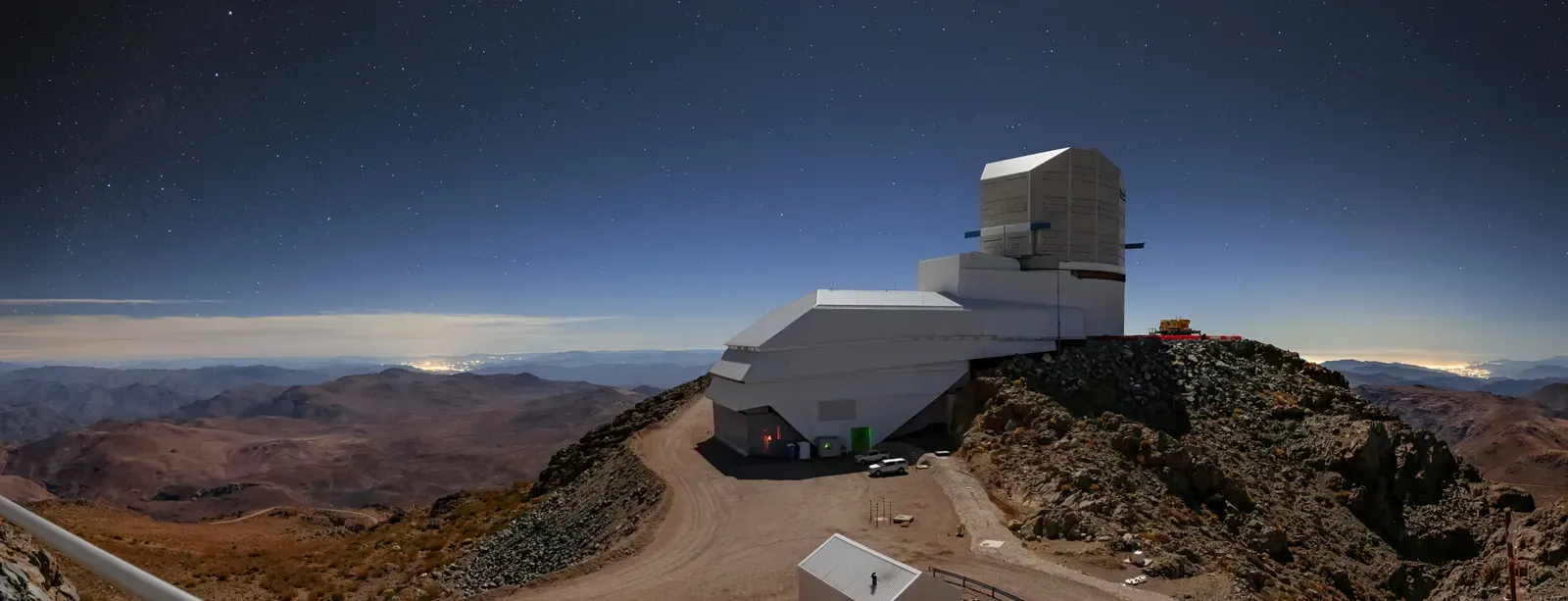
You could feel the excitement rippling through the scientific community. Starting in 2025, the Vera C. Rubin Observatory will increase the number of known objects circling the Sun by roughly tenfold, spotting new comets, exotic asteroids from other stars, and perhaps even the elusive Planet Nine. The camera on the Vera C. Rubin Observatory contains one hundred and eighty-nine individual sensors and will take photos at three-point-two gigapixels – the largest digital camera ever built.
The Vera C. Rubin Observatory will scan the entire southern sky every four days with the largest camera ever built. The team’s analysis says there is a very high probability that if Planet Nine exists, the Rubin system should be able to find it within a year or two, proving its existence once and for all. A 2025 study proposed new orbital characteristics for Planet Nine that would put it in the field of view of the Rubin Observatory’s early observations. If the answer is out there, we may not have to wait much longer.
Conclusion: The Solar System Still Has Secrets
There’s something deeply humbling about all of this. We live in an age of satellites, space telescopes, and artificial intelligence, yet our own solar system might be hiding a massive world that we’ve never once set eyes on. If confirmed, the discovery of Planet Nine would revolutionize our understanding of how our solar system formed and evolved. That’s not a small thing. That’s the kind of discovery that rewrites textbooks.
The search for Planet Nine is a perfect reminder that the universe is under no obligation to reveal itself quickly or easily. You need patience, ingenuity, and a willingness to sift through millions of data points, sometimes decades old, for a pair of faint pinpricks that might just be the biggest discovery of our era. Surveys of planets around other stars have found the most common types to be “super Earths” and their cousins – bigger than Earth, but smaller than Neptune. Yet none of this kind exist in our solar system. Planet Nine would help fill that gap.
Whether it turns out to be Planet Nine, Planet Y, or something we haven’t even imagined yet, one thing is certain: the outer solar system is not as empty or as well-understood as we once thought. The greatest discovery in our cosmic backyard might be just a few years away. What would it mean to you if we found out our solar system has been hiding a whole new world all along?