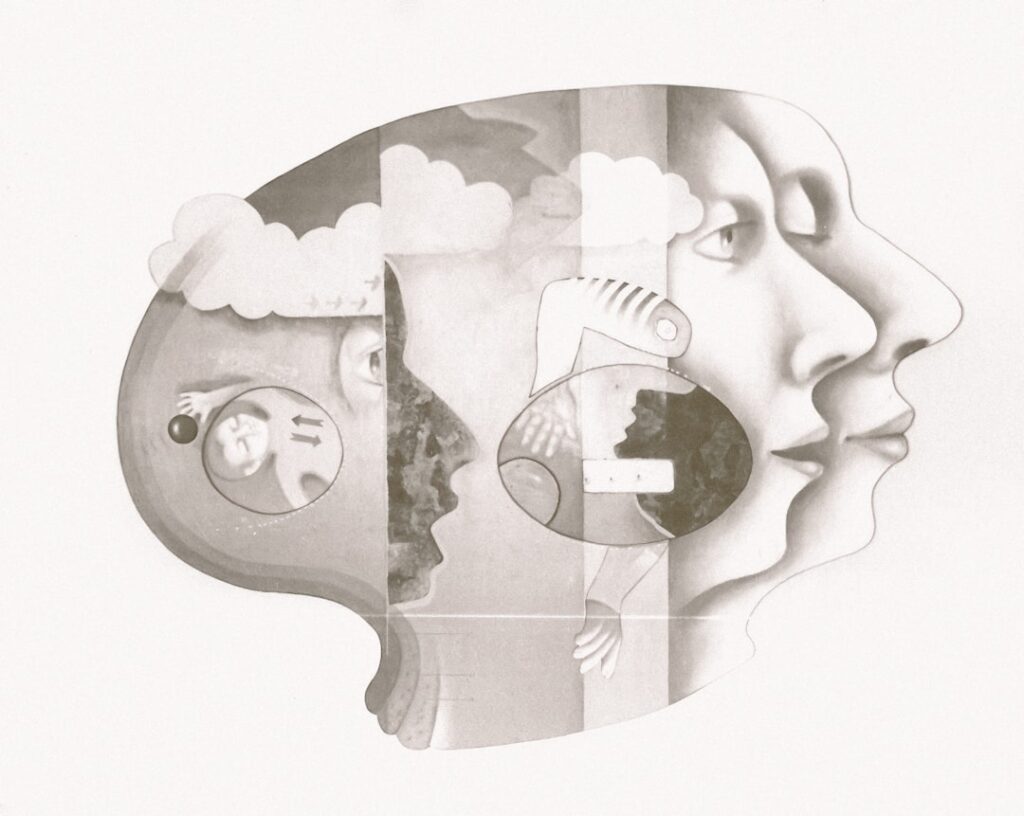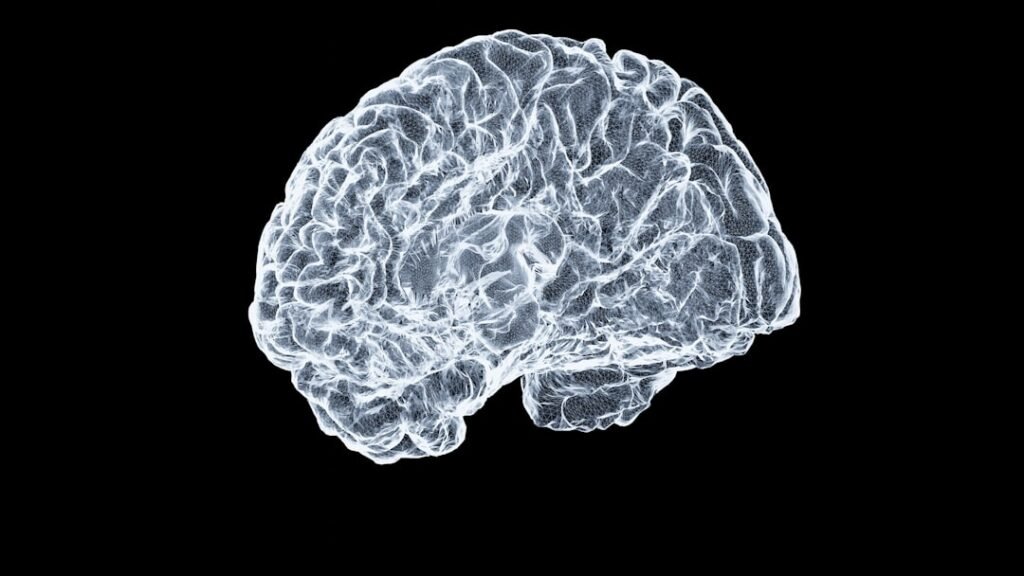

There is something genuinely unsettling about how confidently we used to believe that the adult brain was fixed, frozen, a finished product with no room for meaningful change. For decades, scientists and doctors operated as if the brain you had at twenty-five was the one you were stuck with forever. Damage it, and that was that. Stop learning, and the circuits went dark permanently.
Science has since turned that idea completely on its head. What we now understand about the brain’s capacity to reorganize, rebuild, and rewire itself is one of the most exciting stories in modern neuroscience. So let’s dive in.
What Neuroplasticity Actually Means – and Why It Changes Everything
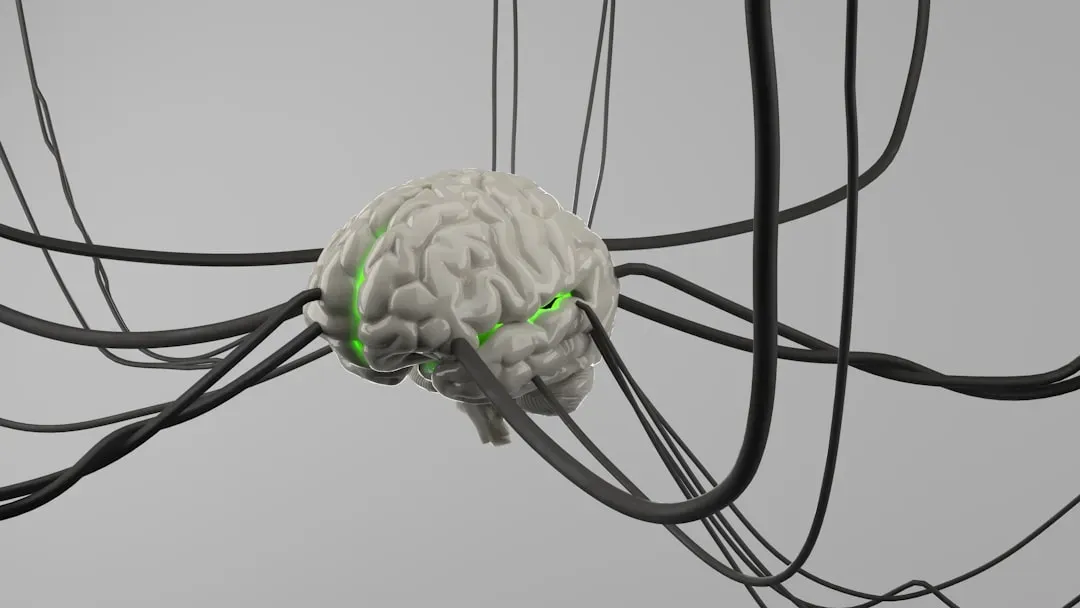
Neuroplasticity, also known as neural plasticity or brain plasticity, is a process that involves adaptive structural and functional changes to the brain. It is defined as the ability of the nervous system to change its activity in response to intrinsic or extrinsic stimuli by reorganizing its structure, functions, or connections after injuries such as stroke or traumatic brain injury. In simpler terms, think of your brain like a city’s road network. Neuroplasticity is the city’s engineering team, constantly building new roads, closing old ones, and rerouting traffic when a bridge collapses.
Neuroplasticity, or brain plasticity, is the brain’s dynamic ability to reorganize itself through forming and reorganizing neural connections based on experience, learning, or injury. This fundamental property allows the brain to adapt to new information, develop new skills, and recover functions after damage. It challenges the old belief that the brain’s structure is fixed after certain ages. Honestly, once you understand this, it changes the way you think about everything from education to therapy to daily habits.
The “Neurons That Fire Together, Wire Together” Principle
The plasticity of the brain in its whole complex manner can be summarised in one sentence: “Neurons that fire together, wire together.” Learning is the key to neural adaptation. This isn’t just a catchy slogan – it’s the foundation of how every habit you have ever built, every skill you have ever learned, and every memory you have ever formed actually works at the biological level. Every time you repeat a thought or action, you are literally strengthening a physical connection inside your skull.
Neuroplasticity involves a “fire together, wire together” principle: if certain neurons keep firing at the same time, eventually they’ll develop a physical connection and become physically associated. This experience-dependent plasticity means if you practice something consistently, such as meditating, exercising or learning how to play an instrument, you’re likely to alter your brain to associate the relevant parts of its structure. Here’s the thing – this works both ways. Positive habits rewire you for better outcomes. Negative ones do the exact same thing, just in the wrong direction. Your brain doesn’t judge. It simply adapts to what you repeat.
Two Types of Neuroplasticity You Need to Understand
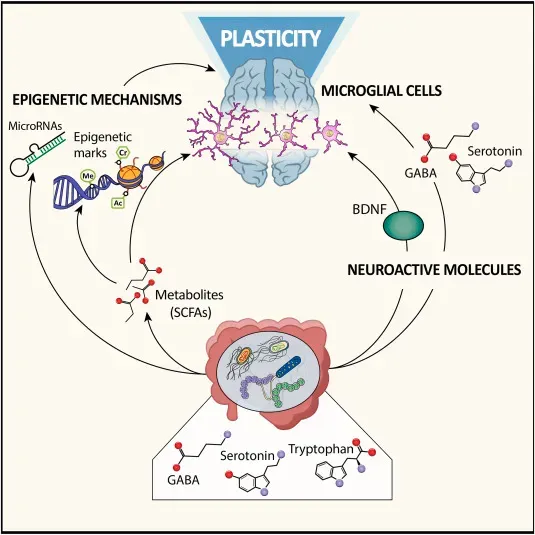
Two types of neuroplasticity are often discussed: structural neuroplasticity and functional neuroplasticity. Structural plasticity is often understood as the brain’s ability to change its neuronal connections. The changes of grey matter proportion or the synaptic strength in the brain are considered as examples of structural neuroplasticity. Structural neuroplasticity is basically the brain physically remodeling itself – new branches grow from neurons, old connections get pruned, and the geography of your brain genuinely shifts over time.
Structural plasticity involves the brain changing its physical structure as we learn new things or form new memories. Functional plasticity is the brain’s ability to move functions from a damaged area of the brain to other undamaged areas. Functional neuroplasticity is thought to underlie memory formation, skill acquisition, and recovery from injury. An example of functional neuroplasticity is long-term potentiation (LTP), the persistent strengthening of synapses in response to repeated stimulation. Together, these two types make the brain the most adaptable organ in the known universe – I mean that without exaggeration.
Your Brain Keeps Rewiring Well Into Adulthood – Even Your 30s
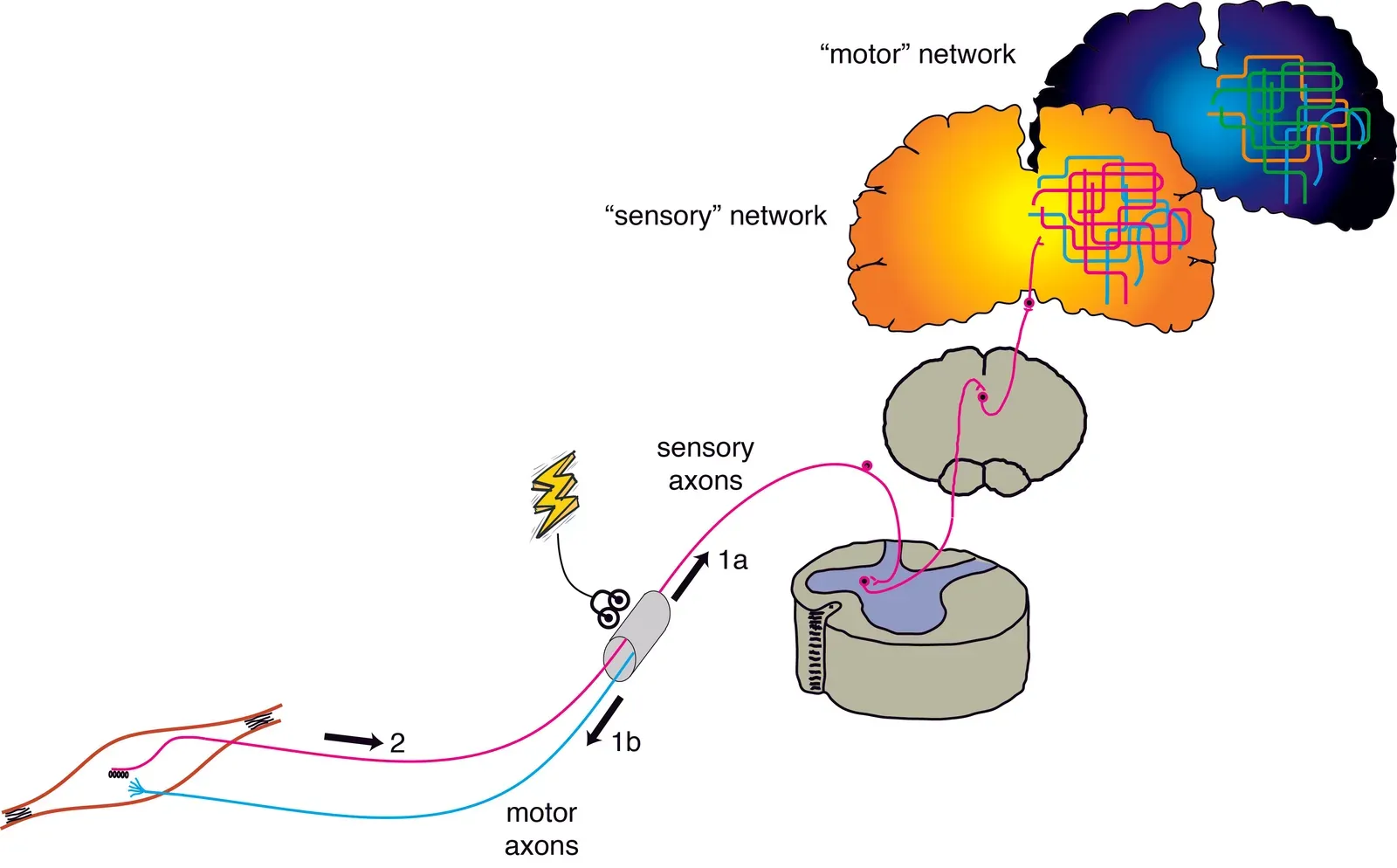
Neuroplasticity, the brain’s capacity to reorganize itself by forming new neural connections, is central to modern neuroscience. Once believed to occur only during early development, research now shows that plasticity continues throughout the lifespan, supporting learning, memory, and recovery from injury or disease. This is a monumental shift in how science sees the human brain. You are not a finished project. You are perpetually under construction.
Brain development doesn’t stop at 25 – it keeps rewiring and optimizing itself into the early 30s. The widely repeated claim that brain development, especially in the frontal lobe, stops at 25 is not accurate. High-intensity aerobic exercise, learning new languages and taking on cognitively demanding hobbies like chess can bolster your brain’s neuroplastic abilities, while things like chronic stress can hinder it. If you want a high-performance brain in your 30s, it helps to challenge it in your 20s, but it’s never too late to start. That last sentence deserves to be read twice.
How Exercise, Meditation, and Sleep Actively Rewire Your Brain

Aerobic movement is highly beneficial for the brain and its neuroplasticity. Regular physical activity such as walking, swimming, and cycling gets the blood pumping and flowing to the brain. The more you move, the more oxygen and nutrients reach your brain cells, which helps them grow, connect, and repair after injury. Physical exercise also reduces stress hormones and improves mood and concentration, which is also beneficial for brain health. Think of exercise as fertilizer for your neurons – not metaphorically, but biologically.
Meditation and mindfulness have been shown to induce neuroplasticity, increase cortical thickness, reduce amygdala reactivity, and improve brain connectivity and neurotransmitter levels, leading to improved emotional regulation, cognitive function, and stress resilience. Sleep is one of the most important things for your brain health and neuroplasticity. When you sleep, your brain processes memories, which includes transferring short-term memories into long-term storage. These three pillars – movement, mindfulness, and sleep – work together like a renovation crew, each doing a different job but all contributing to the same stunning result.
The Dark Side: When Neuroplasticity Works Against You
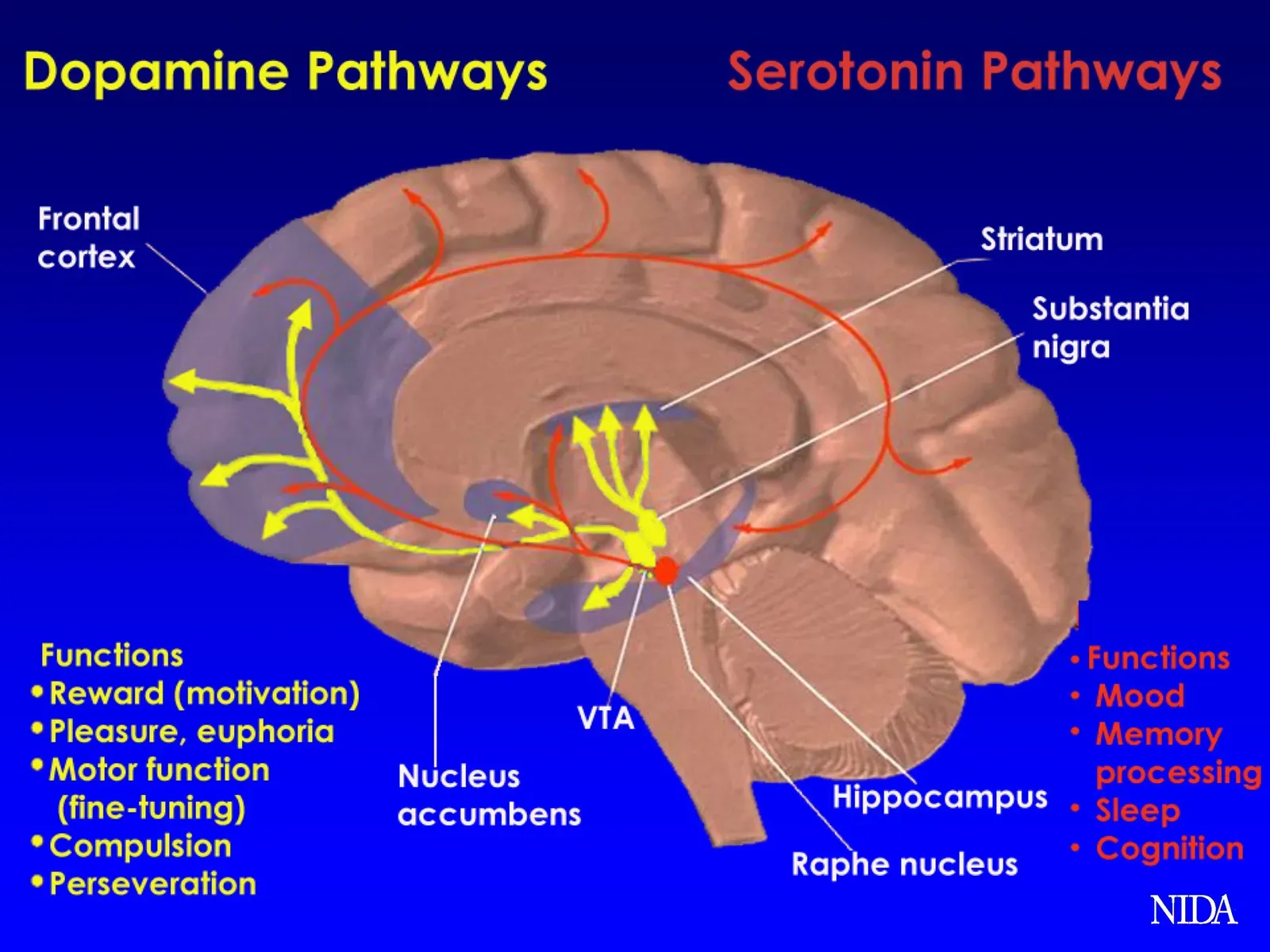
Maladaptive plasticity can produce undesirable effects, such as chronic pain, addiction, or compulsive behaviors. Understanding and guiding neuroplastic processes is therefore critical in therapies to prevent negative brain rewiring. This is probably the part of the neuroplasticity story that doesn’t get enough airtime. Your brain doesn’t distinguish between a healthy habit and a destructive one. It just strengthens whatever pathway you use most. That’s how chronic pain gets locked in, and how addiction carves deep grooves into neural circuits.
Chronic stress can take a toll on brain function by increasing levels of cortisol, a hormone that can damage neurons and inhibit neuroplasticity. Stress has been demonstrated to produce glucocorticoids, which are known as stress hormones, that can negatively impact our memory skills, as these stress hormones cause BDNF to decrease, especially in the hippocampus, the memory area. It sounds alarming – and to some extent it should. The same biological machinery that can make you smarter or stronger can entrench your worst habits if you’re not paying attention to what you’re feeding it.
The Future: Technology That Harnesses Neuroplasticity for Healing
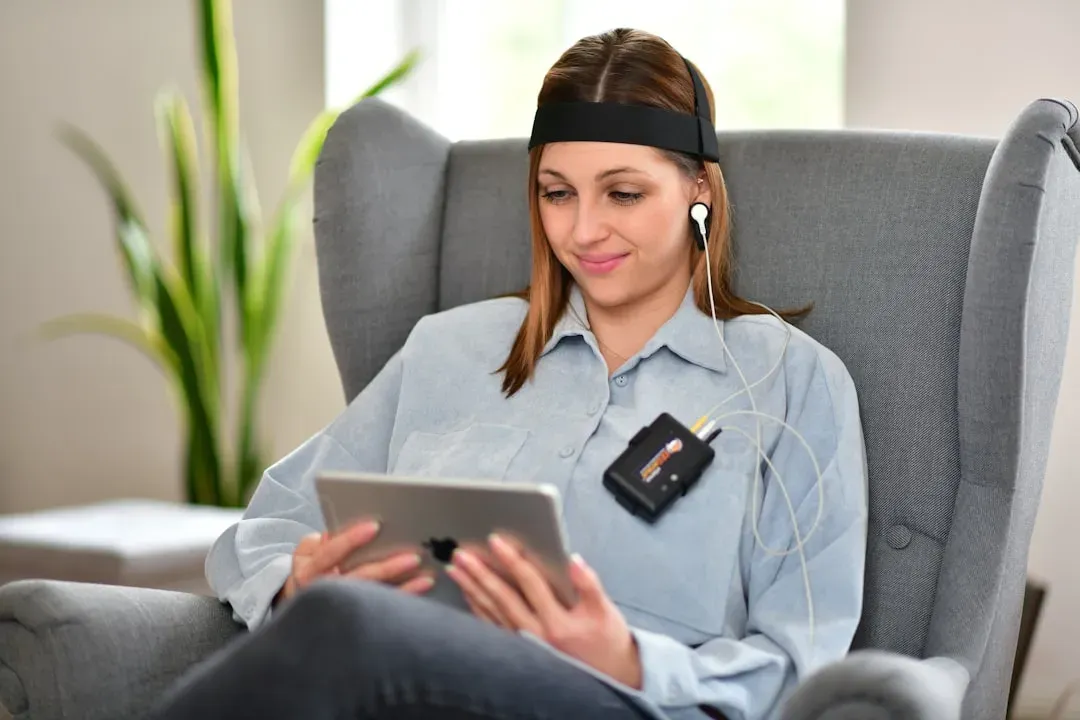
Treatments like virtual reality (VR), transcranial magnetic stimulation (TMS), and constraint-induced movement therapy (CIMT) aid stroke rehabilitation, while cognitive training and neuromodulation enhance recovery in TBI. Neuromodulation, including transcutaneous vagus nerve stimulation, deep brain stimulation, and brain-computer interfaces, has emerged as a transformative approach, leveraging neuroplasticity to enhance motor and cognitive recovery. Integrating artificial intelligence within these modalities enables adaptive, patient-specific interventions through real-time feedback, predictive modeling, and advanced signal processing. The pace of progress in this space is genuinely jaw-dropping.
The combination of brain-computer interfaces and non-invasive brain stimulation enhances brain functional reorganization and accelerates motor recovery post-stroke through a real-time feedback mechanism. Recent strategies to harness neuroplasticity, ranging from pharmacological agents and lifestyle interventions to cutting-edge technologies like brain-computer interfaces and targeted neuromodulation, are evaluated in light of current empirical evidence. We are entering an era where the tools to guide your brain’s rewiring will become as accessible as a fitness app – and that should feel both thrilling and a little humbling at the same time.
Conclusion: Your Brain Is Never Truly Finished
Perhaps the single most empowering idea in all of modern neuroscience is this: your brain changes physically whenever you learn anything, and your brain continues to be moulded by experience and learning throughout your life. Your brain is never fixed but continues to change with learning and experience throughout your life. That is not a motivational poster. That is a biological fact, confirmed by decades of research and still being deepened every year.
The science of neuroplasticity invites you to stop thinking of your identity, your intelligence, or your struggles as fixed quantities. Plasticity is one of the fundamental biological properties that underlie our ability to adapt through the human lifespan. Understanding the possibilities and limitations of brain plasticity can help provide realistic expectations of learning and recovery, and furthermore, clarify our potential as human beings. The next time you feel stuck in a pattern, remember that the very organ generating that feeling is also entirely capable of changing it. What would you do differently if you truly believed your brain could rewire itself starting today?