Several kilometers below the ocean’s surface, in a world of crushing pressure and total darkness, life is not just surviving – it’s exploding with strange colors, bizarre shapes, and alien chemistry. Down there, sunlight never arrives, yet whole communities of animals and microbes flourish around cracks in the seafloor that spew hot, mineral‑rich fluids. When I first learned that some ecosystems have absolutely no need for the sun, it felt like someone had quietly rewritten one of the basic rules of life.
These deep ocean vents – sometimes called hydrothermal vents – have turned out to be one of the most surprising discoveries in modern ocean science. They challenge what many of us learned in school about food chains beginning with plants and photosynthesis. Instead, life there runs on rock and chemistry. Understanding how these “impossible” ecosystems work doesn’t just change how we see Earth; it also reshapes our ideas about where life might exist elsewhere in the universe.
Darkness, Pressure, and Fire: What Hydrothermal Vents Really Are
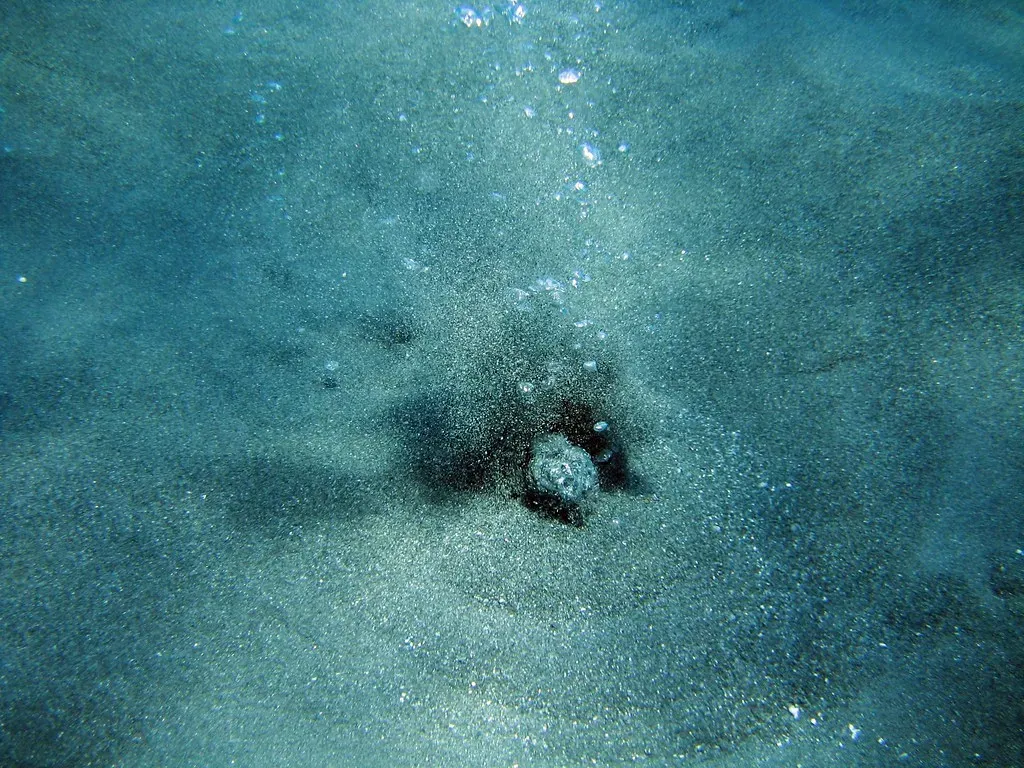
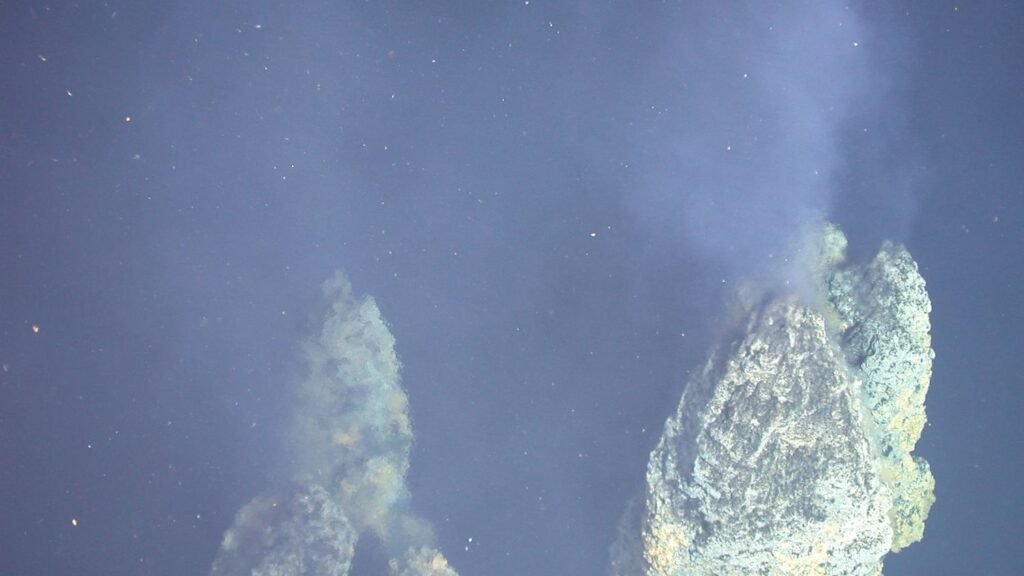
Imagine standing on the edge of a volcanic landscape, but instead of air, everything around you is black water at temperatures close to freezing, and the “smoke” from chimneys is actually scalding hot fluid. Hydrothermal vents form where seawater seeps into cracks in the oceanic crust, gets superheated by magma deep below, and then blasts back out loaded with dissolved metals and chemicals. At some vents, the fluid is so hot it would boil at the surface, but down there the enormous pressure keeps it liquid.
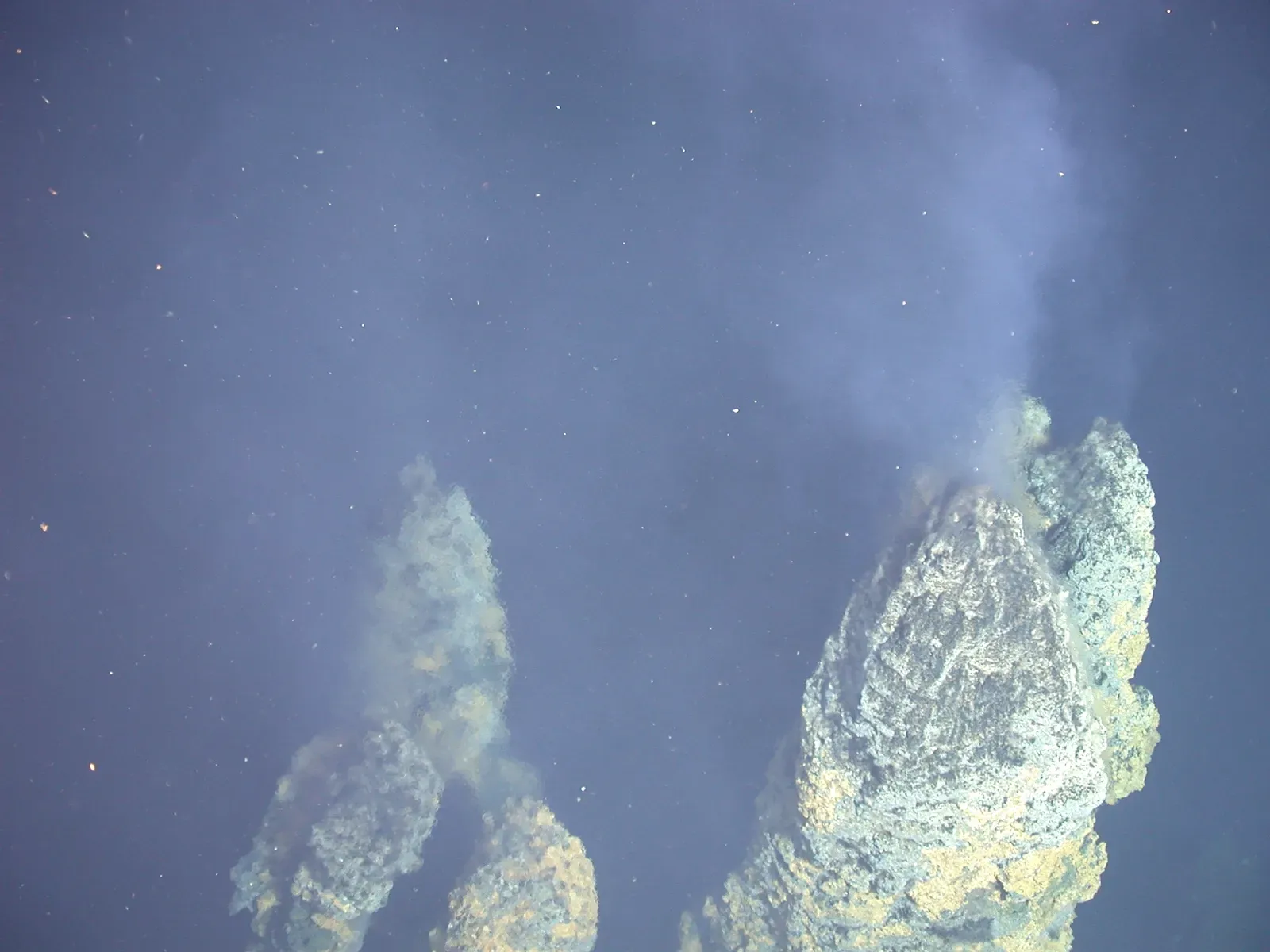
As that hot, mineral‑rich fluid meets the cold deep seawater, metals and sulfides fall out and build towering chimneys that look like blackened, underwater skyscrapers. These structures are often called “black smokers,” because they belch cloudy plumes that resemble dark smoke, though it’s really fine mineral particles. It’s a harsh, unstable neighborhood – vents can turn on or off with volcanic activity – yet life not only shows up, it crowds in. In places that should be lifeless, the seafloor suddenly becomes as busy as a bustling city intersection.
Life Without Sunlight: Chemosynthesis Replaces Photosynthesis
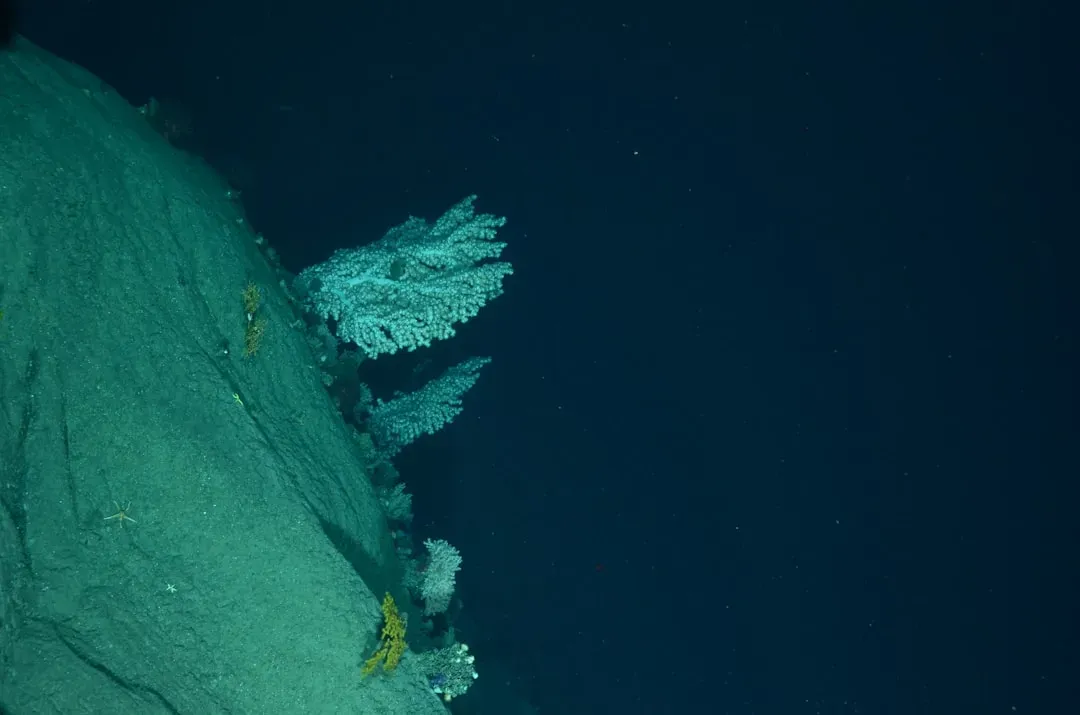
Most of us grow up thinking all life on Earth ultimately depends on sunlight and green plants, but vent ecosystems tear that idea apart. Instead of sunlight, the primary energy source is chemical: microbes use compounds like hydrogen sulfide, methane, and hydrogen that gush out of vents to power their metabolism. This process, called chemosynthesis, is a bit like photosynthesis turned inside out – instead of capturing light to build sugars, microbes capture chemical energy from reactions between vent fluids and seawater.
These chemosynthetic microbes are the true foundation of the vent food web, just as grasses and trees are on land. They can form thick mats on rocks, live suspended in the water, or hide inside the tissues of larger animals. Because they don’t depend on daylight, vents can support vibrant ecosystems in places that are permanently shrouded in darkness. It’s almost like discovering an alternate version of Earth, where life chose a completely different starting point but still built entire communities.
Symbiotic Superstars: Tubeworms, Clams, and Microbial Partners
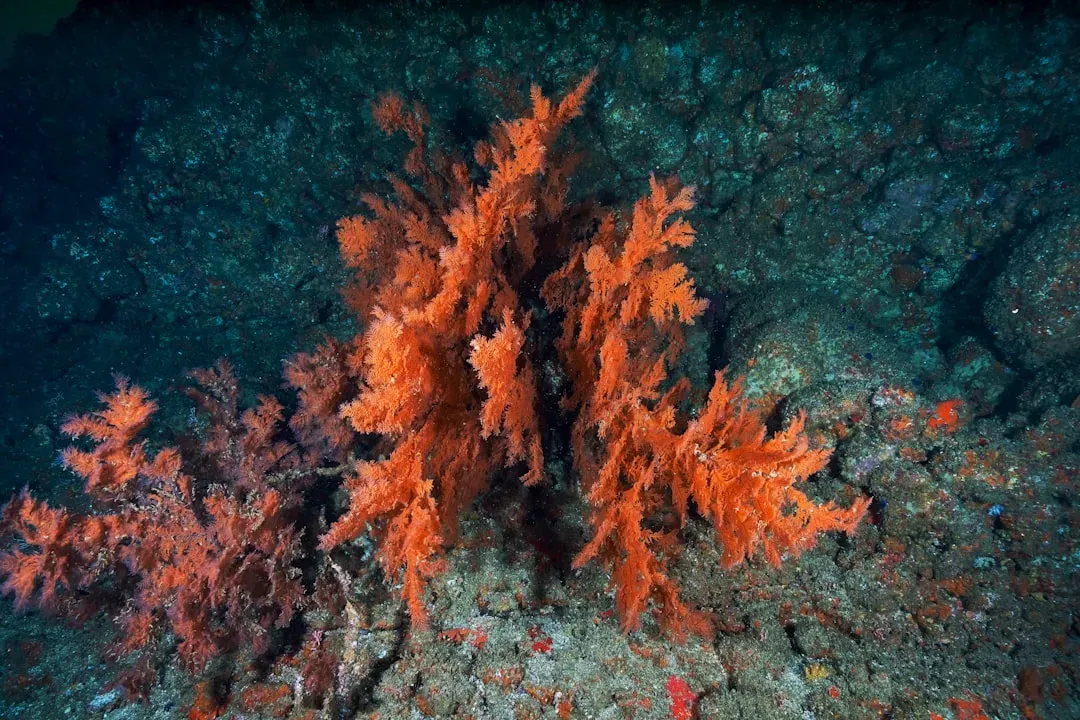
Some of the most striking vent animals look like they were designed for a science fiction movie: giant tubeworms that can reach longer than a person is tall, with bright red plumes and no visible mouth or gut. These worms survive thanks to dense populations of chemosynthetic bacteria living inside a specialized organ in their bodies. The worms deliver sulfide and oxygen from the vent fluids and seawater to the bacteria, and in return, the bacteria provide organic nutrients that feed the worm. It’s a tight partnership; without the microbes, the worms couldn’t survive at all.
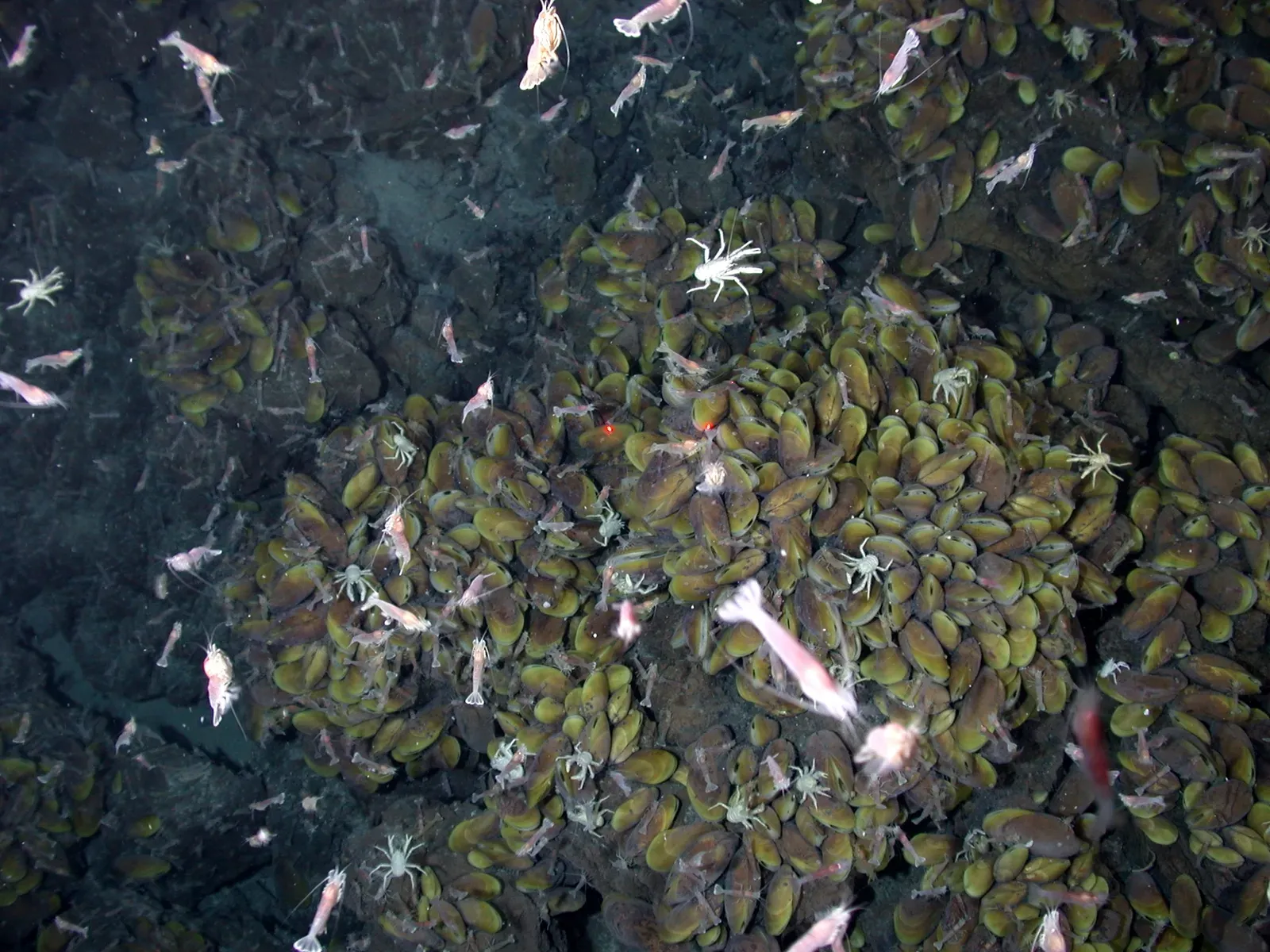
Vents are also packed with huge clams, mussels, and other shellfish that host similar internal microbial partners. Instead of actively hunting for food, many of these animals function more like farmers or landlords, providing housing and a steady supply of chemicals while their bacterial tenants pay “rent” in the form of energy‑rich compounds. This blurs the line between plant and animal roles in the ecosystem: many vent animals behave like mobile, protective greenhouses for their microbes, but without a single ray of light involved.
Extreme Conditions: Why Vent Life Redefines “Habitable”
The physical conditions around vents would be instantly lethal to most familiar sea creatures: intense pressure, near‑freezing background water, and sudden jets of fluid that can be hotter than boiling water at the surface. Chemical levels swing wildly, with toxic sulfides and metals that would kill typical fish or invertebrates. Yet vent species have evolved specialized adaptations, like heat‑resistant enzymes, sulfide‑binding proteins, and membranes tuned to work in extreme pressure. It’s like finding athletes trained to sprint across a burning, collapsing floor while still managing to build a house there.
What makes vents even more mind‑bending is how sharply conditions change over just a few centimeters. A small shift in water flow can mean the difference between freezing and scalding, or between life‑supporting chemical levels and lethal toxicity. Many vent animals occupy very specific “Goldilocks zones” where the mix of hot vent fluid and cold seawater is just right. This has led scientists to think differently about habitability: instead of one broad, comfortable range, some of the most successful ecosystems on Earth cling to razor‑thin environmental margins.
Patchwork Cities: How Vent Ecosystems Form and Collapse
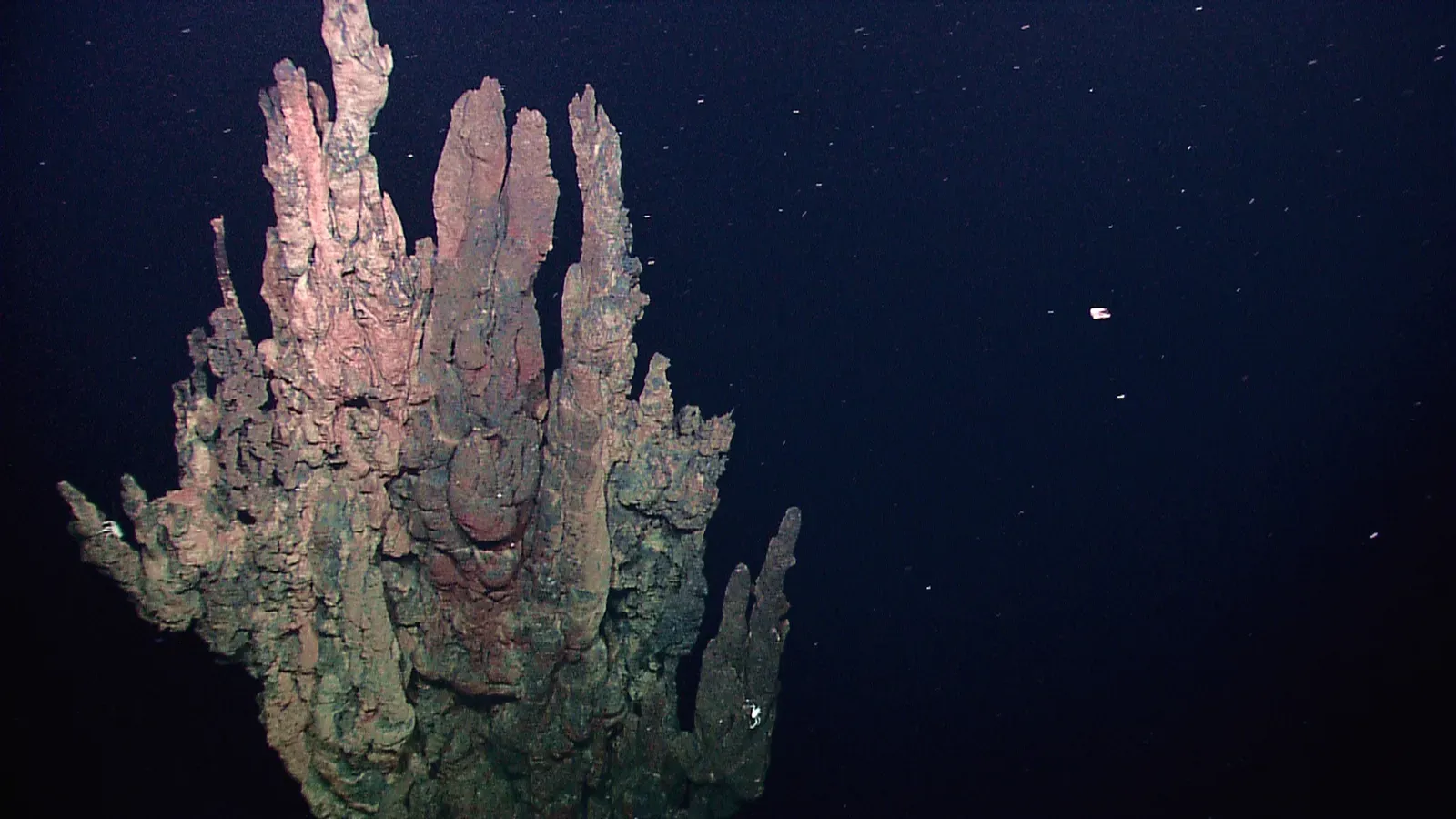
Hydrothermal vents are not permanent fixtures; they flicker on and off over years to decades as volcanic activity shifts beneath the seafloor. When a new vent opens, pioneer microbes are usually the first to colonize, coating rocks with slimy films that begin turning raw chemicals into living tissue. Soon after, small animals arrive, often as microscopic larvae drifting in deep currents, sniffing out the chemical traces that signal a new vent. Over time, the community can grow into dense assemblages of worms, crustaceans, snails, and fish that look almost like coral reefs made of metal and smoke.
But when a vent shuts down or its chemistry changes drastically, the ecosystem can collapse just as quickly. Many vent species are so tightly tuned to chemical conditions that they cannot simply move out into ordinary deep‑sea habitats. Some animals disperse to nearby active vents, while others vanish when their host vent dies. The result is a patchwork of isolated “islands” of life along mid‑ocean ridges and volcanic arcs, separated by vast stretches of relatively barren seafloor. It’s a reminder that even thriving communities can be precarious when their world depends on unstable geology.
Clues to Earth’s Origins: Did Life Start at Hydrothermal Vents?
For decades, scientists have debated where life first sparked on Earth, and hydrothermal vents have become one of the leading candidates. The chemistry at certain types of vents, especially alkaline vents, naturally sets up conditions that can create organic molecules from simple gases like carbon dioxide and hydrogen. Tiny pores in vent minerals can act like microscopic test tubes and energy reactors, concentrating ingredients and driving reactions. It’s not hard to imagine early, primitive metabolic systems emerging there, long before anything like complex cells or DNA existed.
What makes this idea so compelling is that vent environments offer both energy and structure, two things that primitive life would desperately need. Unlike the calm, warm pond image some of us grew up with, the origin of life might have been more like a sizzling, chemical engine deep in the ocean. While researchers still argue over the details and alternative scenarios, vents have shown that you can get surprisingly far toward life‑like chemistry purely from rocks, water, and a bit of heat. If that’s possible here, it pushes us to look at other worlds with fresh eyes.
Beyond Earth: Why Vents Matter for Life on Icy Moons and Other Worlds
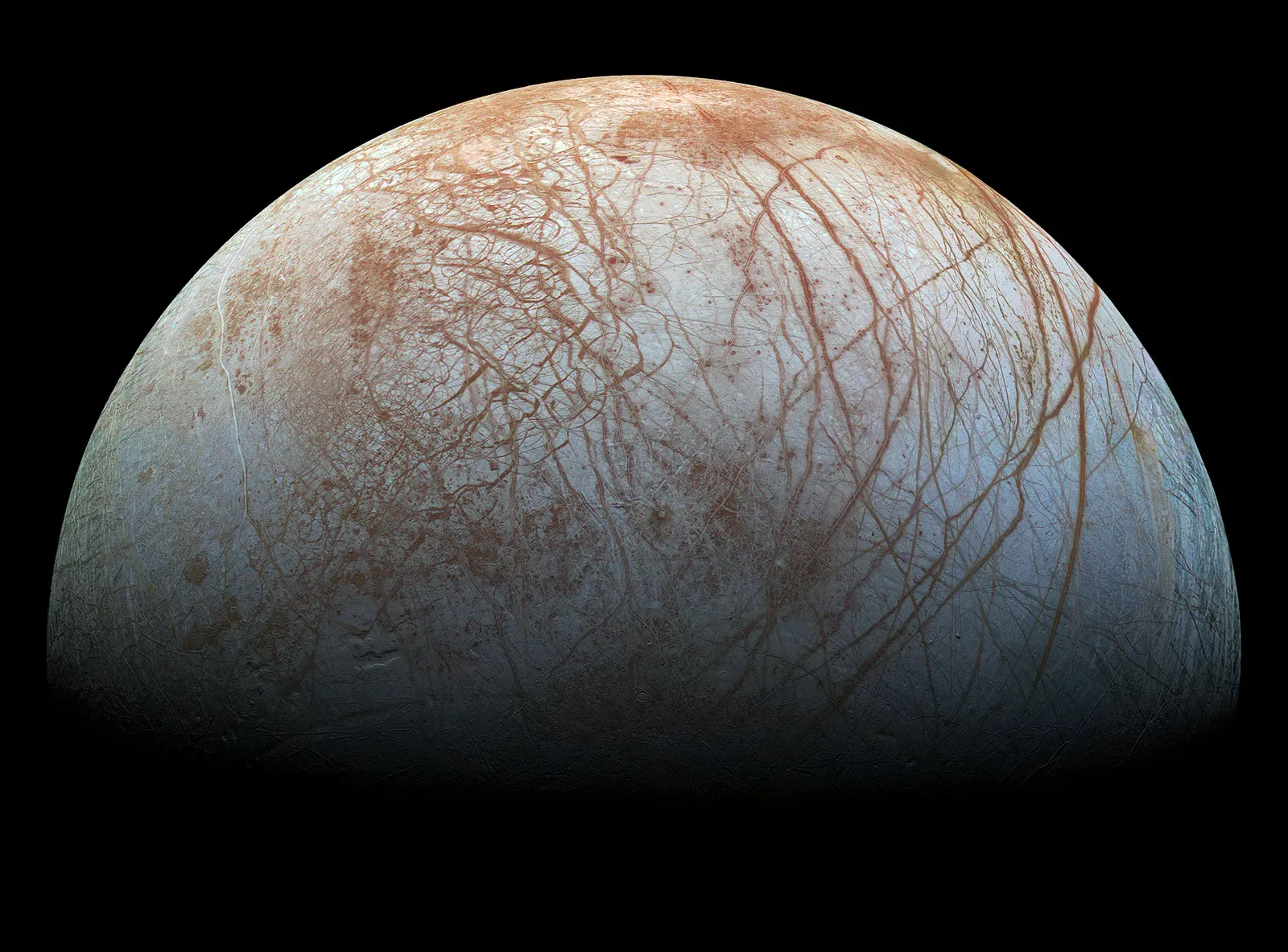
Perhaps the most thrilling implication of vent ecosystems is what they suggest about life beyond Earth. Several icy moons in our solar system, like Jupiter’s moon Europa and Saturn’s moon Enceladus, appear to have global oceans hidden beneath thick ice shells. Measurements from spacecraft have hinted that hydrothermal activity might be happening on their seafloors, with water rich in hydrogen and other chemicals spraying into space. If these moons have vents anything like ours, they could host chemosynthetic communities that never see starlight yet still flourish in the dark.
Astrobiologists now seriously consider hydrothermal vents as one of the most promising habitats to search for extraterrestrial life. Instead of needing a warm, Earth‑like surface with sunlight and continents, a world just needs liquid water, rock, and internal heat to potentially support vent‑driven ecosystems. That’s a much more forgiving set of requirements. In a way, vents have quietly rewritten our mental map of habitable real estate in the universe, turning cold, distant ocean worlds from long shots into serious contenders. How many hidden vent cities might be out there, waiting in the dark?
Human Impacts and the Future of Deep Vent Exploration
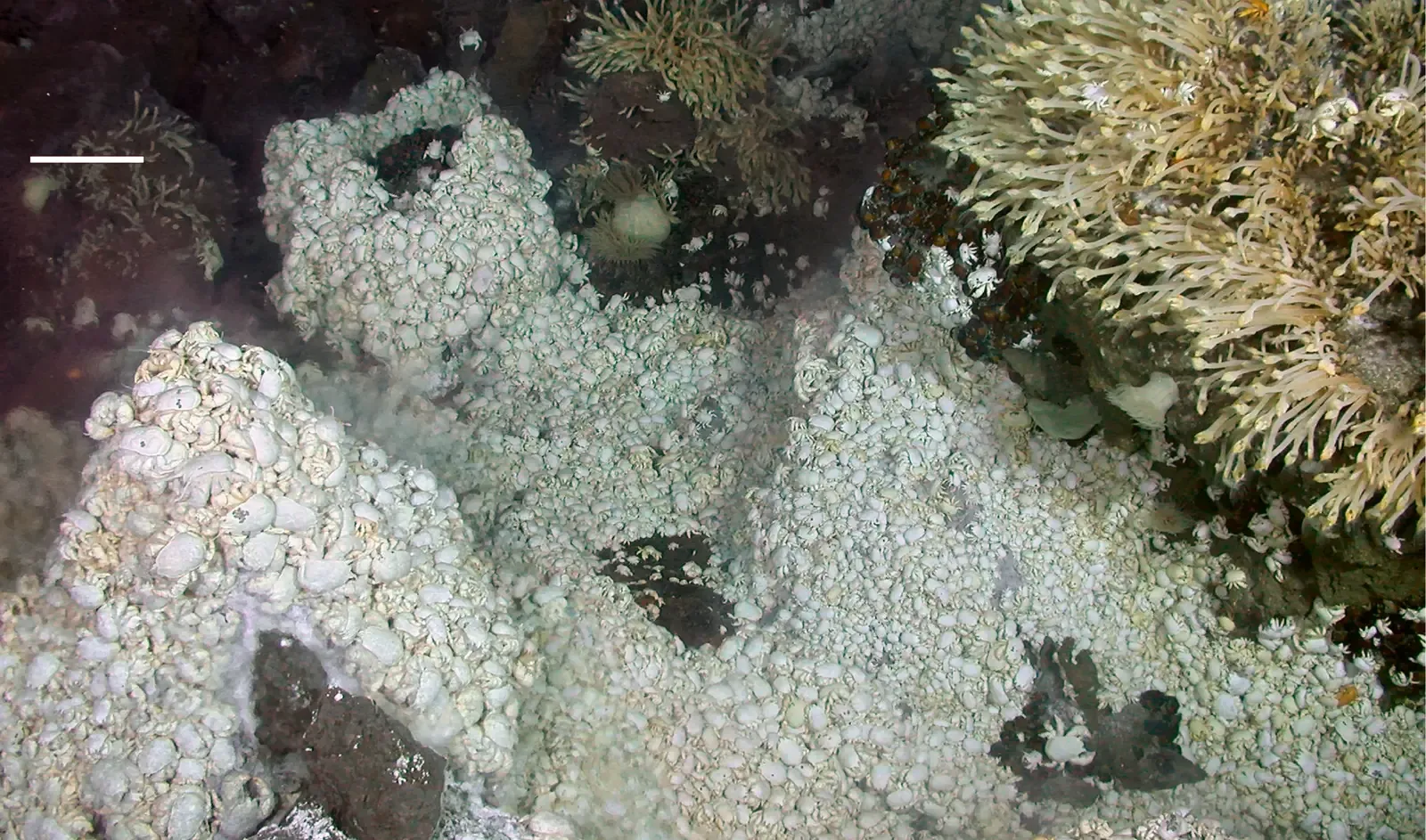
As our technology has improved, we’ve gone from barely knowing vents existed to mapping and visiting them with crewed submersibles and robotic vehicles. That curiosity has a darker side, though: the same metal‑rich deposits that feed vent life are attracting interest from deep‑sea mining companies. There’s growing concern that disturbing or removing vent structures could destroy fragile ecosystems that took decades – or longer – to form, and that we barely understand. The deep ocean has long been treated as “out of sight, out of mind,” but vents are forcing a more uncomfortable conversation about what we’re willing to risk.
At the same time, vents are inspiring new ideas in biotechnology, energy, and materials science, from heat‑tolerant enzymes to corrosion‑resistant structures modeled on vent chimneys. That tension between protecting a place and learning from it is not going away anytime soon. Personally, I find it hard to accept that we might damage such rare, otherworldly ecosystems before we even know what most of their species do or how they’re connected. If anything, vent communities remind us that life can be more inventive and resilient than we imagine – and that our choices can either honor that creativity or steamroll right over it.
In the end, deep ocean vents reveal a version of Earth that doesn’t need blue skies, green forests, or even a single photon of sunlight to support thriving life. They are proof that biology can build bustling cities in the most unlikely corners, powered by the restless chemistry of rock and water. Did you expect that?