Climate science has a way of throwing curveballs when you least expect them. Just when researchers thought they had a solid grip on the rhythm of the world’s most powerful ocean-atmosphere system, a strange and somewhat unsettling pattern has started to emerge.
We’re talking about El Niño, the periodic warming of Pacific Ocean surface temperatures that shapes weather from California to Kenya. Something surprising is happening to its cycle, and the implications stretch far beyond a few extra rainy seasons. Let’s dive in.
A Phenomenon That Controls More Than You Think
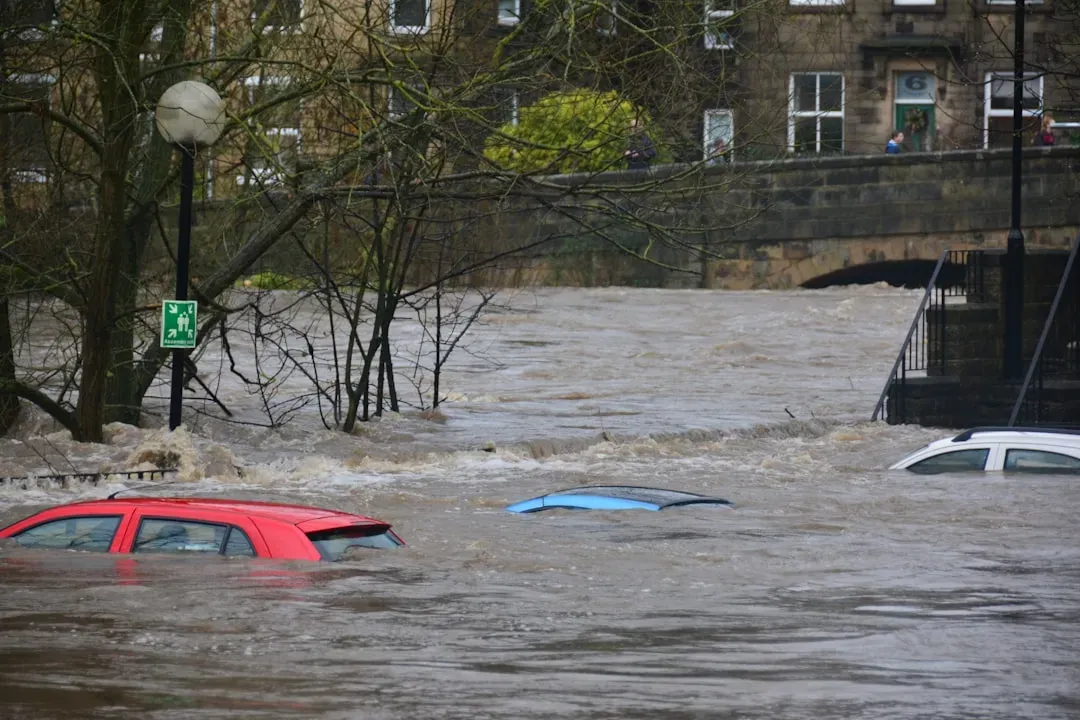
Most people associate El Niño with flooding in Peru or drought in Australia, but honestly, its reach is staggering. It influences hurricane activity in the Atlantic, monsoon rainfall across South Asia, wildfire seasons in the American West, and even global average temperatures that make headline news every year.
Think of El Niño as the thermostat of the planet’s weather machine. When it switches on, the entire system reacts. Scientists have spent decades modeling it, predicting it, and trying to understand its limits. What they’re finding now, though, is that those limits may be shifting in ways nobody fully anticipated.
The Unusual Quiet That Sparked New Research
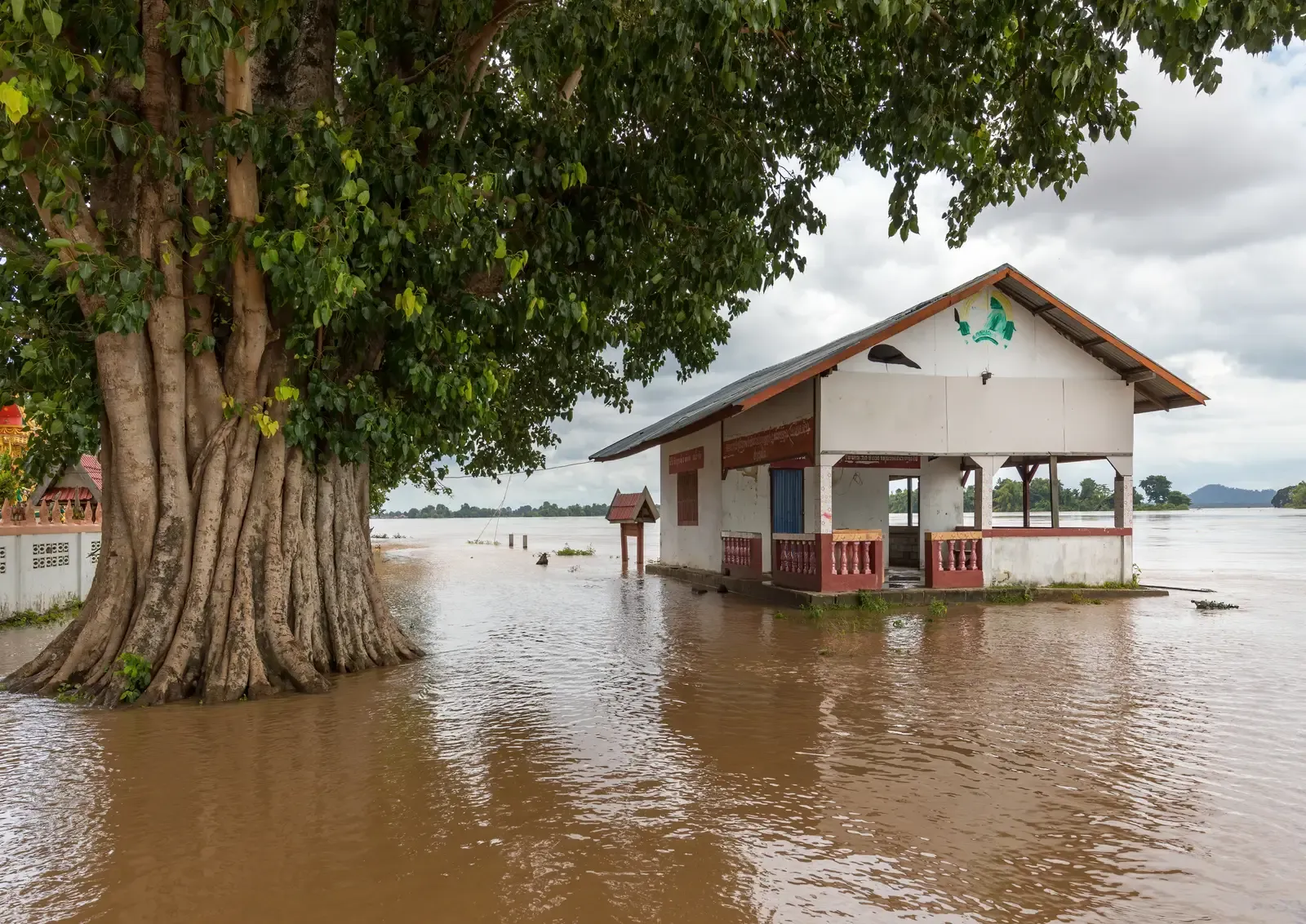
Here’s the thing that got researchers genuinely puzzled. After the powerful El Niño event of 2023 to 2024, which drove record-breaking global temperatures and dramatic weather extremes, the system entered an unusually quiet phase. A La Niña developed, then weakened faster than models predicted, and what followed was not another El Niño but a kind of neutral limbo.
This gap, this unexpected year without a strong El Niño signal, became a scientific curiosity worth investigating. It’s not that El Niño disappearing for a stretch is unheard of. What’s striking is the context. Coming immediately after one of the strongest events on record, this neutral period raised serious questions about whether climate change is beginning to alter the fundamental timing and intensity patterns of the El Niño-Southern Oscillation, or ENSO, cycle.
What the Data Is Actually Telling Us
Researchers analyzed sea surface temperatures, wind patterns, and subsurface ocean heat content across the equatorial Pacific. What emerged from that data paints a complicated picture. The ocean heat that typically fuels a developing El Niño was present in some regions but not distributed in the patterns models expect to see.
This kind of mismatch between subsurface warmth and surface expression is genuinely tricky for forecasters. It’s a bit like having all the ingredients for a storm but the atmosphere refusing to cooperate. Scientists are now questioning whether the standard predictive frameworks, built largely on historical data from the second half of the twentieth century, are still fully reliable in a world that’s roughly 1.2 degrees Celsius warmer than pre-industrial times.
How Climate Change May Be Disrupting the ENSO Cycle
This is where the research gets both fascinating and a little sobering. Multiple studies have pointed to the possibility that rising global temperatures are changing not just the frequency of El Niño events but their character. Some modeling work suggests we may see more extreme El Niño and La Niña events punctuated by longer neutral periods, rather than the relatively regular oscillation observed in the past.
Imagine a pendulum that used to swing at a predictable rate suddenly swinging wildly in one direction, then hanging still for an unusually long time, then swinging hard again. That irregular rhythm makes planning for agriculture, water resources, and disaster preparedness enormously harder. It’s hard to say for sure how pronounced this effect will become, but the signal is there in the data, and serious researchers are not dismissing it.
The Forecasting Problem Nobody Wants to Talk About
Let’s be real about something the meteorological community doesn’t always shout from the rooftops. ENSO forecasting, despite decades of improvement, still struggles at lead times beyond six to nine months. The so-called “spring predictability barrier,” a well-documented phenomenon where forecast skill drops sharply when predictions cross the boreal spring months, remains stubbornly persistent.
If climate change is now adding another layer of complexity by altering how El Niño events develop and dissipate, that predictability gap could widen. For governments and agencies that rely on seasonal forecasts to prepare for droughts, floods, and food shortages, even a marginal reduction in forecast reliability translates into real human consequences. The stakes are not abstract. They show up in crop failures, water shortages, and emergency response budgets stretched beyond capacity.
What This Means for Extreme Weather Going Forward
The connection between ENSO and extreme weather is not a loose correlation. It’s mechanistic and well-established. El Niño years are statistically linked to heightened wildfire risk across large parts of the globe, reduced Atlantic hurricane activity but increased Pacific typhoon intensity, and widespread drought across sub-Saharan Africa and South Asia.
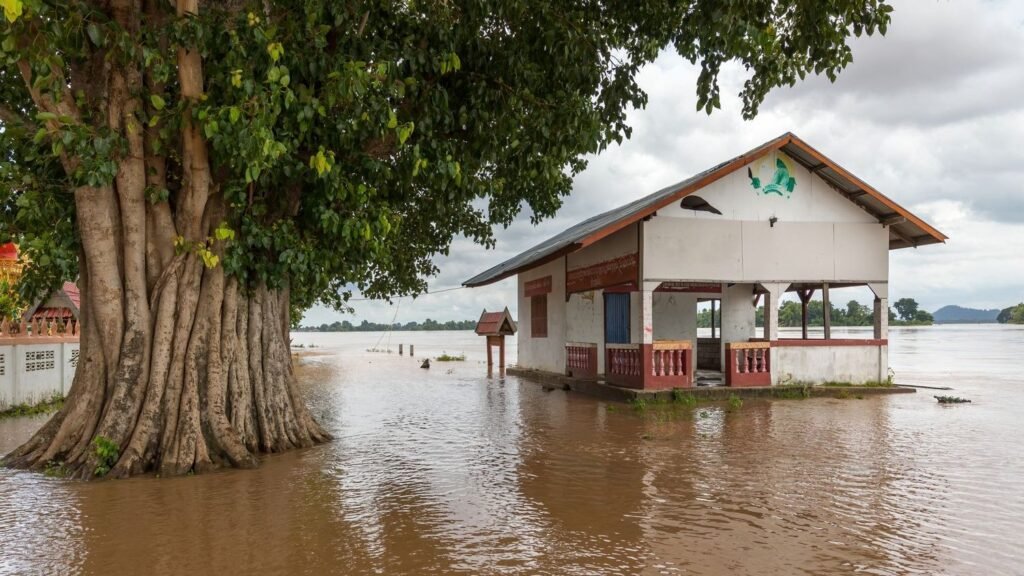
A world where ENSO behaves more erratically means a world where those downstream effects become harder to anticipate with confidence. Some regions could experience consecutive drought years without the relief typically brought by a transitioning La Niña phase. Others might face repeated flooding cycles that infrastructure simply wasn’t designed to handle. I think this is genuinely one of the underappreciated consequences of climate change, not just hotter temperatures, but a disruption to the very patterns that human civilization has quietly depended on for millennia.
The Road Ahead for Climate Scientists and Policymakers
Researchers are now calling for expanded observational networks in the Pacific to better capture the subsurface dynamics driving these changes. Improved ocean monitoring buoys, satellite data, and next-generation coupled climate models are all part of the push to close the knowledge gap before it becomes a critical blind spot.
Policymakers, meanwhile, face a genuinely uncomfortable reality. The seasonal forecasting tools that inform decisions about water allocation, agricultural planning, and disaster preparedness were calibrated to a climate that no longer quite exists. Updating those frameworks is not a purely scientific task. It requires political will, sustained funding, and international coordination that has historically been difficult to maintain. The year without El Niño is not just a curiosity from a scientific journal. It may be a quiet warning that the rules of the game are being rewritten in real time.
A Neutral Year With Anything But Neutral Implications
What seemed at first like an unremarkable gap between major climate events has turned out to be a genuinely important data point in our understanding of a changing planet. The absence of El Niño, in the right context, speaks volumes. If there’s one takeaway here, it’s this: the climate system is not just getting warmer. It’s getting stranger. And strange, in the context of weather and agriculture and human survival, is rarely a good thing. Scientists are paying close attention, and perhaps the rest of us should be too.
What do you think? Does the unpredictability of our climate future concern you more than the raw temperature numbers? Share your thoughts in the comments.