You’ve probably spent time wondering what alien life might look like on some distant, waterlogged moon. Here’s a wild thought: you don’t need a spaceship to find it. Right here on Earth, in the crushing darkness far beneath the ocean’s surface, evolution has been running its own sci-fi experiment for millions of years. The results are absolutely mind-bending.
With only roughly five percent of the ocean explored, it remains one of the most mysterious places on Earth. Scientists estimate that roughly two-thirds of the species in the ocean, possibly more, have yet to be discovered or officially described. Think about that for a second. Most of Earth’s largest living space is still a complete unknown. What follows are ten creatures that prove the deep sea is its own alien world, hiding in plain sight. Let’s dive in.
The Anglerfish: Nature’s Most Terrifying Lantern
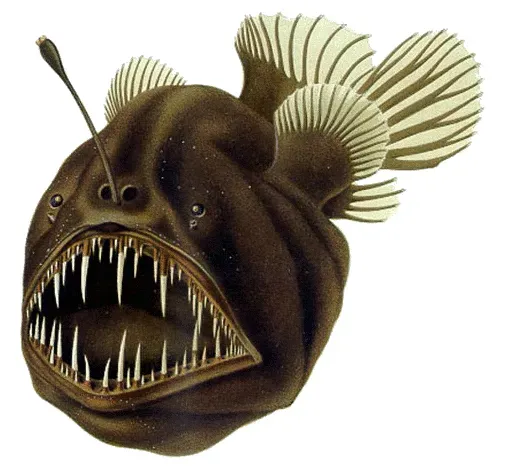
Honestly, if you were designing a monster for a horror film, you’d struggle to top the anglerfish. Anglerfish are deep-sea predators known for their glowing bioluminescent lure, which they use to attract unsuspecting prey in the pitch-black waters of the ocean’s abyss. That eerie glow dangling in front of razor-sharp, translucent teeth is one of the most iconic images in all of marine biology.
The anglerfish isn’t actually making the light on its own. It relies on a partnership with bacteria, which produce the glow through a symbiosis scientists still don’t fully understand. Their otherworldly traits extend to their reproductive habits, as males permanently fuse to females, becoming little more than a living appendage. If that doesn’t sound like something from another planet, I honestly don’t know what does.
The Goblin Shark: The Deep’s Shape-Shifting Predator
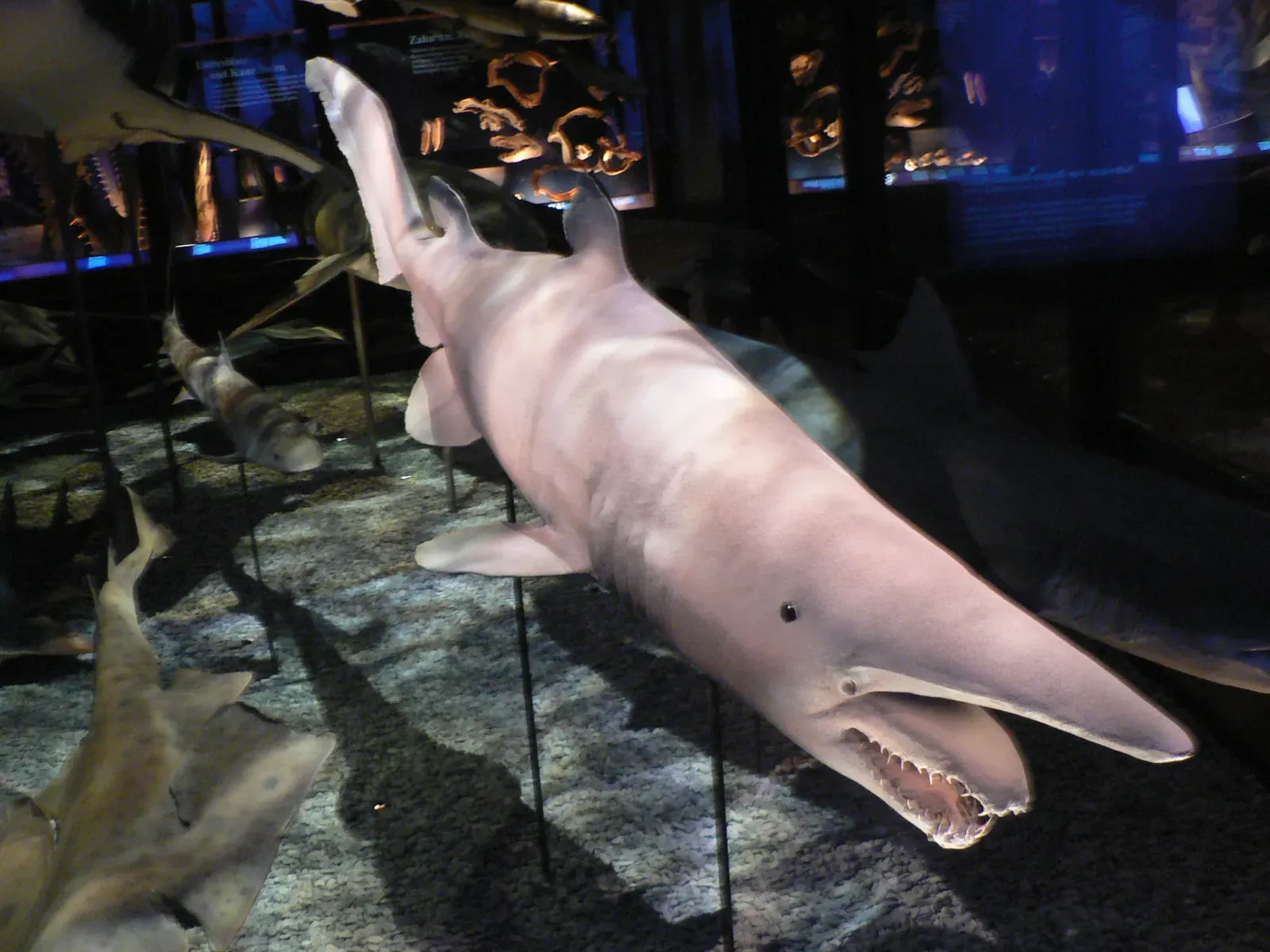
The goblin shark is a prime example of an animal that can suddenly whip out an absurd physical feature. For much of its time, this up to 20-foot deep ocean shark looks mundane enough as sharks go, except for its uncommonly long snout. Let’s be real, “mundane for a goblin shark” is still pretty unsettling.
When the sensitive electroreceptors of its snout inform the goblin shark that it’s in the vicinity of food, the predator’s face changes shape suddenly and very dramatically. At lightning speed, the goblin shark unleashes its ability to extend its jaws out of its head, which looks a bit like it’s launching a bear trap from its face. Little is known about goblin sharks, except that they live in deep waters along continental slopes and seamounts, with the deepest recorded individual hauled up from 4,265 feet deep.
The Barreleye Fish: The Ocean’s Living Submarine
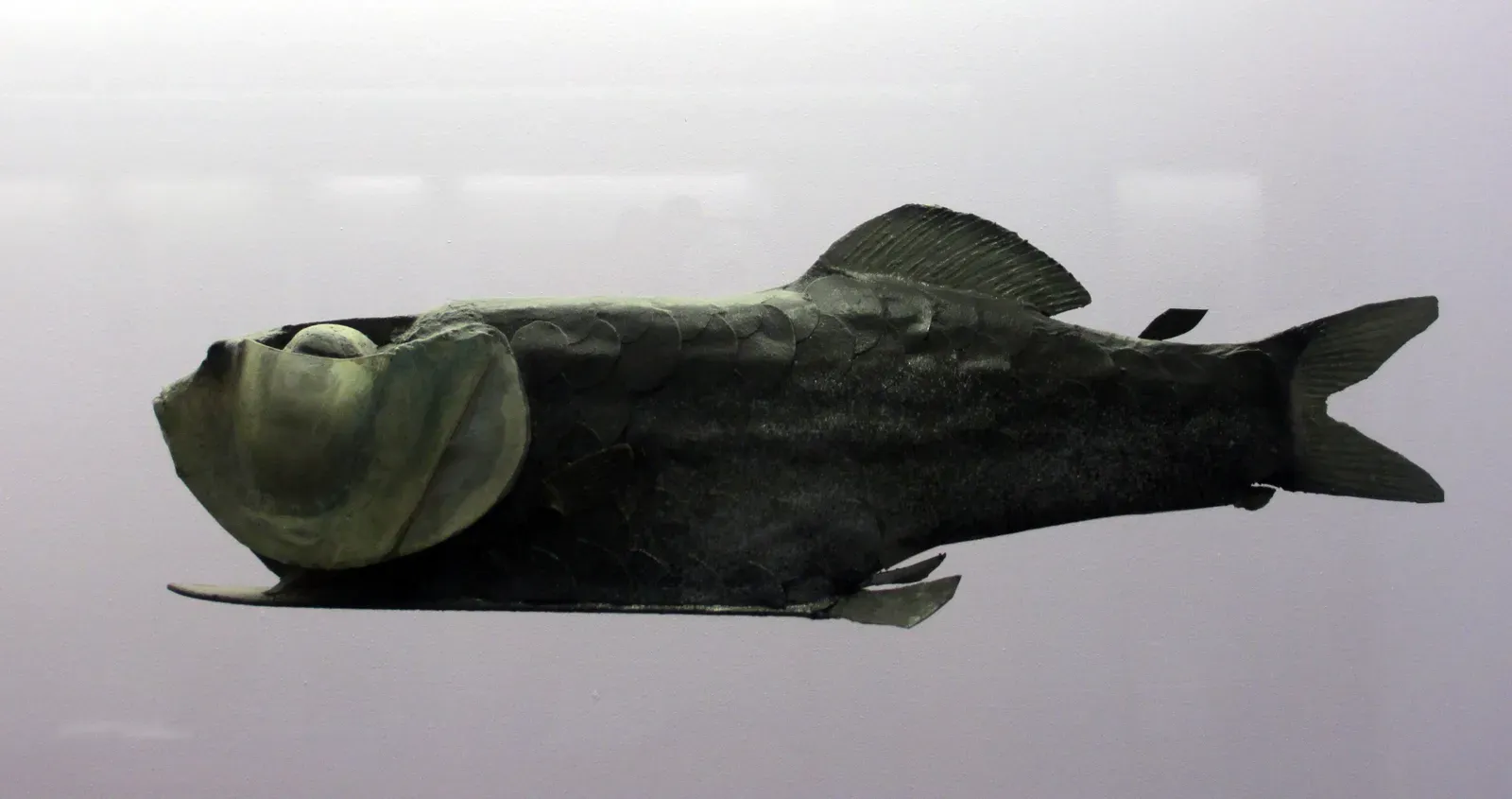
Imagine a fish wearing a glass dome on its head like a little sci-fi pilot. That’s essentially what you’re looking at with the barreleye. The barreleye fish looks like it’s wearing a glass dome on its head. Its transparent, fluid-filled skull houses two bright green, barrel-shaped eyes that can rotate to look directly upward, tracking the silhouettes of prey against whatever faint light filters down from above.
Their eyes have bright green lenses protected behind a transparent forehead, which gives the fish a futuristic appearance, almost like a sci-fi submarine. Barreleye fish grow to about 6 inches long and are found in the northeastern Pacific Ocean, living at depths of 2,000 to 2,600 feet below the surface. Yellow pigment in the eyes filters out bioluminescence from competing sources, helping it focus on ambient light from above. A tiny, glass-headed fish with rotating, color-filtering eyes. You really can’t make this stuff up.
The Colossal Squid: The Giant We’ve Barely Seen
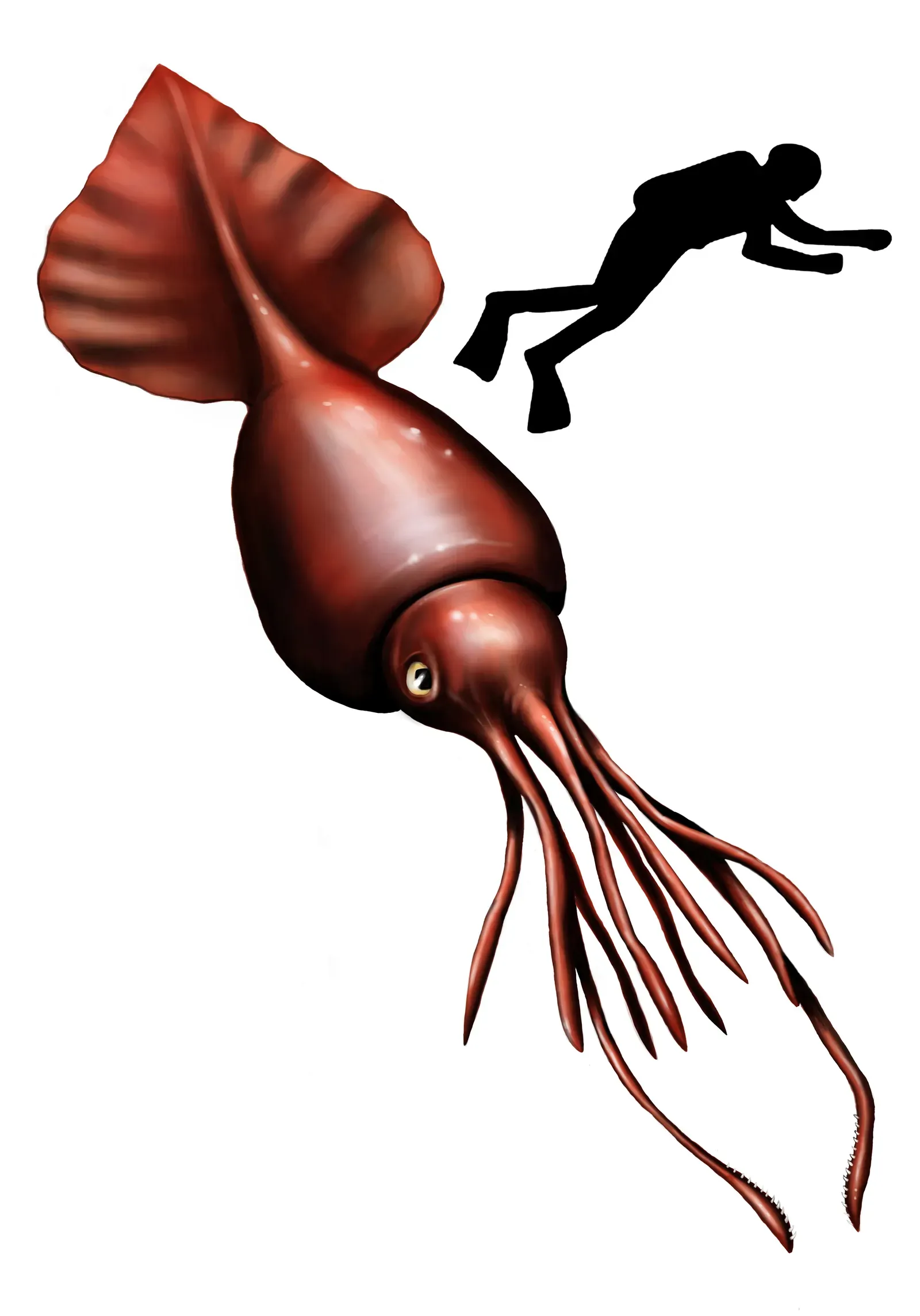
Here’s something that should genuinely rattle you. We still know very, very little about the magnificent creature known as the colossal squid. In fact, it wasn’t until April 2025 when a remotely controlled research sub managed to capture video footage of a live colossal squid in all of its tentacle-wringing, bioluminescent glory, and even then, the specimen in question was a small baby under 12 inches long.
The colossal squid is the largest known invertebrate on the planet. This hulking, elusive beast can weigh over 1,100 pounds, and ambushes its prey with massive tentacles that are covered in powerful hooks that can rotate a full 360 degrees each. The adult animal’s full size is thought to be up to 46 feet. We’ve landed spacecraft on asteroids, yet the largest creature without a backbone remained completely unfilmed in its natural habitat until last year. That’s extraordinary.
The Dumbo Octopus: Adorable Abyss Dweller
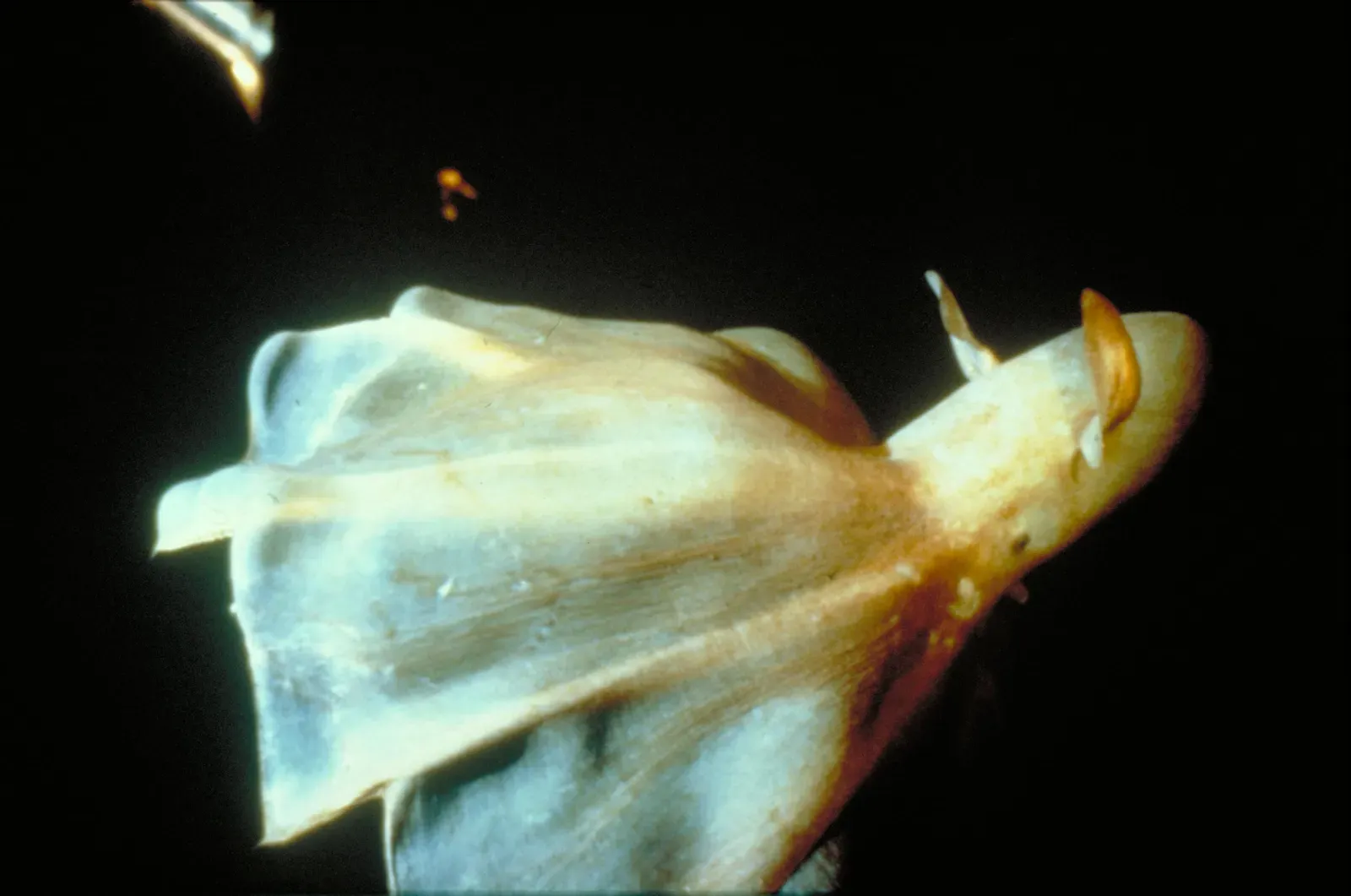
Not everything in the deep sea looks like a nightmare. Some things look like a cartoon character, and the Dumbo octopus is the perfect example. Named after the Disney elephant, the Dumbo octopus flaps a pair of ear-like fins to hover gently through the water column, and it’s genuinely adorable for something living nearly 7 kilometers below the surface. It hovers above the seafloor and uses its webbed arms to engulf unsuspecting prey like snails and worms.
The Dumbo octopus consumes food in a unique way: it swallows prey whole, which differs from the way all other octopuses do it. Unlike other octopus species, it does not have an ink sack and is also incapable of changing color. Female Dumbo octopuses carry eggs at different developmental stages everywhere they go. This means that when a rare encounter with a male octopus does happen, she can make the most of it by fertilizing the most mature eggs she’s carrying at that moment. Nature’s version of always being prepared.
The Vampire Squid: Not Actually a Vampire, Not Actually a Squid
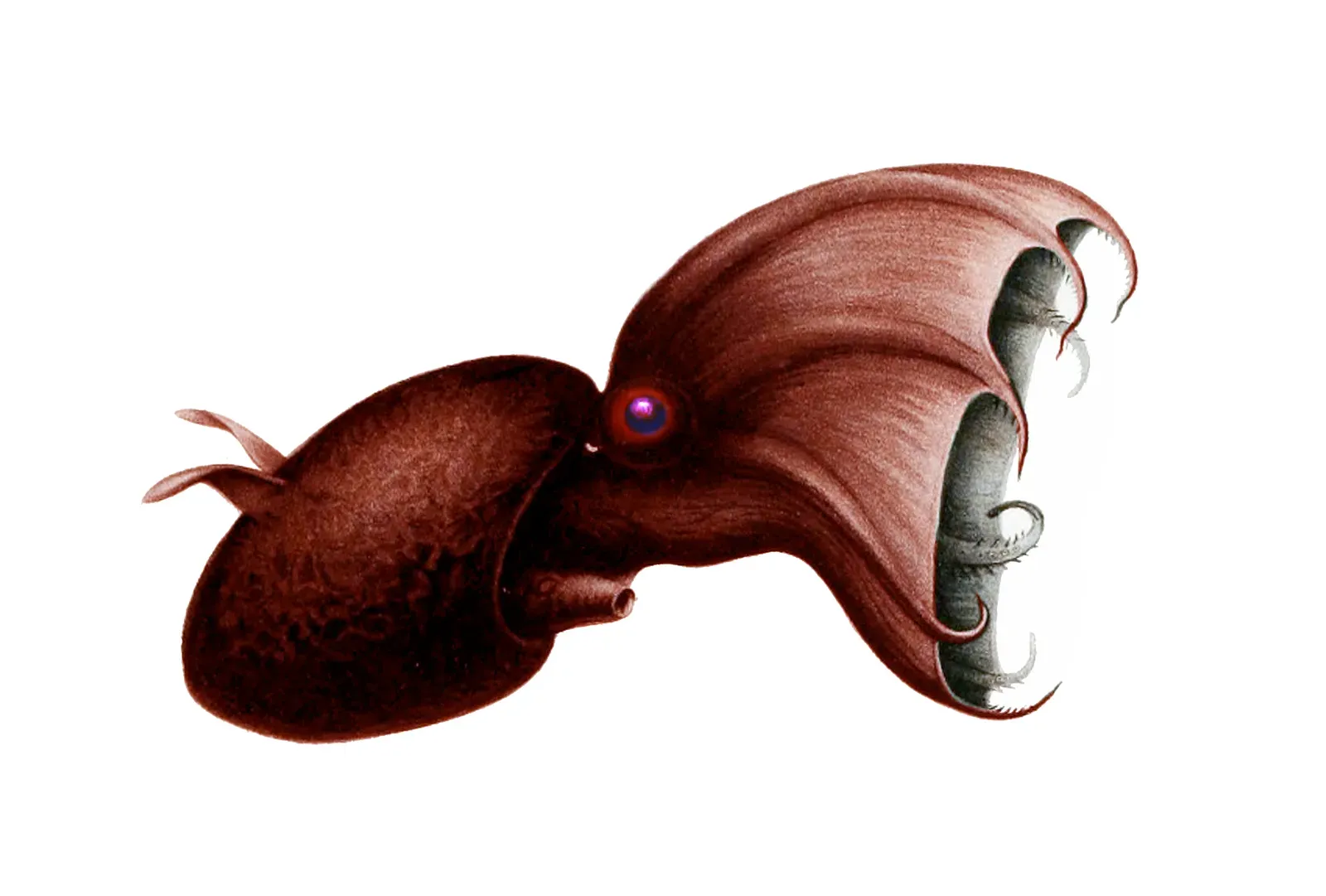
The name alone deserves a moment of appreciation. “Vampire squid from hell” sounds like a creature a ten-year-old invented. Except it’s real. Despite its name, inspired by its dark color and the cloak-like webbing between its arms, the vampire squid is neither vampire nor squid. It is the sole member of its own cephalopod order.
Despite its blood-red color and horror-story name, the vampire squid won’t suck your blood. These cephalopods are scavengers that prefer to munch on dead plankton and other matter that drifts down to the deep ocean. They don’t produce ink like other cephalopods, and instead expel a bioluminescent substance that derails predators. It’s a gentle scavenger with a terrifying name and a stunning defense mechanism. I think that’s the best possible combination.
The Gulper Eel: One Enormous Mouth With a Fish Attached
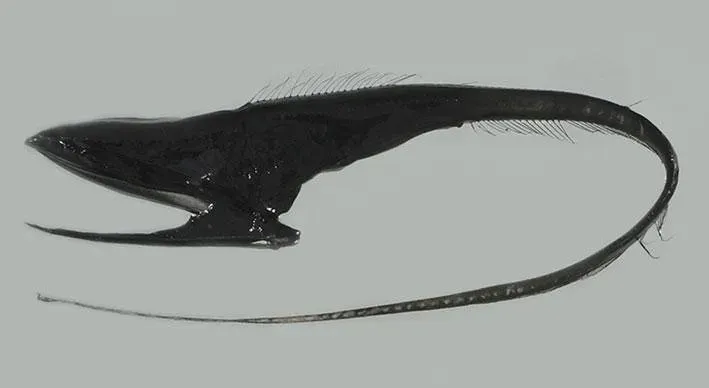
Picture a mouth that decided it needed a body to carry it around. That’s the gulper eel in a nutshell. The gulper eel is one of the strangest looking fish in the sea. Its mouth is disproportionately large for its body and can open wide to consume animals much larger than the eel itself. It uses this mouth to scoop up prey, similar to how a pelican uses its large beak.
The gulper eel slinks through the water as delicately as a rhythm gymnast’s ribbon. Its streamlined profile and uniform coloring disguise its main feature: an absolutely gigantic mouth. The eel’s tiny eyes aren’t much help with hunting in the pitch-dark sea, so the gulper eel relies on a bioluminescent organ at the tip of its tail to attract prey. So it lures creatures in with a glowing tail, then swallows them with a mouth that seems physically impossible. Welcome to the deep ocean.
The Giant Tubeworm: Life Without a Mouth
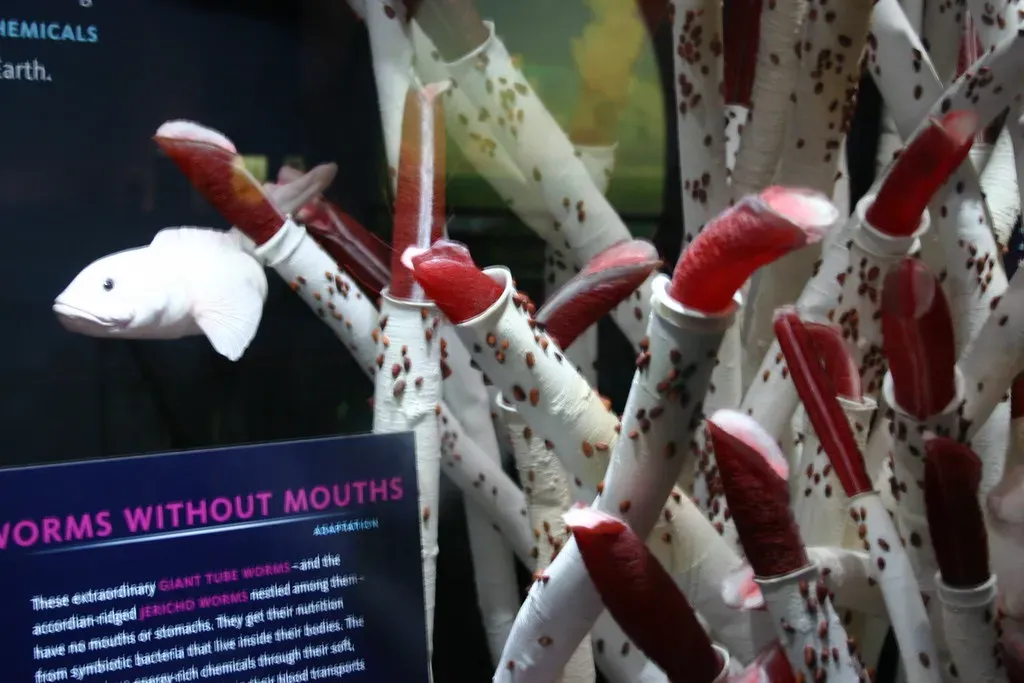
Here’s a creature that genuinely makes biologists rethink what life even means. There are colonies of giant tubeworms crowding hydrothermal vents. These 6-foot invertebrates are the heaviest worms and one of the fastest-growing species on Earth. They lack mouths and digestive systems, so instead of eating, the worms harbor symbiotic bacteria in their bodies that transform the vents’ hydrogen sulfide emissions into energy.
Scientists have no idea how tubeworm larvae migrate, but that’s not the only mystery surrounding these resilient creatures. They were once thought to only live on the sea floor surrounding the hydrothermal vents, but in 2024, a team of researchers found a colony of giant tubeworms thriving in thermal cavities under the sea floor, where only bacteria and viruses were thought to be able to survive. Thanks to their incredible adaptations, these extremophiles and the ecosystems they support may give us insight into how life could exist on other planets.
The Bigfin Squid: The Ghost With Impossibly Long Arms
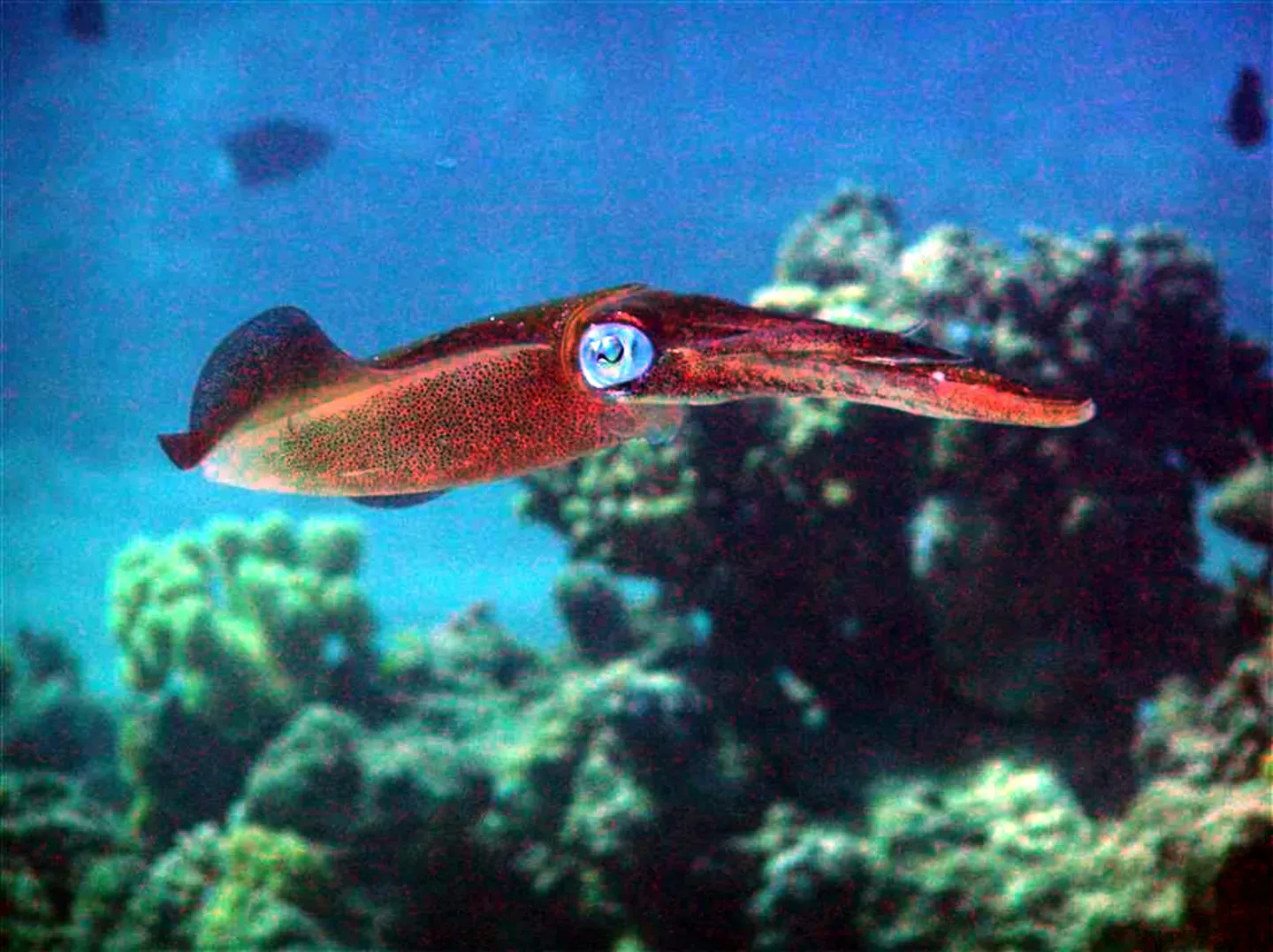
If there’s one creature on this list that most people have never even heard of, it’s this one. And it might be the most unsettling of all. The bigfin squid holds the record as the deepest squid ever recorded, yet it’s been sighted fewer than a dozen times in history. Its most unnerving feature is its elbowed arms and tentacles, which dangle downward at a 90-degree angle and can stretch up to 20 times the length of its body, trailing behind it like long, ghostly wires. It uses these elongated limbs to snare prey and glides through the darkness on large, elegant fins.
Think of it this way: if a human had proportionally similar arms, they’d drag along the ground and trail behind you for about 30 feet. It’s genuinely one of the most alien silhouettes in the entire animal kingdom. The deep sea is home to weird and wonderful creatures that, over millions of years, have evolved specific traits to survive the extreme conditions of their habitat. These adaptations to their environment have resulted in some truly alien-looking animals. The bigfin squid is perhaps the most striking proof of that statement.
The Siphonophore: A Colony That Acts as One Creature
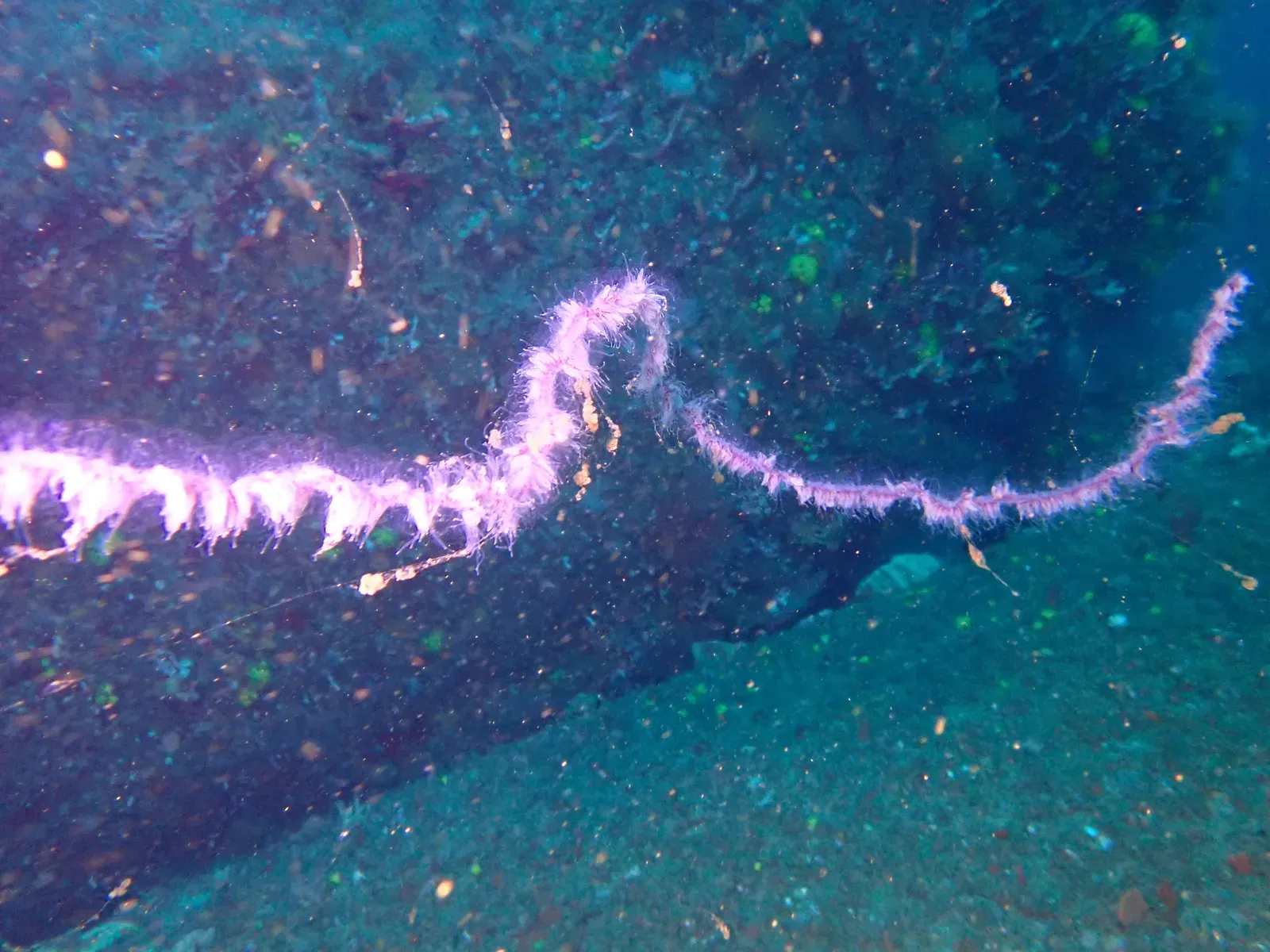
This final entry breaks all the rules of what we think an “animal” even is. A siphonophore is a colony of genetically identical polyps, or zooids, that acts like one organism. Each zooid performs a function essential to the survival of the whole colony, such as catching prey, digesting food, or reproducing. Siphonophores can grow to extraordinary lengths, with the largest colony on record measuring 154 feet long and 49 feet in diameter.
It’s less like a single creature and more like a city of specialized citizens, each performing one job, all connected into one enormous floating body. Think of it as a living apartment block that hunts. In deep ocean regions, sunlight filtering through the water begins to dwindle, giving way to a realm of complete darkness, frigid temperatures, and crushing pressure. Some of the deepest-dwelling animals have adapted to the abyss by adopting light-producing organs to attract prey or signal to each other. Others have evolved gigantic mouths, expandable stomachs, or mismatched eyes. The siphonophore, in its staggering communal complexity, is perhaps the most alien expression of all those pressures combined.
Conclusion: The Ocean Is Our Own Alien World
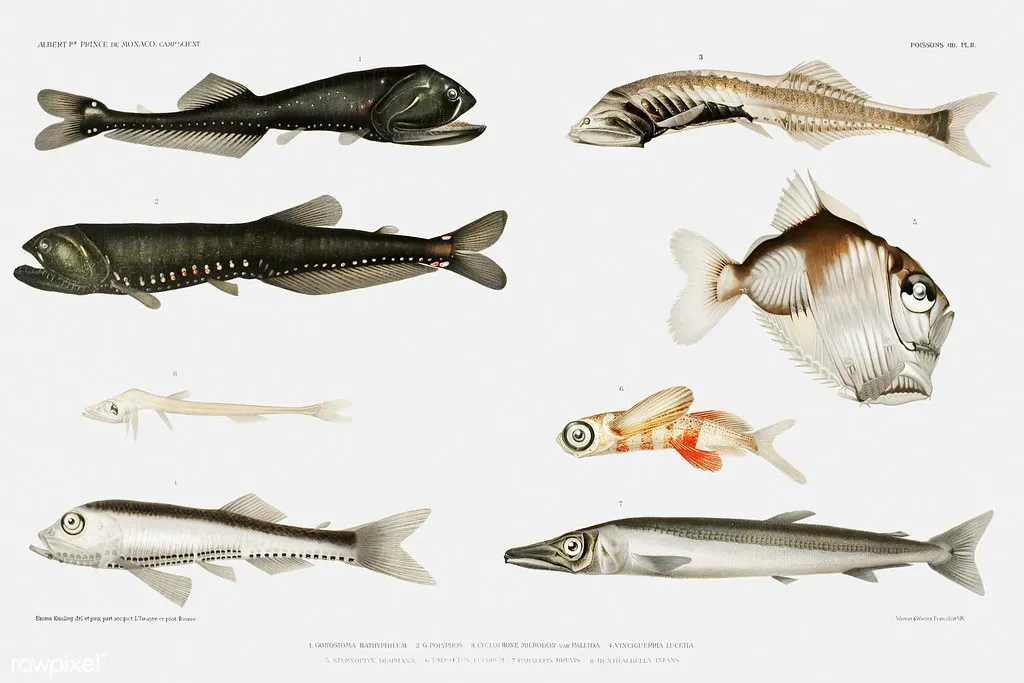
You don’t need to scan the skies to find life that defies imagination. Imagine a world encased in darkness and freezing cold, where pressures are crushing and food is scarce. While it may sound like a different planet, these extreme conditions are what animals face in the deep ocean right here on Earth. Every single creature on this list is a living reminder that evolution, given enough time and pressure, can produce things that stretch the limits of what you thought was biologically possible.
The ocean remains one of the least explored places on Earth, and every year, scientists uncover new species that remind us just how much there is still to learn. The creatures here are not oddities or accidents. They are masterworks of survival, shaped by millions of years of the most extreme conditions on the planet. The next time someone asks where to find alien life, you know the answer now. It’s already here, glowing and hunting in the dark, miles below your feet.
Which of these ten creatures surprised you the most? Drop your thoughts in the comments below.