You might think you know what “extreme” means. A scorching summer afternoon. A freezing winter morning. Maybe a torrential downpour that floods the streets. But honestly, the planet you are standing on has environments so savage, so utterly hostile to life, that your worst weather day would feel like a spa afternoon by comparison.
Earth is not just a comfortable blue marble. It is a collection of wildly diverse extremes, stacked together on one spinning rock hurtling through space. From the deepest ocean trenches where no sunlight has ever reached, to frozen plateaus so high the air barely carries enough oxygen to keep a flame alive, life has somehow found a way. Let’s dive in and explore the places where survival should be impossible – but isn’t.
Death Valley: Earth’s Furnace That Still Hosts Life
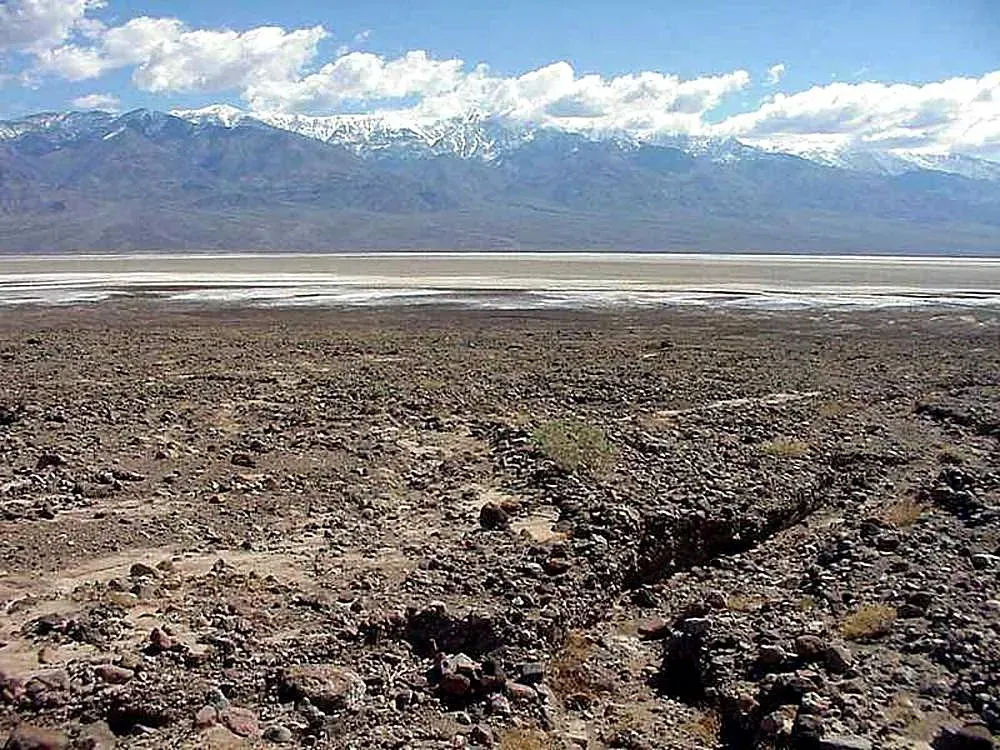
If you ever wanted to know what walking into an oven feels like, Death Valley in California is your answer. The highest temperature ever recorded on Earth was a blistering 56.7°C, measured right there in Death Valley on July 10, 1913. That is not a typo. The air itself becomes a weapon.
Death Valley’s intense heat is caused by its low elevation, which traps heat, and the surrounding mountains, which block cooler air from entering the region. It is like a bowl designed by nature to collect and hold punishment. Yet despite all of this, Death Valley is home to a surprising variety of wildlife, including coyotes, lizards, and desert plants that have adapted to the extreme heat. Life, it seems, does not read the warning signs.
Antarctica: The Coldest, Windiest, and Driest Continent on Earth
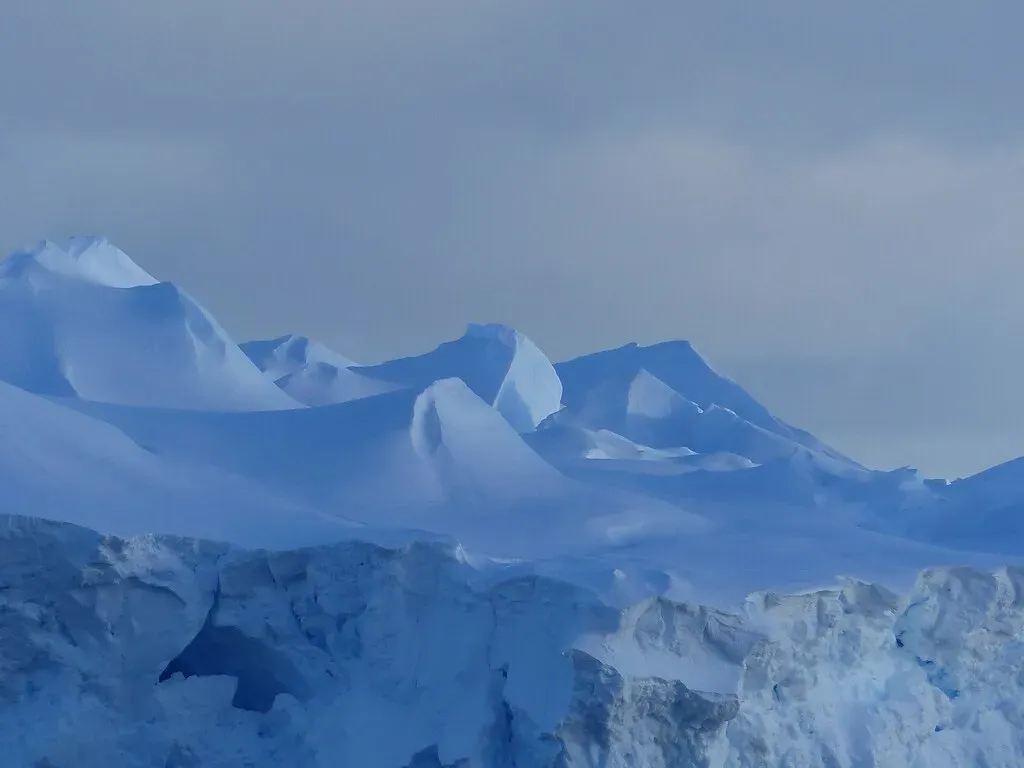
Flip to the other end of the thermometer, and you find Antarctica – a place that makes the word “cold” sound laughably inadequate. Antarctica holds the record for the coldest temperature ever recorded on Earth. It is covered in ice year-round, and its extreme cold is due to its high elevation, location at the Earth’s pole, and distance from the sun. The lowest temperature ever recorded was -89.2°C at Vostok Station on July 21, 1983.
What surprises most people is that despite this, life absolutely refuses to quit here. Despite these challenges, life exists here year-round, including penguins, seals, and whales, as well as microorganisms like bacteria or fungi which exist under ice sheets where they consume organic material such as dead fish or krill. Think about that – there are fungi thriving beneath ice sheets in one of the most inhospitable places on Earth. Antarctica’s ice sheet also holds about roughly three-fifths of the world’s fresh water, which puts its planetary importance in an entirely different light.
The Atacama Desert: Where Rain Forgot to Visit
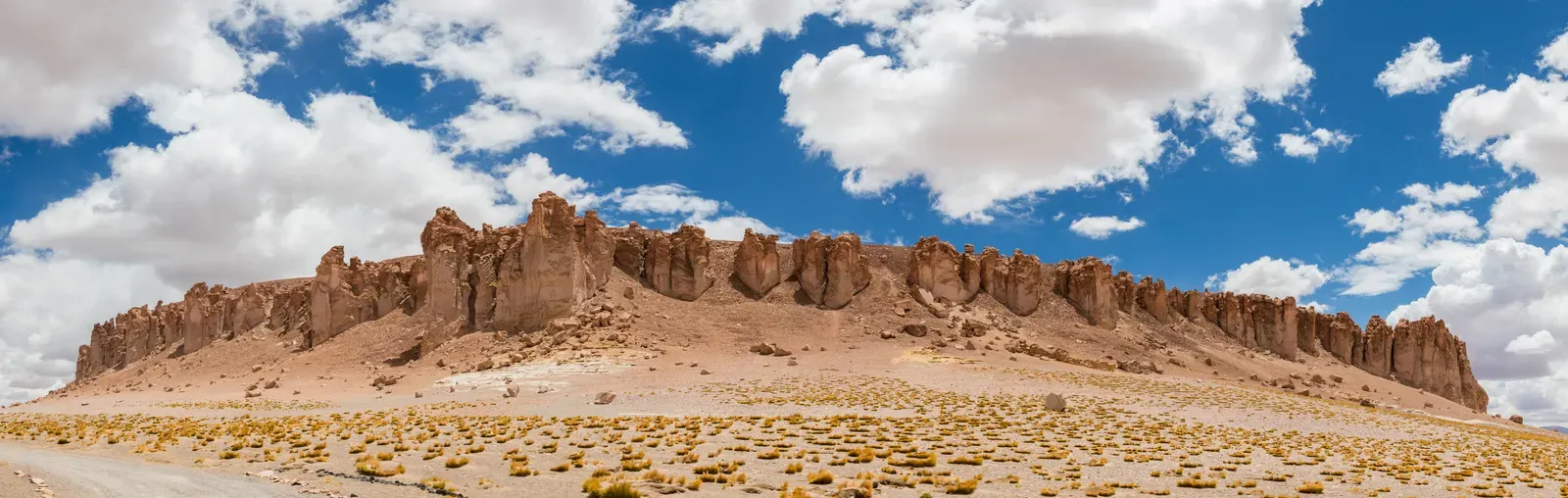
You have heard of dry places. But the Atacama Desert in Chile is in a category of its own. The Atacama averages just 0.6 inches of rain annually, and some weather stations have never recorded any rainfall at all. Some stations have gone literally decades with nothing. Decades. That is not a drought – that is just the Atacama being the Atacama.
The most arid region of the Atacama is situated between two mountain chains, the Andes and the Chilean Coast Range, which are high enough to prevent moisture advection from either the Pacific or the Atlantic Ocean, creating a two-sided rain shadow effect. Yet even here, life persists in remarkable ways. Desert microbes endure desiccation by entering dormant states, reawakening with the rare arrival of rain or mist. Some even harvest moisture directly from the air. And if that was not extraordinary enough, the Atacama is so dry that parts resemble the surface of Mars, and NASA actually uses it as a test site for equipment designed for Mars exploration.
Mawsynram, India: Living Beneath a Permanent Waterfall
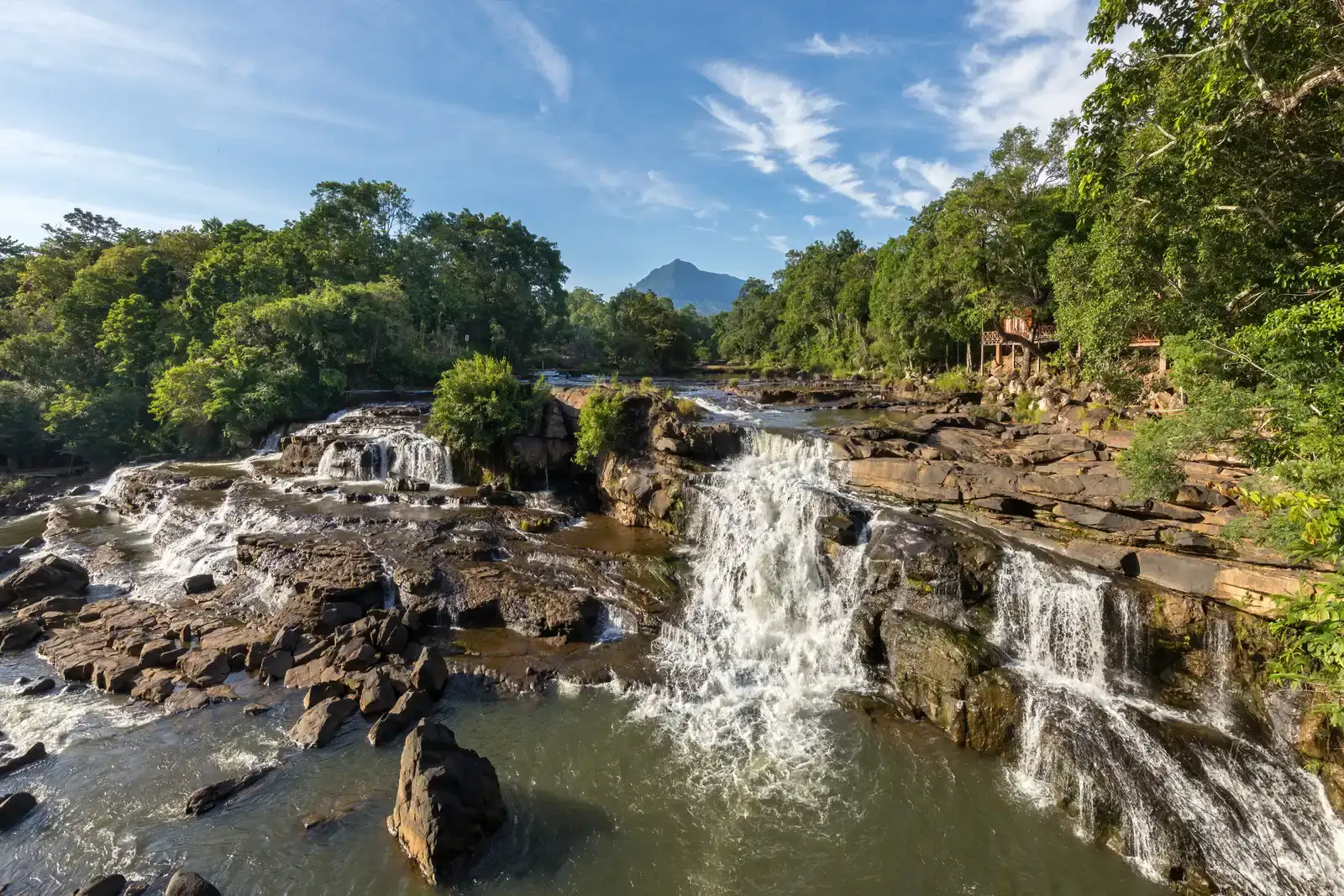
Now swing to the complete opposite of the Atacama. In the northeastern Indian state of Meghalaya sits a village that essentially lives inside a cloud. Mawsynram may just be the wettest place on Earth, with an average annual rainfall of roughly 467 inches – that is nearly 12,000 millimeters of rain every single year. That is almost like living beneath a waterfall that never turns off.
Mawsynram’s location at the foothills of the Himalayas causes moisture-laden monsoon winds from the Bay of Bengal to rise and release heavy rainfall over the region. The geography works like a funnel, directing enormous volumes of water straight onto this small community. Rain comes down so often and so hard that villagers line their homes with grass to dull the constant sound of pounding rain. That detail alone tells you everything about what daily life is like when you live in one of Earth’s most dramatic rainfall zones.
Oymyakon, Russia: The Coldest Inhabited Place on the Planet
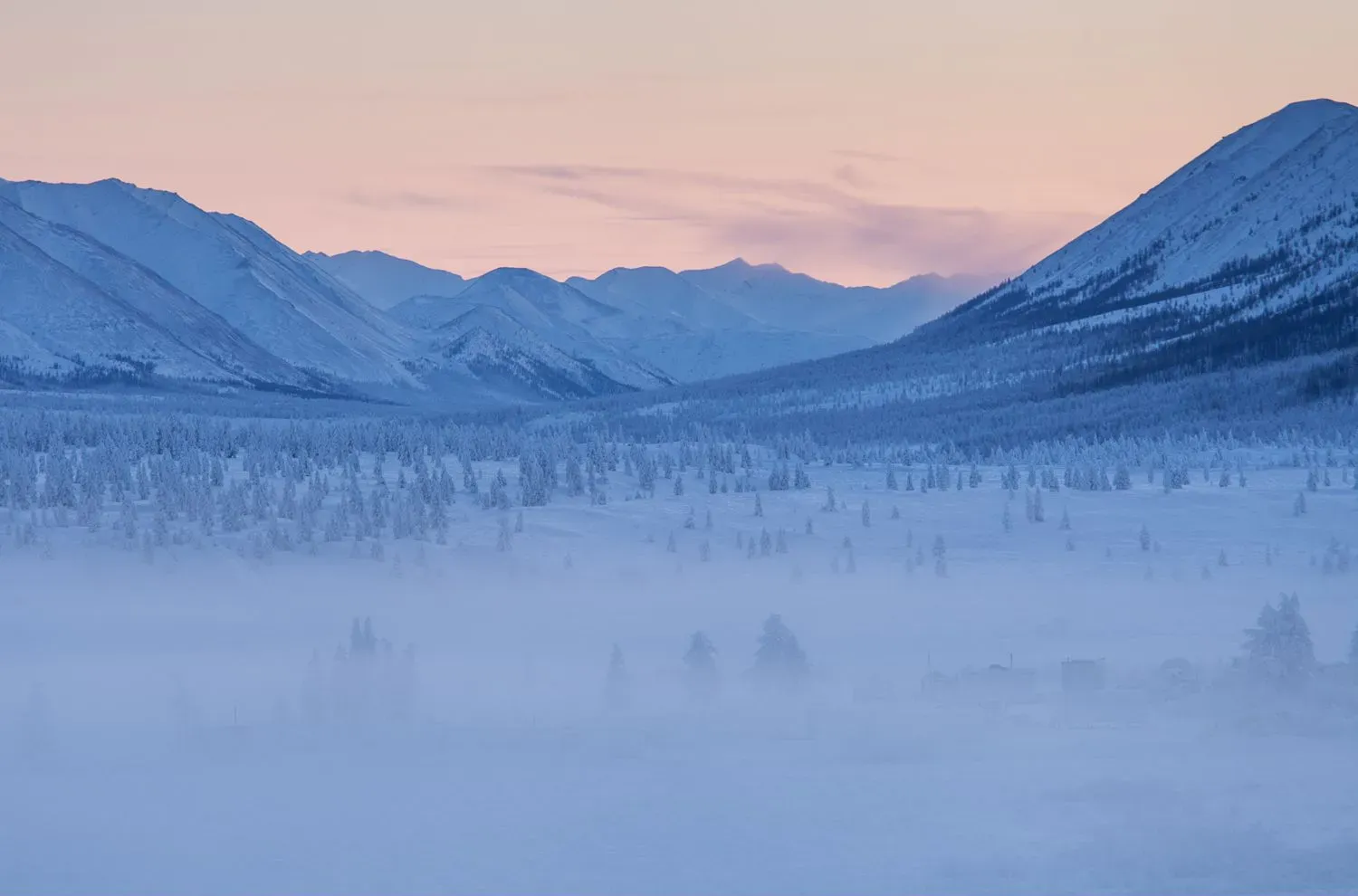
Antarctica is extreme, but no one permanently calls it home. Oymyakon in Russia is a different story entirely. The village of Oymyakon is regarded as the coldest permanently inhabited settlement on Earth. Around 500 brave souls call this frozen landscape home, putting up with average winter temperatures of -50°C and only three hours of daylight during the winter months.
In the town square, a monument commemorates the lowest temperature recorded there – a pretty chilly -71.2°C in 1924. Incredibly, the people of Oymyakon survive on a diet largely of raw fish, and ice fishing is one of the mainstays of the local economy. Let’s be real – most of us complain when the heating breaks for an afternoon. These people have built entire cultures around conditions that would be immediately lethal to the average visitor.
Deep-Ocean Hydrothermal Vents: Life Without Sunlight
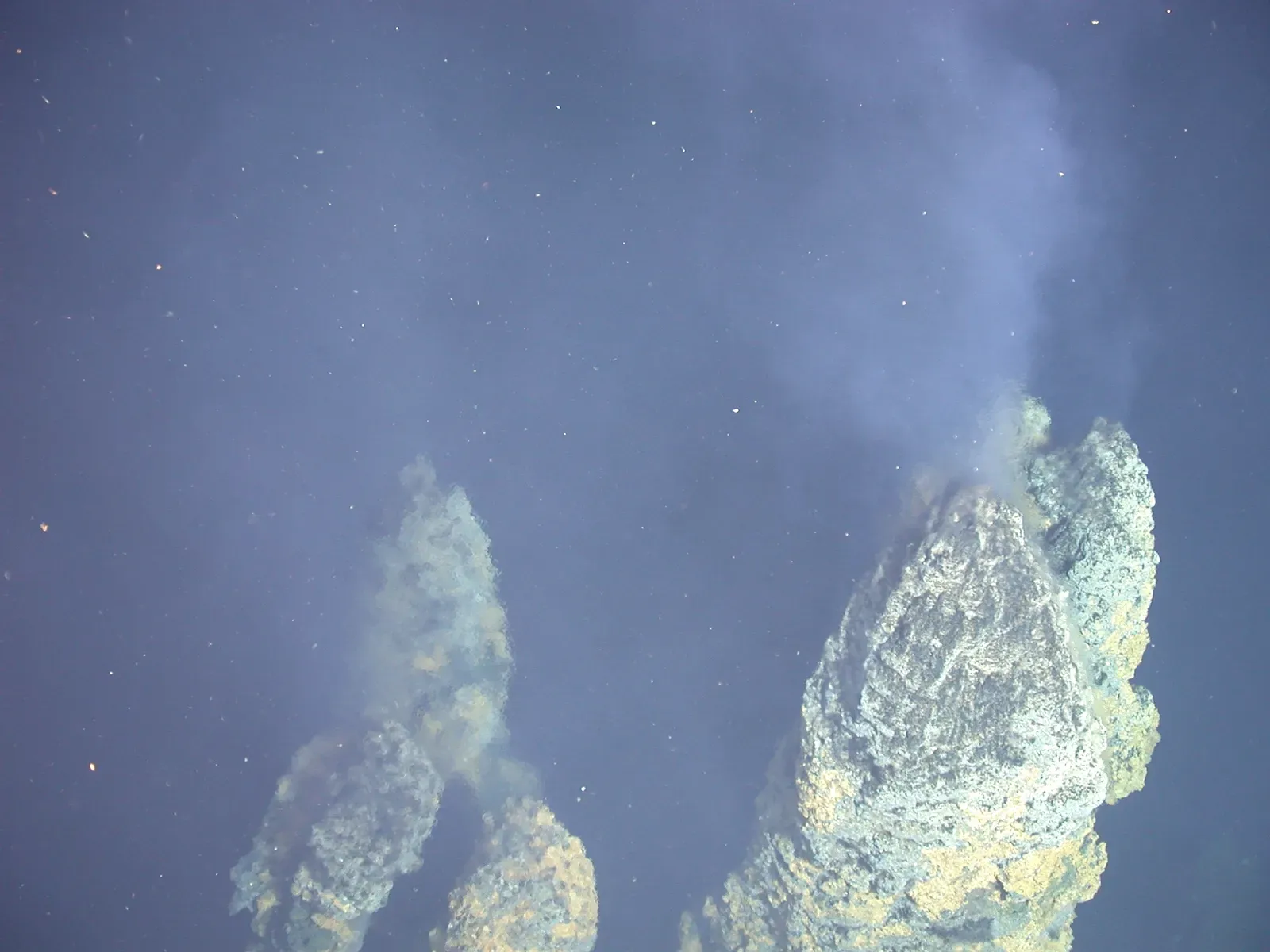
Here is something that genuinely shook scientists when they first discovered it. Deep in the ocean, far beyond where sunlight ever reaches, entire ecosystems flourish around hydrothermal vents. The great depth of ocean trenches creates an environment with water pressures more than a thousand times greater than the surface, constant temperatures just above freezing, and no light whatsoever to sustain photosynthesis. This should be a dead zone. It is not.
Tube worms are a common sight around hydrothermal vents. These giant worms attach themselves to the area around the vent where they spend their entire lives. They can grow up to eight feet tall – not bad for an animal without a stomach. Tube worms survive by providing a home for billions of bacteria that live inside them, and those bacteria turn the chemicals coming out of the vent into food. What you are looking at is a food chain built entirely on chemistry, not sunlight. There are places on Earth where life survives purely by using chemical energy, with no direct energy from the sun whatsoever. It is mind-bending.
The Tibetan Plateau: Evolution Rewrites Human Biology
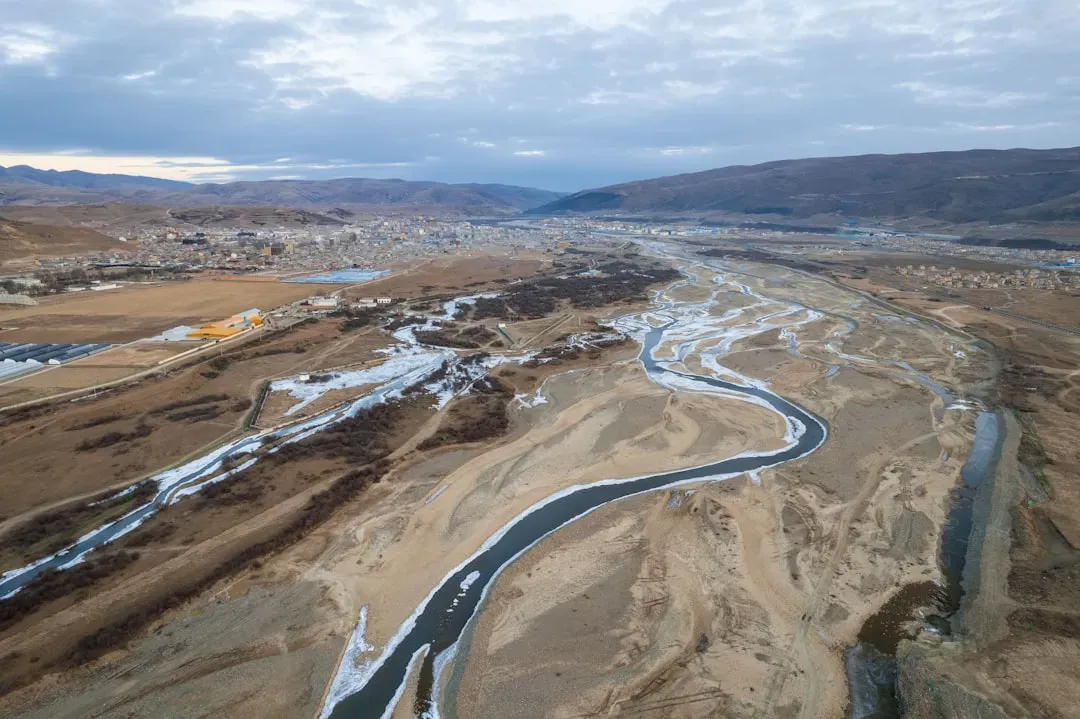
Living at altitude is hard. Really hard. Your body struggles for oxygen, your heart races, and altitude sickness can be genuinely dangerous. Yet the Tibetan Plateau has been home to humans for an extraordinary length of time. Humans have lived on the Tibetan Plateau – one of the highest regions on Earth with an average elevation of roughly 4,000 meters and an inspired partial pressure of oxygen of just about 80 Torr – for at least 25,000 years.
The high-altitude adaptation of the Tibetan people is considered the fastest known example of human evolution, estimated to have occurred in a span of less than 3,000 years. That is barely a blink in evolutionary terms. Tibetans maintain rapid breathing and elevated lung capacity throughout their entire lifetime, which enables them to inhale large amounts of air per unit of time. Additionally, they typically have significantly higher levels of nitric oxide in their blood, often double that of lowlanders, which contributes to enhanced blood circulation through vasodilation. Honestly, Tibetan physiology reads less like human biology and more like a design upgrade.
Yellowstone’s Boiling Hot Springs: Life Thrives Where Proteins Should Collapse
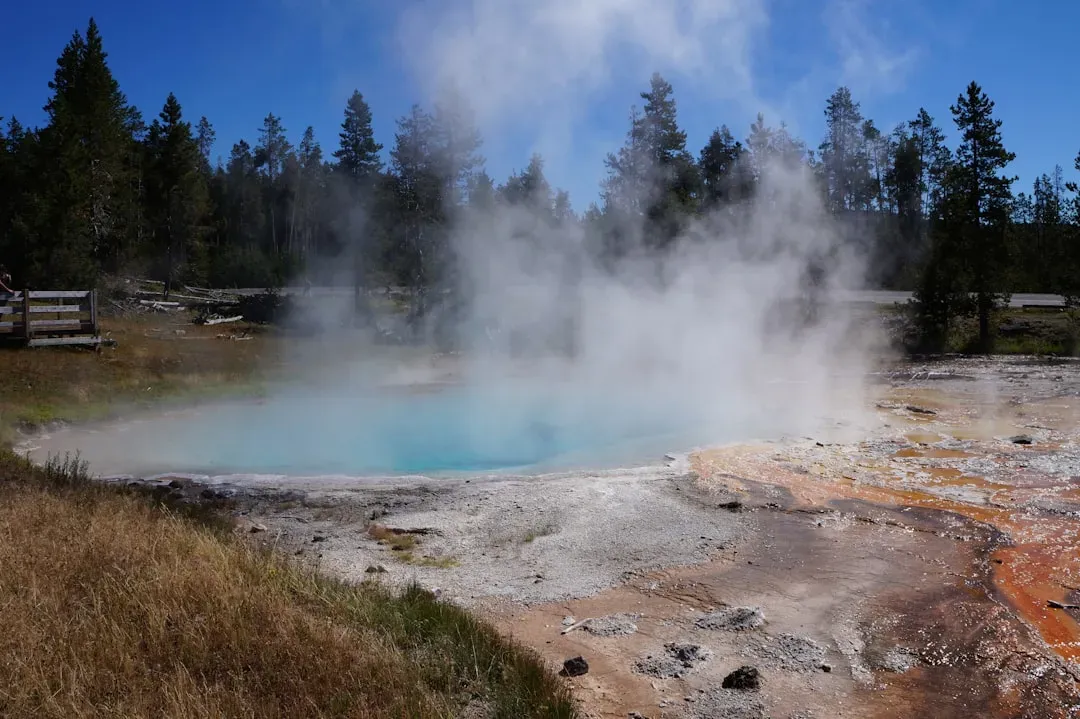
You know those gorgeous rainbow-colored pools you have probably seen in photos of Yellowstone National Park? Those vivid rings of orange, green, and yellow are not just pretty. They are living things. Yellowstone, Iceland’s geothermal pools, and Kamchatka’s steaming fields offer a glimpse of resilience where temperatures surpass 90°C. To most organisms, proteins unravel and DNA breaks apart at such heat, but thermophiles possess heat-stable enzymes and protective adaptations that keep their molecular machinery intact.
In the 1960s, heat-resistant bacteria were discovered in the hot springs of Yellowstone National Park. This bacteria, Thermus aquaticus, thrives at temperatures of around 70°C but can survive temperatures between 50°C and 80°C. You might have heard of this bacterium without knowing it – the enzymes derived from it became critical tools in modern genetics and the development of PCR technology, which today underpins everything from disease diagnosis to DNA forensics. Hot springs reveal life’s ingenuity in transforming peril into necessity. Without these extremophiles, modern genetics and biotechnology would not exist as we know them.
The Indestructible Tardigrade: Life’s Ultimate Survivor
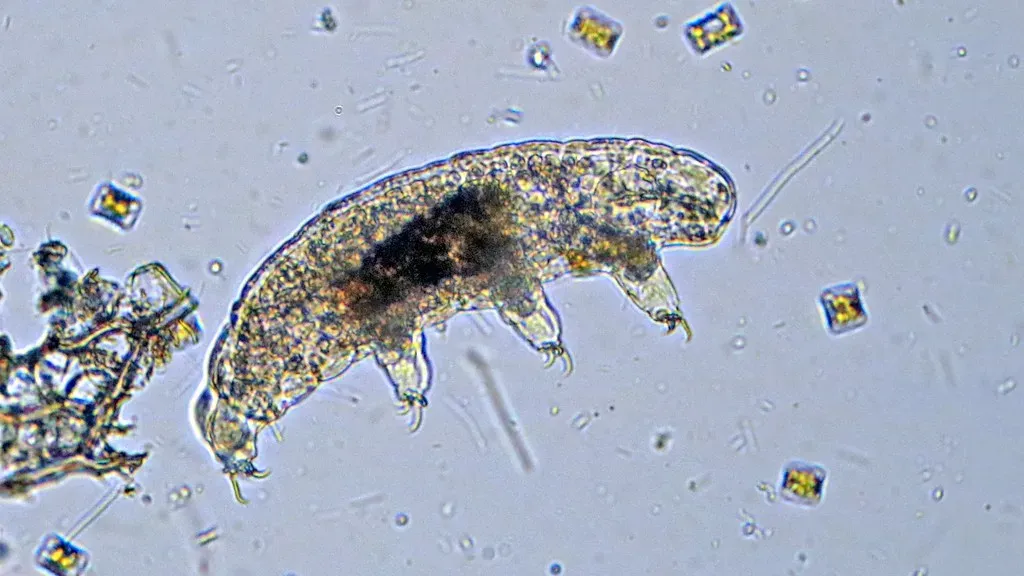
If you had to crown one creature as the undisputed champion of surviving Earth’s most extreme conditions, it would have to be the tardigrade. These microscopic animals, often called “water bears” or “moss piglets,” are almost comically resilient. These eight-legged microscopic creatures are incredibly versatile and capable of surviving in some of the most extreme conditions, living in deep oceans, rainforests, deserts, and the Antarctic – but also right under our noses in parks and gardens.
In what is called their “tun” state, tardigrades are resistant to extremes that are typically thought of as being restrictive to life. They can survive freezing and near-boiling temperatures, exposure to high levels of radiation, and can go weeks without oxygen. It gets even more astonishing. Scientists have sent them into space, exposing them to direct solar radiation and the vacuum. They are the only animal known to survive such conditions. Imagine being sent into the void of space with no protection whatsoever, and then just… carrying on. That is the tardigrade’s Tuesday.
Conclusion: What Extreme Life Teaches Us About Ourselves and Beyond
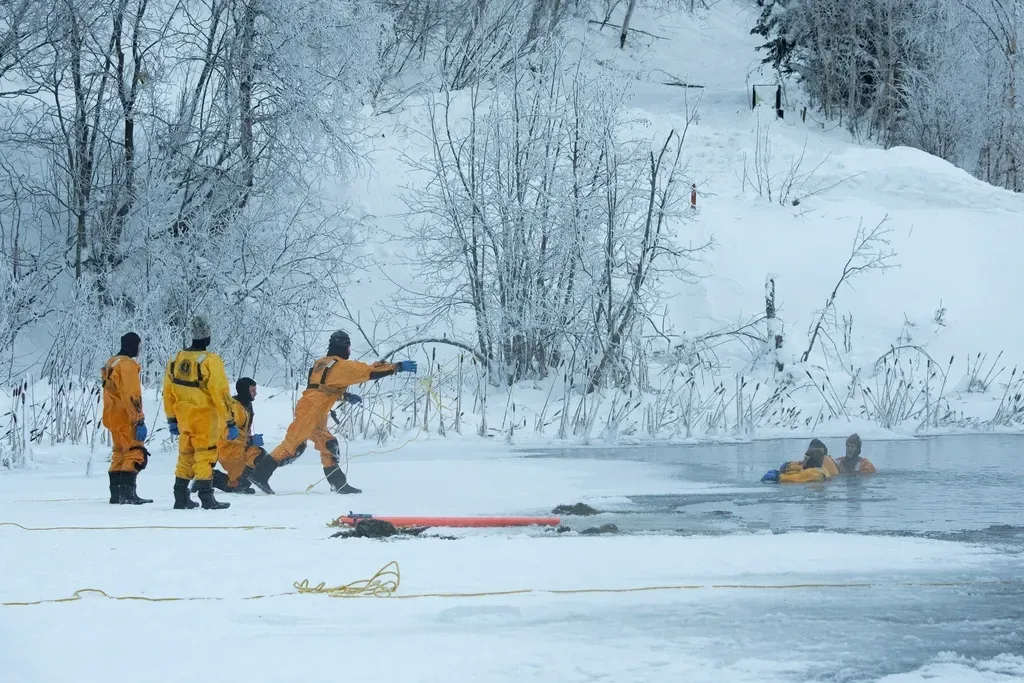
Across boiling springs, frozen tundras, crushing ocean depths, and oxygen-starved plateaus, life keeps showing up uninvited. It adapts, evolves, and persists in ways that scientists are still working to fully understand. Earth harbors environments that push the boundaries of habitability, where conditions are far removed from what most life forms can tolerate – yet across the planet, from scorching deserts to frigid poles and crushing ocean depths, life persists, showcasing remarkable adaptability.
What does all of this mean for you? It means the rules of survival are far more flexible than anyone once imagined. Finding organisms that live in so many different kinds of environments on Earth tells us that there are lots of potential places where alien life might exist if it is out there. Every extremophile discovered, every boiling spring that teems with bacteria, and every tube worm growing in the pitch-black deep expands our definition of what life can be. The planet is not just a home – it is a laboratory for the impossible. And if life can thrive in Death Valley’s furnace and Antarctica’s frozen silence at the same time, perhaps the universe is a far more crowded place than we ever dared to imagine. What do you think – does life truly find a way everywhere it possibly can? Share your thoughts in the comments.