We like to think we know what the human body is capable of. Run a marathon, lift heavy things, remember a few important dates. That’s about it, right? Well, not exactly. Scattered across the world, right now, there are people who seem to have quietly skipped past the limits that evolution placed on the rest of us. They don’t wear capes. They don’t glow in the dark. They just do things that, by every logical standard, shouldn’t be possible.
What you’re about to discover isn’t the stuff of comic books or science fiction movies. These are real, verified, documented cases of human beings operating on a completely different level. Some of it is genetics. Some is extreme training. A lot of it is still a mystery. So buckle up, because your definition of “normal” is about to take a serious hit. Let’s dive in.
1. Daniel Kish: The Real-Life Batman Who Sees With Sound
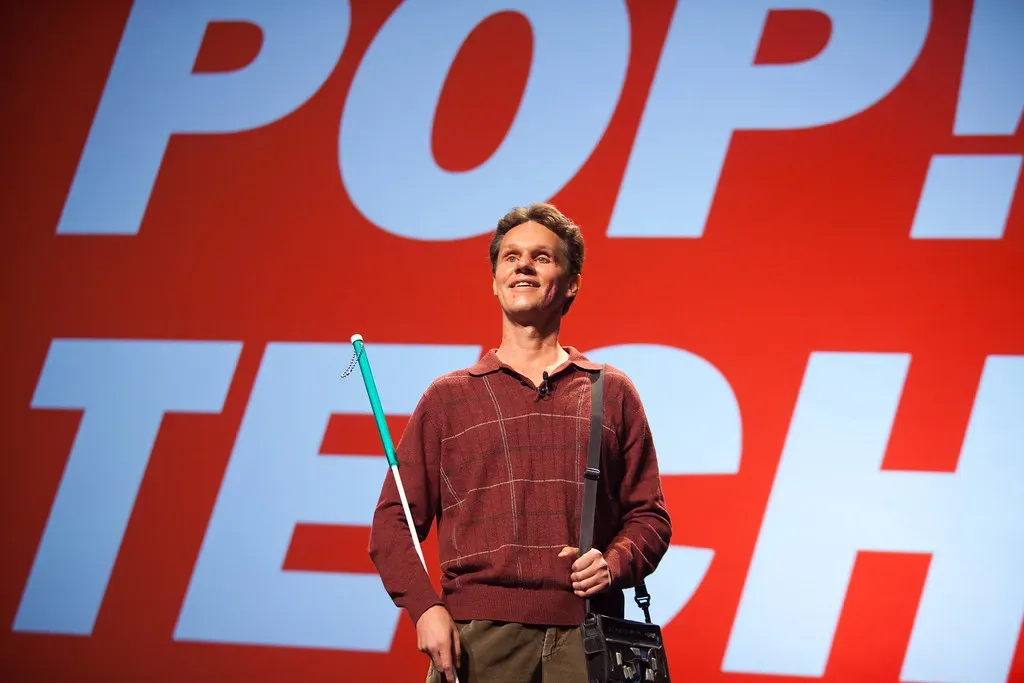
Most of us take sight for granted, so much so that the idea of navigating the world without it is almost unthinkable. Daniel Kish lost both of his eyes to retinal cancer in childhood, yet he has so finely tuned his hearing that he can navigate his bike through heavy traffic, climb trees, camp alone, and dance fluidly. His power is echolocation. To orient himself, he clicks his tongue and listens as the sound bounces off objects around him and returns to his ears at different volumes. Think about that for a moment. A man with no eyes, cycling through traffic. It sounds impossible. It isn’t.
Kish claims his “sight” is actually superior to normal vision in some ways because he can “see” through walls and has a full 360-degree awareness of his surroundings. He now travels the world and runs his organization “World Access For The Blind,” teaching blind children the same remarkable echolocation technique. Bats, dolphins, and beluga whales use a similar technique, called biosonar, to navigate their environments. The fact that a human has joined that very short list is nothing short of extraordinary.
2. Wim Hof: The Iceman Who Rewrote the Rules of Cold
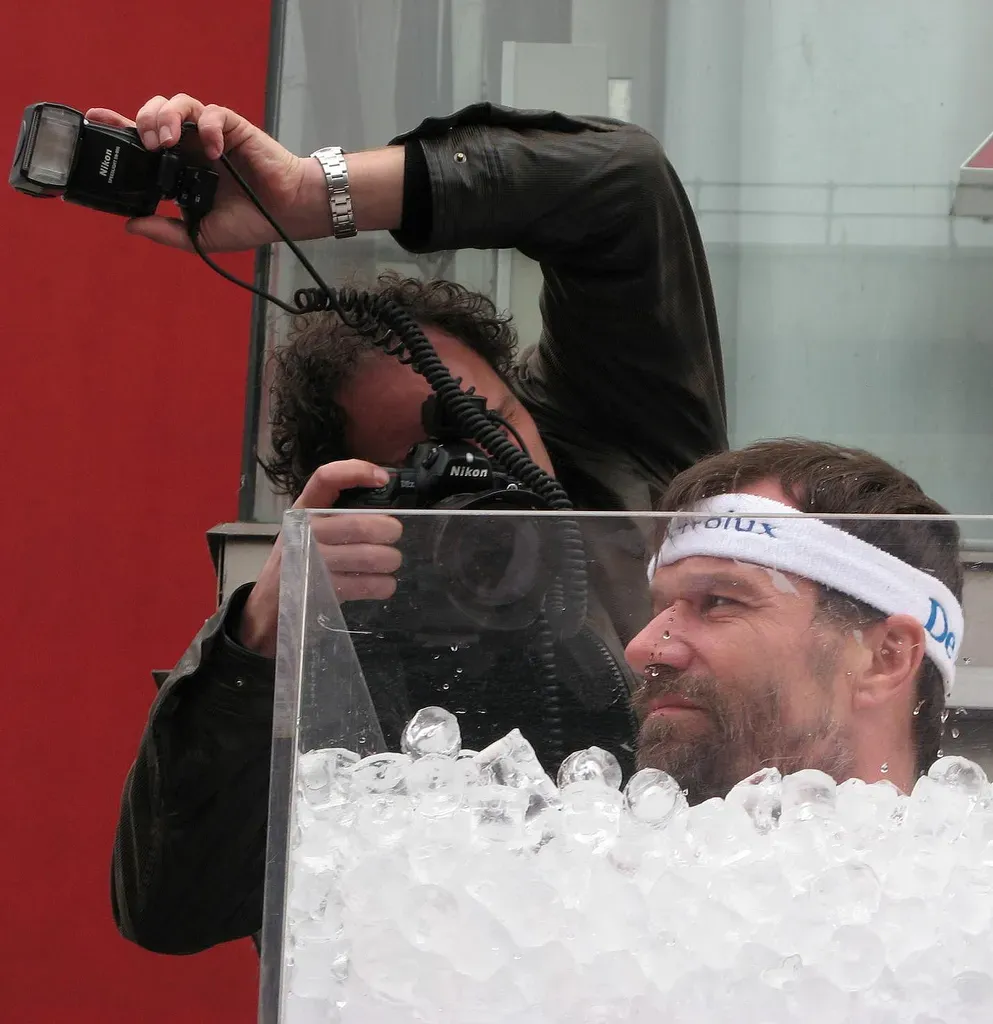
Here’s the thing: the cold is supposed to kill you. Hypothermia, frostbite, organ failure. These are not small threats. Yet Wim Hof seems completely unbothered. Wim Hof is a Dutch athlete known as “The Iceman,” who is able to survive extremely cold temperatures, something he attributes to his unique breathing technique. He may achieve this by consciously hyperventilating, keeping his heart rate and adrenaline high. His body behaves like it has its own thermostat, and he is the one who controls the dial.
Hof has run barefoot marathons in the snow and broken his own record for ice submergence multiple times. Researchers studying his remarkable abilities discovered that he is able to override the stress responses in his brain through breathing and meditation techniques. When exposed to extreme cold, his brain releases opioids and cannabinoids into his body, inhibiting the signals that register cold and pain. He holds 20 Guinness World Records for his ability, and in 2007 climbed to 6.7km altitude on Mount Everest wearing nothing but shorts, defeated only by a recurring foot injury. Honestly, the shorts alone are enough to make your jaw drop.
3. Stephen Wiltshire: The Human Camera Who Draws Entire Cities From Memory
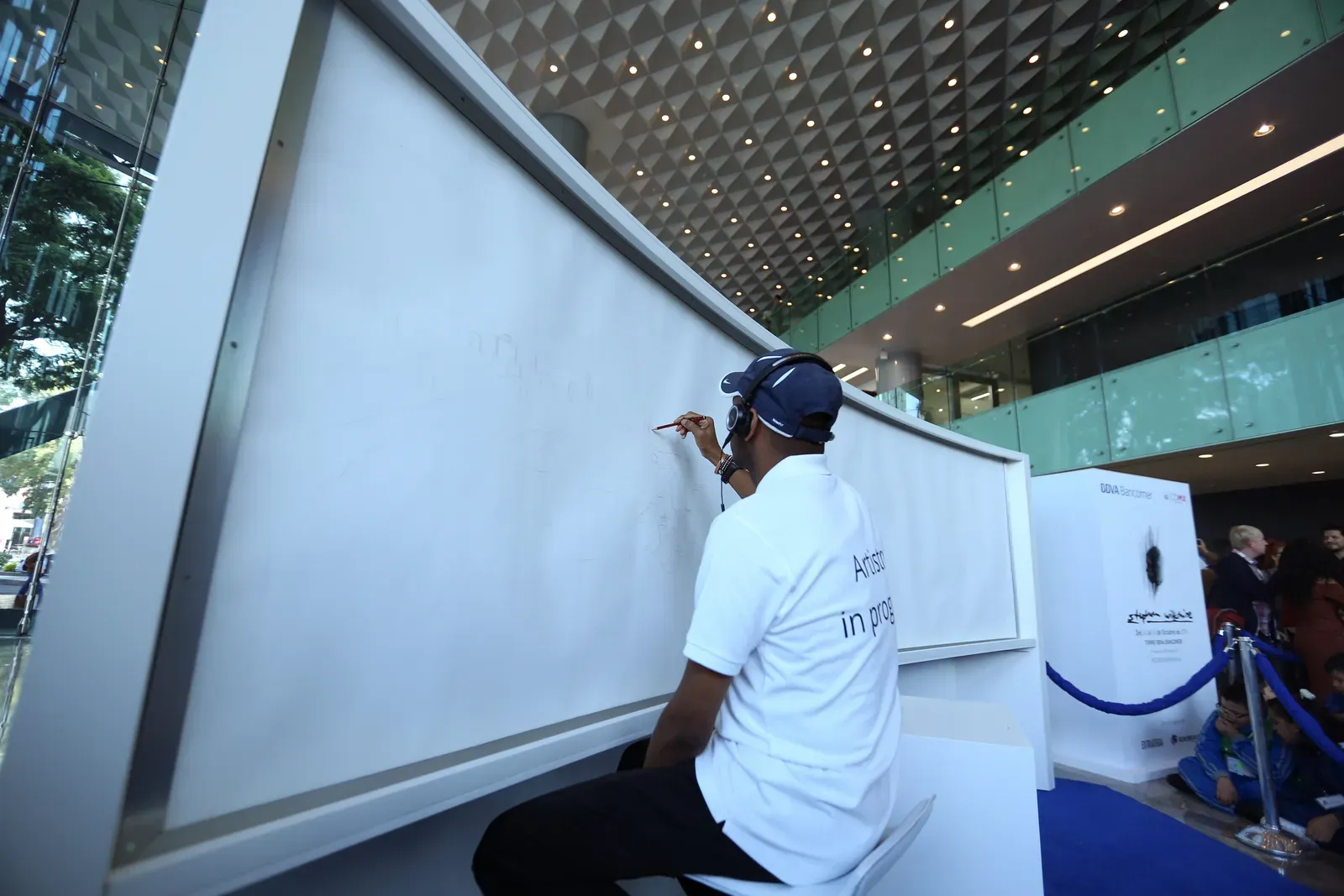
Imagine taking a 20-minute helicopter ride over one of the world’s most complex skylines, then sitting down with nothing but a pen and recreating every building, every window, every street corner in perfect scale. That is exactly what Stephen Wiltshire does. Wiltshire is a world-renowned artist known for his extraordinary ability to draw cityscapes entirely from memory. After just a 20-minute helicopter ride over New York City, he recreated the entire skyline in stunning detail, using only a pen and relying solely on his remarkable photographic memory.
Diagnosed with autism at age three, Stephen Wiltshire is now famous for producing highly detailed scenes after just a brief glance. In May 2005, Wiltshire produced his longest ever panoramic memory drawing of Tokyo on a 32.8-foot-long canvas within seven days following a helicopter ride over the city. Since then, he has drawn Rome, Hong Kong, Frankfurt, Madrid, Dubai, Jerusalem, and London on giant canvases. When he drew Rome, he included the exact number of columns in the Pantheon. I think his brain is essentially a living, breathing architectural database, and that is something no camera can truly replicate.
4. Dean Karnazes: The Man Whose Muscles Simply Never Quit
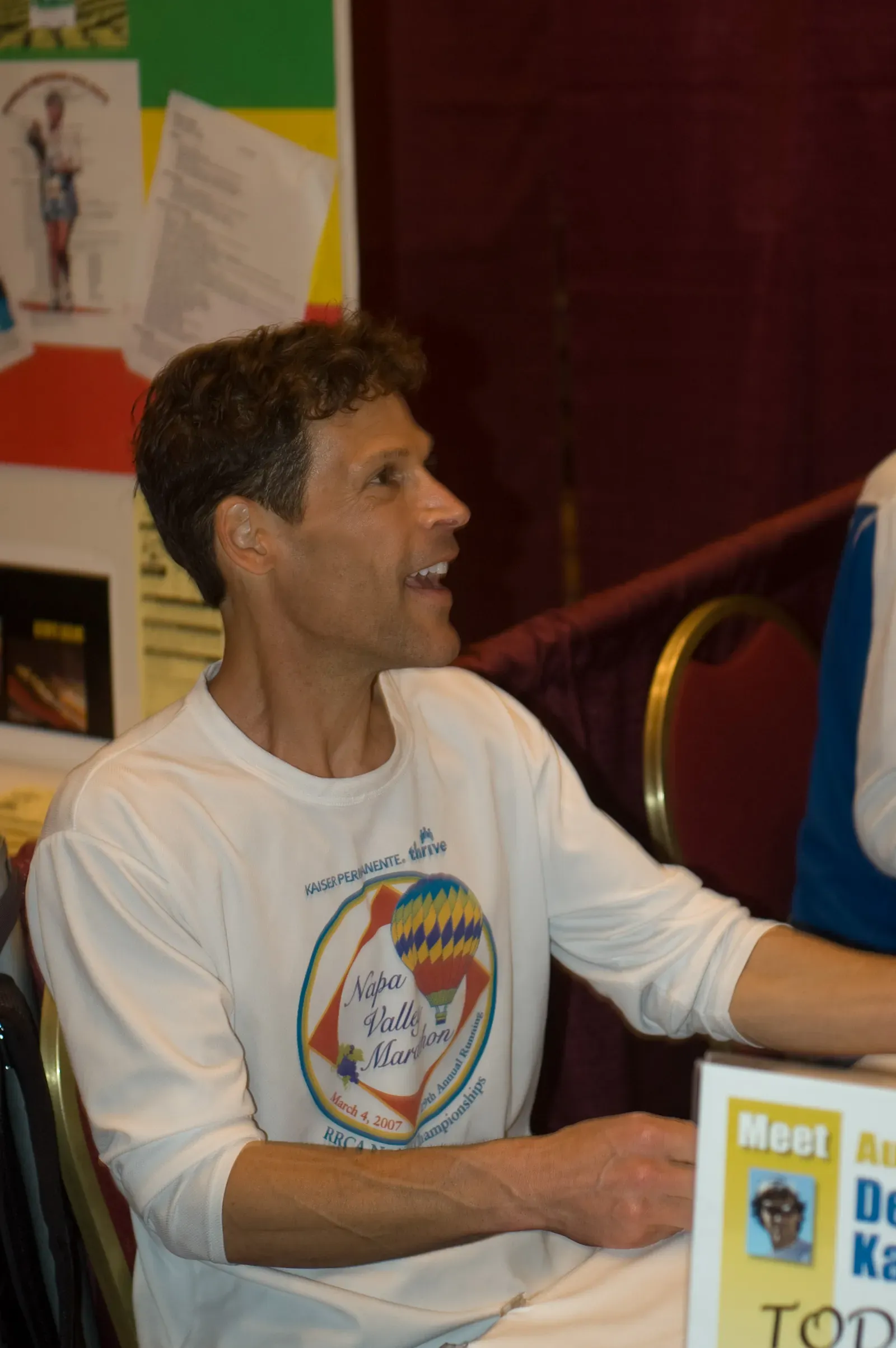
You know that burning sensation you feel in your legs mid-run? The one that makes you stop, gasp, and seriously question your life choices? Dean Karnazes has never felt that. Not once. Karnazes is an ultrarunner from California and at times it seems as if he could run forever. He has completed some of the toughest endurance events on the planet, from a marathon to the South Pole in temperatures of minus 25 degrees Celsius to the legendary Marathon des Sables, but in his entire life he has never experienced any form of muscle burn or cramp, even during runs exceeding 160 kilometres.
Karnazes has revealed that his superhuman abilities are down to a quirk of his physiology. He has a rare condition which allows his body to rapidly flush lactic acid from his system. Typically, as we exercise, the body converts glucose to energy, producing lactic acid as a by-product. As that builds up in the muscles, it begins causing cramps and fatigue as a signal to stop. Karnazes never receives those signals. As a result, he is able to keep on running without stopping and compete in some of the toughest endurance races in the world. In 2006, Karnazes completed the well-publicised “Endurance 50,” running 50 marathons in 50 states in 50 consecutive days. At that point, you have to wonder if the word “marathon” even means anything to him anymore.
5. Isao Machii: The Samurai Who Moves Faster Than a Speeding Bullet

Let’s be real: splitting a bullet in mid-air with a sword sounds like something out of a blockbuster action film. Yet Isao Machii does it for real. With his amazing ability to move a sword with seemingly superhuman speed and accuracy, Japanese Iaido Master Isao Machii holds multiple world records, including the fastest 1,000 martial arts sword cuts and the fastest tennis ball cut by a sword. Speed, precision, and reaction time all locked into one human being at a level that genuinely staggers scientists.
Modern-day samurai Isao Machii’s super-agility, the ability to move with extraordinary balance, coordination, and reflexes, has already made him the stuff of legend. Fire a bullet at him, and he can chop it in half in mid-air with a swing of his sword. Scientists are still working to understand how the central nervous system helps people plan and execute such complex movements unconsciously. His body essentially reacts before his conscious mind has even had time to process the threat. That is not normal human reflexology. That is something else entirely.
6. Marilu Henner: The Woman Who Never Forgets a Single Day of Her Life
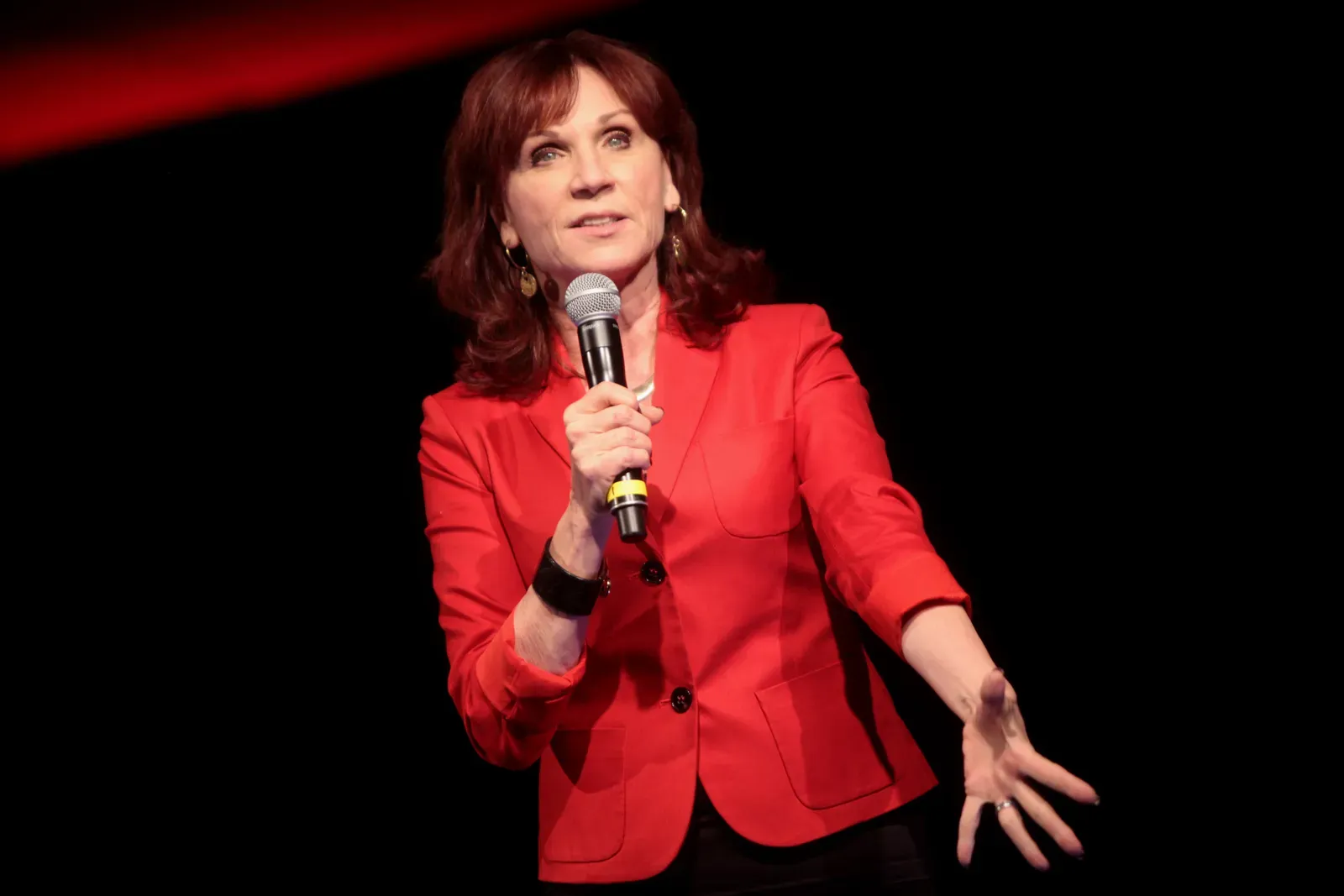
Most of us struggle to remember what we had for breakfast last Tuesday. Marilu Henner remembers every Tuesday. Every single one. Actress Marilu Henner has superhuman mental powers. She has Highly Superior Autobiographical Memory, or HSAM, an extremely rare condition which allows her total recall of basically every single moment of her life. Fewer than 100 people with the condition have been documented worldwide. To put that in perspective, fewer than 100 people out of billions walking this earth. That is a staggering rarity.
Marilu Henner can recall the month, day, and time of every event that has happened in her life, and can also recall things that were on the news or happened to other people. She first became aware of her ability at the age of six. MRI tests have revealed that people with HSAM have larger temporal lobes and caudate nuclei than normal, but researchers are not sure whether this is the cause or the result of living with the condition. It sounds like a superpower, until you realize she also can’t truly forget painful memories either. Every gift, it seems, comes with a shadow side.
7. Shakuntala Devi: The Human Computer Who Outpaced the Machine

In a world where we now trust computers to do our math for us, Shakuntala Devi once made the computer look slow. Shakuntala Devi was an Indian writer popularly known as the “human computer.” A child prodigy, her talents eventually earned her a place in the 1982 edition of The Guinness Book of World Records. Her mathematical abilities were so impressive that she could perform calculations that computers at that time failed to do. We’re not talking basic arithmetic here. We’re talking multi-digit multiplication at a speed that left room full of mathematicians speechless.
She could mentally multiply two 13-digit numbers together and produce the correct answer in seconds. At the University of Dallas in 1977, she correctly computed the 23rd root of a 201-digit number faster than a UNIVAC computer. Scientists say that through genetics or training, even mere mortals can develop superhuman powers, but what Devi possessed seemed to operate on a level entirely beyond training alone. She treated numbers not as abstract symbols but as living, breathing entities with personality and pattern. It’s hard to say for sure how the brain achieves this, but hers clearly had a gift that most of us simply cannot fathom.
8. Concetta Antico: The Artist Who Sees 100 Times More Colors Than You

You look at a green leaf and see, well, green. Concetta Antico looks at the same leaf and sees somewhere in the range of a hundred variations of color you cannot even perceive. An artist called Concetta Antico has a peculiar power in that she can see far more colors than other people. It is due to being what is known as a “tetrachromat,” which means she has two different mutations on each X chromosome. Most humans have three types of color-detecting cones in their eyes. Concetta has four.
People with a mutation in the OPN1MW gene, associated with tetrachromacy, can perceive up to 100 million colors, far beyond the typical human range. Imagine seeing nuances in a sunset that others can only dream of. For Antico, painting is not just an artistic expression. It is a translation exercise, an attempt to share through canvas a visual world that the vast majority of humans simply cannot access. Think about watching a black-and-white TV your whole life, then someone shows you 4K ultra-high-definition. That gap is roughly what separates her color perception from yours.
9. Joy Milne: The Scottish Woman Who Can Smell Parkinson’s Disease
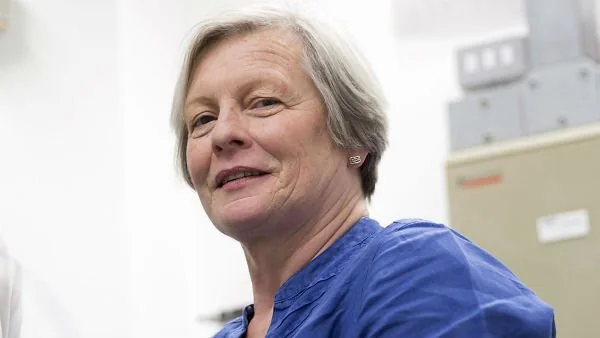
This one still gives scientists a lot to think about. Joy Milne, a retired nurse from Perth, Scotland, noticed a change in her husband’s scent years before he was officially diagnosed with Parkinson’s disease. At first, it seemed like a curious personal observation. Then researchers decided to test it. She is able to “smell” Parkinson’s disease on people before it has been diagnosed. In tests conducted by Edinburgh University, she was able to successfully identify Parkinson’s 11 out of 12 times. It is hoped there could be a molecular signature responsible for the odor that makes it possible for scientists to replicate the feat.
Milne’s husband died from Parkinson’s in 2015, with her last promise to him being that she would investigate her special ability and help others. That level of devotion is moving on its own. Still, what makes her case so scientifically significant is that early detection of Parkinson’s remains one of medicine’s great unsolved challenges. Milne’s ability is now actively being researched to develop a diagnostic test that could save millions of lives. Sometimes the most extraordinary human abilities don’t show up on a racetrack or a stage. They show up in the most quietly profound moments imaginable.
10. The Bajau People: A Whole Community Evolved Beyond Normal Human Limits

Most entries on this list feature one remarkable individual. This one features an entire people. The Bajau, an indigenous group living across the Philippines, Malaysia, and Indonesia, have spent thousands of years living a sea-nomadic lifestyle, diving for food in open water. Over generations, their biology has responded in a way that is genuinely stunning. The Bajau people are particularly renowned for staying underwater for as long as 13 minutes at depths up to 230 feet. Scientists say, like Sherpas, the Bajau have evolved a genetic advantage to use oxygen more efficiently.
Normally, as oxygen levels drop, the human body pumps out more oxygen-carrying red blood cells. This thickens the blood and can lead to altitude sickness or even death. Sherpas, on the other hand, have developed several genetic mutations that allow them to maintain low levels of red blood cells while the mitochondria in their cells use oxygen more efficiently. The Bajau have pulled off a similar feat, but in the ocean rather than the mountains. Sometimes real-life superpowers arise through genetic mutations, not unlike the origin stories in the comics. In the case of the Bajau, evolution quietly wrote one of the most compelling superhero origin stories you’ll ever come across.
Conclusion

There is something deeply humbling, and surprisingly exciting, about these ten stories. They remind you that the human species has not finished revealing itself. We are not a completed project. Somewhere right now, there is a child who will grow up to see colors no one has ever named, or run distances that make seasoned athletes shake their heads, or listen to the world in ways we cannot yet imagine.
What these extraordinary individuals teach us is not that they are alien or freakish. They teach us that the boundaries of human ability are far more elastic than we ever assumed. Our bodies and brains hold the potential for many seemingly superhuman feats, scientists say. Some of these abilities come from rare genetics, some from extraordinary discipline, and some from mysteries science is still working to untangle. The real superpower, perhaps, is being curious enough to look.
Which of these remarkable humans surprised you the most? Tell us in the comments below. We’d love to know which one made you stop and read it twice.