Every year, billions of creatures vanish from one part of the world and reappear thousands of miles away – without maps, GPS, or a mentor pointing the way. They cross frozen oceans, soar over the highest mountain ranges on Earth, and navigate pitch-dark ocean floors. Scientists have spent centuries chasing answers, and yet the more technology we throw at the problem, the more mysterious these journeys seem to become.
Every year, animals take to the skies, seas, and land in coordinated movements that defy human understanding. We are in a golden age of animal tracking, with satellites, GPS tags, isotope analysis, and genetic sequencing all adding pieces to the puzzle. Yet somehow the puzzle keeps growing. Be prepared to have your mind genuinely blown by what follows.
1. The Monarch Butterfly: A Journey No Single Butterfly Completes
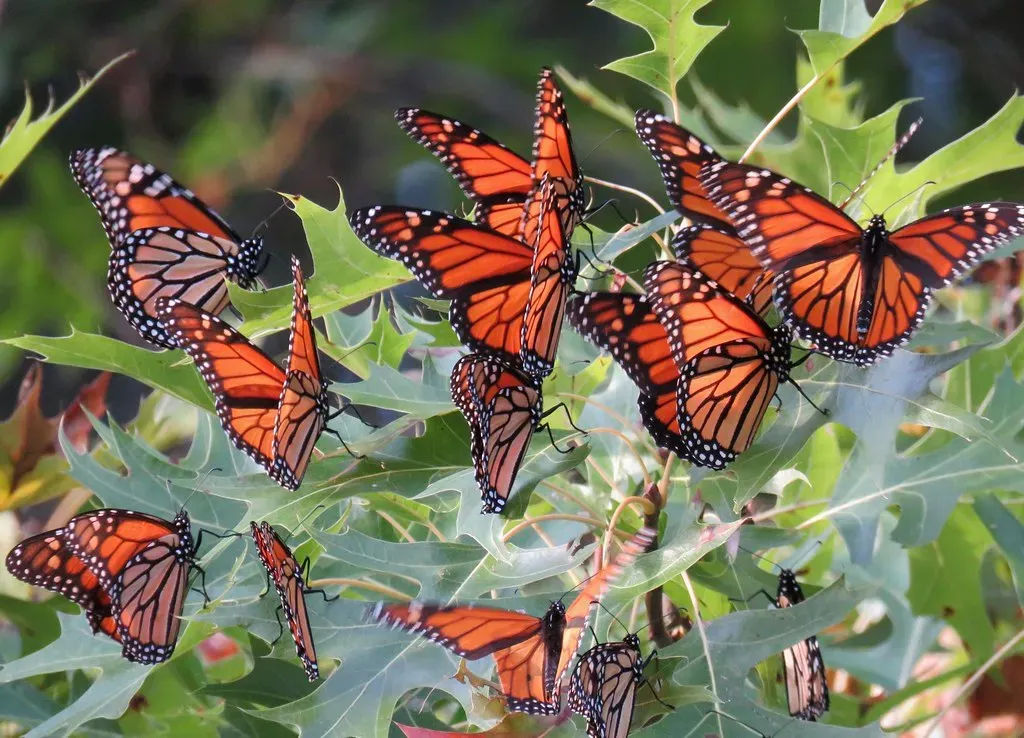
Here is a puzzle that sounds almost philosophically impossible: how do you finish a journey that outlasts your own life? Monarch butterflies migrate thousands of miles from Canada to Mexico, even though no single butterfly makes the full round trip. Each generation picks up where the last left off, somehow following a path it has never traveled. How they navigate so precisely across generations remains one of nature’s most confounding mysteries. Scientists still don’t understand how they pass on such accurate directions without memory.
The annual migration of the eastern monarch butterfly is one of nature’s most impressive feats, with each year’s “super generation” flying up to nearly 3,000 miles from the northern United States and southern Canada all the way down to the Monarch Butterfly Biosphere Reserve in central Mexico. More alarming still, a study relied on 17 years of data from more than 2,600 citizen scientist observations of monarch roosts along the butterfly’s migration route, and researchers found that roost sizes have declined by as much as roughly four-fifths, with losses increasing from north to south along the migration route. The monarch migration is not just mysterious. Honestly, it may be disappearing right before our eyes.
2. The Arctic Tern: A Feather That Flies to the Moon and Back
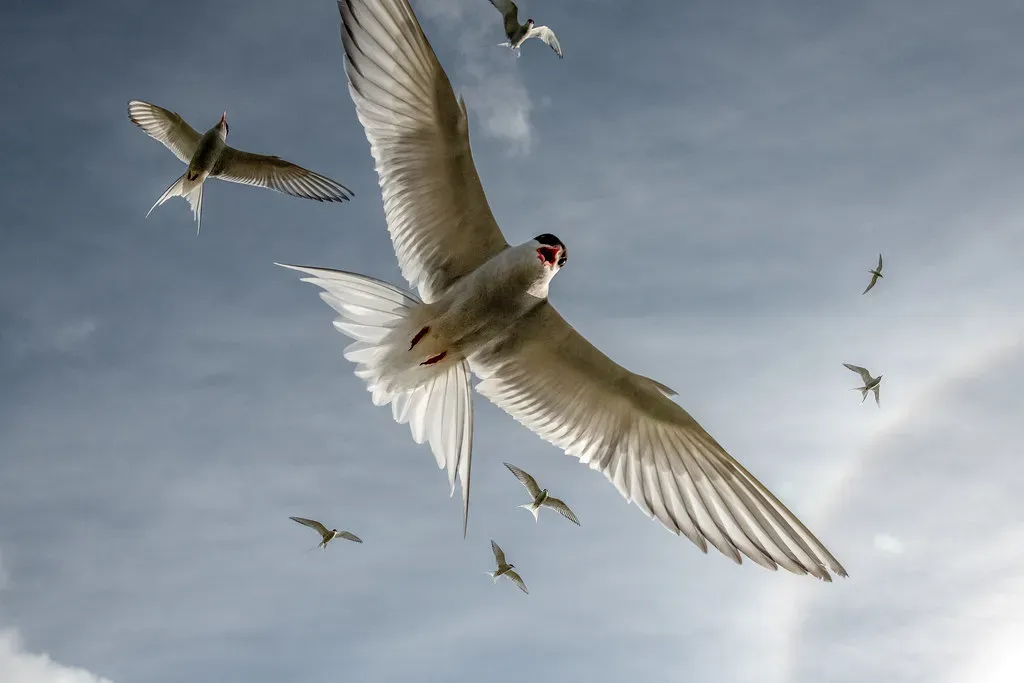
Let’s be real – when you look at an Arctic tern, you don’t see an extreme athlete. It’s a slender, pale little bird that looks like it could blow away in a strong breeze. Arctic terns weigh between 90 and 120 grams, with a wingspan of 64 to 76 centimeters, and to the untrained eye they don’t look as if they are built for endurance. Yet these birds take the trophy for the longest migration of any animal in the world.
An Arctic tern flies around 25,000 miles per year on average, with some individuals flying up to 44,000 miles, traveling from Greenland to Antarctica and back. To put that in perspective, that is roughly the same as flying to the moon and back. If a tern reaches its maximum lifespan of 30 years, it will have flown more than 1 million miles in migration. That is a staggering number for a bird that weighs barely four ounces. What remains puzzling is the sheer precision of how these birds navigate across such colossal distances. Science, so far, has no clean answer.
3. The Humpback Whale: The Record-Breaking Wanderer Crossing Three Oceans
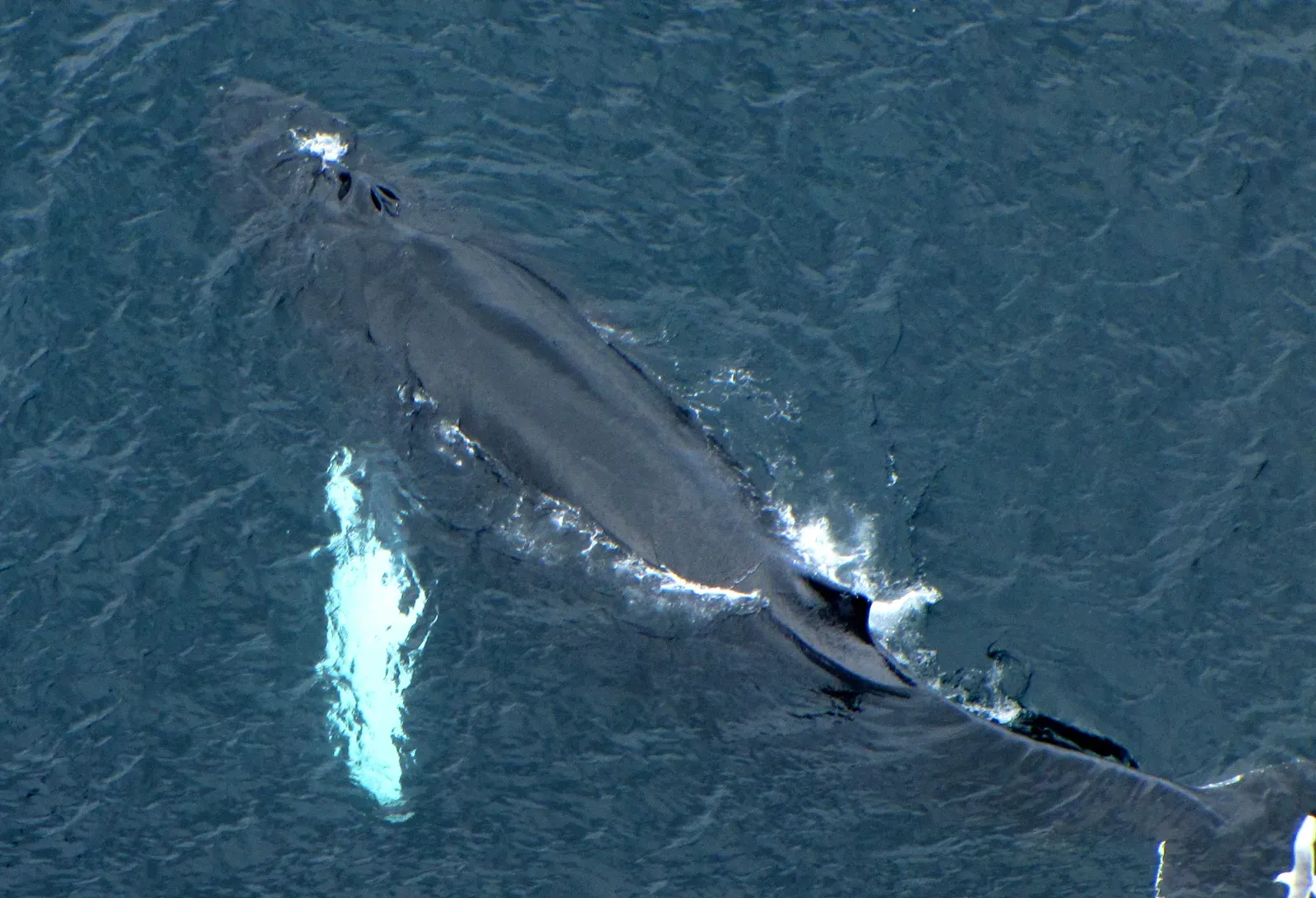
You might think that humpback whales, enormous and well-studied, hold few secrets. Think again. In late 2024, researchers confirmed a single male humpback had made a jaw-dropping journey that shattered every expectation. A male humpback whale made an extraordinary journey from South America to Africa, traveling more than 13,046 kilometers – the longest migration recorded for a single whale – and the trek also marked the first documentation of an adult male humpback traveling between the Pacific and Indian oceans.
Humpback whales typically return to specific breeding locations each year because whale populations tend to be geographically distinct. That is what makes this whale’s journey so mind-bending. Tracking technology recorded this journey, but it does not explain why the humpback took such a trip, and the study offers several potential explanations. The real explanation is still elusive. If it is as simple as a male traveling to pursue females, why do female whales also undertake abnormally long odysseys, such as one that traveled from Brazil to Madagascar? Nobody knows. Not yet.
4. The European Eel: Born at Sea, Living in Rivers, Dying in the Deep
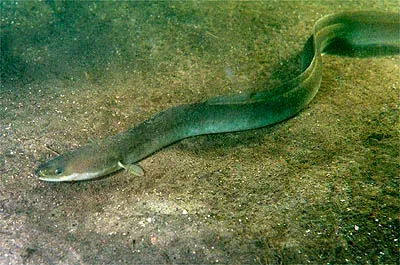
Few migration stories are as mind-bending as that of the European eel. Think of it like a character who is born somewhere they will never return to, spends their whole life somewhere completely different, and then makes one final, mysterious journey home to die. European and American eels are born in the Sargasso Sea, migrate to rivers thousands of miles away, and then return to the same sea to spawn and die. No one has ever witnessed their spawning in the wild. How they know when and where to return is a puzzle that has eluded scientists for centuries.
European eels have puzzled scientists for centuries. Born in the Sargasso Sea near the Bahamas, they travel thousands of miles to European rivers, where they spend most of their lives. They can live for decades in those rivers before something – some ancient biological clock, some invisible call – compels them to cross an entire ocean they have never seen as adults. It is the ultimate one-way ticket, and science still cannot fully explain the map.
5. The Great Wildebeest Migration: Millions Move, But No One Leads
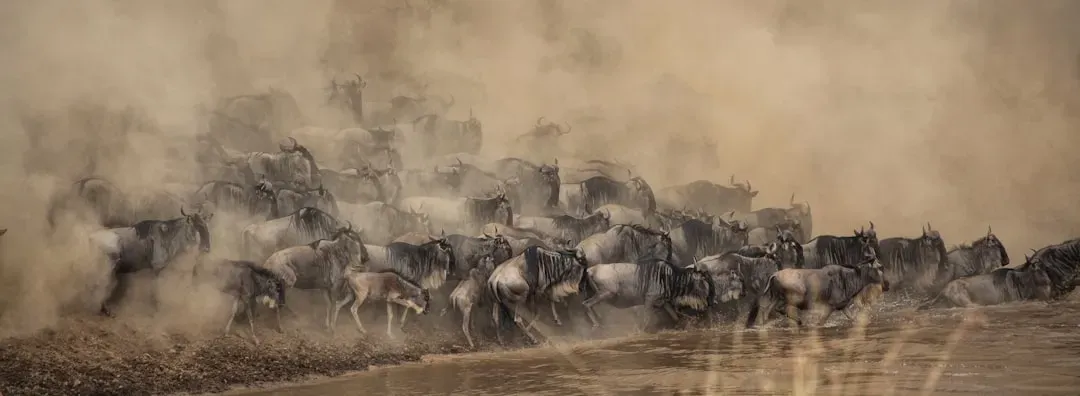
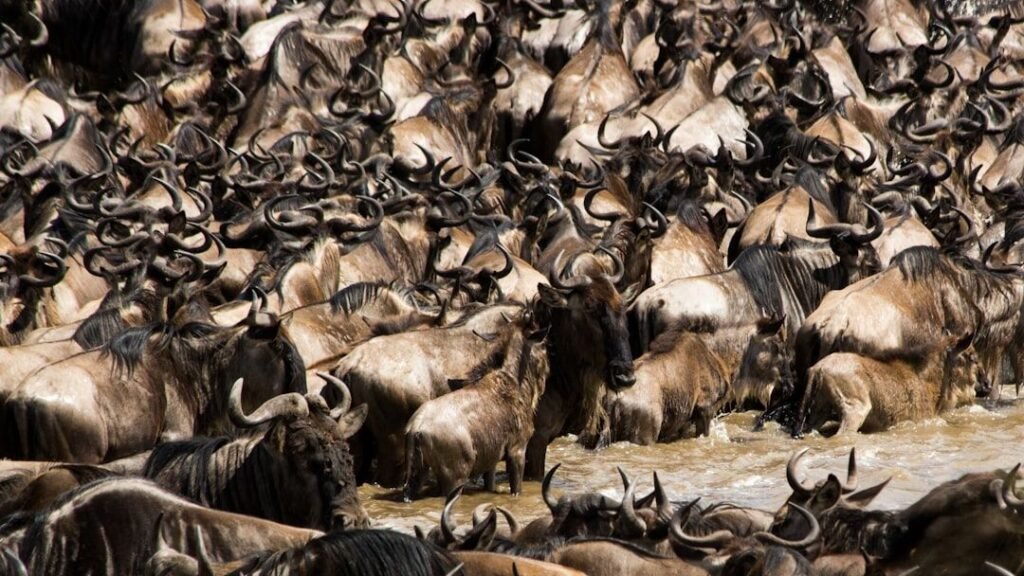
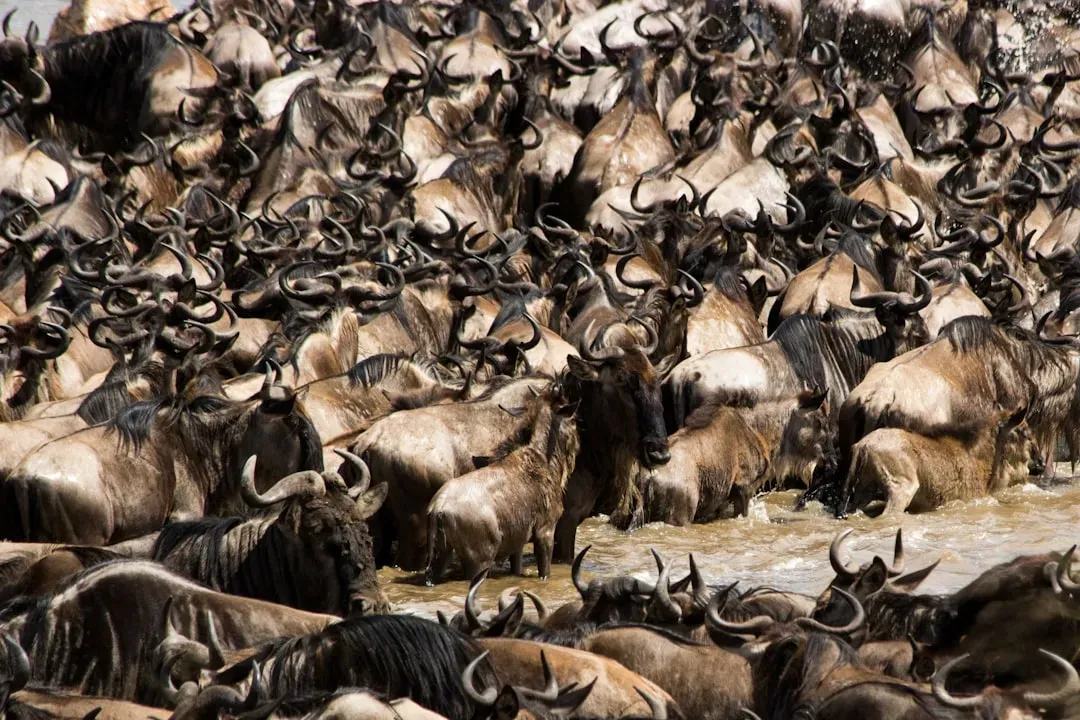
Imagine over a million animals surging across a vast landscape with no designated leader, no rehearsal, and no GPS. That is essentially what happens every year on the plains of East Africa. The Great Migration is the largest herd movement of animals on the planet. With up to 1,000 animals per square kilometer, the great columns of wildebeest can be seen from space. The numbers are astonishing: over 1.2 million wildebeest and 300,000 zebra, along with topi and other gazelle, move in a constant cycle through the Serengeti-Mara ecosystem in search of nutritious grass and water.
While it is unclear how the wildebeest know which way to go, it is generally believed that their journey is dictated primarily by their response to weather – they follow the rains and the growth of new grass. While there is no scientific proof of it, some experts believe that the animals react to lightning and thunderstorms in the distance. It has even been suggested that wildebeest can locate rain more than 50 kilometers away. The migration pattern is never the same each year. It changes every year, and it all depends on the rainfall. Think of it as two million animals following a rumor about rain.
6. The Green Sea Turtle: Returning to a Beach They’ve Never Seen as Adults
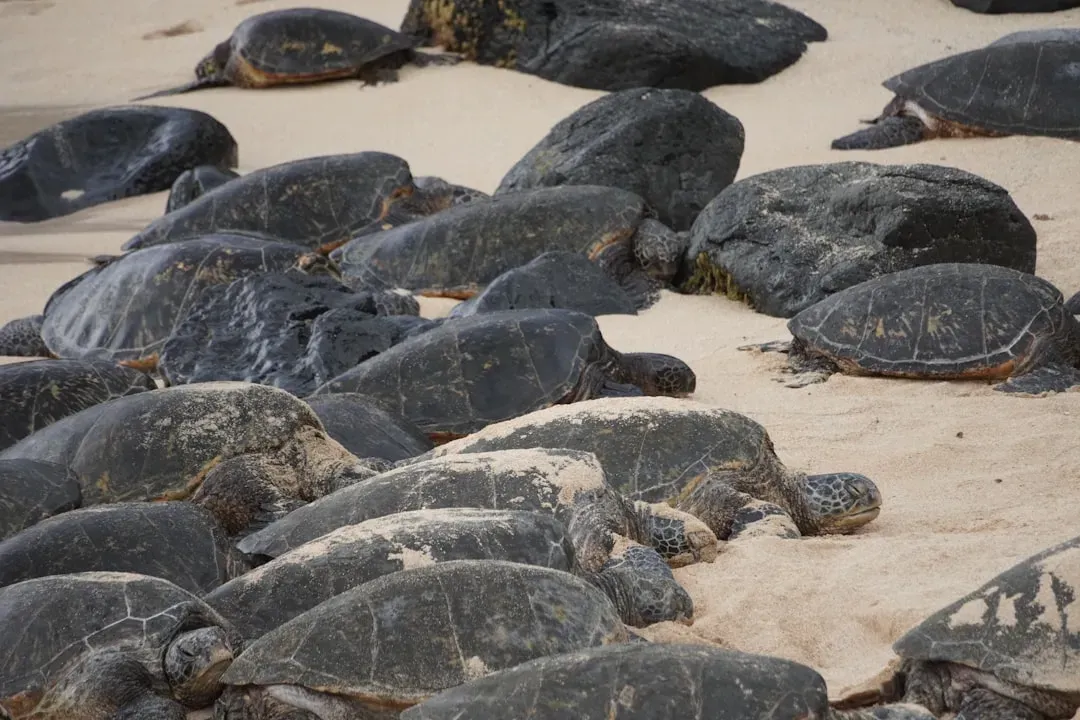
Few things in nature feel as mythic as the green sea turtle’s homecoming. These ancient creatures spend decades roaming vast stretches of open ocean. Then, guided by something scientists still cannot fully decode, they return to the exact beach where they were born. Green sea turtles migrate across entire oceans, only to return to the exact beach where they were born to lay eggs. How they navigate back after decades at sea remains a biological enigma. Some suspect they use the Earth’s magnetic field, but no one can explain how they store or recall that information. Their homecoming is a marvel of instinct and mystery.
Leatherback turtles, a close relative, travel thousands of miles between feeding areas and nesting grounds, utilizing ocean currents and possibly the Earth’s magnetic fields to undertake their arduous journeys to reproduce. Their migrations are essential for maintaining marine biodiversity, though they face numerous threats, such as bycatch, habitat destruction, and climate change. Honestly, when you consider that these turtles essentially carry a biological GPS from their first moments of life – one that remains accurate for fifty years – the whole thing feels more like science fiction than science fact.
7. The Bar-Tailed Godwit: Flying Nonstop for Eight Days Straight
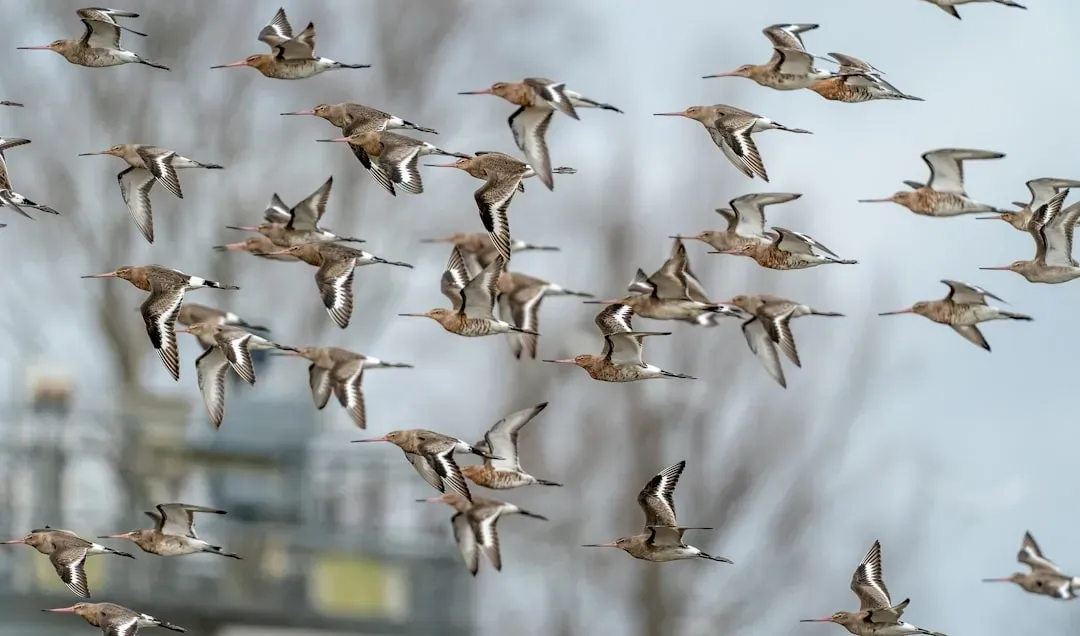
Think about the last time you were in a car for eight hours straight. Now imagine flying continuously, without sleep and without landing, for roughly eight full days over open ocean. That is not a metaphor. That is just an ordinary migration for the bar-tailed godwit. Bar-tailed godwits hold the record for the longest non-stop flight among birds. These shorebirds migrate from their breeding grounds in Alaska to New Zealand and back, covering distances of up to 7,500 miles without rest. They achieve this feat by storing massive amounts of body fat before departure, which serves as fuel for the journey. This migration is an incredible testament to endurance and showcases the sophisticated navigation skills of avian species.
Some species, like the bar-tailed godwit, fly from Alaska to New Zealand non-stop – an 8,000-mile journey without touching down. Their navigation skills are so precise that they can return to the same nesting spot year after year. The mystery of how birds find their way over such vast distances continues to fascinate scientists and bird lovers alike. There is no landmark in the middle of the Pacific Ocean. No hills, no rivers, no coastlines. Just open water, and somehow, they still arrive exactly where they are supposed to be.
8. The Caribou: The Arctic’s Greatest Land Trek
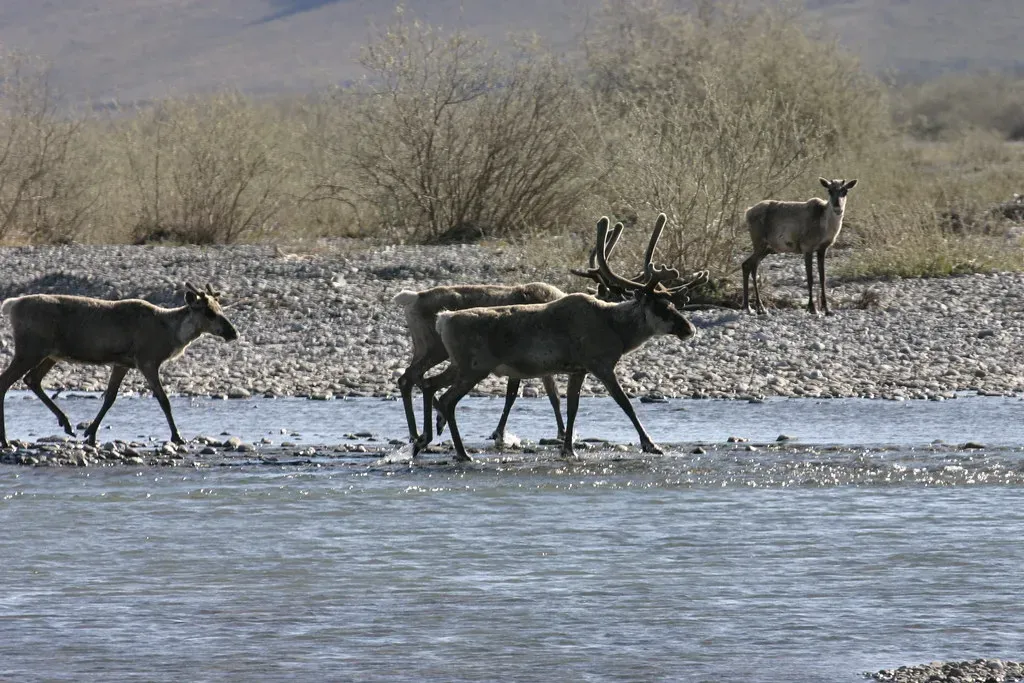
If you ever want to feel humbled by an animal, spend a few moments reading about what caribou do every single year. These are not short weekend trips across gentle terrain. These are epic, grueling, life-or-death journeys across one of the most unforgiving landscapes on the planet. Caribou, also known as reindeer in Eurasia, undertake one of the longest terrestrial migrations on Earth. These majestic animals travel in herds across the Arctic tundra, covering distances of up to 3,000 miles each year. Their migration is intrinsically linked to the changing seasons, enabling them to find food and avoid harsh weather. Caribou migrations are vital for the ecosystems of the Arctic, providing sustenance for predators and fostering plant rejuvenation.
What puzzles scientists is how caribou coordinate these movements with such collective precision. Scientists think that some animals use landscape maps when they migrate, with mountain ranges, rivers, and coastlines all serving as possible ways of navigating. We do not yet understand all the mysteries of how migrating animals find their way. Some animals may use only one method while others use a combination. It is even possible that a completely new way of navigating will be discovered. With caribou herds that can number in the hundreds of thousands, the coordination involved is staggering to consider.
9. The Painted Lady Butterfly: A Six-Generation Relay Race Across Continents

The monarch butterfly gets most of the attention when it comes to mysterious multigenerational migrations. But the painted lady butterfly deserves its own standing ovation. This creature’s journey is so extraordinary that it almost sounds made up. The painted lady butterfly is a true globetrotter. These orange-and-black beauties migrate from Africa to Europe every year, crossing deserts, mountains, and the Mediterranean Sea. Their journey can cover over 7,500 miles, involving up to six generations. What is truly amazing is that each butterfly somehow knows the way, even though it has never made the journey before. This migration is a living chain, connecting continents and generations in a dance as old as time.
I think that is the detail that gets me most. Six generations. No single butterfly sees the whole trip. Yet the route is maintained with a precision that baffles entomologists worldwide. Exactly how animals migrate has been one of the great mysteries of science, and before people even knew about migration, they had some very unusual explanations for the seasonal movement of birds. Imagine how much further we still have to go before we crack the painted lady’s secret.
10. The Bar-Headed Goose: Crossing the Roof of the World
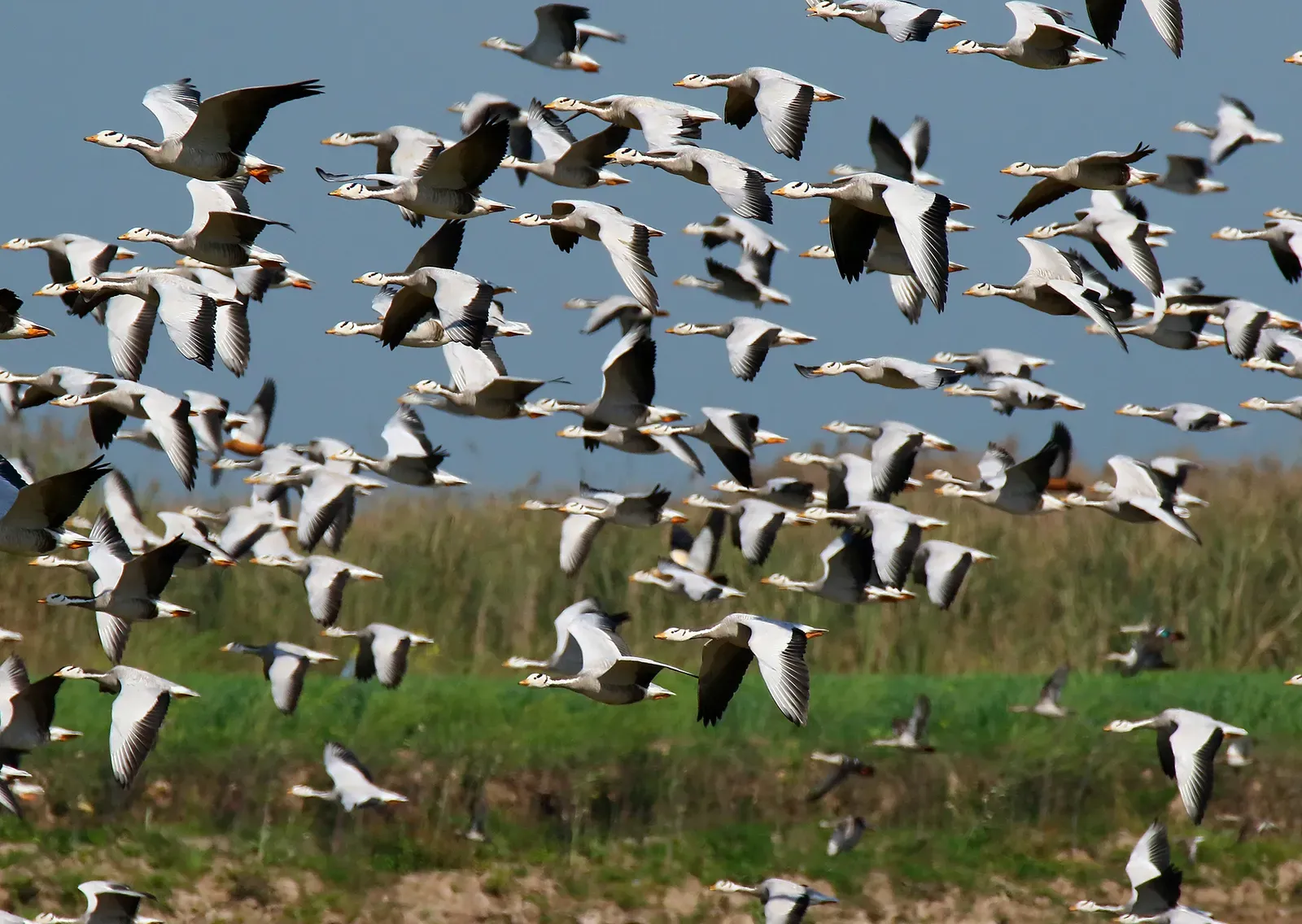
If you thought flying nonstop over an ocean for eight days was extreme, let’s talk about flying over the highest mountain range on Earth. Twice a year. Bar-headed geese make this journey regularly, flying over the Himalayas at heights where the air is so thin that human climbers need supplemental oxygen. These avian athletes have evolved special hemoglobin that allows them to extract oxygen from the thin air with extraordinary efficiency.
Some migrating animals may use the movement of the sun across the sky to find their way, and since the sun changes position as the Earth rotates, these animals would need to be able to make adjustments to their path. For bar-headed geese, though, even navigating is secondary to simply surviving the altitude. Scientists are still untangling how their cardiovascular system performs at those heights, and whether their chosen route is truly the most efficient one or simply the most ancient habit. We live in an era of satellites, genetic sequencing, and quantum biology, yet some of nature’s greatest navigation feats remain stubbornly unsolved. The closer science looks, the more mysterious these journeys become.
Conclusion: Nature Keeps Its Secrets Well
Here’s the thing about animal migration – the more we learn, the more we realize how little we actually know. Across skies, oceans, deserts, and forests, animals continue to follow mysterious paths that science has yet to decode. These migrations are stories written into the earth and sky – ancient, instinctual, and still largely unexplained. While technology has revealed patterns, it has not revealed purpose.
Every one of these ten migrations is a reminder that nature has been solving problems longer than humans have existed. The monarch butterfly carries no map. The Arctic tern weighs less than a tennis ball. The bar-tailed godwit sleeps mid-flight. These creatures do things we cannot fully measure, let alone replicate. Animal migration is a breathtaking demonstration of nature’s resilience, intelligence, and wonder. Each journey carries stories of courage, survival, and astonishing adaptation. Whether it is fragile butterflies soaring over continents or immense whales crossing oceans, these migrations reveal a world in motion – one filled with drama, beauty, and unbreakable bonds.
So the next time you see a bird flying south or a butterfly floating past your window, pause for a moment. You might be watching the latest chapter in a story that began millions of years ago – one that science is still racing to read. Which of these migrations surprised you the most? Tell us in the comments below.