
You already know what the Pacific looks like. You’ve seen photos of the Atlantic. You may have even stood at the edge of the Indian Ocean. But what if you were told that right now, as you read this, an ocean of sorts exists far below your feet – one you will never swim in, never map from a satellite, and never touch?
It sounds like something Jules Verne dreamed up over a glass of wine. Honestly, that’s exactly what makes this so astonishing. This is not fiction. It is science, and it is reshaping everything researchers thought they understood about the planet beneath you. Let’s dive in.
The Deep Reservoir You Never Knew Existed
Here’s the thing – when most people hear “ocean beneath Earth’s surface,” their mind immediately conjures images of a vast underground sea. This underground store is not a free-flowing sea. It sits inside a blue mineral called ringwoodite that forms under the extreme pressure of the mantle’s transition zone between the upper and lower mantle, where water is bound to the crystal structure of the rock at the molecular level, more like a planet-sized sponge than a buried lake. Think of it less like a hidden swimming pool and more like a completely waterlogged sponge buried hundreds of kilometers down.
A reservoir of water is hidden in the Earth’s mantle, more than 400 miles below the surface, and all this water – three times the volume of water on the surface – is trapped inside rocks. That number alone should stop you in your tracks. Roughly three times the volume of every ocean, river, and lake you’ve ever known, locked silently inside rock deep below where you’re standing right now.
Ringwoodite: The Mineral That Changed Everything
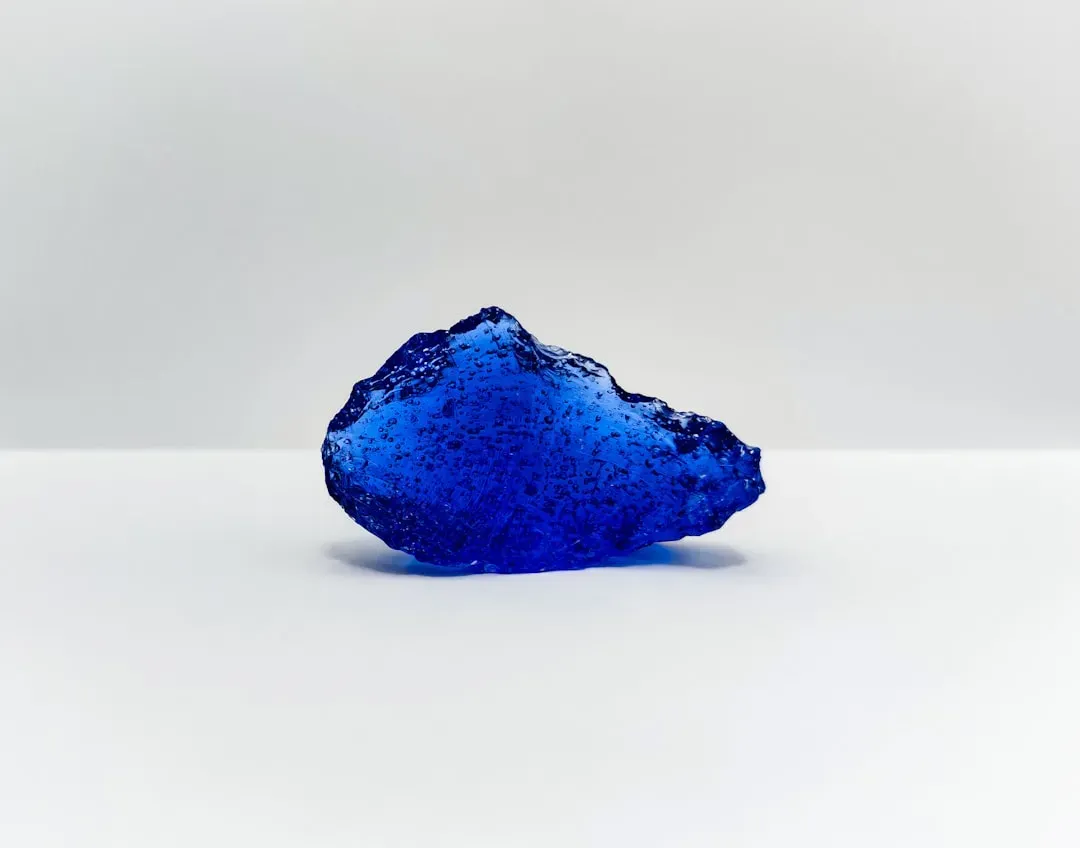
The discovery was made by geophysicist Steve Jacobsen from Northwestern University and seismologist Brandon Schmandt from the University of New Mexico, and their findings, published in the journal Science, shed light on the Earth’s formation, composition, and the amount of water trapped in mantle rock. Two scientists, two universities, and one earth-shattering conclusion. I think it’s fair to say this belongs in the same category as the greatest geological discoveries of the past century.
Jacobsen synthesized ringwoodite – a sapphire-like blue mineral – in his Northwestern lab by reacting the green mineral olivine with water at high-pressure conditions. He found that more than one percent of the weight of ringwoodite’s crystal structure can consist of water. Under the immense pressures and temperatures found in the mantle’s transition zone, water molecules split into hydroxyl radicals that can then be incorporated into ringwoodite’s structure. This mineral acts like a sponge, soaking up water and storing it in the deep Earth.
A Diamond From Brazil That Cracked Open a Mystery
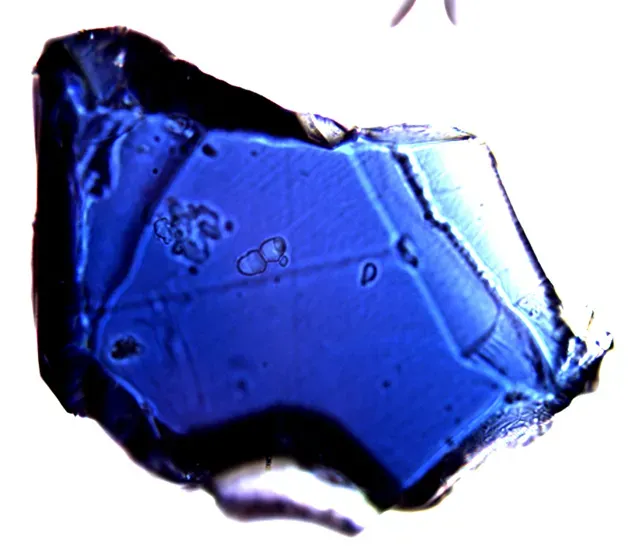
The ringwoodite sample was found in 2008 in the Juina area of Mato Grosso, Brazil, where artisan miners unearthed a diamond from shallow river gravels. The diamond, which had been brought to Earth’s surface by a deeply derived volcanic rock known as kimberlite, contained the ringwoodite inclusion. What the miners thought was a commercially worthless, ugly little stone turned out to be one of the most scientifically important objects ever pulled from the ground.
The ringwoodite inside that diamond is 1.5 percent water, present not as a liquid but as hydroxide ions. The results suggest there could be a vast store of water in the mantle transition zone, which stretches from 254 to 410 miles deep. An “ultradeep” diamond found in Juína in western Brazil contained an inclusion of ringwoodite – at the time the only known sample of natural terrestrial origin – providing evidence of significant amounts of water as hydroxide in the Earth’s mantle.
How Scientists Actually “See” Water Hundreds of Miles Down
To uncover this hidden hydrosphere, researchers deployed about 2,000 seismographs across the United States and analyzed seismic waves from more than 500 earthquakes. As these vibrations travel through Earth’s interior, they speed up or slow down depending on what they pass through. In regions where the mantle rock is “wet,” the waves move more slowly. By mapping that slowdown, the team inferred a vast volume of water-rich ringwoodite around 700 kilometers down. It really is a bit like using the planet itself as a medical scanner.
Northwestern geophysicist Steve Jacobsen and University of New Mexico seismologist Brandon Schmandt found deep pockets of magma located about 400 miles beneath North America, a likely signature of the presence of water at these depths. The discovery suggests water from Earth’s surface can be driven to such great depths by plate tectonics, eventually causing partial melting of the rock. The melting the researchers detected is called dehydration melting. Rocks in the transition zone can hold a lot of water, but rocks in the top of the lower mantle can hold almost none. The water contained within ringwoodite in the transition zone is forced out when it goes deeper and forms a higher-pressure mineral called silicate perovskite, which cannot absorb the water. This causes the rock at the boundary between the transition zone and the lower mantle to partially melt.
Bridgmanite: The 2025 Discovery That Deepened the Mystery Even Further
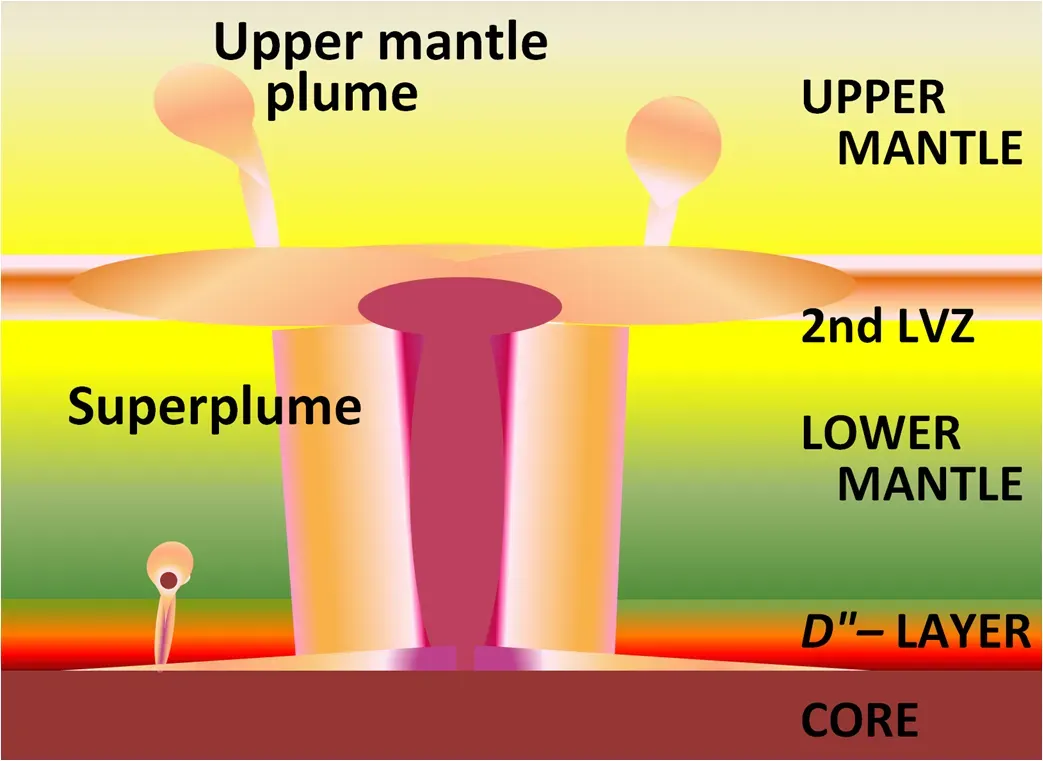
Just when you thought the story was complete, science went and added another chapter. When Earth was a molten inferno, water may have been locked safely underground rather than lost to space. Researchers discovered that bridgmanite deep in the mantle can store far more water at high temperatures than previously believed. During Earth’s cooling, this hidden reservoir could have held water volumes comparable to today’s oceans. Over time, that buried water helped drive geology and rebuild the planet’s surface environment.
The key lies in bridgmanite, the dominant mineral in the lower mantle. While previously thought to have limited water storage capacity, a research team discovered that the mineral actually exhibits a powerful, temperature-dependent ability to trap water. They recreated the extreme conditions of the lower mantle – high pressure and scorching temperatures up to approximately 4,100 degrees Celsius – using a sophisticated diamond anvil cell apparatus combined with laser heating. Their findings reveal a paradox: the hotter the environment, the more efficiently bridgmanite captures and stores water molecules during its formation from cooling magma. That’s right – the hotter it gets, the wetter it becomes. Nature loves a good paradox.
Plate Tectonics: Earth’s Relentless Water Delivery System
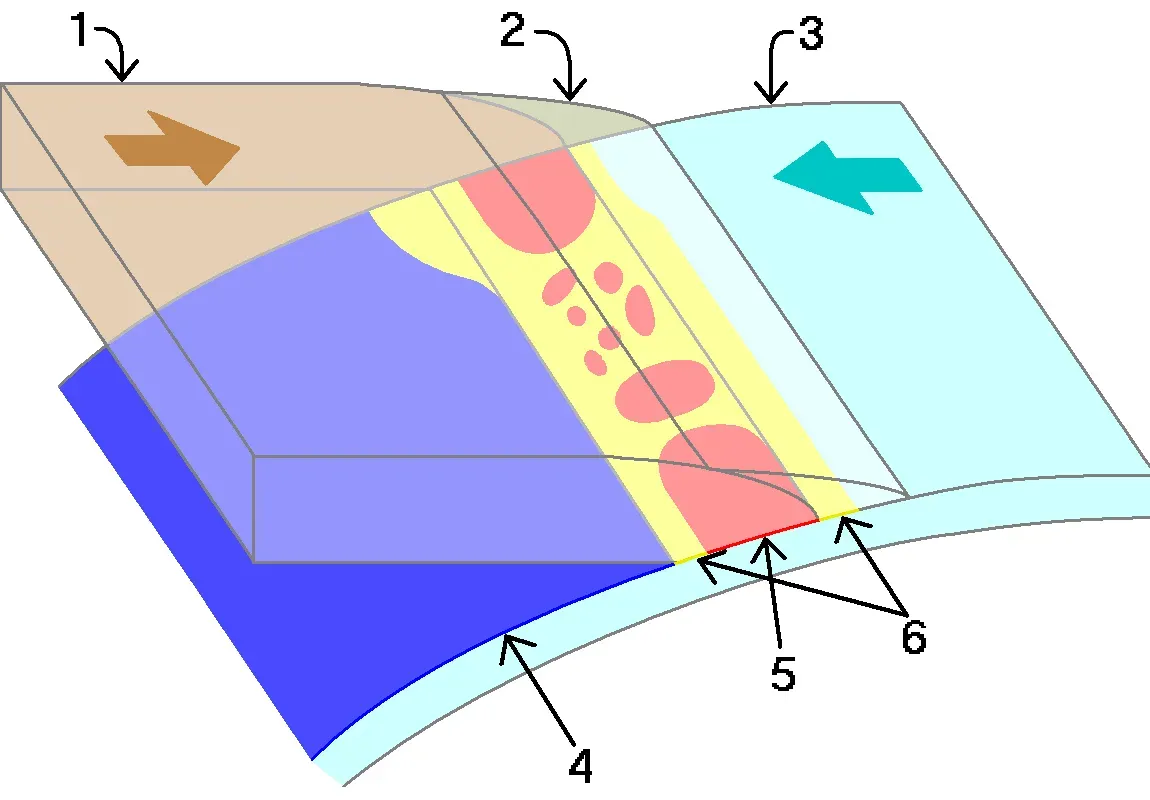
The deep water cycle, or geologic water cycle, involves exchange of water with the mantle, with water carried down by subducting oceanic plates and returning through volcanic activity, distinct from the water cycle process that occurs above and on the surface of Earth. You probably learned about rain, rivers, and evaporation in school. The honest truth is that diagram left out the most dramatic part of the story.
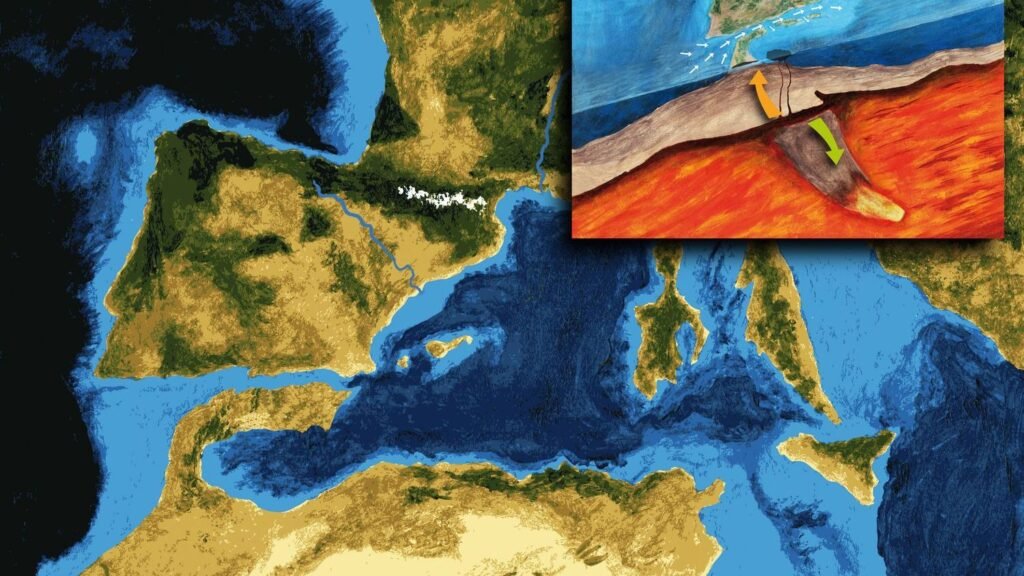
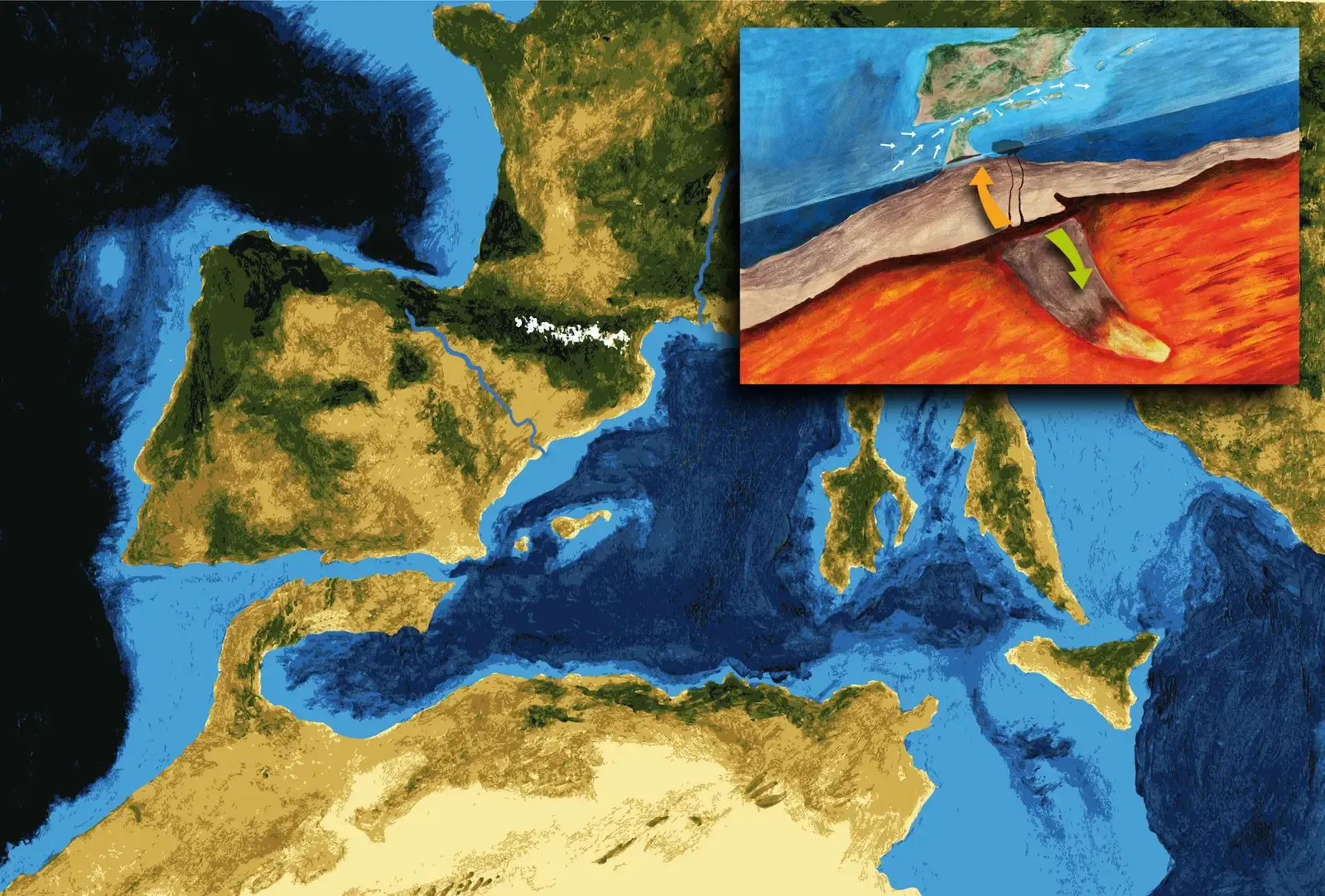
Slow-motion collisions of tectonic plates under the ocean drag about three times more water down into the deep Earth than previously estimated, according to a first-of-its-kind seismic study that spans the Mariana Trench. The observations from the deepest ocean trench in the world have important implications for the global water cycle. At subduction zones, where one plate bends deep beneath another, the sinking plate acts like a conveyor belt, carrying more than an ocean’s worth of water into the mantle over billions of years. Slow, relentless, geological conveyor belts – moving water downward at rates too gradual for any human lifetime to witness, yet transforming the planet over billions of years.
What This Means for the Origin of Earth’s Oceans
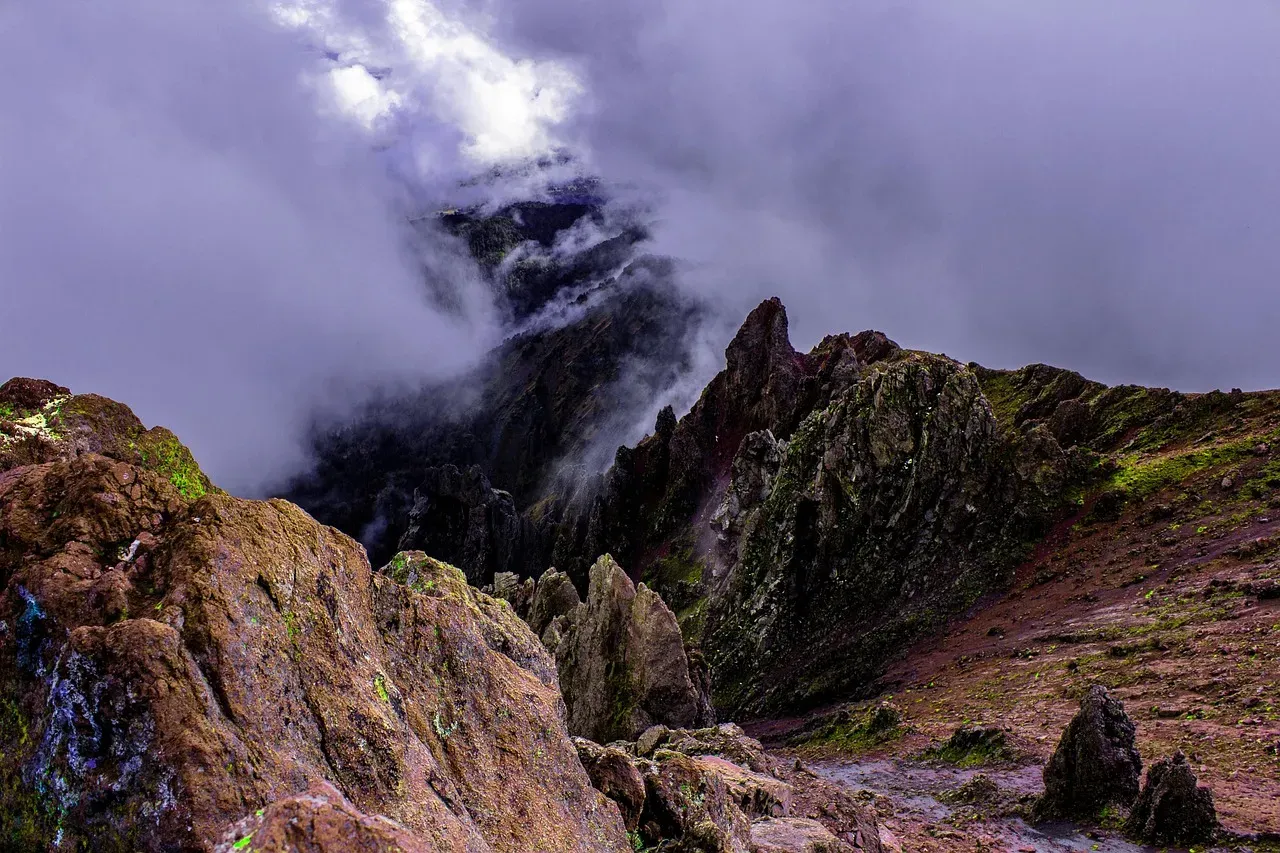
Some scientists think Earth’s oceans formed when icy comets hit the planet. New research suggests a different origin for the oceans: they simply seeped out of the center of the Earth. That is a genuinely staggering shift in thinking. The oceans you have always assumed came from outer space may have actually been exhaled from within the planet itself, like the Earth slowly breathing water to its own surface over billions of years.
Water deep in the mantle lowers the melting temperature of rocks and makes them flow more easily, supporting mantle circulation and plate tectonics. Over billions of years, some of this water was slowly released back to the surface through volcanic activity, contributing to the formation of the atmosphere and oceans. According to researchers, this hidden “spark of water” inside Earth may have been the key factor that allowed the planet to cool, stabilize, and eventually support life.
What It Could Mean for the Search for Life Beyond Earth
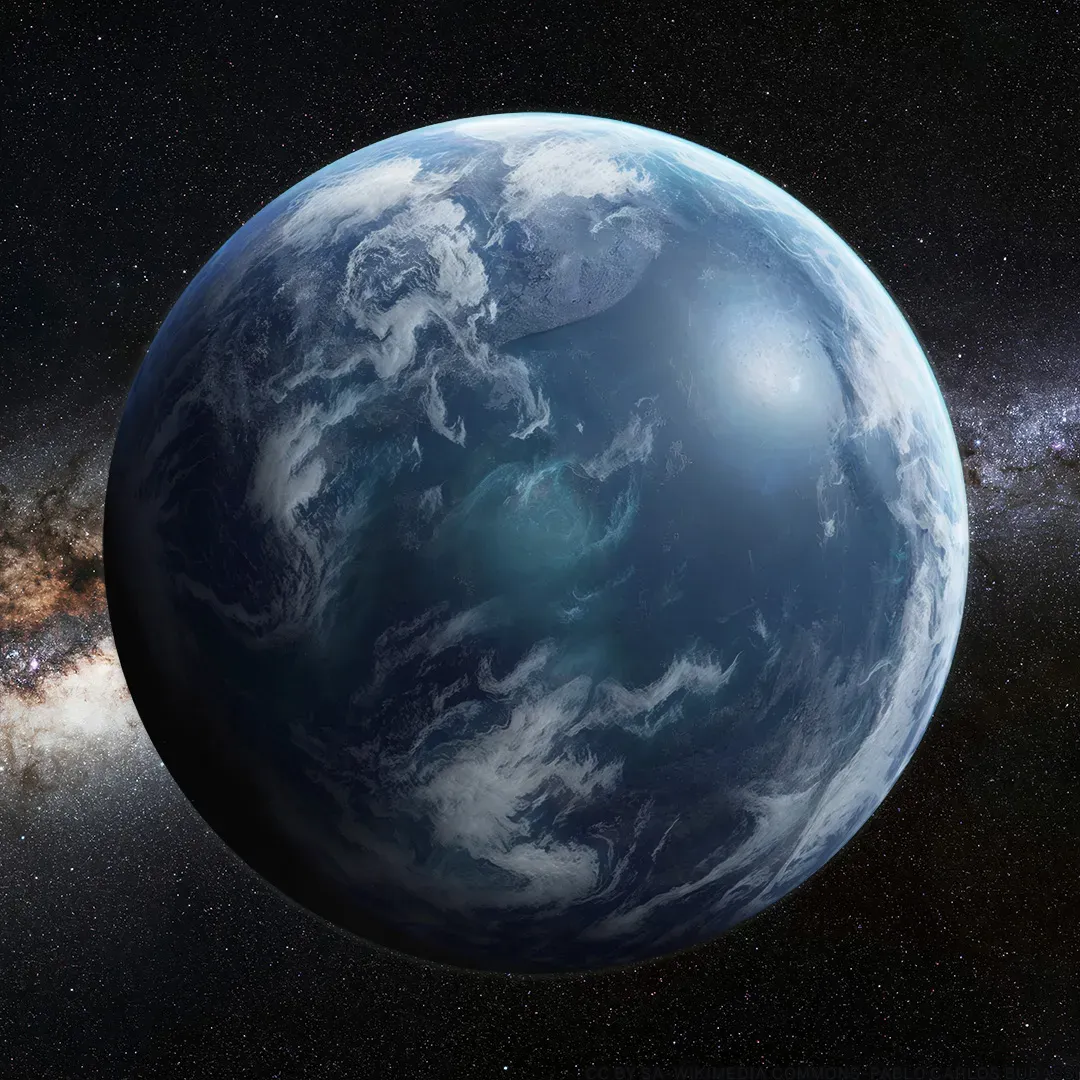
Ringwoodite’s ability to store and transport water within the mantle could also have implications for the search for life on other planets, as the presence of water is considered a key factor in the development and sustainability of life as we know it. In other words, this discovery isn’t just about understanding Earth. It changes the entire question of what makes a planet habitable in the first place. If water can be stored and protected deep within a planet’s interior, then worlds that look dry and dead on the surface might be far more interesting than they appear.
Circulation of such early stored water in Earth’s interior could have modulated mantle dynamics and influenced the transition of early Earth to a habitable planet. Because the transition zone between the Earth’s upper and lower mantle helps govern the scale of mass and heat transport throughout the Earth, the presence of water within this region, whether global or localized, may have a significant effect on mantle rheology and therefore mantle circulation. The planet’s deep water isn’t just sitting there – it is actively shaping everything happening on the surface above it, including the existence of life itself.
Conclusion: Your Planet Is Wetter Than You Think
Let’s be real for a moment. Most of us spend our lives assuming we know what Earth is: a rocky ball with some ocean on top and fire in the middle. The science emerging from these discoveries – from the Brazilian diamond, to the seismic maps beneath North America, to the latest bridgmanite research published just in December 2025 – tells a far richer, stranger, and more humbling story.
Most of us learn a simple version of the water cycle in school, with arrows connecting clouds, rain, rivers, and the sea. This work hints that the diagram should stretch far deeper beneath our feet. The “hidden ocean” shows that the atmosphere and surface oceans are only the visible part of a much larger system that extends hundreds of kilometers down. You live on a planet that is secretly, quietly, magnificently wetter than any map has ever shown. It hid its oceans in plain sight, locked inside blue crystals hundreds of miles underground, waiting for scientists – and curious minds like yours – to find them.
So here’s a thought worth sitting with: if the planet you have lived on your entire life can hide an ocean’s worth of water beneath your feet without you ever knowing, what else might be quietly waiting to be discovered? What do you think – does knowing this change how you see the ground beneath you? Share your thoughts in the comments.