

Every night, without choosing to, you step into another world. One where physics doesn’t apply, where people from your past show up uninvited, and where the strangest situations feel completely real. You wake up, and within minutes, most of it vanishes. Yet something lingers. That feeling. That image. That question you can’t quite shake.
Dreams have been a source of wonder since the earliest human civilizations. Ancient Egyptians believed them to be divine messages. Today, the conversation has moved into brain scan labs and neuroscience conferences. What researchers are finding is stranger, more beautiful, and far more useful than anyone expected. So let’s dive in.
Your Sleeping Brain Is Anything But Asleep

Here’s the thing most people get wrong: they assume the brain goes quiet when you sleep. It doesn’t. Not even close. REM sleep is a fascinating stage where the brain becomes highly active, accompanied by increased breathing and heart rate. It’s more like a second shift beginning, not a shutdown.
Dreams are a most remarkable experiment in psychology and neuroscience, conducted every night in every sleeping person. They show that the brain, disconnected from the environment, can generate by itself an entire world of conscious experiences. Think about that for a second. Your brain, sealed away in darkness, manufactures entire landscapes, conversations, and emotions from scratch. That’s not passive. That’s extraordinary.
The Many Theories Behind Why You Dream
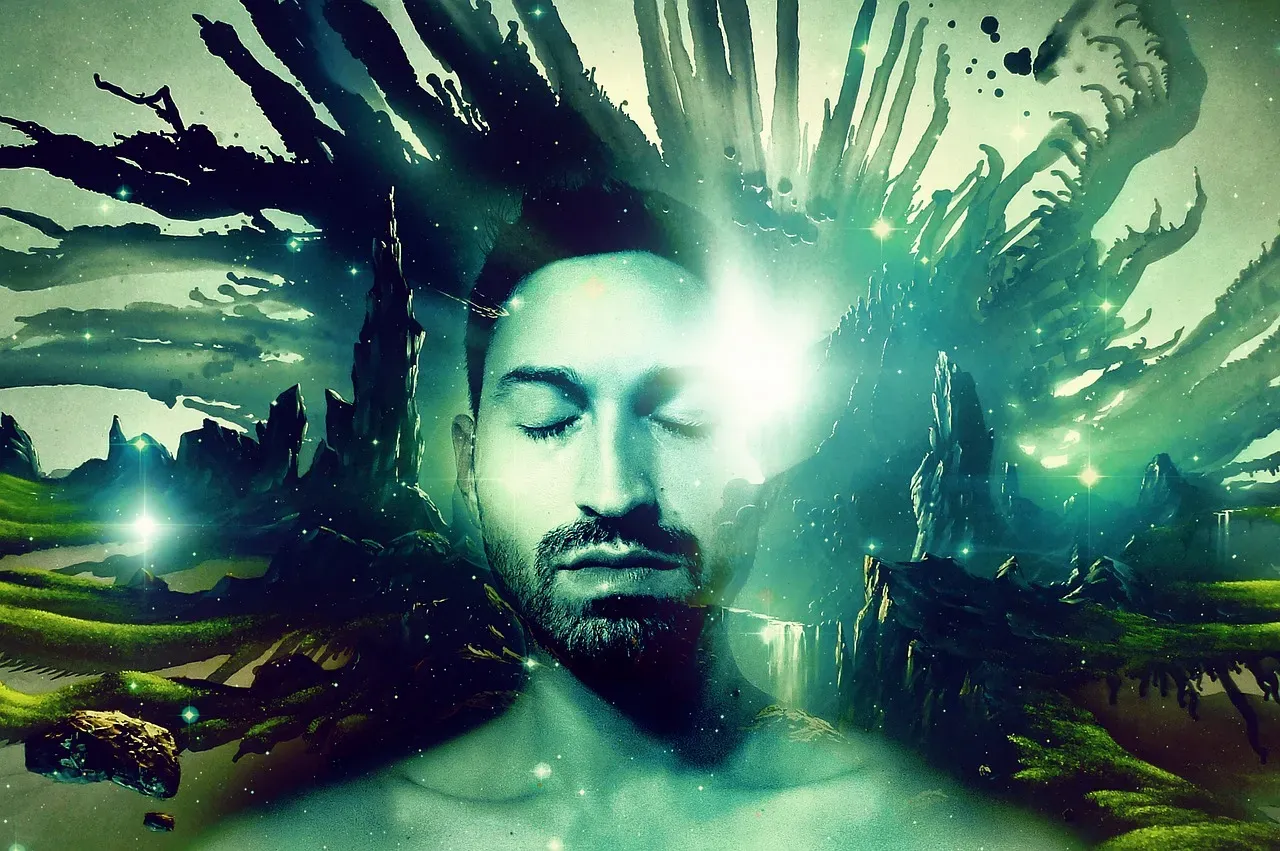
Scientists haven’t settled on a single explanation for why we dream. Honestly, that’s part of what makes this field so fascinating. There are several compelling frameworks that have emerged over time, each capturing a different piece of the puzzle.
Sigmund Freud, one of the most famous proponents of the psychodynamic theory, suggested that dreams are a manifestation of our unconscious desires and thoughts, arguing that dreams allow us to fulfill repressed wishes and explore our deepest, often hidden emotions and conflicts. Meanwhile, the Activation-Synthesis Model, proposed by J. Allan Hobson and Robert McCarley, suggests that dreams result from the brain’s attempt to make sense of random neural activity that occurs during sleep, and the brain synthesizes this activity into a coherent narrative. More recently, the Threat Simulation Theory, developed by Antti Revonsuo, argues that dreaming evolved as a mechanism to simulate threatening events, and by rehearsing these scenarios in a safe environment, our ancestors may have improved their chances of survival by better preparing for real-life threats.
Dreams Don’t Only Happen During REM Sleep

You were probably taught that REM sleep is the home of dreaming. That’s not wrong, but it’s also not the whole picture. Recent large-scale research has overturned this assumption in a striking way. An international consortium of researchers created the largest-ever database compiling records of brain activity during sleep and dream reports, and one of the first analyses of the database confirmed that dreams do not occur only during REM sleep, but also during deeper and calmer NREM stages, where brain activity resembles wakefulness more than deep sleep, as if the brain were “partially awake.”
Throughout the night, during any sleep stage, subjective conscious experiences that we call dreams can repeatedly occur. This single finding reshapes how researchers think about the entire architecture of sleep. It’s a bit like discovering that a building you thought only had one floor actually has hidden rooms on every level.
How Dreams Shape Your Memory and Learning

If you’ve ever “slept on” a tough problem and woken up with a solution, you already know this intuitively. But now science backs it up in remarkable ways. Research indicates that dreaming plays a crucial role in memory consolidation, helping to organize and integrate new information with existing memories, and this process may be essential for learning and retaining information.
Nappers who reported dreaming about a maze were ten times better at navigating it than those who napped and didn’t dream about it. Ten times. That’s not a small edge. That’s a stunning difference. Different stages of sleep serve different functions in memory processing: light stage 2 NREM sleep improves motor tasks like typing, REM sleep helps process large amounts of data, and deep slow-wave sleep is critical for memorizing things like irregular French verbs.
Dreams as an Emotional Processing Workshop

Ever noticed that you can feel genuinely devastated in a dream, or overwhelmed with joy, or terrified in a way that lingers after waking? That’s not a glitch. That’s function. Dreams might help us process and regulate emotions, and by reliving and working through emotional experiences in dreams, we can achieve emotional balance and resilience in our waking lives.
Dreaming has the potential to help people de-escalate emotional reactivity, probably because the emotional content of dreams is paired with a decrease in brain noradrenaline. In practical terms, this means the sleeping brain acts as a kind of emotional detox system. Neuroscience suggests that REM sleep provides a neurochemical landscape favorable for emotional processing, as noradrenergic tone is reduced, which may allow people to revisit emotionally charged content with less physiological arousal.
Dreaming, Creativity, and Problem-Solving

I think this is where things get genuinely thrilling. The idea that sleep can make you more creative isn’t folklore. Researchers have now found a way to engineer this effect deliberately. A study from neuroscientists at Northwestern University shows that it is possible to influence what people dream about, and the findings support the idea that REM sleep, when vivid and sometimes lucid dreams occur, may be especially helpful for creative problem solving.
Participants in this study were more likely to solve the reactivated puzzles after waking, improving their success rate from twenty percent to forty percent. That’s a doubling. Researchers demonstrated that applying targeted memory reactivation in REM sleep can bias dream content toward unsolved puzzles, and when puzzles were incorporated into dreams, they were more likely to be solved the next morning. The “sleep on it” advice turns out to be one of the most scientifically grounded pieces of folk wisdom ever given.
Lucid Dreaming: When You Take the Wheel

Imagine being inside a dream and suddenly realizing it’s a dream. Not waking up. Just knowing. That’s lucid dreaming, and science is paying close attention to it. Lucid dreaming, a state in which individuals become aware that they are dreaming and can sometimes control the dream’s content, offers a unique window into the science of dreams, and research into lucid dreaming has revealed fascinating insights into brain activity and consciousness during REM sleep.
Evidence from 38 studies suggests lucid dreaming may help reduce nightmares and symptoms of PTSD by allowing individuals to alter dream content. The therapeutic implications here are enormous. Lucidity may enhance one of the main functions of REM sleep: to refresh connections between the prefrontal cortex, where the brain controls thoughts and decisions, and the amygdala, where it generates emotions. Think of lucid dreaming as upgrading your brain’s nightly maintenance routine.
Nightmares, Trauma, and the Dark Side of Dreams

Not all dreams are adventures or puzzles. Some are prisons. For people dealing with trauma, the dream world can become one of the most distressing spaces in their lives. About eighty percent of post-traumatic stress disorder patients suffer from nightmares or dysphoric dreams that cause major distress and impact nighttime or daytime functioning.
Yet even here, science offers hope. After just one week of lucid dreaming training, PTSD patients had reduced their PTSD symptoms and recalled fewer nightmares. There are also structured behavioral therapies making a difference. Image Rehearsal Therapy works by modifying the script of a recurring nightmare into a new scenario with a different ending, and this new script is rehearsed daily while awake with the aim of extinguishing the frightening nightmare arousing stimuli while establishing alternative non-frightening appraisals. It’s a remarkable idea: rewriting the story while you’re awake so the dream eventually follows your lead.
Conclusion: Your Dreaming Mind Is Worth Paying Attention To

We spend roughly one third of our lives asleep, and a meaningful portion of that time is spent in worlds we never chose to enter. For a long time, science dismissed these inner worlds as noise or irrelevant byproducts. That view is gone. Innovations in dream science are enabling researchers to systematically observe, engineer, and analyze dreams, heralding a new era in the field.
Research highlights the intricate interplay between brain regions in dreaming and suggests that dreams serve multiple functions, from reflecting waking-life experiences to simulating adaptive responses to threats, and understanding the neural bases and functions of dreaming can provide valuable insights into human mental health. Your dreams are not random. They are not meaningless. They are, in the most profound sense, part of how you think, feel, heal, and grow.
The next time you wake from a dream you can barely hold onto, maybe don’t rush to let it go. What do you think your dreams have been trying to tell you all along?
Hi, I’m Andrew, and I come from India. Experienced content specialist with a passion for writing. My forte includes health and wellness, Travel, Animals, and Nature. A nature nomad, I am obsessed with mountains and love high-altitude trekking. I have been on several Himalayan treks in India including the Everest Base Camp in Nepal, a profound experience.