You probably think you know animal communication. A dog barks. A cat hisses. A crow caws. Simple, right? Well, honestly, that picture barely scratches the surface of what is happening in the wild. Animals have been developing intricate, sophisticated, and sometimes jaw-dropping systems of communication for hundreds of millions of years, long before humans ever thought to invent language.
Think about it this way: nature never wastes a good trick. Every flicker of light in the deep ocean, every invisible chemical trail through the forest, every seismic tremor through the earth, is a message being sent by one creature to another. The animal kingdom runs on information, and the channels they use to transmit it are stranger, richer, and more inventive than most of us ever imagine. Let’s dive in.
The Waggle Dance: Bees Have Their Own GPS System
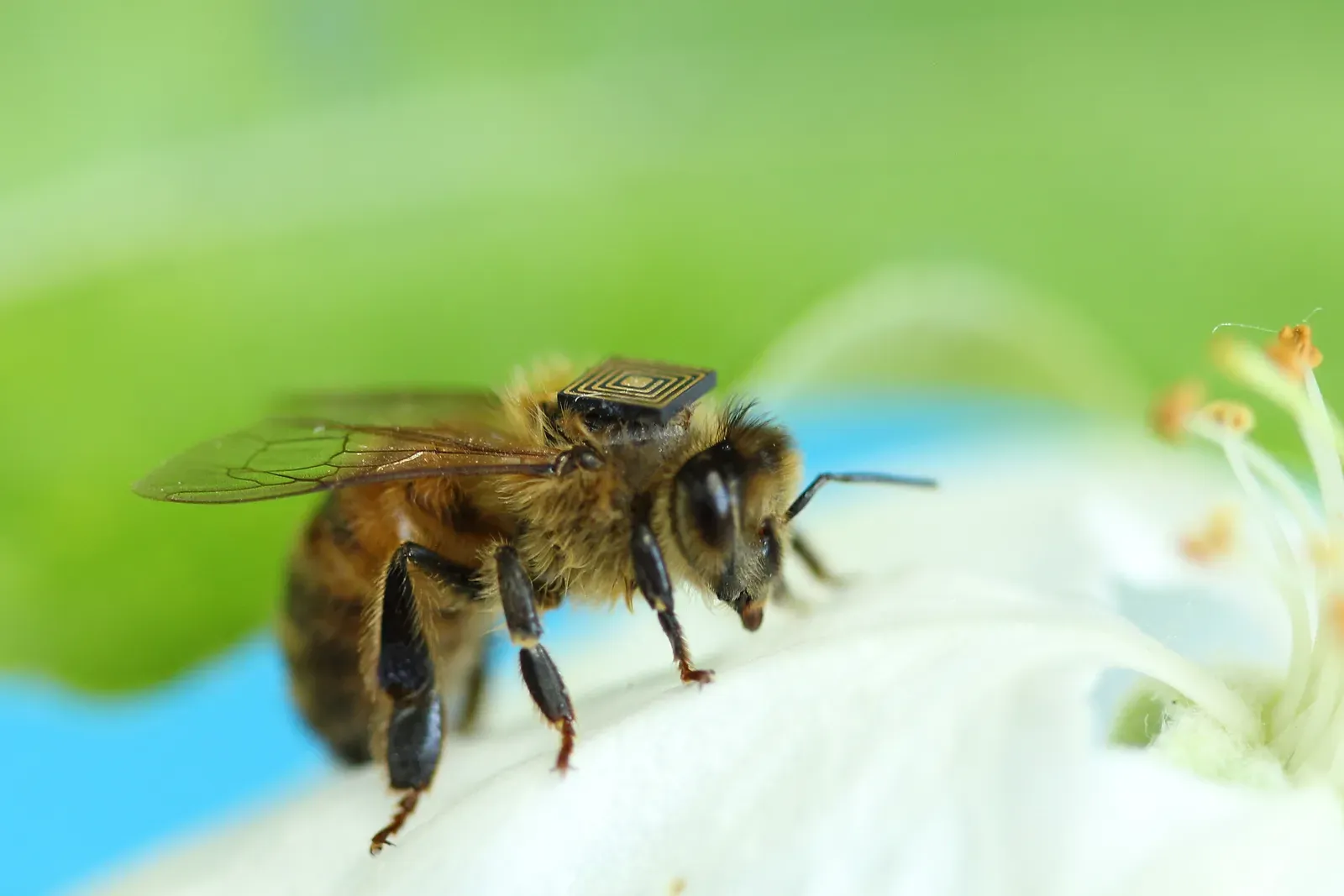
Here is a fact that might stop you in your tracks: honeybees can communicate the precise location of a food source to their hivemates without making a single sound. You see, honeybees perform what is known as the “waggle dance” to tell other bees where to find nectar or pollen, with the direction of the dance indicating the angle of the food source relative to the sun and the duration telling how far away it is, acting like GPS instructions inside a dark beehive.
Other bees watch and interpret this silent dance to find food over kilometers of distance, all without any vocalization whatsoever. Think of it like a tiny, wings-and-all version of Google Maps being broadcast on a dance floor. The precision here is remarkable. No words, no sounds, just movement, direction, and timing, all working together like a perfectly engineered signal system millions of years in the making.
Pheromone Trails: The Invisible Internet of the Insect World
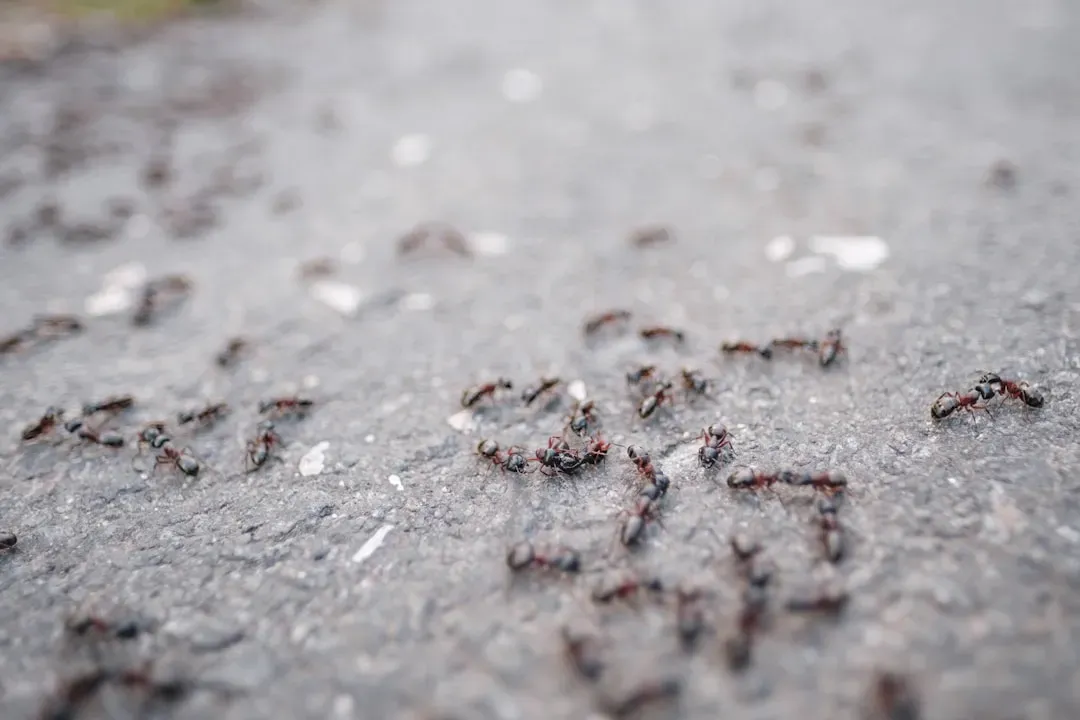
If you have ever watched a line of ants marching in perfect formation toward a crumb on your kitchen floor, you have witnessed chemical communication in action. Ants lay down pheromone trails to guide nestmates to food sources, creating invisible chemical highways that can be followed with remarkable precision. It is one of the most efficient information networks on the planet, and it runs entirely on chemistry.
Ants are prolific users of chemical communication, with their small bodies containing up to a dozen separate glands, each producing a different chemical compound or mixture of compounds that serves a different social function, including marking foraging trails, recruiting group members for defense against invaders, attracting mates, and distinguishing colony members from nonmembers. The system is so finely tuned that a single colony can coordinate thousands of individuals simultaneously. No central command, no verbal instructions, just chemistry doing all the talking.
Infrasound: Elephants Are Talking Miles Away Right Now
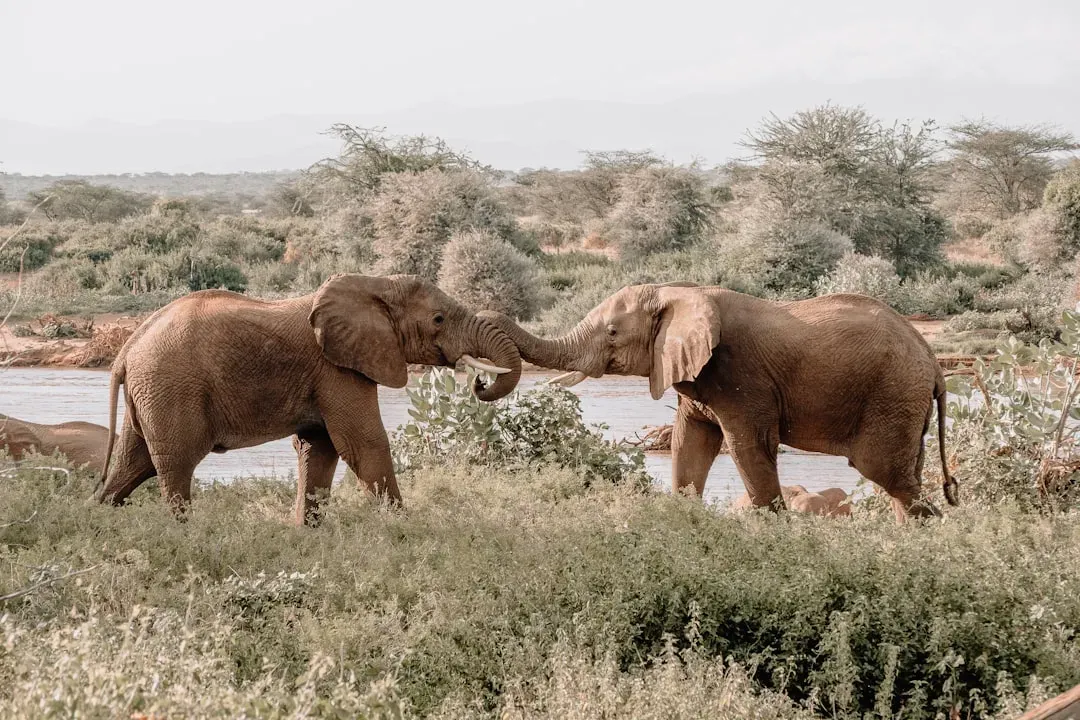
Let’s be real, the idea that two elephants can have a conversation across nearly two hundred miles is astonishing. African elephants make sounds so low they do not strike the human ear as sounds, or anything more than a rumbling vibration. Known as infrasound, these are sounds below 20 hertz, too low for humans to detect, and one African elephant making such a sound can reportedly be heard by another more than 175 miles away.
Elephants are remarkable long-distance communicators, achieving this by creating vibrations through their feet that travel through the ground, with these low-frequency vibrations capable of reaching other elephants miles apart, thanks to sensitive nerve endings at the bottom of their feet that allow them to detect small changes in pressure and movement. This non-verbal method is especially useful in dense forests or grassy savannas where animals span large plains of land. If you think your phone’s signal is impressive, nature invented long-distance communication long before any telecom company did.
Bioluminescence: When You Glow, You Are Talking
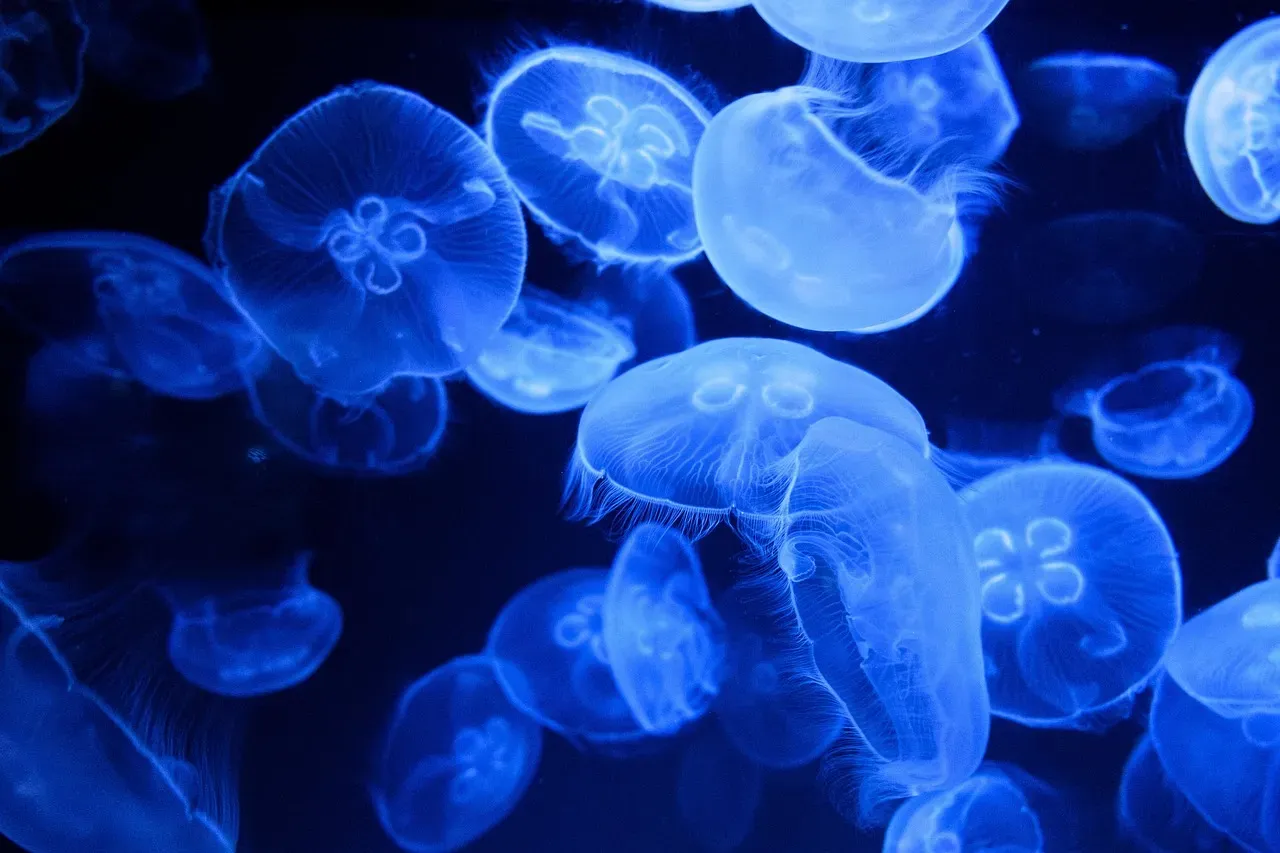
In the deep ocean where sunlight never reaches, darkness is the default setting. In the perpetual darkness of the deep ocean, deep-sea creatures have evolved one of nature’s most spectacular forms of communication: bioluminescence, a remarkable ability to produce and emit light that serves multiple purposes, from attracting mates to warning predators and luring prey. It is nature’s version of neon signage, built entirely from chemistry.
Bioluminescence is most prevalent in marine ecosystems, with an estimated three quarters of deep-sea creatures exhibiting some form of light production. Light signals are used to attract mates, coordinate group activities, establish territories, and convey species-specific information, with fireflies being a classic example, as males emit unique flashing patterns to attract receptive females. Different species have evolved varying colors of bioluminescence, from blue and green to rarely seen reds, each serving specific purposes in their communication strategy. It is, without question, one of the most breathtaking communication systems in the entire natural world.
Color-Changing Skin: The Cuttlefish’s Double Life
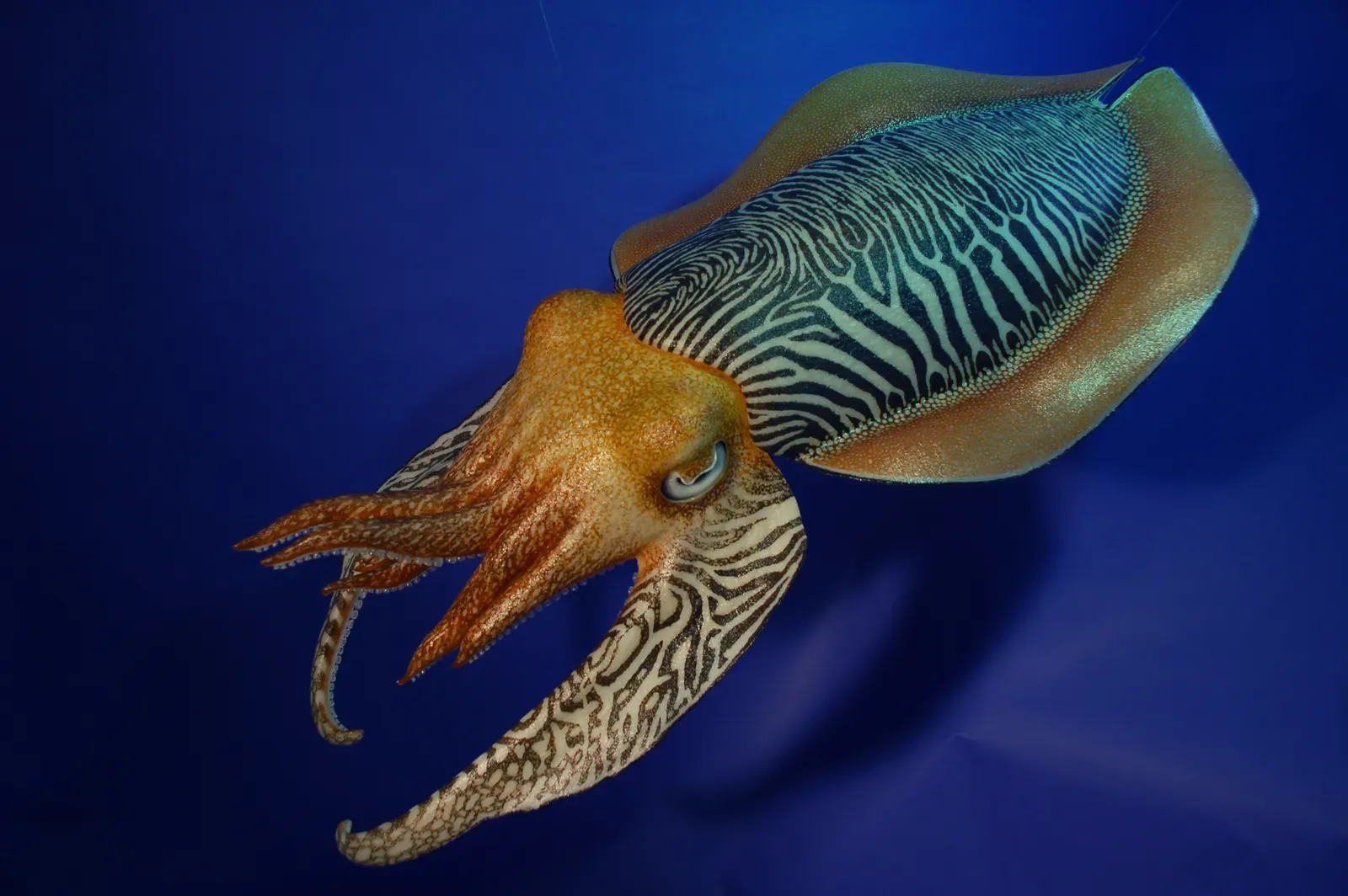
If you thought chameleons were impressive, wait until you hear about cuttlefish. Some cephalopods, such as the octopus and the cuttlefish, have specialized skin cells called chromatophores that can change the apparent color, opacity, and reflectiveness of their skin, with rapid changes being used while hunting and in courtship rituals. The speed and control of these changes is genuinely mind-blowing, like watching a living television screen.
Here is the part that sounds almost too strange to be true. Cuttlefish may display two entirely different signals simultaneously from opposite sides of their body, and when a male cuttlefish courts a female in the presence of other males, he displays a male pattern facing the female and a female pattern facing away, to deceive other males. So essentially, a cuttlefish can lie to two different audiences at the same time. I think that qualifies as one of the most socially clever tricks in the animal kingdom.
Polarized Light: The Secret Language of the Mantis Shrimp
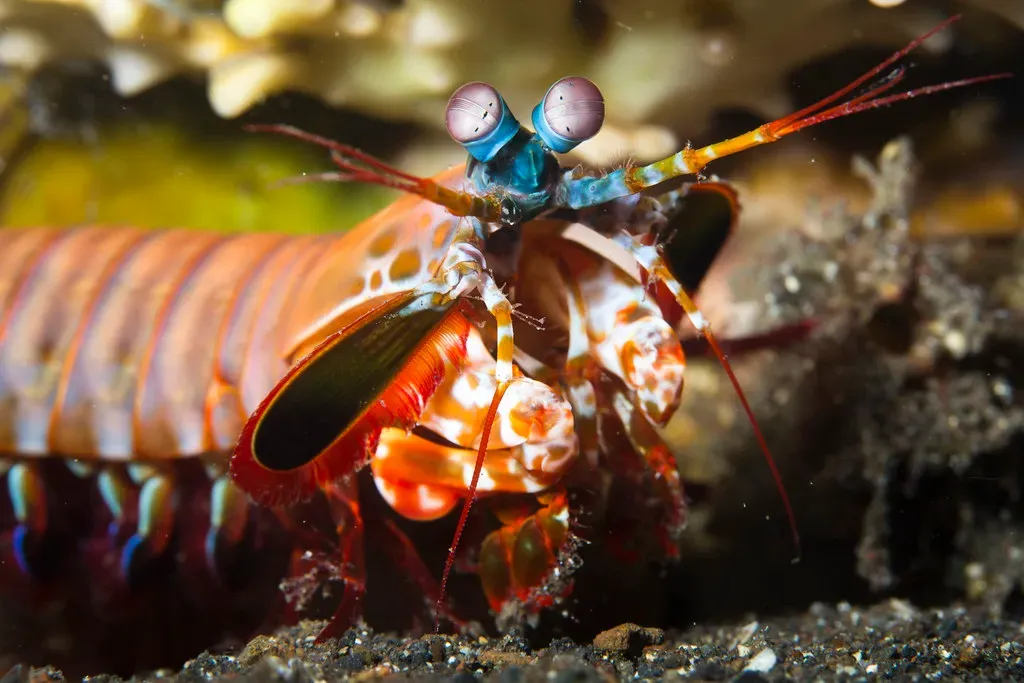
You may have heard that the mantis shrimp has extraordinary vision, but the real story is how it uses that vision to communicate. Mantis shrimp use their bodies to communicate using polarized light that other animals cannot see, with this light bouncing off spots on their appendages called maxillipeds, scattered and arranged in ways that can convey information only to other mantis shrimp. It is essentially a private communication channel that the rest of the animal kingdom cannot eavesdrop on.
This creature has some of the most impressively complex eyesight in the animal kingdom, with 16 color receptors compared to our measly three. For context, humans experience color through three types of photoreceptors and we consider ourselves pretty capable of seeing the world. The mantis shrimp is operating on an entirely different sensory plane, sending and receiving messages in a visual language so advanced it makes human perception look almost primitive by comparison.
Electrocommunication: Electric Fish Use Invisible Force Fields
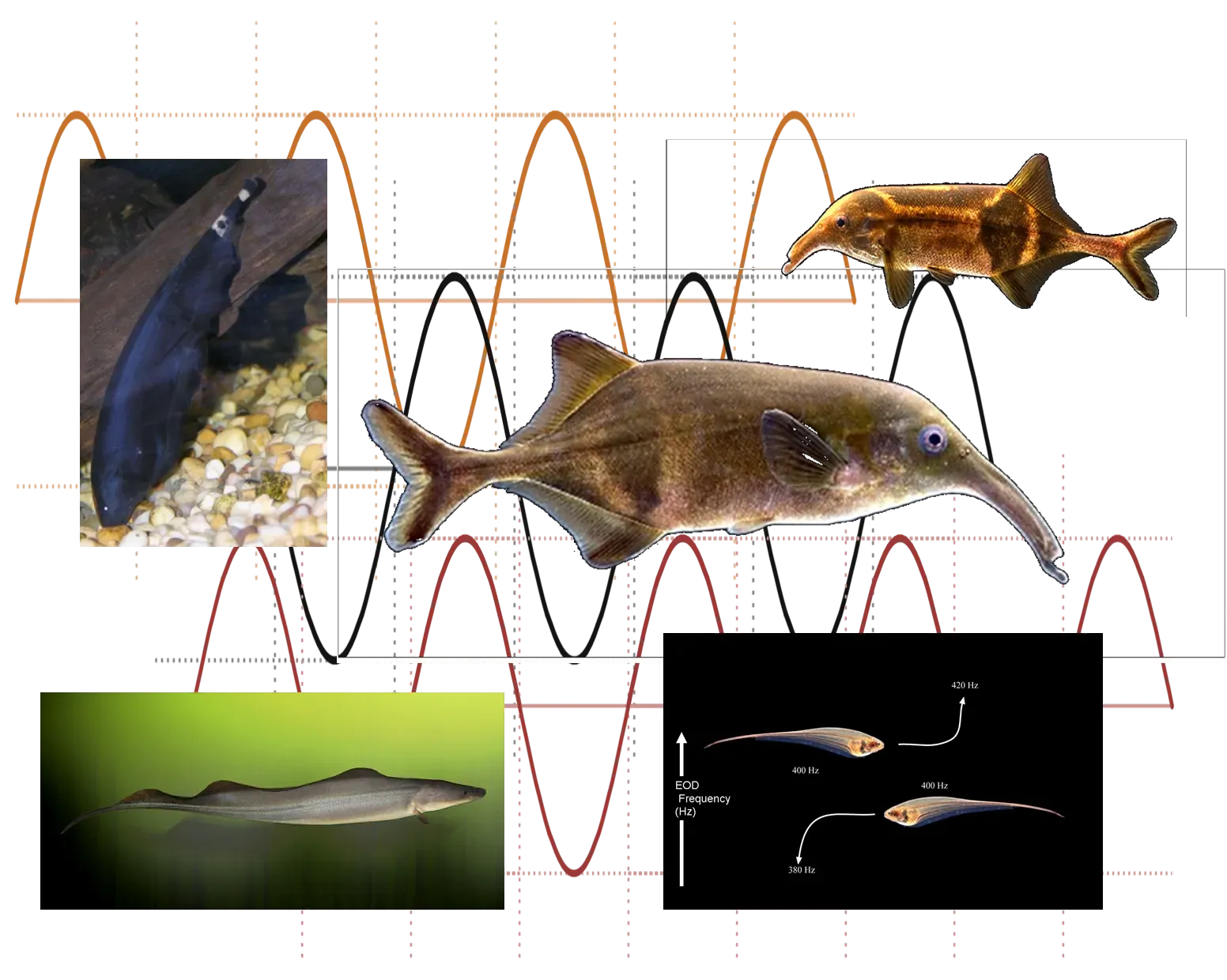
This one genuinely sounds like science fiction. Electrocommunication is a rare form of communication seen primarily in aquatic animals, with weakly electric fishes providing a prime example, as these fish use an electric organ to generate an electric field that is detected by electroreceptors, with differences in the waveform and frequency of changes in the field conveying information on species, sex, and identity.
Species such as electric fish produce weak electric fields used for navigation and communication, with the electric signals varying in frequency and pattern to convey identity, sex, and reproductive status, helping them avoid competitors or find mates in murky waters where vision is limited. These electric signals can even be generated in response to hormones, circadian rhythms, and interactions with other fish. It is communication built from something you literally cannot see, touch, or hear. Nature, as always, found a way.
Scent Marking and Dung Piles: The Rhino’s Bulletin Board
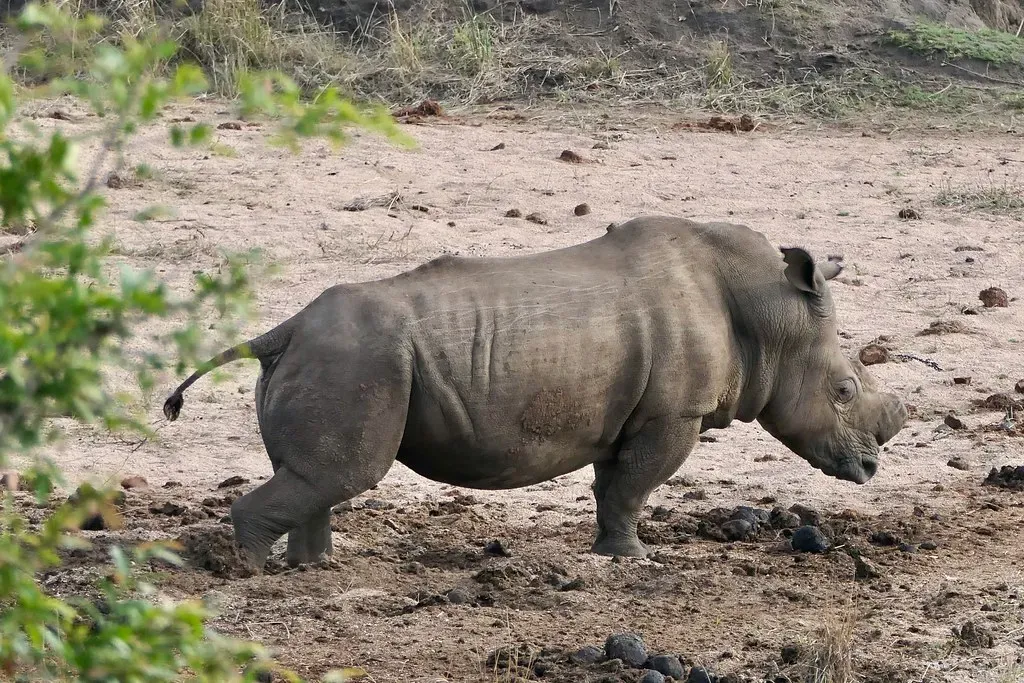
Not every form of communication is beautiful or elegant. Sometimes, nature gets a little messy. Rhinos use a fascinating form of communication mediated through their poop, creating piles of dung called middens in specific locations, with these middens containing a mixture of pheromones and other chemical compounds associated with a rhino’s identity, health, reproductive condition, and even social status.
When a rhino encounters a midden left by another rhino, it will sniff the dung heap to gather information about the animal that left it, including its age, sex, and whether it is ready to mate, with this scent-marking behavior helping rhinos keep track of neighboring communities without the need for direct confrontation and serving as a key part of rhino territory management. This method of communication is a subtle but highly effective way for rhinos to denote their spaces without having to engage in aggressive encounters. Think of it as the original community noticeboard, just with a rather unpleasant aroma.
Gesture and Body Language: Primates Are Almost Speaking Your Language
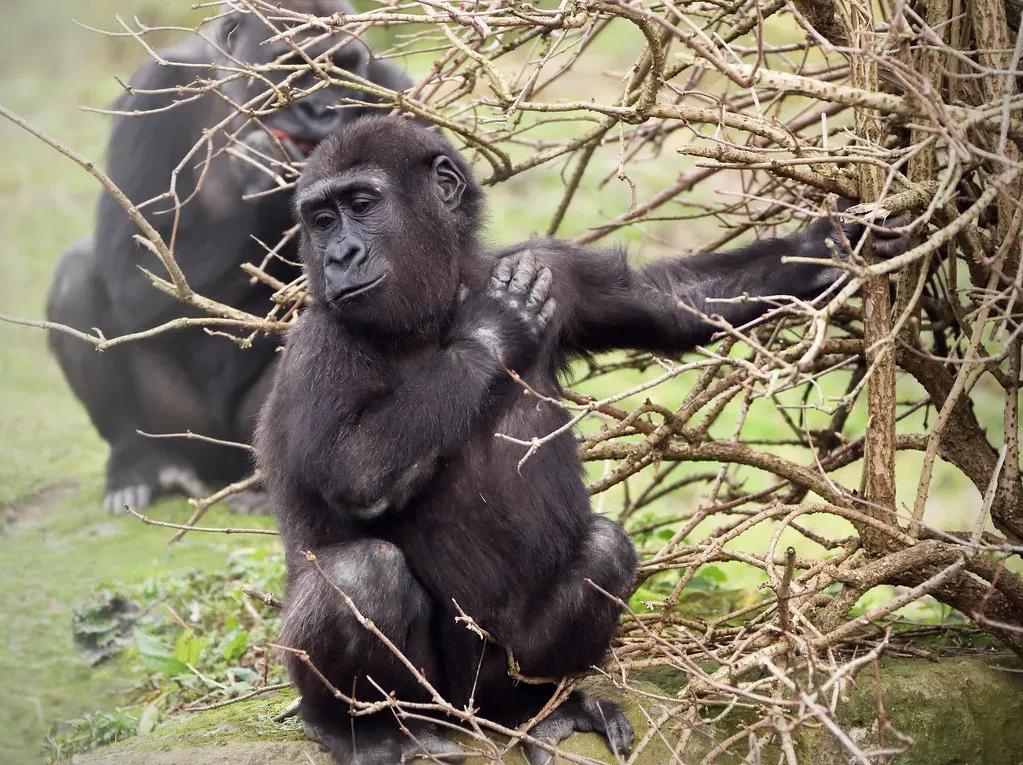
Of all animal communication systems, primate gestures are perhaps the most recognizable to humans, and for good reason. Some animals, particularly our closest primate relatives, use sophisticated gestural communication systems that resemble human sign language, with gorillas, chimpanzees, and bonobos naturally using dozens of distinct hand gestures in the wild, each with specific meanings. The overlap with how we communicate is striking.
When taught by humans, great apes have demonstrated remarkable abilities to master modified sign language, with some individuals like Koko the gorilla reportedly learning over 1,000 signs and understanding thousands of spoken English words. These gesture-based communications often show intentionality, with apes repeating or modifying gestures if their initial communication is not understood, demonstrating an awareness of their communication partner’s comprehension. Honestly, the line between animal and human communication starts to feel remarkably thin when you spend time with that information.
Conclusion: The World Is Full of Conversations You Cannot Hear
We share this planet with creatures that flash coded light from their bodies, generate electric fields to announce their identity, tap the ground to send seismic messages hundreds of miles, and spray invisible chemicals that carry entire social biographies. Animal communication is a rapidly growing area of study in disciplines including animal behavior, sociology, neurology, and animal cognition, with many aspects of animal behavior, such as symbolic name use, emotional expression, and sexual behavior, being understood in new ways.
The more you understand how animals communicate, the harder it becomes to think of them as simple or silent. They are not mute. They are speaking constantly, in languages we are only just beginning to decipher. Animals communicate in ways we are only beginning to understand, through vibration, color, scent, posture, and even silence, reminding us that not all messages are spoken. The next time you watch a bee dance, spot a firefly flash, or feel the ground rumble near a herd of elephants, you are not witnessing random behavior. You are witnessing a conversation.
So here is a question worth sitting with: if animals have this much to say without a single word, what else have we been missing while we were busy talking?