
Space has a way of humbling even the most brilliant minds on Earth. You’d think that with the James Webb Space Telescope, gravitational wave detectors, and a global army of astronomers staring into the sky around the clock, we’d have the universe mostly figured out by now. Spoiler alert: we don’t. Not even close.
In fact, the more powerful our instruments become, the more the cosmos seems to shrug and say, “You thought you knew me?” Some of the most breathtaking puzzles in all of science are still sitting right there, unsolved, in the open darkness above your head. Let’s dive in.
Dark Matter: The Invisible Glue Holding the Universe Together
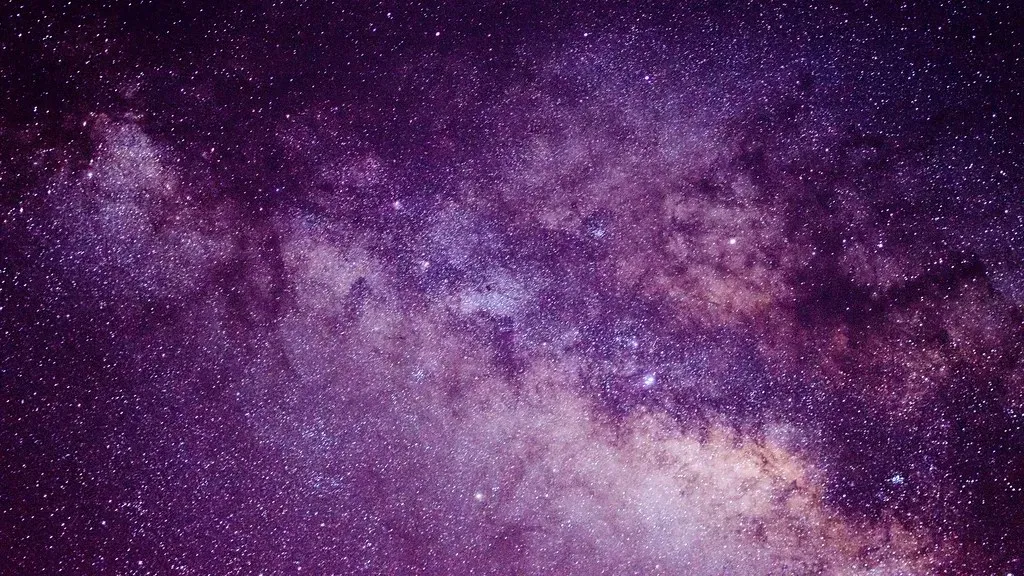
Here’s a jaw-dropper to kick things off. Roughly 95% of the cosmos is made up of dark matter and dark energy, leaving just 5% as the familiar matter you can see around you. That means stars, planets, people, everything you have ever touched or seen, amounts to a tiny slice of what is actually out there. Honestly, that never stops being a strange thing to sit with.
Dark matter is invisible, making up a large chunk of the universe at about 27%, yet it does not absorb, reflect, or emit light, making it extremely hard to spot. Astronomers know it exists because of its gravitational effects. By studying many different galaxies, scientists discovered that stars in galaxies move faster around their galaxy centres than what the matter you can see could account for. On its own, normal matter would not be able to create enough gravity to hold these galaxies together. It’s no small difference: a typical galaxy’s missing mass is ten times larger than the mass of its visible stars! Scientists have theories, from exotic particles called WIMPs to sterile neutrinos, but no detector has confirmed any of them yet.
Dark Energy: The Force That Is Tearing the Cosmos Apart
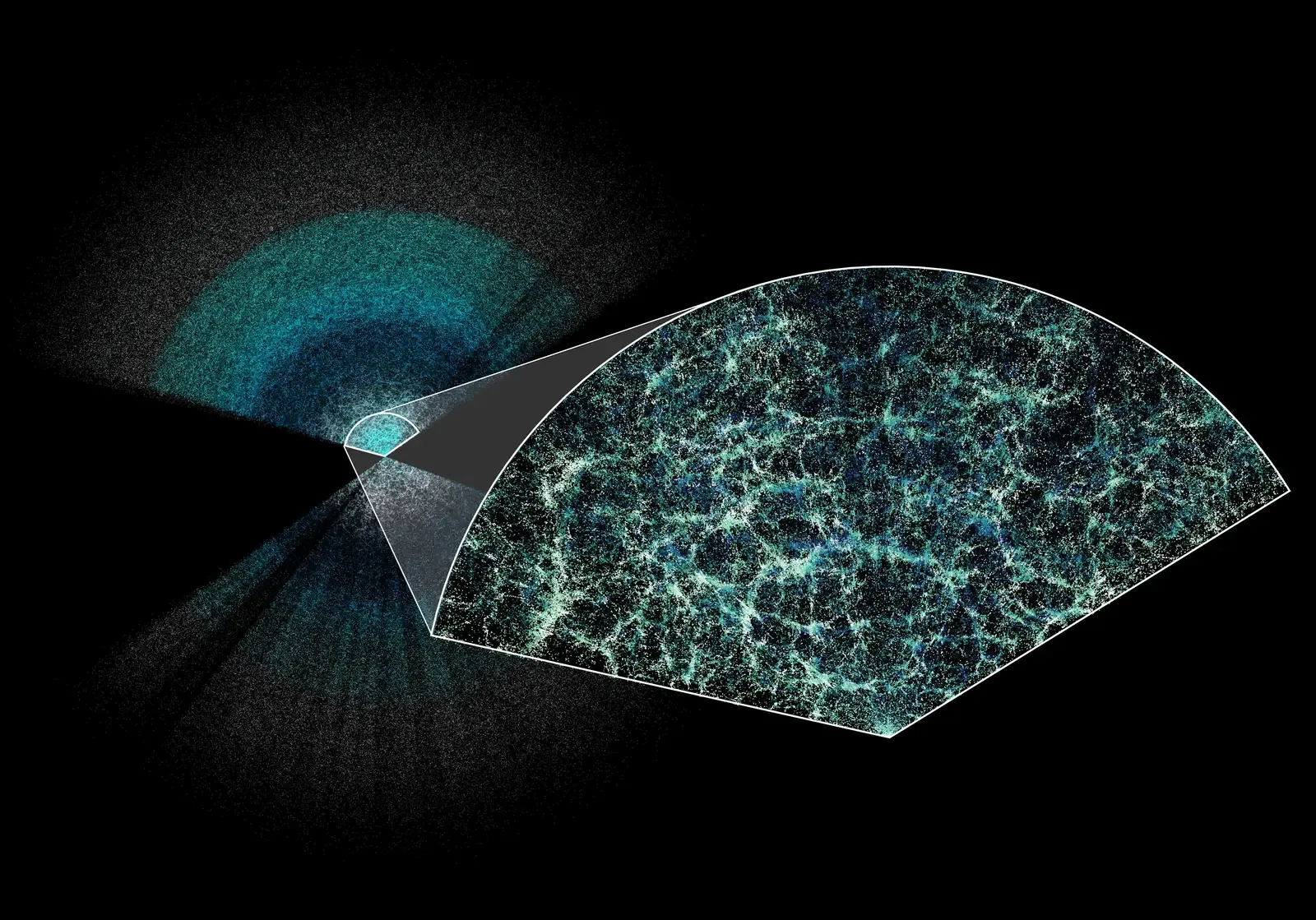
Dark energy is an even more mysterious component of the universe than dark matter. It is a hypothetical form of energy that permeates all of space and exerts a negative pressure, causing the expansion of the universe to accelerate. Unlike dark matter, which clusters gravitationally, dark energy appears to be uniformly distributed throughout space. Think of it like a pressure valve inside a balloon that just keeps pushing outward, with no clear source.
This was completely unexpected because nothing in known physics could produce this effect. The universe has continuously expanded since the Big Bang, but it was assumed that this expansion rate would slow down over time because it is resisted by the gravity of all matter in the universe. In keeping with the naming of the mysterious dark matter, astronomers began referring to whatever was causing the acceleration as ‘dark energy’. What makes this particularly unsettling is that new data from major dark-energy observatories suggest the universe may not expand forever after all, hinting that dark energy itself might be changing over time, raising the alarming possibility of a very different cosmic fate than scientists previously imagined.
Fast Radio Bursts: Millisecond Flashes From Across the Universe
Imagine receiving a radio signal so powerful it releases more energy in less than a blink than our sun produces in an entire day, and then it’s gone. That’s exactly what fast radio bursts are. Mysterious fast radio bursts, or millisecond-long bright flashes of radio waves from space, have intrigued astronomers since the first detection of the phenomenon in 2007. The enigmatic signals release as much energy in less than the blink of an eye as the sun emits in one day. Researchers are still trying to unravel what the celestial pulses are, as well as how and where they occur.
What makes this mystery even deeper is that every new detection seems to raise more questions than it answers. Astronomers have traced the origin of a fast radio burst to the edge of an ancient galaxy, suggesting that these mysterious, millisecond-long flashes of energy are even weirder than previously thought. In early 2025, the brightest fast radio burst ever recorded was detected. On March 16, 2025, CHIME detected an ultrabright flash of radio emissions that automatically triggered its Outrigger telescopes. Initially, the flash was so bright that astronomers were unsure whether it was an FRB or simply a terrestrial event. That notion was put to rest as the Outrigger telescopes focused in and pinned down its location to NGC 4141, a spiral galaxy in the constellation Ursa Major about 130 million light-years away. And still, no one can say with complete certainty what produces them.
The Hubble Tension: When the Universe Disagrees With Itself
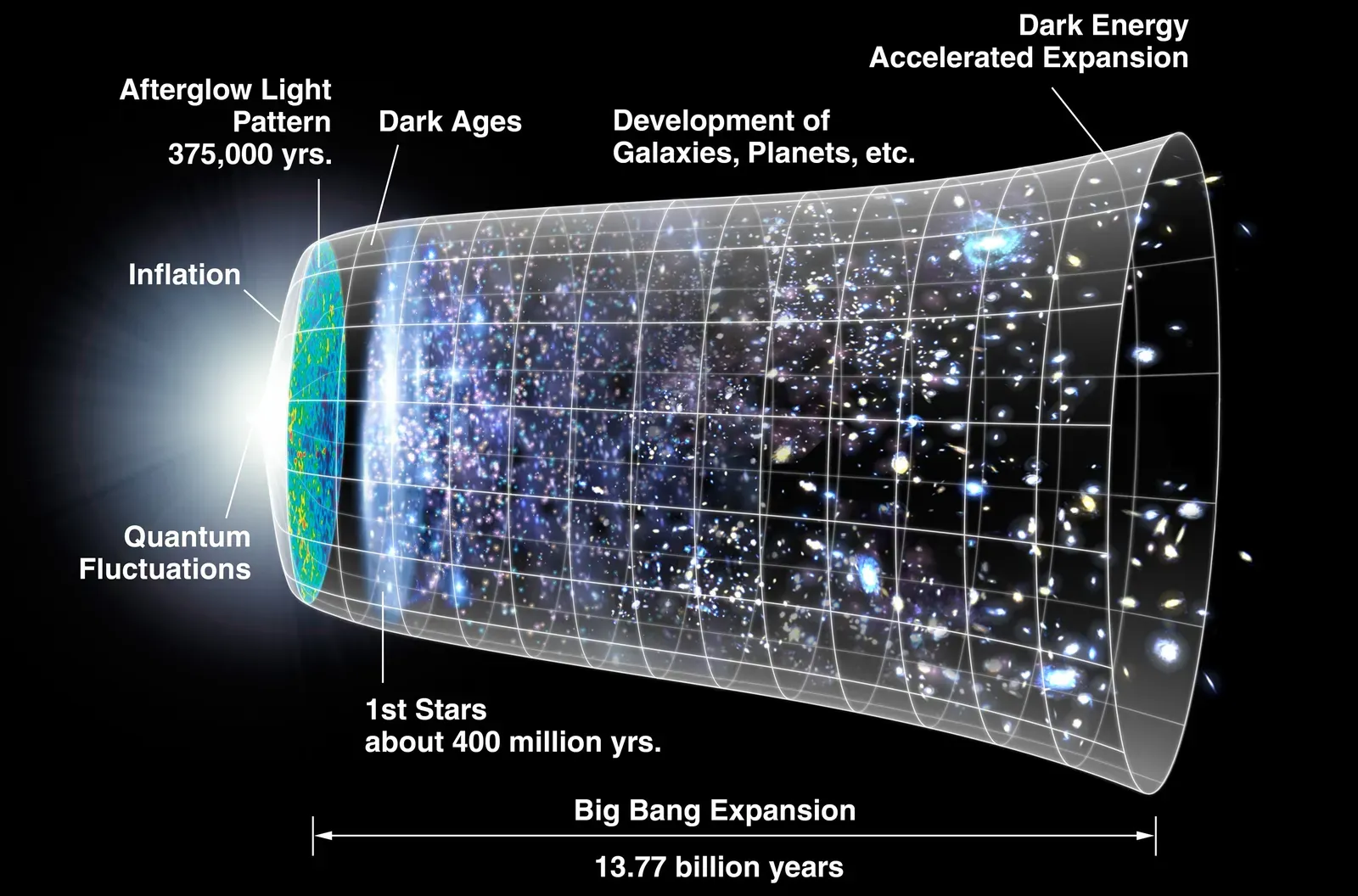
I think this one is perhaps the most philosophically disturbing mystery on this list. The puzzle, called the “Hubble Tension,” is that the current rate of the expansion of the universe is faster than what astronomers expect it to be, based on the universe’s initial conditions and our present understanding of the universe’s evolution. Two completely different, highly reliable methods of measuring how fast the universe is expanding keep giving different answers. It’s like two atomic clocks in the same room showing different times, and no one can figure out why.
The early universe probe favors an expansion rate of roughly 67 km/s/Mpc, while the late universe probe, which measures the local universe as it exists today, favors an expansion rate of 73 km/s/Mpc. Measurements based on the nearby universe differ from predictions drawn from the early universe, resulting in what is famously known as the Hubble tension. Even more striking, Hubble and NASA’s James Webb Space Telescope have tag-teamed to produce definitive measurements, furthering the case that something else, not measurement errors, is influencing the expansion rate. Confirming this tension would force scientists to rethink the very makeup of the cosmos, perhaps revealing new particles, or evidence for an “early dark energy” phase that briefly accelerated expansion after the Big Bang.
Ultra-High-Energy Cosmic Rays: Bullets From Nowhere
Every now and then, a subatomic particle slams into Earth’s atmosphere carrying an almost incomprehensible amount of energy. These are ultra-high-energy cosmic rays, and their origin has been baffling physicists for over six decades. Research in this area focuses on astroparticle physics, which explores how the smallest particles in the universe connect with its largest and most powerful phenomena. The sheer energy these particles carry is staggering. Think of it as a baseball thrown with the kinetic energy of a professional fastball, except that baseball is a single subatomic particle.
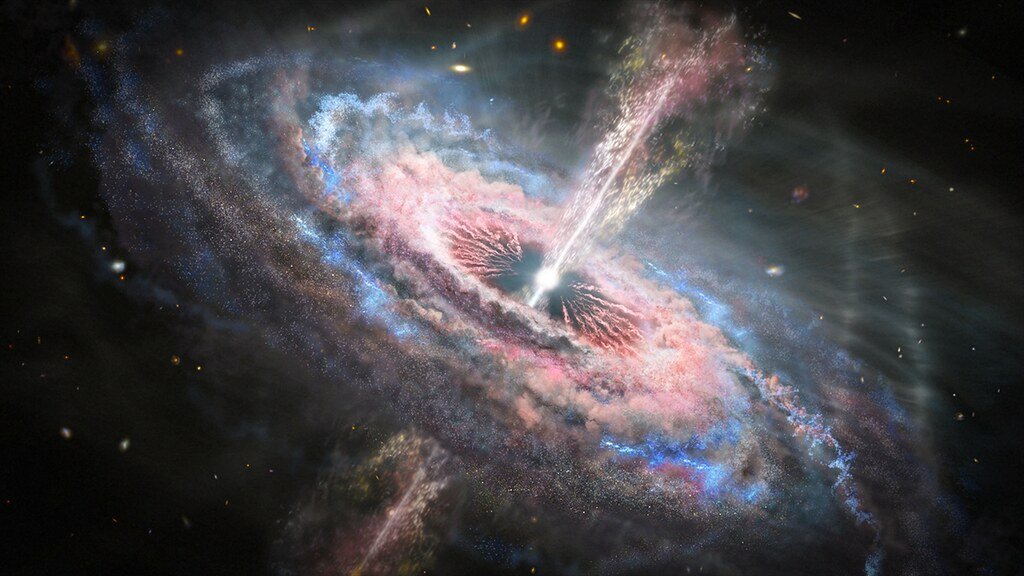
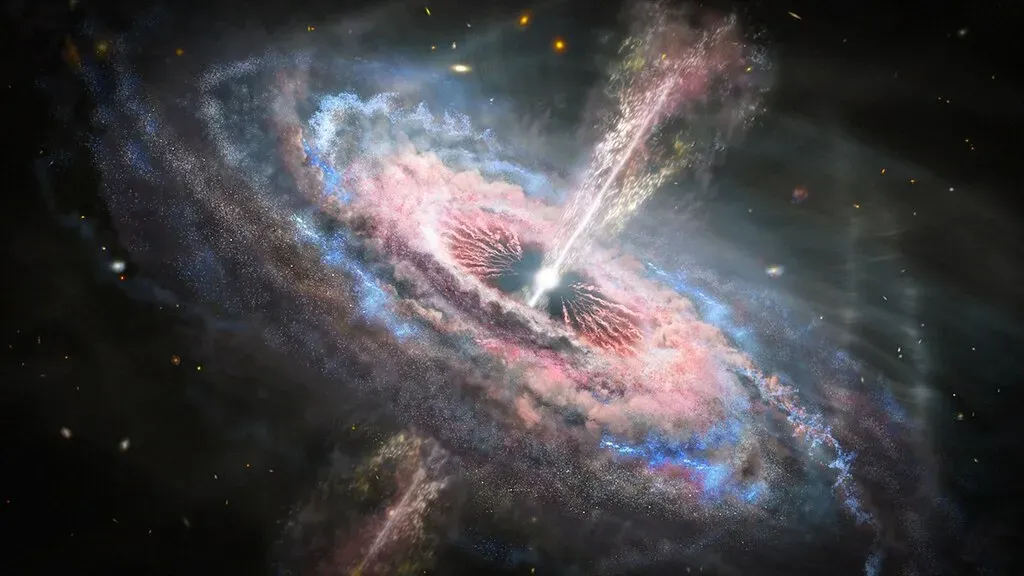
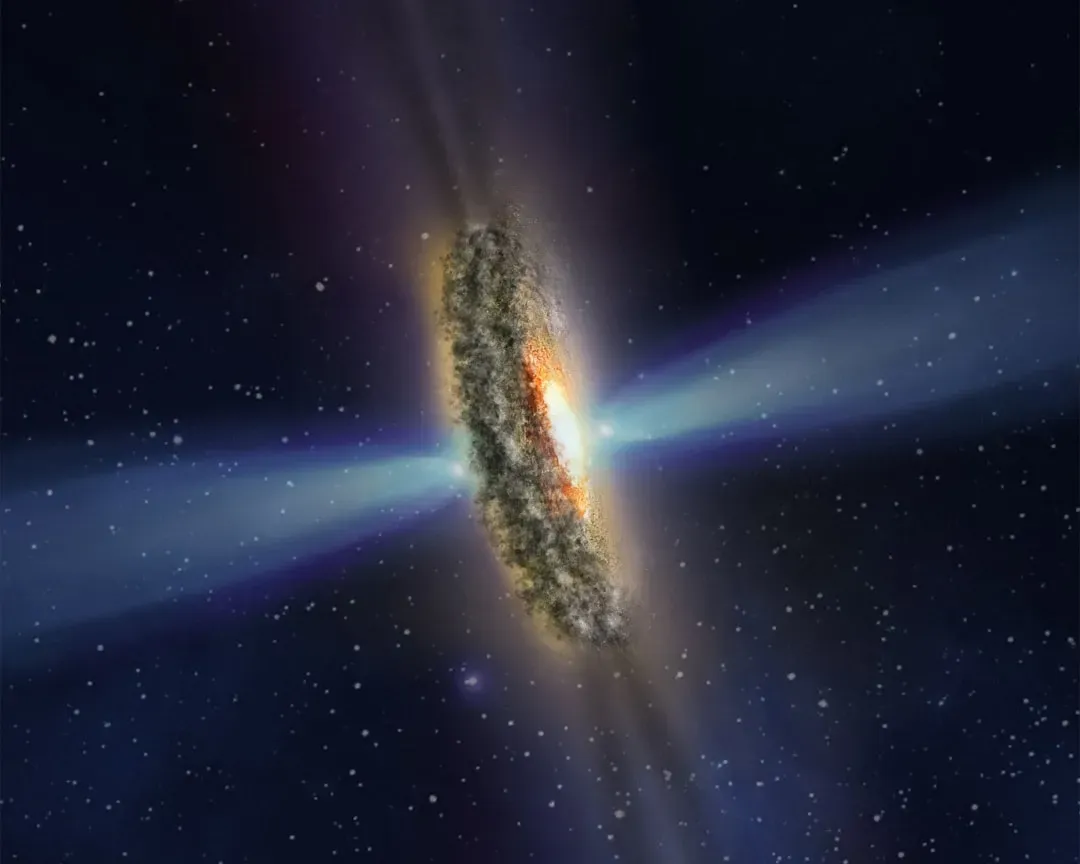
One leading suspicion is that supermassive black holes play a role. Other galaxies host much more active, supermassive black holes that swallow matter equivalent to several suns each year. A tiny portion of that material can be pushed away by the force of the black hole before it is pulled in. As a result, around half of these supermassive black holes create winds that move through the universe at up to half the speed of light. It’s hard to say for sure, but those violent outflows could be accelerating particles to the extreme energies observed. Meanwhile, another puzzling ultra-high-energy gamma-ray source, LHAASO J2108+5157, remains a cosmic puzzle, with new studies revealing no clear counterpart, leaving this ultra-high energy gamma-ray source shrouded in mystery. The universe, it seems, has its own hidden accelerators that we are only beginning to glimpse.
Impossibly Massive Early Galaxies: Too Old, Too Big, Too Soon
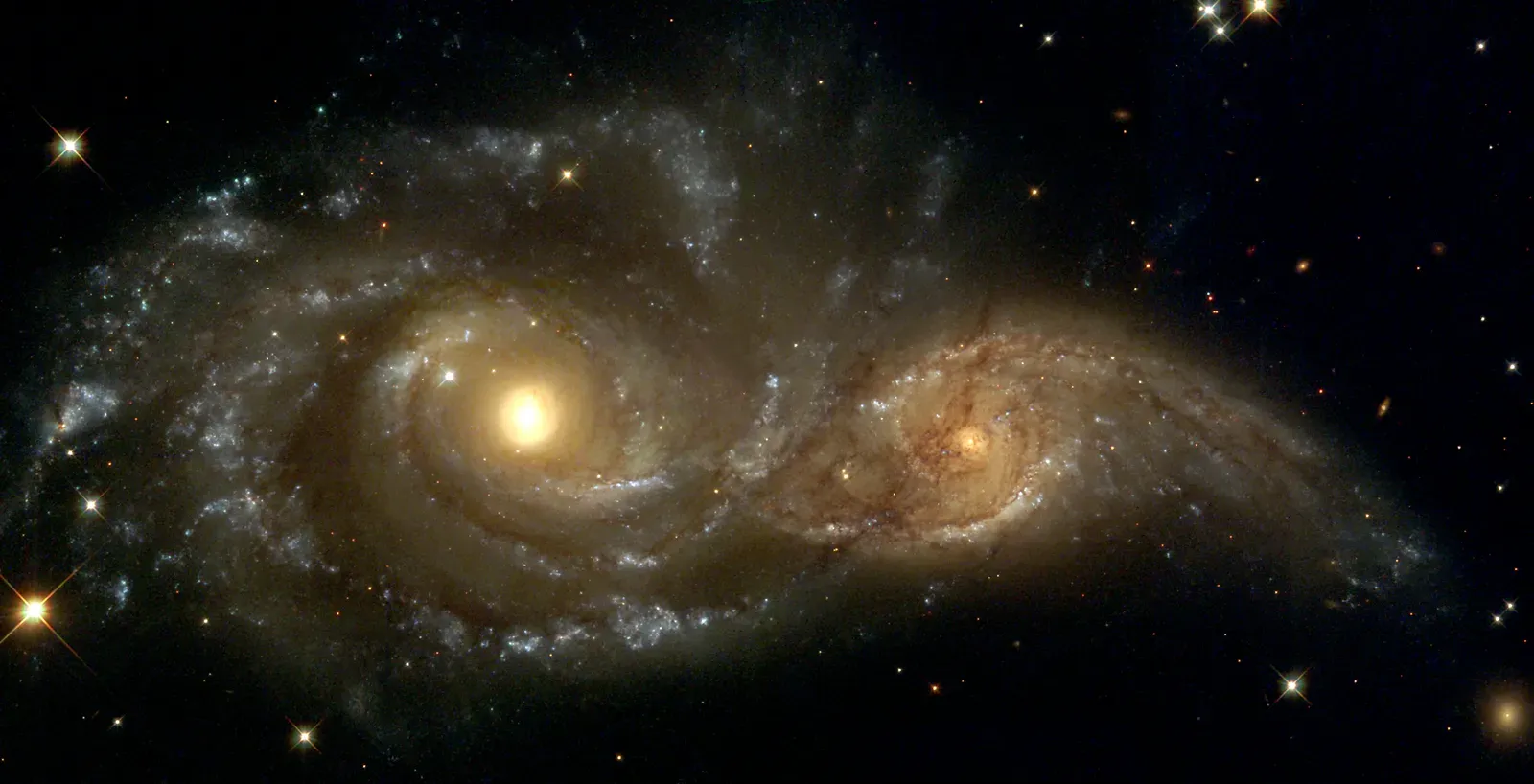
When the James Webb Space Telescope turned its gaze to the deep, early universe, it was supposed to see small, faint, immature galaxies struggling to form. What it found instead was something that left astronomers scratching their heads. The James Webb Space Telescope’s deep surveys uncovered approximately 300 unusually bright deep-space objects that defy current stellar formation models. These unusual galaxies exhibit brightness levels that shouldn’t be possible given their age and theoretical stellar populations. The challenge they present is straightforward yet profound: either stars formed far more rapidly in the early universe than models predict, or these objects represent entirely different phenomena masquerading as conventional galaxies.
One extraordinary case, known as JADES-ID1, took things even further. JADES-ID1 stands as one of the most confounding discoveries in recent astronomical history. This mysteriously mature protocluster appeared less than 1 billion years after the Big Bang, defying everything scientists predicted about early cosmic structure formation. The baby cluster is both bigger and more developmentally advanced than models can explain, presenting researchers with a fundamental challenge to cosmological frameworks. Either this unusual galaxy cluster reveals entirely new physics governing the early universe, or it indicates serious flaws in current cosmological models that have guided research for decades. It’s the cosmic equivalent of finding a fully grown adult in a kindergarten class photo, and no one can explain how they got there.
The Universe Still Has Plenty of Surprises Left
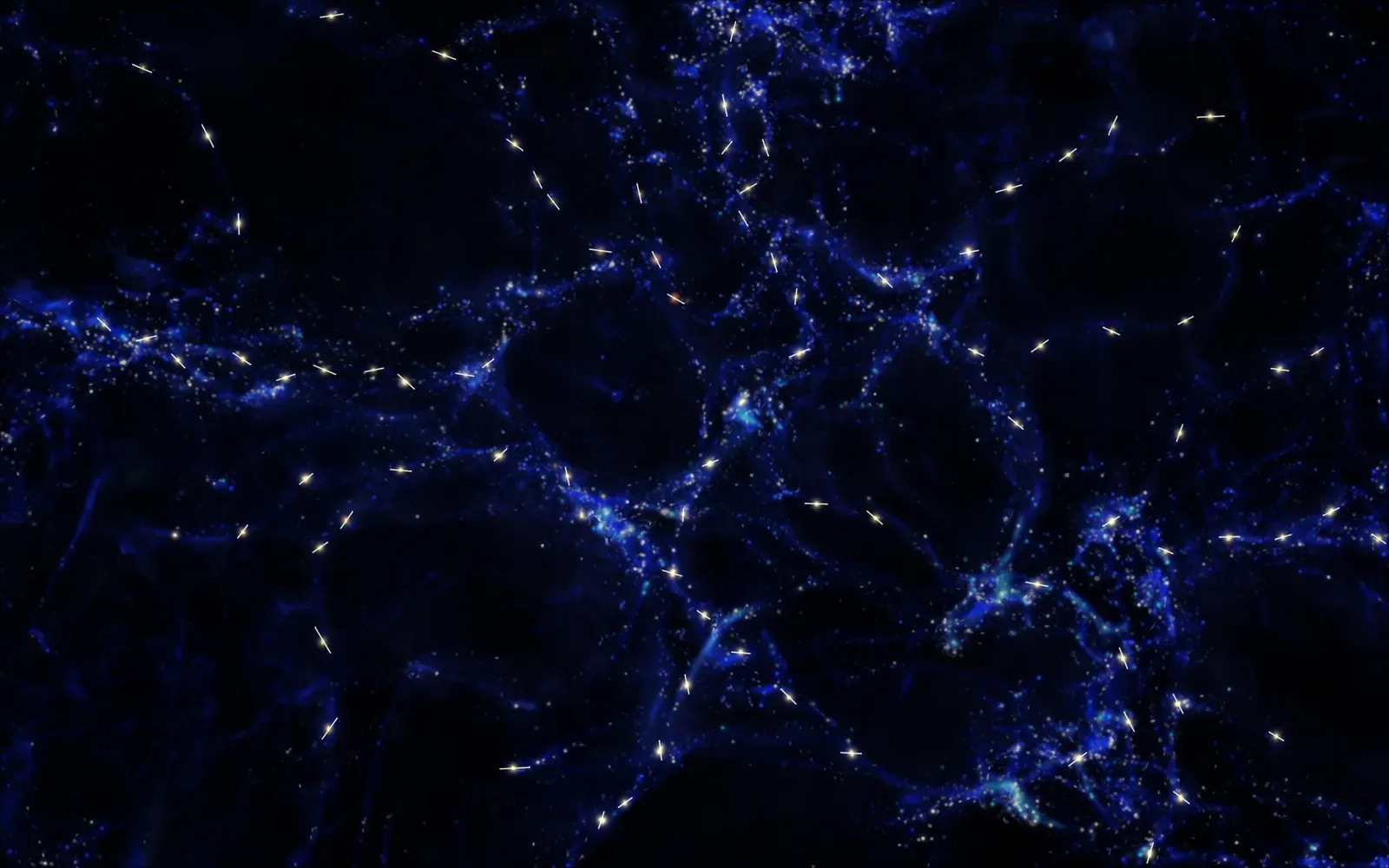
What strikes me most about all six of these mysteries is not just how puzzling they are individually, but how they collectively point to the same uncomfortable truth: the universe is far stranger and far less understood than most people realize. We have mapped the sky in extraordinary detail, launched the most powerful space telescopes in history, and built detectors of almost supernatural sensitivity. Yet dark matter refuses to show itself, fast radio bursts keep defying simple explanations, and galaxies keep popping up where they shouldn’t exist.
In a funny way, that’s not discouraging at all. It means astronomy is still in its most exciting chapter. Every unexplained signal, every tension in the data, every impossibly old galaxy is a door left slightly open. This ongoing mystery serves as a reminder of how much there is still to learn about the universe, and how sometimes, the more we discover, the more questions arise. The cosmos is clearly not done surprising us, and with new observatories and detectors coming online every year, the next decade of astronomy could rewrite everything we thought we knew.
Which of these six mysteries surprises you the most? Drop your thoughts in the comments, because the conversation about the cosmos is one that never really ends.