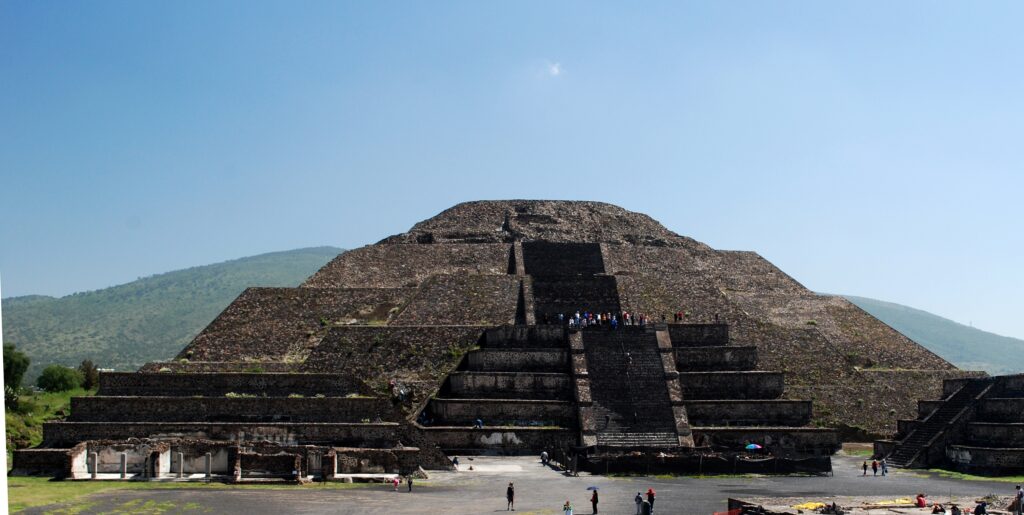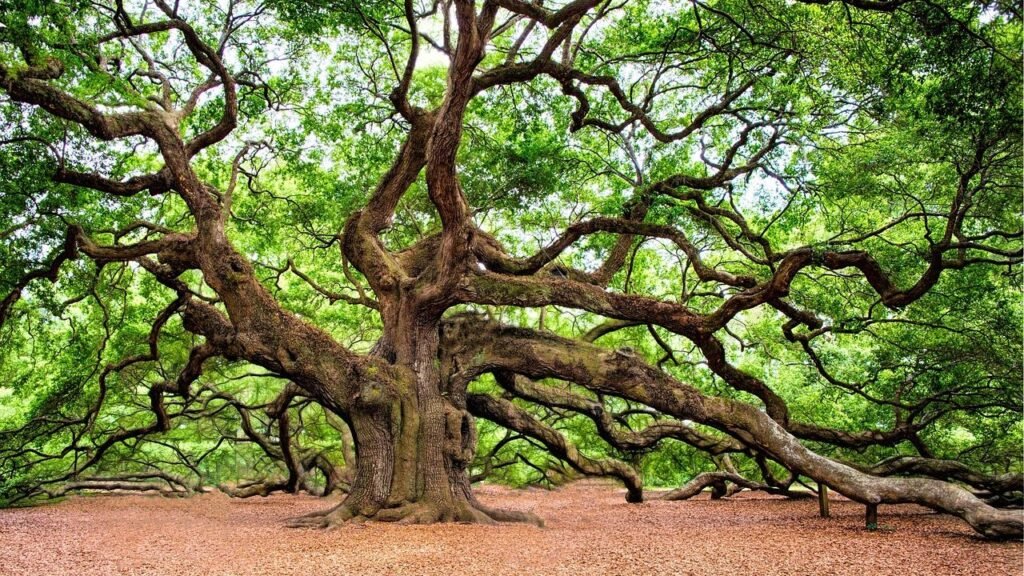

There is something quietly unsettling about standing next to something that has been alive since before the first pyramid was built. You look at it, and it just sits there, completely indifferent to history, to empires, to everything. That is the strange magic of Earth’s oldest living organisms. They predate human civilization by thousands, sometimes hundreds of thousands of years. They have survived ice ages, mass extinctions, and the slow churn of geological time.
You might assume that the oldest things alive on Earth would be enormous, dramatic, obvious. Here’s the thing: some are invisible to the naked eye, some look like nothing more than a scrubby bush, and one is technically a single tree hiding inside what looks like a forest. Buckle up, because what follows will absolutely change how you see life on this planet. Let’s dive in.
Pando: The Forest That Is Actually One Enormous Tree
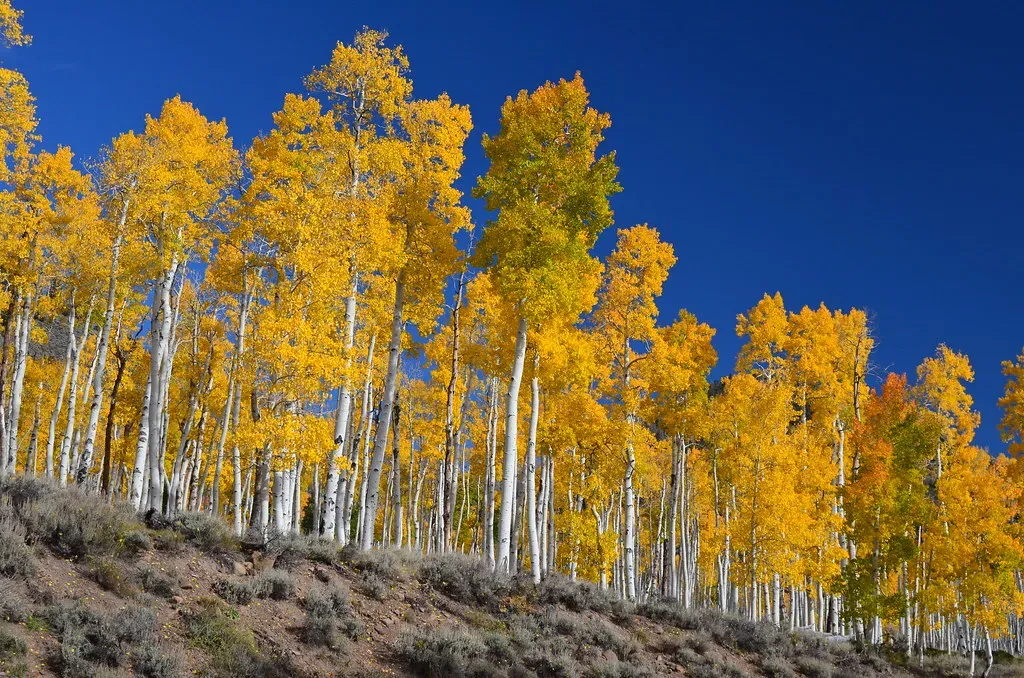
You can walk through Pando and feel like you’re in a normal forest. Thousands of trees surround you, leaves trembling gently in the Utah wind. Pando is the name of a quaking aspen clone located in Sevier County, Utah, in the Fishlake National Forest, with an estimated 47,000 stems that appear to be individual trees but are genetically identical parts of a single organism connected by one vast root system. It is not a forest at all. It is one tree wearing 47,000 disguises.
The Pando clone is the largest living organism by weight, clocking in at just over 13 million pounds, and the largest living organism by land mass, spreading across 106 acres in Utah. Research finds that this aspen, which reproduces clonally through shoots called ramets, is between 16,000 and 80,000 years old. To put that in perspective, when Pando may have first sprouted, woolly mammoths were still roaming the landscape.
Methuselah: A Single Tree Older Than the Egyptian Pyramids
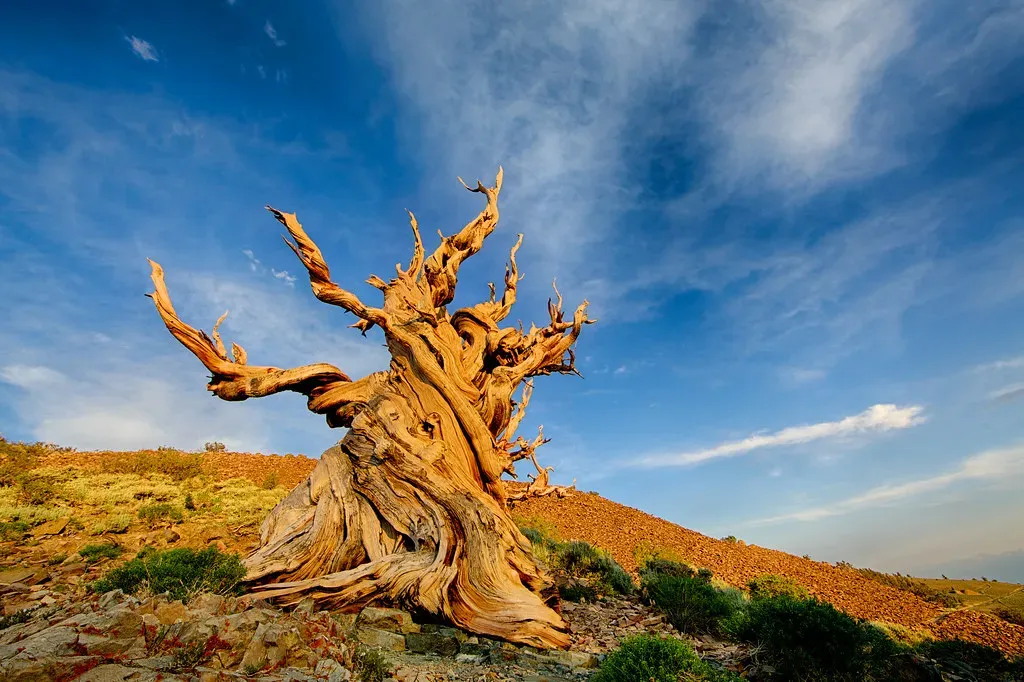
You may have heard that the Great Wall of China is old, or that the pyramids at Giza are ancient. They are. But Methuselah was already a middle-aged tree when Egyptian workers were still laying the first stones. Methuselah is a 4,857-year-old Great Basin bristlecone pine growing high in the White Mountains of Inyo County in eastern California, recognized as the non-clonal tree with the greatest confirmed age in the world.
Its old age is a result of harsh weather and a lack of nutrients, which slow down the decaying process. Honestly, it is a bit counterintuitive. You might think a tree needs good soil and plenty of rain to thrive for thousands of years. Methuselah proves the opposite. To protect this ancient tree from vandalism, its precise location is undisclosed by the U.S. Forest Service. You can walk right past it on the famous trail and never know it.
Neptune’s Grass: The Underwater Giant That May Be 200,000 Years Old
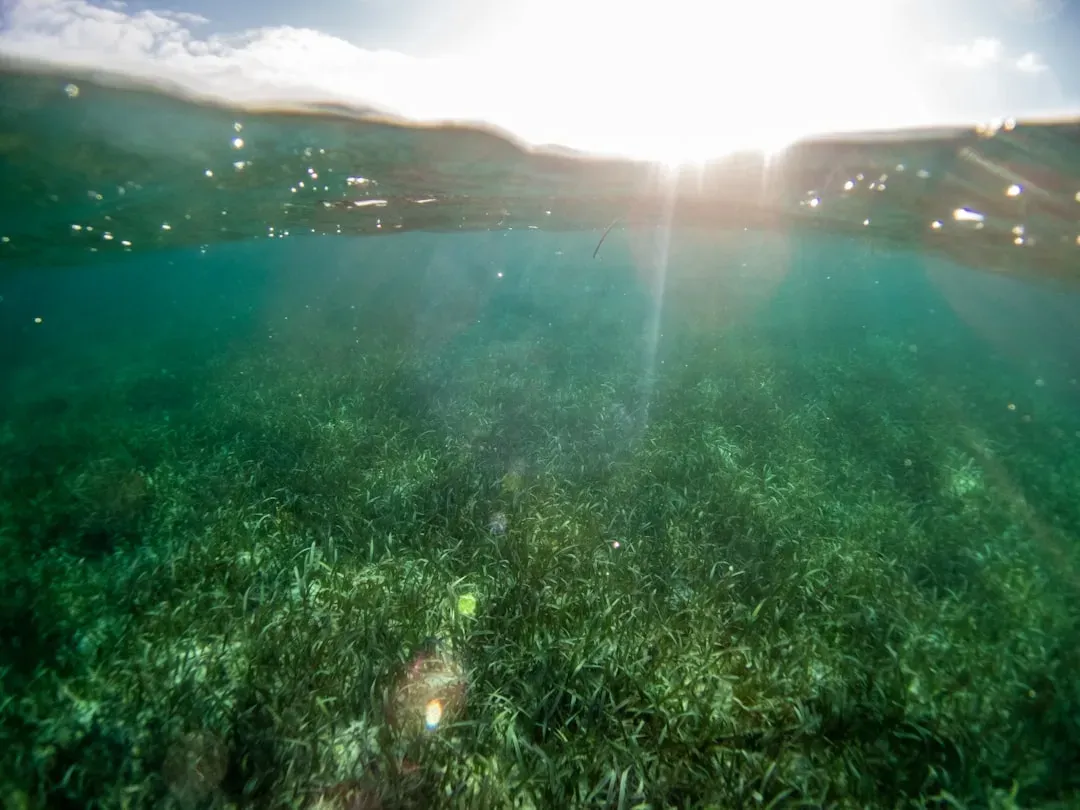
Forget every tree you have ever heard of. Beneath the warm Mediterranean Sea, there is a sprawling meadow of seagrass that may make every other old organism look like a toddler. A sprawling seagrass meadow ten miles long near Spain ranks as the oldest known single organism on Earth, according to geneticists. Posidonia oceanica, known as Neptune’s grass, is endemic to the Mediterranean Sea.
Researchers from the University of Western Australia’s Ocean Institute analyzed the DNA of the seagrass at 40 sites across 3,500 kilometres of the Mediterranean Sea, from Spain to Cyprus, and by calculating the plant’s annual growth rate, the team determined that the meadows are between 80,000 and 200,000 years old. Despite its historical robustness, this ancient patch of seagrass is currently threatened by climate change. Since the Mediterranean is warming three times faster than the world average, the meadows decline by roughly five percent each year. That is a haunting thought.
Glass Sponges: The Ocean’s Living Fossils That Predate Human History
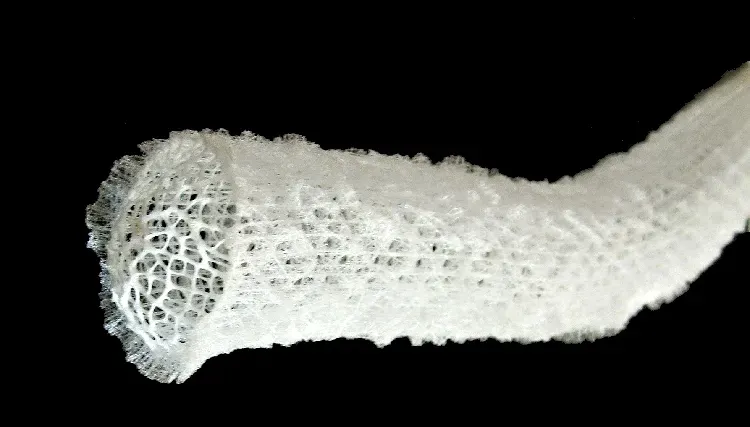
You probably do not think of sponges as animals. Most people picture a kitchen sink. But glass sponges are remarkable, alien-looking creatures that have been quietly filtering seawater since before humans drew their first cave paintings. While sea sponges are often thought of as rocks or plants, they are in fact members of the animal kingdom. Glass sponges, known for their large and complex glass-like skeletons, spend their lives attached to hard surfaces, filtering water to consume bacteria and plankton.
Scientists estimate that glass sponges can live for more than 10,000 years, possibly up to 15,000 years maximum. One glass sponge observed by researchers in the Ross Sea, a bay of Antarctica, is thought to be the oldest living animal on the planet. Scientists have also discovered a skeleton of a glass sponge in the East China Sea that they believe lived for 11,000 years. These individual animals are so old that they could have been alive during the last ice age. Think about that the next time you sponge down a countertop.
Old Tjikko: The Spruce That Has Been Cloning Itself for Nearly 10,000 Years
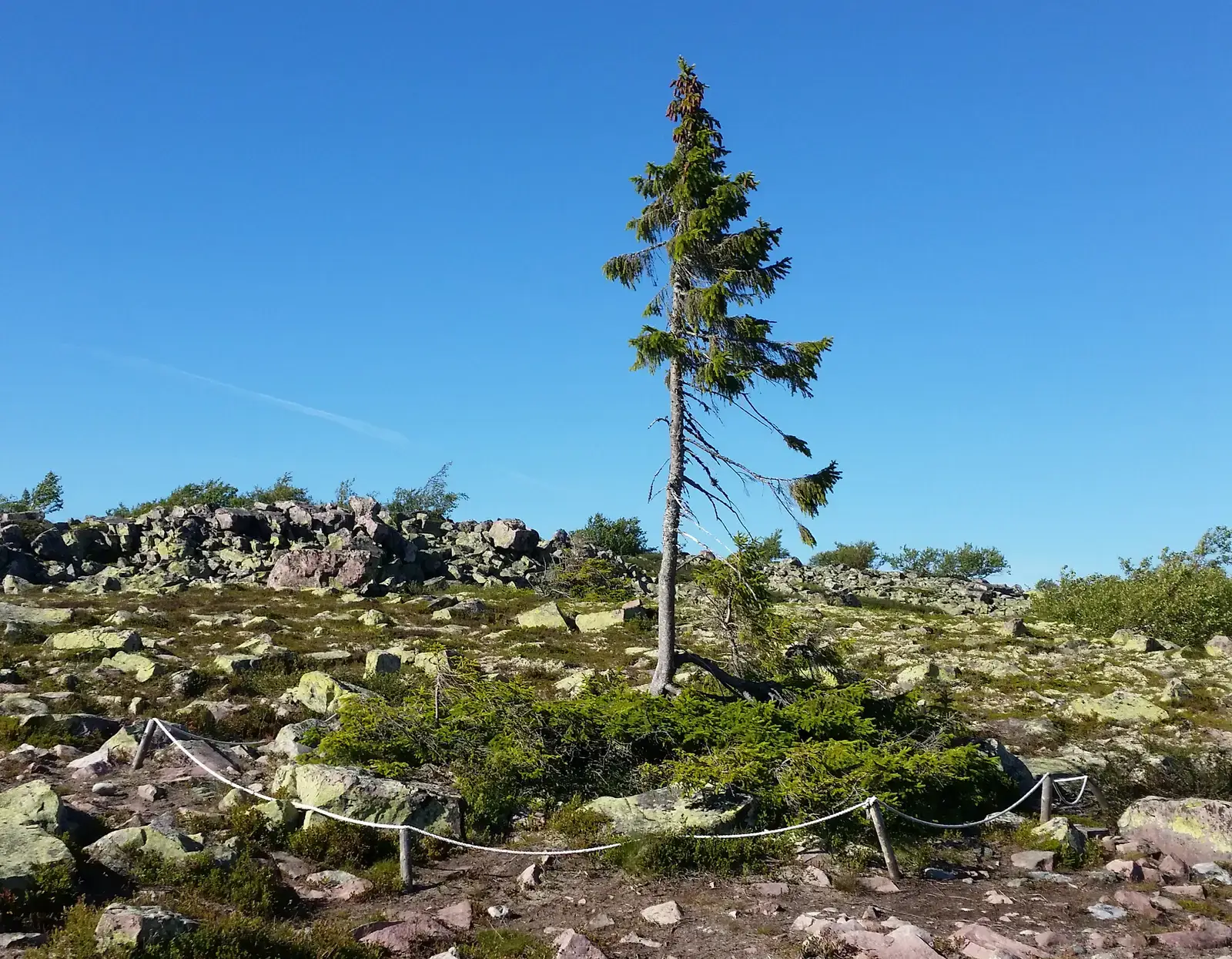
Standing atop Sweden’s Fulufjället Mountain, you would see a rather unremarkable-looking Norway spruce. Scraggly, not particularly tall, nothing to write home about. Yet this modest little tree has one of the most extraordinary stories on the planet. Growing high atop Sweden’s Fulufjallet Mountain, this Norway spruce sure doesn’t look like much, but it began growing in this harsh tundra shortly after the glaciers receded from Scandinavia at the close of the last ice age.
Old Tjikko, the world’s oldest known Norway spruce in Sweden, continues via vegetative cloning. Although its trunk may be only a few centuries old, its root system is estimated to be 9,568 years old. What makes this spruce particularly interesting is that it grew as a sprawling bush until the 1940s, when the warming climate spurred the trunk upward. A tree that changed its entire shape thanks to climate. Something about that feels strangely relevant right now.
Black Coral: Ancient Animals of the Deep Ocean
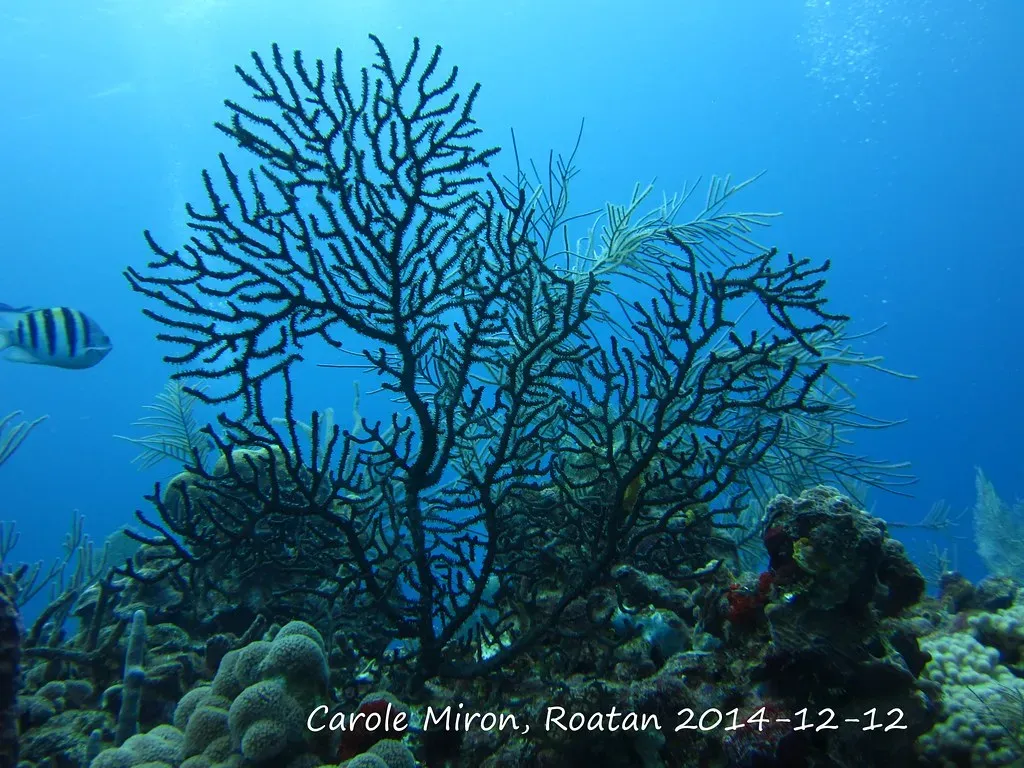
You might not associate coral with longevity. On a shallow tropical reef, corals can come and go, bleach, die, and regrow. Deep-sea corals are a different story entirely. They live in the cold dark, completely unbothered by sunlight, storms, or tourist snorkeling trips. Known for their bright colors and beautiful rock-like formations, corals are some of the longest-living animals on Earth. Some coral species can live up to 5,000 years, and two of the oldest are found in the deep ocean near Hawaii. A gold coral was estimated to be about 2,740 years old, and a black coral was estimated to be about 4,270 years old, which means it was alive during the Old Kingdom of Ancient Egypt.
Specimens of the black coral genus Leiopathes, such as Leiopathes glaberrima, are among the oldest continuously living organisms on the planet, at around 4,265 years old. Despite this feat, black coral and all other coral species face severe threats to their survival, including pollution, overfishing, destructive fishing practices, and coral mining. In just nine years, the world lost roughly one seventh of its coral cover. The oldest animals in the ocean are disappearing quietly, and most of the world has no idea.
Ancient Deep-Sea Microbes: Life That Barely Qualifies as Living
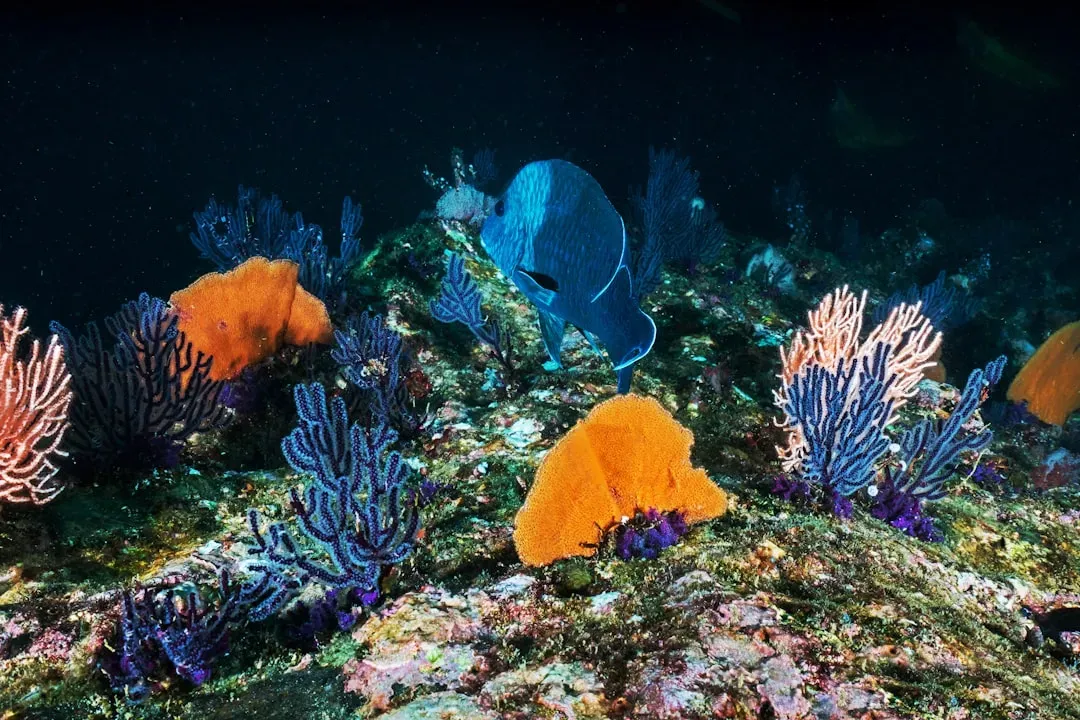
Here is where things get genuinely mind-bending. Down in the sediments beneath the ocean floor, there are microbes that make even Pando look like a newborn. Their existence challenges our very definition of what it means to be alive. Endoliths are organisms such as bacteria, fungi, lichen, algae, or archaea that live inside rocks, coral, or animal shells. In 2013, researchers working with the Integrated Ocean Drilling Program presented findings suggesting some endoliths are millions of years old. They collected sediment samples from a mile and a half beneath the ocean floor that contained bacteria, fungi, and viruses, and their research suggested this sediment was approximately 100 million years old.
In 2013, researchers reported that they found microbes in 100-million-year-old sediments in the floor of the deep sea. The microbes were reproducing once every 10,000 years, such a slow rate that scientists were not sure if they could really call them alive. It’s hard to say for sure, but the idea of life so slow it barely registers as life is one of the most philosophically jarring things biology has to offer. Reproducing once every ten thousand years. Humans have built and destroyed entire civilizations in that time.
The Greenland Shark: Earth’s Oldest Living Vertebrate
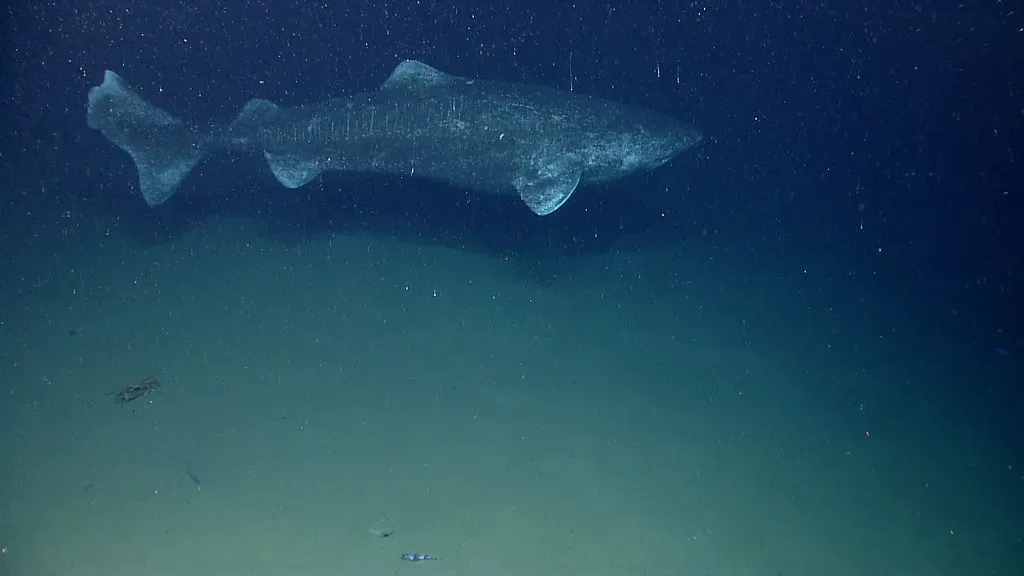
You might expect the oldest animal with a backbone to be a tortoise, or maybe a whale. It is neither. It is a slow-moving, nearly blind shark drifting through the freezing deep waters of the Arctic and North Atlantic, completely unconcerned with its own astonishing longevity. Greenland sharks are the longest-living vertebrates in the world. The oldest known individuals recorded by scientists have been about 400 years old, though with a large margin of error, it’s possible that they could live for more than 500 years.
Think about that for a moment. A shark that could have been born when Shakespeare was alive is still out there somewhere, slowly cruising through the dark ocean. The Greenland shark is the longest-living vertebrate, and in 2016, scientists determined that a 16.5-foot female was estimated to be nearly 400 years old. Their slow growth rate of roughly one centimeter per year means scientists use radiocarbon dating of eye tissue to estimate their age. It is about as unlikely a longevity champion as you could imagine.
The Huon Pine and Ancient Clonal Trees: Australia’s Hidden Ancient Giants
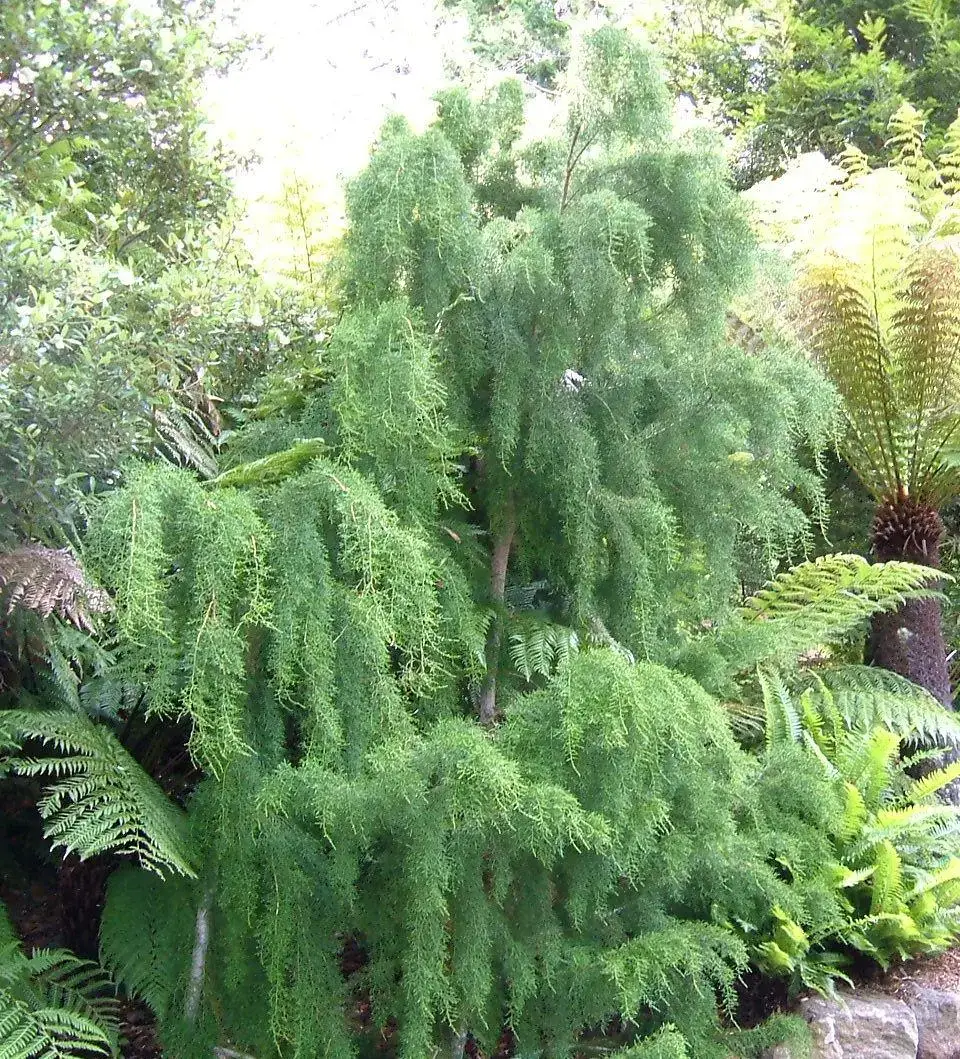
While much of the attention around ancient organisms goes to North America and Scandinavia, Australia quietly holds some remarkable contenders of its own. The country’s ancient forests and isolated ecosystems have produced organisms that have been ticking along undisturbed for extraordinary lengths of time. The real longevity champions of the plant world are clonal colonies. These vegetation systems repopulate by self-replication so no part of the system is ever as old as the whole, but all are genetically identical and often share a single root system. Such colonies can live to remarkably old ages.
Remarkably, there are several organisms still living around the world that are thousands of years old. Some organisms push the limits of aging and are millions of years old. These prehistoric organisms have survived by either entering a dormant state and being revived, having extremely slow metabolisms, or cloning themselves to extend their lifespan. Australia’s ancient clonal plant systems, including King’s Holly, whose clonal ancestor stretches back tens of thousands of years, demonstrate that the continent is a genuine stronghold of biological endurance often overlooked in global discussions.
Ancient Bacteria Revived from Amber: Life That Cheated Time
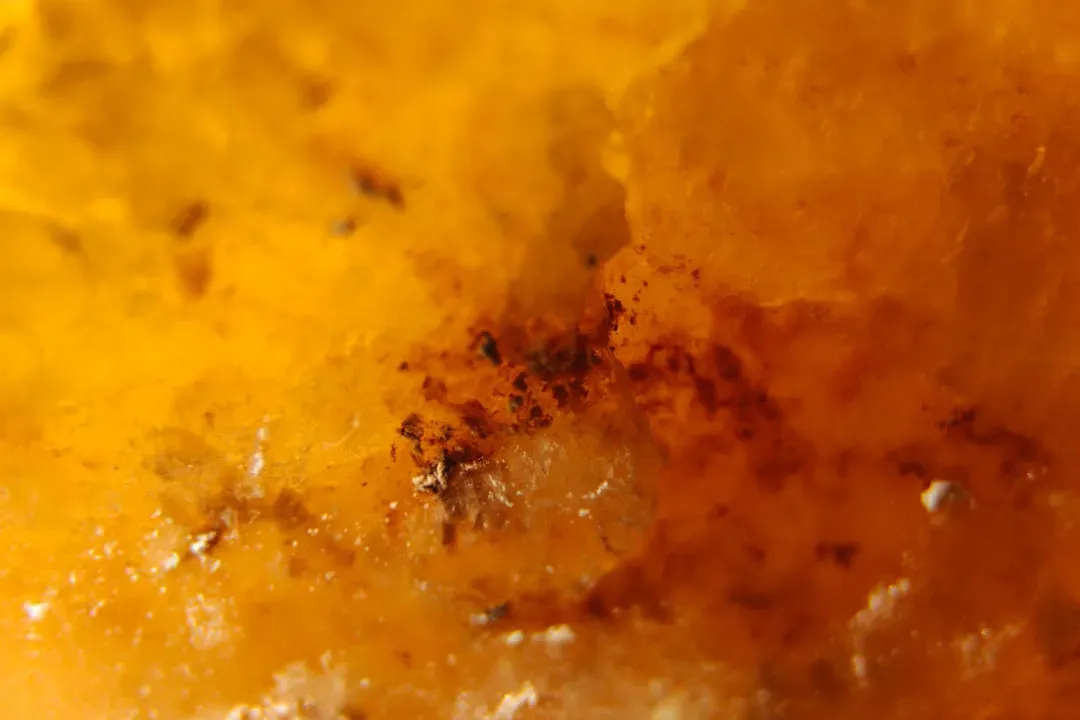
Let’s be real, the idea of reviving something that has been dormant for tens of millions of years sounds like the premise of a horror film. In reality, it happened in a laboratory, and it was one of the most extraordinary moments in modern biology. In 1995, microbiologist Raul Cano and his team were the first scientists to extract and successfully revive ancient bacteria. The bacteria spores were recovered from ancient bees encased in amber from the Dominican Republic, and at the time, no one believed that Cano was able to bring 25 to 35 million year old bacteria back to life.
To prove his claims, Cano and his team spent three years testing and retesting their process before publishing their findings. The ancient bacteria found in the prehistoric bees are similar to the microbes that live in the gut of present-day bees. Spores often allow certain organisms to live through challenging conditions and regrow once conditions are more favorable. It is a living connection to a world that existed long before the first humans walked the Earth, preserved in amber like something from a science fiction story. Except it is completely real.
Conclusion
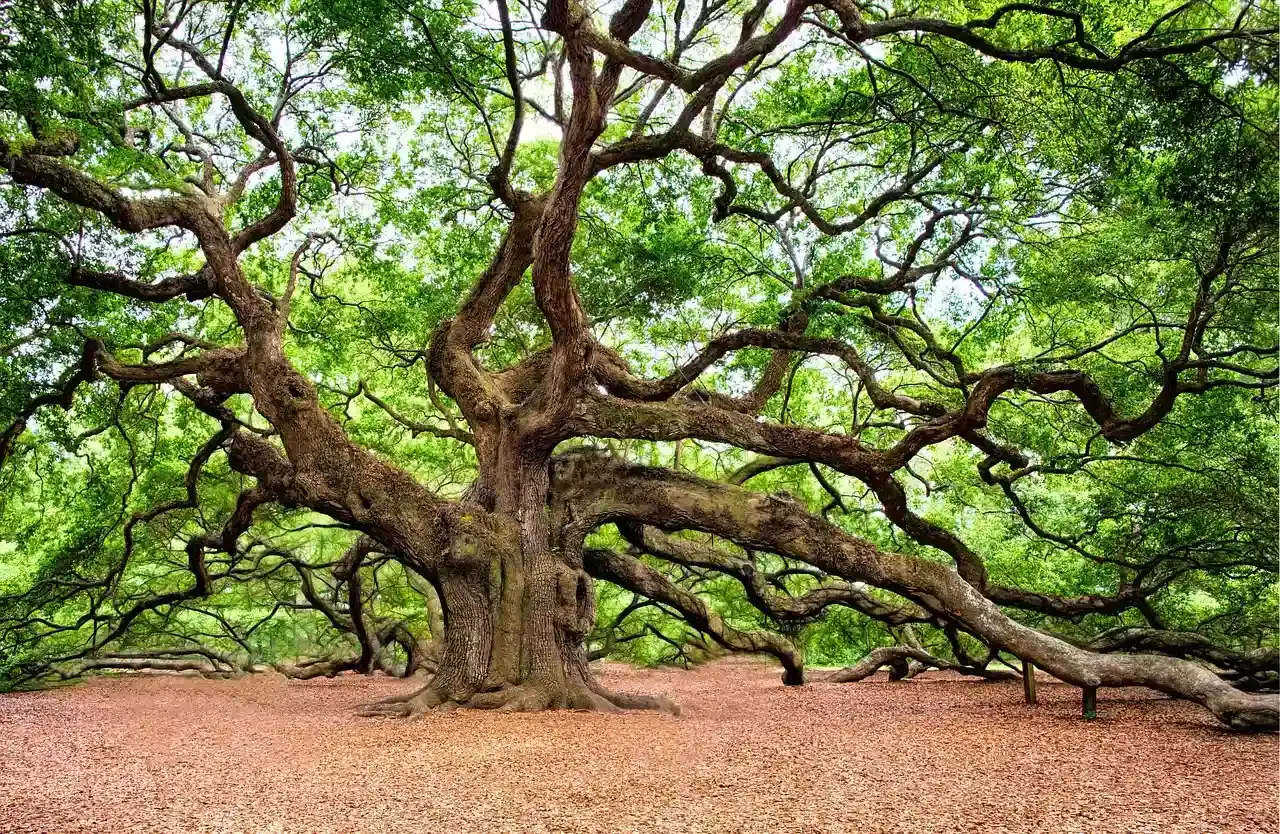
What ties all of these extraordinary organisms together is something beautifully simple: resilience. Whether it is a tree that thrives by being starved of nutrients, a seagrass meadow that has quietly cloned itself across 200,000 years of ocean history, or a bacterium that slept for tens of millions of years inside a fossilized bee, these life forms remind you that survival does not always look dramatic. Earth’s ancient past is preserved in its oldest living residents, offering a glimpse into the resilience and adaptability of life. These long-lived organisms, from vast forest trees to mysterious oceanic life forms, are not just wonders of natural history but also critical indicators of environmental stability.
The truly sobering realization is that many of these ancient organisms are now under threat from climate change, pollution, and human activity. Pando’s ability to endure for tens of thousands of years makes it a symbol of resilience in nature, yet even it is currently in decline. These organisms outlasted ice ages and mass extinctions, only to face the most dangerous threat of all: us. Perhaps the most important question you can ask after learning all of this is not “How did they survive so long?” but rather, “What are we going to do to make sure they keep surviving?”
What do you think – does knowing these organisms exist change the way you think about your own fleeting moment on this planet? Share your thoughts in the comments.