Nature has a way of humbling you. You step outside on a brutally hot summer day or a bone-chilling winter morning, and within minutes you are retreating for shelter, water, or a warm coat. Yet out there, in the very conditions that chase you indoors, millions of animals are thriving. Not just surviving – thriving.
From microscopic creatures that can withstand the vacuum of space to foxes that change their wardrobe with the seasons, the animal kingdom is packed with jaw-dropping examples of biological ingenuity. Honestly, some of these adaptations sound almost too strange to be real. Let’s dive in.
1. The Camel’s Masterclass in Desert Survival
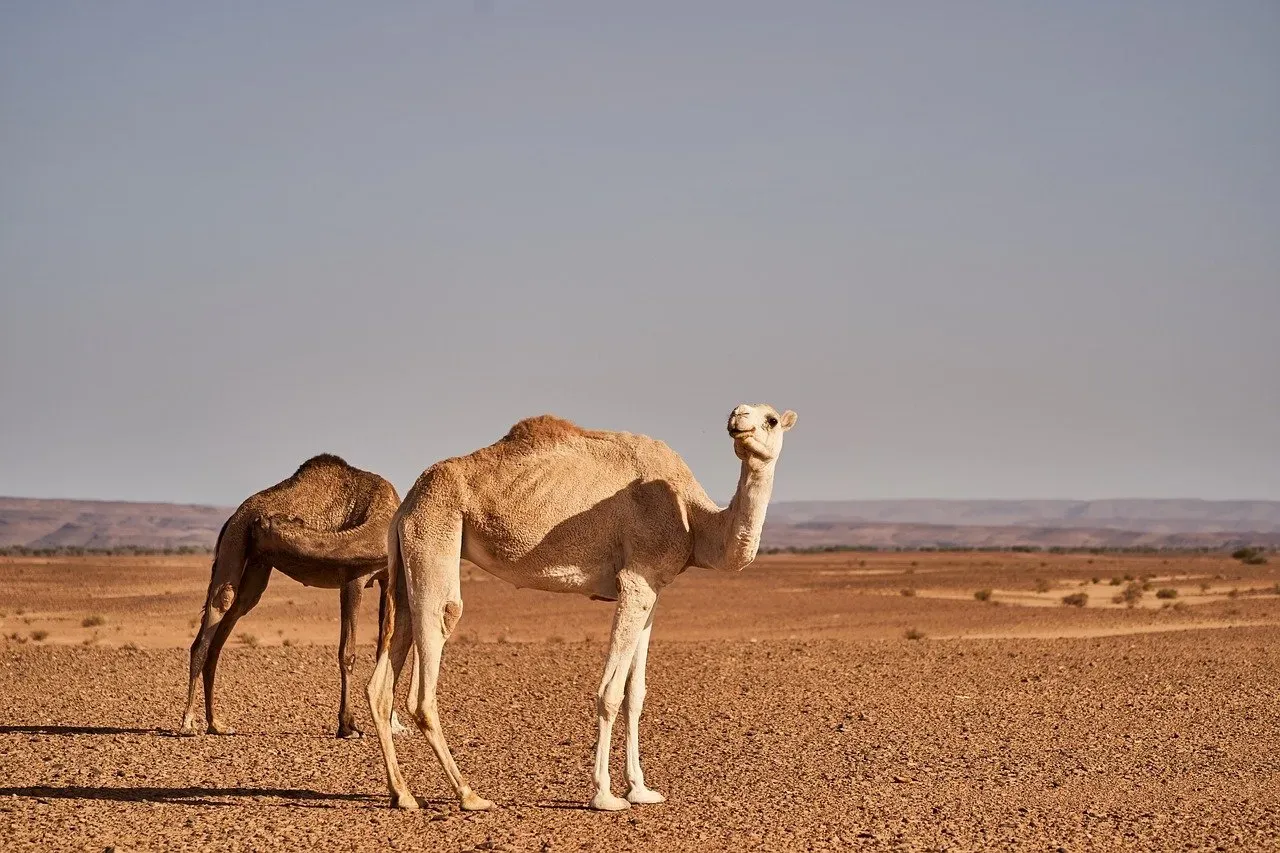
If there is one animal that has become the undisputed symbol of extreme endurance, it is the camel. Known as the “ships of the desert,” camels can survive temperatures as high as 49°C and go a week or more without consuming water. That is not a small trick. That is a full biological system designed for deprivation.
Camels store fat in their humps, which metabolizes into water and energy. Their kidneys concentrate urine, minimizing water loss, and nasal countercurrent systems reclaim moisture from exhaled air. Think of it like a full recycling plant built right into the animal’s face. The camel also uses its nose as a dehumidifier, which extracts water vapor from the air it exhales. Remarkable, and honestly a little genius.
2. The Wood Frog’s Deep Freeze Survival Trick
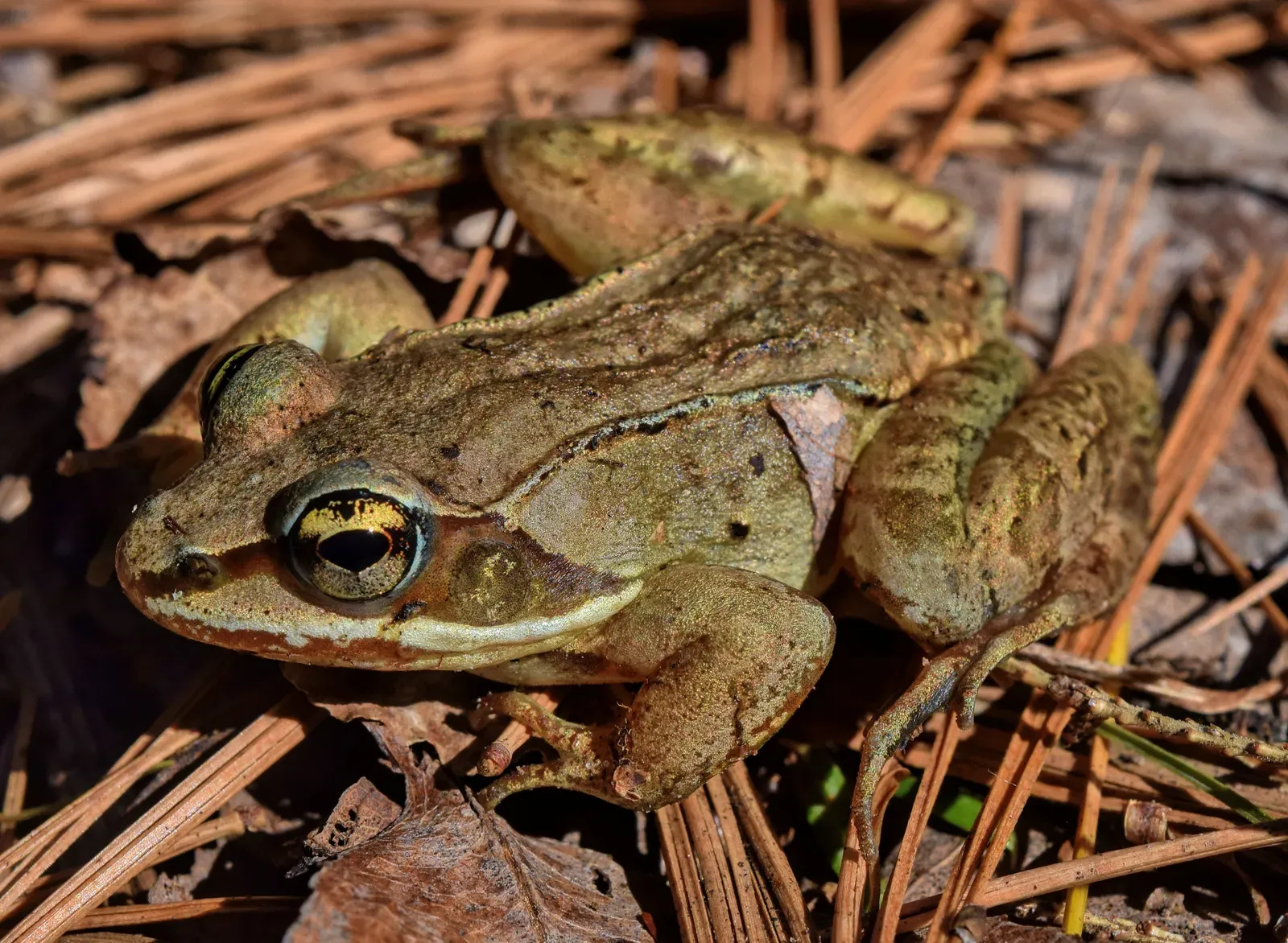
Here is something that will make you do a double take. The North American wood frog survives subzero temperatures by transforming into a frozen “frogsicle,” with no heartbeat or breathing for prolonged periods, before gradually thawing and hopping back to life as spring emerges. No heartbeat. No breathing. Yet it lives.
The wood frog is built to partially freeze. Water flows out of its internal organs, eventually forming a surrounding protective layer of ice, while its body accumulates urea and glucose, which act as a natural antifreeze, keeping the individual cells in vital organs from freezing. Wood frogs can endure the freezing of roughly two thirds of their total body water in winter months, and thaw within hours without experiencing any measurable damage. Scientists are now studying this process to improve organ preservation for human transplantation.
3. The Tardigrade: Earth’s Most Indestructible Creature
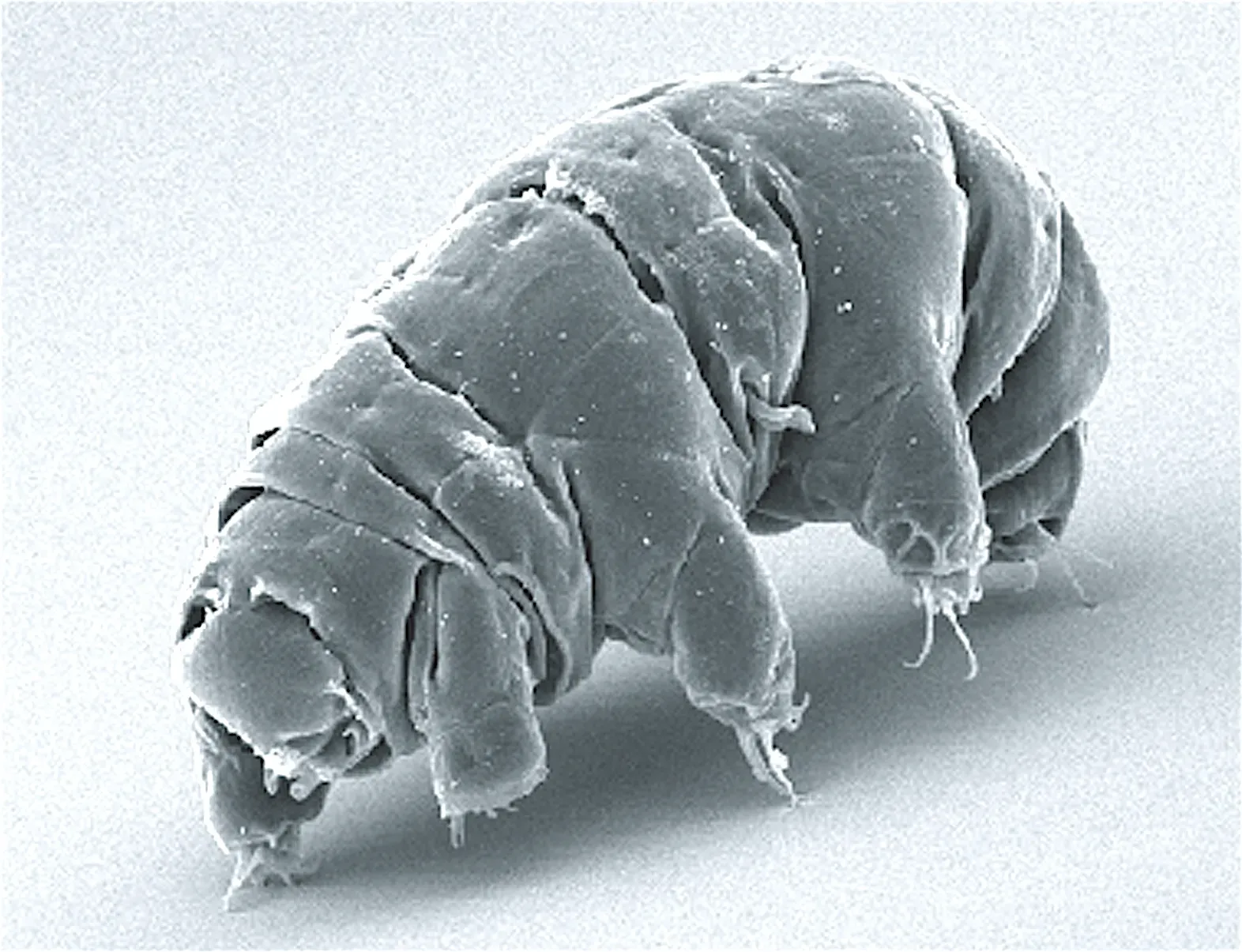
I think it is fair to say that nothing on Earth is tougher than a tardigrade. Also known as the water bear, the tardigrade is widely considered the most resilient animal on Earth. These microscopic invertebrates can survive extreme temperatures, radiation, pressure, dehydration, and even the vacuum of space. Let that sink in. The vacuum of space.
Tardigrades survive harsh conditions by drawing their legs in and forming a desiccated cyst called the cryptobiotic “tun” state, where no metabolic activity takes place. In this state, they can go without food or water for several years, and become highly resistant to environmental stresses including temperatures from as low as −272°C to as much as +149°C, lack of oxygen, vacuum, ionising radiation, and high pressure. In this stage, tardigrades can survive without food and water for about 30 years, only to rehydrate and reproduce later under appropriate conditions.
4. The Arctic Fox’s Seasonal Wardrobe and Body Heat Wizardry
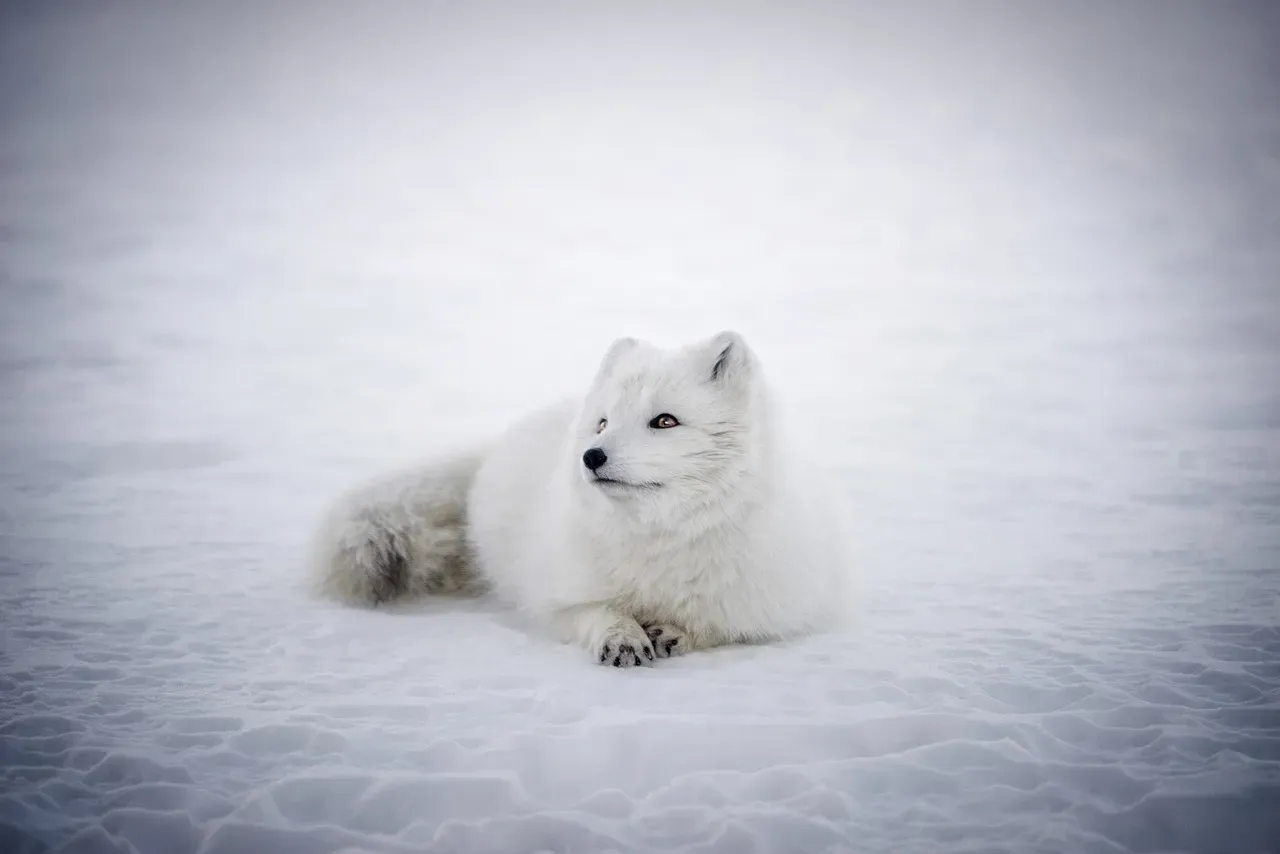
You might think changing your outfit seasonally is a human habit. The Arctic fox has been doing it far longer, and for far more serious reasons. The coat of the Arctic fox is always thick and highly insulating. They grow two distinct versions over the course of a year. The summer coat is thinner and dark grey to brown, camouflaging it against darker backgrounds of rock and vegetation. The luxurious winter coat is very thick, making the fox look more rounded, and is white, camouflaging it against an icy background.
Beyond its fashionable coat, the Arctic fox relies on a brilliant piece of internal engineering. There is a countercurrent heat exchanger mechanism in the paws of Arctic foxes that keeps the paws at a lower temperature than the body core, minimizing heat loss. Blood entering the paws is used to heat up blood that is leaving, which prevents the core from being cooled by heat loss at the extremities. It works like a thermal valve, and it is extraordinarily efficient.
5. Emperor Penguins Huddling Against the Coldest Place on Earth
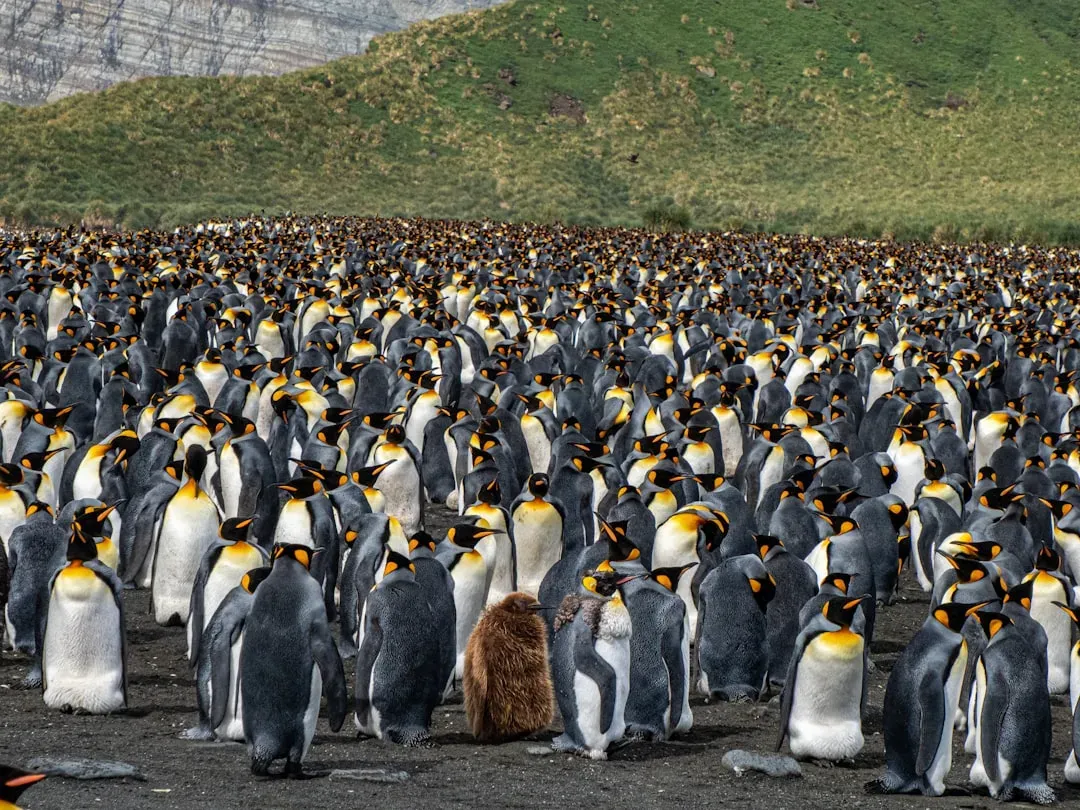
Antarctica is not a place you visit without serious preparation. Yet emperor penguins raise their young there in the depths of winter, when temperatures can plummet to conditions that would kill most warm-blooded animals within minutes. Their secret? Each other. Emperor penguins huddle together in the winter to conserve heat. Without this behavior, they would not be able to survive the Antarctic winter.
Emperor penguins live in colonies along the coastline of Antarctica and are capable of diving to depths of about 550 metres in search of food, making them Earth’s deepest-diving birds. They also employ dynamic formation huddling specifically designed to reduce wind exposure and conserve core heat. There is something almost moving about thousands of birds pressing together against a polar blizzard. It is survival through solidarity.
6. The Anglerfish: Hunting in Total Darkness with Living Light
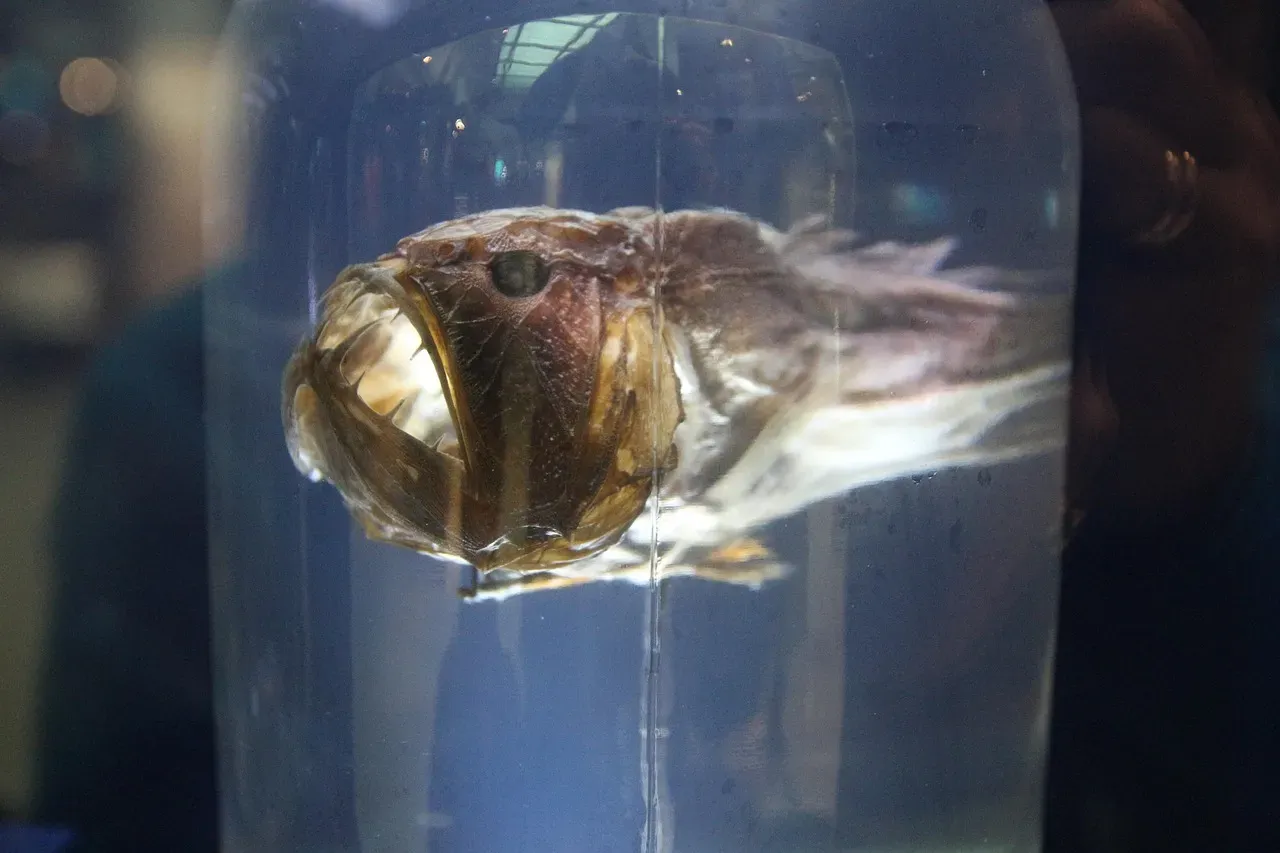
Imagine hunting for food in a place with zero light, crushing pressure, and near-freezing temperatures thousands of metres below the ocean’s surface. For the anglerfish, that is just Tuesday. Anglerfish dwell far below the surface of the ocean, where sunlight no longer penetrates and the ocean fades to black. Female anglerfish have evolved body features to manipulate light – to lure prey with it and simultaneously avoid illuminating themselves.
These creatures employ a highly specialized organ called the esca, a modified dorsal spine that extends from their head like a fishing rod with a glowing tip. This natural fishing lure is not produced by the anglerfish itself, but rather by symbiotic bacteria living within the esca. The bioluminescent bacteria emit a blue-green light that proves irresistible to curious prey in the darkness of the deep sea. When smaller fish or crustaceans approach to investigate the ghostly glow, they quickly become meals for the patient predator. It is the ultimate ambush, powered by living biology.
7. The Kangaroo Rat: A Desert Animal That Never Drinks Water
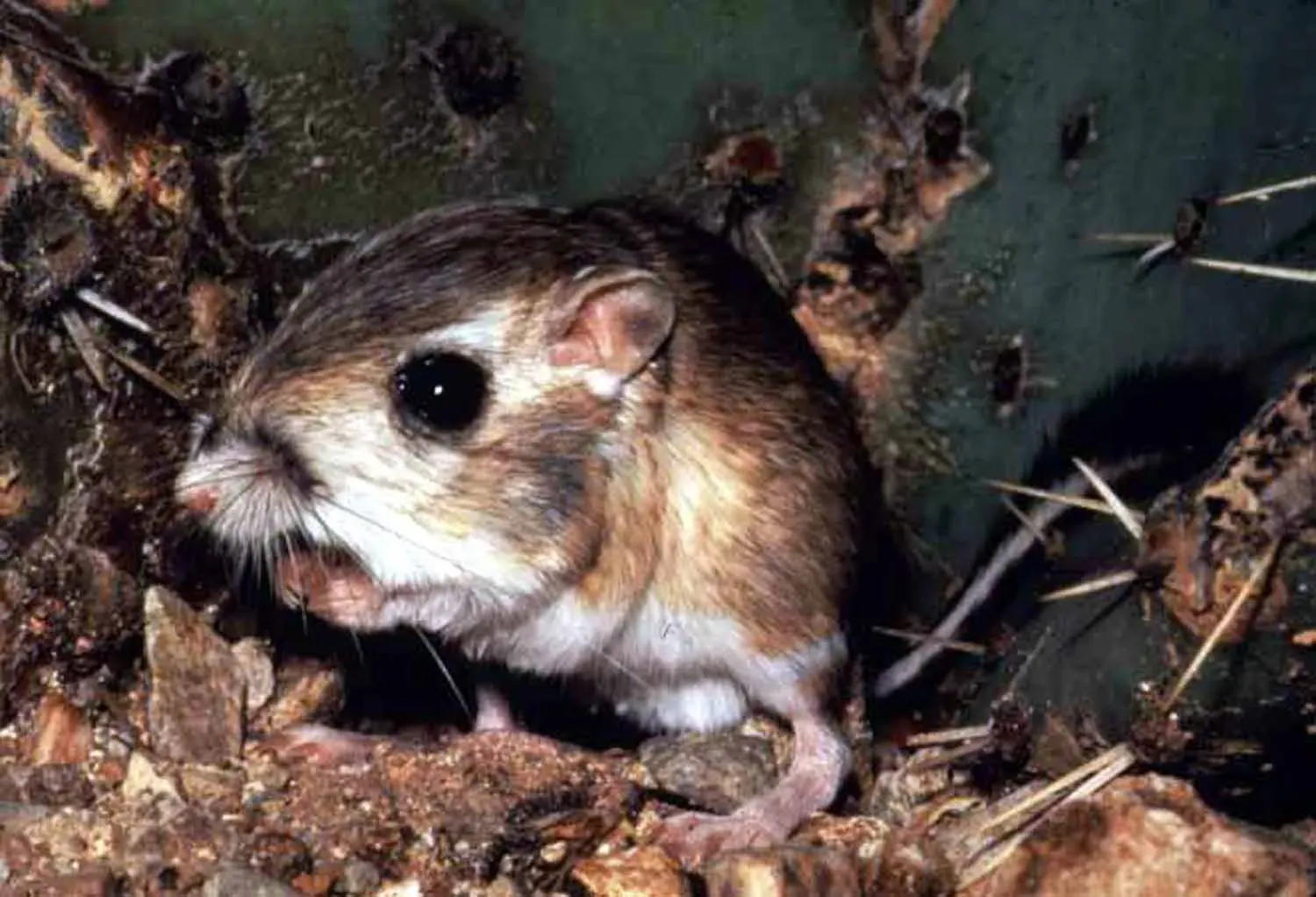
Here is something that sounds completely impossible. The kangaroo rat can survive its entire life without drinking water, obtaining all necessary moisture from seeds it consumes. Not weeks. Its entire life. For a mammal, that is extraordinary.
The kangaroo rat has perhaps the most amazing combination of adaptations for desert survival. Not only does it live in a burrow and is nocturnal, but it recaptures its own body moisture by storing food within its burrow. Dry seeds absorb moisture from the kangaroo rat’s breath, which condenses more readily in the cooler underground temperatures. The kangaroo rat has such complex kidneys that it is able to retain as much water as possible, and it also has specialized tissues in its nasal passages that help it retain much of the moisture normally lost through breathing. Every drop is precious, and nothing is wasted.
8. Antarctic Icefish: Blood That Refuses to Freeze
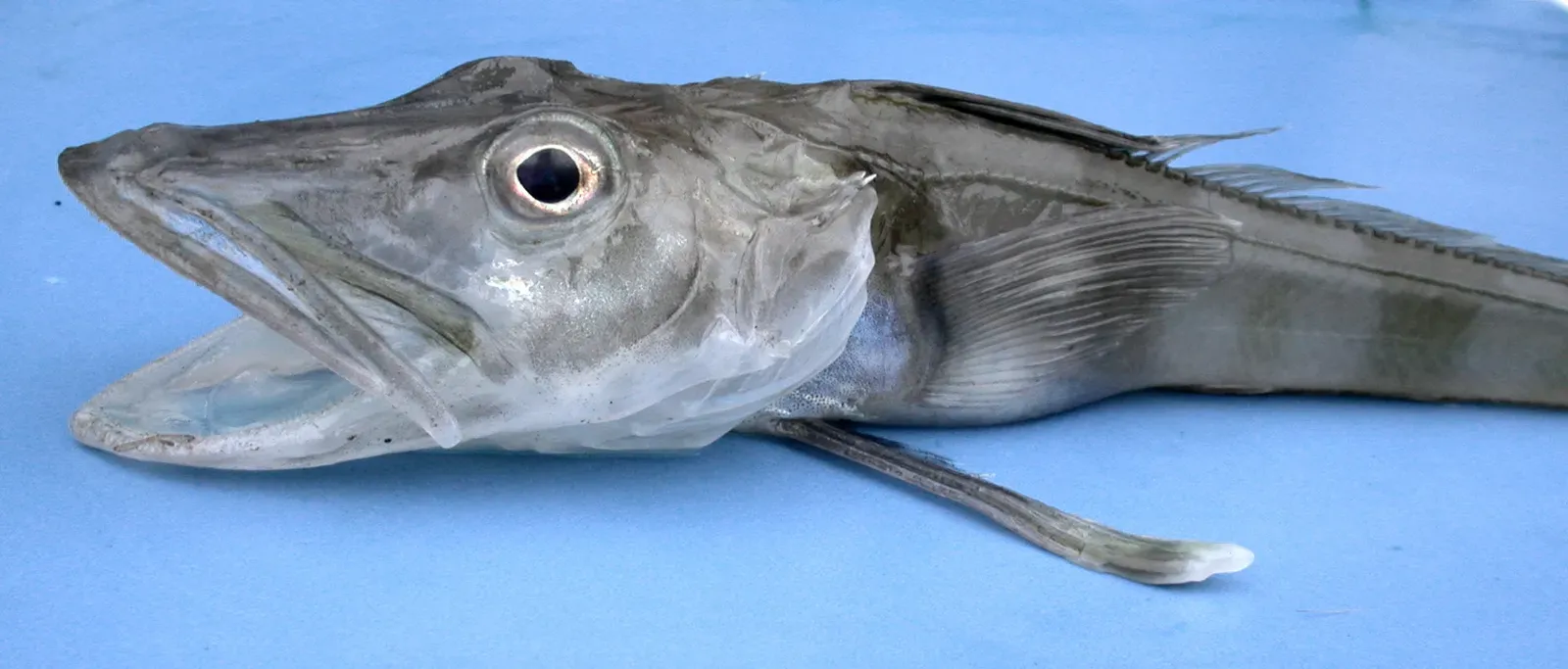
Most fish would die immediately if their blood began to crystallize in the cold. Antarctic icefish found a different answer to this problem, and it took millions of years to develop. Antarctic icefish produce and carry special antifreeze proteins in their blood and body fluids. These proteins bind to ice crystals, dividing their crystalline structures and therefore inhibiting crystal growth. Without this antifreeze, microscopic ice crystals would form in their bodies, severing nerves and damaging tissues to a deadly degree.
Thanks to their special cold-water adaptation, icefish make up more than roughly nine tenths of all fish species in the Antarctic. That is the power of a single evolutionary advantage, replicated and refined across an entire ecosystem. Antarctic krill also thrive at temperatures near freezing by producing antifreeze glycoproteins that prevent ice crystal formation in their hemolymph. It is hard to say for sure how long these proteins took to evolve, but the end result is nothing short of astonishing.
9. The Fennec Fox: Big Ears, Big Survival
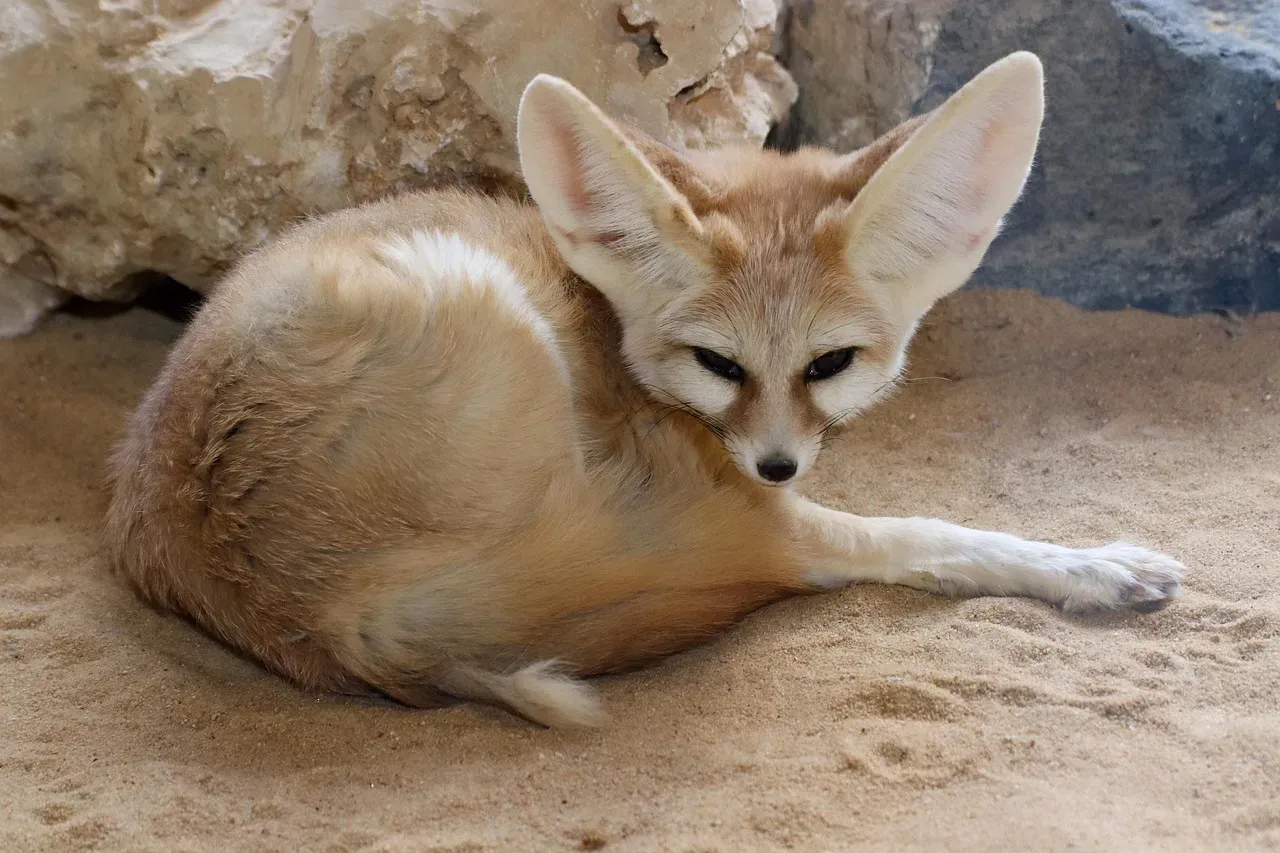
At first glance, the fennec fox looks almost cartoonishly oversized in the ear department. Those enormous ears are not a design accident. One of the fennec fox’s primary desert adaptations is its thick hair, which helps regulate body temperature in both the desert heat and cold nights. Their large ears, about 6 inches long, are very distinctive and help keep the fox’s body cool in extreme temperatures. Their nocturnal behavior also helps them avoid most of the sun during the day.
Fennec foxes have large ears that dissipate heat and aid in thermoregulation, and nocturnal behavior is common among desert animals like the fennec fox, allowing them to avoid the scorching heat of the day. They have also adapted to food scarcity in the desert environment by eating both animals and plants, from lizards to insects. Let’s be real – in a place where the midday sun can cook the ground, having a built-in radiator on each side of your head is not a luxury. It is a lifesaver.
10. The Deep-Sea Creatures of the Mariana Trench: Surviving Crushing Pressure
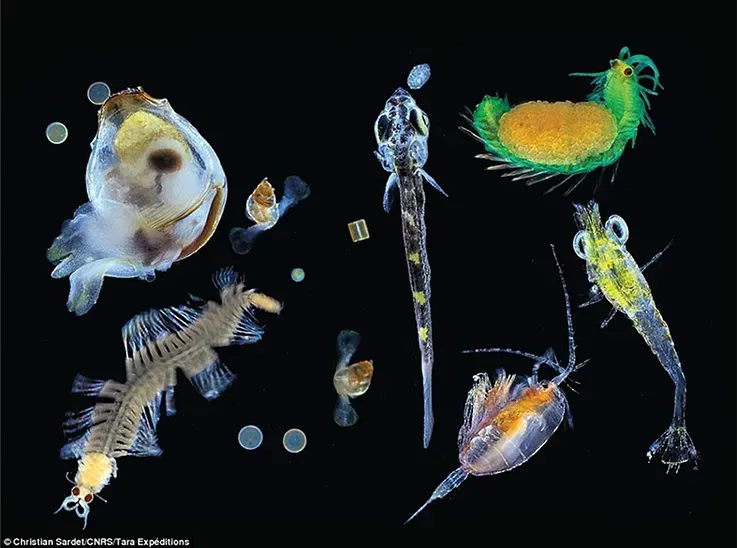
The Mariana Trench is the deepest point on Earth, and the conditions there are brutal by any standard. The pressure in the deep sea can reach over a thousand times that of the surface, yet creatures like the deep-sea octopus and viperfish live comfortably in these conditions. These animals have adapted by developing flexible, gelatinous bodies that can withstand immense pressure without collapsing. Their cellular structures have also evolved to maintain function under high pressure, allowing these organisms to thrive where others cannot.
The deep ocean’s extreme conditions have driven the development of fascinating specializations, including transparent bodies that offer perfect camouflage, pressure-resistant cellular structures that prevent crushing at extreme depths, and highly sensitive organs that detect the faintest movements or electrical signals in complete darkness. Anglerfish use bioluminescent lures to attract prey in total darkness, while barreleye fish have transparent head domes allowing a wide field of vision to track predators and prey against faint light. Deep down there, the rules of biology are rewritten entirely.
Conclusion: Nature Wrote the Original Survival Guide
When you look at all ten of these adaptations together, one thought keeps surfacing: nature solved problems that humans are only now beginning to understand. Biomimicry is already applying these adaptations for human benefit, such as camel-inspired nasal cooling improving HVAC systems, and tardigrade cryptobiosis informing Mars habitat preservation technologies. We are, in many ways, students of the animal kingdom.
Every frozen frog, every deep-sea hunter, every fox with oversized ears is proof that life does not simply endure – it innovates. Animal adaptations in extreme environments demonstrate evolutionary precision, enabling life from the Mariana Trench’s depths to the Atacama Desert’s hyperarid soils. Behavioral, physiological, and symbiotic strategies work together, ensuring survival across diverse habitats and conditions.
The next time conditions feel tough, maybe think of a tiny tardigrade sitting in the vacuum of space without a care in the world. Nature set the bar impossibly high – and then kept raising it. What is the most jaw-dropping animal adaptation you have ever come across? Share your thoughts in the comments below.