Across the United States, some animals are quietly performing daily miracles just to stay alive. They freeze solid and come back to life, outrun almost anything on land, and see the world in colors we can’t even imagine. These aren’t fantasy creatures from a movie; they’re living, breathing neighbors sharing the same landscapes we drive through and hike in every day.
Once you start paying attention, it’s hard not to be a little obsessed with how insanely clever nature can be. I still remember the first time I learned that a tiny frog in someone’s backyard can basically turn itself into an ice cube and survive the winter. After that, every patch of woods and every tide pool started to feel a bit like a sci‑fi lab. Let’s dive into seven of the most extraordinary survival specialists living right here in the US.
1. Wood Frog – The Little Amphibian That Freezes Solid
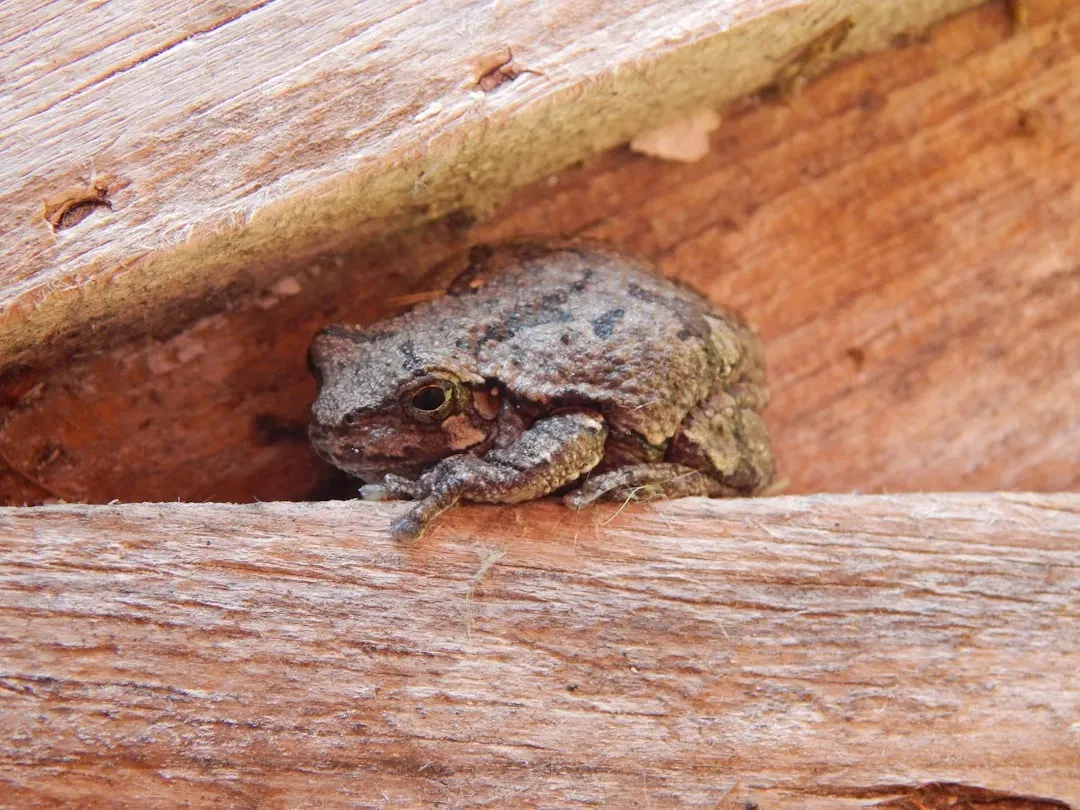
Imagine a creature that can let its heart stop, its blood stop flowing, and its body literally freeze, then thaw out and hop away as if nothing happened. That’s the wood frog, found across Alaska, Canada, and parts of the northern United States, including states like Maine and Minnesota. When temperatures plunge in winter, these frogs survive by allowing ice to form around their organs and under their skin, while a sugary antifreeze in their blood protects their vital cells from damage.
For months, they don’t breathe, eat, or move; they’re essentially suspended between life and death under leaf litter and forest debris. In spring, as the air warms, the frogs slowly thaw, their hearts start beating again, and they head straight to breeding pools to make the most of the short season. It’s like they press pause on life to outlast the cold. This extreme freeze tolerance lets them live farther north than almost any other amphibian in North America, turning brutal winters into a manageable inconvenience rather than a death sentence.
2. Pronghorn – The Desert Speed Machine Built for a Predator That Is Gone
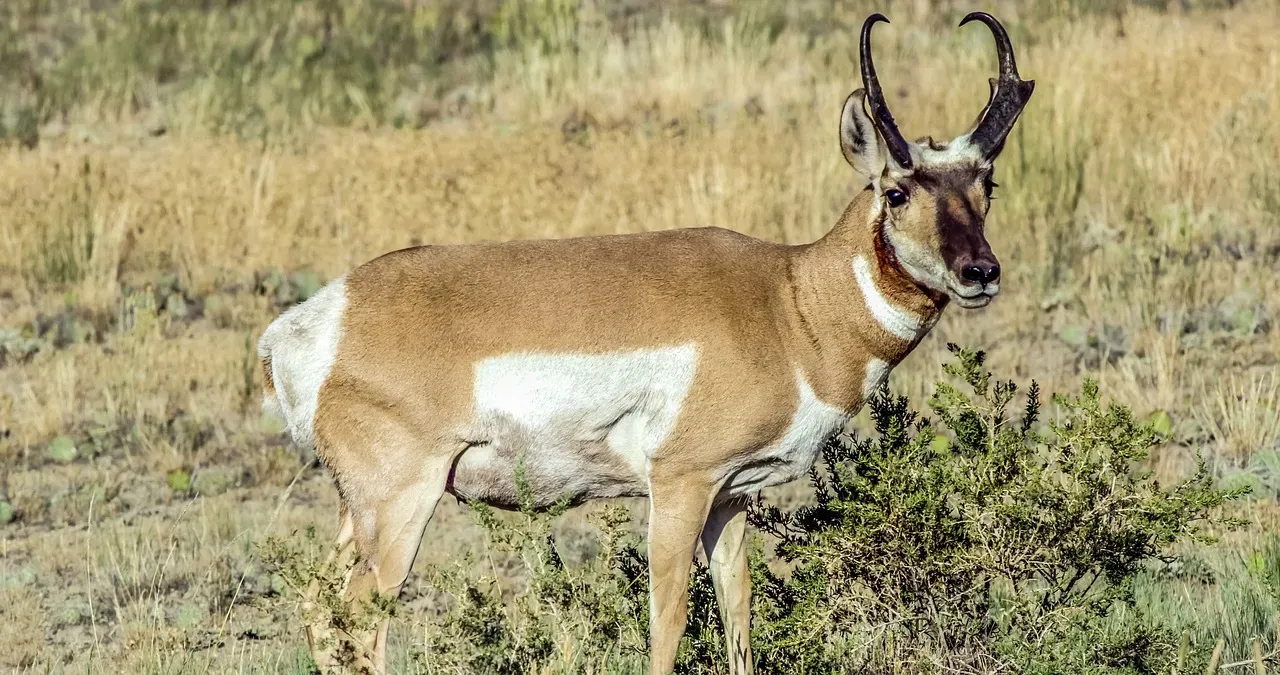
The American pronghorn, roaming grasslands and sagebrush plains from Wyoming to New Mexico, looks a bit like an antelope, but it’s actually its own unique kind of animal. What really sets it apart is speed: pronghorns can sprint faster than almost any other land mammal in the Western Hemisphere, hitting speeds that rival some African antelopes. They aren’t just sprinters, either; they can maintain high speeds over long distances, like marathon runners wearing rocket boosters.
The strange twist is that they’re too fast for any predator that currently lives in North America. Scientists think they evolved this extreme speed millions of years ago to escape now-extinct American cheetah-like cats and other prehistoric hunters. Today, that built-in overkill remains their secret weapon against coyotes and other threats on the open plains. Their huge windpipe, oversized heart and lungs, and long, lightweight limbs all work together like a finely tuned race car engine, perfectly adapted to wide-open spaces where running is the only real defense.
3. Virginia Opossum – The Roadside Survivor With a Supercharged Immune System
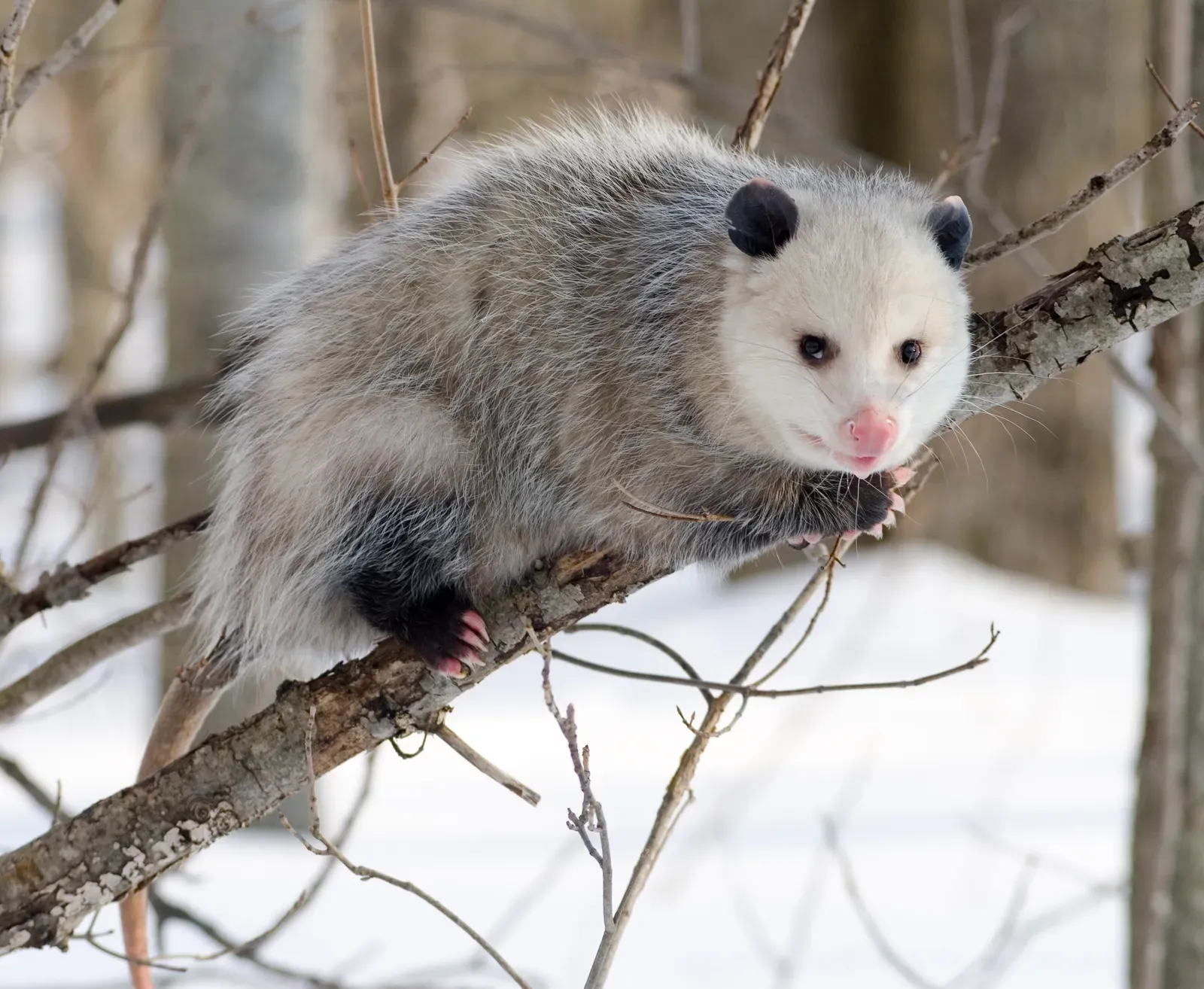
The Virginia opossum might not win any cuteness contests at first glance, but it’s one of the most underrated survival champions in the United States. Found from the East Coast to parts of the West, this scruffy, nocturnal scavenger has a remarkable ability to resist snake venom from species like rattlesnakes and copperheads. Its blood contains compounds that neutralize certain toxins, lowering the chances that a bite will be deadly. That gives it access to food and habitat where other mammals would be taking a serious risk.
On top of that, opossums rarely get rabies compared to many other mammals, and they’re surprisingly clean, constantly grooming themselves. They’ve also become experts at living alongside humans, nesting in attics, sheds, and abandoned burrows while eating everything from insects to fallen fruit and leftovers in trash cans. And then there’s the famous “playing dead” behavior, where some individuals collapse, drool, and emit a foul smell, convincing predators they’re already a rotten meal. It’s not glamorous, but it works, and in nature, effectiveness beats elegance every time.
4. Pistol Shrimp – The Tiny Gunner With a Supersonic Claw
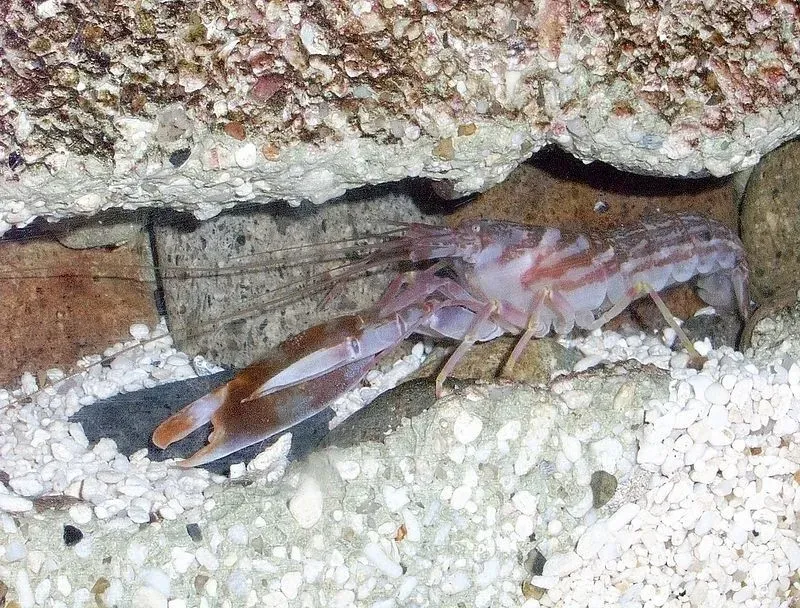
Along parts of the US coastline, especially in warmer waters like Florida’s coastal areas, lives one of the most astonishing little predators in the ocean: the pistol shrimp. At first glance, it looks like an ordinary small shrimp, but one of its claws is massively enlarged and shaped like a bizarre, built-in weapon. When the shrimp snaps this claw shut, it shoots out a high-speed jet of water that creates a tiny collapsing bubble. For a brief instant, that bubble reaches extreme temperatures and pressures, generating a shockwave powerful enough to stun or even kill small prey.
The snap is so intense that it produces a loud popping sound and bright flashes of light too fast for human eyes to easily catch. In groups, pistol shrimp colonies can be noisy enough that they interfere with underwater microphones and sonar equipment. These shrimp carve out burrows in the seafloor and can even share them with small fish in a kind of mutual partnership: the fish keeps watch while the shrimp maintains the home. It’s like an underwater frontier town guarded by a community of tiny gunslingers, where sound itself becomes a hunting tool.
5. American Bison – The Living Bulldozer That Engineers Its Own Ecosystem
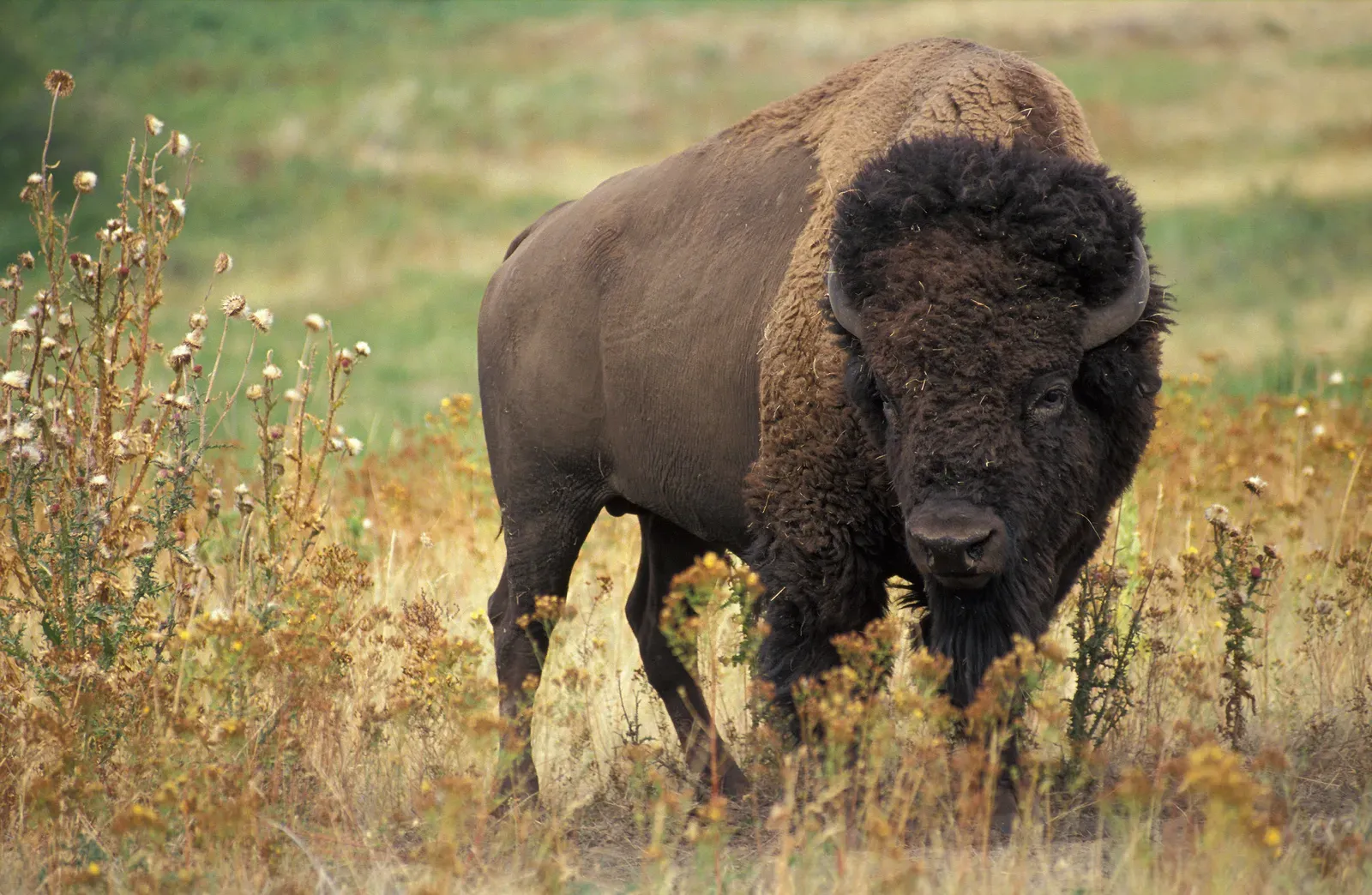
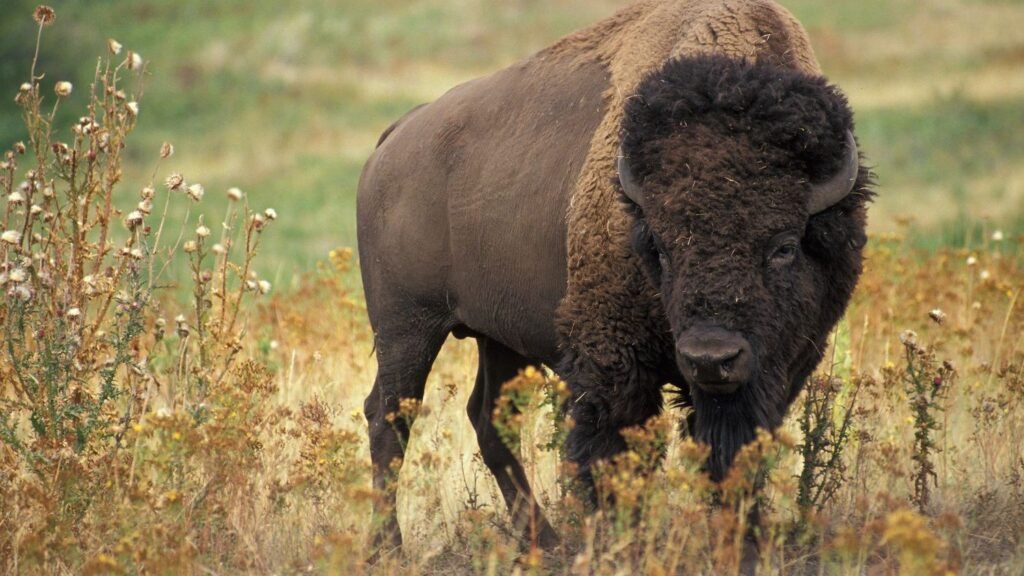
The American bison, often called buffalo, is not just a massive, shaggy symbol of the Great Plains; it’s also a master of survival in harsh environments. These animals can weigh as much as a small car and still move with surprising speed and agility when threatened. Their thick coat, with dense underfur and long outer hairs, insulates them against subzero winter temperatures and blizzards in states like Montana, South Dakota, and Wyoming. You can sometimes see bison standing calmly in deep snow, coated in frost, as if the weather barely matters.
But their most extraordinary adaptation might be the way they reshape the land they live on. With their powerful heads and muscular necks, they sweep aside snow to reach buried grasses, and in warmer months they wallow, rolling in dust or mud to fight parasites and heat. These behaviors create patches of bare soil and short grass that attract birds, insects, and new plant growth. In a sense, bison are ecosystem engineers, turning prairies into dynamic, diverse landscapes that support many other species. Surviving isn’t just about the individual animal; for bison, it’s about building and maintaining a whole community around them.
6. Peregrine Falcon – The Urban Skydiver That Turned Cities Into Cliffs
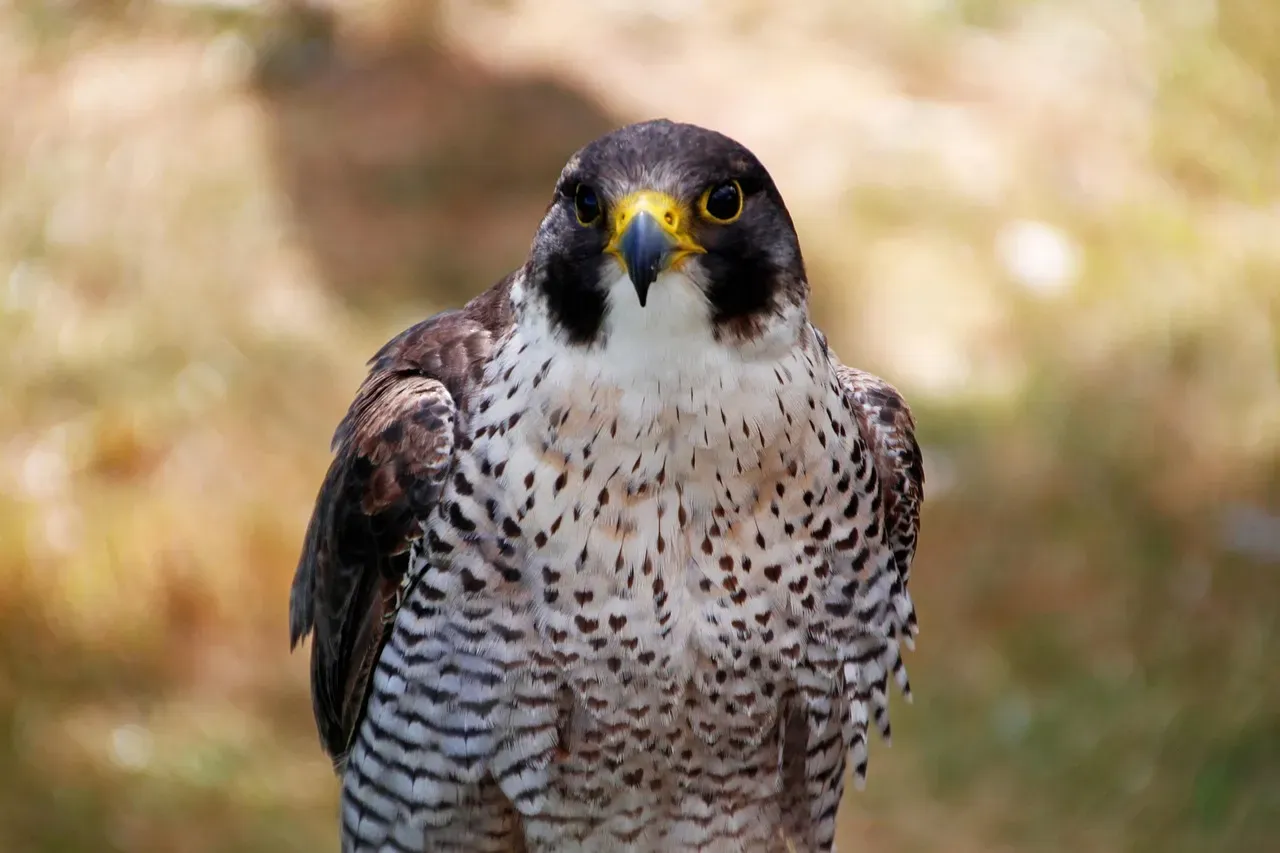
The peregrine falcon is best known as the fastest animal on Earth, and it’s found across much of the United States, from wild cliffs to downtown skyscrapers. When it spots prey like a pigeon or shorebird from high above, it folds its wings and drops into a dive, reaching speeds that rival a race car on a highway. Its body is built for this controlled free-fall: narrow, aerodynamic wings, strong chest muscles, and special baffles in its nostrils that help it breathe even as air rushes past at incredible speed.
What’s especially impressive is how peregrines have adjusted to human-dominated landscapes. After their populations crashed decades ago due to pesticide use, many were reintroduced in cities, where tall buildings mimic the sheer rock faces they traditionally nested on. Today, falcons patrol urban skies, nesting on bridges and towers, treating glass and steel like modern cliffs. They’ve turned our concrete canyons into hunting grounds, showing how a highly specialized predator can reinvent its life when the environment changes, as long as we give it a fighting chance.
7. Mantis Shrimp – The Technicolor Boxer With a Punch Like a Bullet
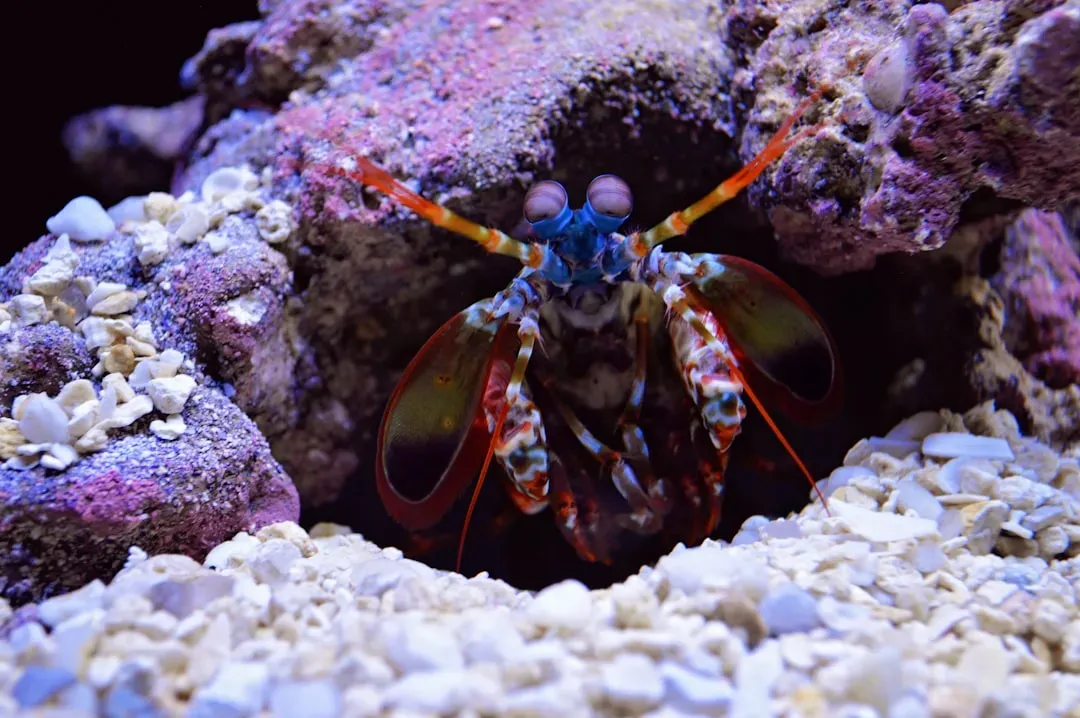
Mantis shrimp, found in tropical and subtropical waters including parts of the US like Florida and Hawaii, look like something dreamed up by a comic book artist. Many species are painted in electric reds, blues, and greens, and their eyes sit on stalks, constantly moving and scanning. Those eyes are among the most advanced in the animal kingdom, able to detect types of light and color that humans simply cannot see. That gives them an edge in finding prey, spotting predators, and communicating with each other in visual signals that are almost invisible to other animals.
Their most dramatic adaptation, though, is their weaponized front limbs, which work either like spears or clubs depending on the species. In club-type mantis shrimp, these limbs strike with such speed that they create powerful shockwaves, capable of cracking snail shells, crab armor, and even damaging aquarium glass. It’s like having a built-in hammer that swings faster than you can blink. In the rough-and-tumble world of coral reefs and rocky crevices, that explosive punch and superior vision turn a small crustacean into a surprisingly dominant fighter, proving that size is only part of the survival story.
Extraordinary Survivors Hiding in Plain Sight
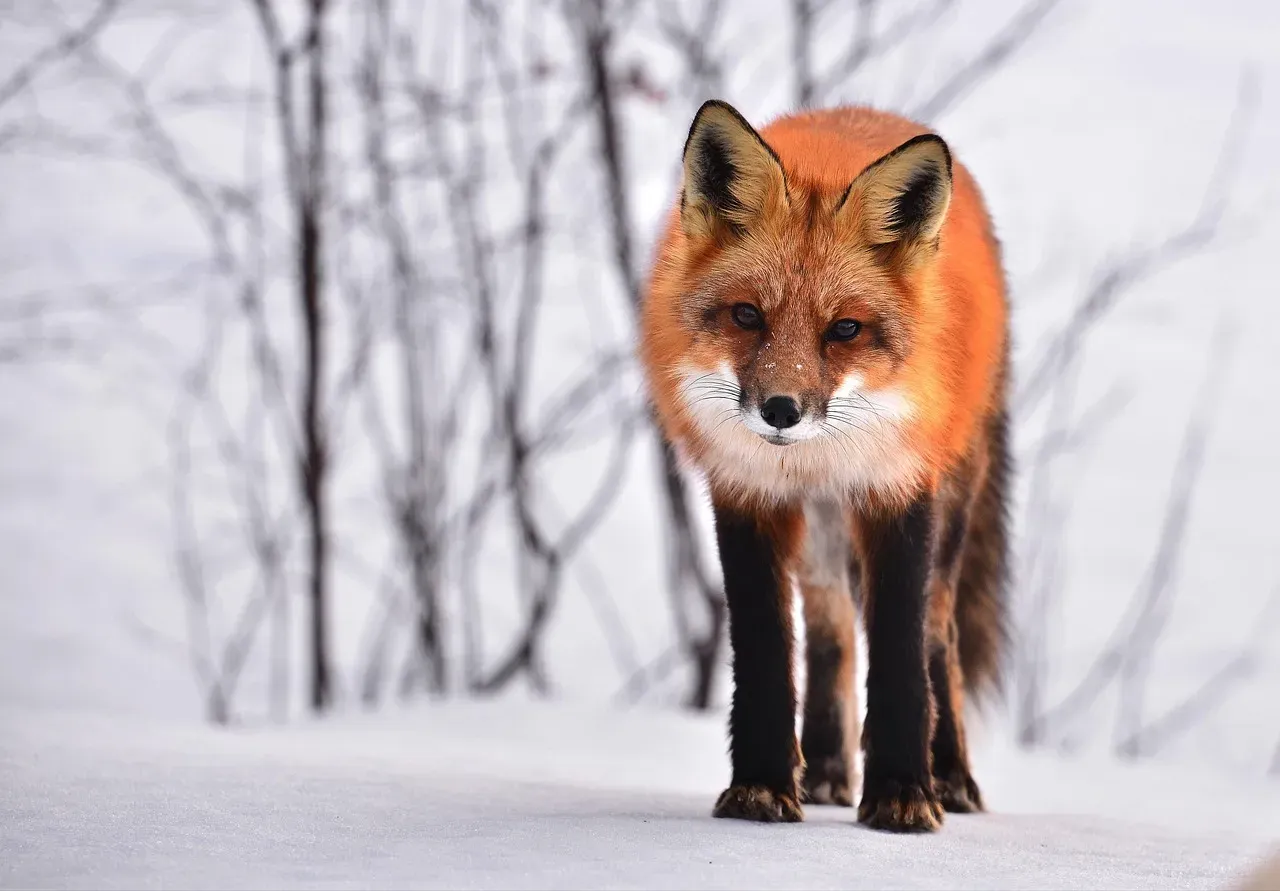
From frogs that freeze to birds that fall out of the sky at highway speeds, these seven US wildlife species show just how far evolution can push the limits of life. Each of them has turned a challenge into a superpower: brutal winters, wide-open plains, poisonous bites, crushing ocean pressure, and human-built cities all became opportunities instead of dead ends. Once you start seeing these animals as problem-solvers rather than just background scenery, the natural world feels a lot more alive and a lot less predictable.
What strikes me most is how many of these survival stories are playing out right beside us, often without us noticing. A “pest” in the trash, a bird on a bridge, a shadow in a tide pool, or a brown shape in a snowy field might be carrying millions of years of hard-earned adaptations under its feathers, fur, or shell. The next time you see a wild animal, even a very common one, it might be worth asking: what secret trick is it using to stay alive that we haven’t fully appreciated yet?