
Every now and then, a question slips into your head that refuses to leave: what if your mind isn’t just a by‑product of that three‑pound lump of tissue in your skull? Neuroscience has mapped brain regions in astonishing detail, yet the mystery of conscious experience itself – the feel of being you – still sits stubbornly outside a neat scientific box.
Some researchers are convinced we’re close to explaining consciousness purely in terms of neurons and chemistry. Others argue that no matter how many brain scans we collect, something essential is missing, like trying to understand a movie by cataloguing pixels but never watching the story. The result is a strange, thrilling moment in history where serious scientists, philosophers, and everyday people are asking: could there be more to our minds than the brain alone?
The Hard Problem: Why Consciousness Is So Difficult to Pin Down
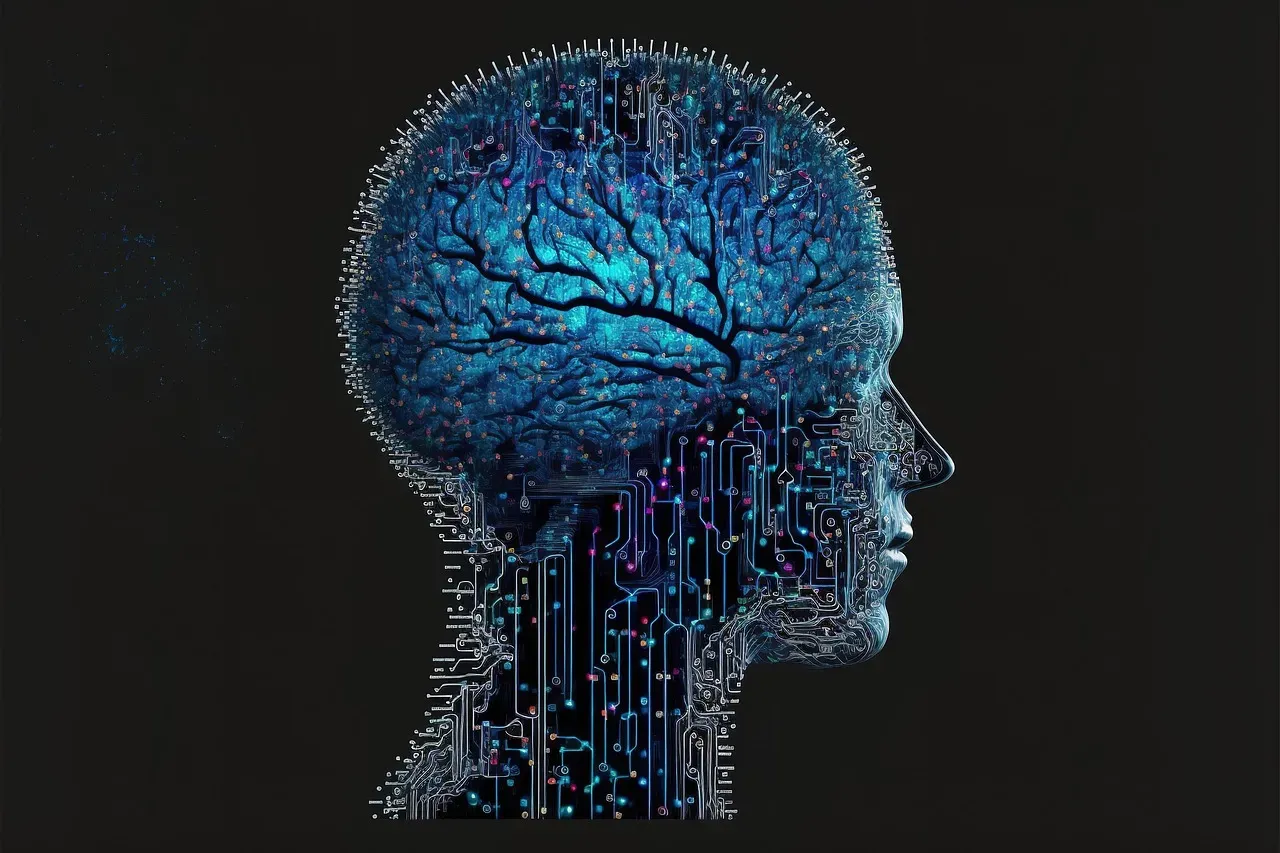
Imagine you could map every neuron firing in your brain in real time, down to the tiniest electrical whisper. You’d get an incredibly detailed picture of what’s happening physically, but you’d still face a stubborn question: why does any of that activity feel like something from the inside? This gap between objective brain processes and subjective experience is what many call the “hard problem” of consciousness, and it refuses to go away.
Neuroscientists can point to areas that light up when you see red, feel pain, or remember your first kiss, but none of those colored blobs on a scan tell you why those events come with an inner life. It’s like describing the circuitry of a radio without ever mentioning music. This is the tension at the heart of the debate: are we just missing a few details, or are we using the wrong kind of explanation entirely?
Brains as Receivers: The Old but Persistent “Radio” Analogy
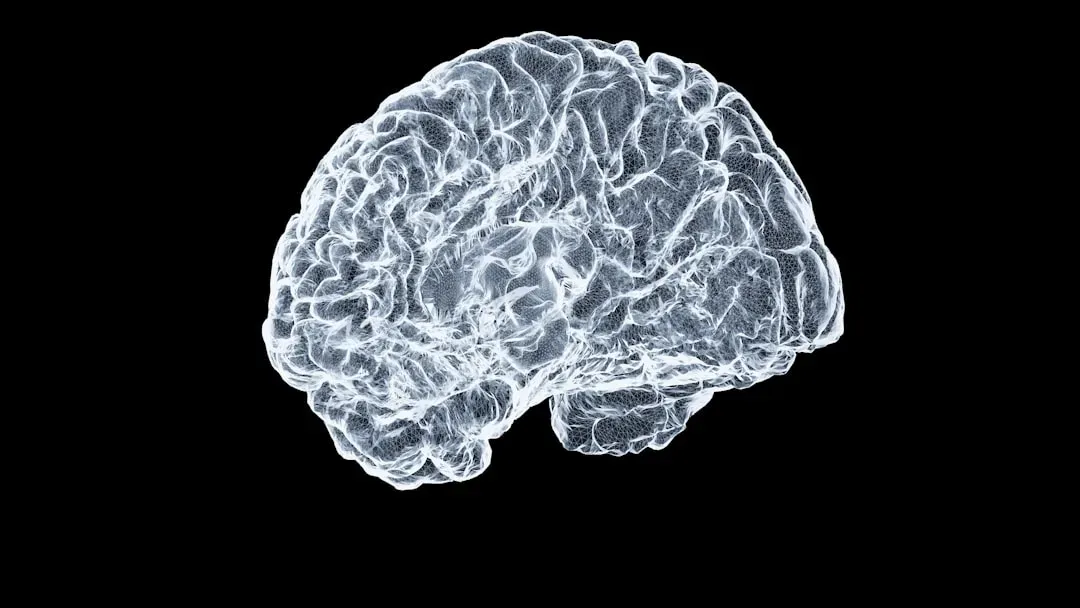
One of the most intriguing ideas is that the brain might not produce consciousness at all, but instead receive or filter it. Think of your brain not as the author of the movie of your life, but as a high‑end projector tuning into a signal that’s already there. Damage the projector and the image gets distorted, but that doesn’t necessarily mean the film itself stopped existing.
This view has a long history and keeps reappearing in modern discussions because it seems to fit some puzzling cases, like people who function almost normally despite having far less brain tissue than expected. Of course, these cases are rare and controversial, and they don’t prove a receiver model, but they do push against a simple “more brain, more mind” story. The receiver metaphor doesn’t give us a full theory, yet it forces us to consider that perhaps consciousness isn’t locked entirely inside the skull.
Near-Death Experiences: Glitches in the Brain or Glimpses Beyond?
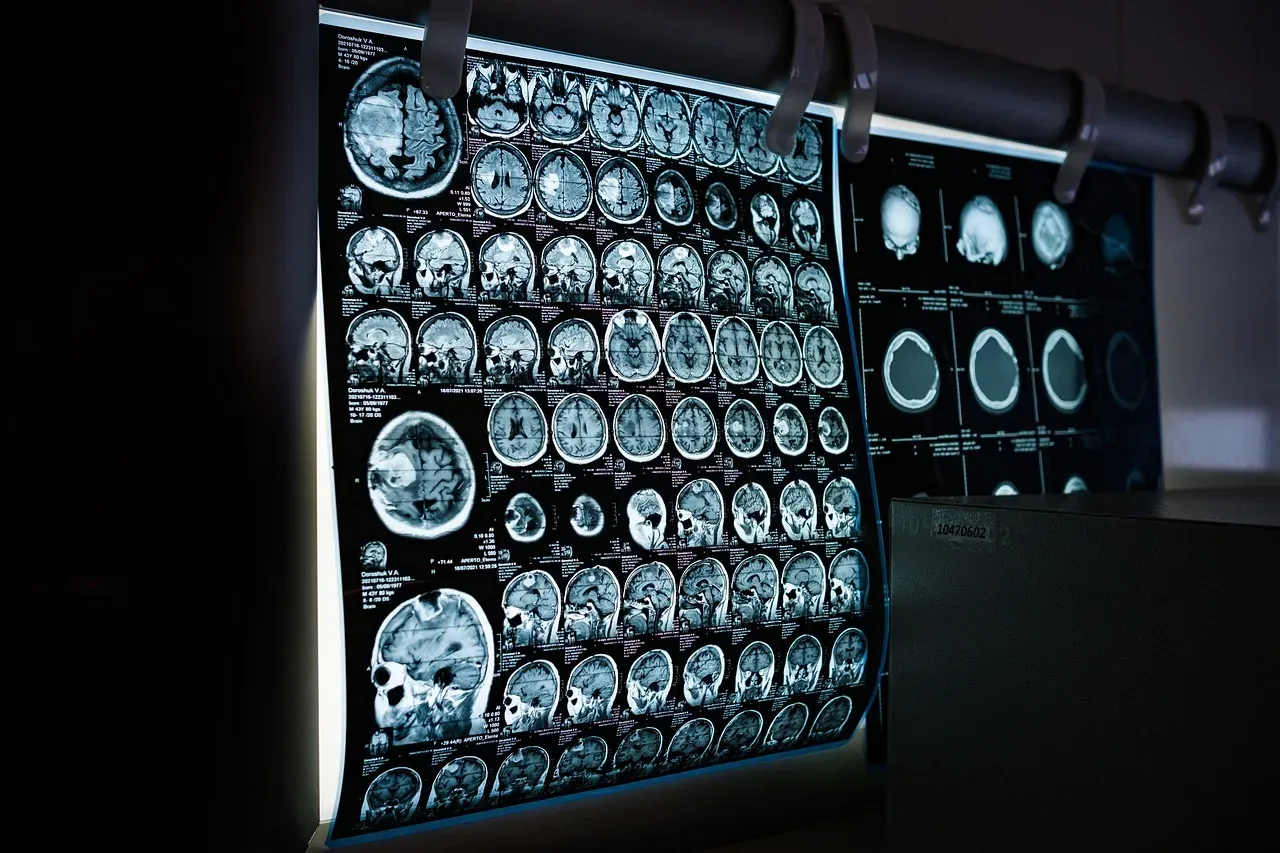
Accounts of near‑death experiences – people reporting vivid perceptions, life reviews, or a sense of leaving their body when the brain is severely compromised – have become a major flashpoint in this debate. In some documented cases, individuals describe events in operating rooms or emergency situations that they weren’t supposed to be able to perceive, given their clinical state. For many, this sounds like consciousness momentarily stepping outside the normal brain‑bound framework.
Most neuroscientists argue that these experiences can be explained by unusual brain activity under extreme stress, such as surges of electrical activity as the brain loses oxygen. There is active research measuring brain signals during cardiac arrest and resuscitation attempts, trying to see whether awareness can persist when measurable brain function is near zero. The data so far is suggestive but not definitive, leaving us with an uncomfortable suspense: are these just final fireworks of a dying brain, or hints that consciousness can briefly operate under impossible conditions?
Panpsychism: The Radical Idea That Mind Is Everywhere
If trying to squeeze consciousness out of matter feels impossible, one bold move is to flip the script and say: maybe some form of consciousness is a basic feature of reality, like mass or charge. This view, called panpsychism, suggests that even simple particles have extremely primitive forms of “experience,” which combine and organize in complex ways in brains. It doesn’t mean rocks are secretly plotting their day, but it does mean that mindlike qualities might be woven into the fabric of the universe.
Supporters say this avoids the awkward moment where consciousness supposedly emerges out of nowhere once matter gets complicated enough. Critics counter that it risks explaining everything and nothing at the same time, because it’s so hard to test. Still, what was once dismissed as fringe philosophy is now being taken more seriously in mainstream discussions, precisely because the standard materialist story struggles with that stubborn inner glow of experience. Panpsychism is unsettling, but it at least treats consciousness as fundamental rather than an afterthought.
Extended and Distributed Minds: Thinking Outside Your Skull

Even if consciousness depends heavily on the brain, that doesn’t mean the mind is confined to it. The idea of the “extended mind” argues that our thoughts and awareness flow into tools, technologies, and other people. When you offload memory to your smartphone, or think more clearly while doodling on a notebook, those external objects become part of your cognitive system, like removable mental limbs.
On a more social level, our minds seem to synchronize with those around us: body language, shared routines, group problem‑solving, and even online communities shape what we notice and how we feel. If you’ve ever felt your brain “switch on” in a lively conversation and then go flat when you’re alone, you’ve experienced this. In that sense, a mind can be seen as a networked process distributed across brains, bodies, and environments, not a solitary flame locked in a box. Consciousness might still be anchored in brains, but what it becomes depends heavily on what those brains are plugged into.
AI, Simulations, and the Question of Synthetic Consciousness
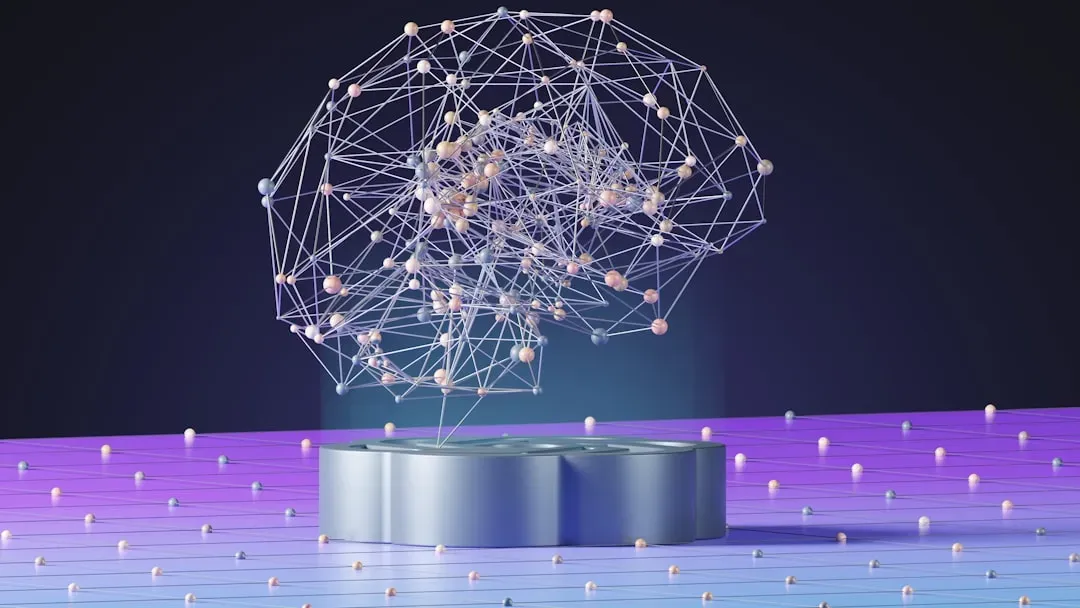
As artificial intelligence systems become more capable, another unsettling question arises: could a machine ever be conscious, or are we just building ever more convincing puppets? Today’s AI can generate text, images, and even mimic emotional tone, but whether there’s anything it feels like to be such a system is unknown. It’s a bit like watching a perfect performance through a closed window; you can’t tell if anyone inside is actually feeling the part.
Some researchers argue that if consciousness is just a certain kind of information processing, then in principle, a sufficiently complex AI running the right architecture could be conscious. Others insist that without a living, biological body, something essential is missing, like trying to have taste without a tongue. This debate pushes us to define what we really mean by “beyond the brain”: is it about non‑biological minds, new substrates for experience, or something more mysterious that no algorithm can touch?
Living with the Mystery: How This Changes the Way We See Ourselves
Whatever side you lean toward – strict brain‑based explanations or more expansive views that hint at something beyond – the question of consciousness is not just academic. It affects how we treat each other, how we think about death, and whether we see ourselves as biological accidents or participants in a deeper reality. Personally, I find it hard to believe that neurons alone tell the whole story, even if they are clearly a huge part of it; it feels a bit like insisting a novel is nothing but ink patterns on paper.
At the same time, I’ve also caught myself reaching for comforting answers just because the mystery feels heavy, especially when thinking about people I’ve lost. That’s the tightrope here: staying honest with the evidence while admitting we don’t yet have a full map. Maybe our descendants will look back on this era the way we look at early astronomers who thought the sky ended at the edge of visible stars. For now, we live with the tension, asking quietly but insistently: where does my mind really begin, and where does it end?