
You wake up each morning and the lights flick on inside your mind. You see, hear, feel, and think – all without a second thought about how any of it actually happens. It seems so ordinary. Yet that seamless, effortless sense of being you, of experiencing the world from the inside, is something that the greatest scientific minds in history have been completely unable to explain.
Consciousness has long been described as one of science’s toughest puzzles. Researchers still do not fully understand how physical brain tissue gives rise to thoughts, emotions, and subjective experience. Honestly, that sentence should stop you in your tracks. We can sequence the genome, map the cosmos, and build machines that write poetry – yet we cannot explain why there is something it is like to be a person at all. Let’s dive in.
What Exactly Is Consciousness, and Why Is It So Hard to Define?
Here’s the thing: before you can solve a mystery, you need to know what you’re actually looking for. Consciousness is the state of being aware of our surroundings and of ourselves, and it remains one of science’s deepest mysteries. Despite decades of research, there is still no consensus over how subjective experience arises from biological processes. That lack of consensus isn’t just a minor gap – it’s more like a canyon that no bridge has been able to cross.
This “hard problem” of consciousness is the ultimate biological mystery that effectively straddles the line between science and philosophy. Researchers can track the electrical impulses and chemical changes that occur in the brain, but the non-physical, qualitative experience of awareness – often called qualia – that arises from that activity remains entirely unexplained. Think of it this way: knowing every ingredient in a recipe does not tell you why the final dish tastes like something.
The “Hard Problem” That Has Stumped Philosophers and Scientists Alike
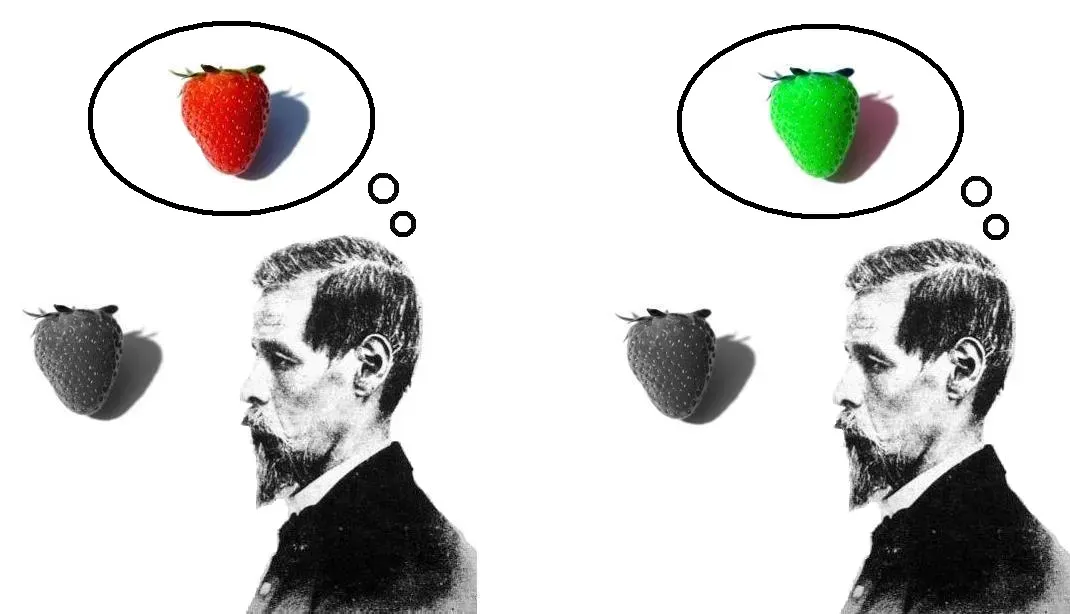
In the 1990s, Australian philosopher David Chalmers framed the challenge of distinguishing between the “easy” problems and the “hard” problem of consciousness. Easy problems involve explaining behavior, such as the ability to discriminate, categorize and react to surprises. Still incredibly challenging, they’re “easy” in the sense that they fit into standard scientific investigation. The hard problem comes after we’ve explained all of these functions of the brain and are still left with a puzzle: why is the carrying out of these functions accompanied by experience?
The real conundrum is how subjective experience emerges from the body – how the brain, a chunk of meat, produces a subjective “feel.” This is the “hard problem” of consciousness. I find this framing almost laughably profound. We are pieces of biological machinery somehow observing ourselves from the inside. There seems to be an unbridgeable explanatory gap between the physical world and consciousness. All these factors make the hard problem hard.
The Competing Theories: IIT, Global Workspace, and the Great Debate
An experiment seven years in the making uncovered new insights into the nature of consciousness and challenged two prominent, competing scientific theories: Integrated Information Theory (IIT) and Global Neuronal Workspace Theory (GNWT). Both theories have devoted followers, and both, so far, have walked away from the big match without a decisive win.
Integrated Information Theory proposes a mathematical model for the consciousness of a system. It comprises a framework ultimately intended to explain why some physical systems, such as human brains, are conscious, and to be capable of providing a concrete inference about whether any physical system is conscious, to what degree, and what particular experience it has. Neither theory was decisively supported in recent experiments, but results highlight functional connections between early visual and frontal brain areas, informing our understanding of consciousness and related disorders. So the debate rages on, civilized but fierce.
A Landmark Experiment That Rewrote What We Thought We Knew
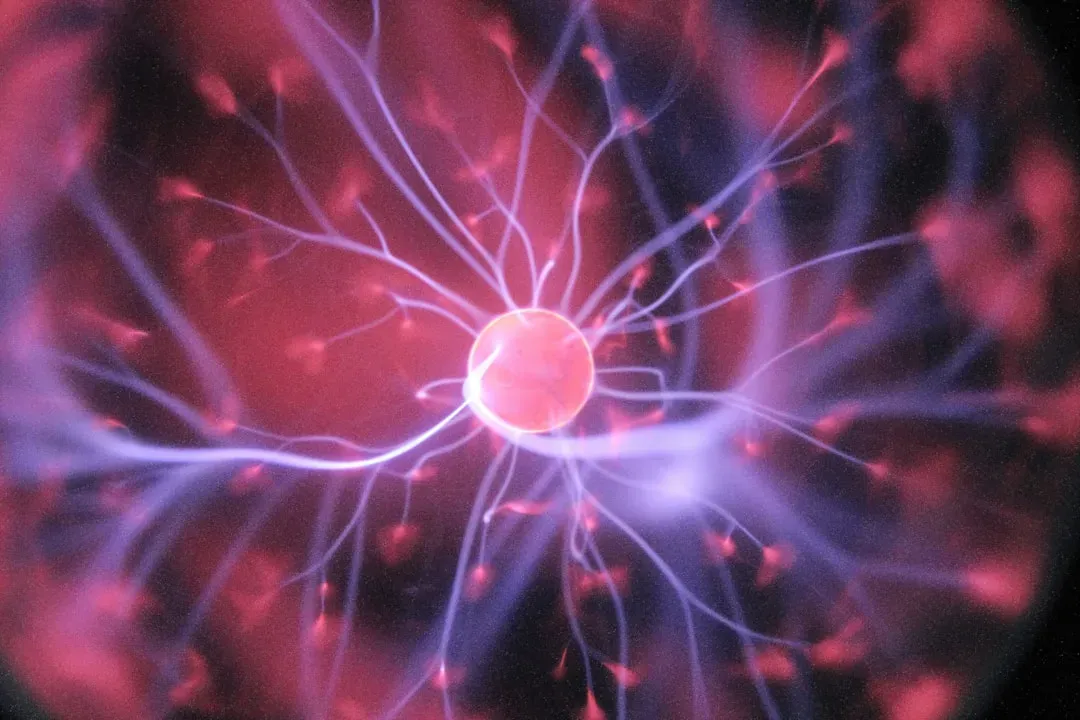
Research showed that there is functional connection between neurons in early visual areas of the brain and the frontal areas of the brain, helping us understand how our perceptions tie to our thoughts. The findings de-emphasize the importance of the prefrontal cortex in consciousness, suggesting that while it is important for reasoning and planning, consciousness itself may be linked with sensory processing and perception. That is genuinely surprising. For decades, the prefrontal cortex was treated almost like the throne room of consciousness.
In 2025, many new thresholds in this complex area of study were crossed, with empirical inquiry into questions about the nature of consciousness occurring within fields such as neuroscience, psychology, and medicine. Many advancements also challenged long-held assumptions about where and how consciousness originates, how widespread it may be, and how profoundly altered states can reshape human perception. In other words, the science is moving – just not fast enough to satisfy anyone who lies awake wondering what, exactly, is doing the wondering.
MIT’s Ultrasound Tool: A Brand New Window Into the Mind
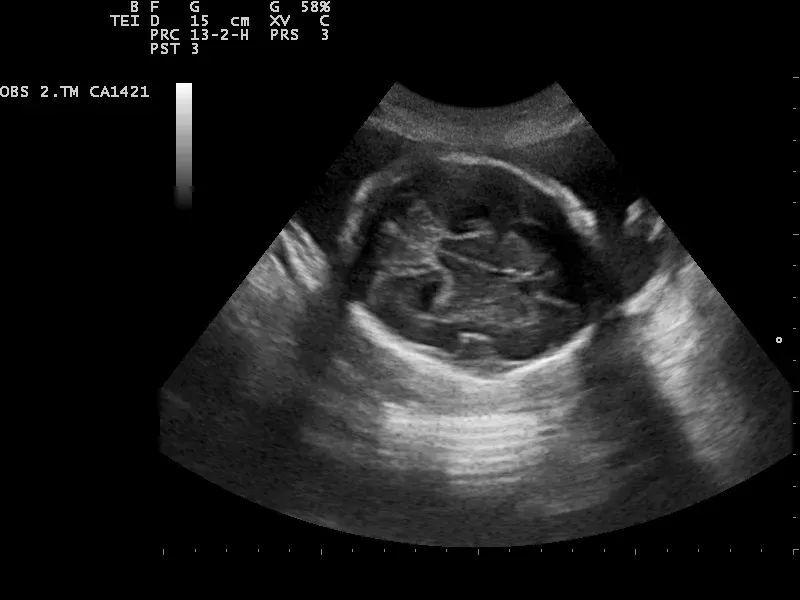
Scientists still don’t know how the brain turns physical activity into thoughts, feelings, and awareness – but a powerful new tool may help crack the mystery. Researchers at MIT are exploring transcranial focused ultrasound, a noninvasive technology that can precisely stimulate deep regions of the brain that were previously off-limits. In a new “roadmap” paper, they explain how this method could finally let scientists test cause-and-effect in consciousness research, not just observe correlations.
MIT researchers are using focused ultrasound to safely stimulate deep parts of the brain and probe the roots of consciousness. The technology could finally reveal which brain circuits cause conscious experience, rather than just reacting to it. This is a significant leap. Up until now, most research could only wave at consciousness from a distance, watching brain activity and guessing at its meaning. Having the ability to intervene directly changes everything about how the next generation of research can be designed.
Does Consciousness Extend Beyond the Human Brain? The Panpsychism Question
Let me warn you: this section is where things get genuinely wild. Panpsychism is proposed as the most elegant answer to the hard problem of consciousness that allows one to seamlessly integrate consciousness into the fabric of physical reality. That means some serious thinkers believe consciousness is not a product of brains alone, but a fundamental feature of the universe itself – like mass or electric charge.
The familiar fight between “mind as software” and “mind as biology” may be a false choice. Some work proposes biological computationalism: the idea that brains compute, but not in the abstract, symbol-shuffling way we usually imagine. Among the most provocative work about consciousness in recent years, one controversial peer-reviewed paper published in AIP Advances proposed that “universal consciousness” may have existed before the Big Bang, functioning not as a byproduct of matter but as a foundational feature of reality itself. It’s hard to say for sure whether that hypothesis will hold up, but the mere fact that it reached peer review tells you how open the field has become.
Psychedelics and Near-Death Experiences: Consciousness at Its Most Extreme

Perhaps the most tangible advances came from renewed interest in altered states of consciousness, particularly through psychedelic research. Multiple studies in 2025 demonstrated that psychedelic compounds can rapidly reorganize brain networks, temporarily dissolving rigid patterns of thought associated with depression, trauma, and addiction. What is remarkable is not just the therapeutic value – it is what these states reveal about how fragile and flexible consciousness truly is.
A research team from the University of Liège published a unified neuroscientific model of near-death experiences in Nature Reviews Neurology. The researchers drew upon data from neurobiology, animal studies, psychedelic research, and clinical observations to offer a comprehensive explanation of how NDEs may emerge in response to physiological stressors such as oxygen deprivation, carbon dioxide buildup, and disruptions in brain energy metabolism. Near-death experiences have been reported throughout the world, often associated with long-term growth and psychological transformation. These moments suggest that consciousness is far more plastic, and perhaps far stranger, than our everyday experience lets on.
The AI Wildcard: Could Machines Ever Become Conscious?
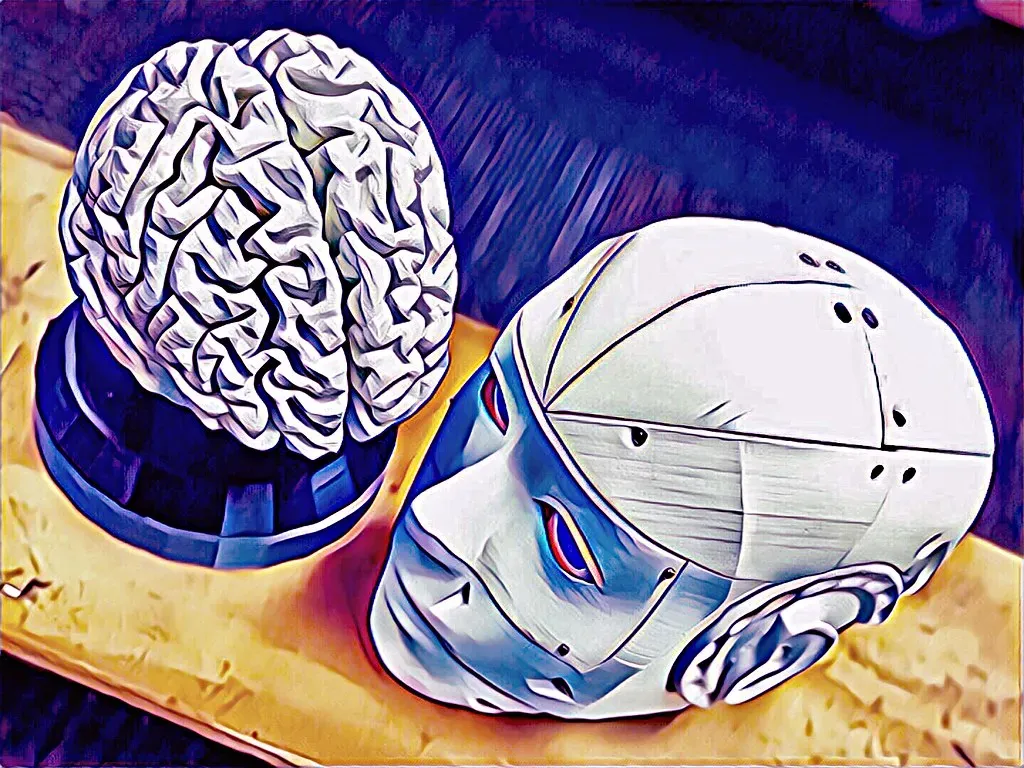
Now here is the question that keeps a lot of very smart people awake at night. A philosopher at the University of Cambridge says there is no reliable way to know whether AI is conscious – and that may remain true for the foreseeable future. That is both fascinating and deeply unsettling, especially as AI systems grow more sophisticated by the month.
The stakes for understanding consciousness have never been higher. We have built talking machines able to imitate consciousness so well that we cannot always tell the difference. Claims of conscious AI are often more marketing than science, and believing in machine minds too easily could cause real harm. The safest stance for now, many argue, is honest uncertainty. Still, the pressure that AI development places on consciousness research is enormous – and arguably the best thing that could have happened to push the field forward.
Conclusion: The Mystery That Makes Us Human
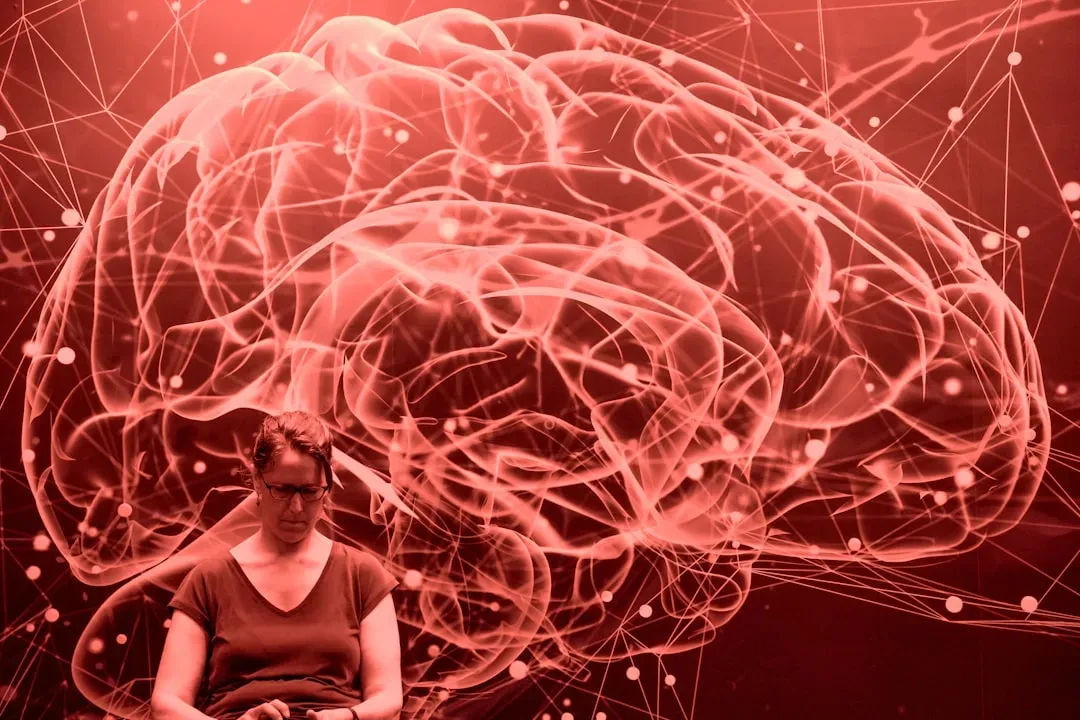
There is something almost beautiful about the fact that consciousness, the very thing that allows you to read these words and feel curious about them, is also the thing science cannot fully explain. Every tool we build to understand it must be wielded by a conscious mind. Every theory we devise must be thought up by the very thing we are trying to describe. It is a little like trying to see your own eyes without a mirror.
Questions about the nature of consciousness remain among the most perplexing areas of modern scientific research, with implications for the human mind and our broader concept of reality. That scope is what makes this mystery so singular. It is not just a neuroscience puzzle. It touches philosophy, physics, medicine, ethics, and what it even means to be alive. In the past 30 years, neuroscientists scouring the brain for the so-called neural correlates of consciousness have learned a lot. Their search has revealed constellations of brain networks whose connections help to explain what happens when we lose consciousness. Progress is real. The answers, however, are still somewhere just out of reach – which, if you think about it, is exactly what makes the search worth taking.
So here is the question worth sitting with: if we ever do fully crack the mystery of consciousness, will the explanation feel like a triumph of science, or will it somehow feel like we have lost something irreplaceable? What do you think? Leave your thoughts in the comments below.
Hi, I’m Andrew, and I come from India. Experienced content specialist with a passion for writing. My forte includes health and wellness, Travel, Animals, and Nature. A nature nomad, I am obsessed with mountains and love high-altitude trekking. I have been on several Himalayan treks in India including the Everest Base Camp in Nepal, a profound experience.