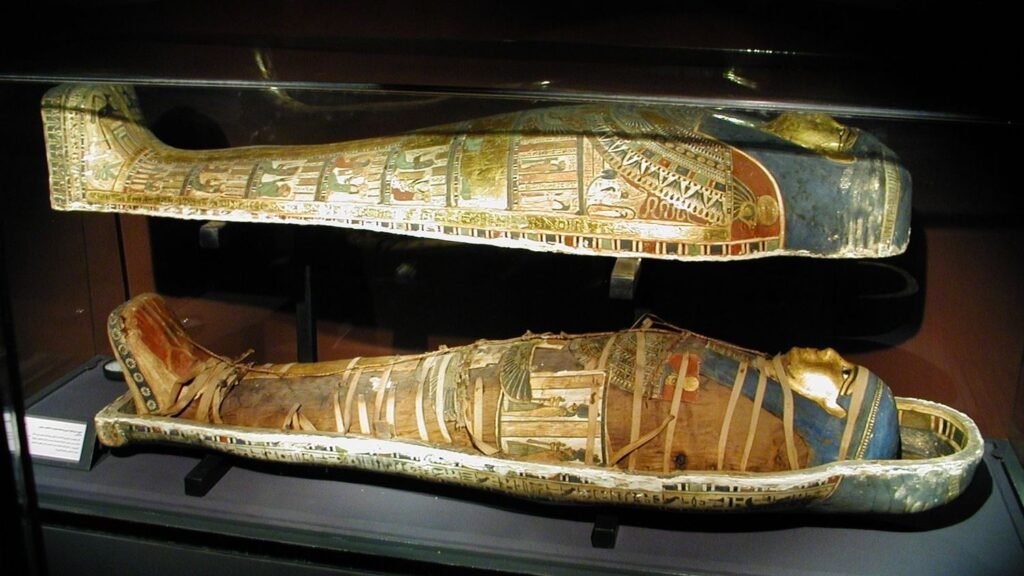

You’ve seen the pictures. You’ve read the stories. Ancient Egypt haunts our imagination with monuments that seem to defy the boundaries of human capability. Yet even as technology advances and researchers dig deeper into the sands, some of Egypt’s greatest puzzles refuse to give up their secrets. These aren’t tales of curses or hidden treasure.
These are real scientific conundrums that leave experts scratching their heads in 2026. From construction techniques that seem impossible without modern machinery to chemical formulas lost to time, the land of the pharaohs continues to challenge everything you thought you knew about ancient civilizations. Let’s dive into the mysteries that even historians can’t fully explain.
The Impossible Precision of Pyramid Construction
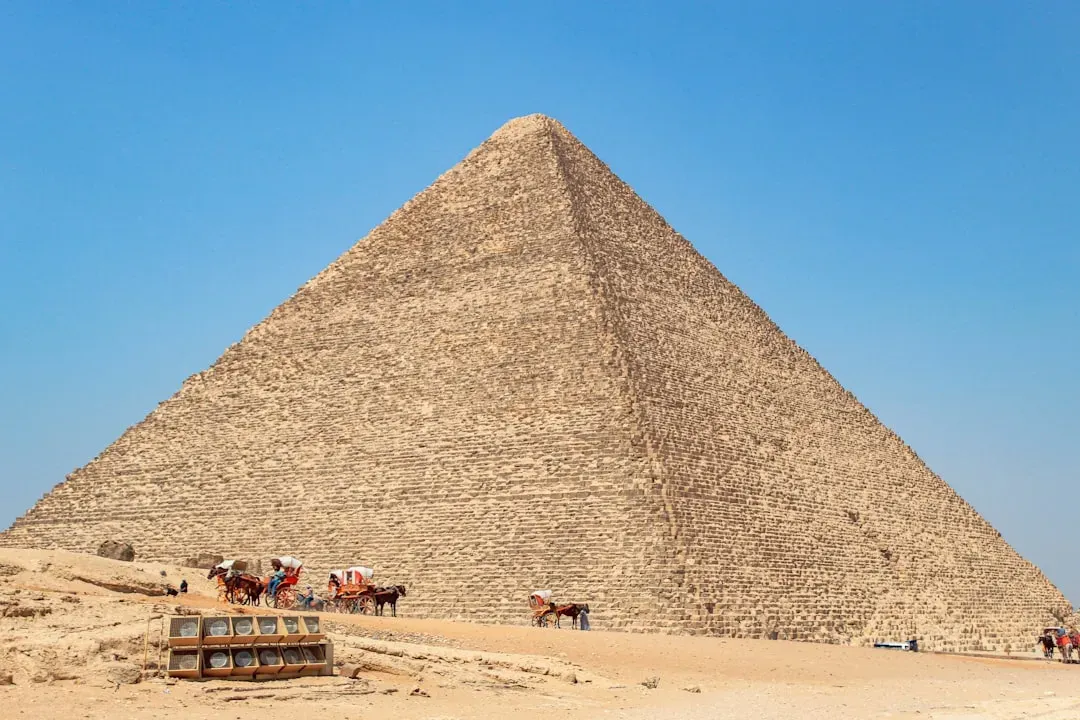
The Great Pyramid of Giza stands as a testament to something extraordinary: over two million stone blocks, each weighing between two and fifteen tons, fitted together with techniques available more than four thousand years ago. Here’s where it gets truly baffling. The pyramid builders achieved accuracy comparable to modern construction methods using only rudimentary tools. You’d think someone somewhere would have documented exactly how they did it.
Yet there are no surviving records detailing exactly how the pyramids were built. Theories abound, from ramps to pulleys to water-based systems. Scientists discovered evidence of a lost tributary to the Nile using fossilized pollen particles, suggesting Egyptians engineered canals and basins leading to the Giza plateau. Still, the method for lifting these massive blocks remains hotly debated among researchers who can’t quite replicate what ancient builders accomplished.
The Chemical Genius Behind Mummification
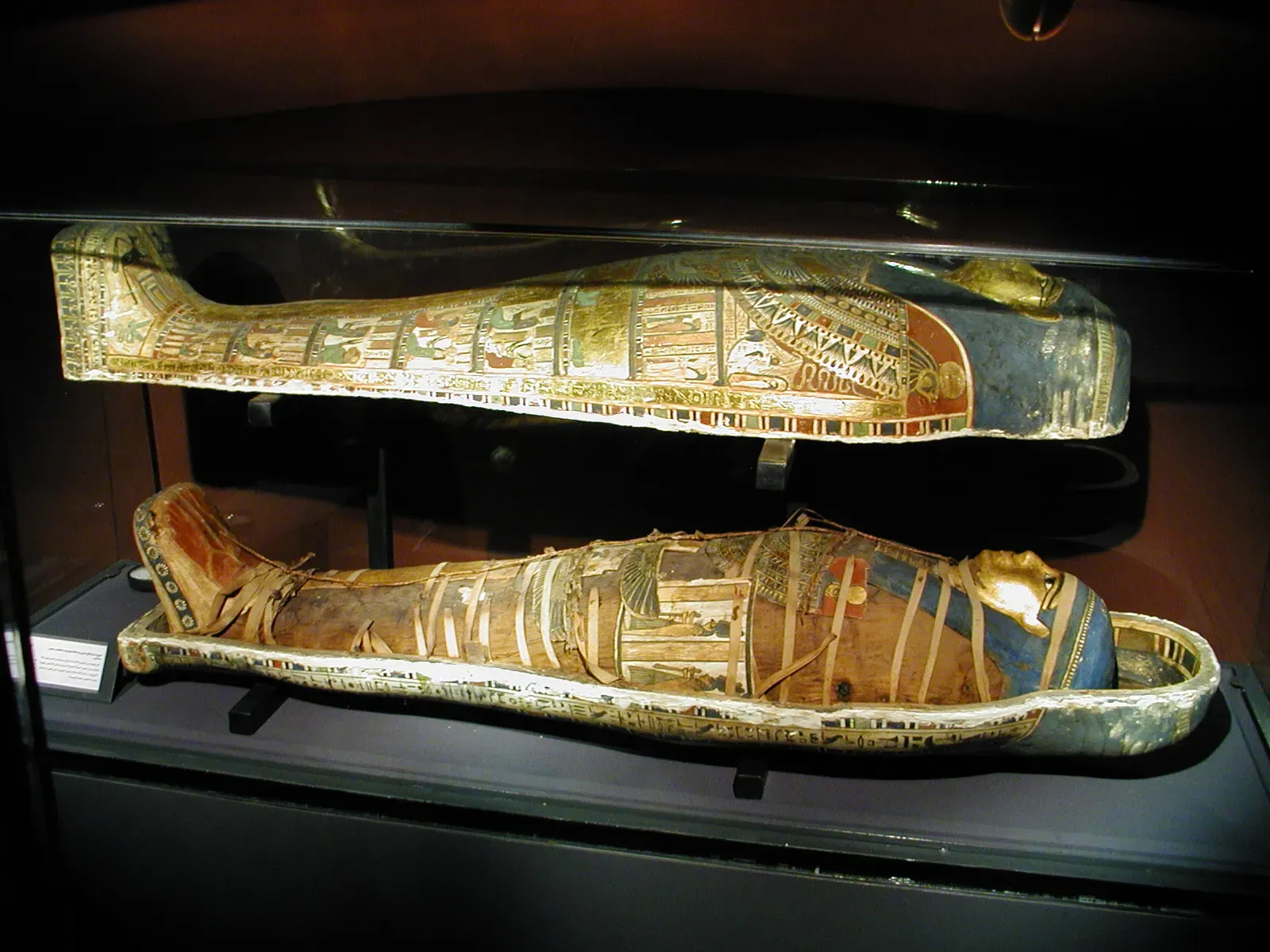
Ancient Egyptian embalmers possessed knowledge that seems downright futuristic for their time. In twenty eighteen, archaeologists discovered a mummification workshop with labeled jars containing oils and balms used to preserve bodies, and researchers identified the chemical contents of those vessels for the first time. What they found was astonishing.
Without any microbiological background or knowledge of bacteria, embalmers knew precisely what antibacterial and antifungal substances to apply to skin for optimal preservation. Two unexpected ingredients shocked researchers: elemi and dammar resins had never been linked to Egyptian embalming practices before, with elemi used to treat the head, liver, and bandages. The sophistication of these chemical recipes, accumulated over centuries, reveals a depth of practical chemistry that challenges our assumptions about ancient scientific knowledge.
The Concrete Theory That Won’t Die
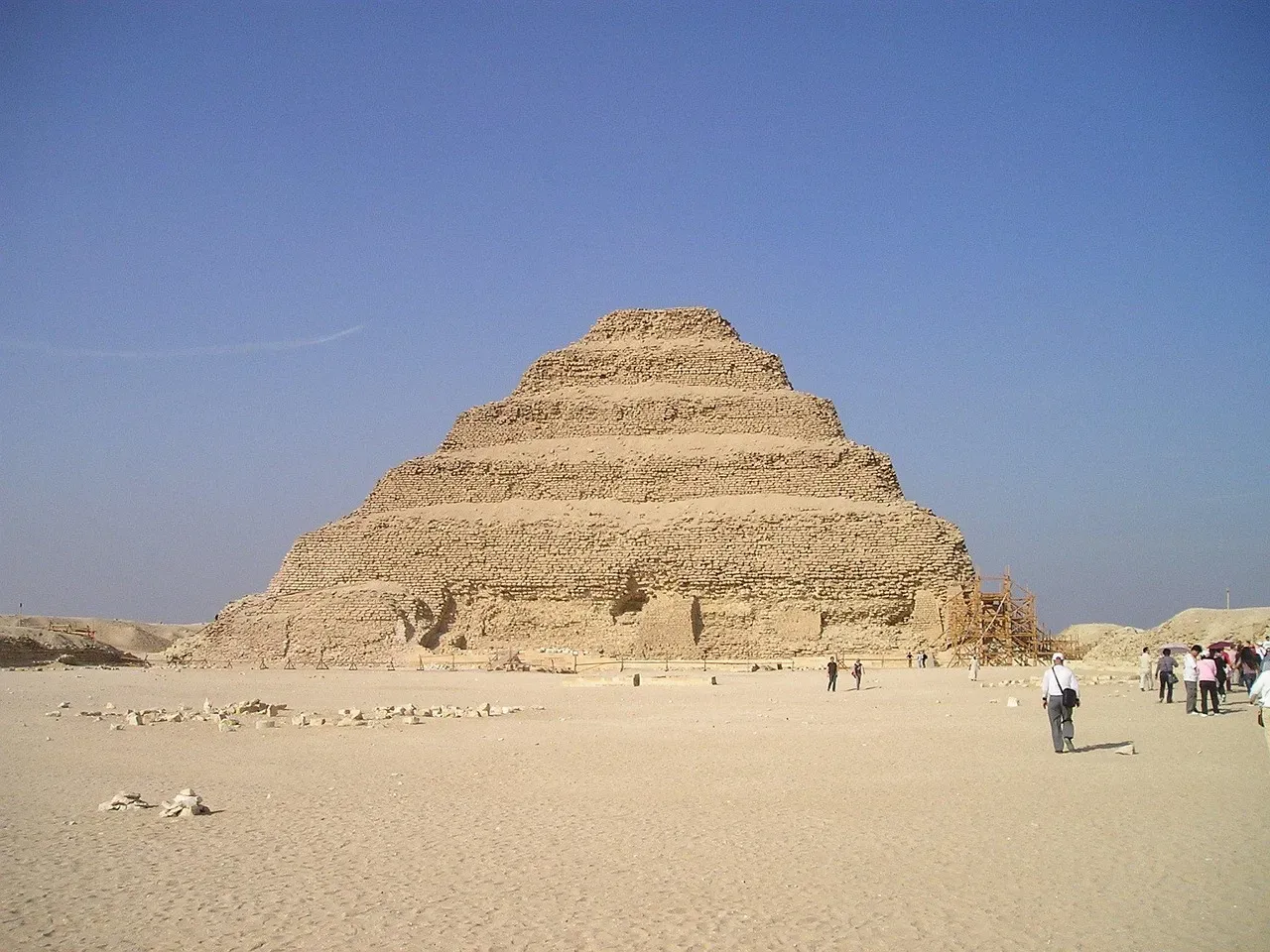
What if the pyramids weren’t entirely carved stone? Some researchers have proposed something radical. Materials scientist Michel Barsoum believes portions of the pyramids including tops, backing blocks, and outer and inner casings were made from reconstituted limestone, while cores were likely cut limestone. This theory sparked immediate controversy.
Researchers discovered silicon dioxide nanoscale spheres in pyramid samples, further confirming these blocks are not natural limestone. When laboratory-made concrete using water, crushed limestone, quicklime, and natron was sent for blind analysis alongside actual pyramid stone, every laboratory reported the samples were identical in composition. Yet mainstream Egyptologists rejected this explanation almost universally. The debate continues, with neither side willing to concede ground on what should be a straightforward question about construction materials.
The Mystery of the Serapeum Stone Boxes
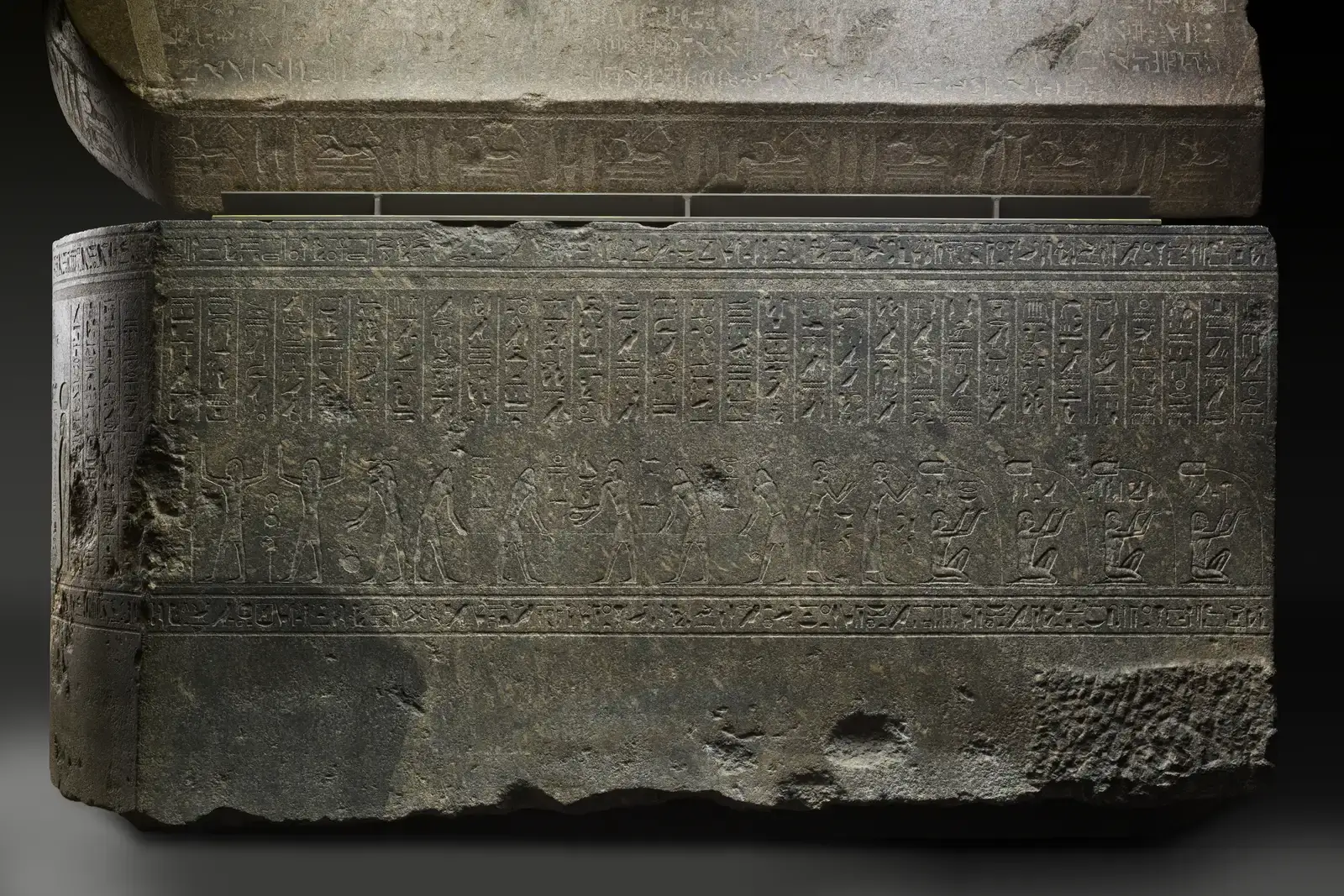
Buried beneath Saqqara lies something that defies easy explanation. Twenty four stone boxes sit in underground tunnels, each weighing between seventy and one hundred tons, measuring four meters long, over two meters wide, and over three meters tall, with lids alone weighing thirty tons made from the same hard stone as the boxes. The precision is what leaves engineers speechless.
Recent calculations suggest the internal and external dimensions deviate by only thousandths of an inch. Even stranger, most boxes were carved from hard rose granite from a quarry eight hundred kilometers away, while others used even harder diorite from quarries even further distant. Engineer Chris Dunn measured accuracy as fine as deviations of two ten thousandths of an inch from laser straight on some inside surfaces, impossible for dynastic Egyptians’ bronze tools. Their purpose remains unknown, and modern firms admit they couldn’t replicate them today.
The Hidden Chambers and Lost Technology
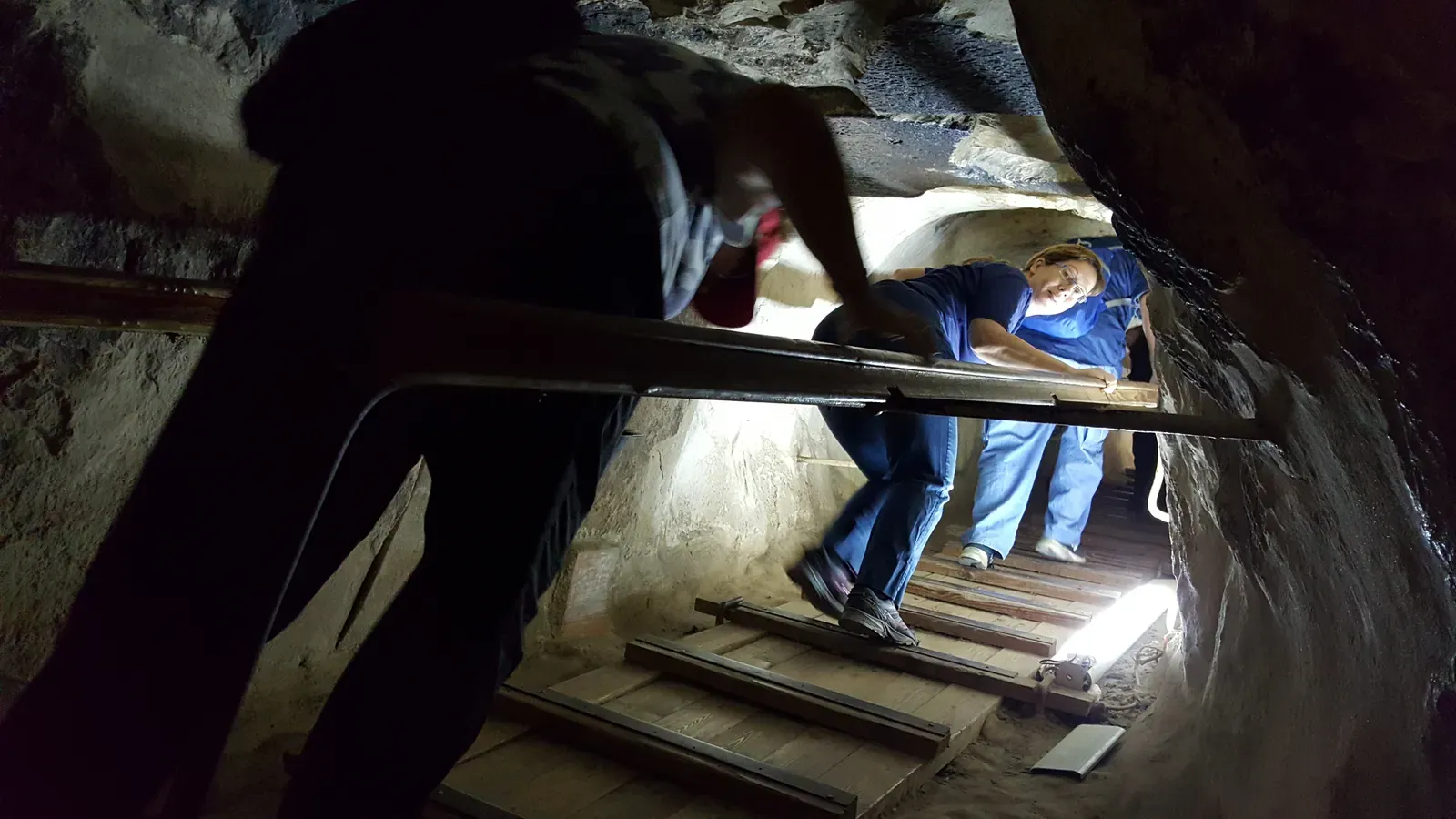
Technology keeps revealing what ancient builders tried to hide. In twenty seventeen, researchers scanning the Great Pyramid found signs of a large hidden chamber above the grand gallery as large as the biggest room in the entire pyramid, deliberately built to be totally inaccessible. Why would anyone go to such extraordinary effort to create something no one could ever reach?
Modern scanning techniques using muon particles passing through pyramid walls discovered a huge cavity above the Grand Gallery in twenty seventeen. Despite extensive research and archaeological discoveries, there’s still no consensus on exact methods and tools employed, with moving and precisely placing millions of massive stones requiring sophisticated techniques undocumented for over forty five hundred years. We’re left with structures that showcase capabilities we can barely understand, let alone reproduce.
Ancient Egypt refuses to fully reveal its secrets. These mysteries aren’t simply about satisfying curiosity. They challenge fundamental assumptions about what ancient civilizations could achieve and force us to reconsider the linear progression of human technological development. Each new discovery seems to raise more questions than answers, suggesting that perhaps the ancient Egyptians possessed knowledge in engineering, chemistry, and construction that we’re only beginning to appreciate.
What do you think explains these enduring mysteries? Were the ancient Egyptians simply more ingenious than we give them credit for, or is there something fundamental we’re still missing about their capabilities?