
You ever think about how quiet space is supposed to be? It’s a vacuum, after all. No air means no sound waves, just silent emptiness stretching forever. At least that’s what we learned in science class. Yet here’s the thing that keeps astronomers awake at night: space actually has its own eerie soundtrack. Not the kind you’d hear with your ears, obviously. These are radio waves, electromagnetic signals, and bizarre acoustic phenomena that get picked up by sensitive instruments and converted into audio we can process. Some of these sounds have been explained. Others, well, they remain absolute mysteries.
Scientists have catalogued numerous puzzling signals emanating from the cosmos. Roughly half a century after we started seriously listening, we still don’t have satisfying answers for several of these cosmic whispers and roars. These aren’t your typical pulsar ticks or planetary hums. We’re talking about signals so strange, so unexpected, that they’ve spawned countless theories and left even the brightest minds scratching their heads. Let’s explore eight of the most baffling sounds ever detected from beyond our world.
The Legendary Wow! Signal
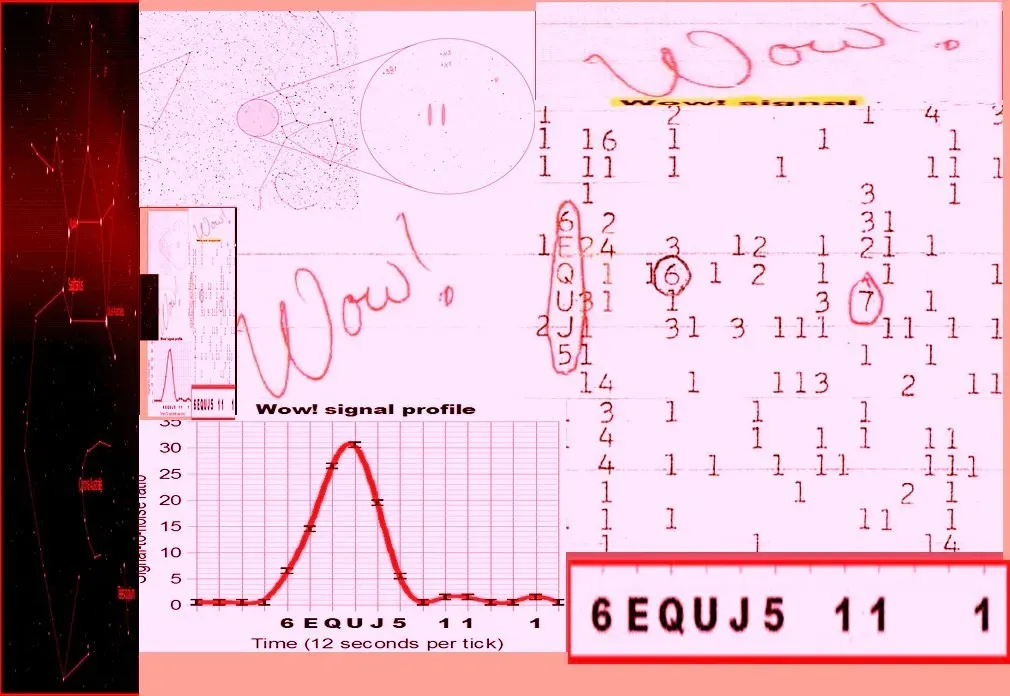
On August 15, 1977, Ohio State University’s Big Ear radio telescope picked up a strong narrowband radio signal from the direction of Sagittarius that bore expected hallmarks of extraterrestrial origin, and astronomer Jerry Ehman discovered the anomaly while reviewing recorded data days later. When he saw it, he couldn’t help himself. He grabbed a red pen and scrawled one word in the margin: “Wow!” That single expression turned this signal into the most famous potential alien transmission in history.
The signal lasted for the full 72-second window during which Big Ear was able to observe it. What made it truly remarkable was its frequency. The signal occurred at 1420 megahertz, the frequency naturally emitted by hydrogen, which Cornell University physicists had speculated any extraterrestrial civilization attempting radio communication might use since it’s the most common element in the universe. Despite numerous follow-up searches, the signal has never recurred, and no explanation, terrestrial or otherwise, has been confirmed. Recent theories suggest it may have resulted from the sudden brightening of a cold hydrogen cloud, possibly caused by a strong energy source like a magnetar flare striking a cloud and causing it to glow brighter. Still, the mystery endures.
Fast Radio Bursts That Defy Logic
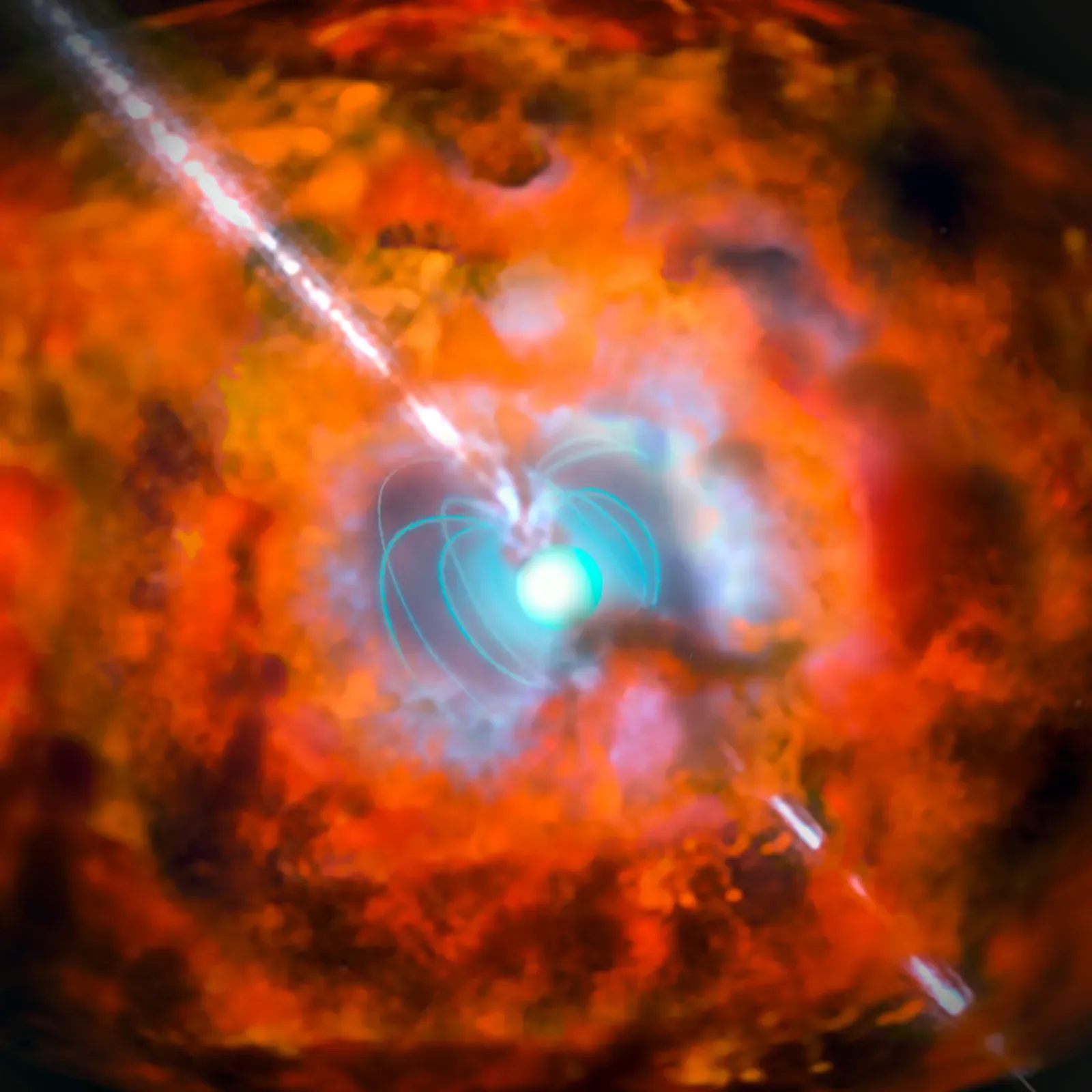
Imagine a signal so powerful it outshines an entire galaxy, but only for a fraction of a second. Fast radio bursts release as much energy in less than the blink of an eye as the sun emits in one day. These millisecond flashes have puzzled scientists since their first detection back in 2007. They arrive from distances measured in billions of light years, carrying astronomical amounts of energy across the cosmos.
Recent studies show that the origins for different fast radio bursts are wildly different, with one appearing to come from the chaotic, magnetically active environment near a magnetar. Some bursts repeat. Others happen once and vanish forever. One leading idea connects FRBs to magnetars, but many explanations remain possible because astronomers haven’t found reliable signals from FRB sources in other wavelengths including visible and infrared light. The diversity of their sources means we’re probably dealing with multiple phenomena masquerading under the same name. Each discovery adds another piece to the puzzle, yet the complete picture remains frustratingly out of reach.
The Space Roar Nobody Expected
In July 2006, a balloon-borne instrument named ARCADE reached an altitude of about 120,000 feet, and its mission was to search the sky for faint signs of heat from the first generation of stars, but instead they heard a roar from the distant reaches of the universe. This wasn’t a faint whisper. The strange cosmic noise booms six times louder than expected. Let’s be real, that’s not a small discrepancy. That’s the universe essentially shouting at us when we expected polite conversation.
The space roar is caused by synchrotron radiation, a type of emission from high-energy charged particles in magnetic fields, and because every source has the same characteristic spectrum, pinpointing the origin of this intense signal is difficult. Nobody knows what causes it. Nothing in the known Universe has the potential to generate a radio signal of such power, and even if the entire Universe was crammed full of radio galaxies, it still wouldn’t come close to the strength of the Space Roar. Some have theorized it relates to early universe conditions or string theory, while others think it might be countless dim radio galaxies we can’t detect individually. Whatever it is, space is making a lot more noise than it should.
Voyager’s Interstellar Hum
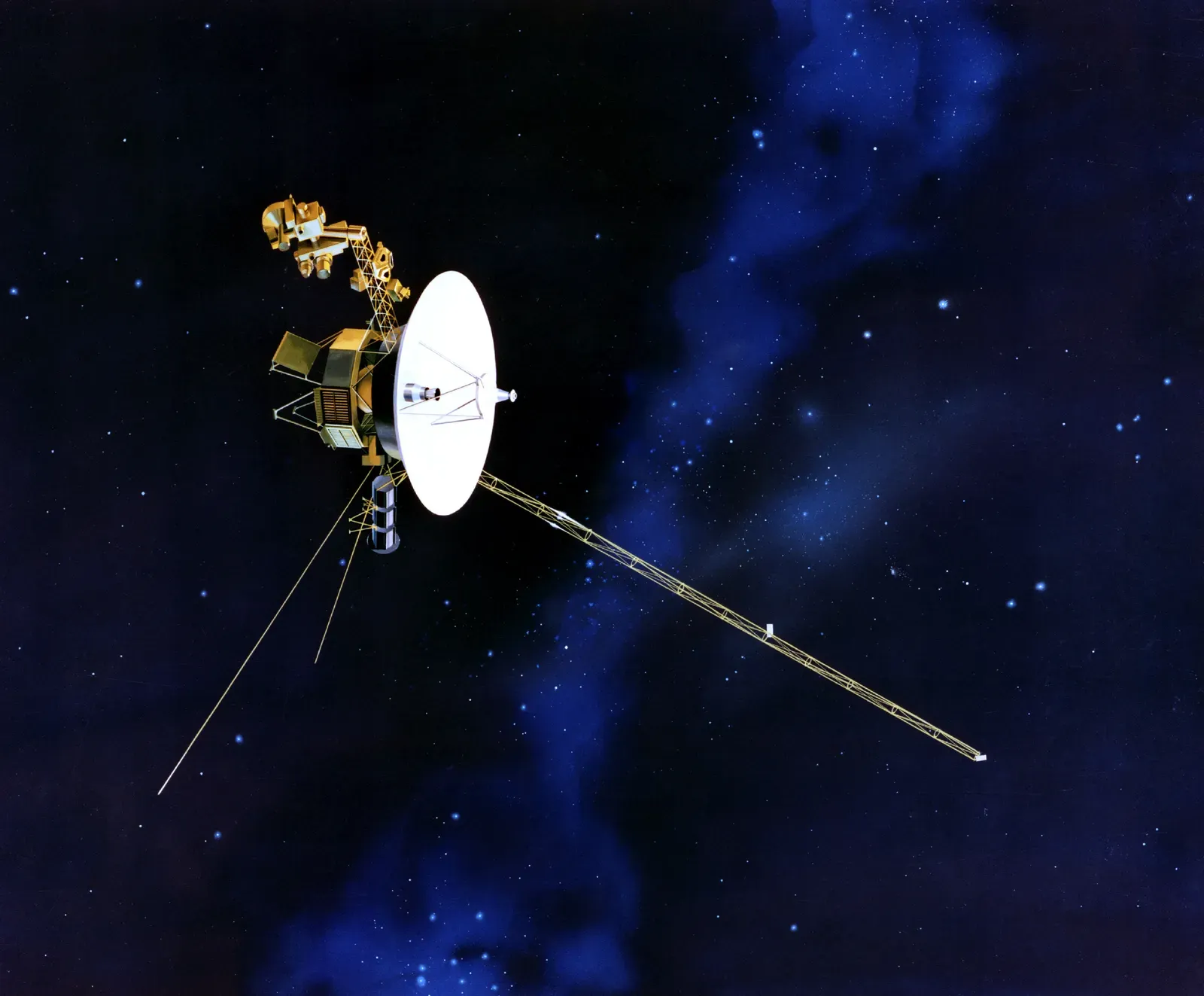
Voyager 1, humanity’s most faraway spacecraft fourteen billion miles away from Earth, detected an unusual hum coming from outside our solar system that may be caused by plasma in the vast emptiness of interstellar space. This isn’t the sound of a dramatic explosion or cosmic collision. It’s more subtle, more persistent.
Stella Koch Ocker, a doctoral student at Cornell University, discovered the sound in data from Voyager’s Plasma Wave System, and called the drone coming from plasma shock waves “very faint and monotone,” likely due to the narrow bandwidth of its frequency. While researchers think the persistent background hum may be coming from interstellar gas, they don’t yet know what exactly is causing it. It’s like the universe has a baseline frequency we never knew about, constantly vibrating just beneath perception. Voyager picked up this cosmic elevator music billions of miles from home, and honestly, nobody’s sure what’s playing it.
Mysterious Stratosphere Infrasound
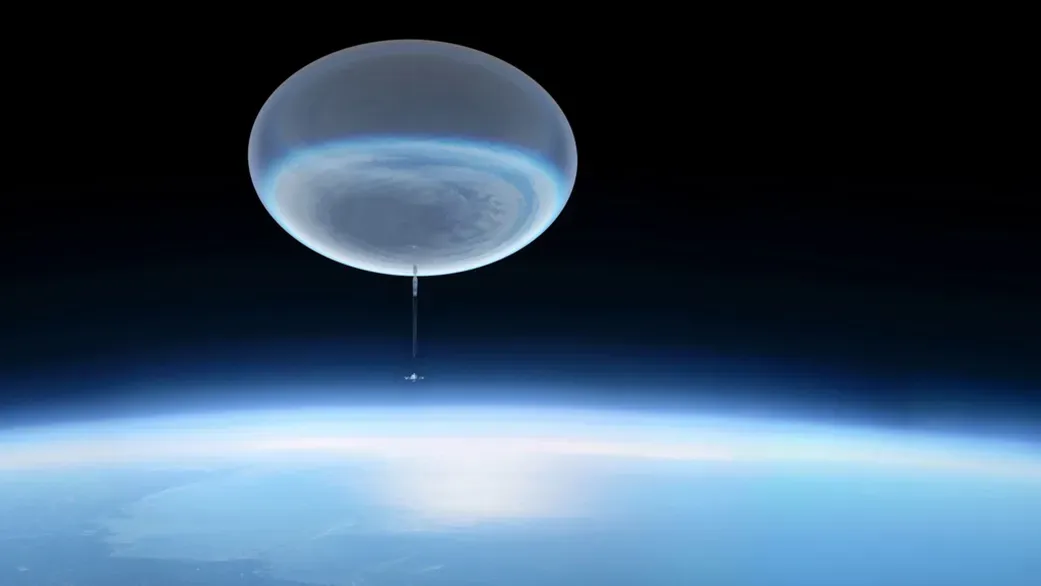
You’d think Earth’s own atmosphere would be fairly well understood by now. You’d be wrong. A solar-powered balloon mission launched by Sandia National Laboratories carried a microphone to the stratosphere about 31 miles above Earth, and the microphone heard strange sounds that repeat a few times per hour whose source has yet to be identified.
The sounds were recorded in the infrasound range, meaning they were at frequencies of 20 hertz and lower, well below the range of the human ear. Researchers say there are many flights with signals whose origin they don’t understand, noting they’re almost certainly mundane, maybe turbulence or distant storms, but it’s hard to tell what’s going on due to the lack of data up there. Think about that for a moment. We’ve mapped distant galaxies but can’t figure out what’s making repetitive sounds just twenty miles above our heads. The stratosphere keeps its secrets close.
The Knocking Inside Chinese Spacecraft
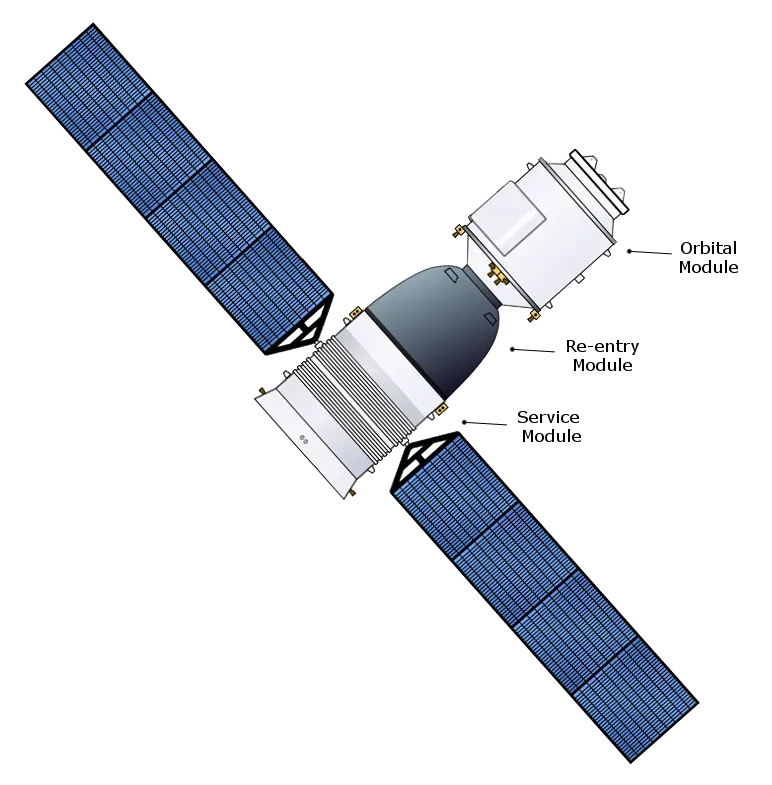
In October 2003, during China’s first manned spacecraft mission carrying astronaut Yang Liwei on a 21-hour flight, he heard a knocking sound that he described like a wooden mallet hitting a metal surface. Not exactly the kind of thing you want to hear when you’re sealed in a tin can orbiting Earth at tremendous speeds.
Here’s where it gets weirder. This wasn’t the last time the sound was heard, as astronauts on Shenzhou 6 in 2005 and Shenzhou 7 in 2008 also reported hearing the exact same sound and were equally unable to identify the cause. Three separate missions, same mysterious knocking. The knocking sounds heard on the three Shenzhou missions have still eluded explanation. Theories range from space debris impacts to thermal expansion of the spacecraft hull to escaping air causing vibrations. It’s fascinating that this sound happened across three separate missions over a five-year time span. Whatever’s doing the knocking apparently wasn’t invited but keeps showing up anyway.
Repeating Long-Period Radio Transients
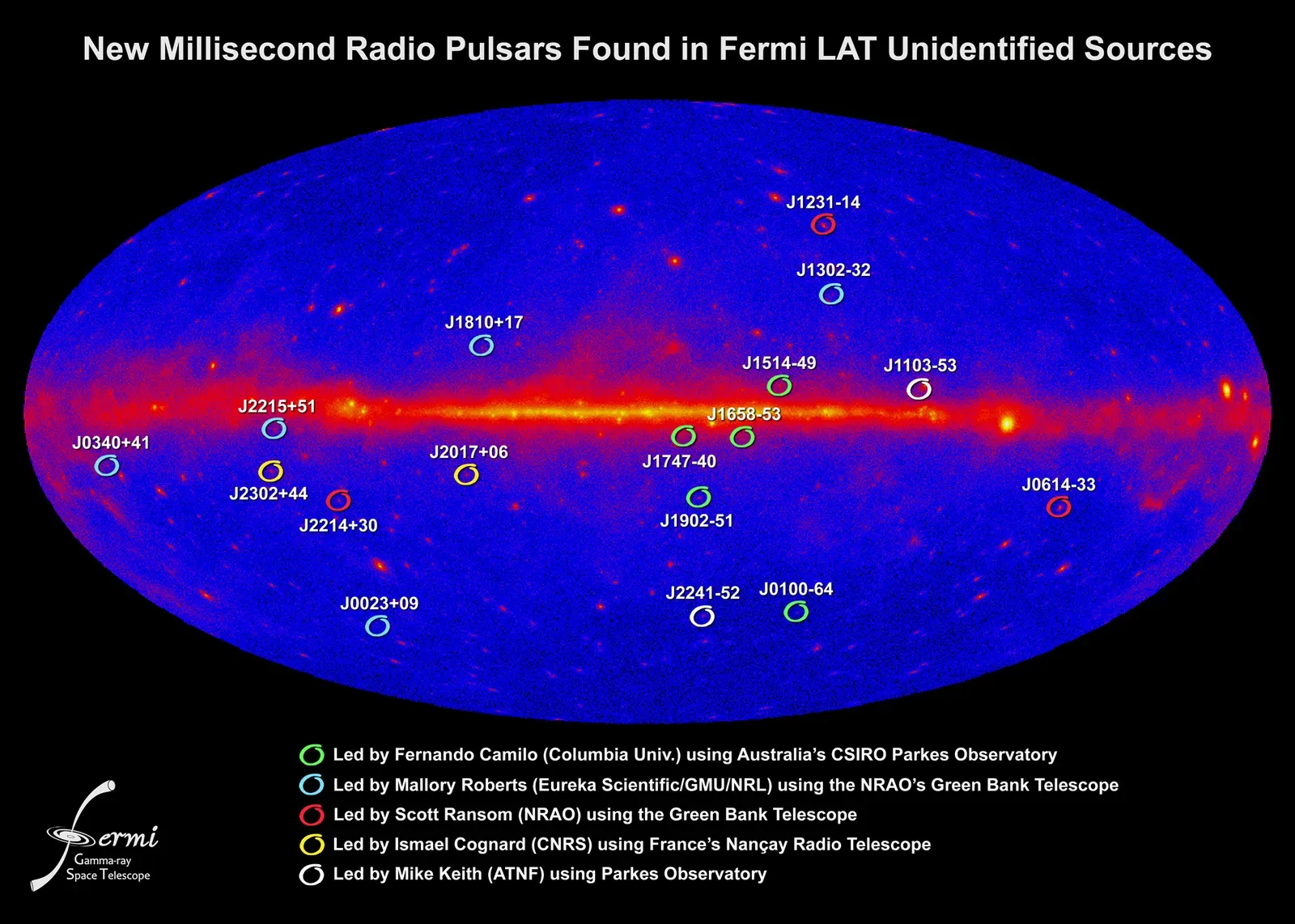
Slowly repeating bursts of intense radio waves from space have puzzled astronomers since they were discovered in 2022, and research has tracked one of these pulsating signals back to its source: a red dwarf, likely in a binary orbit with a white dwarf. But here’s the problem: Our current theories say a pulsar spinning only once every 18 minutes should not produce radio waves.
In 2022, a team made a discovery of periodic radio pulsations that repeated every 18 minutes, emanating from space, and the pulses outshone everything nearby, flashed brilliantly for three months, then disappeared. These signals challenge everything we thought we knew about how dead stars behave. The red dwarf probably produces a stellar wind of charged particles, and when the wind hits the white dwarf’s magnetic field, it would be accelerated, producing radio waves similar to how the Sun’s stellar wind interacts with Earth’s magnetic field to produce aurora and low-frequency radio waves. The pattern exists, we’ve identified some sources, but the physics that makes it possible remains stubbornly unclear.
The Caribbean Sea’s Hidden Whistle

Not all mysterious sounds come from deep space. Some originate much closer to home but are equally baffling. Scientists at the University of London have found that due to the size of the Caribbean Sea, it’s producing a sound from its seafloor which plays a note of A-flat. You’re reading that right. An entire sea is humming a musical note.
This underwater noise, far too low pitched for humans to hear, can be detected from space, and scientists have never seen or heard anything like it. The basin of the Caribbean Sea is so vast that the resonant frequency is extremely low, as it takes 120 days for waves to propagate east to west in the basin, yielding an A-flat tone that’s roughly 30 octaves below the bottom of a piano. The phenomenon can be detected from space owing to fluctuations in Earth’s gravity field as pressure changes propagate across the entire basin. It’s called the “Rossby Whistle,” and while we understand the mechanics better than most entries on this list, the sheer scale and persistence of this oceanic symphony remains remarkable.
Conclusion: When The Universe Speaks, We Listen
These eight sounds represent just a fraction of the cosmic mysteries still waiting to be solved. From the depths of interstellar space to our own atmosphere and oceans, the universe produces a soundtrack far stranger than most people realize. Some of these signals might eventually be explained by natural phenomena we haven’t fully understood yet. Others could remain enigmatic for decades or even centuries.
What strikes me most about these mysteries is how they remind us of our limitations. We’ve split atoms, mapped genomes, and sent robots to Mars, yet we can’t definitively explain a radio signal from 1977 or identify what’s knocking on spacecraft hulls. Each unexplained sound is a humbling reminder that the cosmos doesn’t give up its secrets easily. They require patience, better instruments, and maybe a bit of luck. Perhaps one day we’ll decode every mysterious transmission and understand what produces each strange hum. Until then, these sounds remain tantalizing puzzles that keep astronomers and enthusiasts alike wondering: what else is out there that we haven’t heard yet?