

Some ancient structures feel almost like a taunt from the past. You stand in front of them, thousands of years later, and they seem to quietly ask: “So… can you figure out how we did this?” Even with lasers, satellites, supercomputers, and ground-penetrating radar, a surprising number of ancient feats still refuse to fully give up their secrets.
What makes these sites so gripping is not just their age or scale, but the sheer precision and planning behind them. You can measure, scan, and simulate all you like, yet there are always missing steps in the story – little gaps where the method just doesn’t quite add up. Let’s walk through seven of the most mind-bending examples, where stone, earth, and human stubbornness created puzzles that still haunt modern engineers.
The Great Pyramid of Giza: Precision That Shouldn’t Be Possible

Stand at the base of the Great Pyramid and it feels less like a pile of rocks and more like a deliberate mathematical statement carved into the desert. Its sides are astonishingly aligned to the cardinal directions, off by only a fraction of a degree, even though it was built more than four thousand years ago without GPS, lasers, or even iron tools. The base is so level that the difference in height across its footprint is often described as being roughly equivalent to a few stacked coins.
Archaeologists have reasonable ideas about ramps, levers, and manpower, but the details still spark heated debates. Was it a single massive straight ramp, multiple spiral ramps, or something more modular and clever that we simply haven’t found yet? Each theory solves some problems and creates others, like trying to complete a jigsaw puzzle with pieces from a different box. The pyramid stands there, calm and silent, while experts argue about logistics, materials, and measurement systems – and that quiet silence might be the most unnerving part.
Stonehenge: A Prehistoric Construction Project With a Moving Budget
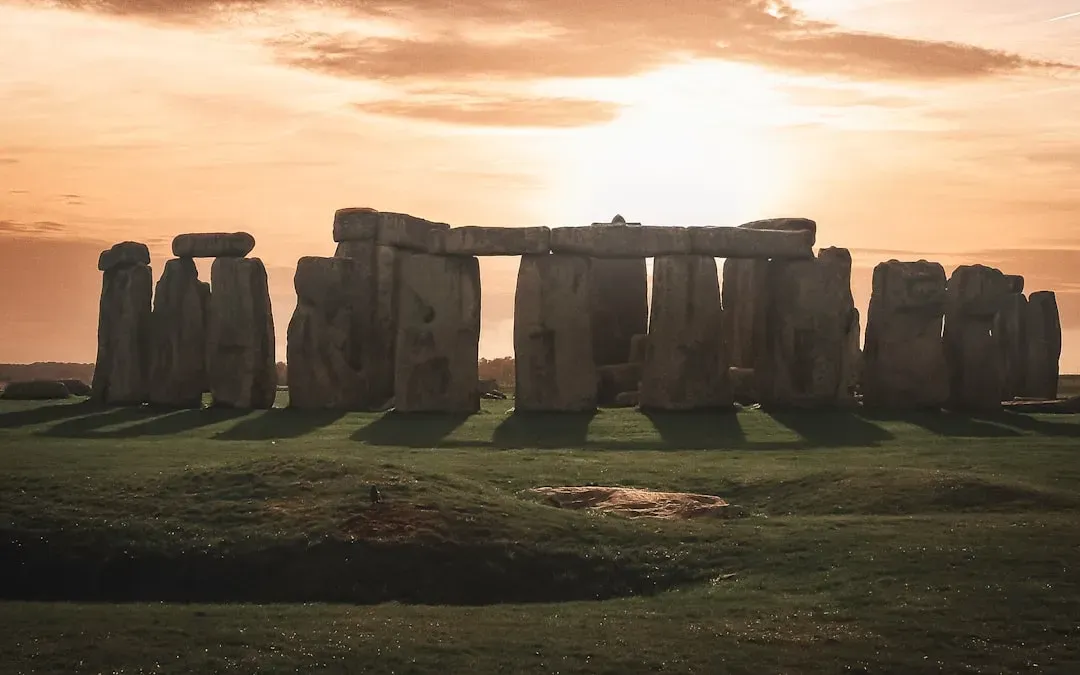
Stonehenge looks deceptively simple from a distance, just a ring of stones in a field. Get closer, and the scale of the job hits you: multi-ton stones moved across rough terrain, some dragged from quarries many dozens of miles away. The smaller “bluestones” are believed to have come from distant hills in what is now Wales, which means they were either hauled over land, floated by river and sea, or some combination of both that would have demanded astonishing coordination.
What really trips up experts is the organization needed without written plans, wheels widely in use for transport, or complex metal tools. The stones are not just dumped in place; they’re shaped, fitted, and locked together with joints similar to giant mortise-and-tenon carpentry. It’s as if someone tried to build an advanced playground structure using only rocks and muscle. We can replicate parts of the process in experiments, but the full blueprint of how communities planned, staged, and executed the project remains foggy, wrapped up with its equally mysterious purpose.
Machu Picchu: A City Hanging on a Mountain’s Edge
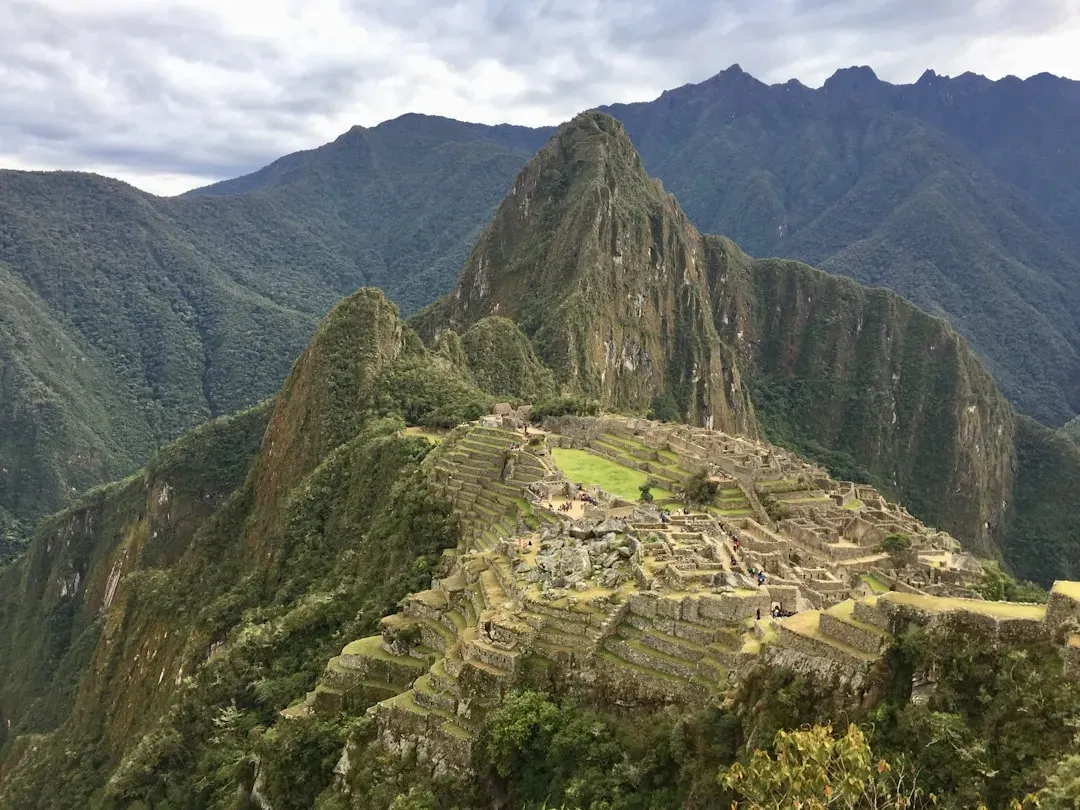
Machu Picchu looks almost impossible from certain angles, like a city that decided cliffs were as good a foundation as any flat plain. What truly baffles engineers is less the scenic location and more the invisible systems beneath the terraces and pathways. The Inca builders created an intricate network of drains, retaining walls, and layered foundations that help the site withstand heavy rains and frequent seismic activity. Many of these solutions are only really appreciated now, after modern surveys and soil studies.
There’s also the stonework itself: massive blocks fitted so tightly that it’s famously difficult to slip a knife blade between them. These stones were shaped and placed without iron tools, mortar, or wheeled vehicles, relying on a deep understanding of fracture lines, leverage, and balance. Modern engineers visiting the site often end up admiring the hydrology and earthquake resistance even more than the iconic views. It’s like finding out the scenic mountain resort you love is secretly also a master class in civil engineering that your textbooks never quite matched.
Puma Punku: Stones That Behave Like Puzzles From Another Era
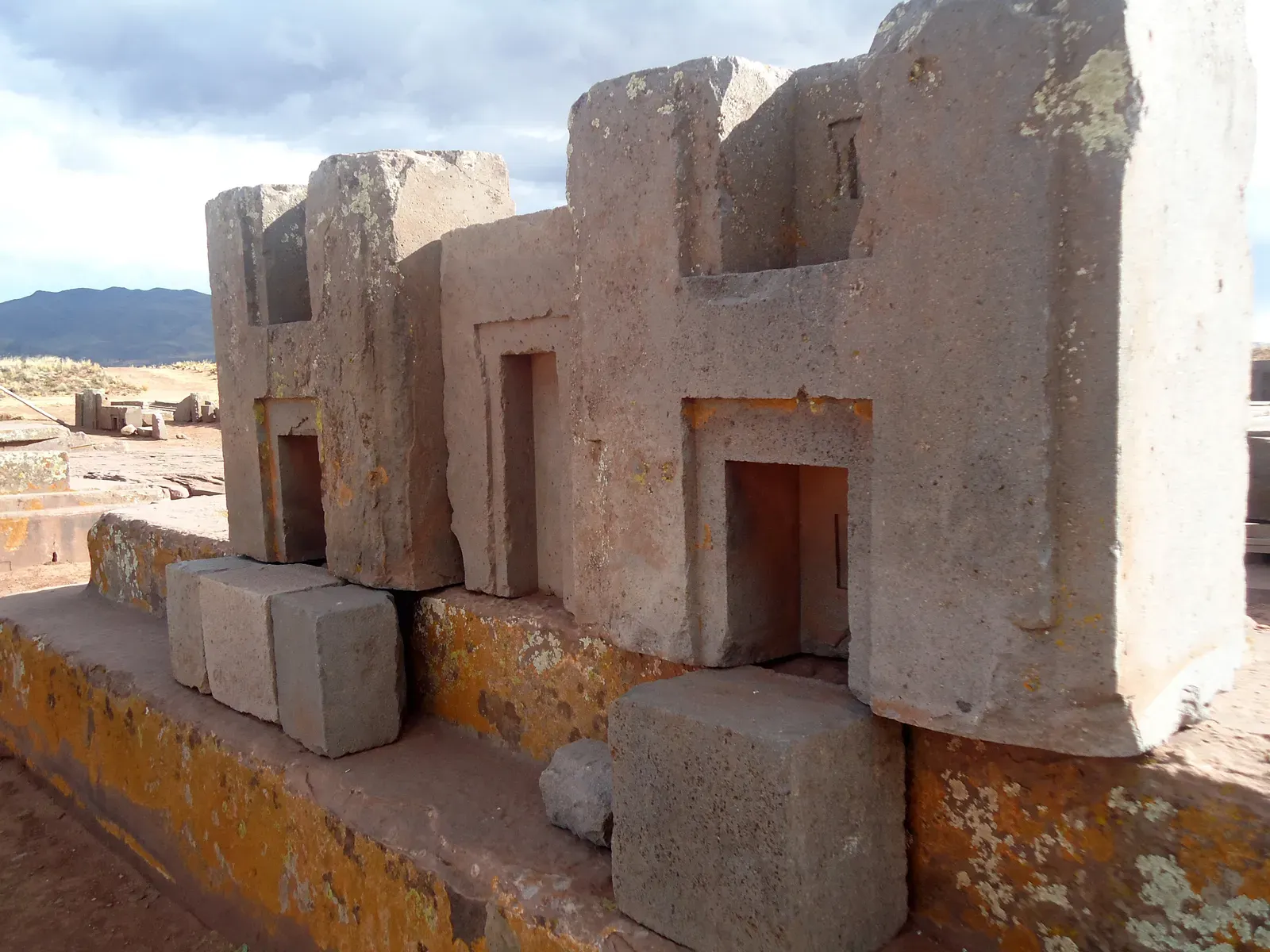
Puma Punku, part of a larger ancient complex in the Andes, feels almost like an industrial workshop frozen in stone. Scattered blocks show cuts, right angles, and slot-like features that seem designed for an assembly system rather than random placement. Some of the blocks are shaped with such regularity that people have casually compared them to machine-made parts, even though they were carved centuries before modern machinery existed in the region.
Researchers have identified working techniques involving stone hammers, abrasion, and careful measuring, and those explanations make physical sense. The puzzle is not whether it could be done, but how a society without metal tools as we know them achieved that level of consistent detail on such a scale. The famous H-shaped blocks, interlocking grooves, and clean interior angles hint at a building strategy we still do not fully reconstruct. Walking through the site, it feels less like ruins and more like an engineering manual with half the pages torn out.
The Antikythera Mechanism: An Ancient Device That Acts Like a Computer
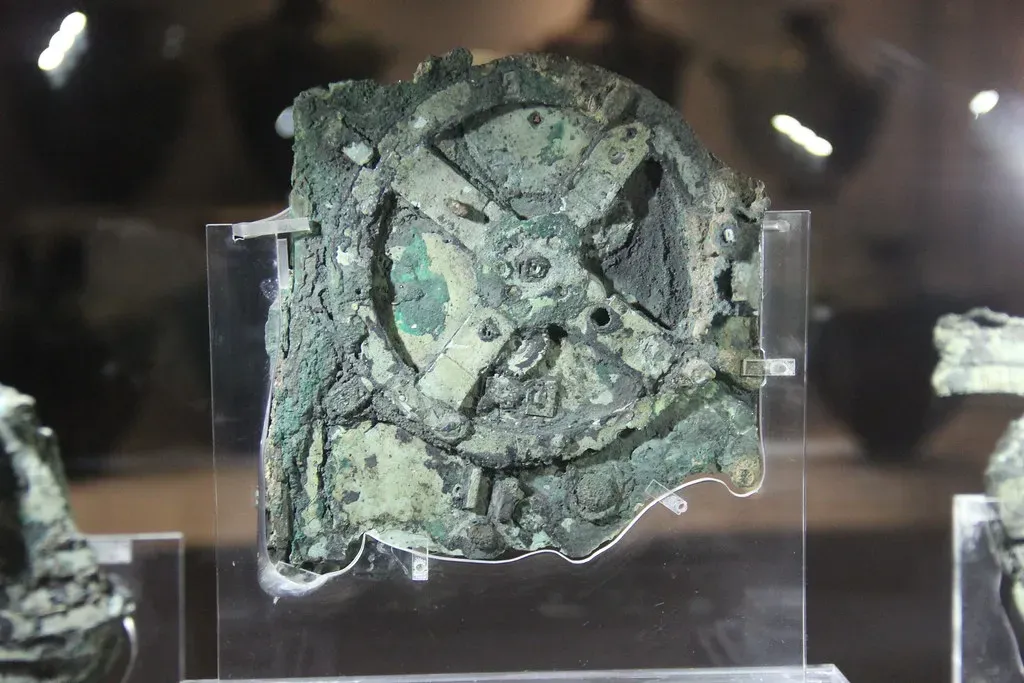
When divers first pulled up the corroded fragments of the Antikythera mechanism from a shipwreck in the Mediterranean, it looked like just a lump of junked metal. Only later did researchers realize they were staring at an ancient device with a network of interlocking bronze gears capable of modeling the motions of the sun, moon, and possibly planets. It’s often described as an early analog computer, centuries ahead of what many historians expected from that period’s engineering capabilities.
Detailed scans have revealed inscriptions and gear arrangements so cleverly designed that they still spark new interpretations. The mystery isn’t just how someone managed that level of miniaturized precision, but why we’ve found so few similar devices. It feels as if someone invented a mechanical smartphone in a world where most people were still using sundials and rope. The mechanism quietly challenges the idea that technological progress always moves in a straight, predictable line.
Roman Concrete and the Enduring Strength of Ancient Harbors
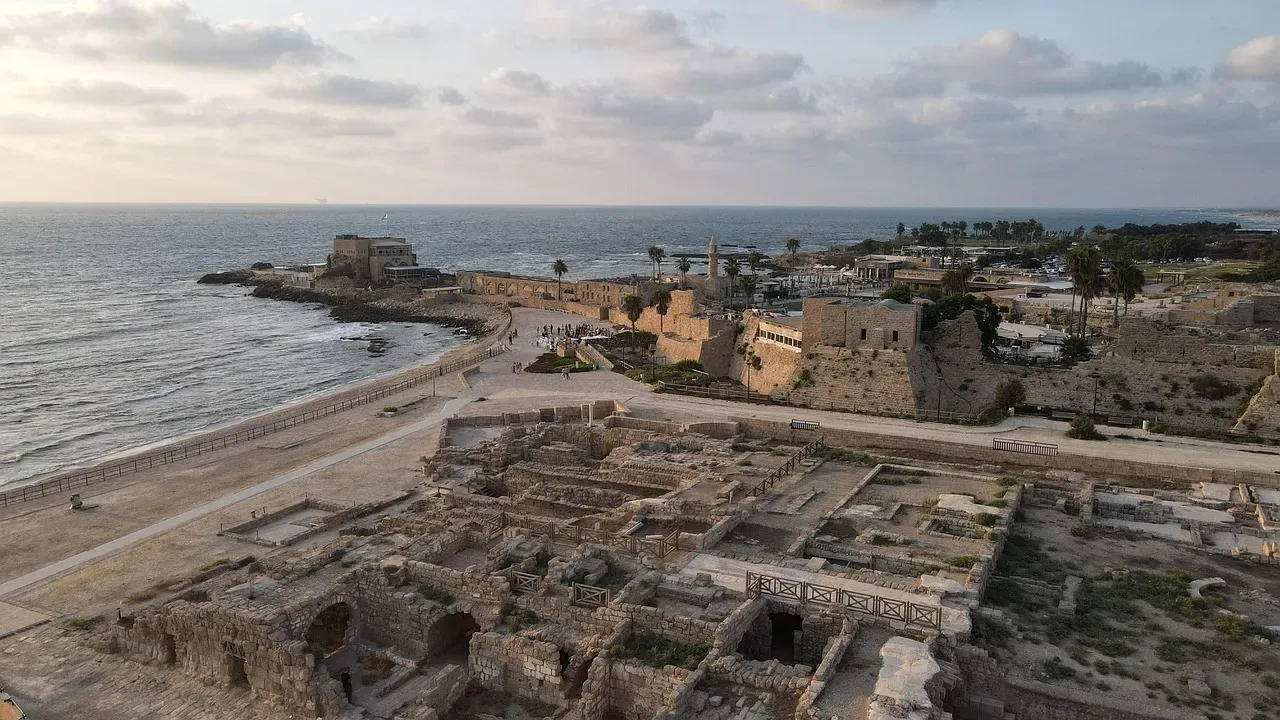
Roman aqueducts and amphitheaters get most of the glory, but their concrete might be the most unnerving star of the show. Many of their harbors and piers have survived for nearly two thousand years in harsh marine environments that eat away at modern concrete much faster. Ancient builders used volcanic ash, lime, and seawater in a recipe that not only hardened over time, but actually became more durable as mineral crystals formed and filled micro-cracks.
Modern materials scientists have spent years trying to reverse-engineer this mix, and they’ve uncovered some of the key ingredients and reactions. Even so, there are still active debates about exact proportions, construction practices, and how consistently the technique was applied. It’s a bit humbling to realize that today’s engineers are studying broken chunks of old harbor walls like students cramming from a genius classmate’s notes. The Romans did not just build to last; they built in a way that still quietly outperforms many modern standards.
Nazca Lines: Giant Ground Drawings With Perfect, Invisible Geometry
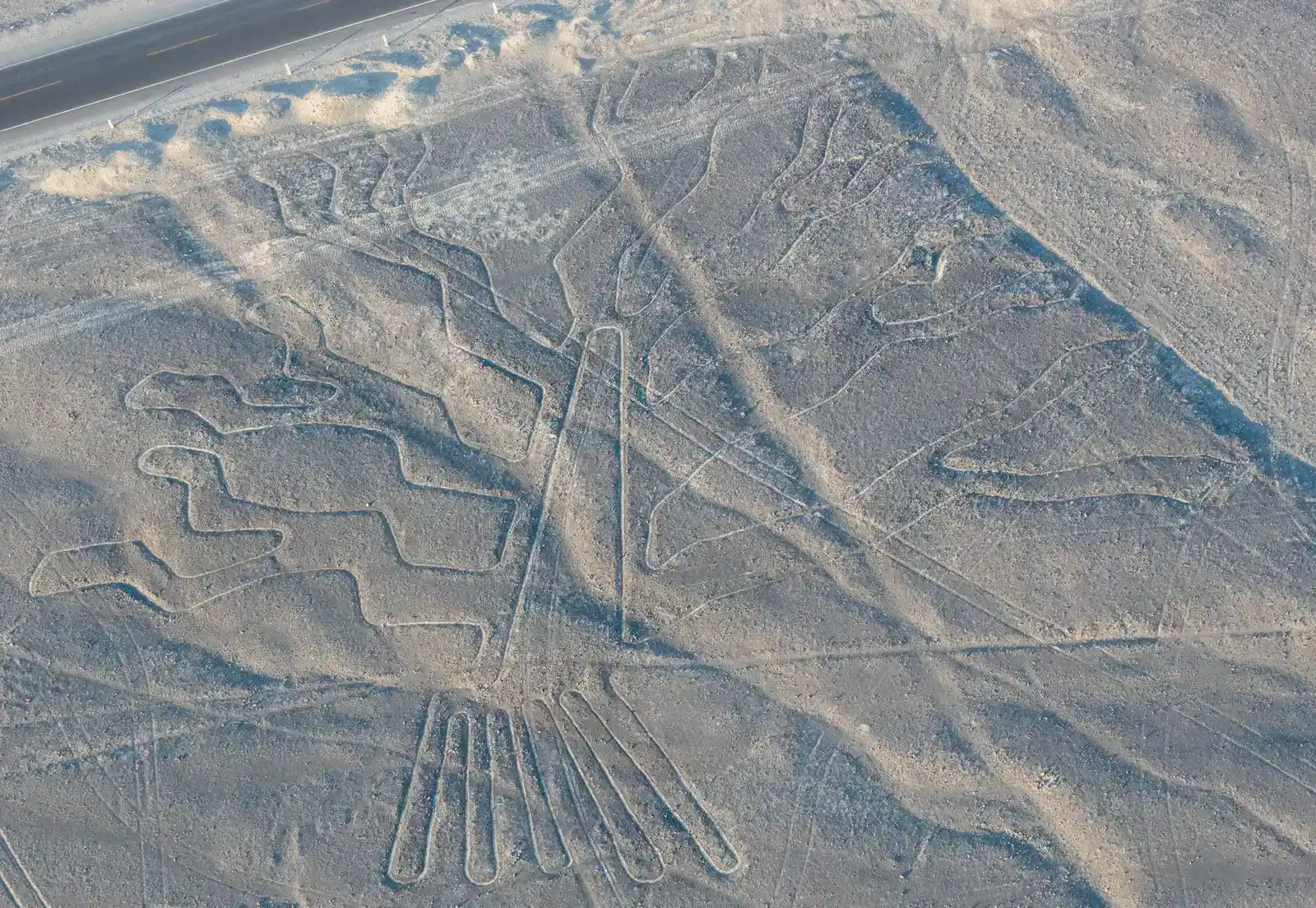
From ground level, the Nazca Lines in Peru can seem underwhelming, just shallow grooves in a dry plain. From the air, though, these lines become vast shapes: animals, plants, and long geometric paths stretching across the desert in patterns that look almost like an airport runway or an abstract sketchbook. The real engineering marvel here is the scale and accuracy of the designs, considering the builders never had airplanes, drones, or satellites to check their work from above.
Researchers think the lines were made by removing the darker top layer of pebbles to reveal the lighter soil underneath, which is simple enough in theory. The unsolved part is how ancient people planned and laid out such massive drawings without distorting the proportions. Some experiments show it’s possible using grids, stakes, ropes, and careful surveying, but the exact surveying methods and organizational systems remain speculative. The lines still feel like a strange conversation between people on the ground and an observer in the sky, a message that is technically legible yet never fully explained.
The Quiet Challenge Left by the Ancients
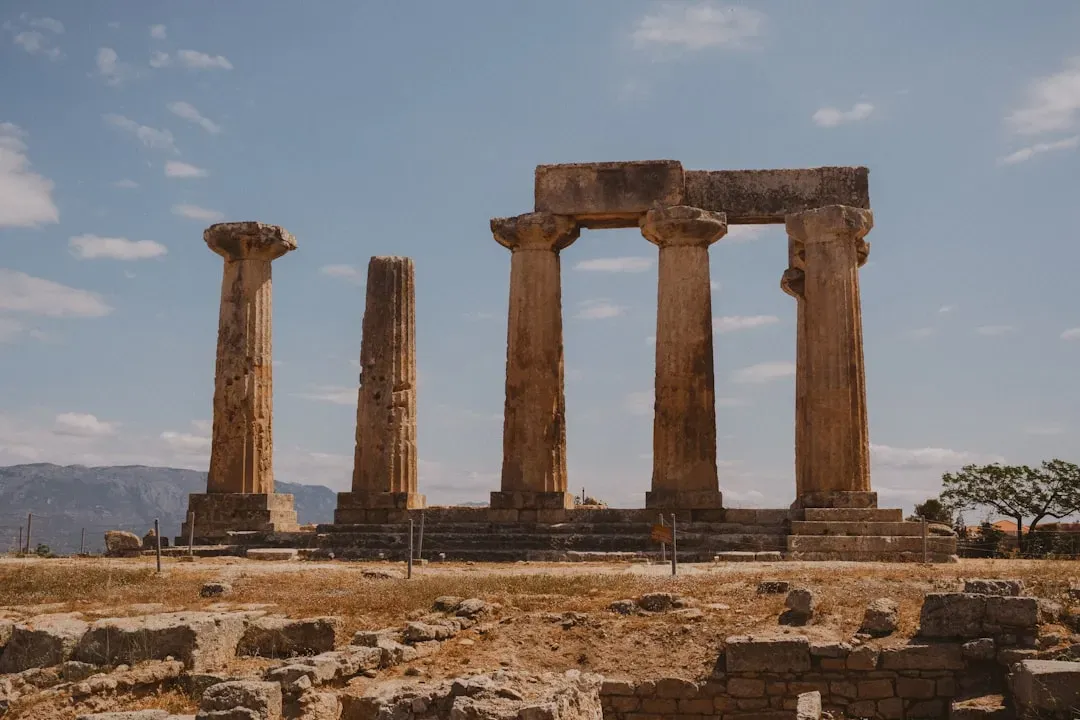
These ancient feats share one thing that modern experts can’t quite tame: a stubborn residue of mystery. We can reproduce bits and pieces in experiments, write equations, and build digital models, but there’s always a moment where we have to admit we’re filling in gaps with our best guesses. Each unfinished answer is a reminder that human intelligence thousands of years ago was not primitive, just working with different tools and priorities.
Maybe that’s the most important part of these engineering marvels: they force us to drop the comfortable idea that progress is always linear and that we, today, are automatically the most capable generation. Instead, they ask us to look backward with a mix of respect and humility, as if the past were an older sibling who figured a few things out before we did. When you think about those stones, gears, and lines carved into the earth, it’s hard not to wonder: if so much brilliance has already been forgotten once, what might we be leaving behind that will one day mystify someone else?