
You ever find yourself standing in front of a museum dinosaur skeleton, staring up at those ancient bones and thinking you’ve got them all figured out? Turns out we were all pretty wrong about a lot of things. The past decade has been wild for paleontology, honestly.
Scientists keep uncovering evidence that totally rewrites what we thought we understood about these ancient creatures. From technicolor feathers to surprisingly tender parenting skills, every new discovery seems to shake the foundation of everything textbooks taught us. Let’s dive into some of the most mind-blowing revelations that are forcing us to completely reimagine the age of dinosaurs.
Nanotyrannus Was Real After All
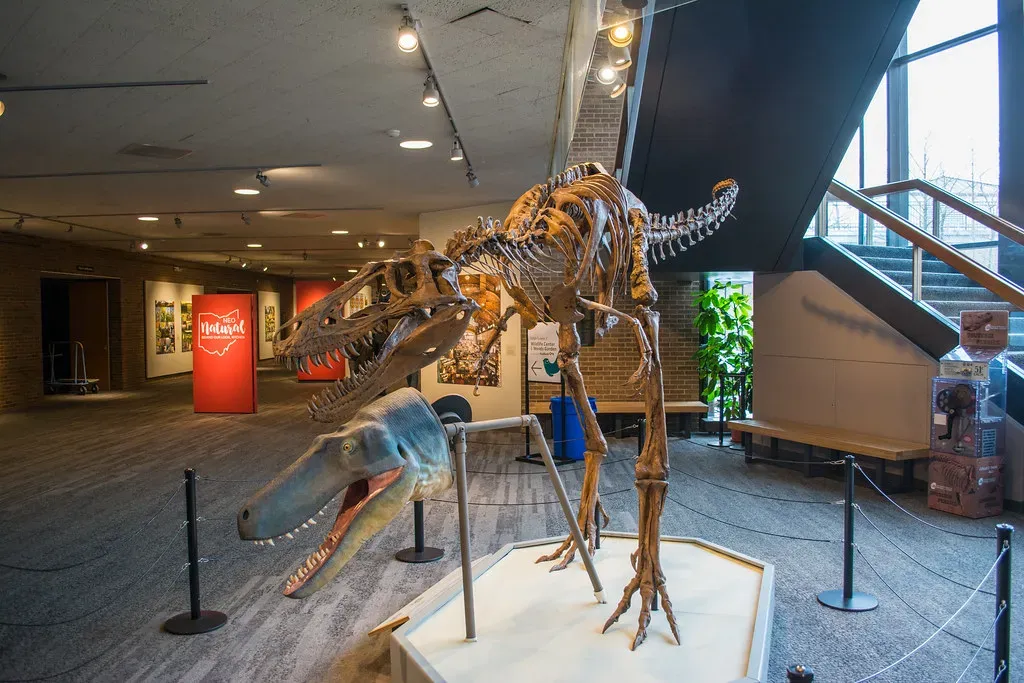
For decades, paleontologists have argued fiercely about whether medium-sized tyrannosaur fossils were actually teenage T. rex or a completely different species called Nanotyrannus. Since the predatory creature was first named in 1988, paleontologists have argued over whether medium-sized tyrannosaur fossils found in the same rocks as the iconic Tyrannosaurus rex were juvenile T. rex or a unique and distinct predator, Nanotyrannus. In recent years, the bulk of the evidence appeared to favor the juvenile T. rex hypothesis.
The fossil, part of the legendary “Dueling Dinosaurs” specimen unearthed in Montana, contains two dinosaurs locked in prehistoric combat: a Triceratops and a small-bodied tyrannosaur. That tyrannosaur is now confirmed to be a fully grown Nanotyrannus lancensis – not a teenage T. rex, as many scientists once believed. In October, an analysis in Nature of a specimen nicknamed “Bloody Mary” – one of two creatures in an assemblage known as the “Dueling Dinosaurs” – found enough anatomical evidence to support the case that Nanotyrannus is different from T. rex, including fewer tail vertebrae and more teeth than T. rex, as well as longer and stronger forearms. This finding completely flips decades of research on T. rex growth patterns.
Dinosaurs Were Actually Colorful Creatures
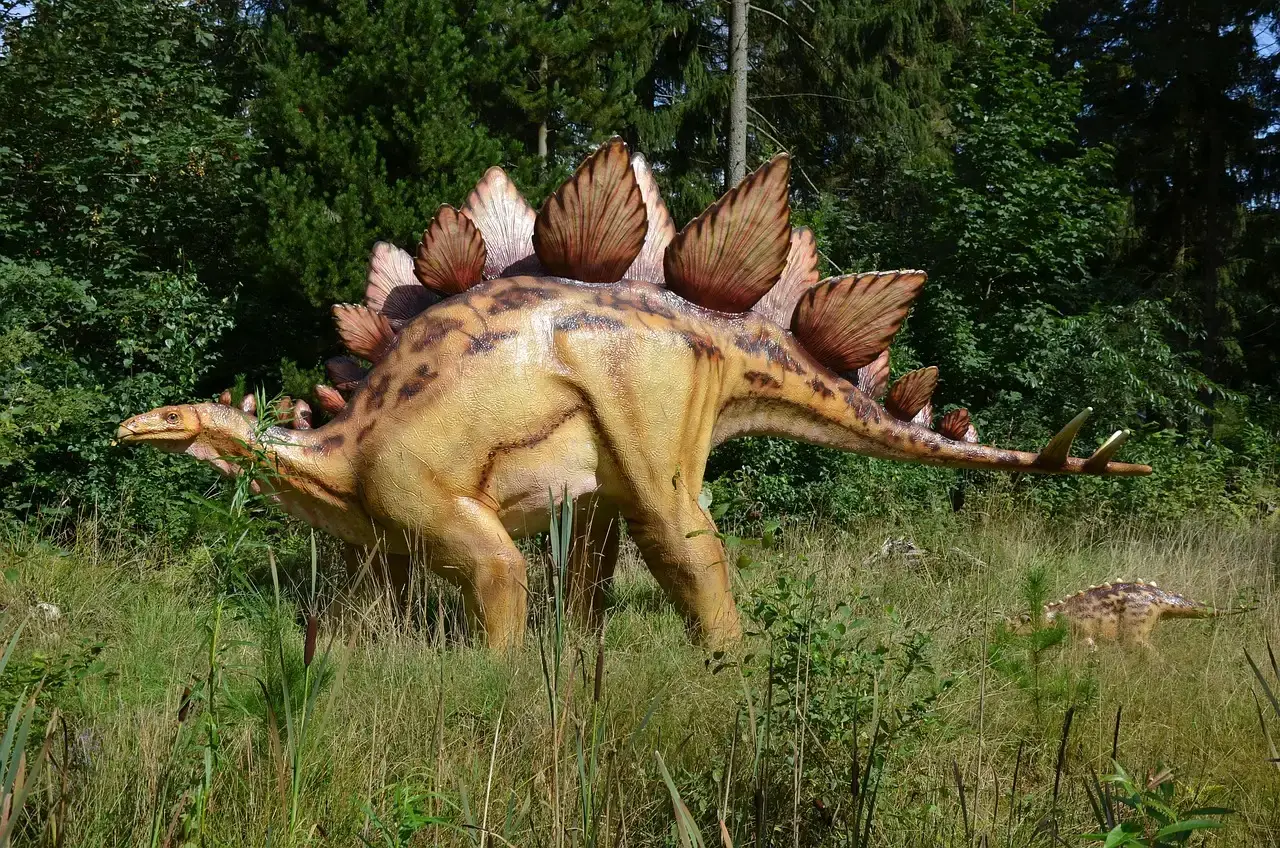
From the Jurassic rocks of Montana’s Mother’s Day Quarry, however, paleontologists uncovered fossils of sauropod skin so delicately preserved that they include impressions of pigment-carrying structures called melanosomes. These tiny cellular structures are absolute game changers. Most fossil feathers are preserved as melanosomes, and the distribution of these structures in fossil feathers can preserve the color pattern in the original feather. The discovery of preserved melanosomes opens up the possibility of interpreting the colour of extinct birds and other dinosaurs.
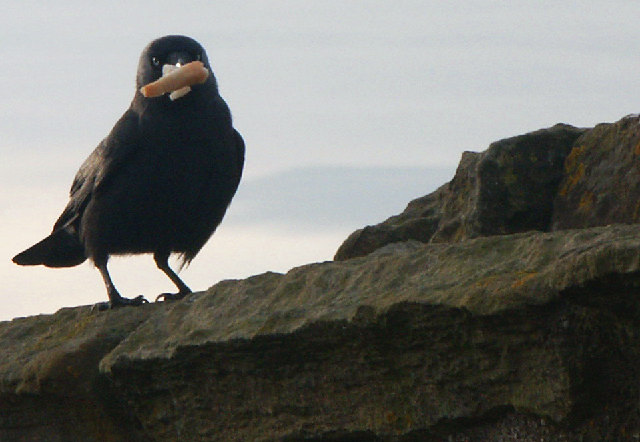
By comparing melanosome shapes to modern birds, researchers have figured out specific colors. Studies of the feathered dinosaur Microraptor revealed it likely had iridescent black plumage similar to modern crows. Another small dinosaur, Sinosauropteryx, appears to have had a reddish-brown back and a banded tail. Picture a Jurassic landscape filled with vibrant, colorful creatures instead of dull gray lizards. Pretty incredible shift from those dreary museum reconstructions we grew up with.
They Had Scaly Skin And Feathers Simultaneously
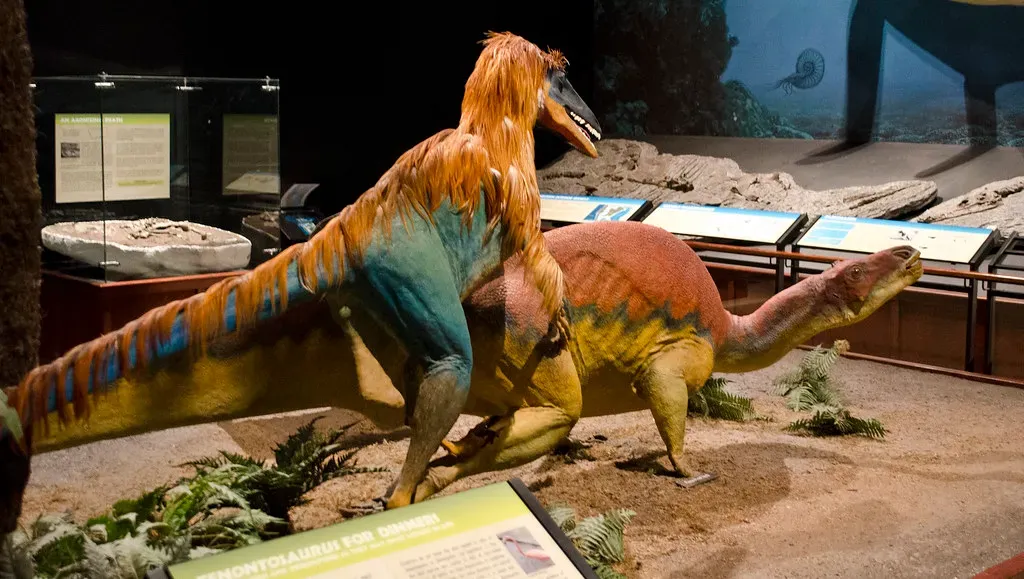
Here’s where things get really weird. Recent research has uncovered a surprising detail about feathered dinosaurs: they weren’t entirely feathered. These ancient creatures sported a mix of reptile-like scaly skin and feathery patches, a revelation that’s changing our understanding of the evolution of feathers. When paleontologists at University College Cork examined a Psittacosaurus fossil under UV light, they discovered something unexpected.
Soft, bird-like skin initially developed only in feathered regions of the body, while the rest of the skin was still scaly, like in modern reptiles. This zoned development would have maintained essential skin functions, such as protection against abrasion, dehydration and parasites. Think of it as nature experimenting with different textures on the same creature. This gradual transition allowed early feathered dinosaurs to survive and pass those genes to offspring without losing critical protective functions.
Some Dinosaurs Were Actually Devoted Parents
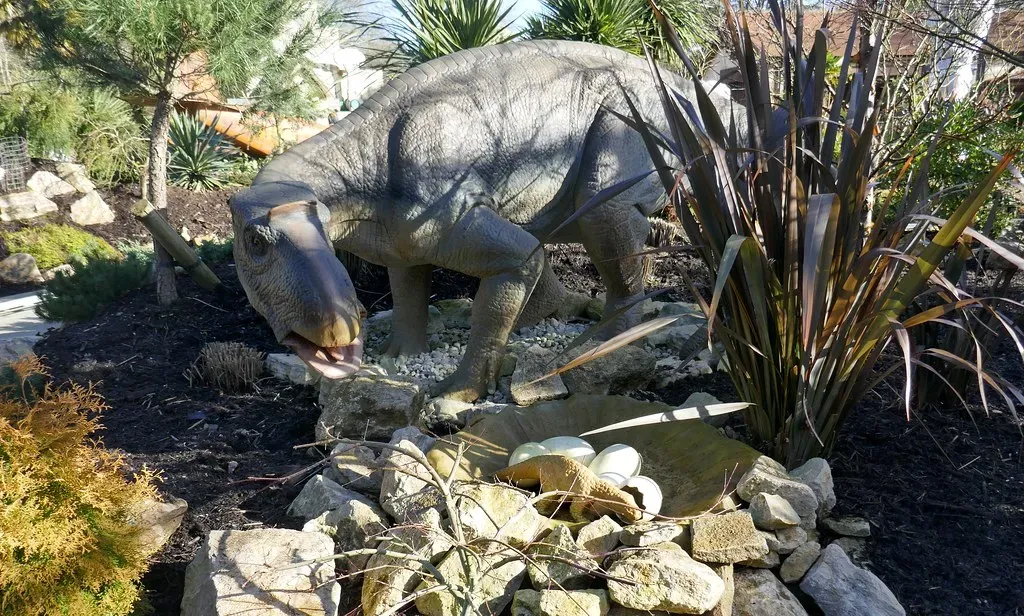
Maiasaura is one of the most famous examples of dinosaur nests and parental behaviour. This is a model of what a nest with eggs and hatchlings might have looked like. The discovery of “Egg Mountain” in Montana during the 1970s revealed that some dinosaurs didn’t just lay eggs and walk away. At Egg Mountain, evidence of trampled eggshells suggests that the hatchlings were in the nest for a while. Along with the shells, there was plant matter in the nests, suggesting parents may have fed the young before they ventured out into the world.
Even more striking are the Oviraptor fossils. Researchers found a 75-million-year-old Mongolian dinosaur that was fossilized sitting right on top of a nest. They sit on those nests in a very bird-like way with their bodies positioned in the center of the nest, and their arms held over the eggs to help protect them. Oviraptorids laid two eggs at a time in a clutch of 30 or more. This means that the mother would have to stay with or at least return to the nest, lay her pair of eggs, arrange them carefully in the circle, and bury them appropriately every day for two weeks to a month. That’s dedication right there.
Metabolic Rates Were Off The Charts
The whole warm-blooded versus cold-blooded debate? Scientists finally cracked it using a clever new method. Molecular waste products accumulate in skeletal material by forming water-insoluble crosslinks with proteins throughout the body. The abundance of these molecular waste products scales directly with the amount of oxygen breathed – an indicator of warm- or cold-bloodedness.
The results were honestly shocking. The lizard-hipped dinosaurs, including theropods and the sauropods– the two-legged, more bird-like predatory dinosaurs like Velociraptor and T. rex and the giant, long-necked herbivores like Brachiosaurus– were warm- or even hot-blooded. The researchers were surprised to find that some of these dinosaurs weren’t just warm-blooded– they had metabolic rates comparable to modern birds, much higher than mammals. Meanwhile, the bird-hipped dinosaurs, like Triceratops and Stegosaurus, had low metabolic rates comparable to those of cold-blooded modern animals. This explains why T. rex needed to constantly hunt while Stegosaurus could lounge around basking in sunlight.
Preserved Metabolic Molecules Reveal Hidden Lives
Researchers have uncovered thousands of preserved metabolic molecules inside fossilized bones millions of years old, offering a surprising new window into prehistoric life. This breakthrough discovery in 2026 is fundamentally changing how we study ancient biology. These molecules survived millions of years locked inside bone structures, waiting to tell their stories.
Scientists can now analyze these molecular signatures to understand not just what dinosaurs looked like, but how they actually functioned day to day. The implications are staggering. We’re talking about accessing biological information that was supposed to be lost forever, buried for eons. It’s like finding a time capsule that nobody knew existed.
Dinosaurs Thrived Right Until The End
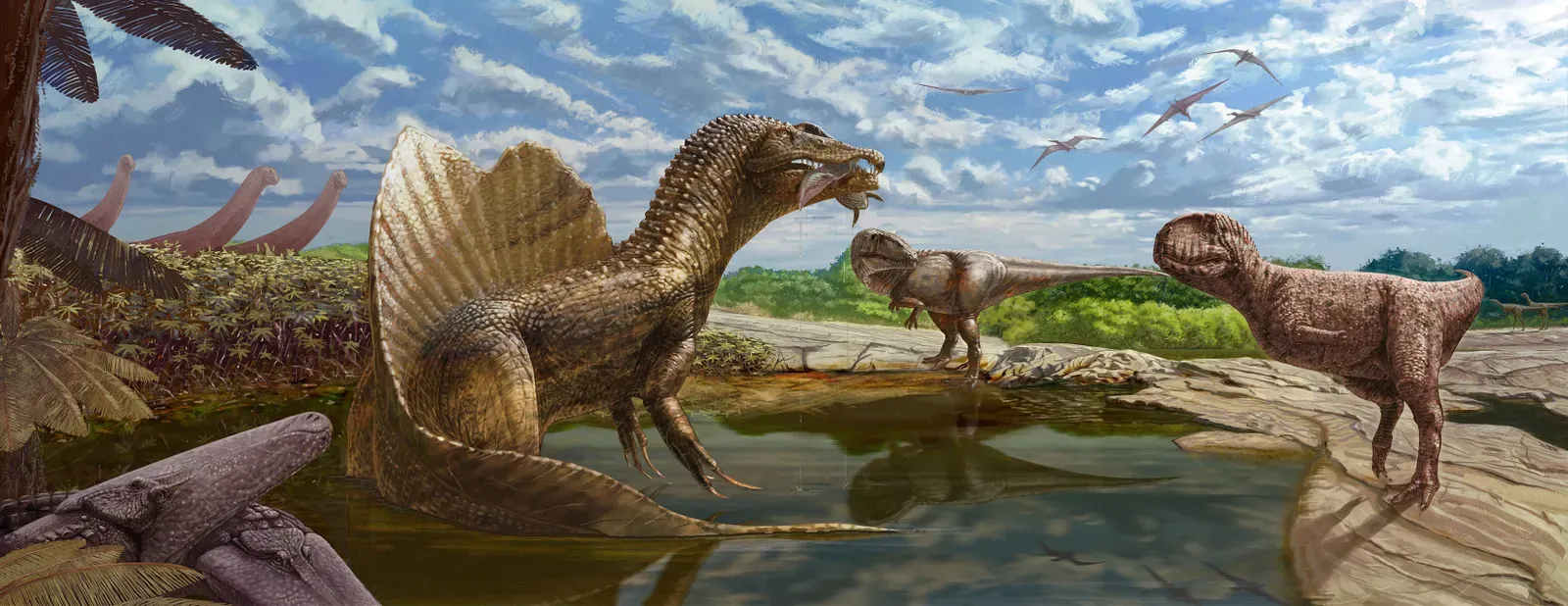
New finds in New Mexico reveal a species rich and diverse dinosaur ecosystem thriving literally just before the impact. Coupled with other sites in North America, this research reveals that the dinosaurs might have kept chuggin’ along if space hadn’t of intervened. This completely destroys the old theory that dinosaurs were slowly declining before the asteroid hit.
Dinosaurs weren’t dying out before the asteroid hit – they were thriving in vibrant, diverse habitats across North America. Fossil evidence from New Mexico shows that distinct “bioprovinces” of dinosaurs existed until the very end. They weren’t limping toward extinction at all. In fact, multiple tyrannosaur species coexisted in complex ecosystems. That asteroid really did just show up and ruin everything for creatures that were otherwise doing perfectly fine.
Baby Dinosaurs Were Born Helpless And Needed Feeding
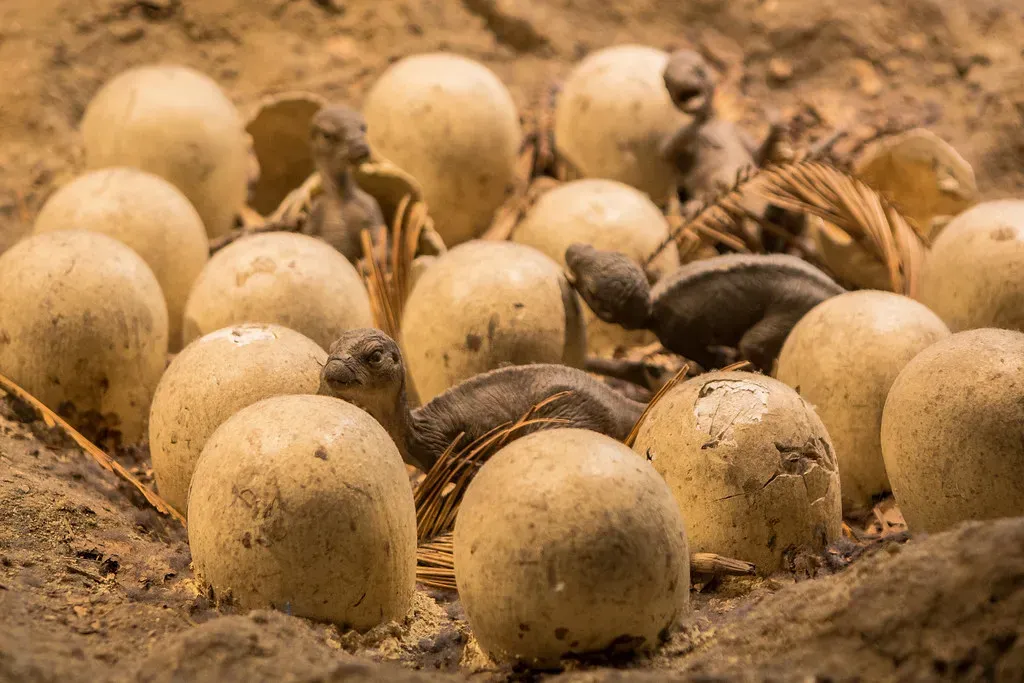
Previous studies arguing for parental care in dinosaurs have been primarily based on fossil accumulations of adults and hatchlings, perinatal and post-hatchlings in nests and nest areas, and evidence of brooding, the majority of which date to the Late Cretaceous. Similarly, the general body proportions of preserved embryonic skeletons of the much older Early Jurassic Massospondylus have been used to suggest that hatchlings were unable to forage for themselves.
The real breakthrough came from studying bone development in embryos. Some baby hadrosaurines have poorly developed joint surfaces in the legs (unable to move well), but have worn teeth (were feeding): suggests altricial. Some other baby dinosaurs (such as troodontids) have fully formed joints prior to hatching: would have been able to move from day 1. This means different species had wildly different parenting strategies. Some hatchlings could run immediately after hatching, while others were completely helpless and dependent on parents bringing them food. Just like modern birds, dinosaurs had both approaches.
Conclusion
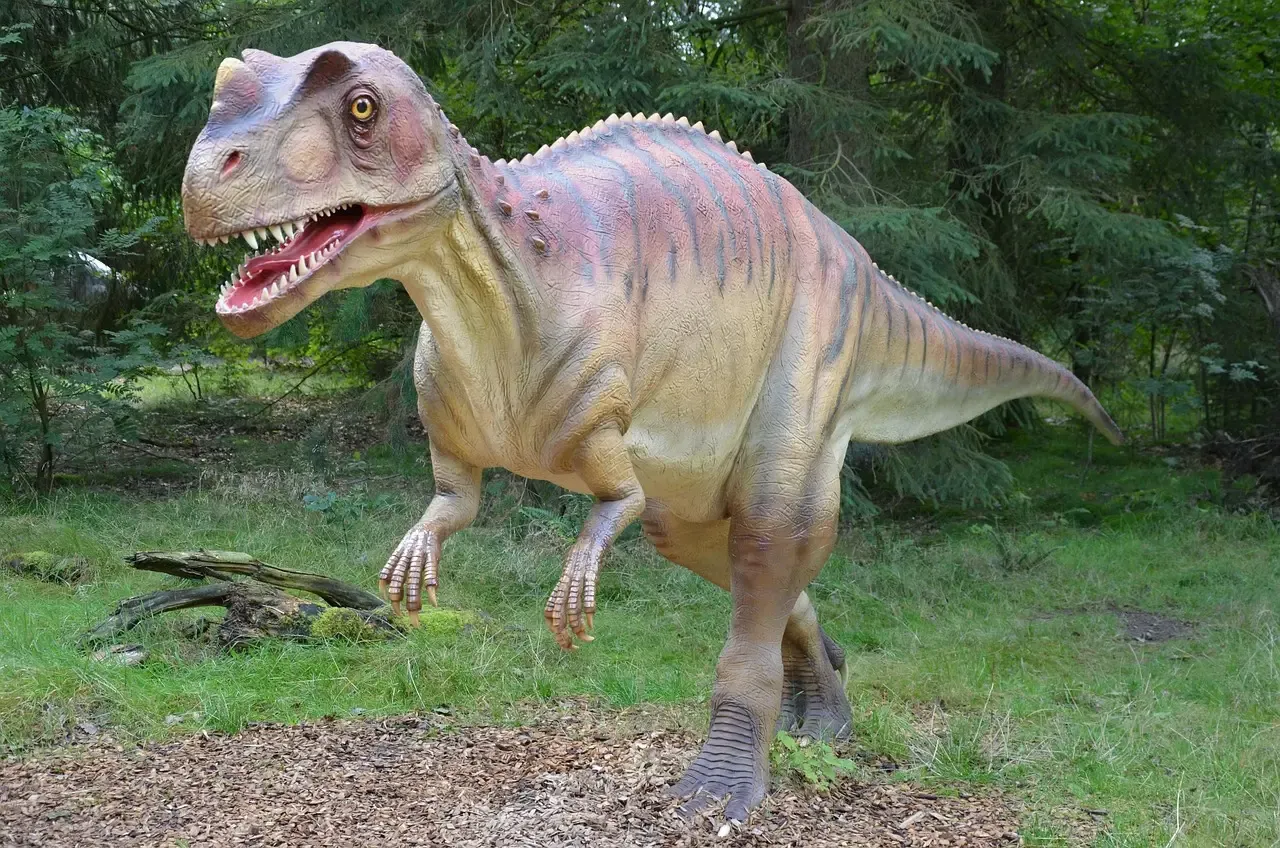
These discoveries have transformed dinosaurs from slow, dim-witted reptiles into dynamic, complex animals with rich behaviors and diverse lifestyles. We’re watching science rewrite the rulebook in real time. Every fossil tells us something new, every technology reveals hidden details.
The dinosaurs we thought we knew were basically fiction. The real creatures were colorful, caring, metabolically diverse, and thriving in complex ecosystems right up until catastrophe struck. It honestly makes you wonder what else we’ve gotten completely wrong. What other secrets are still buried out there waiting to surprise us?
What do you think about these game-changing discoveries? Did any of them surprise you as much as they surprised the scientists?