
Every animal has a story, but few are as dramatic, heartbreaking, and hopeful as that of the red wolf. You’ve probably heard about gray wolves, maybe even the famous Yellowstone reintroduction, but there’s another wolf hiding in the shadows of America’s conservation history. It’s more elusive, more threatened, and frankly, more in need of your attention right now. This creature once roamed freely across the southeastern United States, from Texas all the way to Pennsylvania, but today it clings to survival in a tiny sliver of North Carolina’s coastal wilderness.
What makes this story even more compelling is that the red wolf represents something uniquely American. Unlike its gray cousin that ranges across multiple continents, this wolf is found nowhere else on Earth. Its journey from abundance to near extinction, then back from the dead through groundbreaking conservation efforts, and now teetering on the edge once again, reads like a thriller. There are twists involving coyote romance, controversial management decisions, and everyday people making life or death choices about the species’ future. Let’s dive into ten facts that will change how you see this remarkable animal and perhaps inspire you to care about its fate.
1. They’re The Only Wolf Species Entirely Native To The United States
The red wolf is known as “America’s wolf” because it’s the only large predator whose historic range is found exclusively within the United States. Think about that for a moment. While gray wolves roam across Europe, Asia, and North America, and while bears and big cats have ranges spanning continents, this canid belongs solely to American soil. Its entire evolutionary history played out in the forests, swamps, and prairies of what would become the United States.
The American Red Wolf is the only large carnivore species solely native to the USA, truly a national treasure. Honestly, when you consider how much emphasis Americans place on national symbols like the bald eagle, it’s surprising that more people don’t know about this uniquely American predator. The red wolf’s story is woven into the fabric of the American landscape, yet it remains largely unknown outside conservation circles.
2. Only Around 15 To 20 Wild Red Wolves Remain On Earth
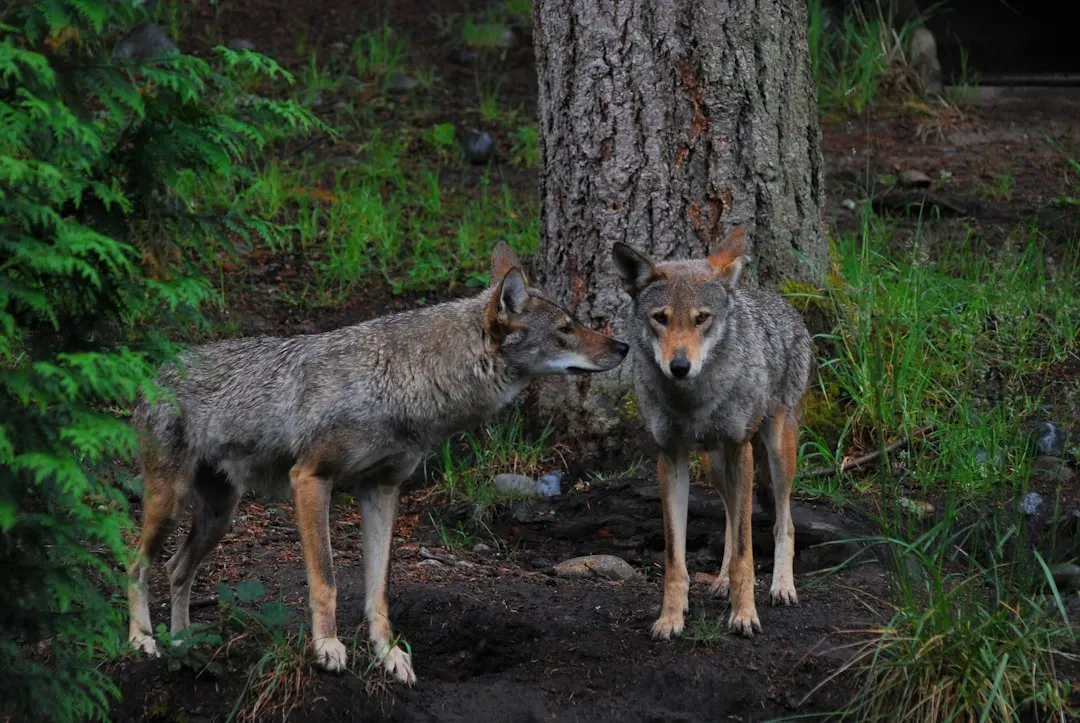
Let’s be real here. About 15 to 17 red wolves roam their native habitats in eastern North Carolina as a nonessential experimental population. That number is staggeringly, almost unbelievably low. To put this in perspective, there are more astronauts who have walked on the moon than there are wild red wolves alive today.
With about 20 individuals left in the wild, the American Red Wolf is the rarest large carnivore in the United States, and the most critically endangered wolf in the entire world. They remain the most critically endangered canid in the world. These numbers fluctuate slightly year to year, but the population has crashed from a peak of roughly 130 wolves in the early 2010s. It’s hard to comprehend how a species can teeter so close to oblivion in a country with such vast wilderness areas.
3. The Red Wolf Was Actually Declared Extinct In The Wild In 1980
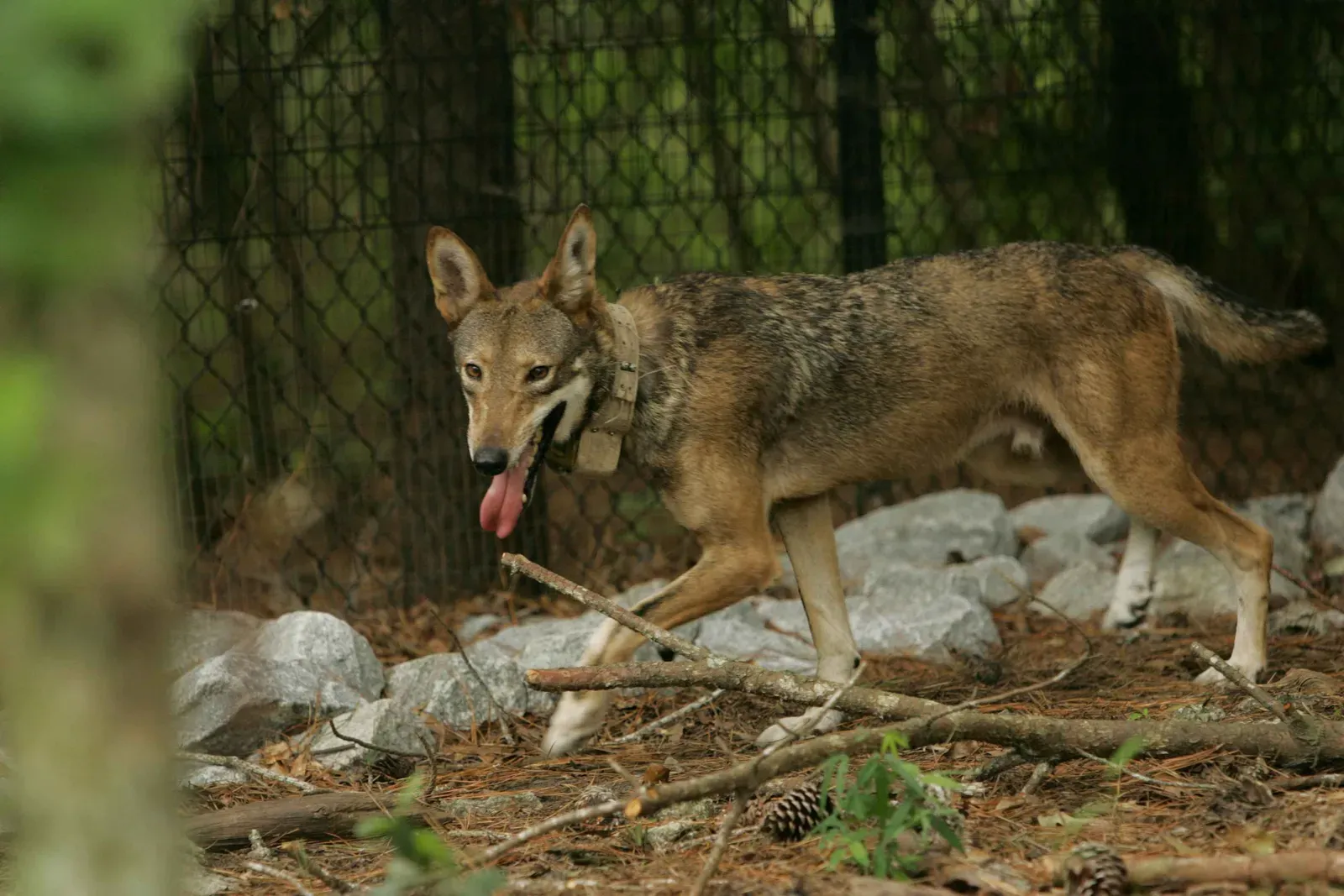
Red Wolves were officially declared extinct in the wild in 1980, but due to the efforts of the U.S. Fish and Wildlife Service, which captured the remaining 14 wild Red Wolves and started a captive breeding program, the species became the first animal to be successfully reintroduced after being declared extinct in the wild. Think about the weight of that decision. Biologists had to capture the last wolves from a small area along the Gulf Coast of Texas and Louisiana, knowing that failure meant permanent extinction.
Of the 17 remaining wolves captured by biologists, 14 became the founders of a successful captive breeding program. Every single red wolf alive today descends from those fourteen individuals. The captive breeding program that began in the early 1970s at Point Defiance Zoo in Washington became their last hope. By 1987, enough wolves had been bred to attempt the impossible: bringing an extinct species back to the wild.
4. They’re Neither Gray Wolves Nor Coyotes, But Something In Between
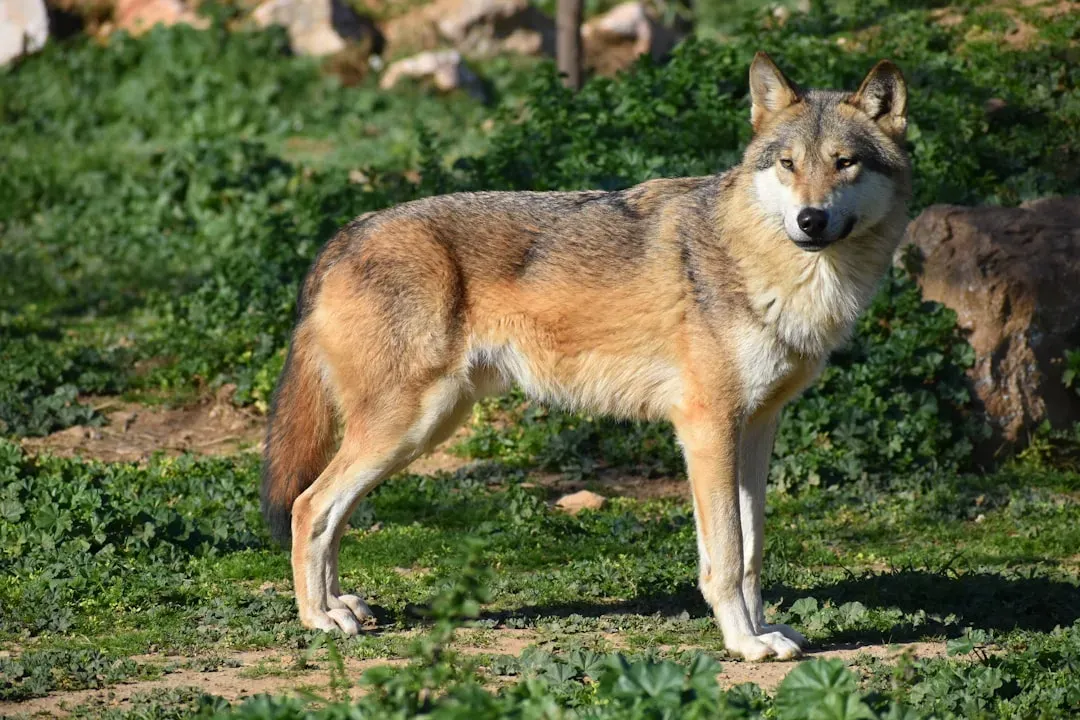
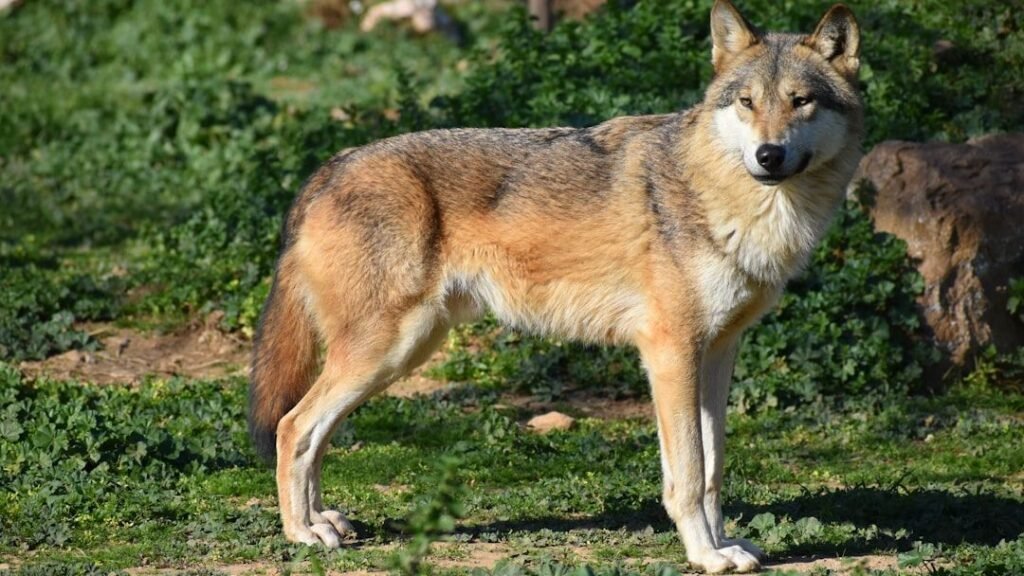
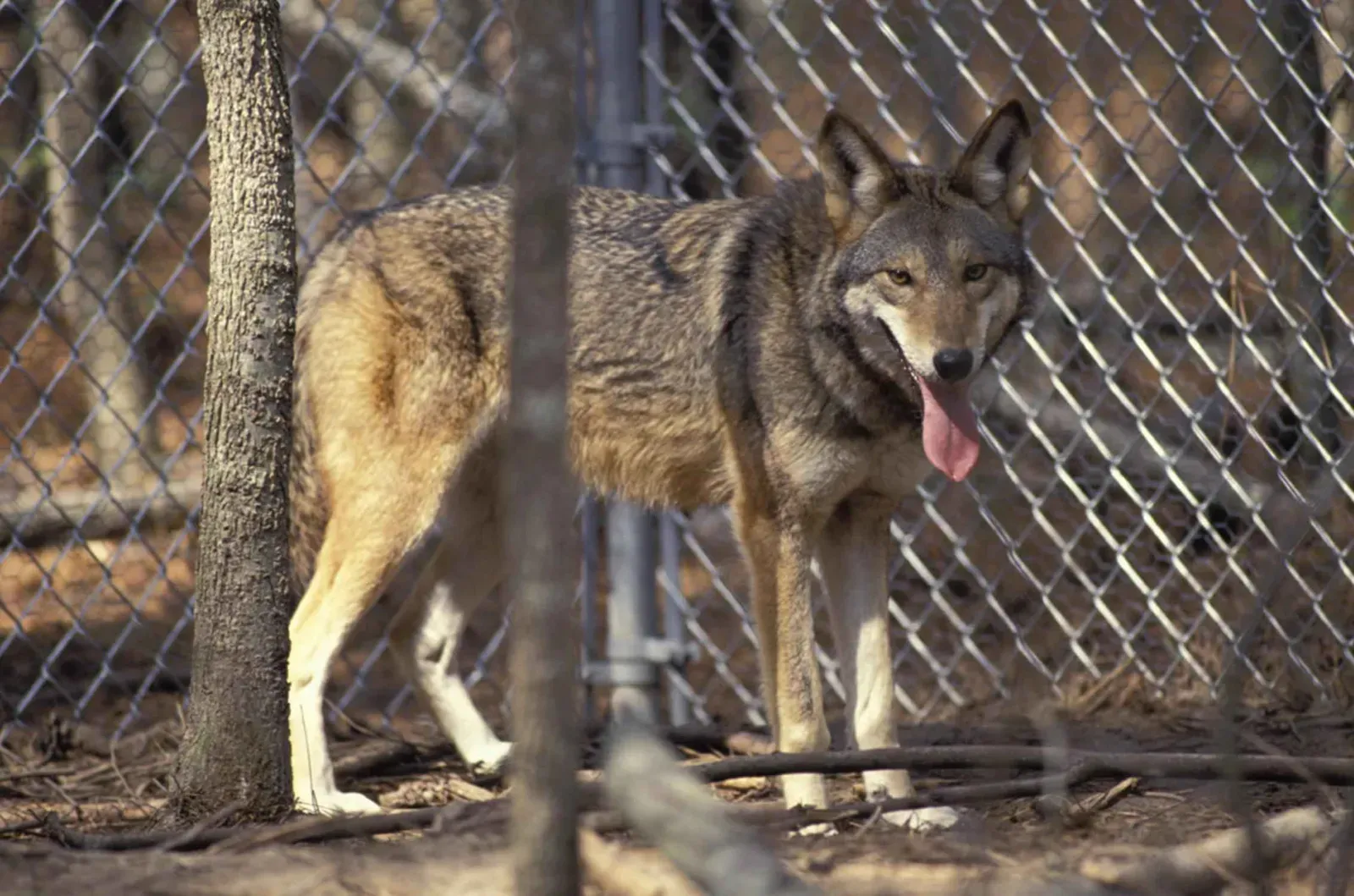
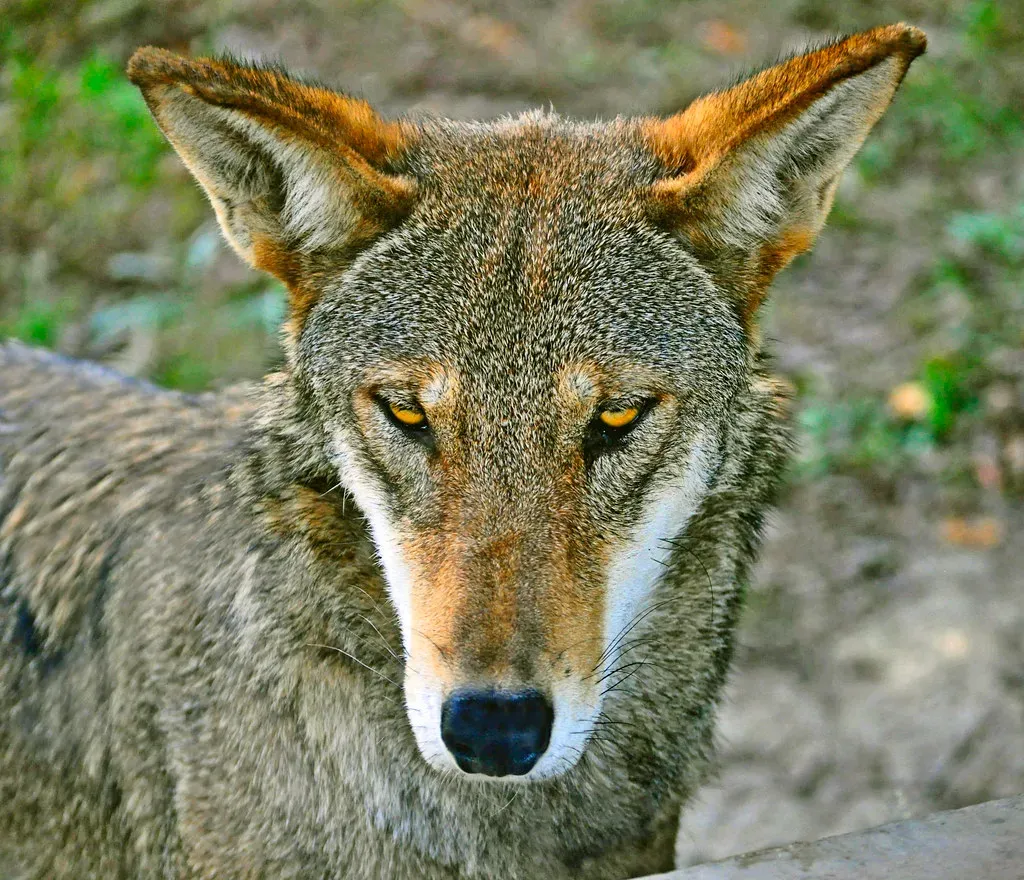
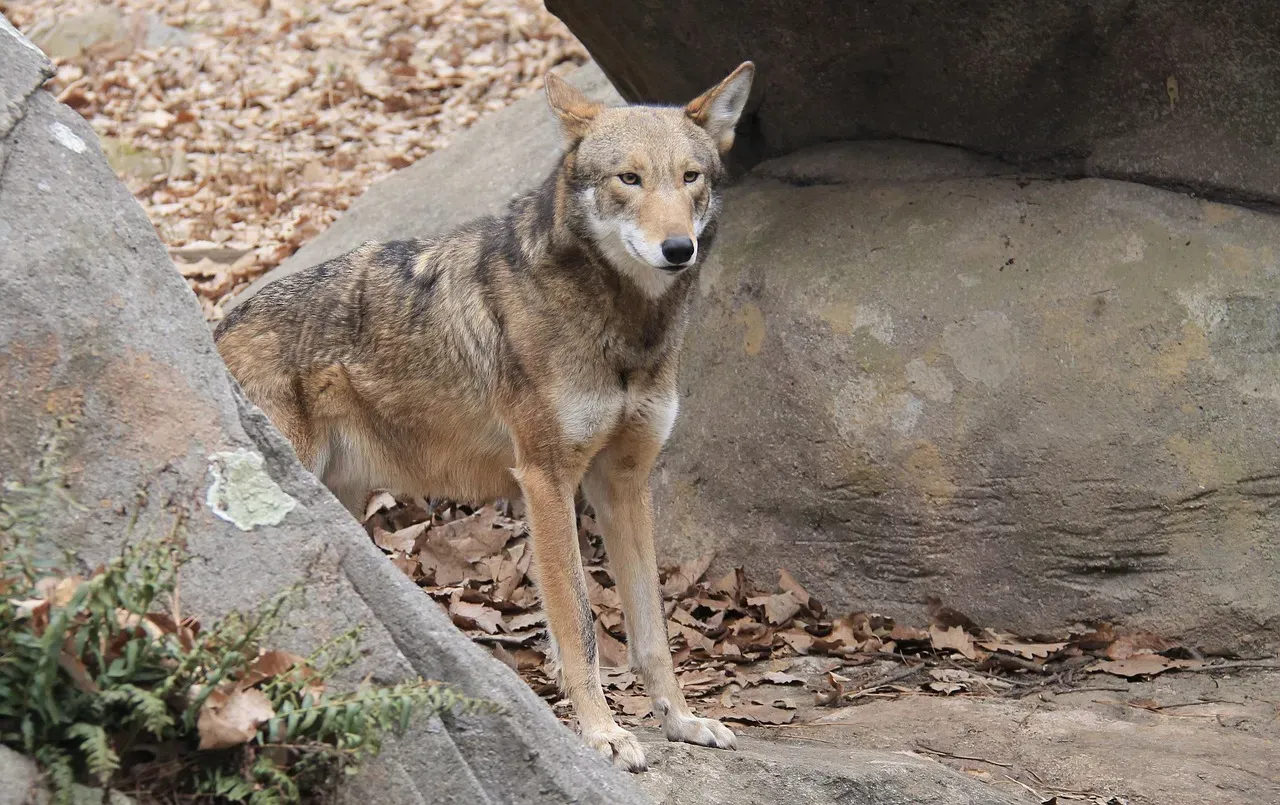
Red wolves stand about 26 inches at their shoulder and are about 4 feet long from the tip of the nose to the tip of the tail, with adult red wolves ranging in weight from about 45 to 80 pounds, and are mostly brown and buff colored, with some black along their backs and often with a reddish color on their ears, head and legs. They’re lankier than gray wolves, with longer legs and larger ears suited to their southern habitat. The reddish tinge behind their ears and along their legs is what gives them their name.
Their intermediate size between coyotes and gray wolves has caused confusion for decades. Some researchers have even questioned whether red wolves are a distinct species or a historic hybrid. Yet most current evidence supports them as their own unique evolutionary lineage. Adult red wolves tend to resemble their cousins, the gray wolves, but are usually smaller, and with longer, lankier legs, taller ears and a thinner body, and are often described as resembling a mix between a gray wolf and a coyote.
5. Red Wolves Form Lifelong Pair Bonds And Devoted Family Packs
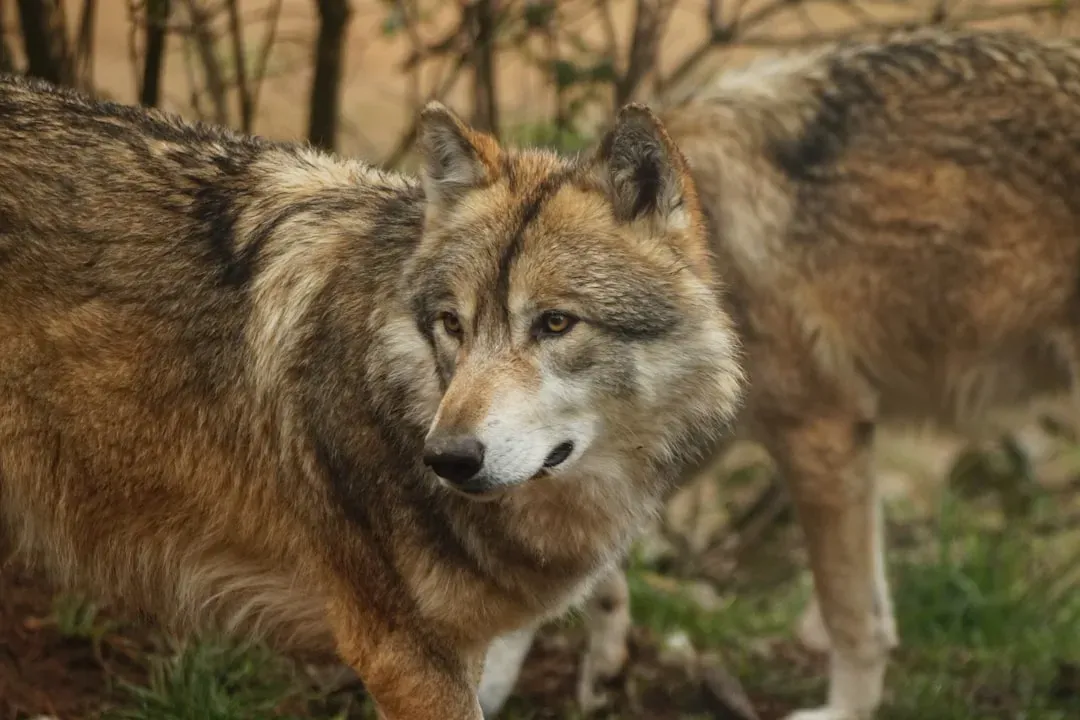
Here’s something that might surprise you. Red wolves tend to form pair-bonds for life and mate once a year in February. Typical packs consist of a family group that is comprised of five to eight animals, including a breeding adult pair and their offspring of different years. These aren’t loose associations but tight family units where parents and older siblings work together to raise pups.
Older offspring will often assist the breeding pair in pup rearing, though almost all offspring between one and two years of age will leave the pack or disperse to form their own pack. The family structure is surprisingly similar to our own in some ways. Young adults eventually leave home to start their own families, and the bonds between parents remain strong throughout their lives. It’s this social structure that makes every death from vehicle strikes or illegal shootings even more devastating since it doesn’t just remove one wolf but disrupts entire family groups.
6. Fewer Than Half Of Red Wolf Pups Survive To Adulthood
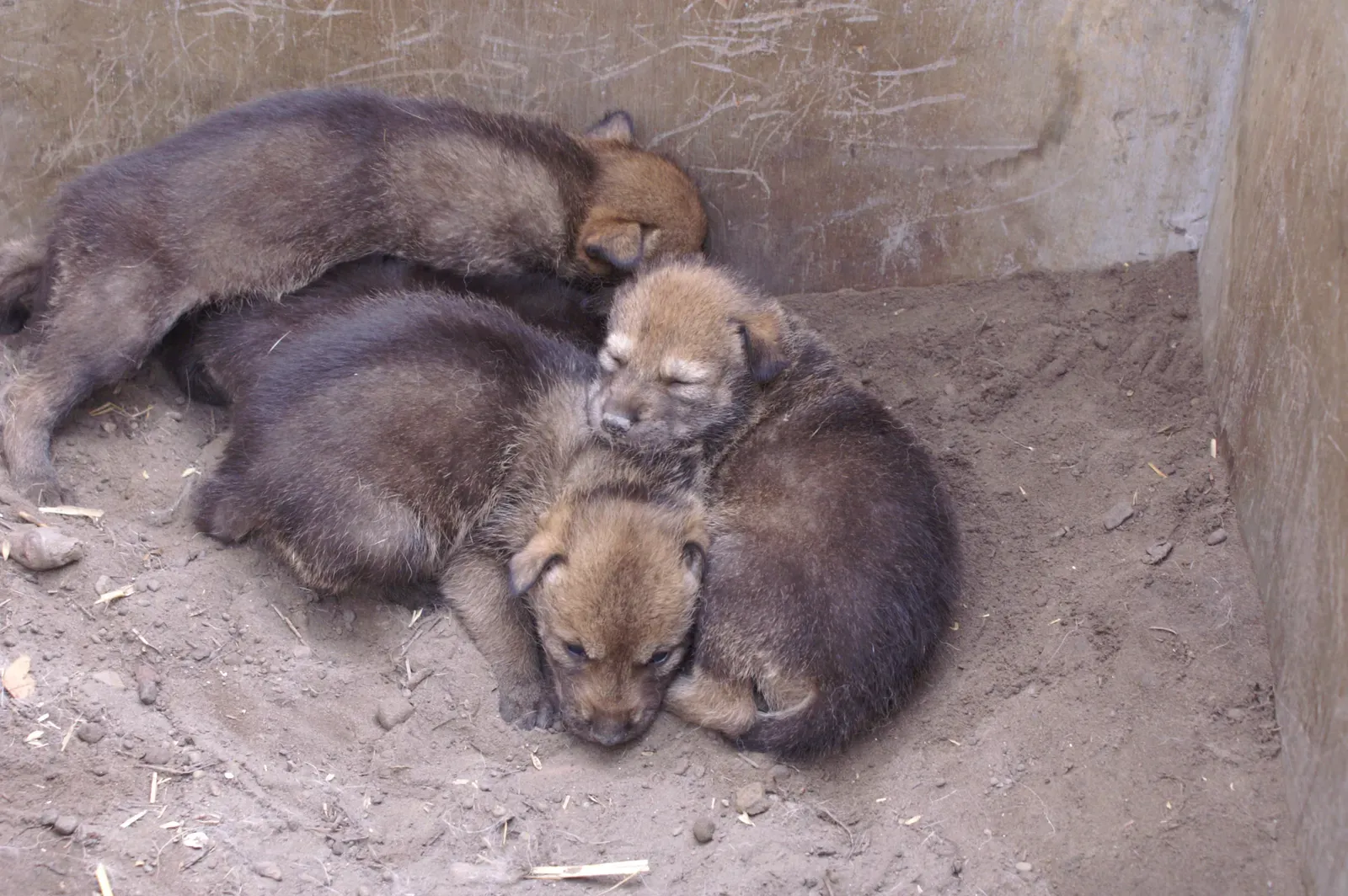
Fewer than half of wolf pups born in the wild survive to adulthood, with survival rates affected by disease, malnutrition and predation. Pups are typically born in April or May in well-hidden dens that may be located in hollow trees, stream banks and sand knolls. The early months are critical and fraught with danger.
Even when pups do survive, challenges continue. The average Red Wolf life span is roughly two to three years in the wild when considering human-based mortalities like gunshots and vehicle strikes, though the oldest known Red Wolf in the wild was actually 14. I know it sounds crazy, but the dramatic difference between potential lifespan and actual survival tells you everything you need to know about the threats these animals face. Natural predation and disease are part of any wild animal’s life, but human factors have become the overwhelming cause of mortality.
7. Hybridization With Coyotes Nearly Wiped Them Out
The smaller coyotes do not pose a direct challenge to Red Wolf territory and are displaced from the environment if there is a Red Wolf Pack in a given territory range, but when low in their population numbers, Red Wolves tolerate coyotes due to the lack of ability to form breeding pairs with other Red Wolves. When red wolf numbers plummeted, coyotes moved into their former territories. Unable to find mates of their own species, desperate red wolves began breeding with coyotes.
Any offspring between coyotes and Red Wolves endangers the Red Wolf species as an entirety by potentially wiping them out with hybrid animals. Wildlife managers have had to implement creative solutions, including sterilizing territorial coyotes to prevent hybridization while still keeping other coyotes away from red wolf territories. It’s a delicate balancing act that requires constant monitoring and intervention.
8. They Were Victims Of Systematic Government Extermination Programs
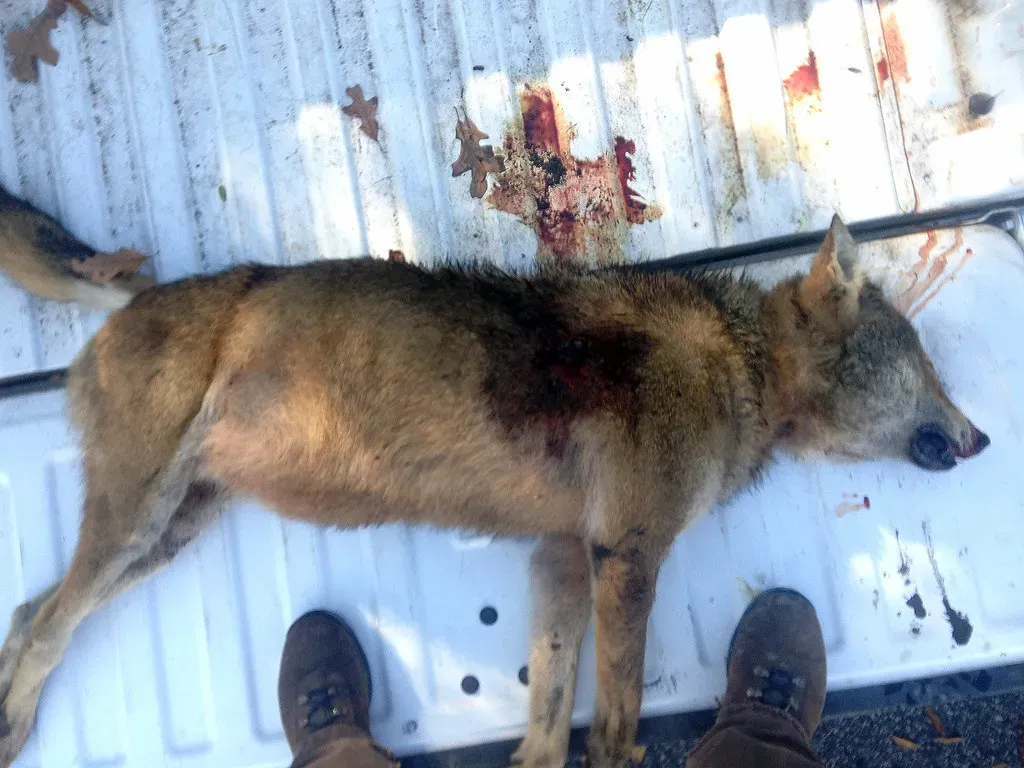
Wolf bounties were first awarded in North Carolina in the late 1700s, and red wolves were viewed as a threat to both livestock and big game so they were killed through government-sponsored, intensive predator control programs that resulted in the near extinction of the species. This wasn’t accidental decline. It was deliberate extermination. For generations, Americans were taught to fear and hate wolves.
Red wolves were wiped out in all but a very small portion of their range in Texas and Louisiana. By the mid-1900s, centuries of persecution, habitat destruction, and predator control had pushed the species to the absolute brink. The last wild red wolves survived in coastal marshes and prairies, a tiny fragment of their once expansive range that stretched from Pennsylvania to Texas.
9. The Red Wolf Recovery Was The First Of Its Kind In History
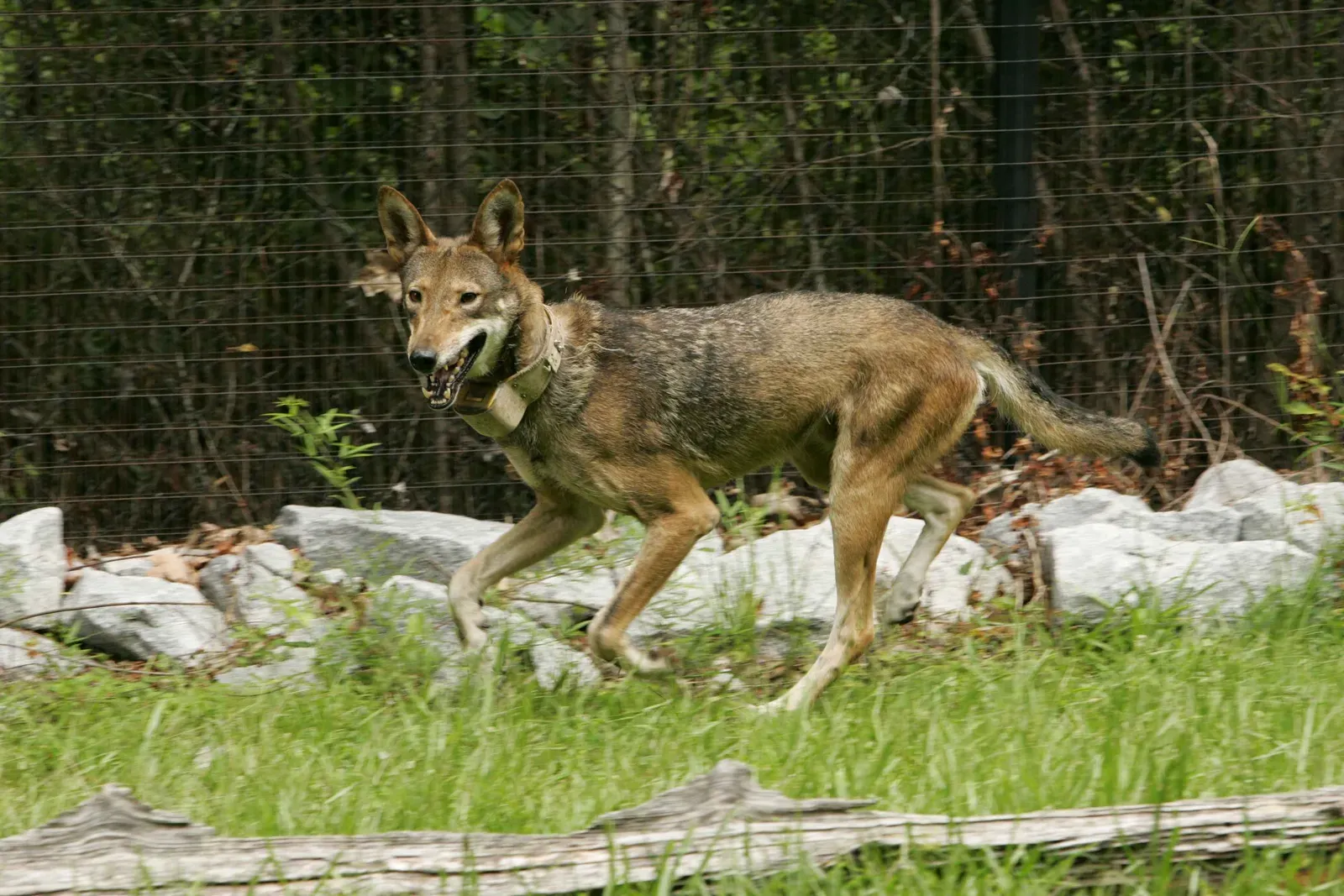
The American Red Wolf reintroduction effort was the first ever reintroduction of a large carnivore in human history, and the creative and innovative scientific approach to this program not only helped save the American Red Wolf but also laid the foundation for other reintroduction efforts like the gray wolf in Yellowstone. That’s right. The famous Yellowstone wolf reintroduction that everyone celebrates? It learned from red wolf recovery efforts.
In 1987, eight red wolves (four breeding pairs) were released into the Alligator River National Wildlife Refuge in northeastern North Carolina, reestablishing a wild population, marking the first “rewilding” experiment of its kind. Conservation biologists had to figure out everything from scratch: How do you prepare captive-born wolves for wild life? How do you choose release sites? What monitoring is needed? The red wolf program pioneered techniques now used worldwide for endangered species recovery.
10. Human-Caused Deaths Are The Leading Threat To Their Survival
Human-caused mortality events, specifically gunshots and vehicle strikes, are the leading cause of death and population decline amongst wild Red Wolves. Let that sink in. Disease, natural predation, starvation – these aren’t the main problems. People are. Whether through illegal shooting, misidentification as coyotes, or collisions with vehicles on rural roads, humans kill more red wolves than any natural factor.
Their entire habitat in the Albemarle Peninsula rests just three feet above sea level, and as a result climate change also poses a serious threat. Adding to the challenges, their current North Carolina home is extremely vulnerable to rising seas and increased storm surge. Every hurricane season brings genuine concern that the entire wild population could be wiped out. It’s a precarious existence that requires active management and, frankly, more public awareness and support.
Conclusion
The red wolf’s story is ultimately about choices. We chose to eliminate them through bounties and extermination programs. We chose to save them when only a handful remained. We’re now choosing whether to commit to their recovery or let them slip back into extinction. Their fate rests in human hands, which is both terrifying and empowering.
As of August 2025, there are approximately 280 Red Wolves in SAFE facilities across the country. The captive population provides a genetic lifeline, but these wolves belong in the wild, playing their role as predators that help maintain healthy ecosystems. Their survival depends on continued reintroduction efforts, protected habitat, reduced vehicle strikes, and public tolerance in areas where they roam.
What’s your take on bringing back a species from the brink of extinction? These wolves need space, understanding, and frankly, a bit of patience from people living near their recovery areas. Did you know about the red wolf before reading this? Share what surprised you most.